The best cycling routes around Giessenlanden
4.6
(174)
2,359
riders
118
rides
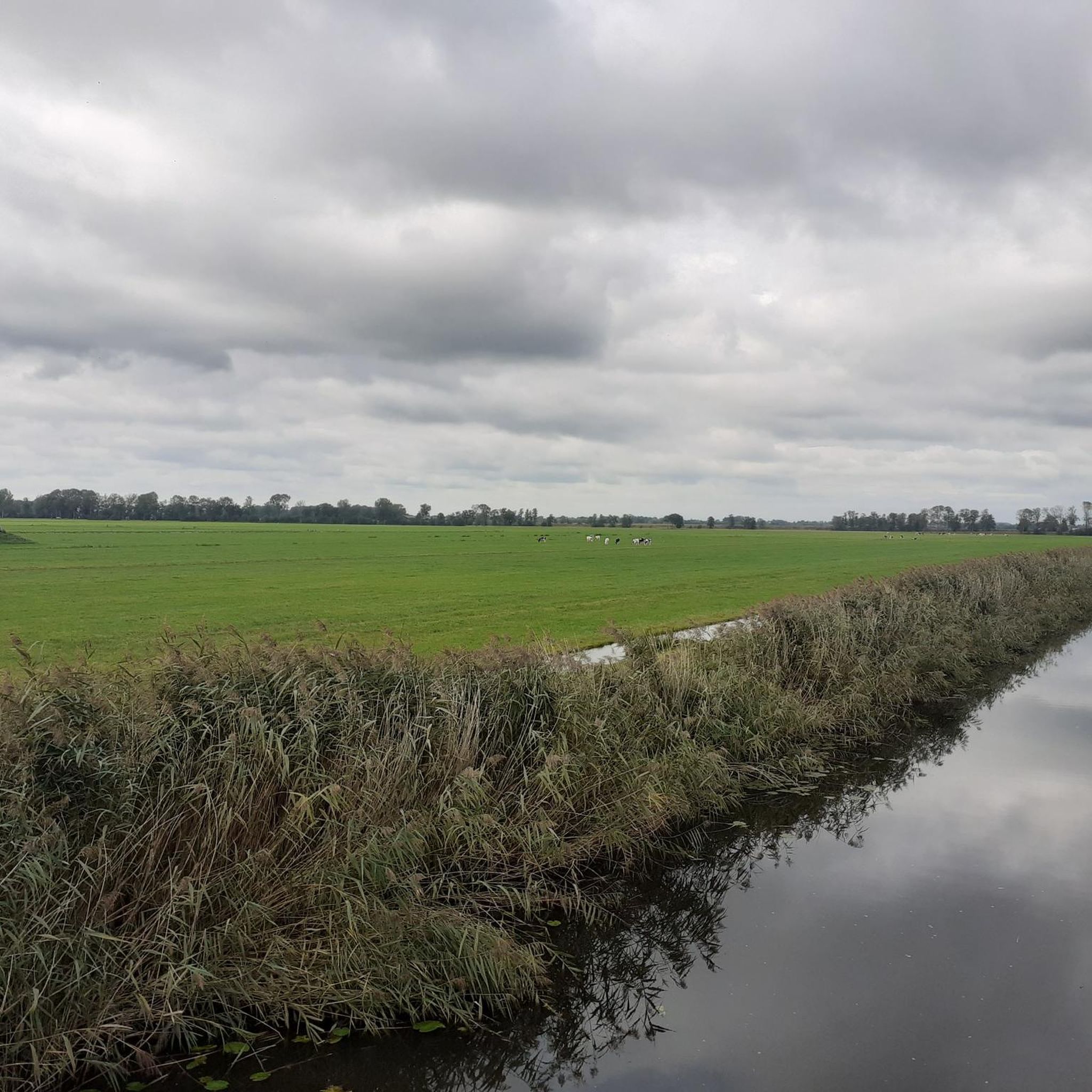
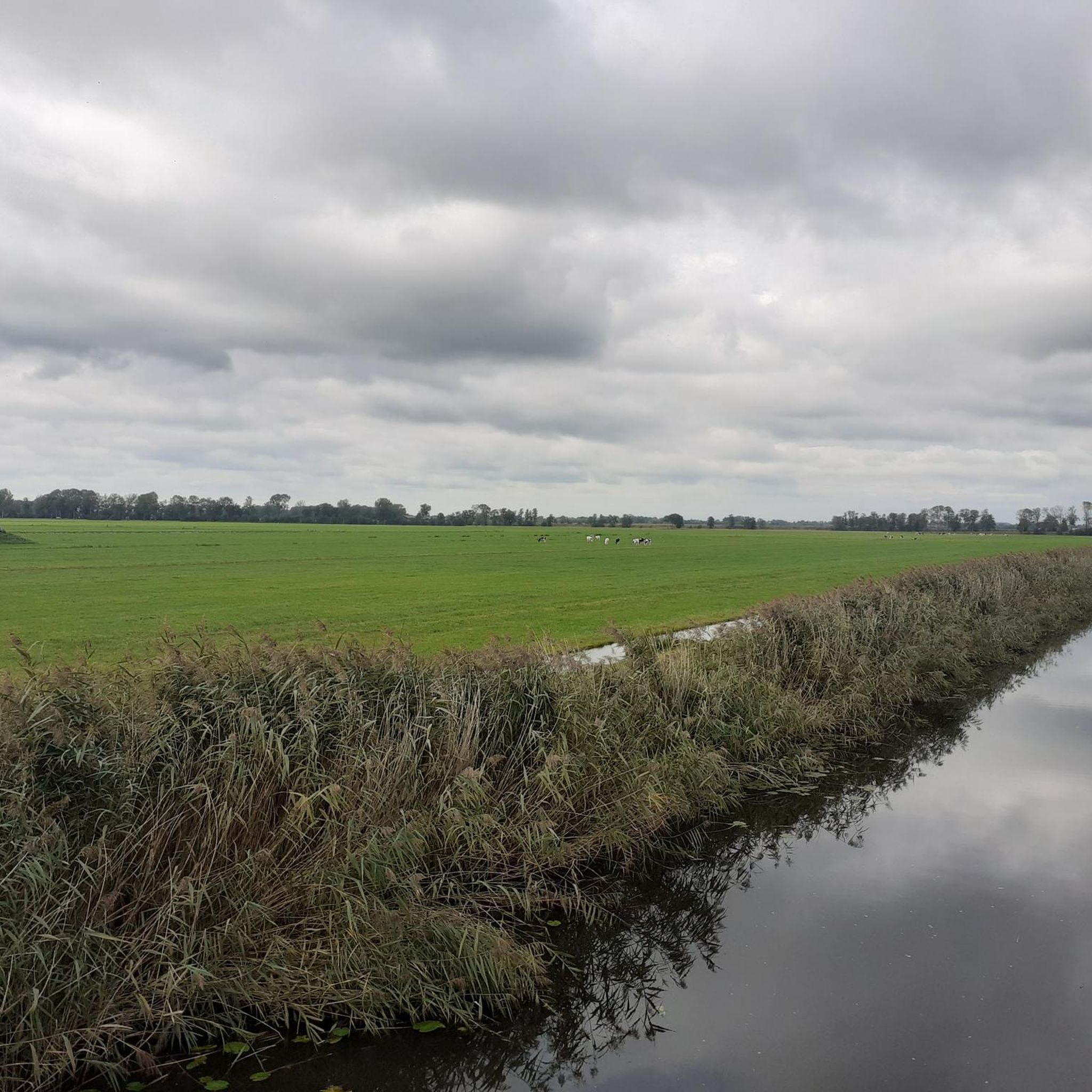
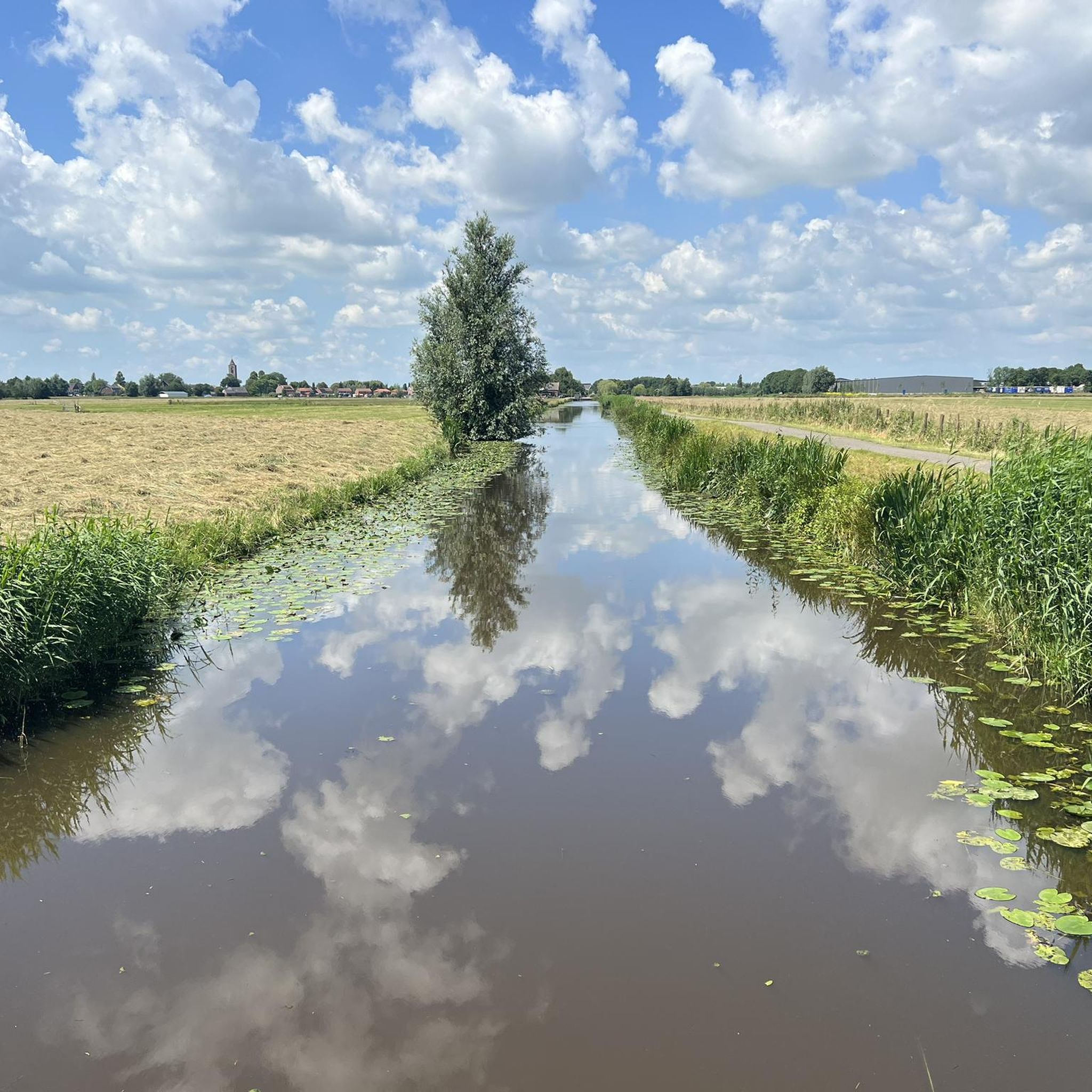
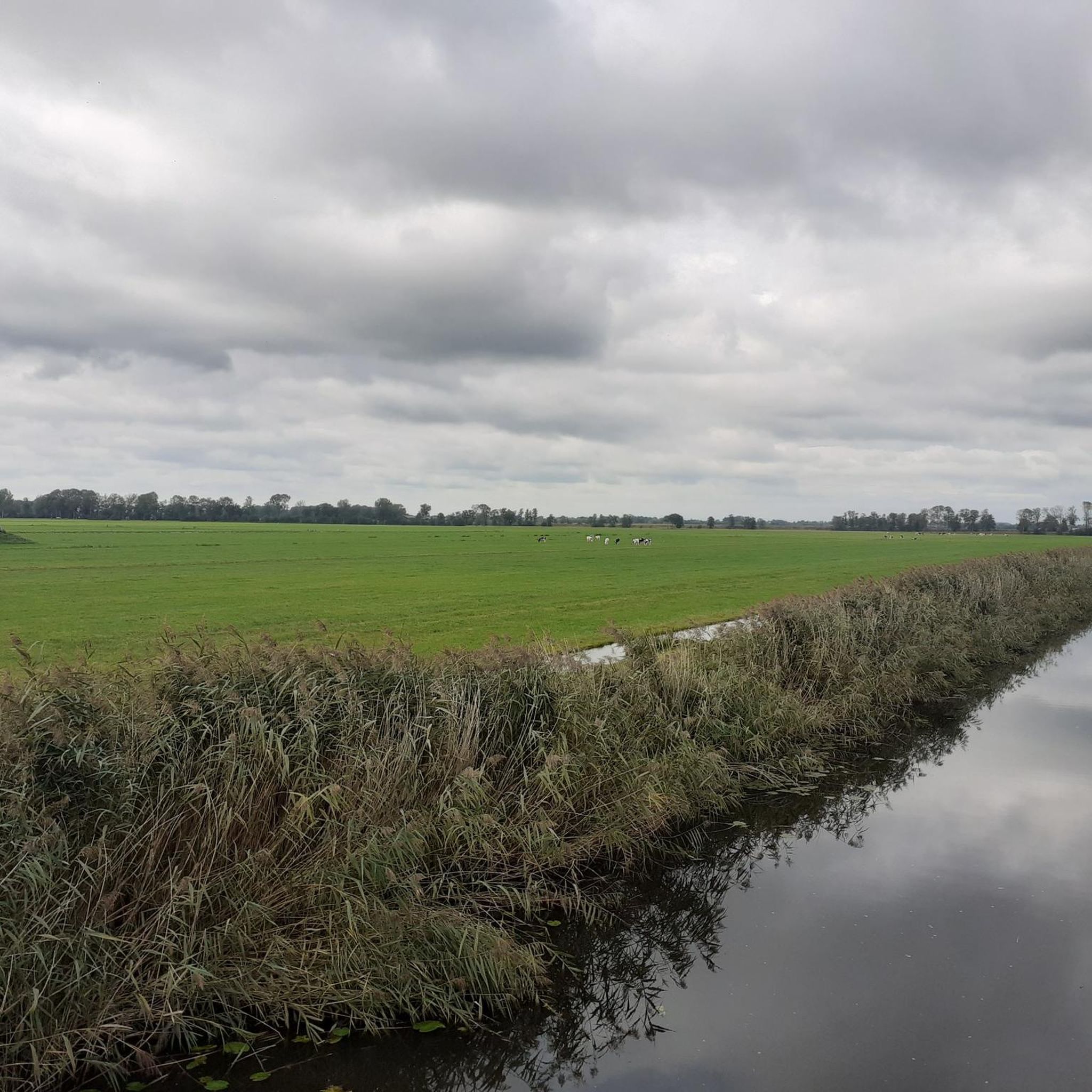
Touring cycling routes around Giessenlanden traverse a predominantly flat landscape, characteristic of the Dutch polder regions. This area, now part of Molenlanden, is defined by its extensive network of rivers, canals, and reclaimed land. The terrain offers accessible cycling for various fitness levels, with minimal elevation changes. The region also features significant nature reserves and historic towns, providing diverse scenery for cyclists.
Best touring cycling routes around Giessenlanden
- The most popular touring cycling route is Loevenstein Castle – Woudrichem Fortress…
Last updated: June 6, 2026
4.8
(31)
266
riders
Moderate bike ride. Good fitness required. Mostly paved surfaces. Suitable for all skill levels.
4.8
(22)
156
riders
Moderate bike ride. Good fitness required. Mostly paved surfaces. Suitable for all skill levels.

Sign up for free
4.5
(11)
124
riders
42.7km
02:27
40m
40m
Moderate bike ride. Good fitness required. Mostly paved surfaces. Suitable for all skill levels.
5.0
(8)
61
riders
47.1km
02:44
60m
60m
Moderate bike ride. Good fitness required. Mostly paved surfaces. Suitable for all skill levels.
3.0
(1)
37
riders
Easy bike ride. Great for any fitness level. Mostly paved surfaces. Suitable for all skill levels.
Get access to more routes and recommendations from other explorers.
Sign up for free
Already have an account?
Our route recommendations are based on thousands of hikes, rides, and runs completed by other people on komoot.
Start today with a free account
Your next adventure awaits.
Login or Signup
Tips from the Community


This is pure nature, but no harbor district
0
0


Overnight stay at Villa Augustus.... simply great
1
0

The water tower in Dubbeldam was a striking landmark in old Dubbeldam. When the people of Dordrecht already drank tap water, the Dubbeldam residents still had to get the water from wells and ditches, which resulted in many diseases. In 1916, Visser & Smit therefore built a water tower, which was made entirely of concrete, which was a first at the time. The water was pumped up from the Nieuwe Merwede at the Kop van 't Land. The water tower is located on the Kromme Zandweg and has a height of 36.40 meters. The volume of the water reservoir is 200 m3. The tower has a spiral staircase of 112 steps on the outside, which leads to the viewing platform. The water tower has not been used for this purpose since 1973. The tower then served as a transmission tower for some time. The water tower has since been converted into a hotel and a restaurant.
0
0

There's plenty of flora and fauna to discover in the Biesbosch National Park. The park's museum and café are also a must-see. It's important to check the ferry service to Crezée in advance.
1
0

Loevestein Castle is located in a unique place, where the Maas and the Waal meet. It is situated in the Fortress Triangle, between the historic cities of Gorinchem, Woudrichem and Zaltbommel and forms a hub of culture and nature. Loevestein is located on the border of three provinces - Gelderland, Noord-Brabant and Zuid-Holland - and is part of the municipality of Zaltbommel. A special region where a lot of culture, fortifications and centuries-old stories can be found. Want to know more? Click through to https://www.slotloevestein.nl/
7
0
Frequently Asked Questions
What is the typical terrain like for touring cycling in Giessenlanden?
The terrain in Giessenlanden is predominantly flat, characteristic of the Dutch polder regions. This makes cycling accessible and enjoyable for all fitness levels, with minimal elevation changes. You can expect relaxed rides through expansive farmlands, along rivers, and through serene nature reserves.
How many touring cycling routes are available in Giessenlanden?
Giessenlanden offers over 100 touring cycling routes, catering to various preferences. Among these, 83 are rated as easy, 23 as moderate, and 11 as difficult, providing options for different skill levels.
Are there any family-friendly cycling routes in Giessenlanden?
Yes, the predominantly flat landscape of Giessenlanden is ideal for family-friendly cycling. Many of the routes are easy and separated from motor traffic, making them safe and enjoyable for all ages. Over 80 routes are classified as easy, perfect for a leisurely family outing.
What notable landmarks and natural features can I see along the cycling routes?
Cycling in Giessenlanden allows you to explore a variety of landmarks and natural beauty. You can visit historic sites like Loevenstein Castle, Woudrichem Fortress Town, and Gorinchem Canals. Nature enthusiasts will appreciate the wild nature of De Biesbosch National Park and the scenic Jantjesplaat. The region is also famous for its iconic polder landscapes and winding rivers like the Linge.
Are there any long-distance or challenging touring cycling routes in the area?
Yes, for those seeking a longer challenge, Giessenlanden offers several difficult routes. One such route is the Windmill on the River Linge – De Biesbosch National Park loop from Arkel, an 81.2-mile (130.7 km) path that combines scenic river views with the expansive nature of De Biesbosch. Another option is the Woudrichem Fortress Town – De Biesbosch National Park loop from Boven Hardinxveld, covering 63.1 miles (101.5 km) through historic settlements and wetlands.
What do other touring cyclists enjoy most about cycling in Giessenlanden?
The touring cycling routes in Giessenlanden are highly rated by the komoot community, with an average score of 4.5 stars from almost 200 reviews. Cyclists often praise the peaceful routes through picturesque villages, expansive farmlands, and serene nature reserves, as well as the well-maintained, dedicated cycling paths.
Can I combine cycling with public transport in Giessenlanden?
Yes, the Netherlands has a bike-friendly culture and excellent integration with public transport. Trains are generally designed to accommodate bicycles, making it easy to combine your rides with longer journeys across the region. This allows for flexible planning of your touring cycling adventures.
Are there any circular cycling routes available?
Many of the touring cycling routes in Giessenlanden are designed as loops, offering convenient circular journeys. For example, the Loevenstein Castle – Woudrichem Fortress Town loop from Boven Hardinxveld is a popular 30-mile (48.3 km) route connecting historic fortress towns. Another option is the Biesbosch Wetlands – Beautiful floral waterfront loop from Boven Hardinxveld, a moderate 25-mile (40.4 km) ride.
What is the best time of year for touring cycling in Giessenlanden?
The best time for touring cycling in Giessenlanden is typically from spring through autumn. During these seasons, the weather is generally mild and pleasant, allowing you to fully enjoy the scenic routes and natural beauty. The flat terrain also makes it accessible for cycling in various conditions.
Are there places to eat or stay along the cycling routes?
Yes, the region features picturesque villages and historic towns like Gorinchem and Woudrichem, which offer various amenities. You'll find cafes, pubs, and accommodation options along many routes, especially in and around these settlements, providing convenient stops for refreshments and overnight stays.
Where can I find routes that feature the Linge River?
The Linge River is a beautiful feature of the Giessenlanden landscape. You can experience it on routes like the Windmill on the River Linge – De Biesbosch National Park loop from Arkel, which offers extensive views of the river and its surroundings.
What is the cycling infrastructure like in Giessenlanden?
Giessenlanden, like much of the Netherlands, benefits from an extensive cycling infrastructure. You'll find over 35,000 kilometers of dedicated cycling paths that are typically well-maintained, clearly marked, and often separated from motor traffic, ensuring a safe and pleasant cycling experience.
Most popular attractions around Giessenlanden

Get inspired with the komoot mobile app


Explore more
Browse the best Cycling routes in other regions.
