Top 20 Natural Monuments around Zoetermeer
Best natural monuments around Zoetermeer offer diverse natural spaces for exploration. Despite being a modern city, Zoetermeer provides several significant natural areas and parks. These locations, ranging from extensive forests to unique water bodies, contribute to the region's green character. Visitors can find opportunities for recreation, wildlife observation, and peaceful escapes into nature.
Best natural monuments around Zoetermeer
- The most popular natural monuments is Seringeberg Lookout – De Horsten Estate, a viewpoint and forest area known for its lilacs. This viewing point offers panoramic views of forests and fields, providing a tranquil setting.
- Another must-see spot is De Horsten Royal Estate, a natural monument and nature reserve. This large estate offers extensive walking opportunities through its forests and is largely open to visitors.
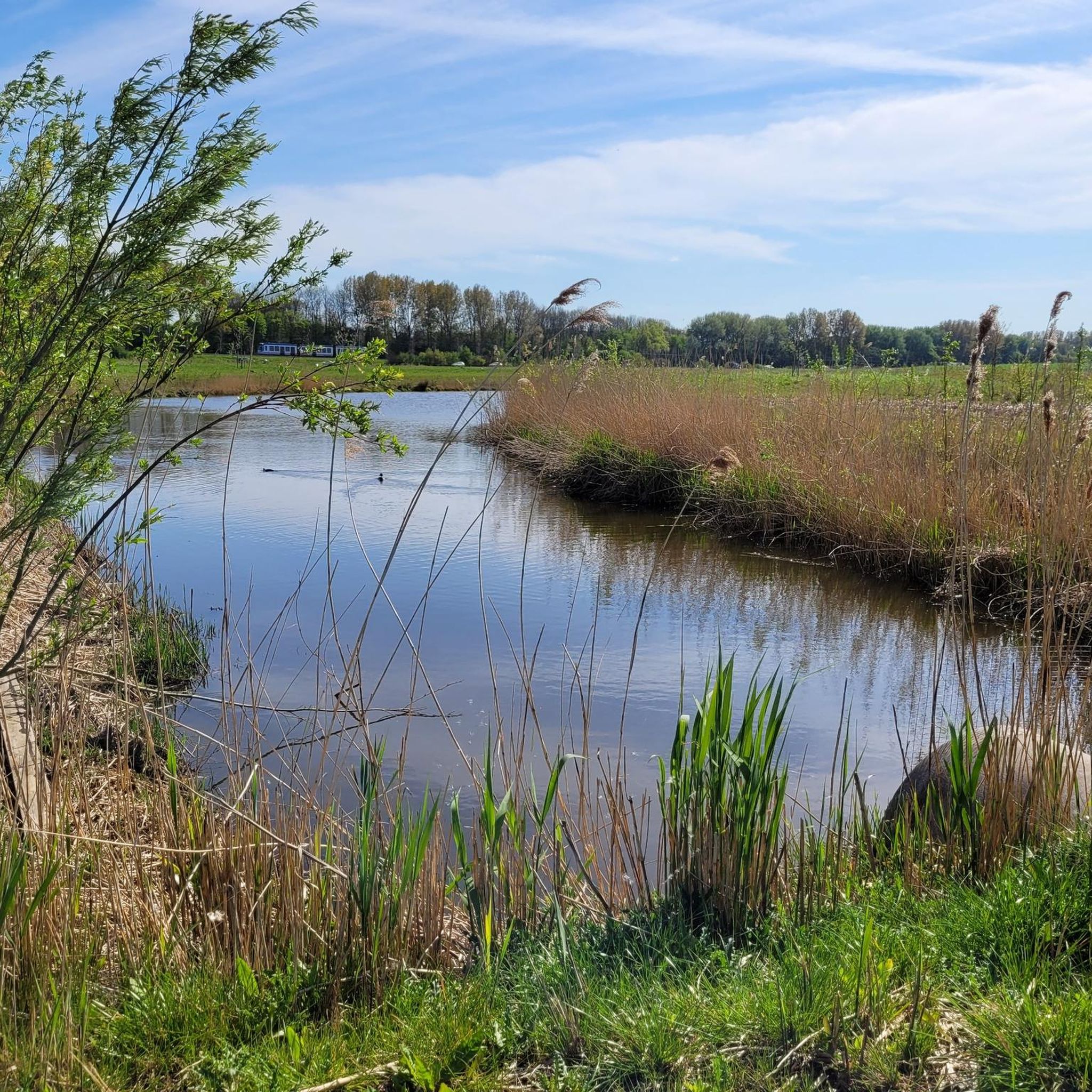
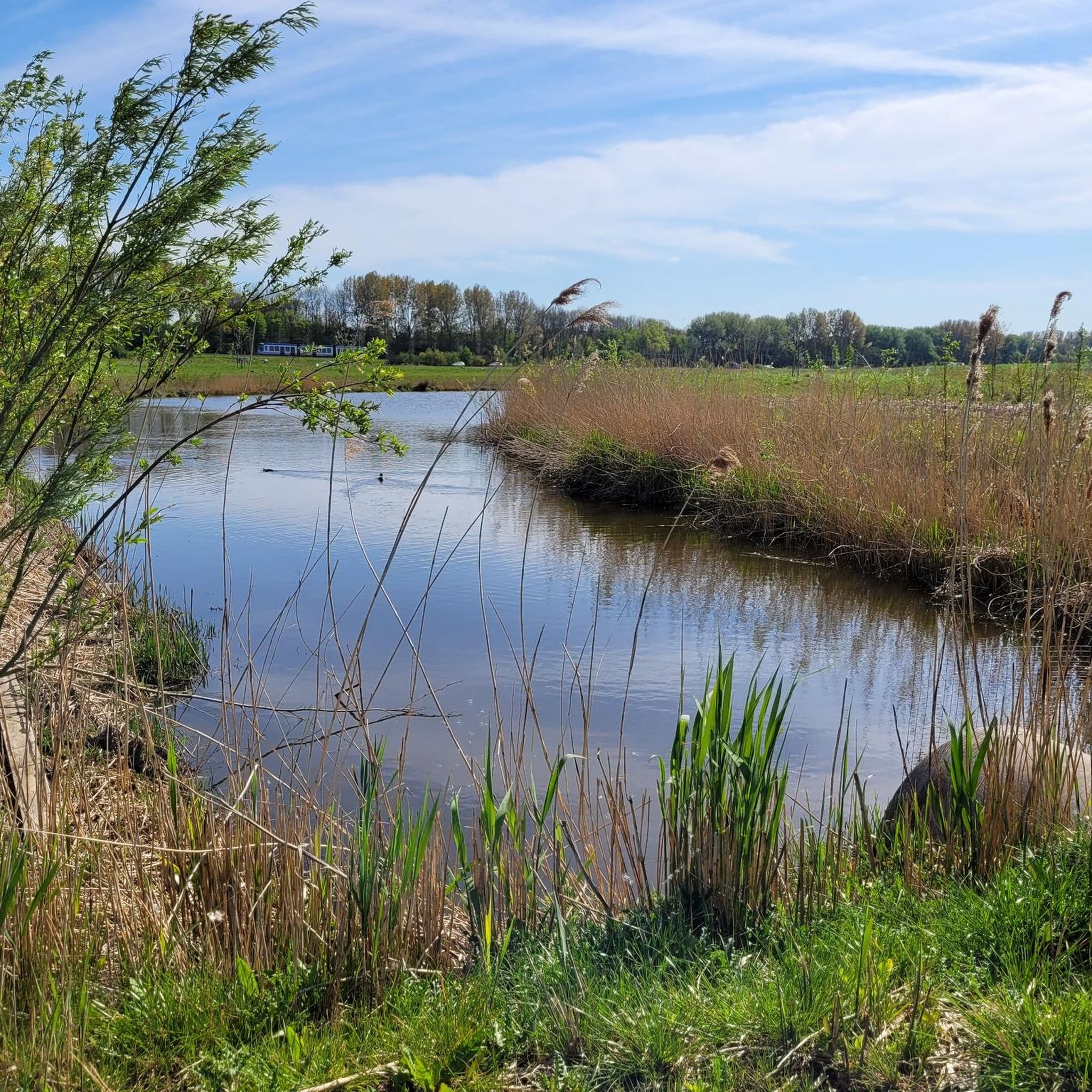
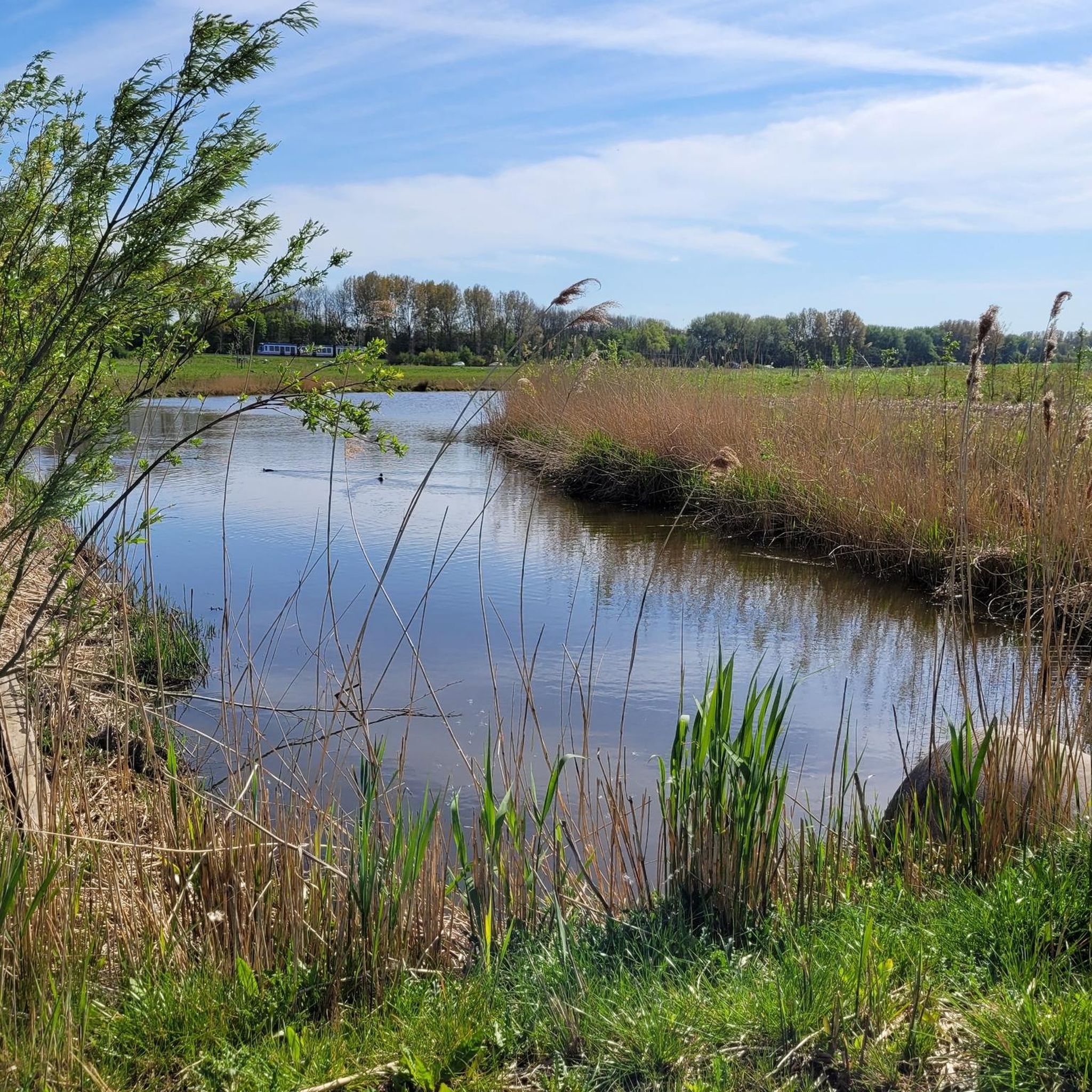
- Visitors also love Benthuizer Lake, a lake and natural monument. This lake is a special natural area due to its self-contained ecosystem and unique water management, attracting waterfowl and bird lovers.
- Zoetermeer is known for its diverse natural monuments, including forests, lakes, and viewpoints. The variety of natural monuments provides numerous options for outdoor activities and nature appreciation.
- The natural monuments around Zoetermeer are appreciated by the komoot community, with more than 220 upvotes and over 60 photos shared across the highlights.
Last updated: May 13, 2026
Hortus Botanicus Leiden
Highlight • Natural
Translated by Google •
Tip by

Waalsdorpervlakte Memorial
Highlight • Monument
Translated by Google •
Tip by

Sign up now to discover places like this
Get recommendations on the best single tracks, peaks, & plenty of other exciting outdoor places.
Sign up for free
Benthuizer Lake
Highlight • Lake
Translated by Google •
Tip by

National Children's Tree Forest
Highlight • Forest
Translated by Google •
Tip by
Duivenvoorde Castle
Highlight • Castle
Translated by Google •
Tip by

Sign up for free to discover even more natural monuments around Zoetermeer.
Sign up for free
Already have an account?
Start today with a free account
Your next adventure awaits.
Login or Signup
Other adventures around Zoetermeer

Tips from the Community

The cultivation and trade of extremely valuable tulips began in the Netherlands after Carolus Clusius brought tulips from Turkey to Europe in 1593. During the Dutch Golden Age, tulip bulbs became an object of speculation. In the 1630s, prices for tulip bulbs rose to comparatively extremely high levels before the market collapsed abruptly in early February 1637 (= the first relatively well-documented speculative bubble in economic history). (Source: Wikipedia) THE TULIP: It came to Europe from Persia and Turkey in the 16th century. The Netherlands, especially Leiden, became the center of tulip cultivation. The "Semper Augustus" became particularly valuable because a virus caused it to have unique red and white flame patterns on its petals. During the tulip mania around 1643, it was recorded as the most expensive tulip in the world (Collection of the Norton Simon Art Foundation, USA). It is unknown who bred the Semper Augustus, as it is a historical, now extinct specimen. However, it became a symbol of the Dutch "tulip mania" (nl = tulpenwoede, tulpengekte) in the 17th century. At its peak in 1637, one bulb of this variety fetched 10,000 guilders, exactly the price of a house on a canal. In 1624, there were only 12 of this variety. (Source: Book "Leidener Runde und Rembrandt Route" by Leiden City Marketing)
2
0
🌿🌱After the founding of Leiden University in 1575, it seemed sensible to establish a "hortus medicus," a herb garden where medical students could study medicinal plants. This marked the beginning of a development that continued at the LUMC Academic Hospital and the Bio Science Park. The "Hortus Botanicus Leiden" was established in 1590, making it the oldest botanical garden in the Netherlands. 🌷Carolus CLUSIUS, a Hortulanus from Vienna, was the first director of the garden in 1593. He oversaw its design and cultivated the first large tulip collections in Europe. These form the basis of the nearby Keukenhof in Lisse, the "Garden of Leiden." ☘In the 19th century, Philipp Franz von SIEBOLD introduced around 700 previously unknown plants from Japan and China. (Source: Book "Leidener Runde and Rembrandt Route" by the Leiden City Marketing)
2
0

I was there early yesterday evening. The weather was beautiful and NO ONE was there. It's a shame because this is such a lovely place.
0
0

What is particularly striking here is the simplicity and austerity of the memorial site.
3
0

Children's Tree Forest The National Children's Tree Forest is located in the Bentwoud. In this forest, family members plant trees in memory of their newborn or deceased children. The forest consists of 5 tree rooms with Italian poplars and hornbeams and a central tree circle with 12 white poplars. The Children's Tree Forest is an initiative of the National Tree Planting Day Foundation and Staatsbosbeheer made 20 hectares available for its construction. For more information: Kinderbomenbos.nl Source and more information: www.staatsbosbeheer.nk
4
0
Children's Tree Forest The National Children's Tree Forest is located in the Bentwoud. In this forest, family members plant trees in memory of their newborn or deceased children. The forest consists of 5 tree rooms with Italian poplars and hornbeams and a central tree circle with 12 white poplars. The Children's Tree Forest is an initiative of the National Tree Planting Day Foundation and Staatsbosbeheer made 20 hectares available for the construction. For more information: Kinderbomenbos.nl Source: www.staatsbosbeheer.nl
2
0

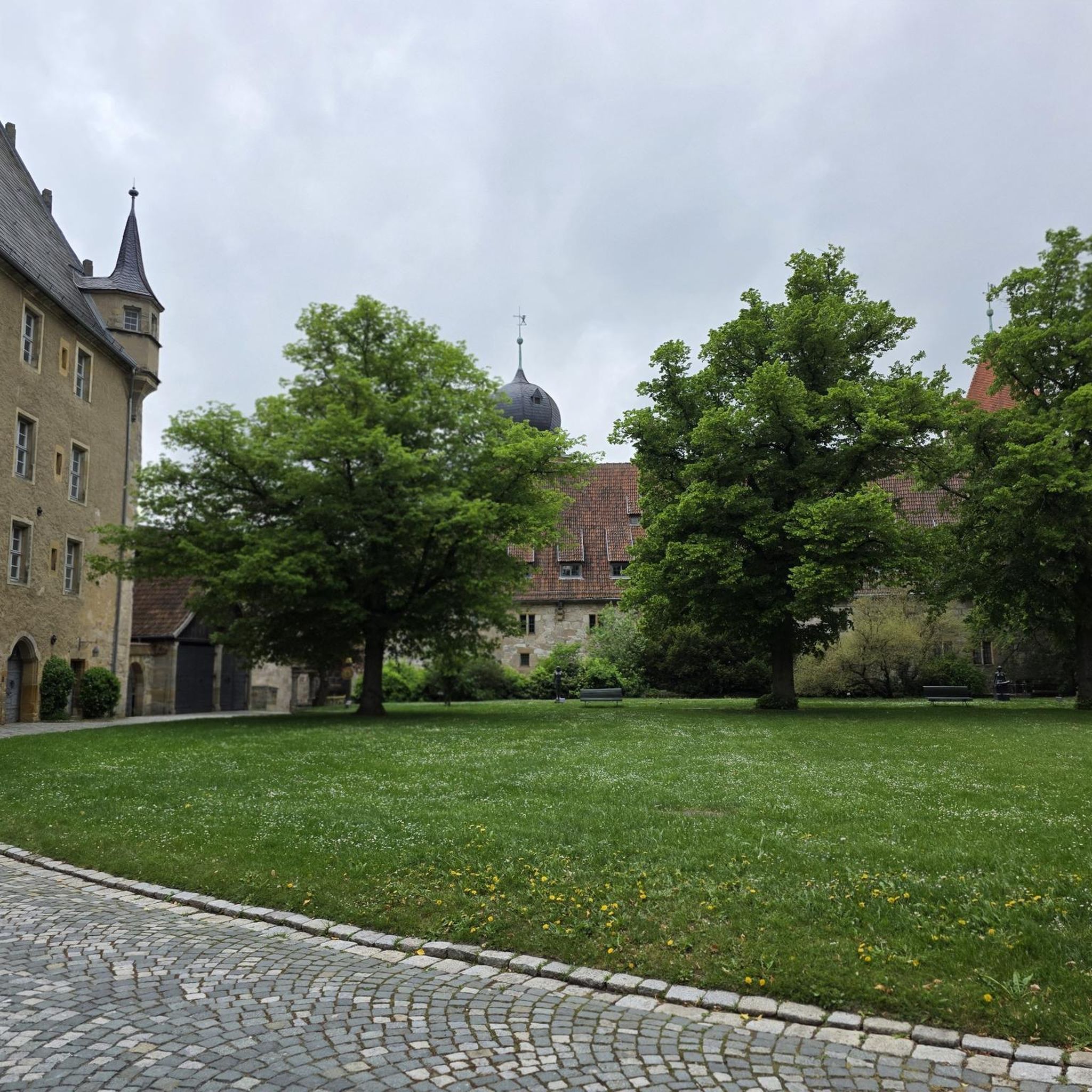
Nice flora and fauna, the park/estate plus castle offer a special beautiful atmosphere.
1
0

After the foundation of Leiden University in 1575, it was deemed desirable to create a 'hortus medicus': a garden in which medical students could study medicinal plants. The start of a development that has continued in the Academic Hospital LUMC and the Bio Science Park. Hortus Botanicus Leiden was founded in 1590, making it the oldest botanical garden in the Netherlands.
4
0
Frequently Asked Questions
What unique natural features can I explore around Zoetermeer?
Zoetermeer offers a variety of natural features, from unique water bodies to extensive forests. You can visit the Benthuizer Lake, known for its self-contained ecosystem and special natural environment, attracting waterfowl and bird lovers. Another significant area is the Westerpark, a large public park with woodlands, reed beds, and waterways, offering a diverse landscape for exploration.
Are there family-friendly natural monuments or areas near Zoetermeer?
Yes, several natural areas around Zoetermeer are great for families. The Westerpark features playgrounds and is ideal for walking and cycling. De Horsten Royal Estate is also listed as family-friendly and offers extensive walking opportunities. Additionally, Balijbos has a petting zoo and a children's playground designed like a castle, making it a fun destination for kids.
Where can I go for a peaceful nature walk or hike near Zoetermeer?
For peaceful nature walks, consider Balijbos, a forested area with scenic walking paths and diverse bird species, offering a quiet retreat. The De Horsten Royal Estate also provides extensive walking opportunities through its forests. For more structured hiking options, you can explore various trails, including an easy 6.7 km route like 'View of the Zoetermeerse Plas – Ringvaart loop from Gelderswoude'. Find more hiking routes on the Hiking around Zoetermeer guide.
What historical sites are integrated with the natural monuments in the region?
The De Horsten Royal Estate is a natural monument with historical significance, offering extensive walking through its grounds. Another notable historical site is the Waalsdorpervlakte Memorial, a profoundly memorable place from WWII, serving as one of the most important Dutch war memorial sites.
What kind of outdoor activities can I do near Zoetermeer's natural areas?
Beyond walking and hiking, you can enjoy various outdoor activities. The Noord Aa (Zoetermeerse Plas) is a popular spot for water sports like swimming, sailing, and paddleboarding. The surrounding areas also offer excellent opportunities for cycling, including an 8 km roundtrip path around the Noord Aa. For more cycling adventures, check out the Road Cycling Routes around Zoetermeer guide or the MTB Trails around Zoetermeer guide.
Where can I find panoramic views of the natural landscape?
The Seringeberg Lookout – De Horsten Estate is a prime location for panoramic views. From the top of the Seringeberg, you can enjoy lush forests and rolling fields, especially enchanting in spring when the lilacs at its base are in bloom.
Are there any botanical gardens or areas with special plant collections?
Yes, the Hortus Botanicus Leiden is a significant botanical garden, the first established in the Netherlands. It features many special plants and trees, including some brought from Japan by Philipp Franz von Siebold. Within Westerpark, there's also a Nature and Landscape Garden showcasing diverse flora and landscapes that once defined the Zoetermeer area.
What is the best time of year to visit the natural monuments around Zoetermeer?
Spring is particularly beautiful, especially for places like the Seringeberg Lookout – De Horsten Estate, when its namesake lilac trees are in full bloom. Summer is ideal for water sports at Noord Aa. Generally, the natural areas offer pleasant experiences for walking and cycling during spring, summer, and autumn, with opportunities for winter walks when conditions allow.
Where can I observe wildlife, especially birds, near Zoetermeer?
The Benthuizer Lake is recognized as a special natural area popular with waterfowl and bird lovers due to its unique ecosystem. Balijbos is also home to diverse bird species, offering a quiet spot for bird spotting. Bentwoud, as a developing forest, also provides opportunities for bird observation.
Are there any large, developing forest areas for nature exploration?
Yes, Bentwoud, situated on the edge of Zoetermeer, is a relatively new but extensive nature and recreation area. Spanning over 800 hectares, it is the largest contiguous forest area in the Randstad, offering vast opportunities for relaxation, walking, cycling, and bird spotting as it continues to develop.
What do visitors appreciate most about the natural monuments in Zoetermeer?
Visitors frequently appreciate the tranquility and natural beauty. The Seringeberg Lookout is praised for its nice viewing point and the beauty of its lilacs. The Benthuizer Lake is valued for its unique natural environment and appeal to bird lovers. Overall, the diverse natural spaces provide peaceful escapes and opportunities for outdoor activities.
Most popular routes around Zoetermeer
Most popular attractions around Zoetermeer

Get inspired with the komoot mobile app


Explore more
Extend your search for the best caves by checking out these guides of the top ones around Zoetermeer:
