Attractions and Places To See around Alwoodley - Top 20
Attractions and places to see around Alwoodley offer a blend of natural landscapes, historical landmarks, and community-focused points of interest. Located approximately 5 miles north of Leeds city centre, Alwoodley provides a serene experience while maintaining easy access to urban amenities. The area features extensive woodlands, significant reservoirs, and historic structures. It is a region known for its outdoor spaces and cultural heritage.
Best attractions and places to see around Alwoodley
- The most popular attractions is Otley Town Centre, a historical site known for its characteristic charm and cycling culture. This town offers numerous cafes and a welcoming atmosphere for visitors.
- Another must-see spot is Lindley Wood Reservoir, an artificial lake and one of the oldest in the Washbourn Valley. Visitors can expect picturesque walks along its green wooded banks and open countryside.
- Visitors also love Barwick-in-Elmet Maypole, a notable landmark in a charming village. This site features the second-largest Maypole in the United Kingdom and Hall Tower Hill, a former World War II observatory.
- Alwoodley is known for its natural features like reservoirs and woodlands, historical sites, and golf courses. The region offers a variety of attractions to see and explore, from outdoor activities to cultural landmarks.
- The attractions around Alwoodley are appreciated by the komoot community, with 20 photos and 113 upvotes highlighting the diverse experiences available.
Last updated: October 9, 2026
Otley Town Centre
Highlight • Historical Site
Tip by

Lindley Wood Reservoir
Highlight • Structure
Walking around the reservoir is a truly aesthetic, soul-beautifying experience. The green wooded banks, woodland and reservoir paths and open countryside... what else would anyone want in life?... oh, sunsets here are unbelievable.
Tip by

Sign up now to discover places like this
Get recommendations on the best single tracks, peaks, & plenty of other exciting outdoor places.
Thornton's Arcade
Highlight • Structure
(visitleeds.co.uk/things-to-do/arcades/thorntons-arcade/)
Tip by

Victoria Quarter
Highlight • Structure
(en.wikipedia.org/wiki/Victoria_Leeds)
Tip by
Barwick-in-Elmet Maypole
Highlight • Settlement
In this village, an exploration awaits, highlighted by noteworthy attractions. Among them is the village's pride: the second-largest Maypole in the United Kingdom. Another gem, Hall Tower Hill, once an observatory during the Second World War, graces the landscape. Completing the village experience, one can find solace within the welcoming confines of any of its three public houses.
Tip by

Sign up for free to discover even more attractions around Alwoodley.
Already have an account?
Start today with a free account
Your next adventure awaits.
Tips from the Community

Lindley Wood is a compensation reservoir, which means it is not linked to the supply of water to homes but is there to take excess water from Fewston and Swinsty reservoirs, which are nearby. This is why there is not much water in there.
0
0

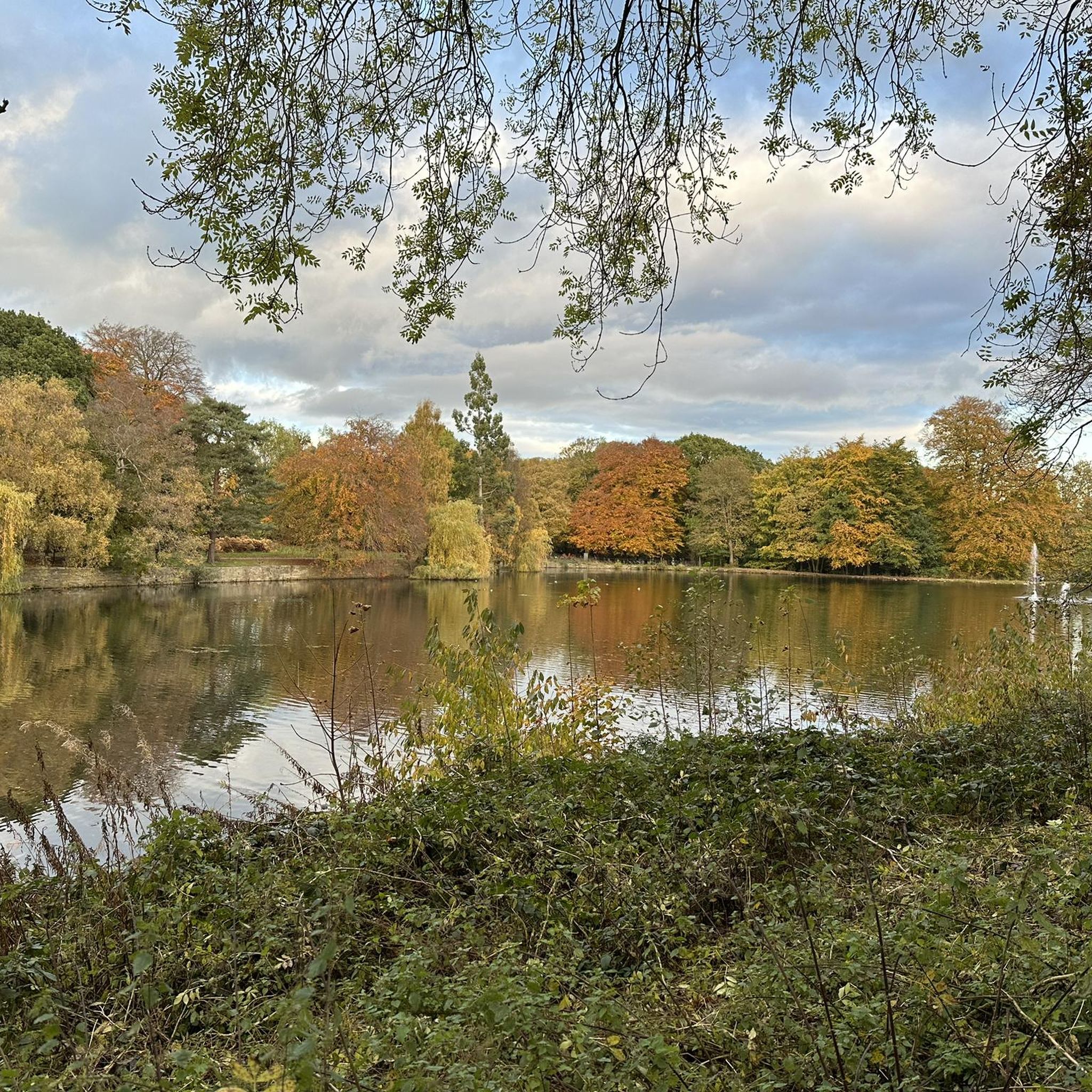
This reservoir is one of the oldest in the Washbourn Valley; it was built between 1869 and 1876. The other three reservoirs here are Thruscross, Swinsty and Fewston. Walking around the reservoir is a truly aesthetic, soul-beautifying experience. The green wooded banks, woodland and reservoir paths and open countryside... what else would anyone want in life?... oh, sunsets here are unbelievable.
0
0

Barwick-in-Elmet unveils itself as a charming village. It stands as one of merely three locales in the region with a direct link to the storied Romano-British kingdom of Elmet from antiquity. In this village, an exploration awaits, highlighted by noteworthy attractions. Among them is the village's pride: the second-largest Maypole in the United Kingdom. Another gem, Hall Tower Hill, once an observatory during the Second World War, graces the landscape. Completing the village experience, one can find solace within the welcoming confines of any of its three public houses.
1
0

The coloured glass room spanning over the main row is absolutely noteworthy.
7
0
Victoria Leeds is a shopping district and leisure area in central Leeds, comprising the 1990 Victoria Quarter, an arcaded complex of restored 19th century and contemporary shopping arcades, and the 2016 Victoria Gate development. Notable for its role in the regeneration of Leeds' city centre, and a programme of restoration and reuse which included commissiong the largest work of stained glass work in Europe,[1] designed by artist Brian Clarke,[2] to cover the newly-pedestrianised Queen Victoria Street, the 1990 scheme created a covered retail district of linked arcades. In 2016 ,the Victoria Quarter was merged with the newly built Victoria Gate complex to form the largest premium retail and leisure venue in Northern England. The district includes a casino and major stores such as Harvey Nichols and John Lewis and Partners. (https://en.wikipedia.org/wiki/Victoria_Leeds)
8
0
Charles Thornton, (1820-1881), was the owner of the Old White Swan Inn in Swan Street, and the proprietor of the Varieties Music Hall. (Now the Leeds City Varieties.) In 1873 he built a block of shops and offices, Thornton's Buildings, at the junction of the Upper Headrow with Lands Lane. In 1875 Thornton applied for permission to demolish the Old Talbot Inn on Briggate, and to build a new arcade of shops on the site. The Talbot was one of the oldest inns in Leeds. Thoresby writing in 1715, describes frescoes painted on the walls of a room in the Inn. The Inn was used for cockfighting, and in the 17th century was where the circuit judge stayed when he was in Leeds. The arcade was originally designed by Charles Fowler, a Leeds architect, but the Borough Engineer would not agree to the designs because of problems with the drainage. Charles Thornton changed his architect, and engaged George Smith, whose altered plans met with approval. The arcade was opened in May 1878. The arcade is three storeys high, with a glass roof. At the northern end is a clock with a mechanism made by William Potts and Sons of Leeds. It has four life-size figures of characters from Sir Walter Scott's Ivanhoe. Richard Coeur-de-Lion, and Friar Tuck who strike the hours, and Robin Hood and Gurth the Swineherd who strike the quarters. They were made by the Leeds sculptor John Wormald Appleyard. At the other end of the arcade is the head of a woman, with long curling hair and a large hat. It is modelled on the painting of the Duchess of Devonshire by Gainsborough. Thornton's Arcade was refurbished in 1993. (https://www.visitleeds.co.uk/things-to-do/arcades/thorntons-arcade/)
8
0

Lindley Wood Reservoir was the first of the four reservoirs in the Washburn Valley to be built. It was constructed by navvies between 1869 and 1876. In the summer of 2022 it dried up exposing a cracked mud bed. Lindley Wood acts to take in excess water from nearby Fewston and Swinsty Reserviors. As the country was in drought, there was no excess water to fill it.
0
0

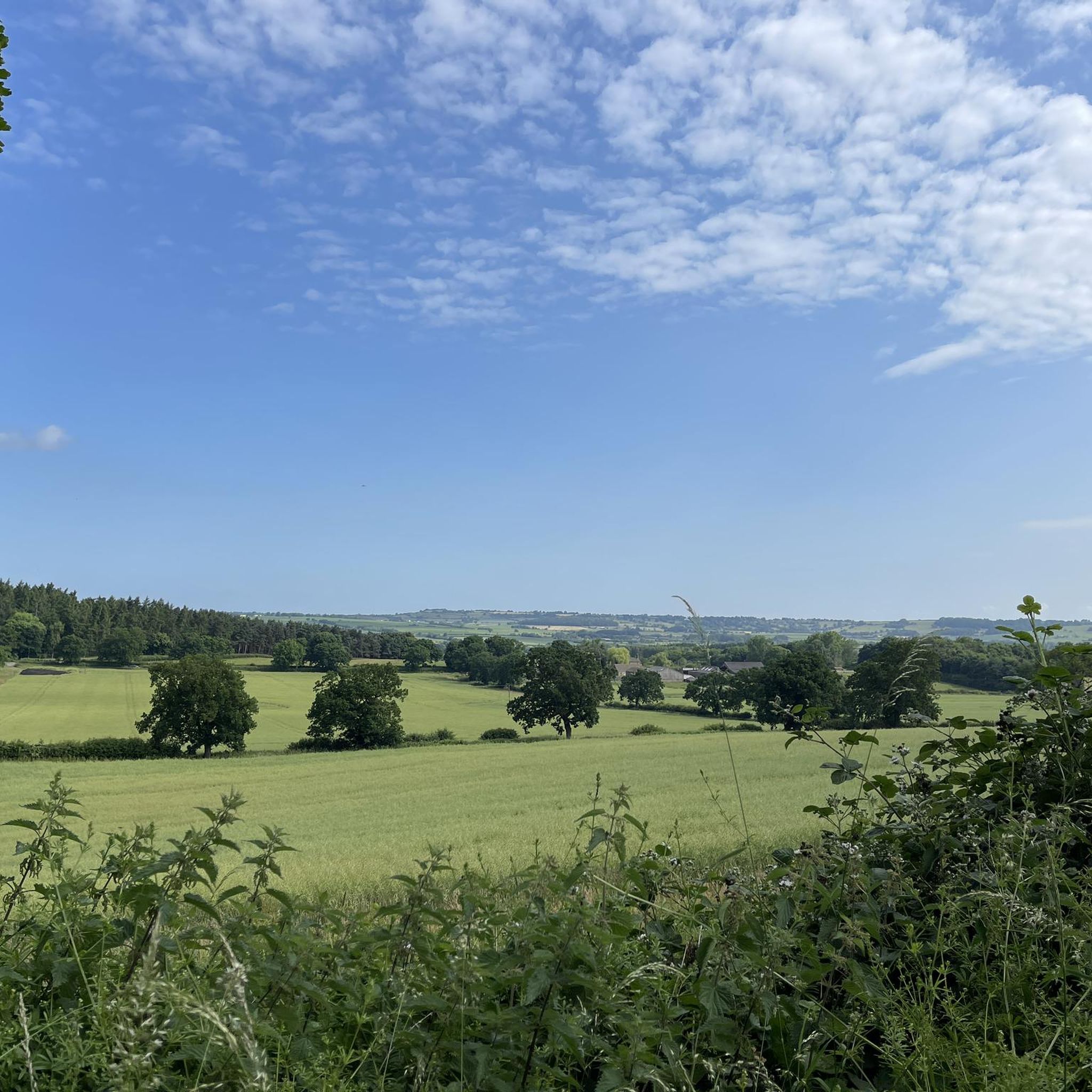
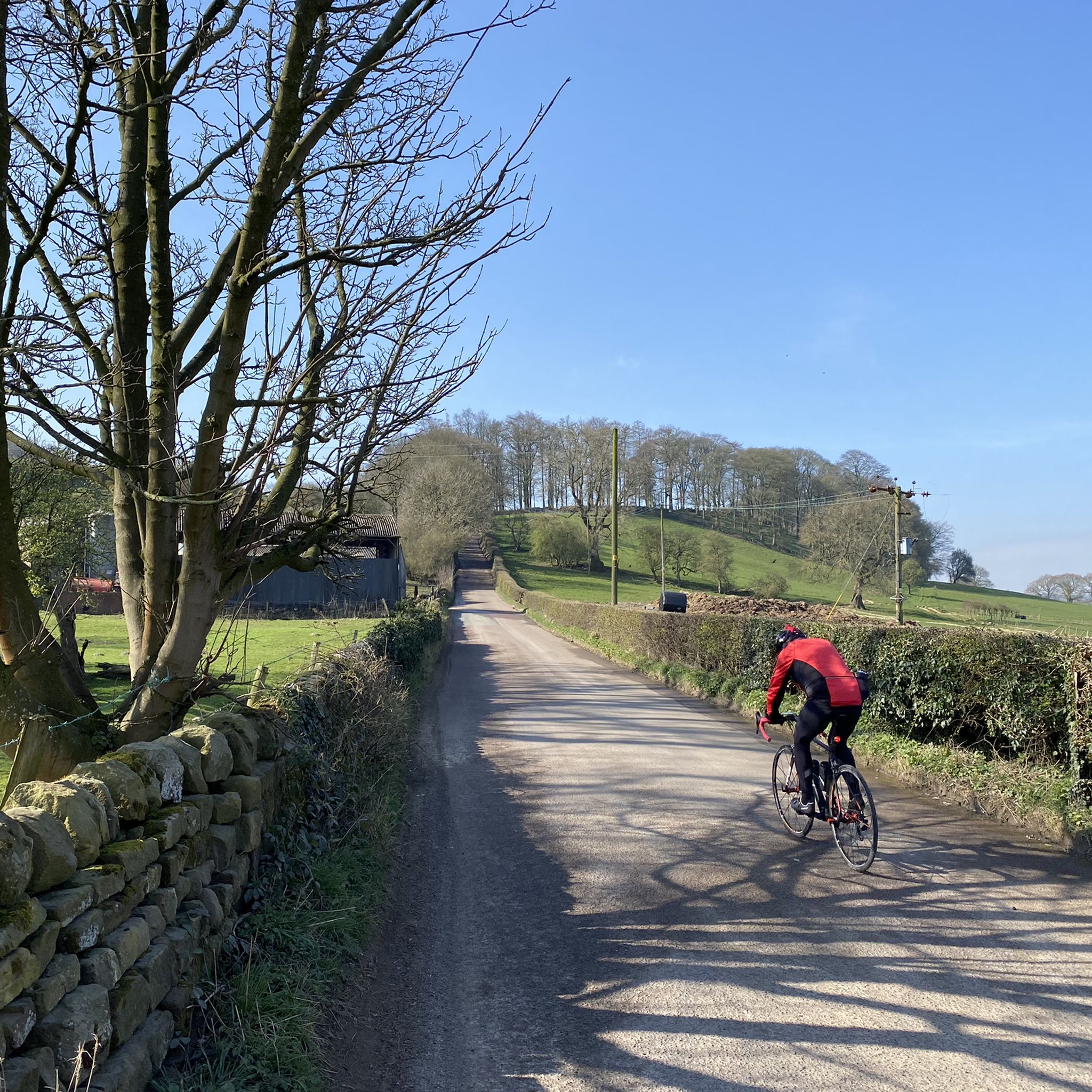
Otley is a hive of adventurous activity, welcoming visitors seeking the great outdoors from the nearby cities of Leeds and Bradford. It is the gateway to Nidderdale Area of Outstanding Natural Beauty, while the Yorkshire Dales National Park is just a short drive away too. Nestled on the River Wharfe, there is plenty of excellent walking in the surrounding countryside, be it on the moors, along the river or in beautiful woodland. Back in town, there are plenty of cafes, pubs, restaurants, boutiques and gear shops to keep you entertained for hours. To the south of the town is the Chevin, a wooded gritstone escarpment full of historical and scenic interest. The 180-acre (73 ha) site is criss-crossed by excellent paths. Further afield, Ilkley Moor is a magnificent place for a moorland ramble.
0
0
Frequently Asked Questions
Where can I find natural beauty and outdoor spaces in Alwoodley?
Alwoodley offers several natural attractions. You can explore Lindley Wood Reservoir, known for its picturesque walks along green wooded banks. Eccup Reservoir, a designated Site of Special Scientific Interest, is popular for walks and bike rides. Other notable green spaces include Adel Woods with its walking trails and the historic Seven Arches Aqueduct, Alwoodley Village Green for family activities, and Scotland Woods, part of the Meanwood Valley trail.
Are there good hiking and walking trails near Alwoodley?
Yes, Alwoodley is surrounded by excellent hiking and walking opportunities. You can find routes around Eccup Reservoir, through Adel Woods, and along the Meanwood Valley trail. For detailed routes and maps, explore the Hiking around Alwoodley guide, which includes trails like the 'Eccup Reservoir Dam Wall – View Across Eccup Reservoir loop' and the 'Waterfall on Meanwood Beck – Seven Arches Aqueduct loop'.
What historical landmarks can I visit in Alwoodley and its vicinity?
Alwoodley boasts a rich history. You can visit the Grade II listed Alwoodley Lodges, Gates and Flanking Walls on Harrogate Road. The Seven Arches Aqueduct in Adel Woods is another historic structure. Nearby, Otley Town Centre offers a characteristic charm with historical significance, and the village of Barwick-in-Elmet features the notable Barwick-in-Elmet Maypole and Hall Tower Hill, a former WWII observatory.
Are there family-friendly attractions in Alwoodley?
Absolutely. Alwoodley Village Green, covering 5.1 acres, is ideal for family activities and features a playground. The walks around Lindley Wood Reservoir are also suitable for families. Additionally, Otley Town Centre and the village of Barwick-in-Elmet offer charming environments that families can enjoy.
What cycling opportunities are available around Alwoodley?
Alwoodley is a great area for cycling. The path around Eccup Reservoir is popular for bike rides. For more adventurous cycling, you can explore gravel biking routes. The Gravel biking around Alwoodley guide provides options like the 'Woodland Singletrack Trail – Nellie's Tree loop'.
Can I go running near Alwoodley attractions?
Yes, there are several running trails available. The areas around Eccup Reservoir and Adel Woods offer scenic routes. For specific running trails, refer to the Running Trails around Alwoodley guide, which includes routes such as the 'Waterfall on Meanwood Beck – Seven Arches Aqueduct loop' and the 'View Across Eccup Reservoir – Eccup Reservoir Dam Wall loop'.
Are there any notable golf courses in the Alwoodley area?
Alwoodley is renowned for its golf courses. The Alwoodley Golf Club, established in 1907 and designed by Dr. Alister MacKenzie, is a top 100 championship course. Sand Moor Golf Club and Headingley Golf Club are also prominent courses in the vicinity.
What cultural or community sites are prominent in Alwoodley?
Alwoodley has a strong community focus. The Alwoodley Community Association (ACA) operates a community hall that serves as a hub for local activities. St Barnabas Church and several synagogues highlight the area's diverse cultural and religious communities. The Grammar School at Leeds is also a prominent educational institution within the area.
Are there any wheelchair-accessible attractions in or near Alwoodley?
While Alwoodley itself is more focused on natural landscapes, nearby Leeds offers accessible options. The Victoria Quarter in Leeds is noted for its accessibility, as is Granary Wharf, a modern development with open spaces and scenic views.
Where can I find local pubs or cafes near Alwoodley's outdoor areas?
After exploring the outdoors, you can find local pubs like The New Inn, located on the outskirts of Headingley, offering food in a welcoming environment. Otley Town Centre is also known for its numerous cafes, providing a great spot to relax.
What is the best time of year to visit Alwoodley attractions?
The natural attractions and outdoor spaces around Alwoodley are enjoyable throughout the year. Spring and summer offer lush greenery and pleasant weather for walking and cycling. Autumn brings beautiful foliage, especially in the woodlands. Even in winter, the reservoirs and woods offer serene, picturesque walks, though appropriate clothing is recommended.
Are there any less crowded or 'hidden gem' walks near Alwoodley?
While popular spots like Eccup Reservoir can attract visitors, exploring areas like Wigton Moor Park or certain trails within Adel Woods might offer a quieter experience. The extensive network of paths means you can often find less-trafficked routes, especially during off-peak hours. The charm of the Grade II listed old farmhouses and cottages scattered throughout the parish also offers a glimpse into Alwoodley's pastoral origins.
Most popular routes around Alwoodley
Most popular attractions around Alwoodley

Get inspired with the komoot mobile app


Explore more
Still not found the Highlight you’re looking for? See guides of the top attractions in other regions:
