The best running trails around Pösing
4.5
(264)
2,810
runners
231
runs
Jogging around Pösing offers a variety of running routes through a landscape characterized by river valleys, gentle elevations, and open countryside. The region provides diverse terrain suitable for different fitness levels, from flat paths along waterways to routes with moderate climbs. Many trails follow the course of the Regen River, offering scenic views and a mix of natural and semi-urban environments.
Best jogging routes around Pösing
- The most popular jogging route is Pösinger bathing pond – Regen River Bridge loop…
Last updated: October 9, 2026
5.0
(1)
34
runners
8.70km
00:54
20m
20m
Moderate run. Good fitness required. Mostly paved surfaces. Suitable for all skill levels.
20
runners
23.2km
02:23
60m
60m
Hard run. Very good fitness required. Mostly paved surfaces. Suitable for all skill levels.

19
runners
Moderate run. Good fitness required. Mostly paved surfaces. Suitable for all skill levels.
6
runners
5.51km
00:36
60m
60m
Moderate run. Good fitness required. Mostly paved surfaces. Suitable for all skill levels.
9
runners
8.95km
00:56
40m
40m
Moderate run. Good fitness required. Mostly paved surfaces. Suitable for all skill levels.
Get access to more routes and recommendations from other explorers.
Already have an account?
Our route recommendations are based on thousands of hikes, rides, and runs completed by other people on komoot.
Start today with a free account
Your next adventure awaits.
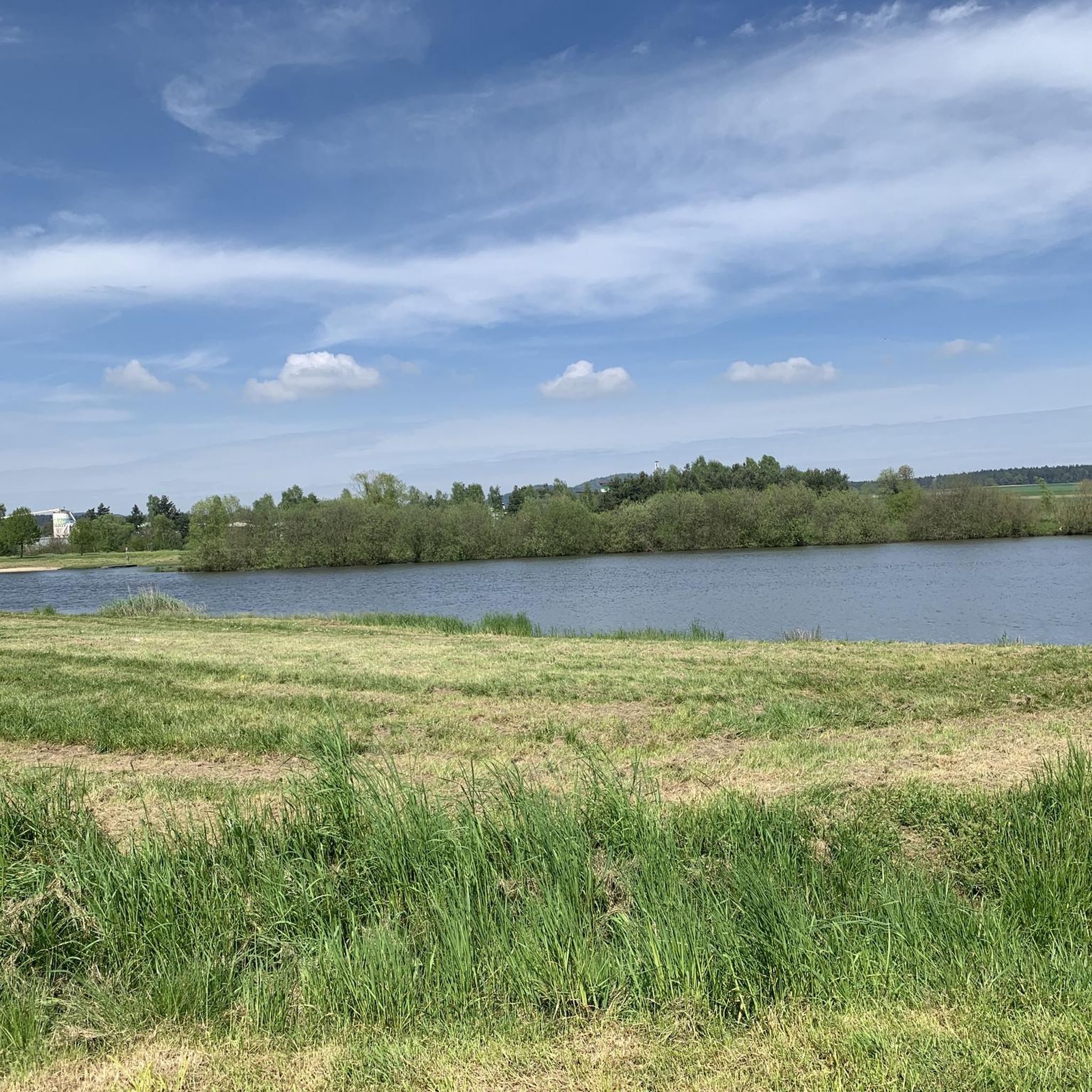
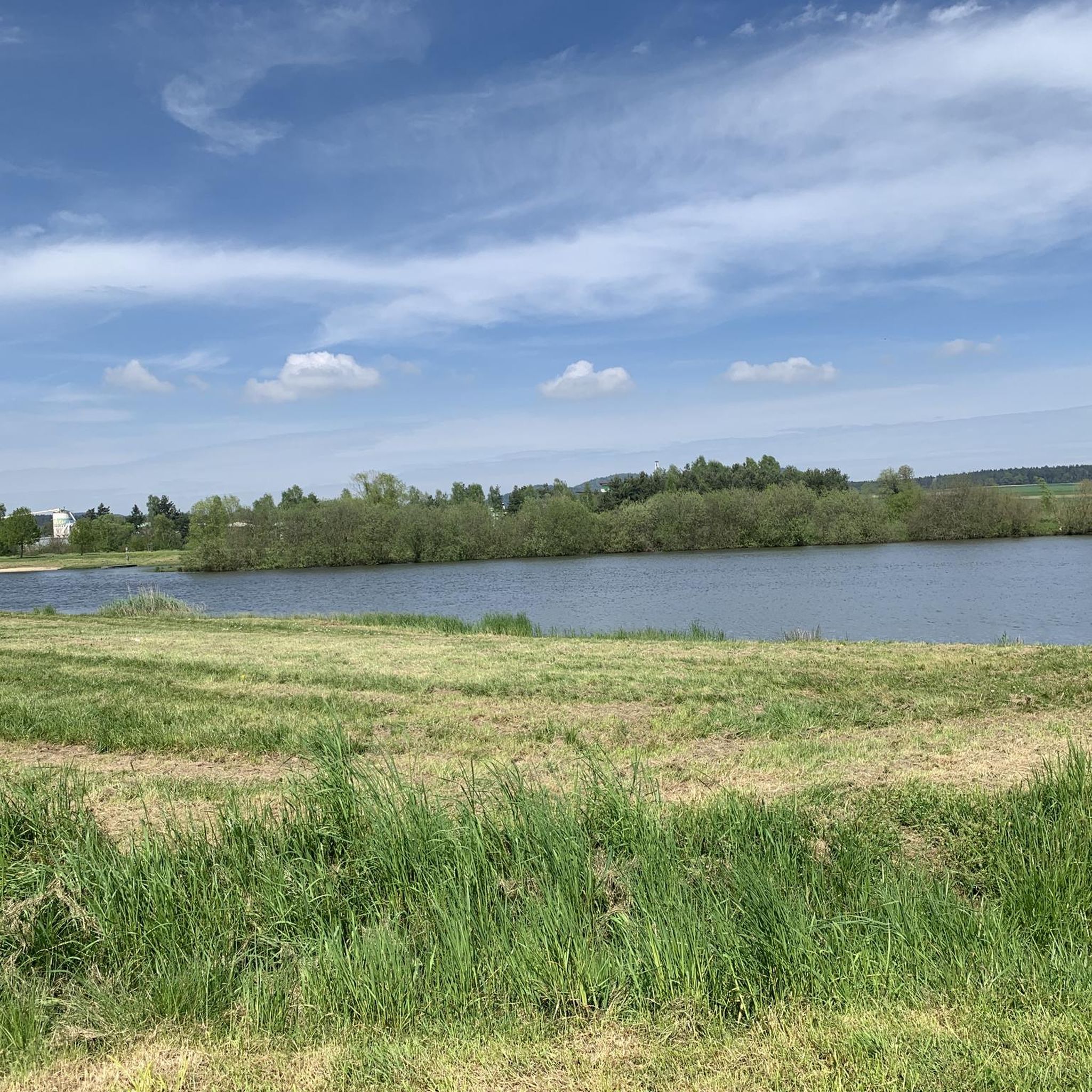
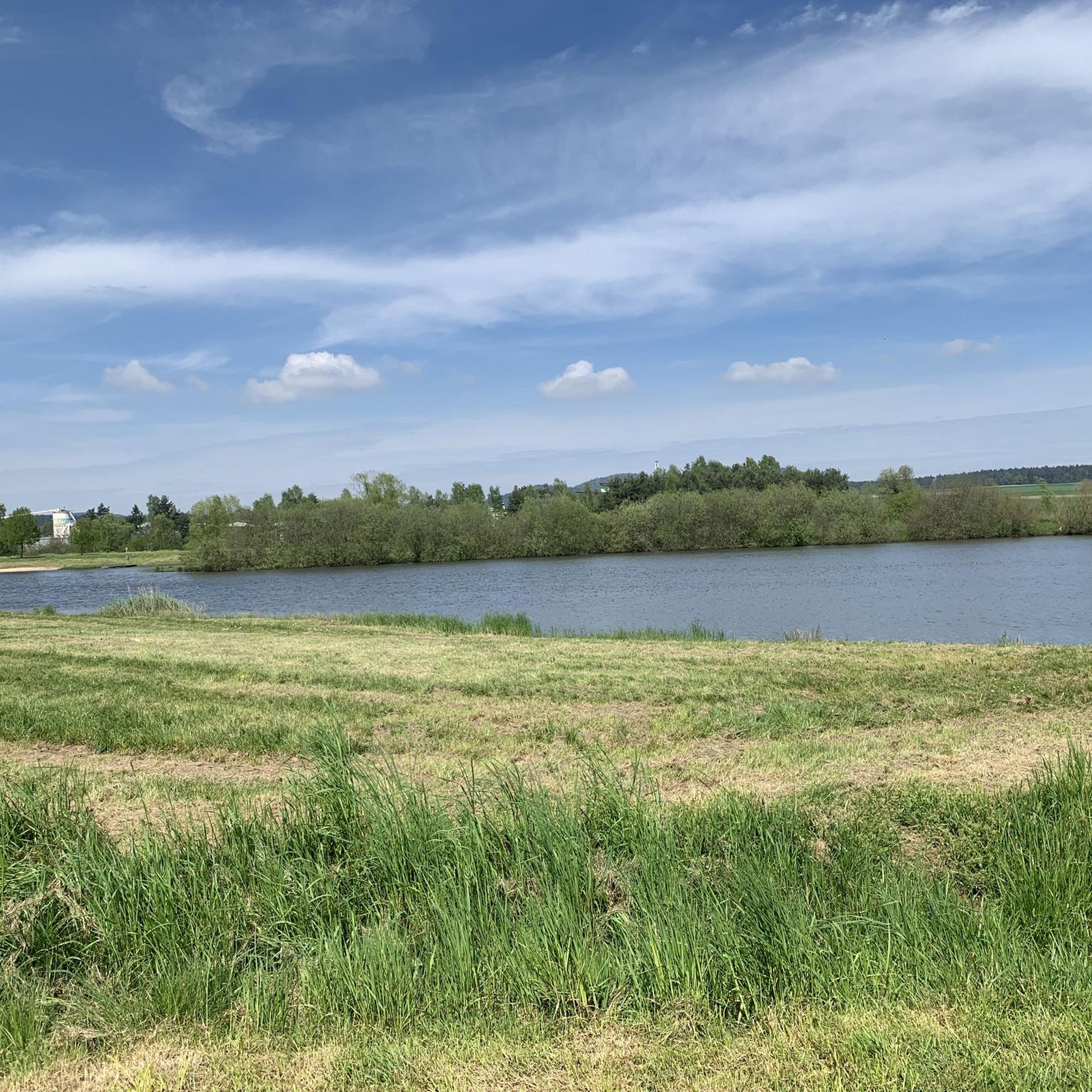
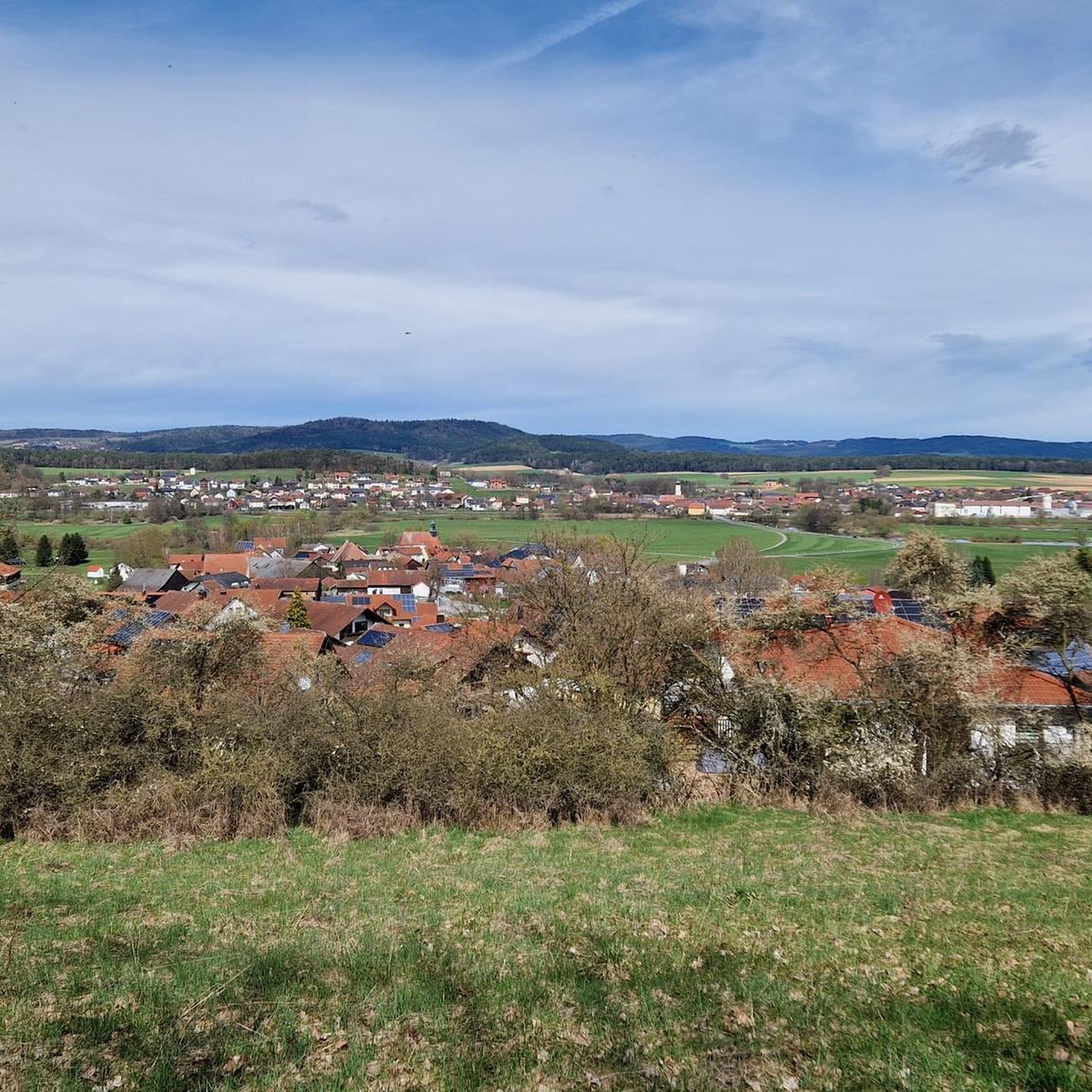

Tips from the Community

Wetterfeld Castle Ruins As early as 1118, Gottfried von Wetterfeld appears as an influential ministerialis (unfree knight) of the Diepoldings, the powerful Margraves of Cham and Vohburg. He seems to have maintained good relations with many monasteries, especially Reichenbach Abbey—no wonder, since Abbot Reginboto was his brother. Numerous donations to various monasteries by Gottfried are documented, a widespread practice among knights to secure their salvation. In a donation from 1155, Heinrich is even mentioned as an imperial ministerialis, which demonstrates the family's rapid political rise. In 1179, Karl and Heinrich "de Weterinfeld" appear, after which the family disappears from the historical record. It is not until 1268 that we hear of a Deinhardus, who is now subject to the Bavarian dukes; perhaps they lost their independence with the inheritance of the Hohenstaufen dynasty. From 1283 onward, the Wittelsbachs sent judges to Wetterfeld. Ducal ministeriales from the surrounding area succeeded in office: Hauzendorfer, Katzdorfer, Zenger, and others. In 1322, it was pledged to the Chamerau family. In 1329, Wetterfeld came under the control of the Palatine line of the Wittelsbachs, who also appointed judges. In 1410, it passed to the sub-principality of Neumarkt-Neunburg, with the Degenberger, Nothaft, and Zenger families, among others, serving as administrators. During the Hussite raids of 1428 and 1433, the castle was destroyed and subsequently rebuilt. A unique feature of Wetterfeld is the four "castle guards"—four legally independent building complexes within the castle, which were granted separately—making the ownership situation quite complex. In 1621, during the Thirty Years' War, the Upper Palatinate, including Wetterfeld, came under the rule of Duke Maximilian of Bavaria. Later in the war, Wetterfeld was destroyed twice by the Swedes and subsequently rebuilt. But the castle and its buildings continued to deteriorate, and the administrators increasingly relocated their offices outside the castle. In 1812, the administrative office was moved to Roding, the castle grounds were subdivided, and private houses were built over. Wetterfeld is a moated castle—a branch of the Regen River bordered the complex to the northeast. The still clearly visible, deep, walled moat could be filled with sluice gates in case of attack. Essentially, only the large gate tower, built of rubble stone with corner quoins, remains. Its upper, habitable floors make it a variation of the late medieval residential tower. Source: www.burgenseite.de
1
0

Beautiful bridge decoration
0
0

Location as already described.
0
0

An impressive monastery here.
2
0

It is the only one of the original four city gates still standing. It was originally called the Castle Gate, as the Cham Castle stood on the site of the adjacent old building. However, after it lost its former function, an electoral brewery for wheat beer was established here in 1642. Thus, the Castle Gate became popularly known as the "Beer Gate." Its squat shape with its massive round towers and covered pointed arch is reflected in the coat of arms of the city of Cham as a landmark.
5
0
The Redemptorist Order built its Cham branch with the Maria Hilf monastery church between 1900 and 1909. Since then, the neo-Romanesque brick building has dominated the area north of the old town.
4
0

A romantic bike path along the Regen River near Roding. Highly recommended.
0
0

There is also a beautiful path underneath the castle
0
0
Frequently Asked Questions
How many running routes are available in Pösing?
Pösing offers a wide selection of running routes, with over 250 different trails to explore. These range from easy paths to more challenging long-distance runs.
Are there easy running routes for beginners in Pösing?
Yes, Pösing has 37 easy running routes, perfect for beginners or those looking for a relaxed jog. Many of these follow the gentle terrain along the Regen River.
What are the typical distances and elevation gains for running routes in Pösing?
Running routes in Pösing vary significantly. You'll find shorter, flatter options like the Pösinger bathing pond – Regen River Bridge loop from Pösing, which is 5.4 miles (8.7 km) with minimal elevation. For more challenge, routes like the Traubenberg loop from Wetterfeld cover 7.8 miles (12.5 km) with over 250 meters of elevation gain.
Can I bring my dog on the running trails around Pösing?
Many of the natural paths and trails around Pösing are suitable for running with dogs. It's always advisable to keep your dog on a leash, especially in areas with wildlife or near agricultural land, and to respect local regulations.
Are there family-friendly running paths suitable for all ages?
Yes, the region offers several gentle and scenic paths ideal for families. Routes along the Regen River, for instance, often feature flat terrain and pleasant surroundings, making them suitable for a family outing.
When is the best time of year to go running in Pösing?
Spring and autumn generally offer the most pleasant conditions for running in Pösing, with mild temperatures and beautiful scenery. Summer can be warm, so early mornings or late evenings are best. Winter running is also possible, especially on cleared paths, but be mindful of ice and snow.
Are there scenic viewpoints along the running trails in Pösing?
Absolutely! Pösing's routes often lead to picturesque spots. You can find stunning vistas like the View of the Bavarian Forest from Sattelberg or the Sattelberg summit with viewpoint. The View of the Regen River – Wetterfeld Castle Ruins loop from Pösing also offers lovely river scenery.
Are there circular running routes available in Pösing?
Many of the running routes in Pösing are designed as circular loops, allowing you to start and finish at the same point. This includes popular options like the Pösinger bathing pond – Regen River Bridge loop from Pösing and the Running loop from Pösing.
What can I see along the jogging routes in Pösing?
Beyond the natural beauty of the Regen River valley, you can encounter historical sites and natural monuments. Highlights include the Schwärzenberg Castle Ruins, the Streicherröhren Pilgrimage Chapel and Healing Spring, and the serene Pfahlsee (Pfahl Lake).
What do other runners enjoy the most about jogging in Pösing?
The running routes in Pösing are highly rated by the komoot community, with an average score of 4.5 stars from over 200 reviews. Runners often praise the diverse terrain, the scenic river views, and the well-maintained paths that cater to various fitness levels.
Are there any longer distance running routes for experienced runners?
Yes, for those seeking a greater challenge, Pösing offers several longer routes. The Maria Hilf Monastery Church Cham – Biertor, Cham loop from Pösing is a difficult 14.4 miles (23.2 km) path that explores historical sites and urban sections of Cham, providing a substantial workout.
Most popular attractions around Pösing

Get inspired with the komoot mobile app


Explore more
Browse the best Running Trails & Routes in other regions.
