The best running trails around Igensdorf
4.3
(26)
448
runners
68
runs
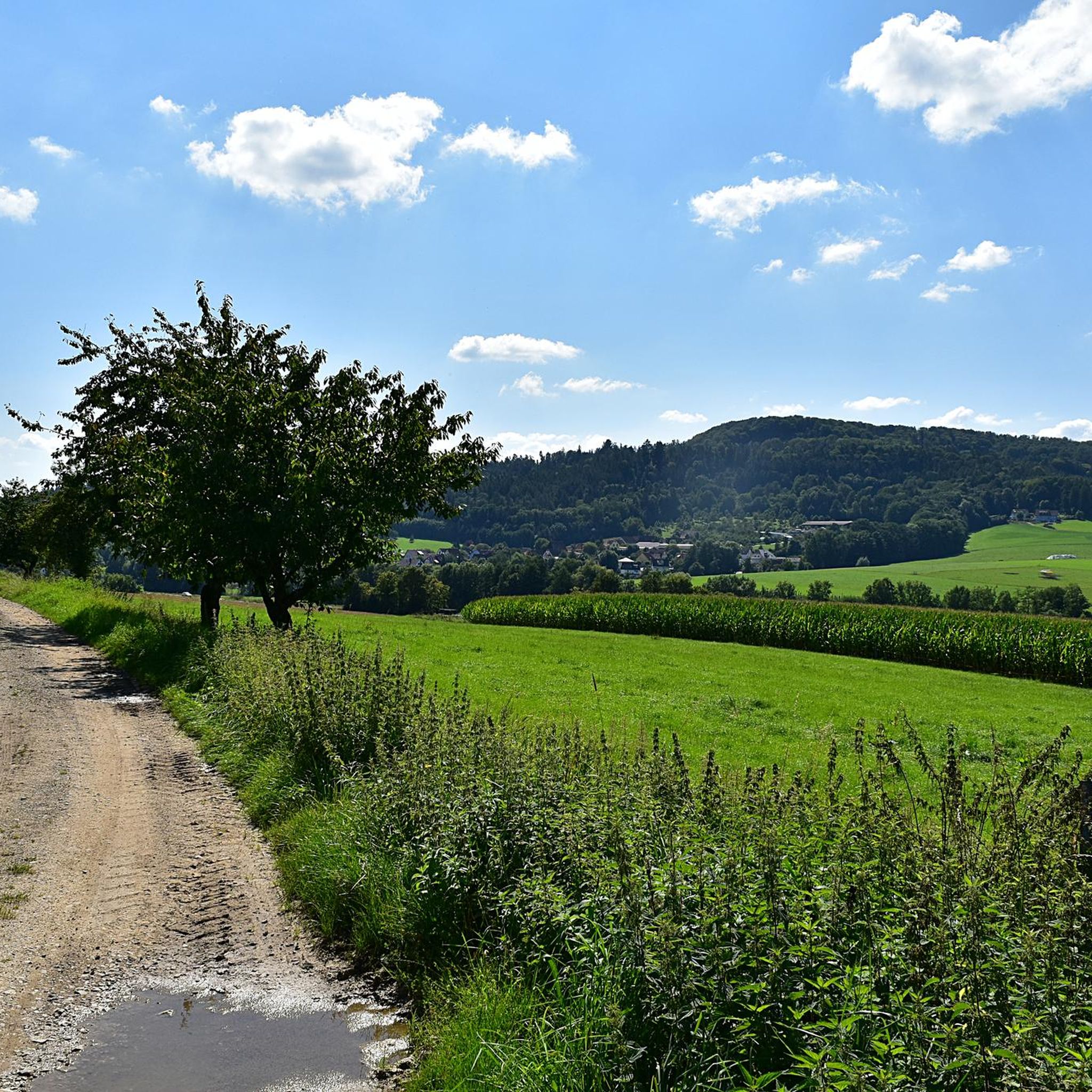
Jogging routes around Igensdorf are set within the diverse landscape of Franconian Switzerland, characterized by forests, meadows, and rolling hills. The region features prominent natural landmarks such as the Lillach Valley with its unique tufa terraces and the elevated Walberla Plateau. Runners can expect varied terrain, from well-maintained paths along valleys to more challenging gradients on hills like Hetzleser Berg. This blend of natural features provides a range of running experiences for different fitness levels.
Best jogging routes around Igensdorf
…Last updated: September 30, 2026
30
runners
Hard run. Very good fitness required. Sure-footedness, sturdy shoes and alpine experience required.
5.0
(1)
14
runners
6.68km
00:44
140m
140m
Moderate run. Good fitness required. Mostly paved surfaces. Suitable for all skill levels.

29
runners
Moderate run. Good fitness required. Mostly paved surfaces. Suitable for all skill levels.
8
runners
9.72km
01:02
130m
130m
Moderate run. Good fitness required. Mostly paved surfaces. Suitable for all skill levels.
22
runners
Moderate run. Good fitness required. Mostly paved surfaces. Suitable for all skill levels.
Get access to more routes and recommendations from other explorers.
Already have an account?
Our route recommendations are based on thousands of hikes, rides, and runs completed by other people on komoot.
Start today with a free account
Your next adventure awaits.
Popular around Igensdorf
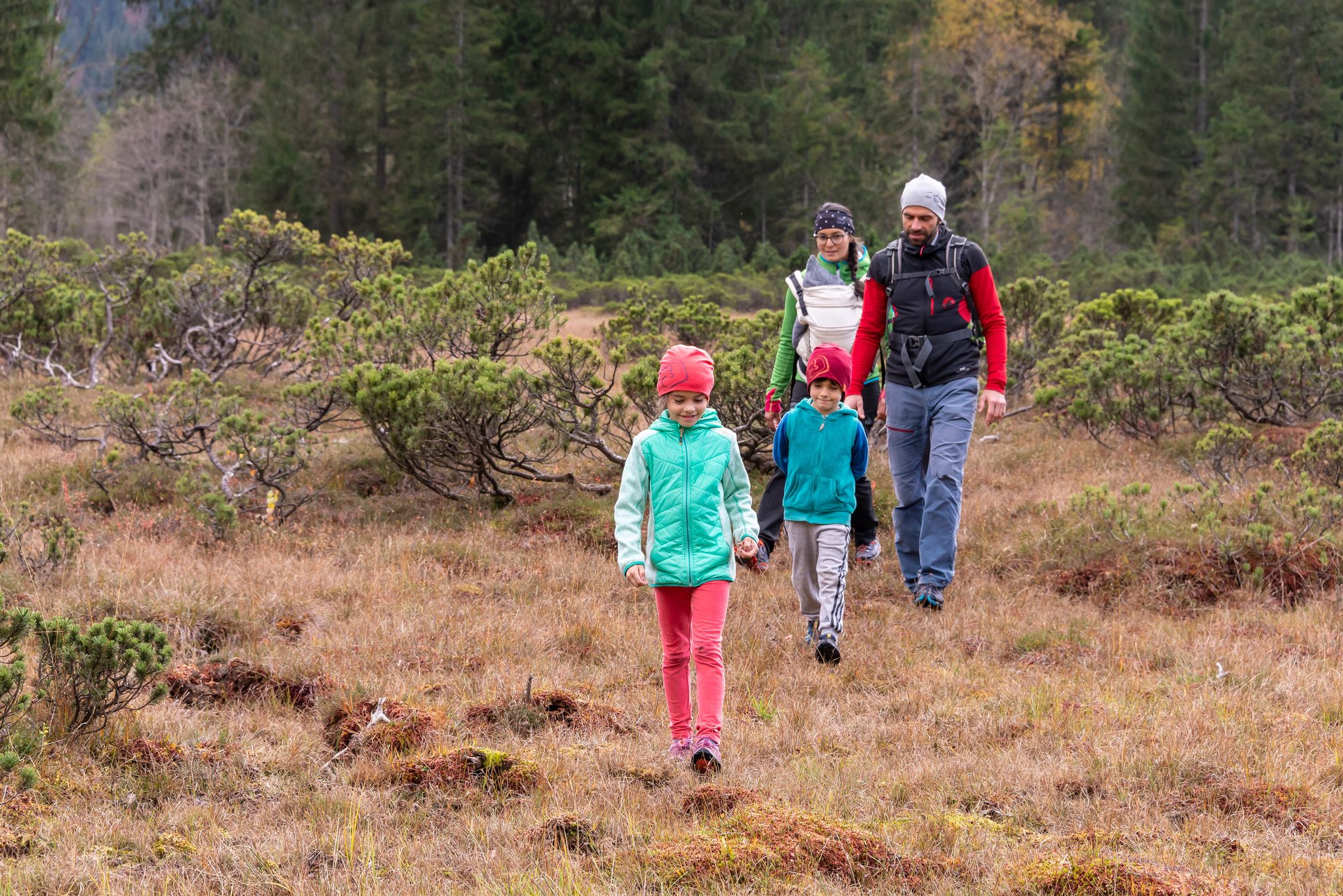
No time for boredom – family hikes with a fun factor in Bayern
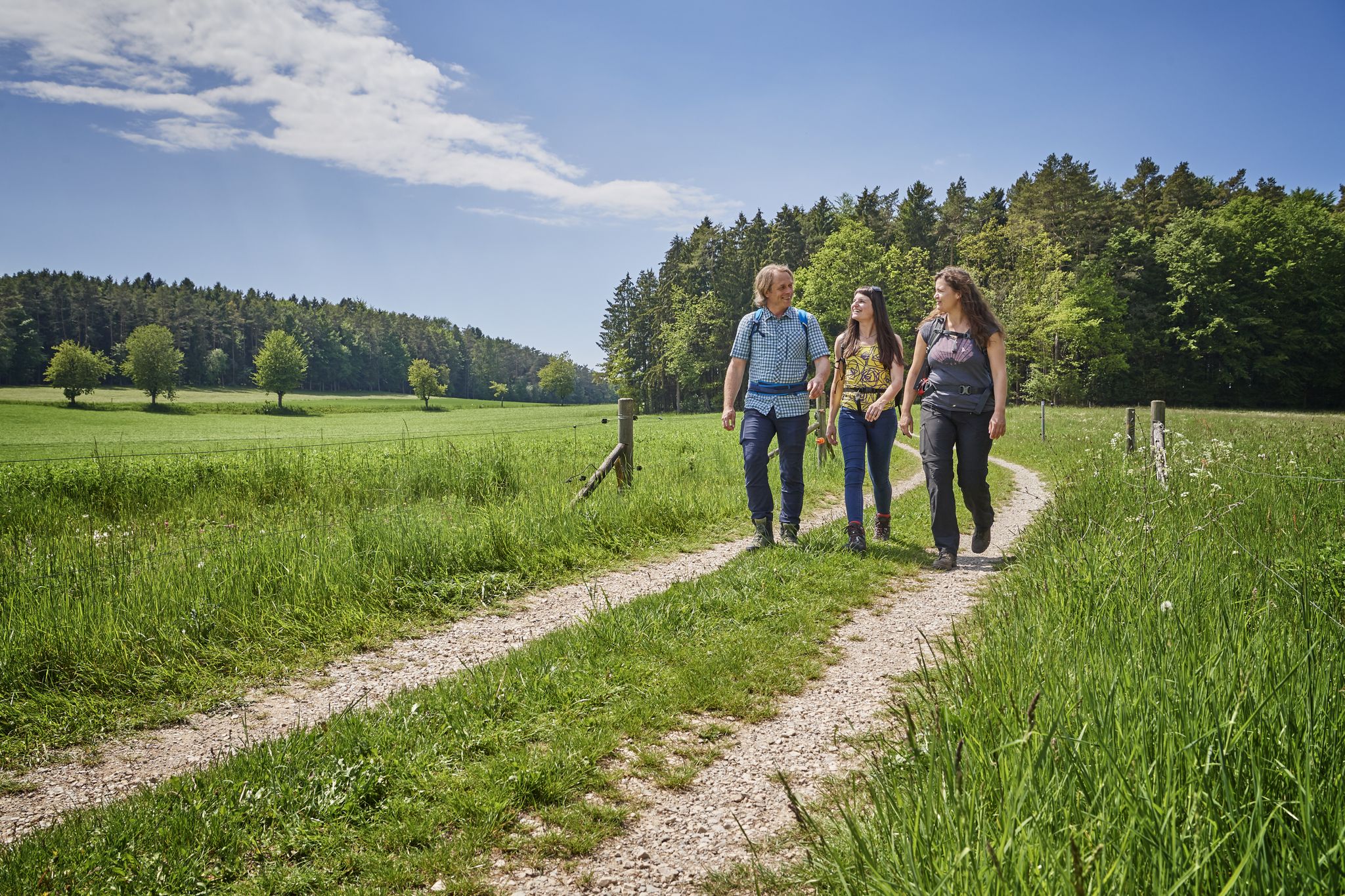
Hops, barley & beer — hiking with VGN leisure tips through Franconia
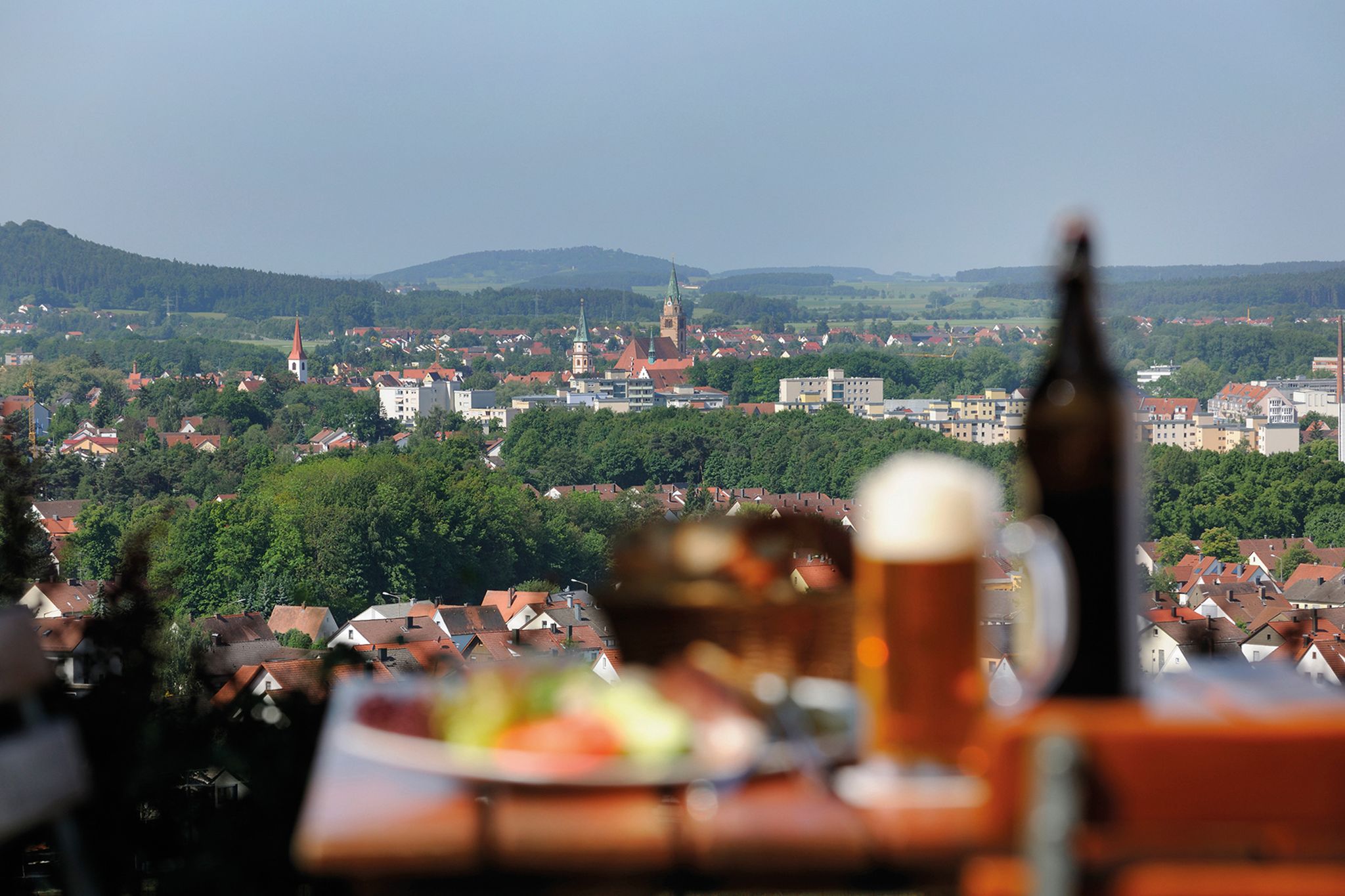
Hike & Beer in Franconia and Upper Palatinate — the VGN leisure tips
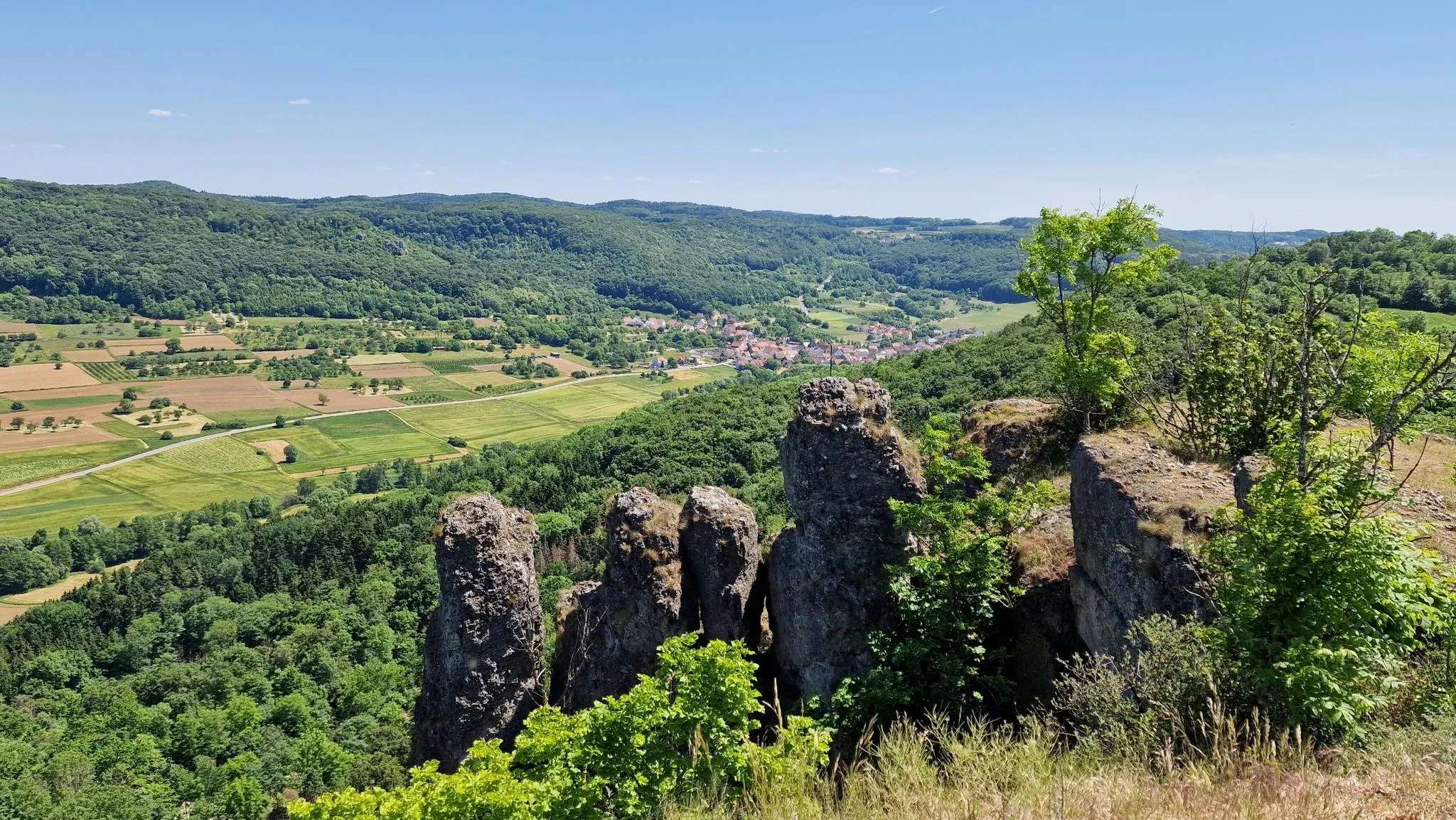
Delightful hiking in Franconian Switzerland
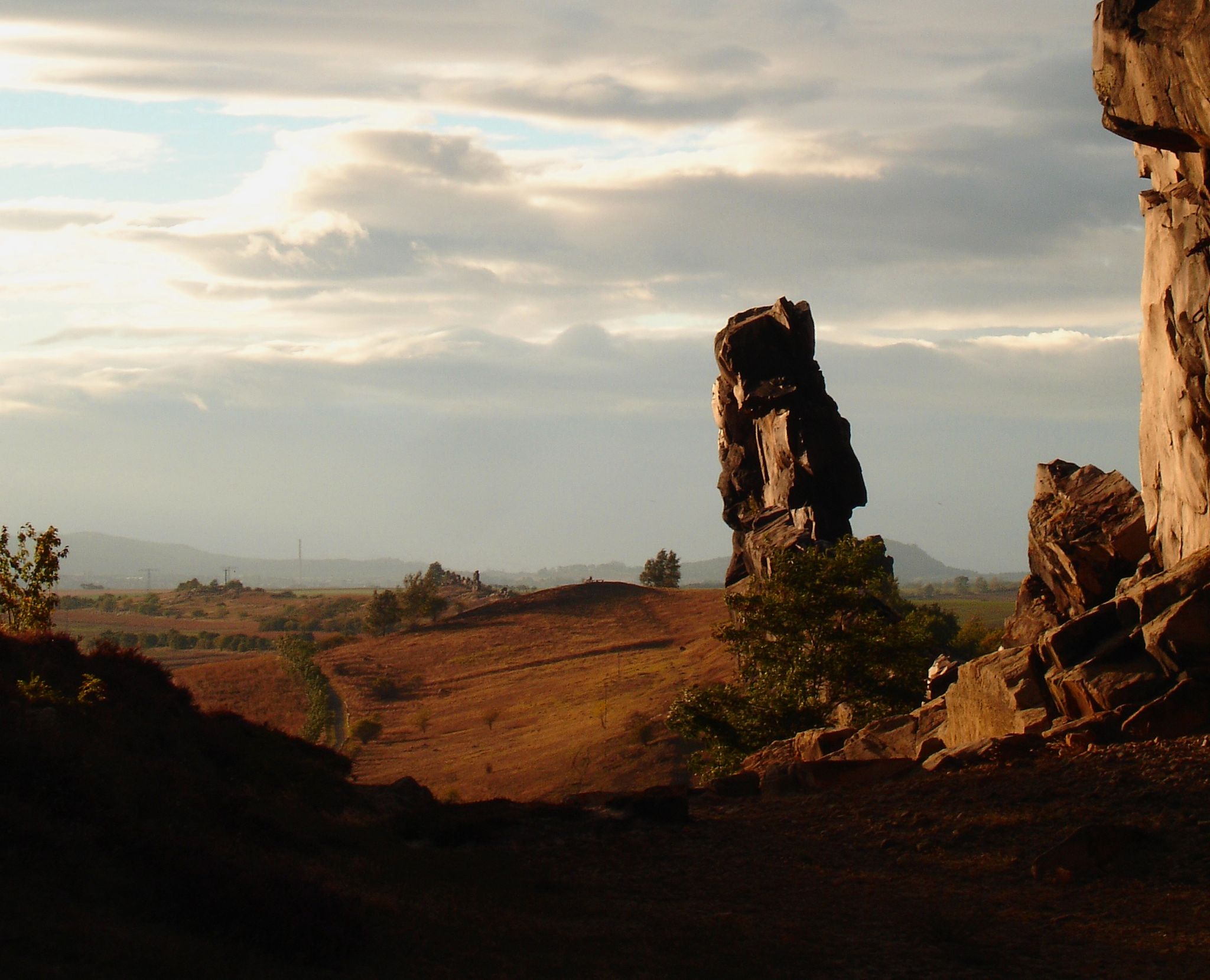
Devilish places
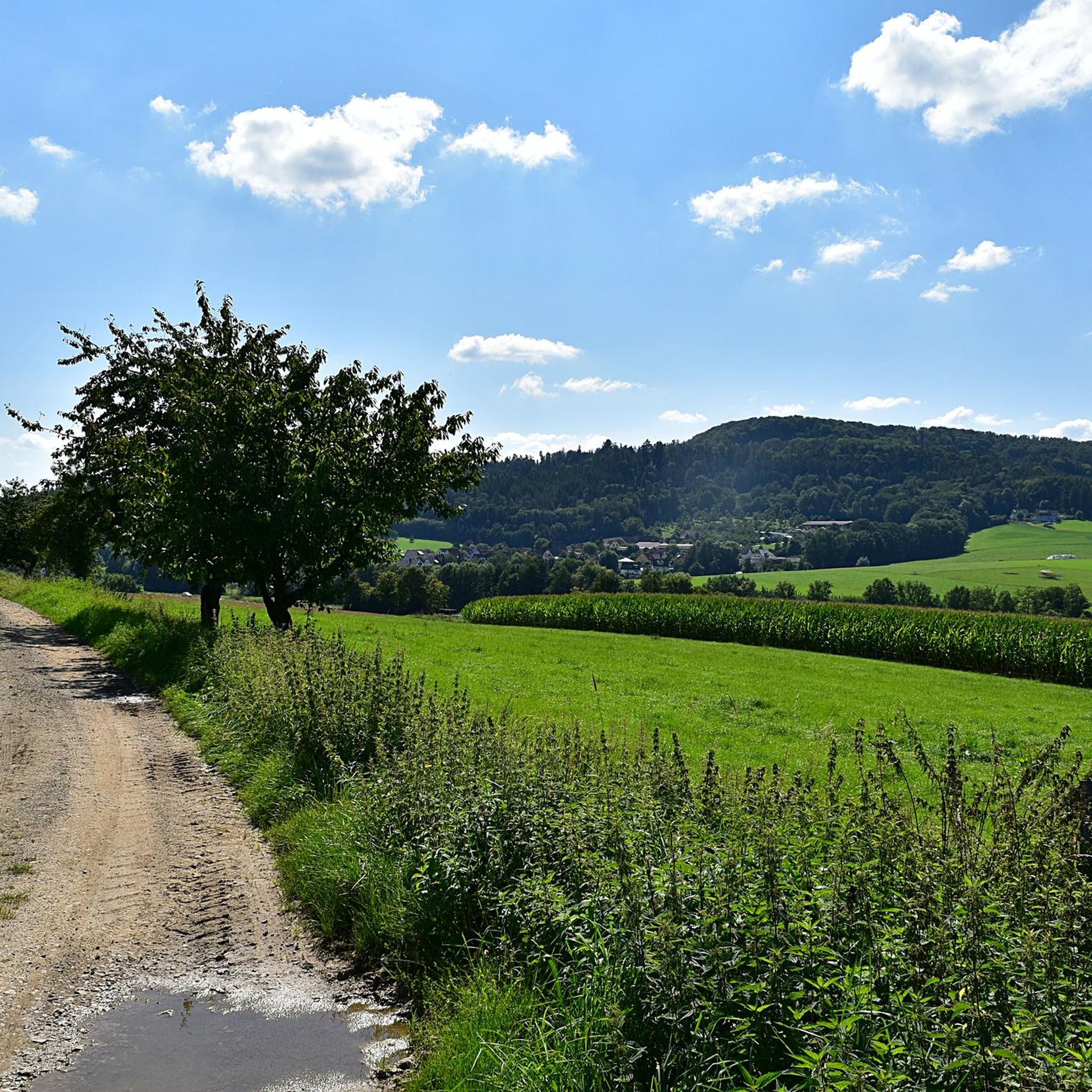
Hiking around Igensdorf
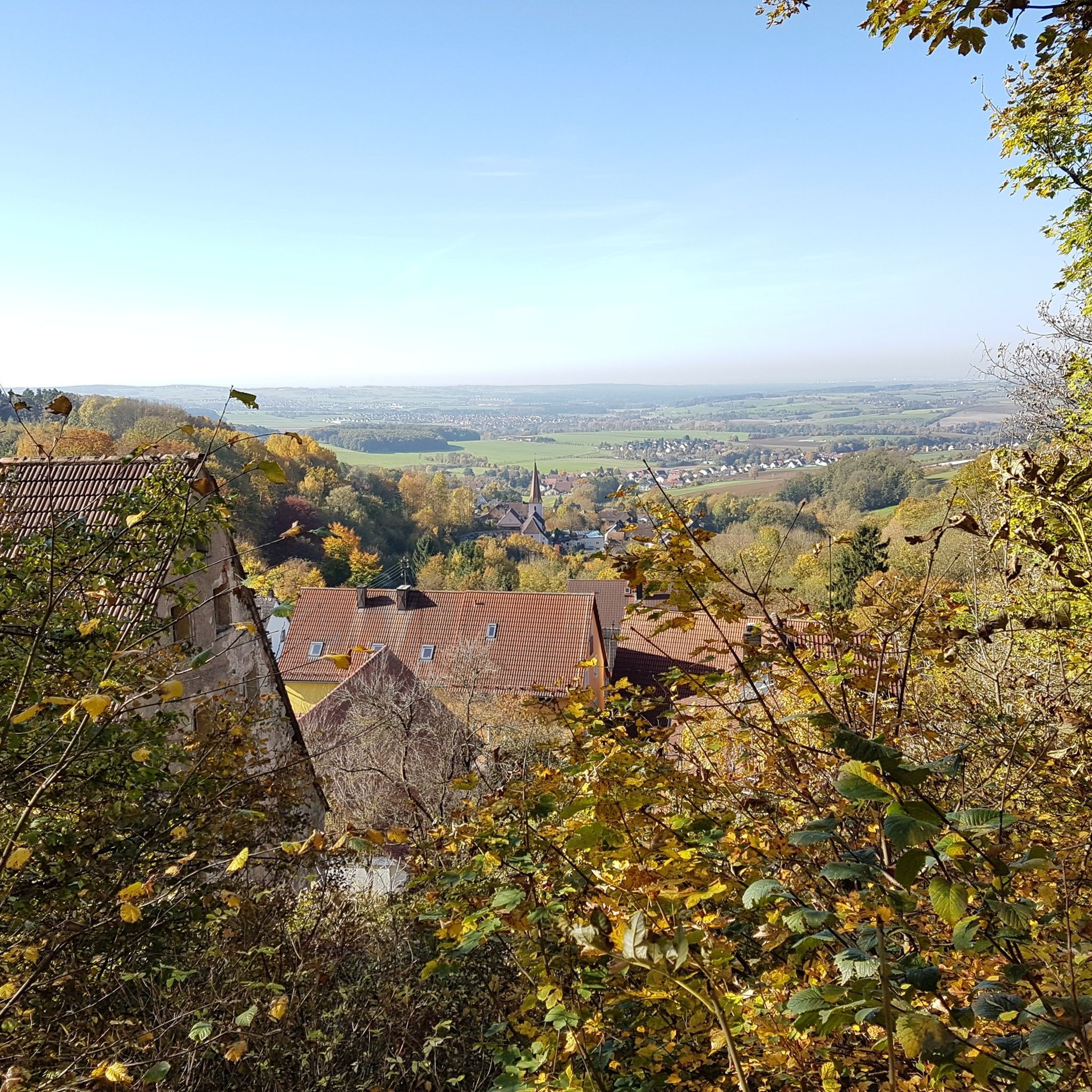
Cycling around Igensdorf
Road Cycling Routes around Igensdorf
MTB Trails around Igensdorf

Gravel biking around Igensdorf
Other adventures around Igensdorf


Tips from the Community

Hello. I've created a route with all the planets. https://www.komoot.com/de-de/tour/3209615410 Have fun
2
0
Hello everyone. I've created a tour with all the planets. Have fun https://www.komoot.com/de-de/tour/3209615410
1
0

But the stone art was worth it, it was probably destroyed "maliciously".
0
0

The sight is fantastic!
0
0

"Collecting wild garlic is prohibited in the nature reserve!" Several signs regarding this topic are posted throughout the area.
0
0

You can imagine the small waterfalls, currently everything is dried out
3
0


The remains of a Baroque monastery complex in the center of Weißenohe can be seen from afar. The recently renovated monastery church of St. Boniface towers over the village with its 45-meter-high tower. The monastery can look back on a turbulent history. Due to its geographical location – Weißenohe and its monastery belonged to the "Upper Palatinate" for almost its entire 750-year existence – it protruded like an alien body into the territory of the "Free Imperial City of Nuremberg." At times, it was even completely separated from the Upper Palatinate. Nuremberg therefore left no stone unturned to assert its mostly unjustified claims over the centuries. The clergy, especially the Bishop of Bamberg, also repeatedly attempted to exert their influence, including in secular terms. Construction of the present monastery church began in 1692. The plans were drawn up by Wolfgang Dietzenhofer (1648–1706), a member of the famous Upper Bavarian family of master builders. On St. Boniface's Day in 1707, the church was solemnly consecrated by Bamberg's Auxiliary Bishop Johann Werner Schnatz. Source: https://www.weissenohe.de/klosterkirche/
1
0
Frequently Asked Questions
How many running routes are available around Igensdorf?
There are over 70 running routes available around Igensdorf, catering to various fitness levels and preferences. You'll find a diverse network of trails to explore.
What kind of terrain can I expect on the jogging trails in Igensdorf?
Igensdorf, located in Franconian Switzerland, offers a varied landscape for running. You can expect a mix of forests, meadows, and rolling hills. Trails range from well-maintained paths along valleys, like the Lillach Valley, to more challenging gradients on hills such as the Hetzleser Berg. Many routes feature mostly paved surfaces or accessible paths, but some include steps, especially in areas like the Lillach Tufa Terraces.
Are there any easy or beginner-friendly jogging routes in Igensdorf?
Yes, Igensdorf offers several easy running routes suitable for beginners or those looking for a less strenuous jog. Out of the 70+ routes, 5 are specifically rated as easy, providing gentle paths through the scenic landscape.
What are some notable natural features or landmarks I can see while jogging in Igensdorf?
Igensdorf's running routes pass by several interesting natural features and landmarks. You can explore the unique Lillach Valley with its Tufa Terraces, especially picturesque after rain. The Igensdorf Planet Trail offers an educational journey. Other points of interest include the elevated Walberla Plateau, home to St. Walburga's Chapel, and the historical Burgstall Hainburg. You might also encounter highlights like the Hohle Kirche Cave or the Trubach Spring.
Are there jogging routes in Igensdorf that are suitable for families?
Many of the routes in Igensdorf are suitable for families, especially the easier and moderate trails that feature well-maintained paths. The Igensdorf Planet Trail, for example, combines exercise with an educational experience, making it a fun option for families.
Can I bring my dog on the running trails around Igensdorf?
Generally, dogs are welcome on many of the running trails in Igensdorf and the wider Franconian Switzerland region. However, it's always advisable to keep your dog on a leash, especially in nature reserves or areas with wildlife, and to respect local regulations and other trail users.
Are there circular running routes available in Igensdorf?
Yes, many of the running routes around Igensdorf are designed as circular or loop trails, offering convenient starting and ending points. Examples include the popular Lillach Valley Trail – Lillach Spring loop and the Stinkbaum (Hetzleser Berg) loop.
What is the best time of year for running in Igensdorf?
Igensdorf offers great running opportunities year-round. Spring and autumn provide pleasant temperatures and vibrant scenery, with the Lillach Tufa Terraces being particularly impressive in spring after rain. Summer is also good, but it's best to run in the mornings or evenings to avoid the midday heat. Winter running is possible, but some trails might be slippery or require appropriate footwear, especially after snow or ice.
What do other runners enjoy most about jogging in Igensdorf?
The running routes in Igensdorf are highly rated by the komoot community, with an average score of 4.5 stars from over 18 reviews. Runners often praise the diverse scenery, the well-maintained trails, and the unique natural features like the Lillach Valley. The variety of routes, from easy valley paths to more challenging hill climbs, is also frequently highlighted.
Are there any places to eat or drink near the running trails in Igensdorf?
Igensdorf and the surrounding villages in Franconian Switzerland offer various options for refreshments. While specific cafes directly on every trail might be limited, you'll find traditional Franconian inns and breweries in nearby towns like Weißenohe, which is a starting point for routes like the Hofmann Brewery loop. It's a good idea to check local listings for current opening times.
How long are the running trails in Igensdorf?
The running trails in Igensdorf vary significantly in length to suit different preferences. You can find shorter routes, such as the Lillach Valley Trail loop at about 4.1 miles (6.7 km), to longer, more challenging runs like the Hofmann Brewery loop which spans over 11 miles (18 km).
Are there any running routes that offer significant elevation gain for a more challenging workout?
Yes, for those seeking a more challenging run with significant elevation gain, routes that incorporate areas like the Hetzleser Berg or the Walberla Plateau are ideal. For example, the Hofmann Brewery, Hohenschwärz – Gräfenberg Old Town loop features over 350 meters of elevation gain, providing a demanding workout amidst scenic views.
Most popular routes around Igensdorf
Most popular attractions around Igensdorf

Get inspired with the komoot mobile app


Explore more
Browse the best Running Trails & Routes in other regions.
