Attractions and Places To See around Leighton And Eaton Constantine - Top 20
Attractions and places to see around Leighton And Eaton Constantine are found in Shropshire, England, presenting a blend of historical sites and natural landscapes. The villages are situated on the banks of the River Severn, surrounded by rolling hills and the Shropshire Hills, an Area of Outstanding Natural Beauty. The area features numerous listed buildings, including historic churches and manor houses, reflecting its rich architectural heritage. Visitors can explore sites ranging from ancient hill forts to significant industrial revolution landmarks.
Best attractions and places to see around Leighton And Eaton Constantine
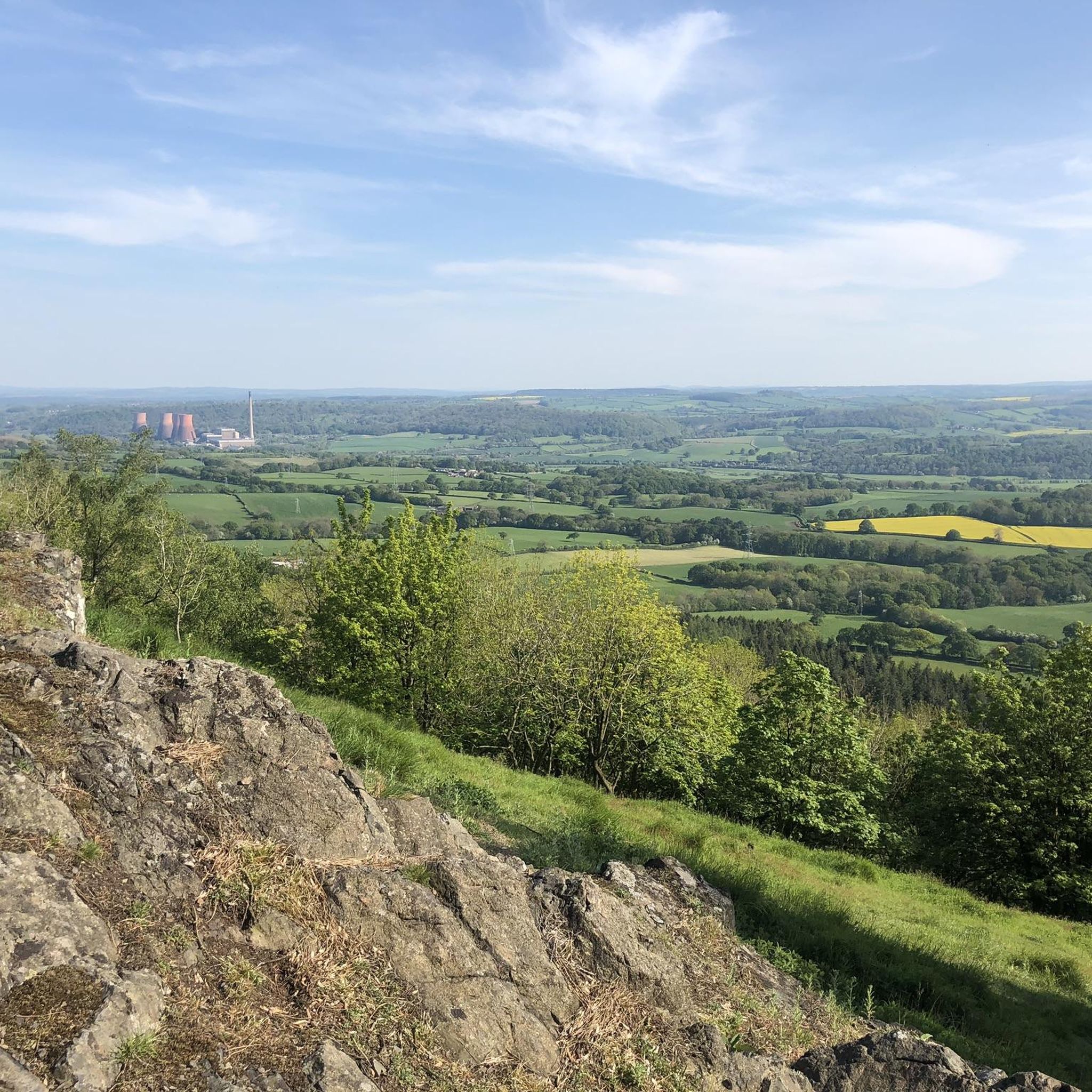
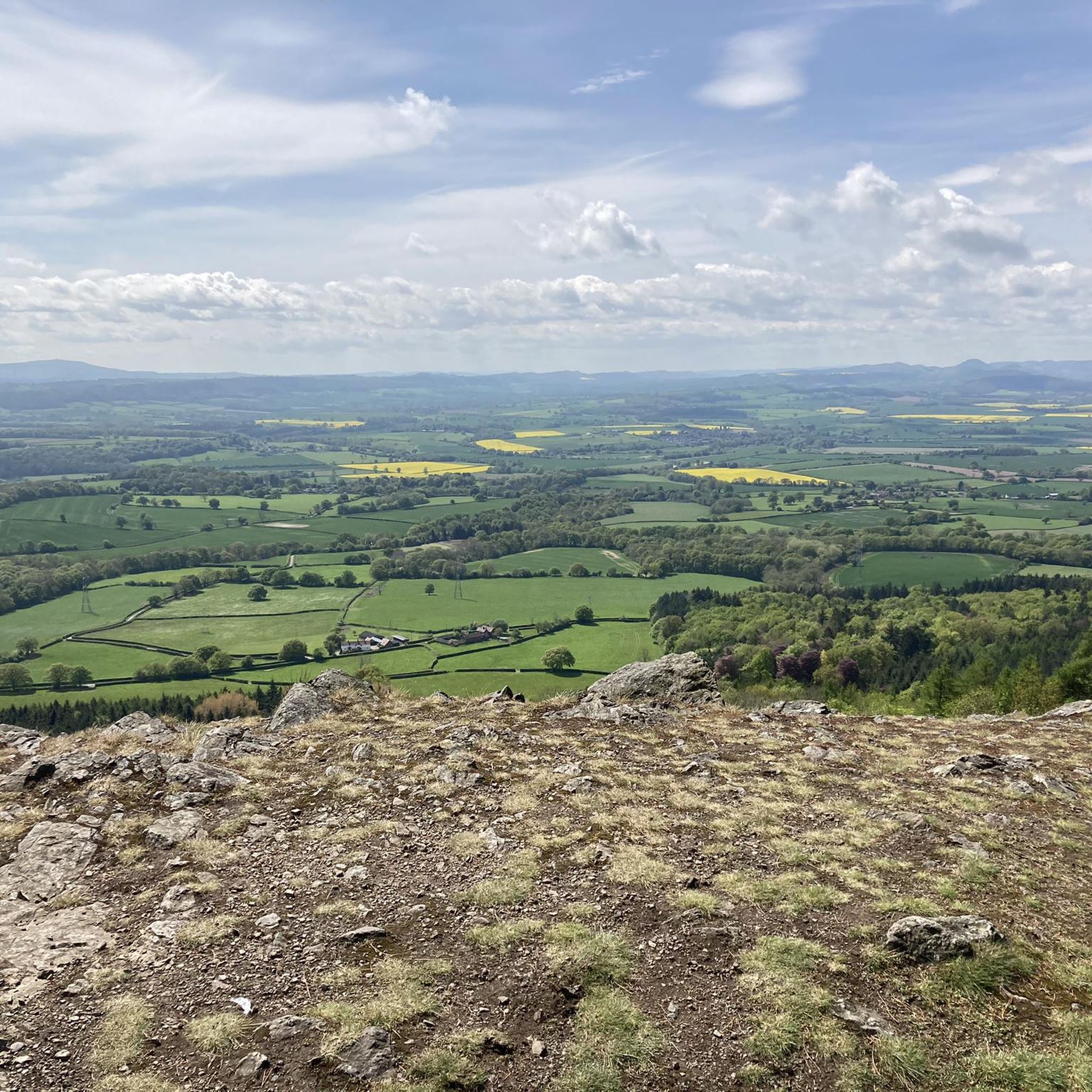
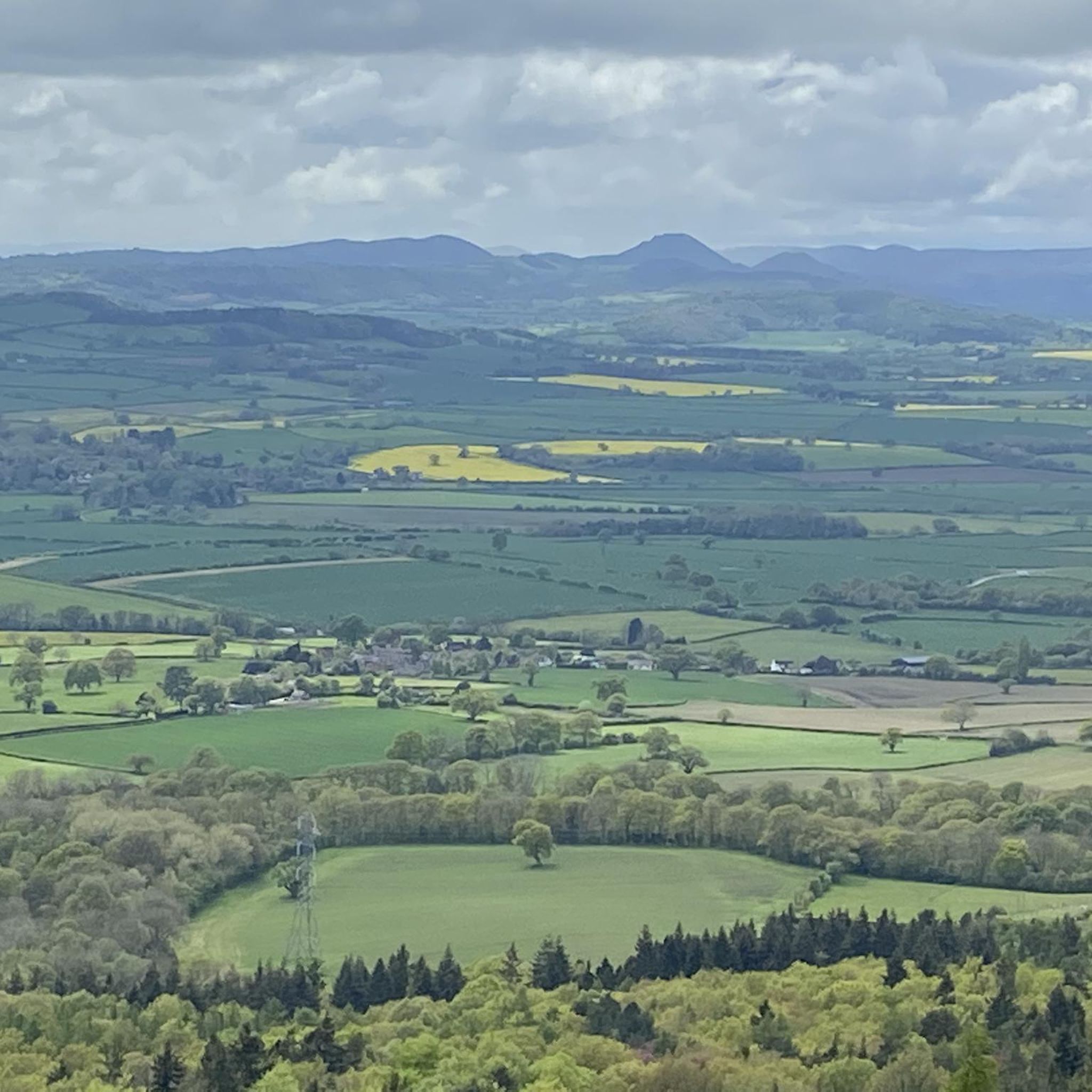
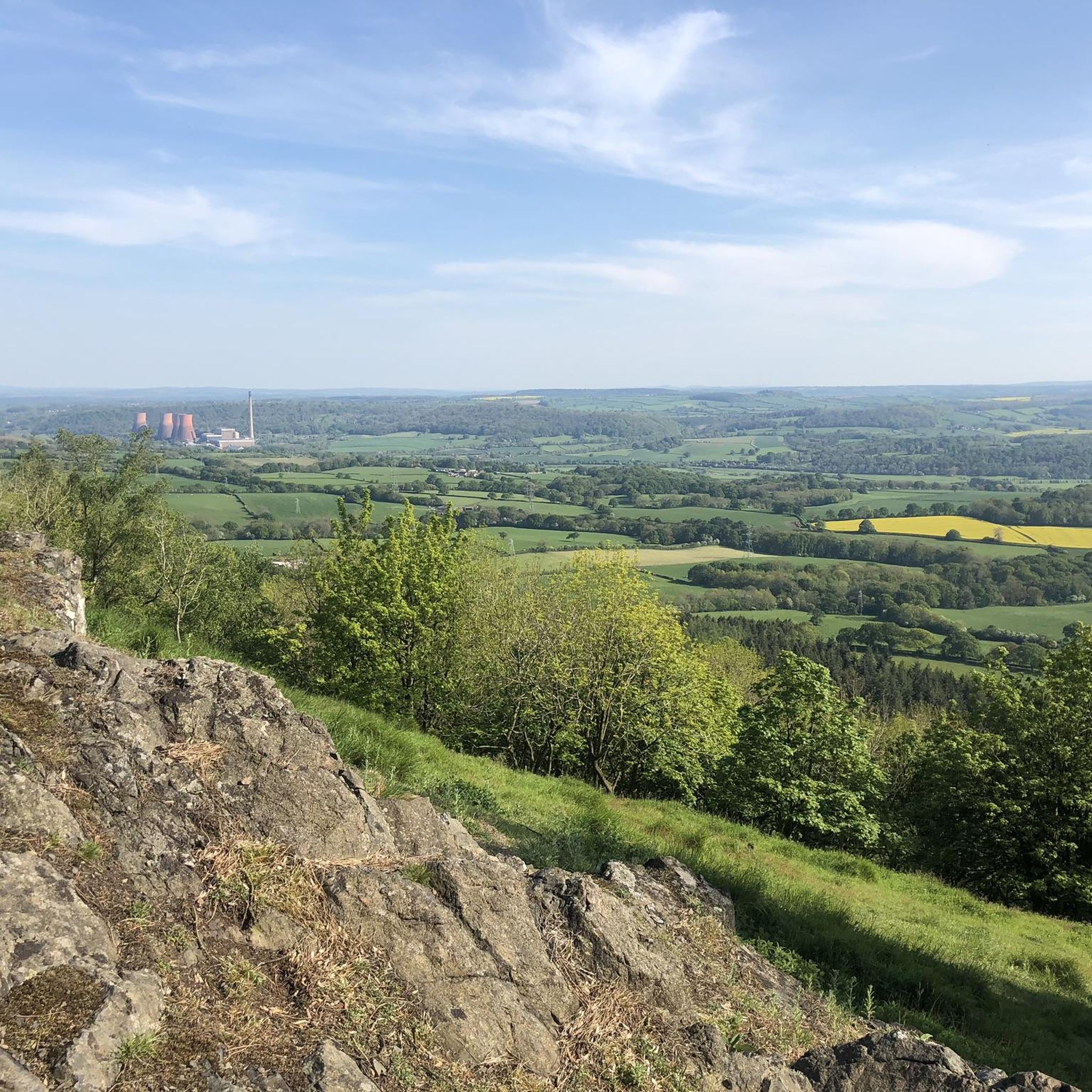
- The most popular attractions is The Wrekin summit, a summit that offers views from its peak. It is also the site of an Iron Age hill fort.
- Another must-see spot is The Iron Bridge (Ironbridge Gorge), a man-made monument. This bridge, crossing the River Severn, was the world's first cast-iron bridge and is part of the UNESCO Ironbridge Gorge World Heritage Site.
- Visitors also love The Wrekin Hillfort, an Iron Age hill fort located on The Wrekin. This site offers historical significance and views from its elevated position.
- Leighton And Eaton Constantine is known for its historical sites, natural features, and industrial heritage. The area offers a variety of attractions to see and explore, from ancient fortifications to significant bridges and scenic viewpoints.
- The attractions around Leighton And Eaton Constantine are appreciated by the komoot community, with more than 170 upvotes and over 140 photos shared by visitors.
Last updated: May 9, 2026
The Wrekin summit
Highlight • Summit
Tip by

The Iron Bridge (Ironbridge Gorge)
Highlight • Monument
Tip by

Sign up now to discover places like this
Get recommendations on the best single tracks, peaks, & plenty of other exciting outdoor places.
Sign up for free
The Wrekin Hillfort
Highlight • Viewpoint
Tip by

Coalport Bridge
Highlight • Bridge
Tip by

Wellington Rotary Toposcope on the Wrekin
Highlight • Monument
Tip by

Sign up for free to discover even more attractions around Leighton And Eaton Constantine.
Sign up for free
Already have an account?
Start today with a free account
Your next adventure awaits.
Login or Signup
Popular around Leighton And Eaton Constantine
Tips from the Community

"In order to be able to transport his goods, the ironworks owner Abraham Darby III was looking for an architect who could build him a stable bridge made of "stone, brick or wood" across the five-kilometer-wide valley of the Severn in central England. Thomas Pritchard accepted the challenge, but he built a bridge made of cast iron, the completion of which in 1781 marked the beginning of the new "Iron Age". It was the largest free-floating bridge construction of the time. Built at the highest point of the valley, the Iron Bridge became a symbol of the industrial power of the Darbys and a monument to the Industrial Revolution." With these words, the website for the television series "Treasures of the World - Heritage of Humanity" presents its film contribution (in German) about the UNESCO-recognized World Heritage Site "Iron Bridge": https://www.ardmediathek.de/video/schaetze-der-welt/ironbridge-grossbrittanien-folge-156/3sat/Y3JpZDovL3N3ci5kZS83MTUyMDA4
2
0

Great little bridge, single file for cars with small footpaths either side.
1
0

Completed in 1818, Coalport Bridge is a historic single-arch cast iron bridge that spans the River Severn in the Ironbridge Gorge in Shropshire. The bridge embodies the rich industrial heritage of the region and, in contrast to the more famous Iron Bridge located two miles upstream, it still carries vehicular traffic. Traffic crosses the bridge one way at a time and is subject to a height limit of 6 ft 6 in. Coalport Bridge is arguably more impressive to view than the Iron Bridge because of its lean and streamlined design. The bridge is best-viewed from either upstream of downstream as crossing the bridge will not display all of its merits.
1
0

Labelled, rightly or wrongly, as the "Birthplace of the Industrial Revolution" Ironbridge and its ‘Iron bridge’ is a stunning little county town with a cute high Street, lovely shops, pubs and cafes, a sprinkling of good museums and of course the bridge itself. The latter being the first fabricated from cast iron. It’s a grand beautiful architectural statement from bygone days and well worth a visit!
2
0

The iron bridge that spans the River Severn near to the Shropshire village of Coalbrookdale was the first of its kind anywhere in the world when it was constructed in 1779. This pioneering use of cast iron was afterwards adopted widely in the construction of bridges, aqueducts and other structures. The bridge's fame became so great that it gave its name to the spectacular wooded gorge which surrounds it, now the Ironbridge Gorge World Heritage Site. In 2017-18 English Heritage undertook a £3.6m conservation project on the Iron Bridge to protect the future of this historic example of British ironwork.
2
0
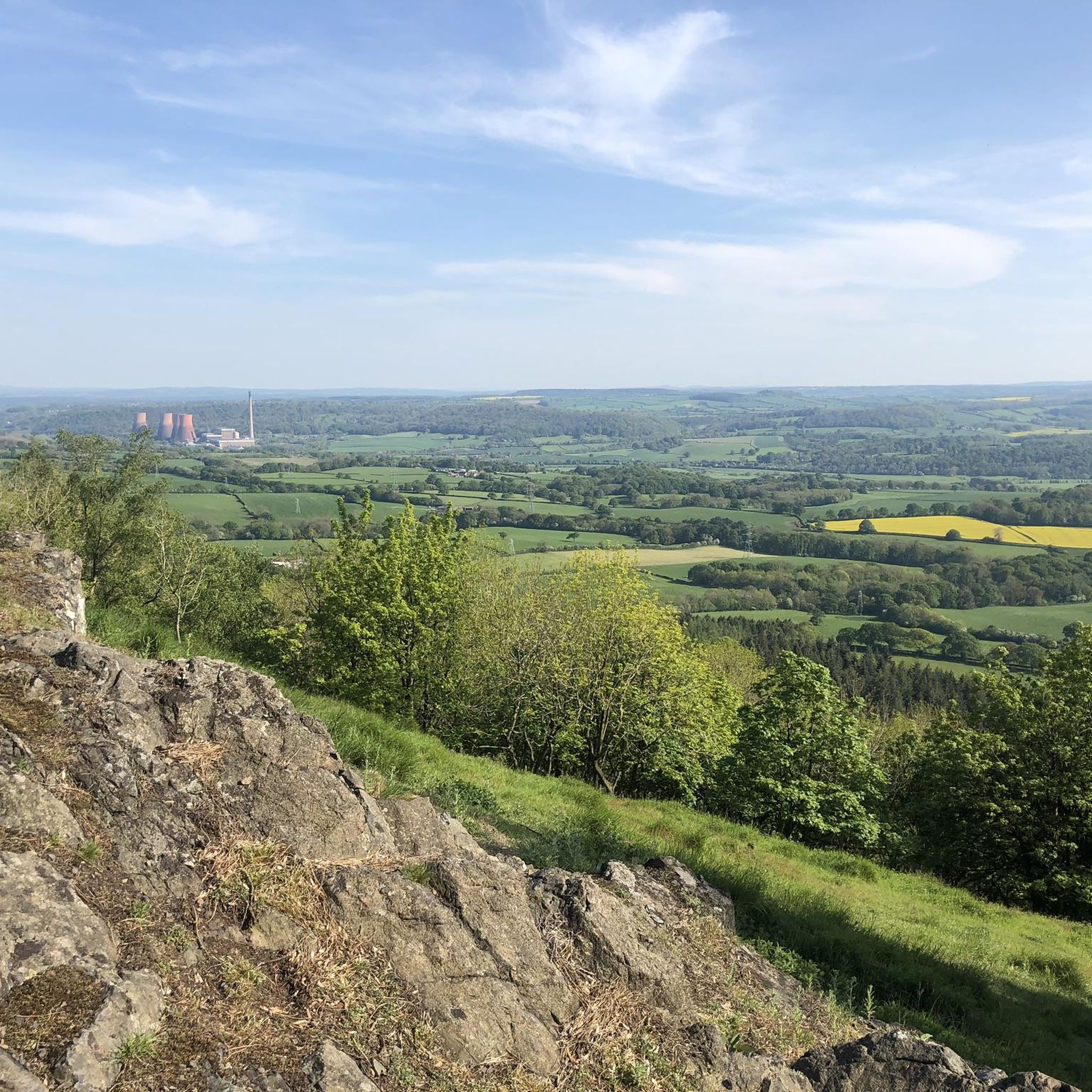
Rising to 407 metres, The Wrekin is a prominent landmark, its visibility from the M54 signalling the entrance to Shropshire. Unlike some of the local hills, The Wrekin was never a volcano in its own right, despite its conical shape, but is composed of various igneous rocks and volcanic processes. The ridgeline either side of The Wrekin makes for some great running, with fabulous views in every direction.
0
0

When I was at University in Brum in my first year I stayed with a lovely couple in Ward End. They used the local expression "all round the Wrekin". It was used to describe someone explaining something in a convoluted or complex way. Since then, I have had a fascination with the place and wanted to visit. Anyway, that was in the early 1970s - I finally got there in 2021 - better late than never!
1
0
Frequently Asked Questions
What natural features can I explore around Leighton And Eaton Constantine?
The villages are situated on the banks of the River Severn, offering opportunities for fishing, boating, and leisurely strolls. The surrounding area features beautiful rolling hills and the Shropshire Hills, designated as an Area of Outstanding Natural Beauty. A prominent natural landmark is The Wrekin summit, a 'little mountain' offering spectacular views and natural trails, along with the nearby Ercall Nature Reserve.
Are there historical sites to visit in the area?
Yes, the area is rich in history. You can visit St. Mary's Church in Leighton, which has a history dating back to a Norman church and features 17th-century iron tombstones. The Mill at Leighton is a Grade II Listed Building with origins from the Domesday Book period. St. Mary's Church in Eaton Constantine is a 12th-century Grade II listed building known for its stained glass. Additionally, the site of a Roman vexillation fortress has been identified near Eaton Constantine, and the area boasts 37 listed buildings, predominantly timber-framed houses.
What outdoor activities are available near these attractions?
The region offers excellent opportunities for outdoor activities. You can enjoy hiking on the rolling hills and in the Shropshire Hills. For specific routes, consider exploring the hiking trails around Leighton And Eaton Constantine, which include options like 'The Wrekin loop via woodland walk' or 'The Wrekin & The Ercall loop'. Cycling is also popular, with various routes available, such as those found in the cycling guide for the area.
Are there family-friendly attractions nearby?
Beyond the local villages, the broader Shropshire area offers several family-friendly attractions. These include Hoo Zoo and Dinosaur World in Telford, and Blists Hill Victorian Town, an open-air museum that recreates a Victorian town for an immersive historical experience. The Iron Bridge (Ironbridge Gorge) is also considered family-friendly and offers a fascinating historical visit.
Where can I find scenic viewpoints?
For spectacular views, head to The Wrekin summit. From its peak, you can enjoy panoramic vistas of the surrounding countryside and the Welsh hills in good weather. Another excellent viewpoint is Wellington Rotary Toposcope on the Wrekin, which also indicates distances to surrounding places.
What is the best time to visit Leighton And Eaton Constantine for outdoor activities?
The area's natural beauty, particularly the Shropshire Hills and The Wrekin, is best enjoyed during milder weather, typically from spring through autumn. This allows for comfortable hiking and cycling. However, the Wrekin is accessible year-round, with winter walks offering a different, often quieter, experience.
Are there any unique historical landmarks related to the Industrial Revolution?
Absolutely. The most significant is The Iron Bridge (Ironbridge Gorge), a UNESCO World Heritage Site. It was the world's first cast-iron bridge and is a monumental symbol of the Industrial Revolution. Nearby, Coalport Bridge, completed in 1818, is another historic cast-iron bridge spanning the River Severn, showcasing the region's industrial heritage.
Can I find places for a leisurely walk or easy hiking trails?
Yes, there are options for easier walks. The main path up The Wrekin summit from the Forest Glen car park is well-surfaced and easy to follow for a mile each way. Additionally, the Ercall Nature Reserve offers natural trails suitable for leisurely strolls. You can find more easy routes in the hiking guide, such as the 'Wrekin Woodland Trail'.
What kind of wildlife can I expect to see?
Along the River Severn, you might spot otters, kingfishers, and herons. The surrounding countryside and the Shropshire Hills are home to various birds of prey, including red kites, buzzards, and peregrine falcons. The natural reserves and woodlands also support a diverse range of local flora and fauna.
Are there any notable churches or architectural sites in the villages?
Yes, both villages have historic churches. St. Mary's Church in Leighton was restored around 1716 on the site of a Norman church and contains 17th-century iron tombstones. St. Mary's Church in Eaton Constantine is a Grade II listed building dating back to the 12th century, known for its beautiful stained glass windows. The area also features numerous timber-framed houses and cottages, showcasing the rich architectural heritage.
Where can I go for a longer, more challenging hike?
For a more challenging hike, consider exploring the various routes up The Wrekin summit. While there are easier paths, some routes offer a more strenuous climb. The Shropshire Hills, an Area of Outstanding Natural Beauty, also provide extensive terrain for longer and more demanding hikes. Check the hiking guide for moderate difficulty routes like 'The Wrekin & The Ercall loop'.
Are there any dog-friendly walking options?
Many of the public footpaths and trails in the countryside around Leighton and Eaton Constantine, including those around The Wrekin and in the Shropshire Hills, are suitable for dog walking. It's always advisable to keep dogs on a lead, especially near livestock or in nature reserves, and to follow local signage regarding dog access.
What are some hidden gems or less-known historical sites?
While not entirely 'hidden,' the site of the Roman vexillation fortress near Eaton Constantine, revealed by crop marks, offers a fascinating glimpse into ancient history. The numerous listed timber-framed buildings throughout the parish, beyond the main churches and Leighton Hall, also represent a rich, less-explored architectural heritage. The Mill at Leighton, with its Domesday Book origins and appearance on *Time Team*, is another intriguing spot.
Most popular routes around Leighton And Eaton Constantine
Most popular attractions around Leighton And Eaton Constantine

Get inspired with the komoot mobile app


Explore more
Still not found the Highlight you’re looking for? See guides of the top attractions in other regions:
