The best road cycling routes around Ballyedock Lower
5.0
(1)
166
riders
9
rides
Road cycling routes around Ballyedock Lower offer a variety of experiences, with terrain ranging from gentle coastal paths to more undulating inland roads. The region provides a mix of easy and moderate routes, suitable for different skill levels. While specific landscape features for Ballyedock Lower itself are not detailed in the route data, the surrounding areas offer diverse scenery for road cyclists.
Best road cycling routes around Ballyedock Lower
- The most popular road cycling route is Slieve Donard Hotel –…
Last updated: May 11, 2026
5.0
(1)
44
riders
57.4km
02:25
340m
340m
Moderate road ride. Good fitness required. Mostly well-paved surfaces and easy to ride.
9
riders
23.5km
00:56
120m
120m
Easy road ride. Great for any fitness level. Mostly well-paved surfaces and easy to ride.

Sign up for free
7
riders
44.7km
01:51
300m
300m
Moderate road ride. Good fitness required. Mostly well-paved surfaces and easy to ride.
5
riders
19.6km
00:50
140m
140m
Easy road ride. Great for any fitness level. Mostly well-paved surfaces and easy to ride.
3
riders
39.3km
01:40
220m
220m
Easy road ride. Great for any fitness level. Mostly well-paved surfaces and easy to ride.
Get access to more routes and recommendations from other explorers.
Sign up for free
Already have an account?
Our route recommendations are based on thousands of hikes, rides, and runs completed by other people on komoot.
Start today with a free account
Your next adventure awaits.
Login or Signup
Popular around Ballyedock Lower
Tips from the Community

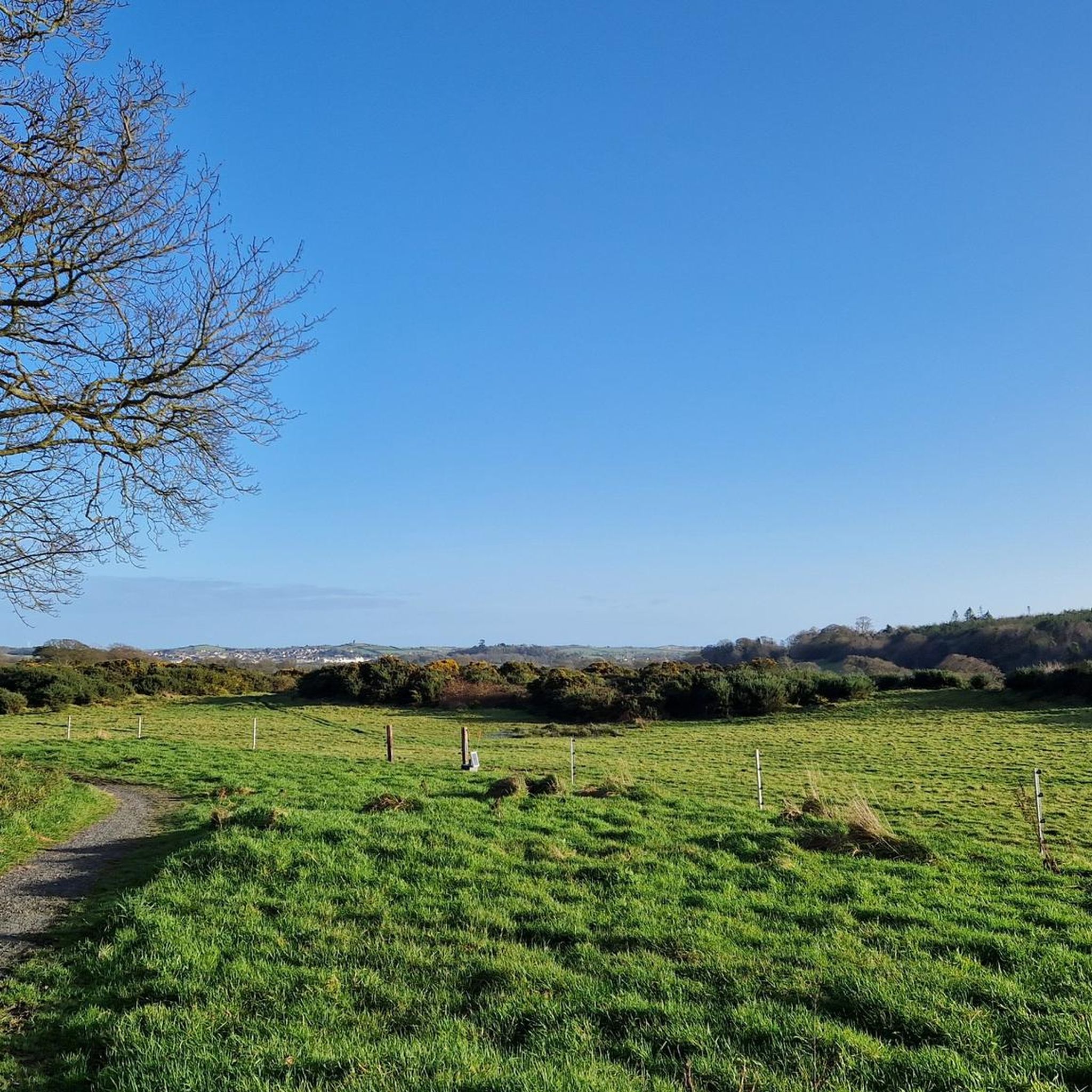
Lough Money is a quiet, almost mystical place, perfect for relaxing and taking a deep breath. The gentle waves of the lake gently hit the shore, while the reeds sway in the wind, creating a gentle rustling sound. Surrounded by rolling countryside and shady trees, you feel like you've been transported to another world. Ideal for a break on your bike ride.
0
0
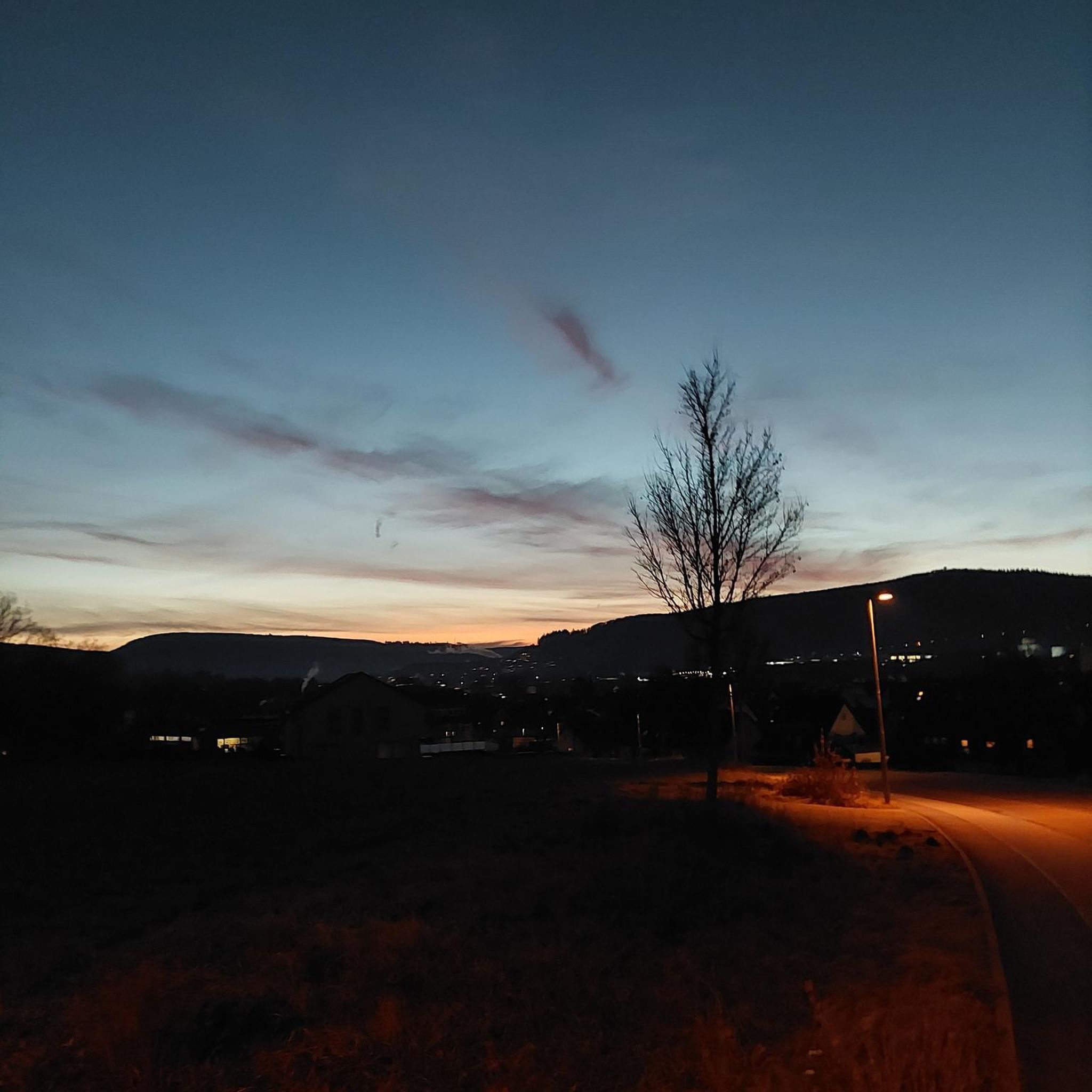
The vast coastline stretches out endlessly before you, and the panorama with the majestic Mourne Hills in the background creates a scene that is hard to put into words. The gentle waves touching the sand and the silence of the surroundings make you feel the vastness and freedom of this place.
1
0
This impressive stone circle, dating from the late Neolithic to early Bronze Age, consists of over 50 upright stones enclosing a diameter of around 35 metres. Access is via a narrow hedge-lined path that takes you directly to the entrance of the circle
1
0
This historic 12th century building is a typical example of an Anglo-Norman motte with a kidney-shaped bailey. The 7.6m high mound, which once housed a wooden tower, was later replaced by a stone tower house, the ruins of which can still be seen today. Access is via Clough's main road; there is a small car park, but it is not always well signposted. Access is usually permitted. The surrounding countryside, with views of the Mourne Mountains, offers a tranquil atmosphere that invites you to linger.
1
0
The ancient stone arches are perfectly reflected in the calm water, creating an image of timeless elegance. Cycling along here almost feels like a journey back in time - as if you are capturing a moment in another time.
1
0
This historic 10th century tower stands in idyllic countryside and offers a fascinating insight into Ireland's early Christian history. Access is via narrow country lanes; there is a small car park but it is not always well signposted. The tower is on private farmland but access is usually permitted.
1
0

The ruined round tower marks the site of an early church founded by the 6th-century St Domongart (Donard), after whom the highest peak in the Mourne Mountains is named. The tower stood to its full height until the early 18th century, when it fell in a great storm, It is built of local granite boulders and shale. Small scale excavation in 1965 showed evidence of Early Christian activity near the tower. In the oval graveyard east of the parish church is the ruin of the medieval parish church, probably 13th century in date.
1
0
Wonderful ornate, twelve arched bridge that seems out of place in this rural setting. The surrounding fields often flood during periods of heavy rain, necessitating a longer bridge than normally appears necessary. Hence the 'Twelve Arches'. The bridge was built sometime after 1836.
1
0
Frequently Asked Questions
What kind of road cycling terrain can I expect around Ballyedock Lower?
Road cycling around Ballyedock Lower, situated in County Wexford, offers a diverse range of terrain. You'll find everything from relatively flat coastal plains, perfect for leisurely spins, to more demanding hilly inland areas. Many regional roads (R roads) are suitable for road bikes, and while some sections can be lumpy, they connect interesting locations. Lesser-used local roads (L roads) provide quiet, low-traffic journeys, though surface quality can vary. The county also features wide hard shoulders on some main roads (N roads) for stress-free cycling.
Are there easy road cycling routes suitable for beginners near Ballyedock Lower?
Yes, Ballyedock Lower and the surrounding County Wexford offer several easy road cycling routes. For instance, the Ballyhornan Beach – Killough–Strangford Loop loop from Ballymurry is an easy 14.6-mile (23.5 km) path with a relatively flat profile. Another option is the Lough Money loop from Ballyalton, which is also considered easy. In total, there are 5 easy routes available in the area.
Are there any challenging road cycling routes for experienced cyclists?
While there are no routes classified as 'difficult' directly from Ballyedock Lower, there are 5 moderate routes that offer more of a challenge. The Slieve Donard Hotel – Dundrum Castle loop from Killough is a moderate 35.6-mile (57.2 km) trail with an elevation gain of over 1100 feet (342m). Another moderate option is the Quoile River View – Clough Castle Ruins loop from Killough, which covers 56.9 km with significant elevation. These routes provide more demanding climbs and longer distances for those seeking a greater challenge.
What are some scenic viewpoints or attractions I can see along road cycling routes near Ballyedock Lower?
County Wexford is rich in scenic beauty and historical sites. While cycling, you can enjoy breathtaking coastlines, stunning beaches, and dramatic cliffs. Specific attractions nearby include the historic Castle Ward Tower (a famous filming location), the picturesque St. John's Point Lighthouse, and the ancient Audley's Castle. The broader region also boasts the Hook Peninsula with its historic Hook Lighthouse, and Baginbun Head for panoramic views of golden sands. Inland, you might encounter views of the River Slaney and historic landmarks.
Are there any circular road cycling loops around Ballyedock Lower?
Yes, many of the road cycling routes around Ballyedock Lower are designed as circular loops, allowing you to start and end at the same point. Examples include the popular Slieve Donard Hotel – Dundrum Castle loop from Killough, the Ballyhornan Beach – Killough–Strangford Loop loop from Ballymurry, and the Lough Money loop from Ballyalton. These loops offer varied distances and difficulties, ensuring there's an option for most cyclists.
What is the best time of year for road biking in Ballyedock Lower?
The best time for road biking in Ballyedock Lower, and County Wexford generally, is typically from late spring through early autumn (May to September). During these months, you can expect milder temperatures, longer daylight hours, and generally more settled weather conditions, making for more enjoyable rides. However, the coastal areas can be windswept, so be prepared for changing conditions regardless of the season.
What are some notable long-distance cycling routes that pass through or near County Wexford?
County Wexford is part of significant cycling networks. A substantial portion of the international EuroVelo 1 Atlantic Coast Route, spanning approximately 120 km, runs through Wexford, offering quiet country roads, coastal views, and charming villages. This route incorporates parts of the historic Norman Way. Additionally, the Wexford Coastal Path provides peaceful circuits on quiet country lanes, showcasing wild Atlantic vistas and long sandy beaches. For more information on cycling in Wexford, you can visit Visit Wexford's cycling guide.
Are there any off-road greenways suitable for cycling in the region?
Yes, while primarily focused on road cycling, the region is developing off-road options. The South East Greenway, though still under development, has Phase 1 open. This greenway offers picturesque views along a former railway line near the River Barrow. Once completed, it will provide a 24 km route connecting New Ross to Waterford, encouraging cycling and walking. You can find more details about the South East Greenway on Visit Wexford.
What do other road cyclists say about the routes around Ballyedock Lower?
The road cycling routes around Ballyedock Lower are highly regarded by the komoot community, with an average rating of 5.0 stars from over 1 review. Over 160 road cyclists have used komoot to explore the varied terrain, suggesting a positive experience among those who have ridden here. Cyclists often praise the mix of coastal views and rural roads, as well as the options for both easy spins and more challenging moderate rides.
Are there any specific natural reserves or woodlands accessible by bike near Ballyedock Lower?
County Wexford boasts several natural reserves and woodlands that can be explored. The Raven Nature Reserve, near Curracloe Beach, offers a blend of forest, beach, and sand dunes, ideal for spotting wild birds and red squirrels. The Wexford Wildfowl Reserve is an internationally important area for birdwatching. While not directly on a road cycling route, these areas provide excellent opportunities for post-ride exploration or a scenic detour. The John F. Kennedy Arboretum also features extensive woodlands and lakes.
Is public transport an option for reaching road cycling routes near Ballyedock Lower?
While Ballyedock Lower itself is a small townland, County Wexford has a public transport network that can facilitate access to various starting points for cycling routes. Bus services connect many of the larger towns and villages in the county. However, it's advisable to check specific routes and schedules, especially regarding bicycle carriage policies, with local transport providers like Bus Éireann, to plan your journey effectively.
Where can I find parking if I drive to a starting point for a road cycling route?
Many popular starting points for cycling routes in County Wexford, especially near coastal towns or attractions, offer designated parking areas. For example, the Castle Ward Shore Car Park is a specific parking highlight nearby. When planning your route, look for car parks in villages or near major attractions that serve as common trailheads. Local amenities in towns like Kilmore Quay or near larger attractions often provide suitable parking for cyclists.
Most popular routes around Ballyedock Lower
Most popular attractions around Ballyedock Lower

Get inspired with the komoot mobile app


Explore more
Browse the best Road cycling routes in other regions.
