Attractions and Places To See around Dunover - Top 10
Attractions and places to see around Dunover offer a diverse range of historical sites and scenic viewpoints. This region features a landscape that includes coastal areas with views across the Irish Sea and inland areas with ancient ruins. Dunover provides opportunities to explore significant man-made monuments and historical sites. It is a destination where several hidden gem attractions await discovery.
Best attractions and places to see around Dunover
- The most popular attraction is Nendrum Monastery Ruins, a historical site…
Last updated: July 21, 2026
Nendrum Monastery Ruins
Highlight • Historical Site
Tip by

Ballycopeland Windmill
Highlight • Monument
Tip by
Sign up now to discover places like this
Get recommendations on the best single tracks, peaks, & plenty of other exciting outdoor places.
Sign up for free
Donaghadee Lighthouse
Highlight • Viewpoint
Tip by

Mount Stewart Gardens
Highlight • Historical Site
Translated by Google •
Tip by

Grey Abbey Ruins
Highlight • Religious Site
Tip by
Sign up for free to discover even more attractions around Dunover.
Sign up for free
Already have an account?
Start today with a free account
Your next adventure awaits.
Login or Signup
Tips from the Community

Nendrum Monastery was a Christian monastery founded in the 5th century. The monastery finished somewhere between 974 and 1178, but the church survived until the 15th century. You can visit the ruins if you're riding past.
0
0

You learn to appreciate gardening here: the park around Mount Stewart House looks slightly overgrown, wonderfully randomly grown and seems somewhat neglected and untidy with subtle art between the unobtrusive flowers and colors. Of course, nothing here is natural and nothing is random, but it is incredibly beautiful to look at.
2
0

From Donaghadee visitors can enjoy spectacular views across the Irish Sea, where on a clear day you can see all the way to Scotland, only 20 miles away by sea. It was the province’s principle port before Belfast developed. The Harbour was built in 1820's to the design of John Rennie and is part built of limestone from Wales known as "Anglesea marble". On the harbour is Donaghadee's impressive lighthouse, which was built in 1836 and was the first lighthouse in Ireland to be lit by electricity. Sit and rest in the harbour with a bag of chips from Rainy's on the High Street ( on the hill as you roll in to town from Millisle ) Best fryers in the town. Perfect recovery after a long cycle, Irelands oldest Pub - Grace Neills, is only around the corner.
0
0
This is the best example in Northern Ireland of a pre Norman ecclesiastical enclosure with its buildings. Nendrum is associated with St Mochaoi who died at the end of the 5th century, and is linked with St Patrick in a much later source. Notices of Nendrum clergy, including three bishops, begin in the 7th century and the excavation of a sophisticated tide mill on the shore near the site has shown that the mill was active in the early 7th century, which underlines the early importance of Nendrum. References continue until a fire in 976, perhaps a Viking raid, when the head of the church (erenagh) was burned in his house. In the late 12th century a small Benedictine monastic cell was founded on the site, but by 1302–1306 this was the parish church, abandoned for Tullynakill on the mainland in the 15th century. H.C. Lawlor excavated the site from 1922 to 1924, when enclosure walls, church and round tower were restored. The glacial hill is crowned with three concentric walled enclosures, irregularly oval in plan. Little is known of the outer cashel, only partly in state care. In the middle cashel on the south-west side are circular platforms for huts, which excavation suggested were craft workshops, and a rectangular building known as the ‘schoolhouse’, also a workshop. In the inner cashel were the most important buildings, including the church with its graveyard and the base of a round tower north-west of the church. The west wall of the church was rebuilt in the 1920s, incorporating a reconstructed sundial at the south-west corner. Finds from the 1920s excavation, including the well-known bell of Nendrum, are in the Ulster Museum and Down Museum at Downpatrick. Underwater archaeological work in the 1990s showed that there is a stone jetty south-east of the enclosure, now inundated in the lough, and medieval pottery was found close by. ( source: department of communities )
0
0
Ballycopeland Windmill is the only remaining working windmill in East Down. It was built in the late 18th or early 19th century and was worked until the First World War when it fell into disrepair. It was gradually restored between 1950 and 1978 to full working order.
0
0
Lovely place to rest. There are tables arranged outside to the right of the Abbey. Grab some supplies from the shop just up the road in the village, and enjoy the atmosphere. The Abbey is open 24 / 7. Grey Abbey is one of the best examples of Anglo-Norman Cistercian architecture in Ulster, and was the daughter house of Holm Cultram (Cumbria). It was founded in 1193 by Affreca, wife of John de Courcy, the Anglo-Norman invader of East Ulster. The remains, in the beautiful parkland setting of the nearby grand house of Rosemount, consist of the church with cloister and surrounding buildings to the south.
0
0
A small visitor centre is located inside the Millers house with a Cafe onsite open to the public. Disabled access is not possible within the windmill. This is a group of traditional buildings on a sloping site with changes of level. Wheelchair users can gain access to the exhibition but may find this difficult. Some parts of the complex are inaccessible for wheelchairs. Please note: Online booking is essential. A limited number of tickets may be available on the day however cannot be guaranteed. Tours of the windmill can now be booked on the official Ballycopeland Windmill website https://www.ballycopelandwindmill.com .
0
0
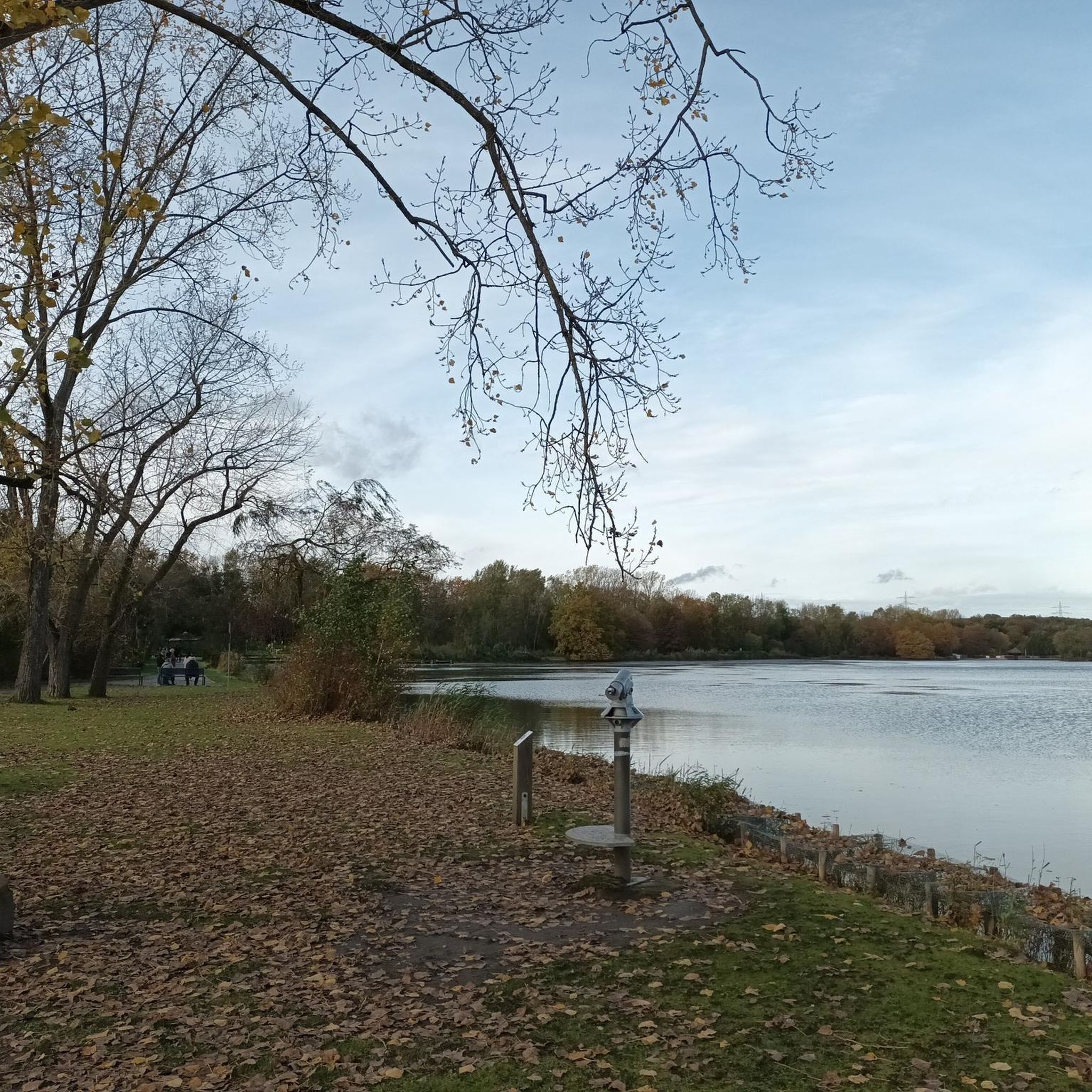
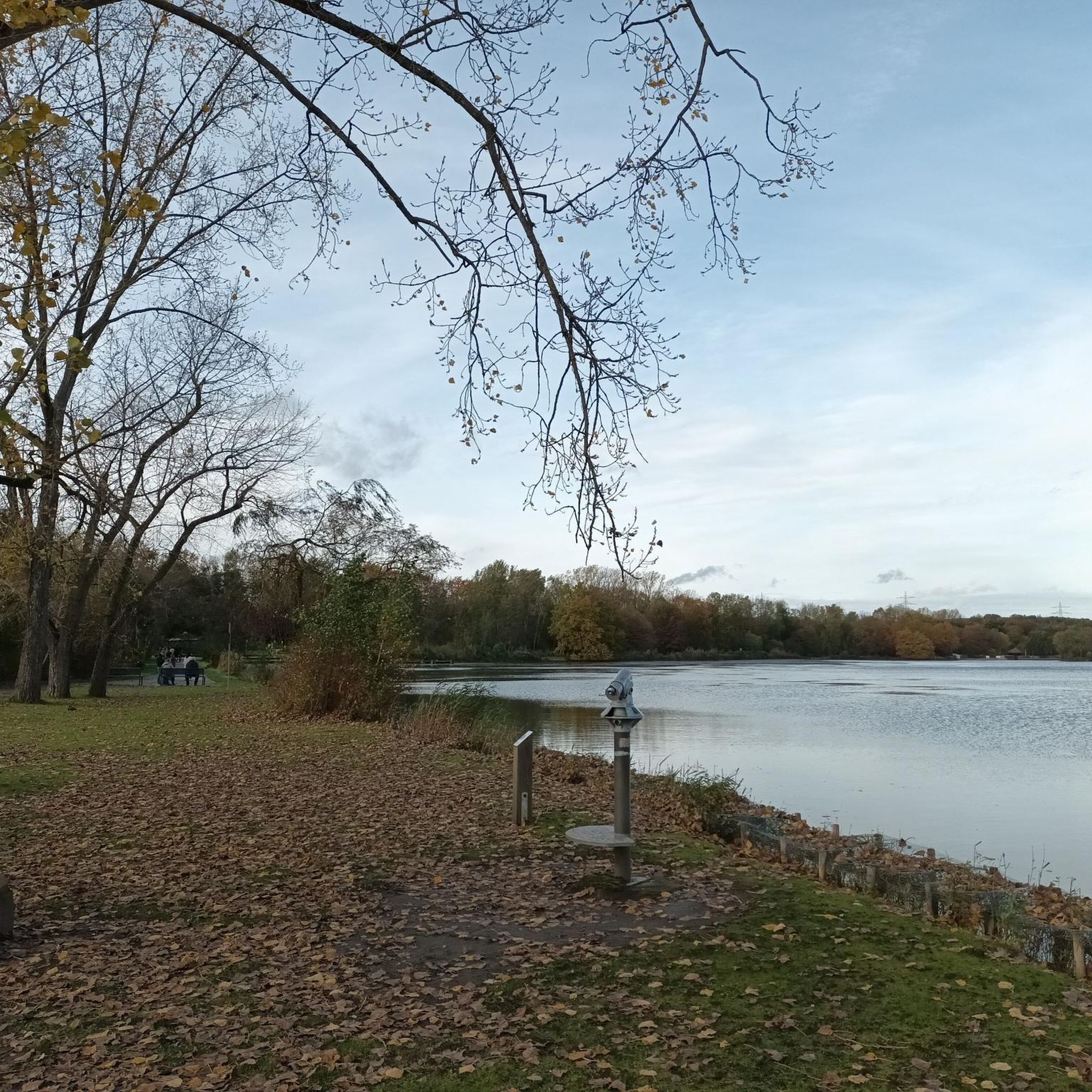
Love spending time here. There is a park bench to the far east corner, and to the left of that hosts one of the best views of the Lough. When tides out you can see traces of the old Salmon fisheries. Its so quiet, and there is a picnic area just to the side of the visitors centre. The site also boasts fragments of an early Sun Dial that have been placed by the entrance to the Church.
0
0
Frequently Asked Questions
Are there family-friendly attractions around Dunover?
Yes, Dunover offers several family-friendly attractions. You can explore the ancient Nendrum Monastery Ruins, visit the historic Ballycopeland Windmill, or enjoy the coastal views from Donaghadee Lighthouse. The Grey Abbey Ruins and Mount Stewart House also welcome families.
What historical sites can I visit in the Dunover area?
Dunover is rich in history. Key historical sites include the 5th-century Nendrum Monastery Ruins, considered the best example of a pre-Norman monastic site in Northern Ireland. You can also visit Ballycopeland Windmill, the only remaining working windmill in East Down, and the 12th-century Grey Abbey Ruins, a fine example of Anglo-Norman Cistercian architecture.
Are there any easy hiking trails near Dunover's attractions?
Yes, there are several easy hiking trails suitable for beginners near Dunover's attractions. For example, you can find easy loops around Mount Stewart, such as the Boundary Walk or the Mount Stewart Gardens loop. There are also easy walks around Donaghadee, including loops near the lighthouse. Find more options in the Hiking around Dunover guide.
Where can I find good viewpoints around Dunover?
For impressive views, head to Donaghadee Lighthouse, where on a clear day you can see across the Irish Sea to Scotland and the Isle of Man. The Nendrum Monastery Ruins also offer scenic views of the Lough from a park bench on its eastern side.
What outdoor activities can I do near Dunover's attractions?
Beyond visiting attractions, Dunover offers various outdoor activities. You can explore numerous hiking trails, from easy to moderate, around areas like Mount Stewart and Donaghadee. Road cycling is also popular, with routes connecting highlights like Ballycopeland Windmill. For more details, check out the Hiking around Dunover and Road Cycling Routes around Dunover guides.
Are there any less crowded walking trails around Dunover?
While popular spots can attract visitors, many of the walking trails around Dunover offer a chance for a quieter experience, especially outside peak times. Consider exploring the various loops around Mount Stewart or the coastal paths near Donaghadee. The Hiking around Dunover guide provides a range of options, including some that are generally less frequented.
What do visitors enjoy most about the attractions around Dunover?
Visitors frequently appreciate the rich history and serene atmosphere of sites like Nendrum Monastery Ruins, often noting the beautiful views and peaceful picnic areas. The unique historical significance of Ballycopeland Windmill and the impressive coastal vistas from Donaghadee Lighthouse are also highly rated experiences.
Is there wheelchair access at Dunover attractions?
Accessibility varies by attraction. For instance, at Ballycopeland Windmill, disabled access is not possible within the windmill itself, though wheelchair users may access parts of the exhibition. It's advisable to check specific accessibility details for each site before your visit, as many historical sites may have uneven terrain or steps.
Can I find cafes or places to eat near Dunover's walking routes?
Yes, you can find cafes and eateries near some of the walking routes. For example, Ballycopeland Windmill has a cafe on-site. Near Donaghadee Lighthouse, you'll find options like Rainy's for chips and Grace Neills, Ireland's oldest pub, just around the corner from the harbour.
Are there any hidden gem attractions in Dunover?
While the main attractions are well-known, the region itself is described as having several hidden gems awaiting discovery. For instance, the Grey Abbey Ruins offer a lovely, open site to explore history in a tranquil setting, often with fewer crowds than more prominent sites. The detailed tips for Nendrum Monastery Ruins also highlight less-known aspects like the traces of old salmon fisheries visible at low tide.
What is the best time of year to visit Dunover attractions?
The best time to visit Dunover attractions generally depends on your preferences. Spring and summer offer milder weather, ideal for exploring outdoor sites like Nendrum Monastery Ruins and enjoying coastal views from Donaghadee Lighthouse. Autumn brings beautiful foliage, particularly around places like Mount Stewart House and its gardens. Winter can be crisp and clear, offering dramatic views, though some facilities might have reduced hours.
Are there opportunities for running trails near Dunover's attractions?
Yes, Dunover offers several running trails. You can find easy running loops from Donaghadee, including routes with views of the sea. There are also moderate to difficult running trails around Mount Stewart Lake and from Greyabbey. For detailed routes, consult the Running Trails around Dunover guide.
Most popular routes around Dunover

Get inspired with the komoot mobile app


Explore more
Still not found the Highlight you’re looking for? See guides of the top attractions in other regions:
