Attractions and Places To See around Lyneham - Top 20
Best attractions and places to see around Lyneham include a blend of historical sites, military heritage, and access to natural landscapes. Located in Wiltshire, England, the area offers insights into ancient history and provides opportunities for outdoor exploration. Visitors can find ancient monuments, historical churches, and scenic routes near the North Wessex Downs and the Cotswolds. The region's connection to aviation history also adds a unique cultural dimension.
Best attractions and places to see around Lyneham
- The most popular attractions is The King Stone, a man-made monument that dates back to the Bronze Age. It is believed to have been a marker for ancient trade routes or a ceremonial site.
- Another must-see spot is The Rollright Stones Stone Circle, a historical site. This ceremonial stone circle was erected around 2,500 BC and consists of seventy-odd stones of local oolitic limestone.
- Visitors also love Stow-on-the-Wold Market Cross, a man-made monument. It was constructed in medieval times as a reminder to traders to deal honestly and fairly in the heart of Stow on the Wold's market square.
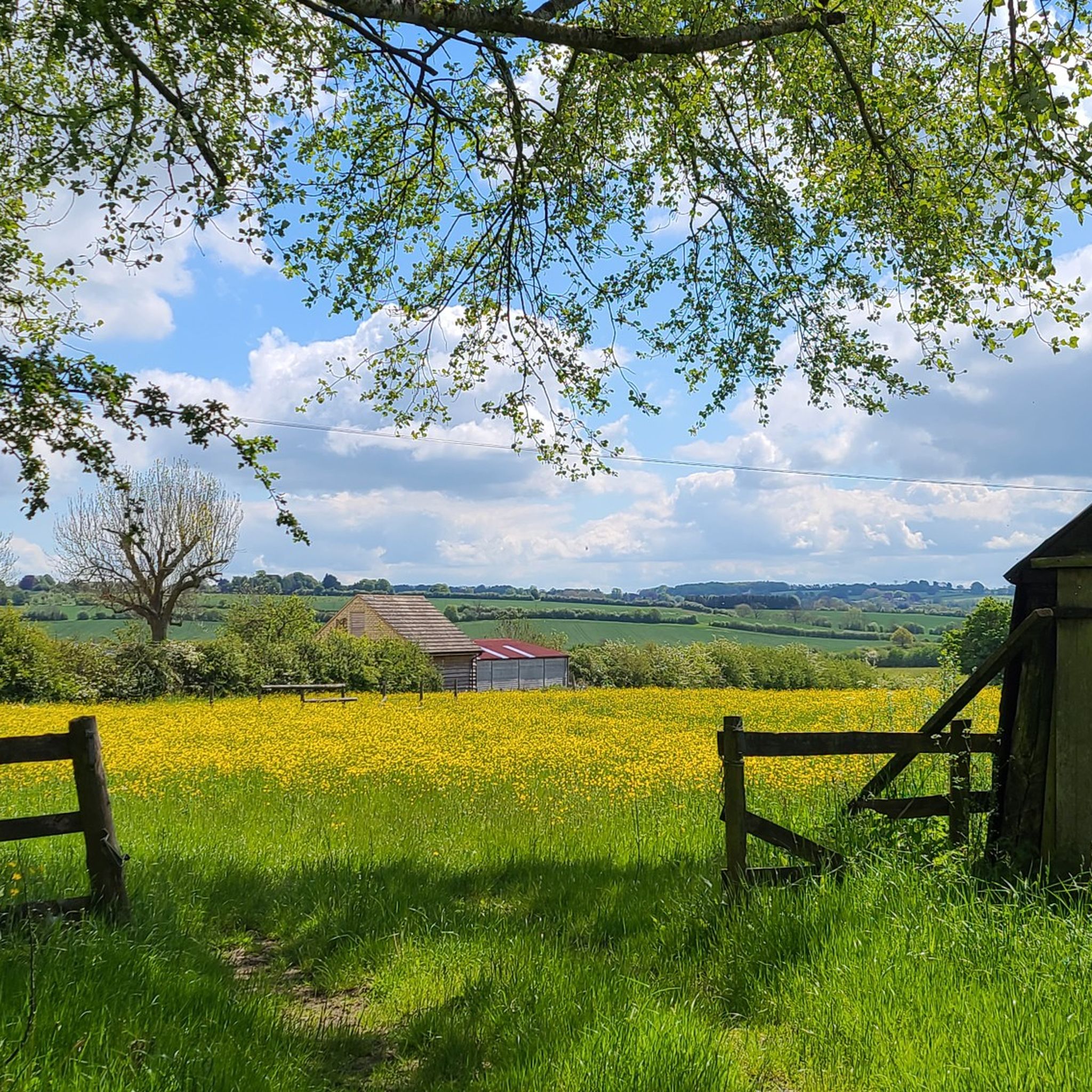
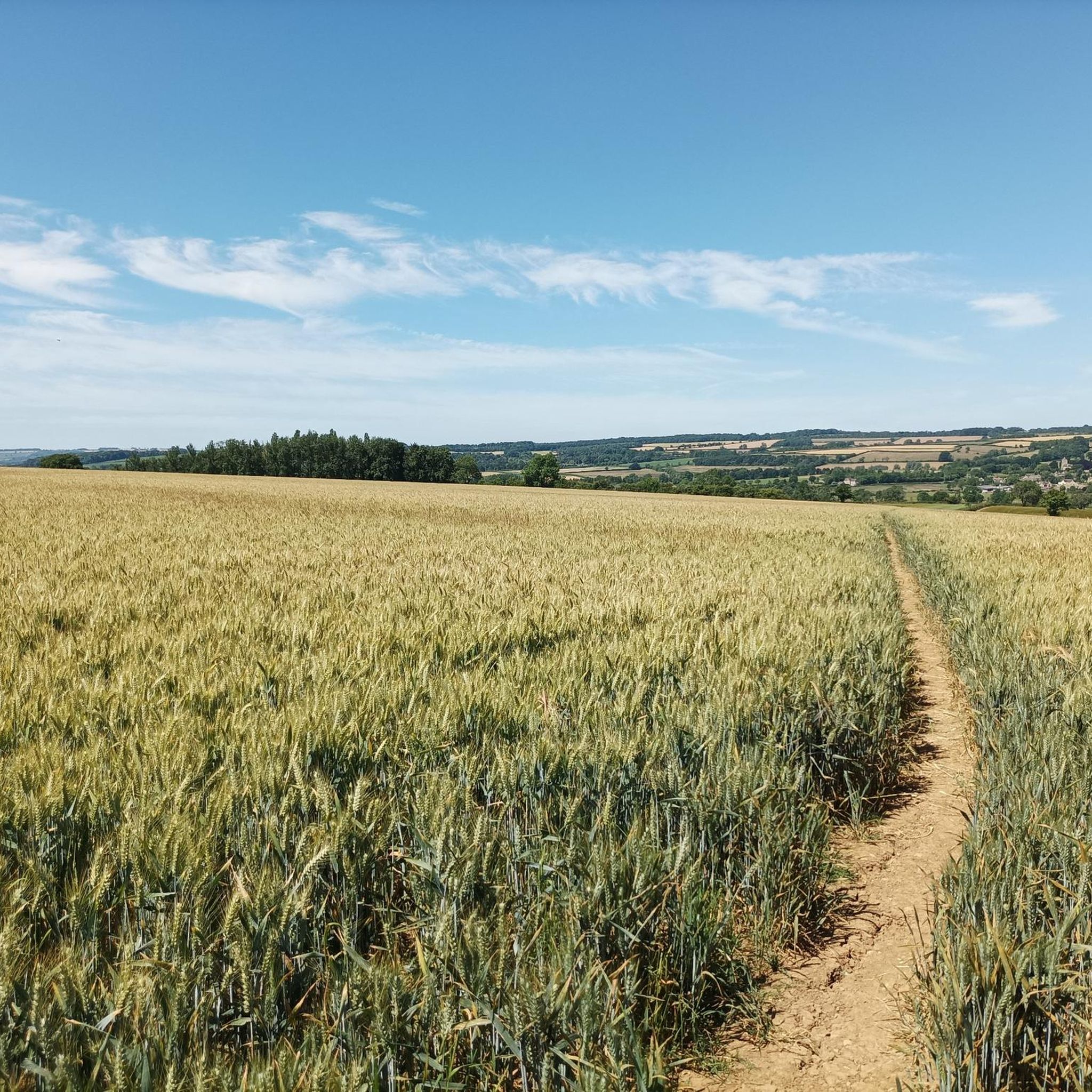
- Lyneham is known for ancient monuments, historical churches, and natural reserves. The area offers a variety of attractions to see and explore, from Neolithic sites to military heritage.
- The attractions around Lyneham are appreciated by the komoot community, with 233 upvotes and 30 photos shared by visitors.
Last updated: August 2, 2026
Stow-on-the-Wold Market Cross
Highlight • Monument
Tip by

The King Stone
Highlight • Monument
Tip by

Sign up now to discover places like this
Get recommendations on the best single tracks, peaks, & plenty of other exciting outdoor places.
Sign up for free
Greystones Farm Nature Reserve
Highlight • River
Tip by

The Rollright Stones Stone Circle
Highlight • Historical Site
The number of stones has changed over the years. Legends refer to stones having been taken away (to make bridges and the like), and it is likely that this created most of the gaps now visible. The stones are famously uncountable, but originally may have numbered about 105 standing shoulder to shoulder.
Tip by

Yew Tree Door at St Edward’s Church
Highlight • Monument
Tip by
Sign up for free to discover even more attractions around Lyneham.
Sign up for free
Already have an account?
Start today with a free account
Your next adventure awaits.
Login or Signup

Tips from the Community

In the case of a "market cross," as we encounter here again, one would have to ask the fundamental question of whether it is actually primarily a small sacred monument—as its cross shape suggests—or whether it is more of a secular object. In times long past, such a cross—unlike classic wayside crosses or field crosses—was only allowed to be erected if the corresponding locality also possessed so-called "market rights"—that is, if it had been granted them by the local ruler.
1
0

We always love visiting any churches on our walks, the history, architecture etc are spectacular. FYI - This door is popular with instagrammers.
0
0

St Edward's Church is a medieval Grade I listed church situated in the stunning Cotswold's countryside near Stow-on-the-Wold. It's a fantastic building with many interesting features such as nave columns decorated with nailhead carvings, an enchanting doorway, and gargoyles and carvings in the shape of a human head.
1
0
The King Stone is a standing stone in the Cotswolds, England, which dates back to the Bronze Age. It is believed to have been a marker for ancient trade routes or a ceremonial site.
1
1

Great start & finish point. Lots of places to have a coffee, a cup of tea or something stronger and plenty of choice if you want something to eat too. Not an expert but the shopping looks interesting as well. Worth a visit.
0
0

Remember to always keep a pace when going up a big hill
0
0

Wildlife Greystones Farm is home to Salmonsbury Meadows Site of Special Scientific Interest (SSSI). These ancient meadows are home to an incredible diversity of wildflowers and provide a habitat for many insects, butterflies, birds and mammals. In the spring and summer you will see great burnet, southern marsh orchids, early marsh orchids, ragged robin, devil’s-bit scabious, meadowsweet, knapweed and yellow rattle. These flowers support butterflies including orange-tip, meadowbrown, brimstone, small copper and ringlet. Greystones Farm are also working to restore the hay meadows which were damaged from the 1940s onwards, with the aim to bring local wildflowers back to these areas of Greystones. The rivers that run through Greystones are full of wildlife. Alongside the River Eye you can listen for water voles rustling among dense vegetation, as well as the distinctively ‘plop’ when they enter the water. This species is severely endangered, through loss of habitat and predation by mink, but thanks to Gloucestershire Wildlife Trust, Greystones now has one of the largest populations in the Cotswolds. Stretches of riverbank have been fenced off to encourage vegetation, for them and the otters that regularly travel the river. In this wonderful habitat tiny fish can be seen all year, but invertebrates like freshwater shrimps and mayfly nymphs hide away under pebbles and banks. Watch in early summer for flamboyant banded and beautiful demoiselles and for other species later. A glimpse of a kingfisher is possible! They have also created habitats and homes for bats, owls and other birds around the farm and visitor centre. Common and soprano pipistrelles, Natterer’s bats, long-eared bats and lesser horseshoe bats roost above the Discovery Barn and barn owls roost in the office building. Around the farm, swallows and house martens nest in the barn eaves and pied wagtails stalk the rooves looking for insects.
0
0
The earliest documented reference to a church in the hilltop town of Stow-on-the-Wold comes from AD 986. It is entirely possible that there was a church here long before that time, as the monks of Evesham Abbey owned land in the area as early as 708. HISTORY The church is dedicated to St Edward, but which one? There may have been an early Christian hermit at St Edward's Well at the base of Stow hill, or the Edward in question may have been the 10th-century Saxon boy-king Edward, King & Martyr. The most likely dedication, however, is the Edward the Confessor (reigned 1042-1066). The town grew up at an important junction on the major trade route of the Fosse Way, first developed by the Romans. Stow grew wealthy during the medieval period from the wool trade, based on the high quality of fleece produced by the local 'Cotswold Lion' sheep. The parish church of St Edward reflects the wealth of the Stow wool merchants in the medieval period. We know there was a stone church here in the 12th century but almost nothing remains of that Norman building. The oldest part of the present church is the nave, built in the 13th century, while the chancel is a century younger. The tower was rebuilt in 1445 on an older base. THE BATTLE OF STOW On 21 March 1646 Stow was the scene of the final battle of the first phase of the English Civil War, where Parliament's New Model Army defeated Royalists led by Sir Jacob Astley. Royalist prisoners were held in the church after the battle. One reminder of those grim days is an incised memorial set into the chancel floor commemorating the Royalist soldier Captain Hastings Keyte of Ebrington. Perhaps as a result of damage during the battle and its aftermath, the church was declared ruinous in 1657, but it was not fully restored until more than 20 years later. The north porch was added in the late 17th century in Gothic Survival style, a foretaste of the Victorian Gothic Revival to come. The church was restored by JL Pearson in 1847 and again in 1859 when the nave roof was rebuilt. Pearson is best known as the architect of Truro Cathedral. Most of the stained glass is Victorian but a pair of clerestory windows in Pre-Raphaelite style date to 1921. Just inside the south entrance is a huge painting of a Crucifixion scene by the early 17th-century Flemish artist Gaspar de Crayer, presented to the church in 1875 by Joseph Chamberlayne of Maugersbury Manor. Other interior features include 13th-century nave columns decorated with nailhead carving. The timber roof is supported on carved corbels depicting human heads, probably including depictions of local benefactors. The roof itself is Victorian, except for one original 15th-century beam carved with the coat of arms of John Weston, who served as the rector from 1416-38. On the south wall of the chancel is a gilded memorial to the Chamberlayne family, lords of the manor. The font dates to the late 16th century and is carved in a goblet shape. THE HOBBIT DOOR Walk around the west end of the church to the north porch and you will see an extraordinary sight; a pair of yew trees with gnarled roots almost envelope the curved doorway, making it look like something out of a JRR Tolkien tale. Is there a connection between the doorway and the author of The Hobbit and the Lord of the Rings trilogy? Probably not, but a tradition says that Tolkien was inspired by the doorway and the trees that shroud it to create the Doors of Durin that guarded the western entrance to the Mines of Moria and the dwarfish realm of Khazad-dûm. In truth, Tolkien's illustrations for the doorway don't bear a strong resemblance to the north porch of St Edward's Church, but don't let get in the way of a good story! As an aside, the Tolkien Society, who ought to know, have accepted the claim that the Bell Inn in the neighbouring market town of Moreton-in-Marsh was the inspiration for The Prancing Pony in Bree.
2
1
Frequently Asked Questions
What historical sites can I visit near Lyneham?
The Lyneham area is rich in history. You can explore ancient monuments like The King Stone, a Bronze Age marker, and The Rollright Stones Stone Circle, a ceremonial site from around 2,500 BC. Further afield, the extraordinary Neolithic site of Avebury Stone Circle and the medieval ruins of Bradenstoke Priory offer deeper insights into the region's past. Don't miss the unique Yew Tree Door at St Edward’s Church, a Grade I listed medieval church with a rich history.
Are there any family-friendly attractions around Lyneham?
Yes, several attractions cater to families. Greystones Farm Nature Reserve offers waymarked trails, a cafe, and opportunities to see wildlife. The ancient sites like The King Stone and The Rollright Stones Stone Circle are also considered family-friendly for exploration. Additionally, the REME Museum, with its collection of military vehicles and equipment, can be engaging for all ages.
What natural features and viewpoints can I discover near Lyneham?
The region offers beautiful natural landscapes. Greystones Farm Nature Reserve features rare tree species, wildflower meadows, and the River Eye. The Wilts & Berks Canal Towpath near Dauntsey Lock provides scenic walks. For broader views, the North Wessex Downs, an Area of Outstanding Natural Beauty, is nearby, as are the rolling hills of the Cotswolds. The Cherhill White Horse also offers breathtaking views over the picturesque countryside.
What outdoor activities, like hiking or biking, can I do near Lyneham's attractions?
The area around Lyneham is excellent for outdoor activities. You can find numerous hiking trails, including those through the Foxholes Nature Reserve in the Cotswolds. For more options, explore the hiking routes around Lyneham. If you prefer cycling, there are gravel biking routes available, and for runners, various running trails cater to different fitness levels.
Are there any military heritage sites in the Lyneham area?
Yes, Lyneham has a strong connection to military heritage due to its former RAF base. The REME Museum, located just outside the village at MOD Lyneham, is a significant attraction. It showcases an extensive collection of vehicles, weapons, and equipment related to the Royal Electrical and Mechanical Engineers, offering an engaging experience for those interested in military history.
What do visitors enjoy most about the attractions around Lyneham?
Visitors appreciate the blend of historical depth and natural beauty. Many enjoy the unique atmosphere of ancient sites like The Rollright Stones Stone Circle, often described as a 'noble, rustic sight.' The peaceful setting of Greystones Farm Nature Reserve and its cafe are also highly rated. The historical churches, such as St Edward's Church with its distinctive Yew Tree Door, are admired for their architecture and history.
Can I find any unique historical monuments or structures in the area?
Absolutely. Beyond the ancient stone circles, you can find Stow-on-the-Wold Market Cross, a medieval monument that served as a reminder for fair trade. The Church of St Michael and All Angels in Lyneham is also historically significant, having served as the parish church and the official church for RAF Lyneham, featuring stunning stained-glass windows commemorating its bond with the RAF.
Are there any wheelchair-accessible attractions near Lyneham?
While specific accessibility details vary, Stow-on-the-Wold Market Cross is noted as wheelchair accessible. For other sites, it's advisable to check individual attraction websites for detailed accessibility information, especially for ancient sites or nature reserves which may have uneven terrain.
Where can I experience the Cotswolds landscape near Lyneham?
The rolling hills of the Cotswolds are within easy reach of Lyneham. You can explore areas characterized by woodlands and open fields, with various hiking trails, including those through the Foxholes Nature Reserve, offering a quintessential Cotswolds experience. Many of the highlights like The King Stone are situated within this beautiful landscape.
Are there any ancient archaeological sites to explore?
Yes, the region is rich in ancient archaeology. The King Stone is a Bronze Age monument, and The Rollright Stones Stone Circle dates back to 2,500 BC. A short distance away, the Avebury Stone Circle is an extraordinary Neolithic site, large enough to encompass part of a village, and is surrounded by other prehistoric sites like West Kennet Long Barrow and Silbury Hill.
What are some good places for a scenic walk or picnic near Lyneham?
For scenic walks, the Wilts & Berks Canal Towpath near Dauntsey Lock is highly recommended. The Rollright Stones Stone Circle is also noted as a great place for a picnic with a good view. Additionally, the North Wessex Downs and the Cotswolds offer vast opportunities for picturesque strolls and enjoying the English countryside.
Most popular attractions around Lyneham

Get inspired with the komoot mobile app


Explore more
Still not found the Highlight you’re looking for? See guides of the top attractions in other regions:
