Attractions and Places To See around Milcombe - Top 20
Best attractions and places to see around Milcombe include a mix of historical architecture, cultural sites, and natural features. This Oxfordshire village, located southwest of Banbury, offers a glimpse into historical English village life. The surrounding area provides diverse points of interest, from ancient churches to significant historical monuments. Visitors can explore various sites that reflect the region's heritage and landscape.
Best attractions and places to see around Milcombe
- The most popular attractions is Church of St John the Baptist, Hornton, a religious building and historical site with parts dating back to the 12th century. Its interior once featured 14th-century wall paintings, and the bell tower was built around 1400.
- Another must-see spot is Banbury Town Hall, a historical site and man-made monument. This Gothic Revival building, completed in 1854, is the fourth town hall in Banbury's history and features a clock tower and spire added in 1860.
- Visitors also love Wroxton Abbey and Gardens, a historical site with extensive gardens. Built in 1727, this Jacobean manor includes a great hall and chapel, with ruins of the original 12th-century abbey still visible on its 56 acres of grounds.
- Milcombe is known for its historical sites, religious buildings, and gardens. The area offers a variety of attractions to see and explore, catering to different interests.
- The attractions around Milcombe are appreciated by the komoot community, with highlights featuring 4 photos and receiving 11 upvotes.
Last updated: May 9, 2026
Church of St John the Baptist, Hornton
Highlight • Religious Site
The tower has a ring of five bells, all cast by Henry III Bagley of Chacombe in 1741. They are currently unringable because the fourth bell is cracked.
St. John's is now one of eight ecclesiastical parishes in the Ironstone Benefice.
Non-conformist groups in Hornton included Baptists in the 17th century and Quakers in the 17th and 18th centuries. Hornton had a Primitive Methodist congregation by 1836, which had built its own chapel by 1842. Hornton's present Methodist church was built in 1884.
Tip by

Banbury Cross
Highlight • Historical Site
The English nursery rhyme "Ride a cock horse to Banbury Cross", in its several forms, may refer to one of the crosses destroyed by Puritans in 1600.[50] In April 2005, Princess Anne unveiled a large bronze statue depicting the Fine Lady upon a White Horse of the nursery rhyme.[51] It stands on the corner of West Bar and South Bar, just yards from the present Banbury Cross.
(en.wikipedia.org/wiki/Banbury#Banbury_Cross)
Tip by

Sign up now to discover places like this
Get recommendations on the best single tracks, peaks, & plenty of other exciting outdoor places.
Sign up for free
Wroxton Abbey and Gardens
Highlight • Historical Site
Tip by

Banbury Town Hall
Highlight • Historical Site
The design involved a symmetrical main frontage with three bays facing the junction of the High Street and Market Place; the central section, which projected forward, featured an arched doorway on the ground floor and a balcony with an ogee headed window on the first floor. A clock tower and spire were added in 1860.
The principal room was an assembly hall on the first floor. The building was extended to the south west to create a council chamber in 1891.
The town hall was the headquarters of Banbury Borough Council until the council moved its administration to the mechanics' institute in Marlborough Road in 1930.
Source: en.wikipedia.org/wiki/Banbury_Town_Hall
Tip by

Lady Elizabeth Climb
Highlight (Segment) • Viewpoint
Tip by

Sign up for free to discover even more attractions around Milcombe.
Sign up for free
Already have an account?
Start today with a free account
Your next adventure awaits.
Login or Signup
Tips from the Community

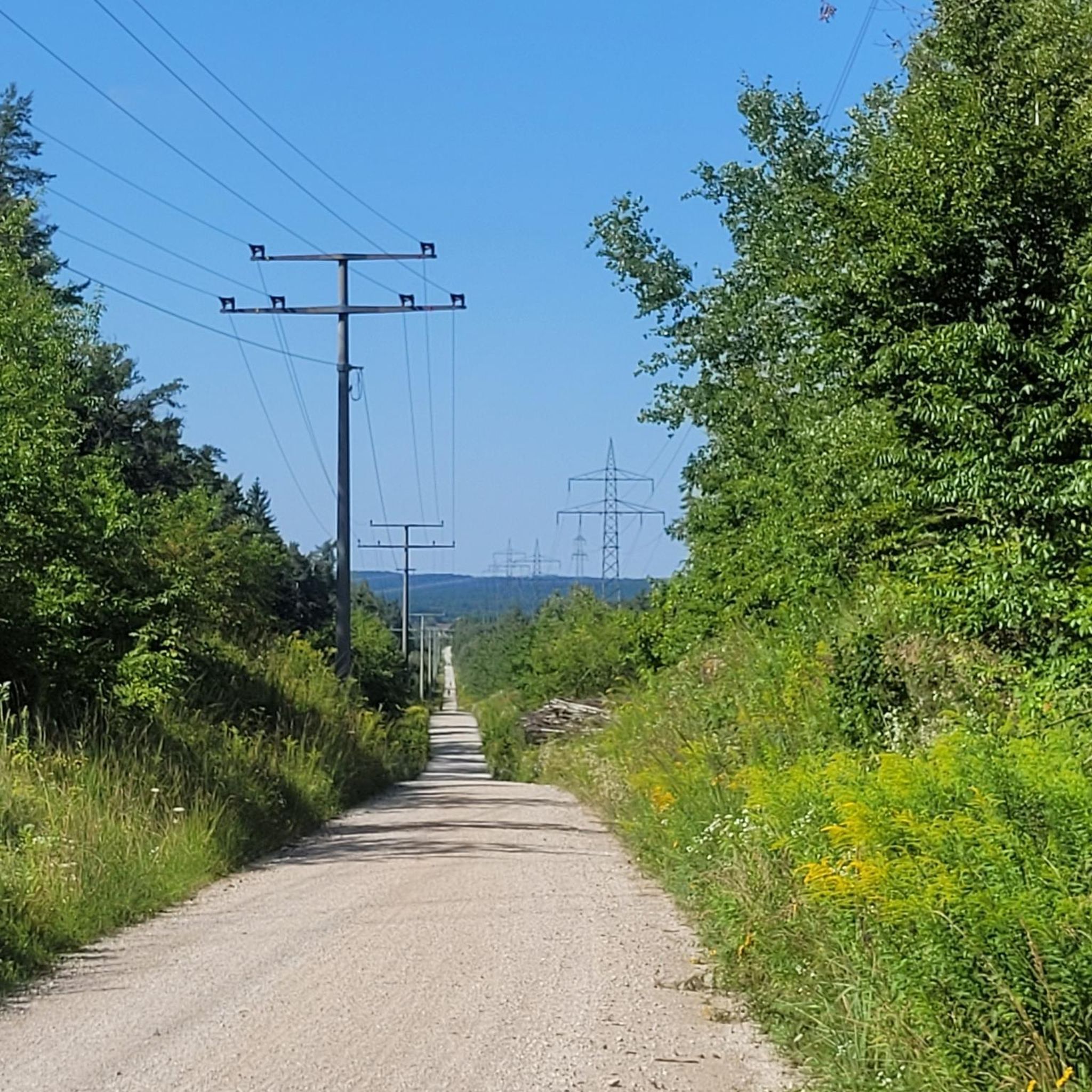
Great little climb with enough twists turns and gradient variation to keep things interesting.
0
0

At one time Banbury had many crosses (the High Cross, the Bread Cross and the White Cross), but these were destroyed by Puritans in 1600.[7][50] Banbury remained without a cross for more than 250 years until the current Banbury Cross was erected in 1859 at the centre of the town to commemorate the marriage of Victoria, Princess Royal (eldest child of Queen Victoria) to Prince Frederick of Prussia. The current Banbury Cross is a stone, spire-shaped monument decorated in Gothic form. Statues of Queen Victoria, Edward VII and George V were added in 1914 to commemorate the coronation of George V. The cross is 52 feet 6 inches (16 m) high, and topped by a gilt cross. Towns with crosses in England before the reformation were places of Christian pilgrimage. The English nursery rhyme "Ride a cock horse to Banbury Cross", in its several forms, may refer to one of the crosses destroyed by Puritans in 1600.[50] In April 2005, Princess Anne unveiled a large bronze statue depicting the Fine Lady upon a White Horse of the nursery rhyme.[51] It stands on the corner of West Bar and South Bar, just yards from the present Banbury Cross. (https://en.wikipedia.org/wiki/Banbury#Banbury_Cross)
3
0

Great climb. Relatively wide and good quality road. Nice views during the ascent. The road is quite exposed, so if you are aiming for a good time, ride the climb with wind from Westerly directions.
0
0

This building, designed by Edward George Bruton in the Gothic Revival style and built by Chesterman Brothers of Abingdon, was completed in October 1854 and is the fourth town hall building built in Banbury town from 1590 onwards. The design involved a symmetrical main frontage with three bays facing the junction of the High Street and Market Place; the central section, which projected forward, featured an arched doorway on the ground floor and a balcony with an ogee headed window on the first floor. A clock tower and spire were added in 1860. The principal room was an assembly hall on the first floor. The building was extended to the south west to create a council chamber in 1891. The town hall was the headquarters of Banbury Borough Council until the council moved its administration to the mechanics' institute in Marlborough Road in 1930. Source: https://en.wikipedia.org/wiki/Banbury_Town_Hall
2
0

The oldest parts of the Church of England parish church of Saint John the Baptist are the nave and the arcade of the north aisle, both of which were built late in the 12th century. They are in the transitional style between Norman and Early English. In the 13th century the nave and north aisle were extended westwards by the addition of a fourth bay. In the 14th century a clerestory and a two-bay south aisle were added to the nave and most of the doors and windows were remodelled. Also in the 14th century the interior was decorated with wall paintings including a Pietà, a Saint George and a Doom. The bell tower was built around 1400 and the present Perpendicular Gothic east window of the chancel was added in the 15th century. Many of the wall paintings were painted over with limewash after the English Civil War. The tower has a ring of five bells, all cast by Henry III Bagley of Chacombe in 1741. They are currently unringable because the fourth bell is cracked. St. John's is now one of eight ecclesiastical parishes in the Ironstone Benefice. Non-conformist groups in Hornton included Baptists in the 17th century and Quakers in the 17th and 18th centuries. Hornton had a Primitive Methodist congregation by 1836, which had built its own chapel by 1842. Hornton's present Methodist church was built in 1884.
0
0

Designed by Edward Bruton in 1854, Banbury Town Hall is a magnificent Gothic-style building in the town centre. It was once used as a police station and cells still exist in the building. However, the prisoners are gone today and the town hall is now used for weddings and conferences.
1
0
Built in 1727 in the Oxfordshire countryside, Wroxton Abbey is an impressive Jacobean manor complete with a great hall, minstrels' gallery and chapel. The house is named after the original 12th-century abbey that was destroyed during the Dissolution of the Monasteries in 1536. Its ruins can still be seen in the grounds today. In 1932, the house was donated to Trinity College, Oxford and it now serves as a campus for the American university Farleigh Dickinson. You can visit the 56 acres of lawns, lakes and woodlands, as well as a number of follies. Entrance is free and the gardens are open daily from dawn to dusk. You can find more information, here: https://www.wroxtonabbey.org/
0
0

Frequently Asked Questions
What historical sites can I visit in Milcombe itself?
Milcombe village offers a glimpse into historical English village life. You can explore the Grade II listed St Laurence's Church, which retains its 15th-century font and west tower despite an 1860 rebuild. Also notable is the 18th-Century Octagonal Dovecote, a relic of the former Milcombe House, and the Horse and Groom, a 17th-century public house.
Are there any family-friendly attractions near Milcombe?
Yes, the wider region around Milcombe offers several family-friendly attractions. For historical exploration, consider Wroxton Abbey and Gardens, which features extensive grounds. Further afield, the region includes destinations like Waterfowl Sanctuary and Children's Farm, and Fairytale Farm, as mentioned in the regional research.
What kind of outdoor activities can I do around Milcombe?
The area around Milcombe is excellent for outdoor activities, particularly hiking and cycling. You can find various routes for different skill levels. For hiking, explore options like the "Hook Norton Viaduct Ruins loop" or "Wroxton Obelisk – Wroxton Abbey Dovecote Tower loop." Cyclists can enjoy routes such as "River Glyme – Winding Country Road loop" or "Bloxham Grove Windmill loop." You can find more details on these activities in the easy hikes around Milcombe, road cycling routes, and general cycling guides.
Are there any easy walking routes suitable for a leisurely stroll?
Yes, there are several easy walking routes available. For example, the "Hook Norton Viaduct Ruins loop from Hook Norton" is an easy 7.2 km hike, and the "Rapeseed Field – Church of St Mary, Broughton loop from Broughton" is an easy 4.7 km walk. These are great for leisurely strolls and can be found in the easy hikes around Milcombe guide.
Where can I find historical architecture and monuments nearby?
Beyond Milcombe, the region boasts significant historical architecture. You can visit the Church of St John the Baptist, Hornton, with parts dating back to the 12th century. Another notable site is Banbury Town Hall, a Gothic Revival building from 1854, and Banbury Cross, an iconic monument erected in 1859.
Are there any viewpoints or scenic spots to enjoy the landscape?
Yes, the area offers scenic spots. Lady Elizabeth Climb is highlighted as a great climb out of Tysoe village with nice views during the ascent. Additionally, the disused railway cutting at the foot of Fern Hill near Milcombe provides a natural landscape feature.
What is the history behind the churches in the Milcombe area?
The churches in the Milcombe area have deep historical roots. St Laurence's Church in Milcombe dates back to the 13th century, with original 15th-century elements. The Church of St John the Baptist, Hornton, features nave and north aisle parts from the late 12th century and a bell tower from around 1400, with remnants of 14th-century wall paintings.
Can I find any unique or lesser-known attractions around Milcombe?
For a unique historical insight, the 18th-Century Octagonal Dovecote in Milcombe, built from local ironstone, is a charming and distinctive relic of the past. The disused railway cutting near Fern Hill also offers an interesting natural and historical feature, reflecting the area's industrial heritage.
Are there any places to eat or drink with historical significance in Milcombe?
Yes, Milcombe is home to The Horse and Groom, a 17th-century public house. It offers a historical spot for refreshments and a taste of local village life.
What are the options for cycling around Milcombe?
Milcombe and its surroundings provide various cycling opportunities. You can find easy routes like the "Bike loop from Milcombe" (18.4 km) or more moderate options such as the "Winding Country Road – Nether Worton House loop from Milcombe" (31.6 km). Explore these and other routes in the Cycling around Milcombe guide.
What is the significance of Wroxton Abbey and its gardens?
Wroxton Abbey and Gardens is a historical site featuring an impressive Jacobean manor built in 1727. Its 56 acres of grounds include lawns, lakes, woodlands, and even ruins of the original 12th-century abbey. It's a beautiful place to explore history and nature.
Are there any specific historical events or figures associated with Banbury Cross?
Banbury Cross, erected in 1859, commemorates the marriage of Queen Victoria's eldest daughter. It replaced earlier crosses destroyed in 1600 and is famously associated with the English nursery rhyme "Ride a cock horse to Banbury Cross." Statues of Queen Victoria, Edward VII, and George V were added in 1914.

Get inspired with the komoot mobile app


Explore more
Still not found the Highlight you’re looking for? See guides of the top attractions in other regions:
