Attractions and Places To See around Stratfield Saye - Top 20
Best attractions and places to see around Stratfield Saye include historical landmarks, significant estates, and natural features. This historic parish in Hampshire, England, is known for its association with the Duke of Wellington and its Roman heritage. The region offers 20 hidden gems, providing insights into local history and opportunities for exploration.
Best attractions and places to see around Stratfield Saye
- The most popular attractions is Odiham Castle Ruins, a historical site that sits on the edge of the…
Last updated: May 9, 2026
Odiham Castle Ruins
Highlight • Historical Site
Tip by

Calleva Atrebatum: Roman town and city walls
Highlight • Monument
Tip by

Sign up now to discover places like this
Get recommendations on the best single tracks, peaks, & plenty of other exciting outdoor places.
Sign up for free
Nunhide Lane Gravel Track
Highlight (Segment) • Trail
Tip by

The Vyne
Highlight • Monument
The Vyne was built for Lord Sandys, King Henry VIII's Lord Chamberlain. The house …
Tip by

Coombes Lane
Highlight • Forest
Tip by

Sign up for free to discover even more attractions around Stratfield Saye.
Sign up for free
Already have an account?
Start today with a free account
Your next adventure awaits.
Login or Signup

Tips from the Community

Not a gravel riding track. Only suitable for mountain bikes due to the road conditions, big rocks, and large potholes. If you must ride a gravel bike here, do not cruise and always go slowly.
0
0

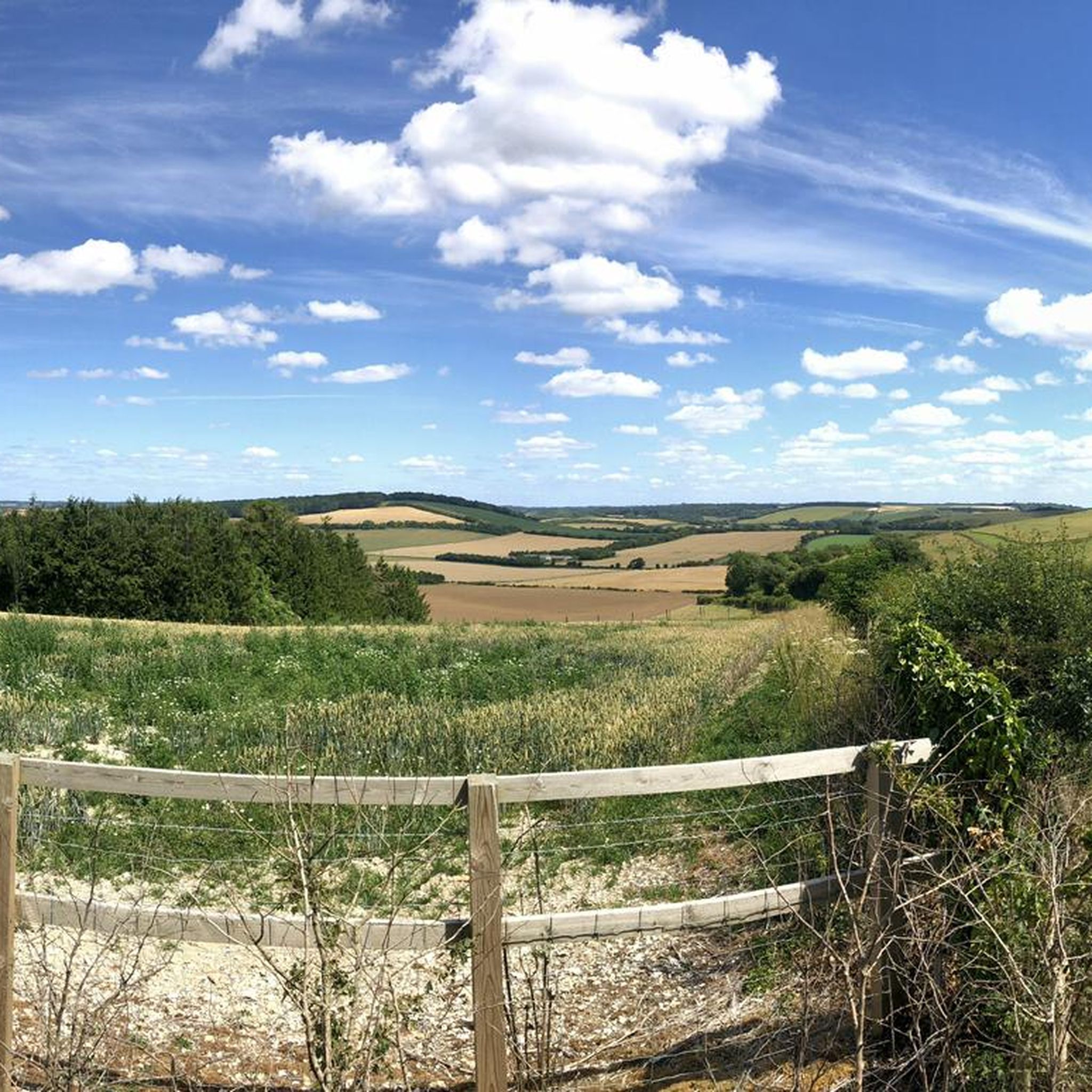
Approaching Coombes Lane from the east, the light begins to change. The shadows stretch too long, too early. The gravel beneath your wheels seems to hum—low, nearly imperceptible, like a pressure change behind your ears. Some say it’s just the trees. Others claim it’s a localized temporal anomaly, like brushing the edge of a vortex or slipping sideways through time. Either way, once you cross the threshold, things feel different. This junction once marked part of the old Bearwood estate. Before the event, “Bearwood” might’ve referred to ancient bear hunts across the land. Now it seems to describe the path itself—bare, worn, and faintly haunted by old instincts. Stripped-back gravel flows down the sandy track, smooth enough for fast two-wheel traversal—if you don’t stop moving. The lane runs tight along the perimeter of a forgotten golf course, its greens now gone to seed. Golf Men still roam there—solitary figures locked in endless loops, trailing white objects with ritualistic obsession. No one knows if they ever finish a round, but the low groans they emit suggest occasional joy, frequent regret, and a heavy air of bunked sadness. Keep your distance. Don’t try to help. And above all, don’t retrieve the ball. Reports of large wild cats once circulated here. Some say they’re still around—shadows with tails, low to the ground, seen only between blinks. Add that to the interference in your comms, occasional compass spin, and persistent sense of déjà vu, and Coombes Lane earns its reputation. A hidden bunker is rumored somewhere near the lane, though most agree it’s more likely the ghost of an ancient Roman outpost. Caesar’s Camp isn’t far off, and the landscape still holds the scars of older empires. Byways peel off into Barkham Woods, a tangled sprawl of secondary paths, watchpoints, and blind corners. Good for exploration. Also good for ambushes. Z movement has been mapped here. Canine patrols, too—some with collars, some without. Assume neither is friendly. This trail was once favored by the Finchmen—a band of gravel-bike scavengers known for their speed, discipline, and strict adherence to the old countryside code. You’d do well to ride in their spirit: leave no trace, close all gates, pack out your trash, and never—ever—feed the Golf Men. If you’re looking for quiet exploration with a side of strangeness and the feeling that time might not run quite right here… Coombes Lane delivers.
0
0

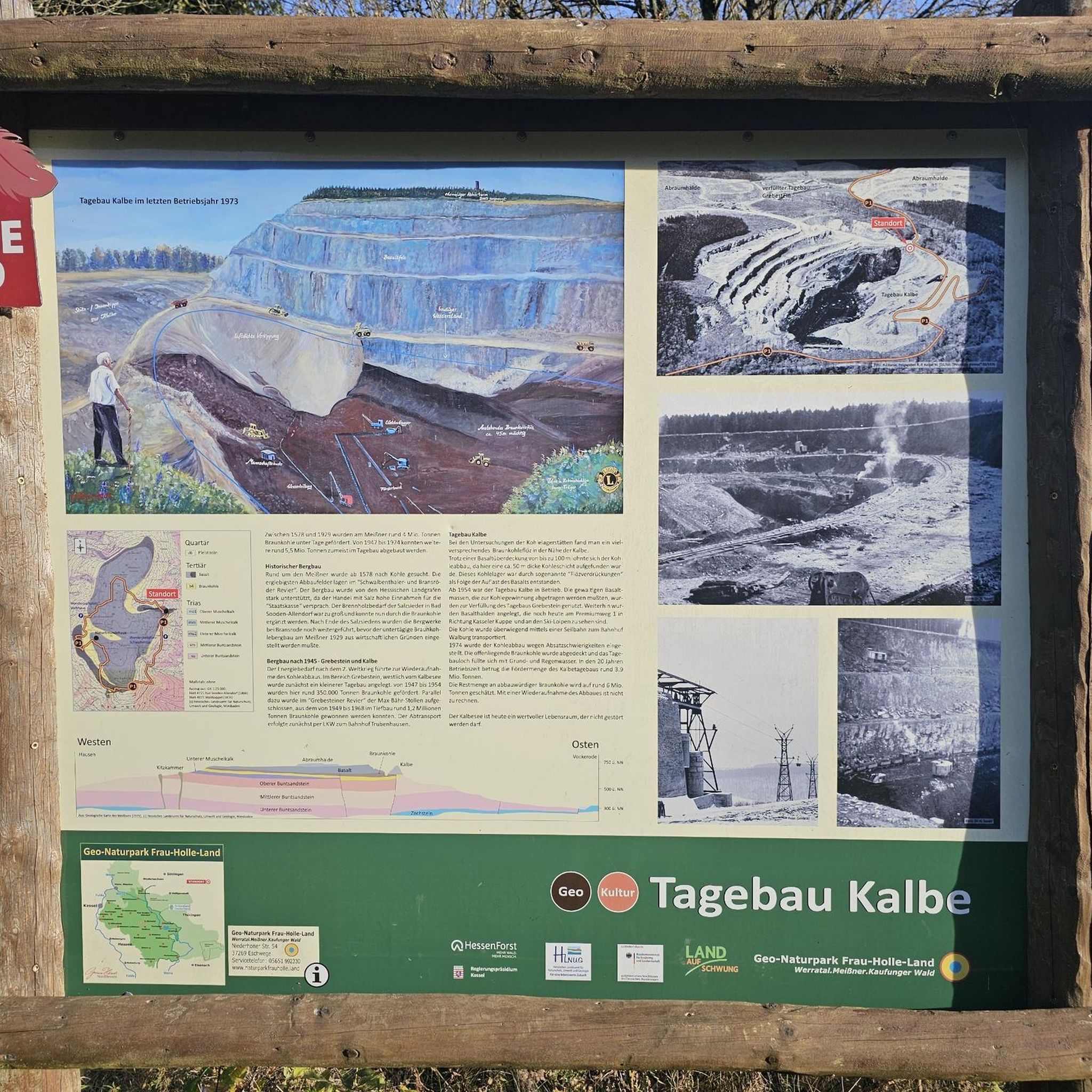
Our local NT place we go here often. Morgaston woodland walks out of the back gate where you will also find a hide overlooking wetlands. Secure bike parking limited. Suggestion attach to wooden fence by reception and we will keep an eye on it but can’t be responsible. Highlight for us in this house is the chapel. Lovely lake but rebuilding work to a bridge in progress at the moment
0
0

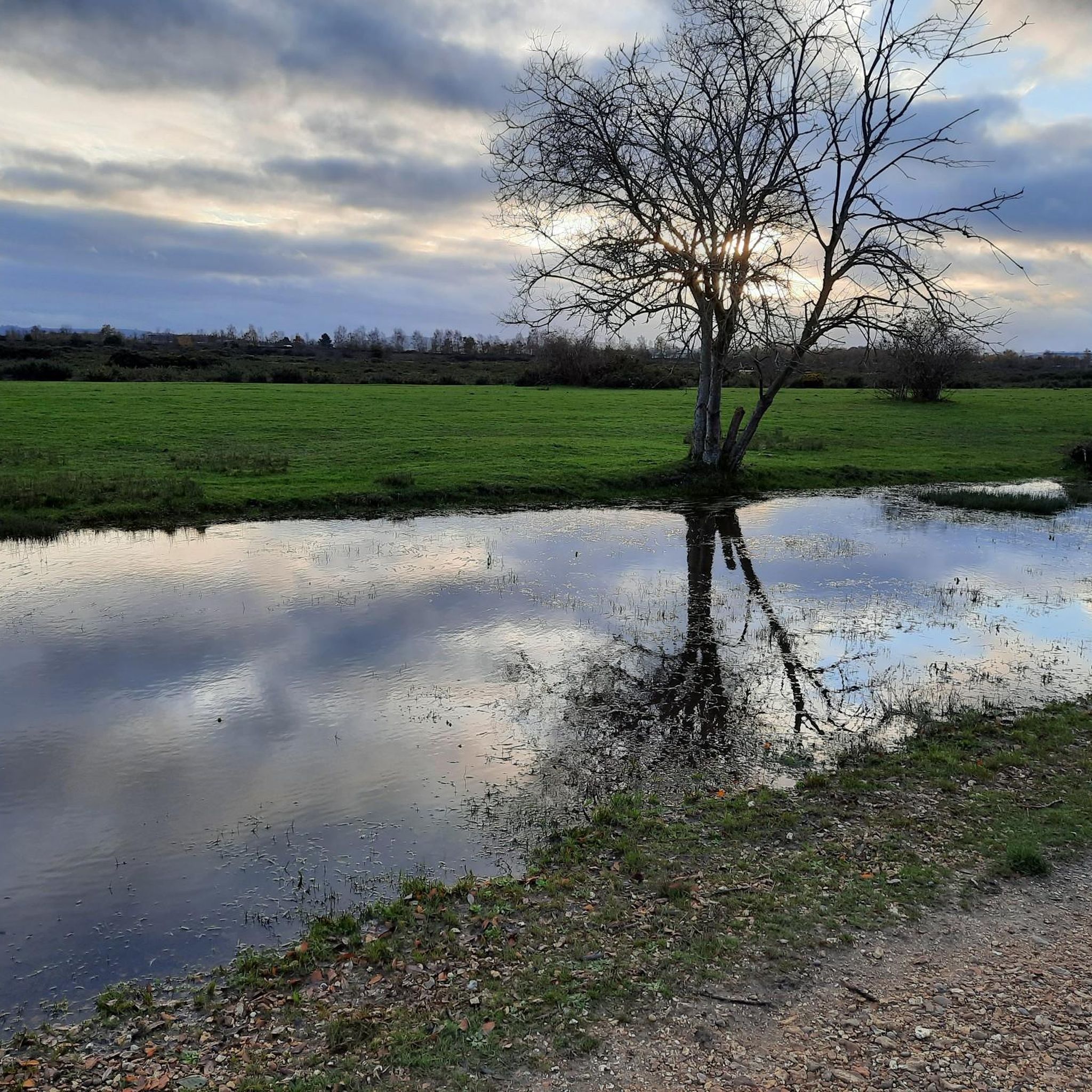
Accessed via the towpath on the Basingstoke Canal, which makes for a pleasant walk, if sometimes a little busy, Odiham Castle is interesting to walk around. The towpath can get a little muddy!
0
0

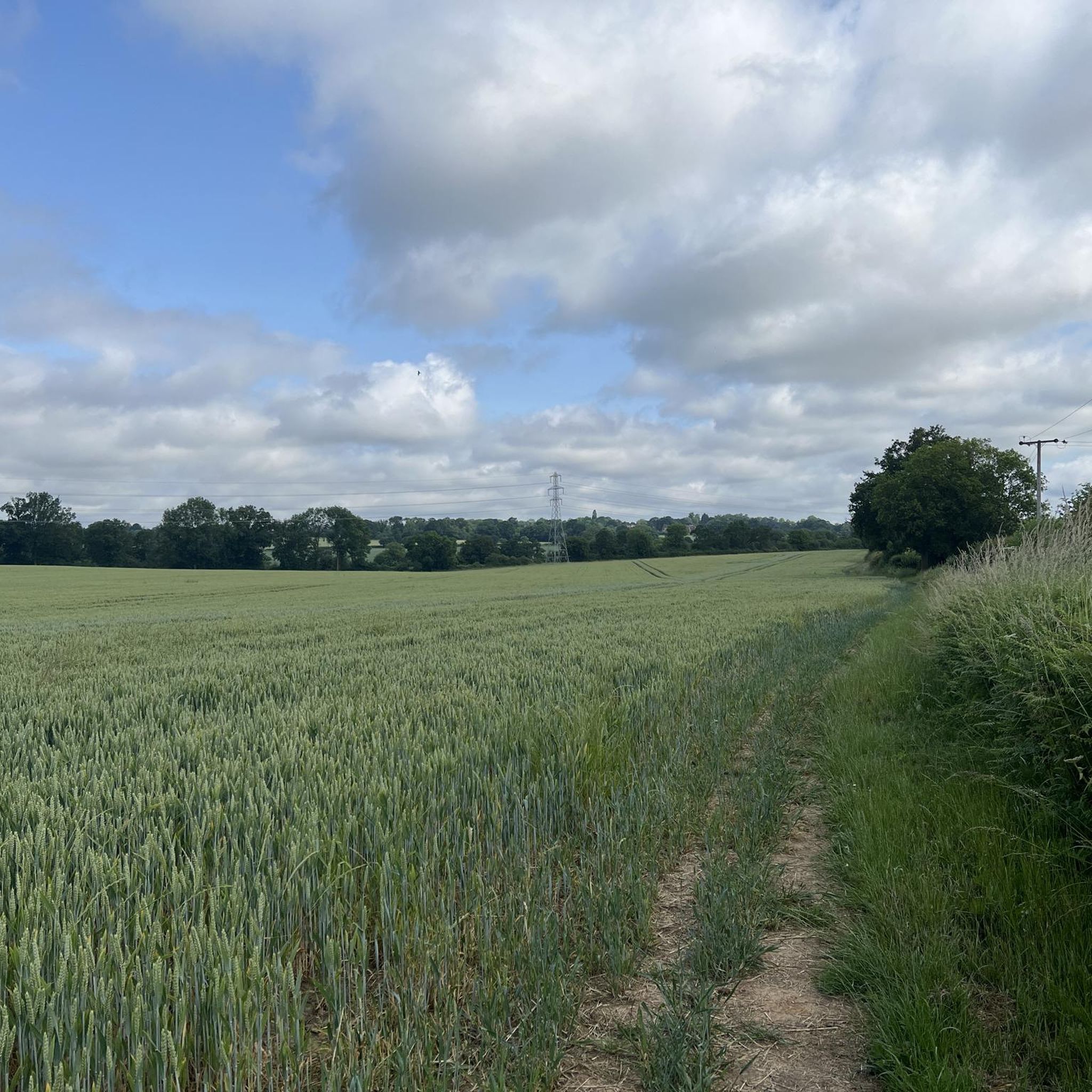
Calleva originated during the Iron Age and became the centre of the kingfom of the Atrebates. After Roman invasion in 43AD, the town was enlarged. It thrived throughout Roman rule, but, upon their departure, the town was slowly abandoned. Today, the site is managed by English Heritage. You can visit the crumbling Roman walls and amphitheatre. Entrance is free.
0
0


One of King John's three castles, this spectacular ruin sits on the edge of the Basingstoke Canal around halfway between Windsor and Winchester castles. Odiham Castle was built at the very beginning of the 13th century and was possibly where the king rode out from to sign the Magna Carta at Runnymede. Extended during the later 13th century, over the next 200 years it was sometimes used as a prison. King David II of Scotland was incarcerated here for over a decade although was allowed to keep a household, so it was possibly quite a pleasant stay. Used as a hunting lodge in the 15th century and ruined by 1600, the castle has a significant history. Today, you can visit for free.
0
0
Frequently Asked Questions
What historical sites can I explore around Stratfield Saye?
The region is rich in history. You can visit the impressive Odiham Castle Ruins, a 13th-century site on the Basingstoke Canal. Explore the ancient Roman walls and amphitheatre at Calleva Atrebatum, an Iron Age and Roman settlement. Additionally, Stratfield Saye House, the historic residence of the Duke of Wellington, offers insights into his life and career, including the Wellington Exhibition and Copenhagen's Grave.
Are there any family-friendly attractions in the Stratfield Saye area?
Yes, several attractions cater to families. Odiham Castle Ruins and Calleva Atrebatum: Roman town and city walls are both noted as family-friendly. The National Trust property, The Vyne, offers extensive grounds and woodland trails suitable for all ages. For younger children, Wellington Country Park, part of the wider Wellington Estate, is specifically designed for families with various attractions and experiences.
Where can I enjoy nature and gardens near Stratfield Saye?
The extensive grounds of Stratfield Saye Park and Gardens offer a peaceful retreat with specimen trees, an American Garden, and a restored rose garden. You can also find the River Loddon flowing through the park, widening into the Broad Water with wooded islands. The Vyne also features large woodland and wetland walking trails.
What kind of walking or hiking opportunities are available?
There are numerous walking opportunities around Stratfield Saye. You can explore the woodland and wetland trails at The Vyne. For more structured routes, komoot offers several easy hikes, such as the 'Manhole cover – Waymarker for the Roman Town Trail loop from Silchester' (2.7 km) or the 'Tree-Lined Country Lane – Narrow gravel path loop from Bramley' (6.6 km). Find more options on the Easy hikes around Stratfield Saye guide.
Are there cycling routes near these attractions?
Yes, the area is suitable for cycling, particularly gravel biking. You can find routes like the 'Ridgeway Track to Streatley – Goring Lock and Weir loop from Mortimer' (68.6 km, difficult) or the 'Kennet and Avon Canal – Mapledurham Estate Bridleway loop from Aldermaston' (52 km, moderate). Highlights like Nunhide Lane Gravel Track and Coombes Lane are popular with cyclists. Explore more on the Gravel biking around Stratfield Saye guide.
What is the significance of Stratfield Saye House?
Stratfield Saye House has been the residence of the Dukes of Wellington since 1817, acquired by the 1st Duke after his victory at Waterloo. It offers a unique insight into his life, housing a collection of paintings, furniture, and personal effects, including his magnificent funeral carriage. The house itself is largely Jacobean with Georgian additions.
Is Stratfield Saye House accessible for visitors with disabilities?
According to regional research, Stratfield Saye House and its estate are largely wheelchair accessible, offering facilities to accommodate visitors with disabilities. It's always recommended to check their official website for specific accessibility details before your visit.
Can I bring my dog to attractions in the area?
At The Vyne, dogs are welcome into the grounds (on leads), in Morgaston Woods, and the Organic Parklands (under direct control). For other attractions, it's best to check their individual policies regarding pets.
Are there places to eat or get refreshments near the attractions?
Yes, Stratfield Saye House has a cafe/restaurant on its estate. Additionally, the Wellington Farm Shop, part of the wider Wellington Estate, offers local produce and refreshments. For other options, you can find cafes and pubs in nearby villages.
What do visitors enjoy most about the attractions around Stratfield Saye?
Visitors particularly appreciate the rich history and natural beauty. For instance, Odiham Castle Ruins is loved for its historical significance and scenic canal-side location. The Roman walls and amphitheatre at Calleva Atrebatum offer a unique glimpse into ancient times. Many also enjoy the tranquil woodland walks and historical architecture at The Vyne.
What running trails are available in the Stratfield Saye area?
For runners, there are several trails to explore. Options include the 'Calleva Roman Town Main Track – Silchester Amphitheatre loop from Stratfield Mortimer' (15 km, difficult) or a shorter 'Running loop from Sherfield on Loddon' (7.3 km, moderate). You can find more detailed routes on the Running Trails around Stratfield Saye guide.
What is Copenhagen's Grave and its significance?
Copenhagen's Grave and Monument is located in the Ice House Paddock within the Stratfield Saye estate. It marks the burial place of Copenhagen, the Duke of Wellington's beloved charger, who famously carried him for 18 hours during the Battle of Waterloo. Copenhagen lived to the age of 28 and was buried with full military honors.
Most popular attractions around Stratfield Saye

Get inspired with the komoot mobile app


Explore more
Still not found the Highlight you’re looking for? See guides of the top attractions in other regions:
