The best running trails around Maids Moreton
4.1
(12)
4,134
runners
217
runs
Jogging around Maids Moreton offers a variety of routes through varied terrain. The area features open fields, established parklands, and paths alongside the River Great Ouse. Elevations are generally gentle, with routes often traversing historic estate grounds and local green spaces. This provides a mix of surfaces suitable for different running preferences.
Best jogging routes around Maids Moreton
- The most popular jogging route is Stratford Fields to Bourton Park loop, a 2.0 miles (3.2 km) trail that takes about…
Last updated: May 11, 2026
3.16km
00:20
10m
10m
Moderate run. Great for any fitness level. Mostly accessible paths. Some sure footedness required.
62
runners
17.9km
01:56
150m
150m
Hard run. Very good fitness required. Mostly paved surfaces. Suitable for all skill levels.

Sign up for free
32
runners
7.30km
00:47
50m
50m
Moderate run. Good fitness required. Mostly paved surfaces. Suitable for all skill levels.
29
runners
11.6km
01:14
80m
80m
Moderate run. Good fitness required. Mostly paved surfaces. Suitable for all skill levels.
15
runners
Moderate run. Good fitness required. Mostly paved surfaces. Suitable for all skill levels.
Get access to more routes and recommendations from other explorers.
Sign up for free
Already have an account?
Our route recommendations are based on thousands of hikes, rides, and runs completed by other people on komoot.
Start today with a free account
Your next adventure awaits.
Login or Signup


Tips from the Community


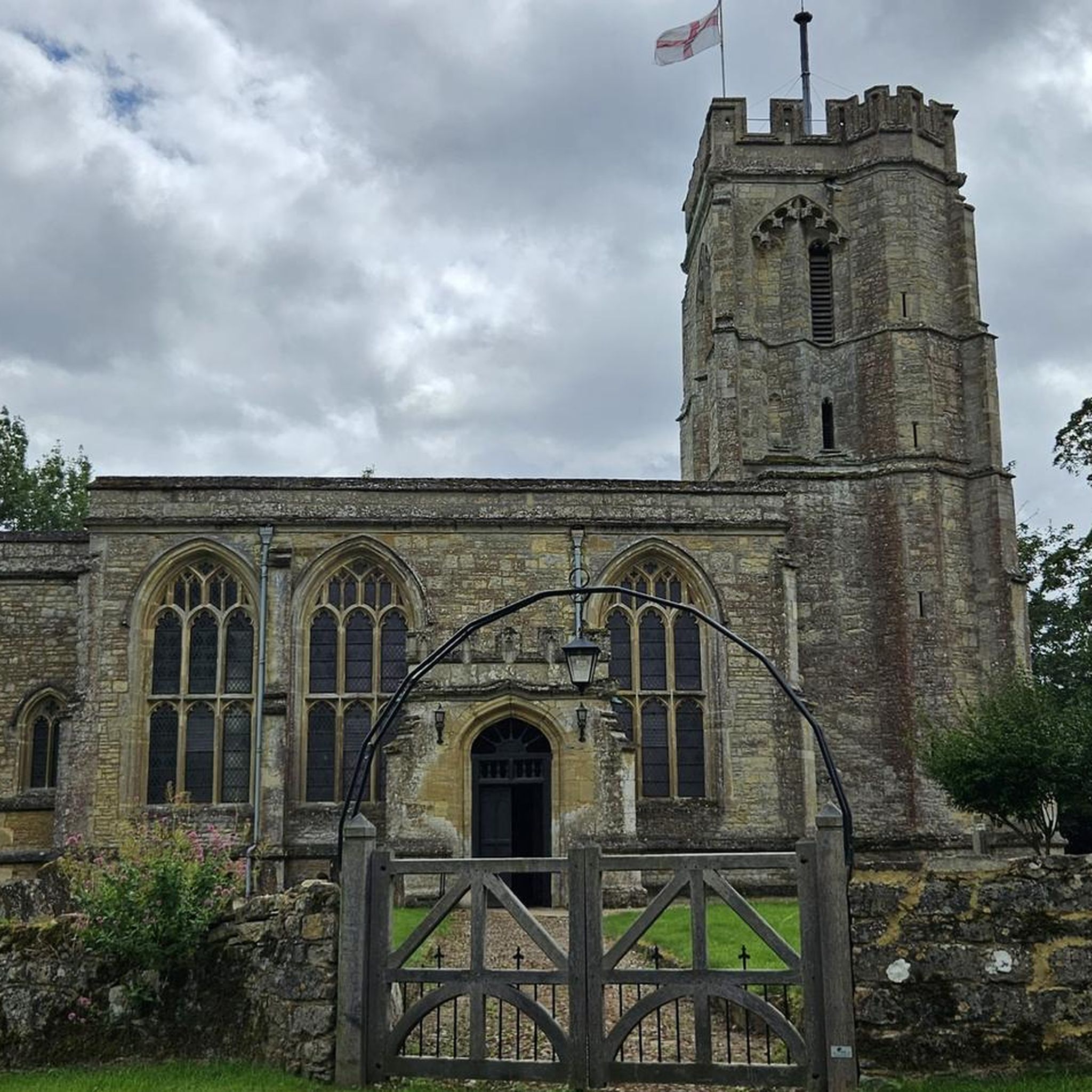
Lying in a rolling Buckinghamshire landscape of arable fields, pasture and woodland, Foxcote Reservoir is the kind of place that rewards patient visitors. Created in 1956 by damming a small tributary of the River Great Ouse, this site has become important for the numbers of wintering waterfowl, especially wigeon and coot. https://www.bbowt.org.uk/nature-reserves/foxcote-reservoir
0
0

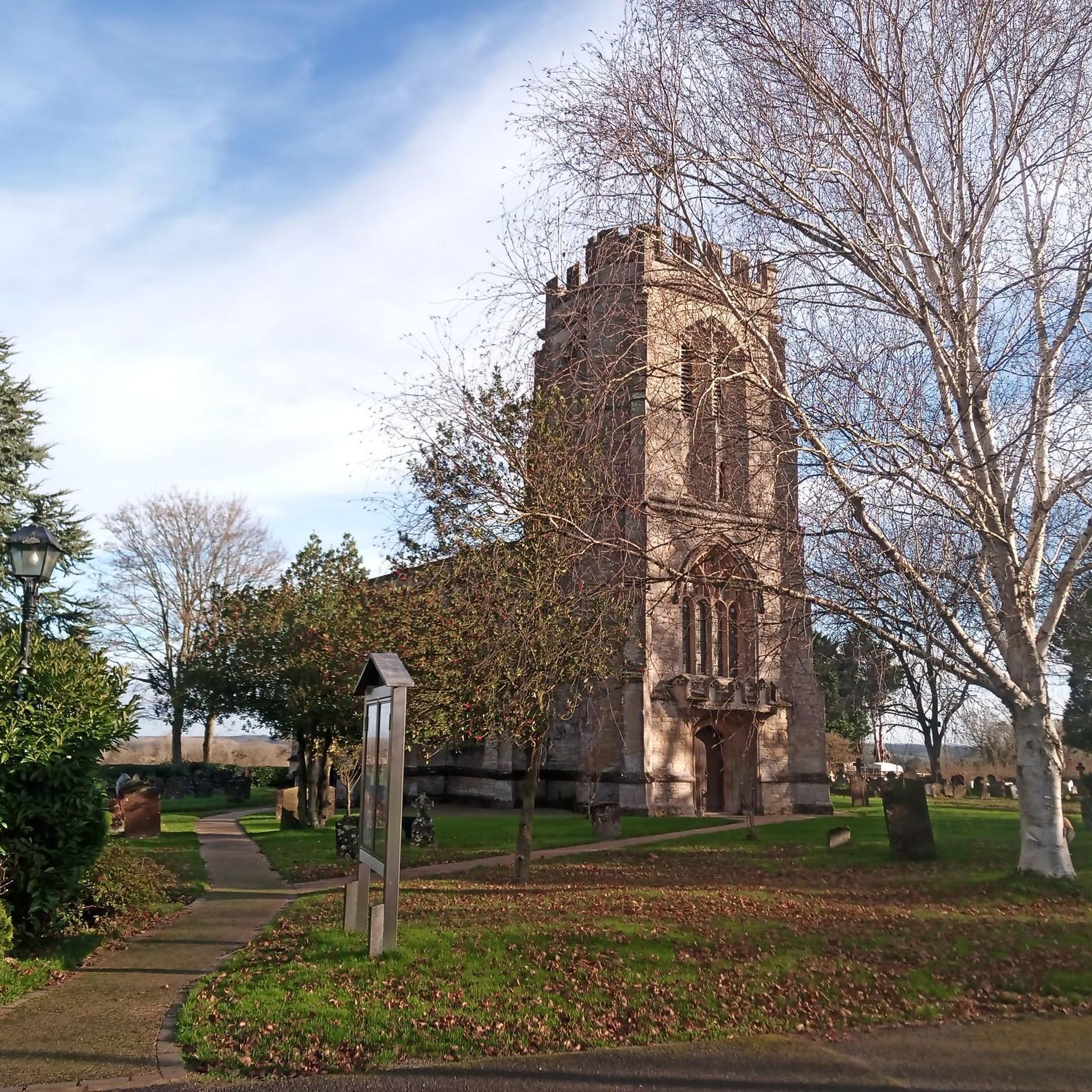
Public school-boy favourite for stone-skipping and a spot of fishing on the sly. We had a picnic on the bank - it's a lovely place.
0
0

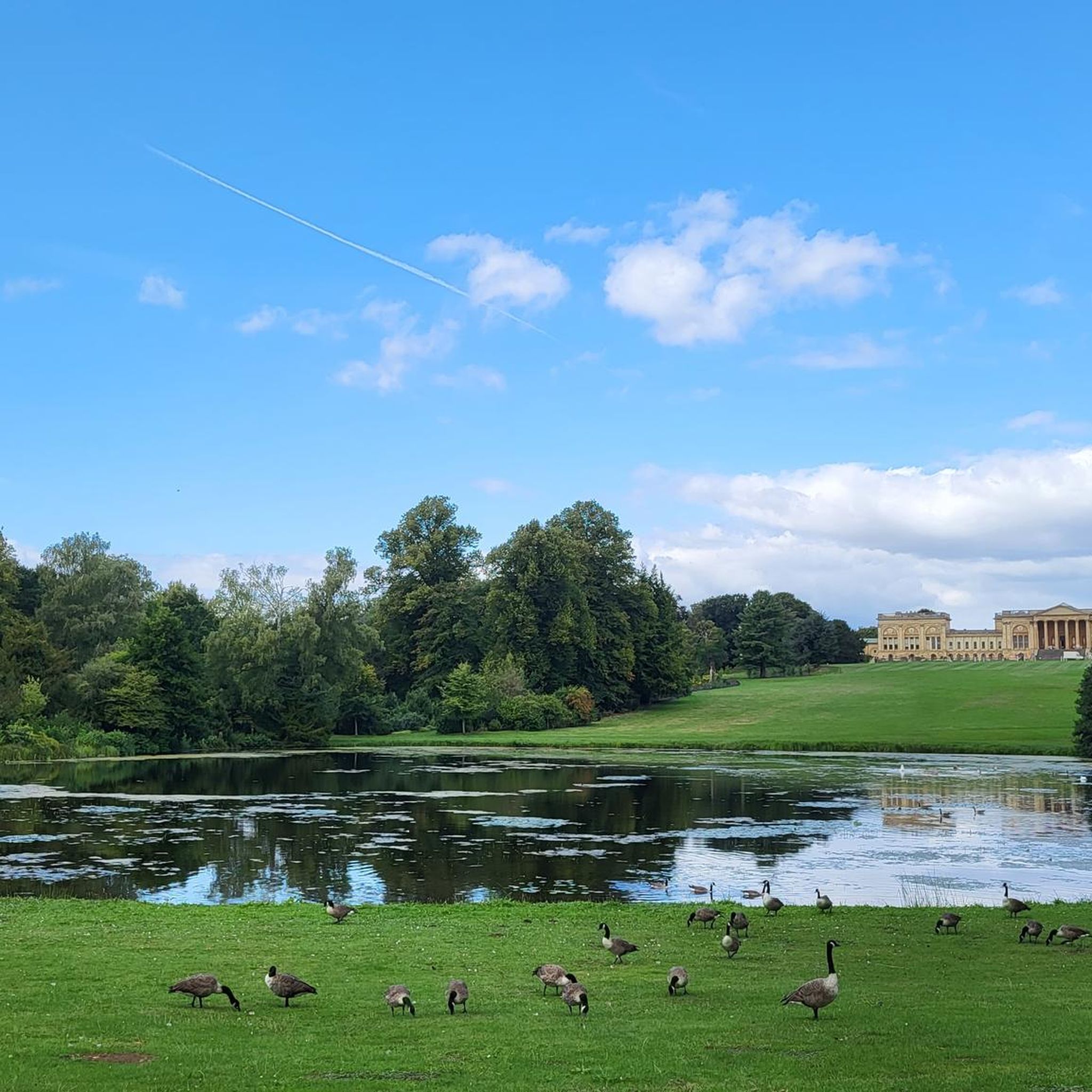
Beautiful lake at the bottom of Stowe Gardens by the main entrance. There is accessible paths all the way around too.
0
0

One of the first areas of the garden that visitors may encounter is the Octagon Lake and the features associated with it. The lake was originally designed as a formal octagonal pool, with sharp corners, as part of the seventeenth century formal gardens. Over the years, the shape of the pond was softened, gradually harmonising it within Stowe's increasingly naturalistic landscape. Source: Wikipedia
0
0
The Temple of Venus stands on the southern bastion of Bridgeman’s ha-ha overlooking the south end of the Eleven-Acre Lake. Dating from 1732. The Temple of Venus is a strictly Palladian building with a central pedimented block with a coffered ceiling flanked by arcaded Ionic colonnaded quadrant wings terminating in rusticated pavilions. Built in about 1731 and probably designed by Kent the interior was originally painted. Palladian building. Circa 1732 by Kent. Central pedimented block has arched central apsidal recess with coffered ceiling and Ionic collonade. Quadrant wings of three arches with ball finials to cornice, linking to rusticated stone pavilions with open arches and broken pediments. The Temple of Venus stands on the southern bastion of Bridgeman’s ha-ha overlooking the south end of the Eleven-Acre Lake. Dating from 1731, it marks the beginning of William Kent’s employment in the gardens at Stowe, and the completion of the garden as it then existed. Even after Kent had contributed several more temples, it kept the alternative name of ‘Kent’s building’. It is built of Helmdon limestone and consists of a central pedimented block with an apsidal Ionic portico in antis linked to corner pavilions by arcaded quadrant walls. Apart from the central block, it has only one façade; the rear walls were rendered and for the most part hidden by shrubberies, which in the late eighteenth century consisted of a garden of evergreens. No direct source for the design has been suggested. The careful siting of the building and the pronounced lean of the arcade piers were noticed by Thomas Whately in 1770, who observed that the ‘elegant structure, inclined a little from a front view, becomes more beautiful by being thrown into perspective; and though at a greater distance, is more important than before, because it is alone in the view.’ Within the Temple of Venus the goddess was represented by a painting in the centre of the ceiling by the Venetian Francesco Sleter; the room was furnished with what was described as a ‘pleasuring sopha’, and inscribed around the frieze was the encouraging couplet from a Renaissance adaptation of the Pervigilium Veneris: "Nunc amet, qui nondum amavit; Quique amavit, nunc amet. (Let him love, who never lov’d before; Let him who always lov’d, now love the more.) The other parts of the decoration emphasised Venus’s role in promoting sexual jealousy and strife. In the niches surrounding the portico were busts (copies recently reinstated) of the debauched emperors Nero and Vespasian and the adultresses Cleopatra and Faustina. The internal walls were once decorated with scenes from Spenser’s Faerie Queene, also provided by Sleter. They told the story of Malbecco, the octagenarian husband of the seventeen-year-old Hellinore. She soon sought alternative pleasures, which were portrayed with frankness in the murals. The stone domes to the pavilions collapsed before the end of the eighteenth century, and in 1827–8 the 1st Duke of Buckingham replaced them with pitched lead roofs. In 1827 the doorways were altered to form round-headed arches, but the recent restoration of the temple has reinstated Kent’s design. Sleter’s murals evidently perished or were painted over during the later eighteenth century and were replaced by the 1st Duke of Buckingham with a scheme of plain, pale-coloured walls bordered with wash lines in greenish blue. The recent restoration has included the excavation of the ground to the south in order to reinstate the original line of the ha-ha. The shrubberies to either side will be replanted in the ‘ranked’ manner of the mid-eighteenth century according to available evidence, and beyond the ha-ha there now appears a scene Lord Cobham himself would have recognised: files of ‘cased’ tree seedlings on the lines of his original plantings, swinging round the bastion to link up with the earlier replantings on Warden Hill to the west. Source: nationaltrust.org.uk
0
0
Eighteenth century shell-encrusted dam disguised as a bridge, formerly the site of a monument to Captain Cook. Grade I. A dam in the Elysian Fields, disguised as a low bridge. c1740 by Kent. Stone dressings, rendering encrusted with shells. Five bays with low arches, central bay projecting and pedimented, 2 smaller pediments each side above piers. Captain Cook's Monument, standing on the bridge, is a small monument with portrait medallion dated 1778 which was moved to Duck Island in th 1990s. The National Trust's Survey of Stowe undertaken in 1989 noted that the south front is encrusted with conch shells and that the overflow from the upper lake originally ran through channels in the centre and on either side creating a cascade. The abutments on either side may have supported a wooden footbridge giving views of the fake meander in the Styx and Worthies river. Source: Buckinghamshire.gov.uk
1
0
A small classical facade of carrara marble probably built about 1800, perhaps part of a reused chimneypiece with a dolphin head spout and a stone basin below. Probably built about 1800. The Seasons Fountain is a small classical facade of carrara marble, perhaps part of a reused chimneypiece with a dolphin head spout and a stone basin below. Probably built about 1800 for the Marquis of Buckingham. This feature uses the water supply of the Temple of Contemplation which included a cold bath and stood slightly to the north of this feature. Circa 1800 small classical facade of Carrara marble, evidently made up of the parts of a chimneypiece, with lines from Thompson's 'Seasons' inscribed. Lionhead spout and stone basin. Among the last additions to the garden, the Seasons Fountain is thought to be one of the monuments erected in honour of the visit of the Prince of Wales to Stowe in 1805. It is named after James Thomson’s The Seasons (1746), one of the most influential and universally popular poems of the eighteenth century, and inscribed with extracts from it. The fountain is unusual in being constructed in statuary marble, a material all too obviously unsuited to English gardens and to the iron-rich spring water it dispenses, and its origin as an eighteenth-century chimneypiece is not hard to discern (it is not known whether it came from Stowe or another house). Originally the façade of the fountain was decorated with Wedgwood plaques of the Four Seasons, and silver drinking cups were suspended on either side from chains. Source: nationaltrust.org.uk
1
0
Frequently Asked Questions
How many running routes are available around Maids Moreton?
There are over 220 running routes in the Maids Moreton area, offering a wide variety of options for different skill levels and preferences. You'll find everything from short, easy jogs to longer, more challenging runs.
Are there any easy running trails suitable for beginners or a relaxed jog?
Yes, Maids Moreton offers several easy running trails. For a gentle introduction, consider the Stratford Fields to Bourton Park loop. This 2.0-mile (3.2 km) route is mostly flat and takes you through pleasant parkland and open fields, ideal for a relaxed pace.
What are the typical lengths and durations of running routes in Maids Moreton?
Running routes around Maids Moreton vary significantly in length and duration. You can find shorter loops like the 2.0-mile (3.2 km) Stratford Fields to Bourton Park loop, which takes about 20 minutes. Longer options include the 11.2-mile (18.0 km) Stowe House – Lord Cobham's Monument loop from Buckingham, which can take nearly two hours to complete.
Are there any family-friendly running paths in the area?
Many of the easier and moderate routes around Maids Moreton are suitable for families, especially those with older children. The terrain is generally gentle, featuring open fields and parklands. Routes like the Stratford Fields to Bourton Park loop are good choices for a family outing, offering manageable distances and pleasant scenery.
Can I bring my dog on the running trails near Maids Moreton?
Many of the running trails in Maids Moreton are dog-friendly, particularly those traversing open fields and public footpaths. However, it's always advisable to keep dogs on a lead, especially when passing through livestock areas or nature reserves, and to check local signage for any specific restrictions. The varied terrain, including parkland and river paths, offers plenty of opportunities for you and your canine companion.
Are there any circular running routes around Maids Moreton?
Yes, many of the running routes in Maids Moreton are designed as circular loops, allowing you to start and finish in the same location. Examples include the popular Monkey Island loop from Stowe and the longer Stowe House – Lord Cobham's Monument loop from Buckingham, both offering scenic round trips.
What kind of scenery or landmarks can I expect to see while running in Maids Moreton?
Jogging around Maids Moreton offers a mix of natural beauty and historical landmarks. You can expect to run through open fields, alongside the River Great Ouse, and within historic estate grounds like those around Stowe. Notable sights include the Palladian Bridge at Stowe, the Octagon Lake Cascade and Artificial Ruins, and the Iron Trunk Aqueduct. The area also features the Stony Stratford Nature Reserve.
What do other runners enjoy most about jogging in Maids Moreton?
The running routes in Maids Moreton are highly rated by the komoot community, with an average score of 3.8 stars from over 10 reviews. Runners often praise the varied terrain, which includes open fields, river paths, and historic parkland, providing a refreshing mix of environments. The accessibility for different ability levels is also frequently highlighted.
Are there any running routes that pass by water features like lakes or rivers?
Absolutely. The region around Maids Moreton features several routes that incorporate water elements. The River Great Ouse in Buckingham – Buckingham Old Gaol loop from Buckingham follows the river, offering pleasant waterside views. You can also find routes near Octagon Lake and Foxcote Reservoir, providing scenic backdrops for your run.
What is the best time of year for running in Maids Moreton?
Maids Moreton offers enjoyable running conditions throughout much of the year. Spring and autumn provide pleasant temperatures and beautiful scenery with changing foliage. Summer is also popular, though it's best to run in the mornings or evenings to avoid the midday heat. Winter runs can be invigorating, but be prepared for potentially muddy paths, especially after rain, and shorter daylight hours.
Are there any challenging or difficult running trails for experienced runners?
Yes, for more experienced runners seeking a challenge, Maids Moreton offers several difficult routes. The Stowe House – Lord Cobham's Monument loop from Buckingham is an 11.2-mile (18.0 km) trail with significant elevation changes, providing a demanding yet rewarding experience through expansive parkland and past historic monuments.
Most popular attractions around Maids Moreton

Get inspired with the komoot mobile app


Explore more
Browse the best Running Trails & Routes in other regions.
