The best walks and hikes around Lillingstone Lovell
4.6
(290)
3,197
hikers
208
hikes
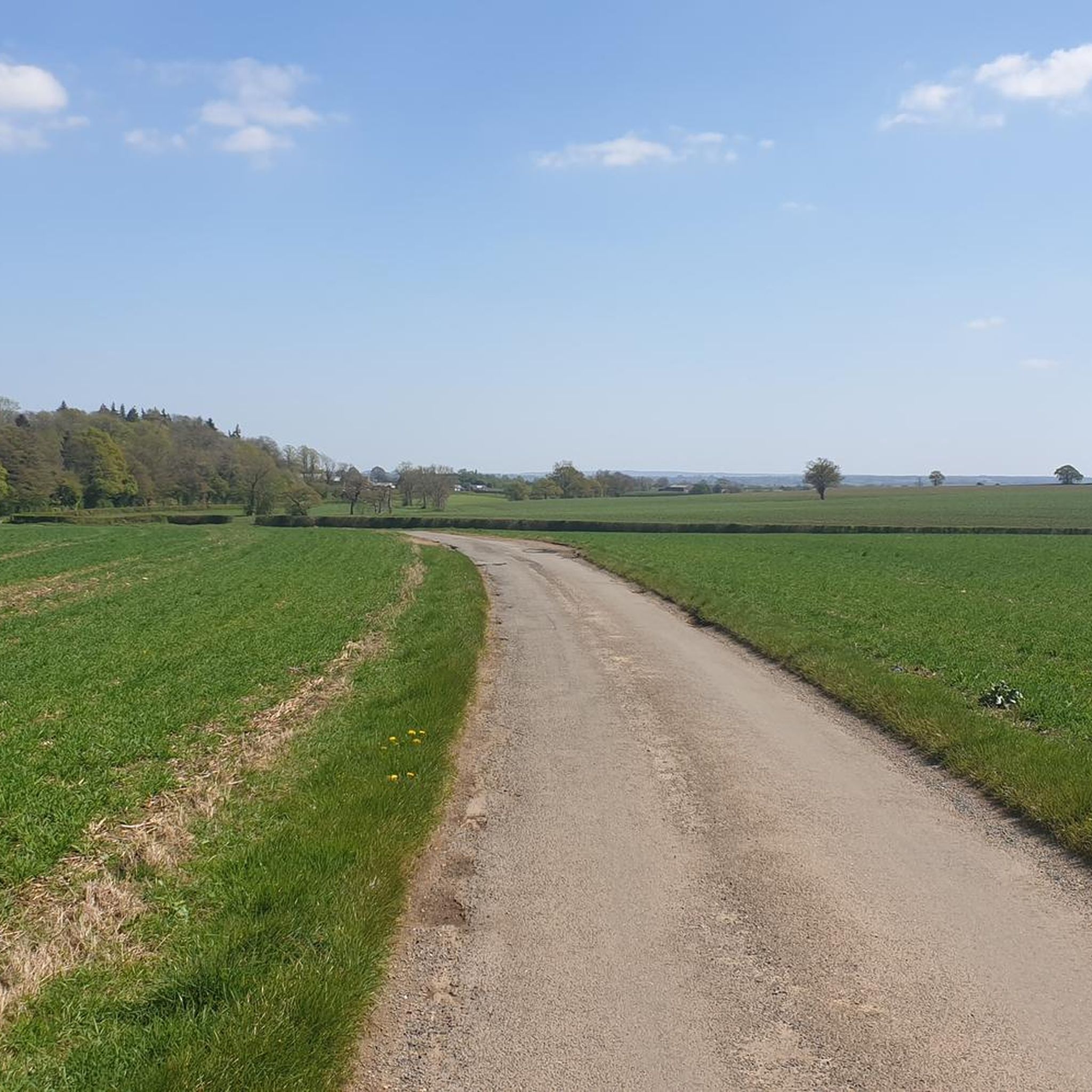
Hiking around Lillingstone Lovell explores the Buckinghamshire countryside, characterized by rolling terrain, rural field paths, woodlands, and historic parklands. The landscape features a mix of gentle slopes and flat sections, particularly along canal towpaths. The village is bisected by a small brook, and the area includes wooded pasture land. The network of footpaths connects Lillingstone Lovell to surrounding areas like Stowe and Silverstone.
Best hiking trails around Lillingstone Lovell
- The most popular hiking route is Bell Gate, Stowe Gardens –…
Last updated: May 12, 2026
4.9
(11)
106
hikers
Moderate hike. Good fitness required. Easily-accessible paths. Suitable for all skill levels.
4.0
(1)
24
hikers
Moderate hike. Good fitness required. Easily-accessible paths. Suitable for all skill levels.

Sign up for free
17
hikers
Easy hike. Great for any fitness level. Easily-accessible paths. Suitable for all skill levels.
5.0
(2)
108
hikers
9.63km
02:28
40m
40m
Moderate hike. Good fitness required. Easily-accessible paths. Suitable for all skill levels.
8
hikers
Easy hike. Great for any fitness level. Easily-accessible paths. Suitable for all skill levels.
Get access to more routes and recommendations from other explorers.
Sign up for free
Already have an account?
Our route recommendations are based on thousands of hikes, rides, and runs completed by other people on komoot.
Start today with a free account
Your next adventure awaits.
Login or Signup



Tips from the Community


Nice place for a short break. Never entered the pub while cycling.
0
0

The Canal Museum, Stoke Bruerne is a great place to learn about the history of the canals and the people who worked on them. The museum is housed in a historic corn mill and offers visitors a chance to see how canals were built and operated. The museum also has a cafe, a gift shop, and a boat trip. It is open Tuesday through Saturday. Admission to the museum is free. Plenty of cycle stands outside the museum and cafe.
0
0
Nice spot for coffee, a good selection of cakes and a breakfast menu up to 11:45 and lunch from midday. No cycle stands outside, but you can prop your bike against the solid wooden pillars. A few outside tables
0
0

Accessible as part of the old-track walk at the Silverstone Interactive Museum.
0
0

The church stands at the centre of an Iron Age hillfort. Church Way follows the curve of the eastern rampart, you can see the western rampart running through the field. Good views from here.
0
0

The Temple of Ancient Virtue is a circular peripteral ionic temple with a domed cella on a podium, approached by two flights of steps. The Temple of Ancient Virtue is a circular peripteral ionic temple with a domed cella on a podium, approached by two flights of steps. Built in the 1730's to a design probably by Kent. The design is inspired by the Temple of Sibyl at Tivoli. Copies of the original four statues of greek heroes representing the enlightened ideals of Lord Cobham and his Whig friends have been reintroduced. Although now largely obscured from the west, the Temple of Ancient Virtue, completed in 1737 to Kent’s designs, was intended to close the long vista known as the Great Cross Walk which passed at a slight angle across the south front of the house. This arrangement followed Joseph Addison’s vision of a ‘great road’ along which ‘the middle-aged party of mankind ... marched behind the standard of Ambition’. The temple was raised on a grass mound, and its site was far more open than it is now. The design was based on the ancient Temple of Vesta at Tivoli, which Kent knew at first hand from his extended sojourn in Italy in the 1710s, and from Book IV of Palladio’s Quattro Libri, here translated from the Corinthian to the Ionic order. The temple is inscribed on the outside ‘Priscae virtuti’ (‘To Ancient Virtue’) and was devised as a cenotaph to four Ancient Greeks who embodied the virtues that Lord Cobham found so lacking in the public figures of his own day: Socrates, Homer, Lycurgus and Epaminondas. The circular temple form has a solemnity and nobility well suited to memorial buildings, from Hawksmoor’s great mausoleum at Castle Howard (1729) to John Russell Pope’s Jefferson Memorial in Washington (1939). Bordered by laurel and elevated both by the grass mount and its own basement, with narrow stairs cut into it, this is an overtly exclusive building worthy only of a select few. The four Ancient Greeks are represented by life-size Portland stone statues signed by Peter Scheemakers, and for which he was paid in 1737. These were sold in 1921, but have recently been replaced in the form of casts taken from the originals. The chosen individuals represent four of the five branches of public life referred to in Addison’s essay – a general (Epaminondas), a legislator (Lycurgus), a poet (Homer) and a philosopher (Socrates). Above the niches are the following inscriptions (with translations taken from Defoe and Richardson’s Tour of 1742): I. EPAMINONDAS Cujus a virtute, prudentia, verecundia, Thebanorum respublica Libertatem simul & imperium, Disciplinam bellicam, civilem & domesticam, Accepit; Eoque amisso, perdidit. From whose Valour, Prudence, and Moderation, the Republick of Thebes received both Liberty and Empire, its military, civil, and domestick Discipline; and, with him, lost them. II. LYCURGUS Qui summo cum consilio, inventis legibus, Omnemque contra corruptelam munitis optime, Pater patriae, Libertatem firmissimam, Et mores sanctissimos, Expulsa cum divitiis, avaritia, luxuria, libidine, In multa secula Civibus suis instituit. Who having invented Laws with the greatest Wisdom, and most excellently fenced them against all Corruption, as a Father of his Country, instituted for his Countrymen the firmest Liberty, and the soundest Morality, which endured for many Ages, he having, together with Riches, banished Avarice, Luxury, and Lust. III. SOCRATES Qui corruptissima in civitate innocens, Bonorum hortator, unici cultor DEI, Ab inutili otio, & vanis disputationibus, Ad officia vitae, & societatis commoda, Philosophiam avocavit, Hominum sapientissimus. Who being innocent in a most corrupt State, an Encourager of the Good, a Worshipper of One only god, as the wisest of Men, reduced Philosophy from useless Indolence, and vain Disputations, to the Duties of Life, and the Advantages of Society. IV. HOMERUS Qui poetarum princeps, idem & maximus, Virtutis praeco, & immortalitatis largitor, Divino carmine, Ad pulcre audendum, & patiendum fortiter, Omnibus notus gentibus, omnes incitat. Who being the First of Poets, as he was the greatest, the Herald of Virtue, and Bestower of Immortality, known to all Nations, incites all, in a Divine Poem, honourably to dare, and resolutely to suffer. The inscriptions placed above the doorways invite the visitor to reflect on the qualities represented by these four men, but also on their counterparts and opposites in modern life, as represented by neighbouring buildings on which the doorways were aligned: Charum esse civem, bene de republica mereri, laudari, coli, diligi, gloriosum est: metui vero, & in odio esse, invidiosum, detestabile, imbecillum, caducum. To be dear to our Country, to deserve well of the State, to be praised, honoured, and beloved, is glorious; but to be dreaded, and hated, is a matter of Ill-will, detestable, weak, ruinous. Justitiam cole & pietatem, quae cum sit magna in parentibus & propinquis, tum in patria maxima est. Ea vita est in coelum, & in huc coetum eorum, qui jam vixerunt. Maintain Justice, and thy relative Duty; which, as it is great, when exercised toward our Parents and Kindred, so is greatest towards our Country. That life is the Way of Heaven, and to this Assembly of those, who have already lived. (MOLA survey 2019 Clearly visible in the SUA data and is situated on top of a well defined mound overlooking Worthy River to the east. Source: nationaltrust.org.uk
1
0

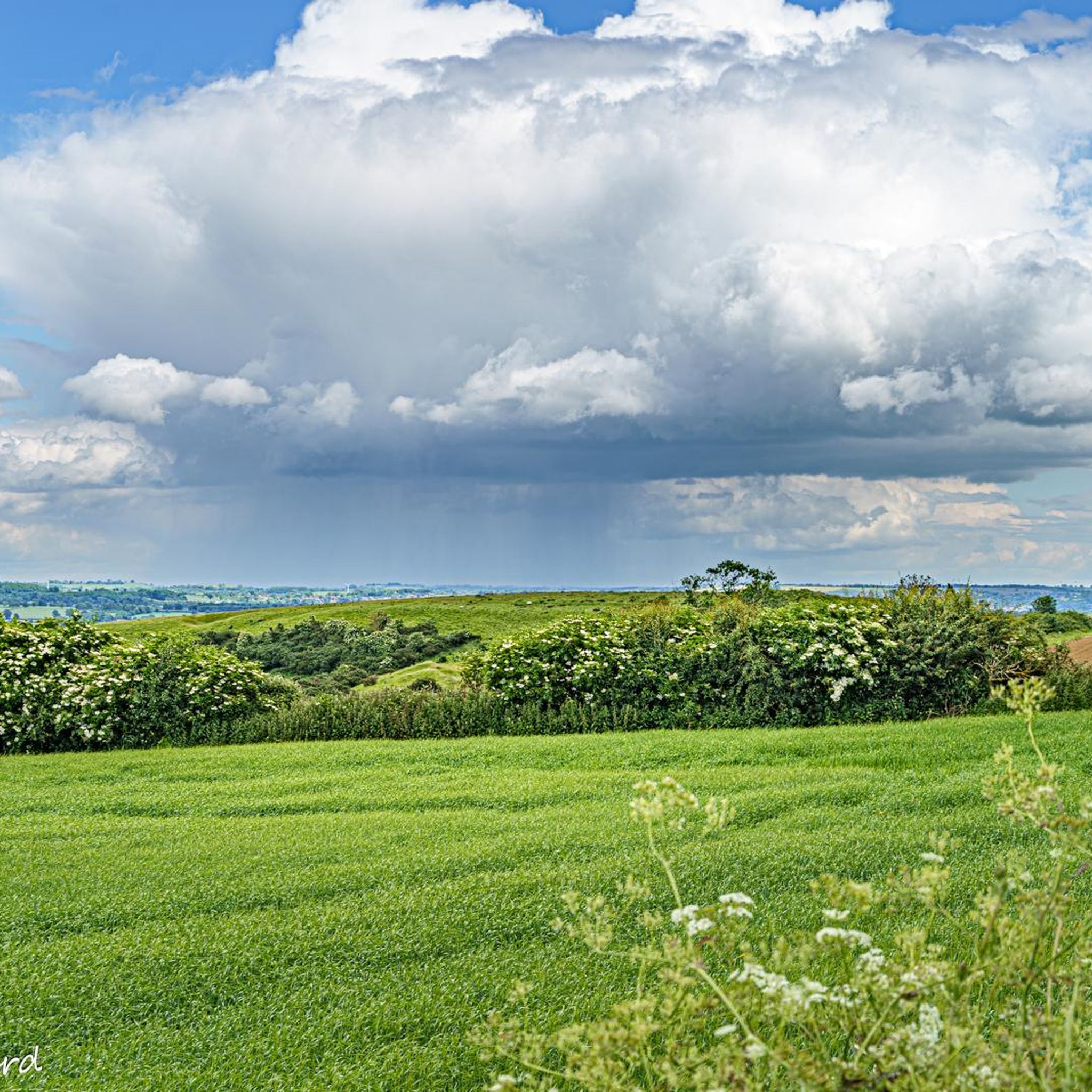
From here you have a beautiful view of the landscape.
1
0
Frequently Asked Questions
How many hiking trails are there around Lillingstone Lovell?
There are over 180 hiking routes to explore in the Lillingstone Lovell area. The trails range from easy strolls to more challenging hikes, with the majority being easy or moderate, ensuring there's a path for every fitness level.
What do other hikers enjoy about the trails in this region?
The area is highly rated by the komoot community. Hikers often praise the mix of landscapes, from the beautifully manicured parklands of Stowe to the peaceful canal towpaths near Stoke Bruerne and the classic rural field paths connecting the villages.
Are there many circular walks available?
Yes, circular walks are very common around Lillingstone Lovell. Many routes are designed as loops, allowing you to start and end in the same place without retracing your steps. This is perfect for planning a day out, whether you're starting from a village or a specific car park.
What are some good easy, family-friendly walks?
For an easy and scenic walk, the Palladian Bridge at Stowe – Palladian Bridge, Stowe loop from Mount Pleasant is a great option. At just over 5 km, it explores the famous Stowe gardens. The flat towpaths along the Grand Union Canal at Stoke Bruerne are also ideal for families and gentle strolls.
Can I bring my dog on the trails?
Most countryside footpaths are dog-friendly, but be aware of local rules. You'll likely encounter livestock in fields, so keeping your dog on a lead is essential. In managed areas like the National Trust's Stowe Gardens, dogs are welcome on leads. Always check specific site regulations before you go.
Are there any longer hikes for a full day out?
Certainly. For a more substantial hike, consider the The Navigation, Stoke Bruerne – Stoke Bruerne Canal Museum loop from Stoke Bruerne. This 12.4 km route takes over three hours and combines canal-side walking with paths through the surrounding countryside.
What are the trail conditions like?
The terrain is quite varied. You can expect everything from paved or gravel paths in places like Stowe and around Silverstone, to grassy field paths and potentially muddy woodland tracks. Canal towpaths are generally flat and well-maintained. It's always a good idea to wear waterproof hiking boots.
Are there any good spots for nature and wildlife viewing?
Yes, the Stoke Bruerne area is excellent for wildlife. The nearby Stoke Bruerne Brick Pits nature reserve features ponds and reedbeds that attract a variety of birds. The Floodplain Forest Nature Reserve is also a popular local spot for walks along the River Ouse and through woodlands.
Is it possible to walk directly from Lillingstone Lovell to Stowe?
Yes, a network of local footpaths connects Lillingstone Lovell to the wider area, including the Stowe estate. These routes offer a more rustic hiking experience across fields and through small copses, allowing you to create your own adventure between the village and the famous gardens.
Are there any interesting walks that don't involve parks or gardens?
If you're looking for something different, the Hiking loop from Silverstone offers a unique experience. This easy 5.6 km walk takes you on a mix of hard surfaces and open fields around the perimeter of the famous motor racing circuit, providing a contrast of speed and rural serenity.
Where are the best places for scenic views?
For expansive panoramic views, locals often head to Pitstone Hill within the Chilterns. While a short drive away, it's highly regarded for its stunning vistas over the Buckinghamshire countryside. The trails there are clearly marked and offer a rewarding hiking experience.
Most popular attractions around Lillingstone Lovell

Get inspired with the komoot mobile app


Explore more
Browse the best Hikes in other regions.
