The best road cycling routes around West Quantoxhead
4.8
(45)
819
riders
75
rides
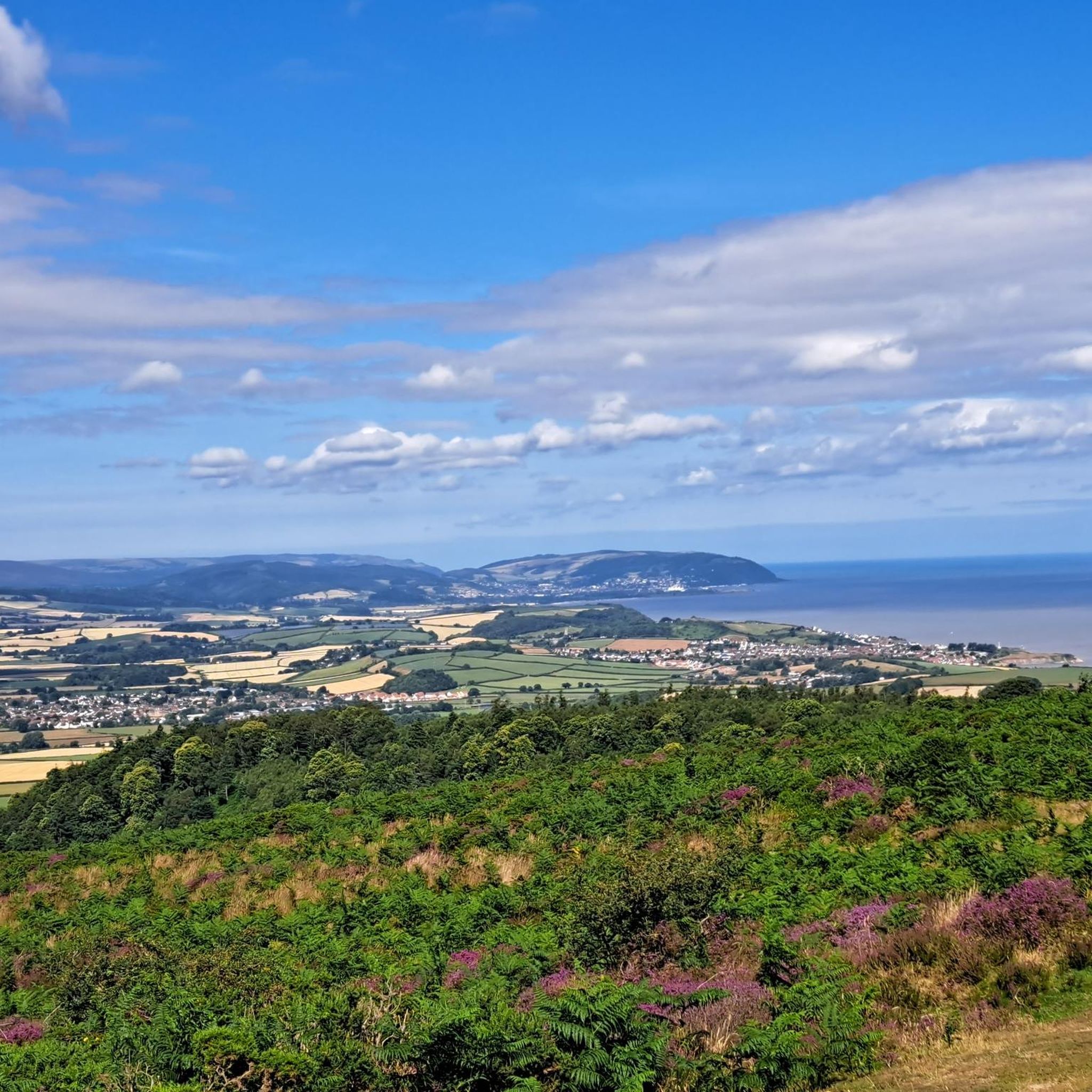
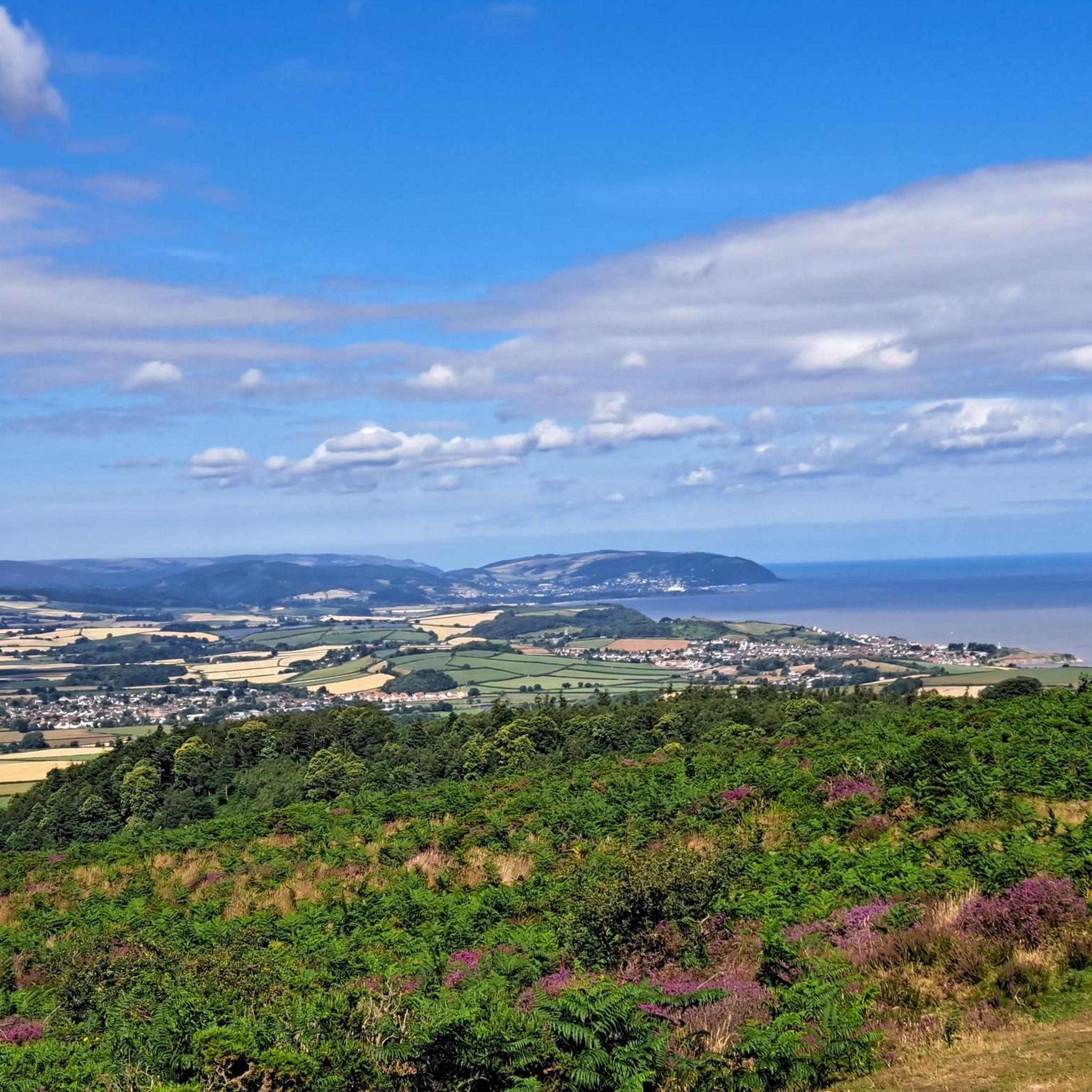
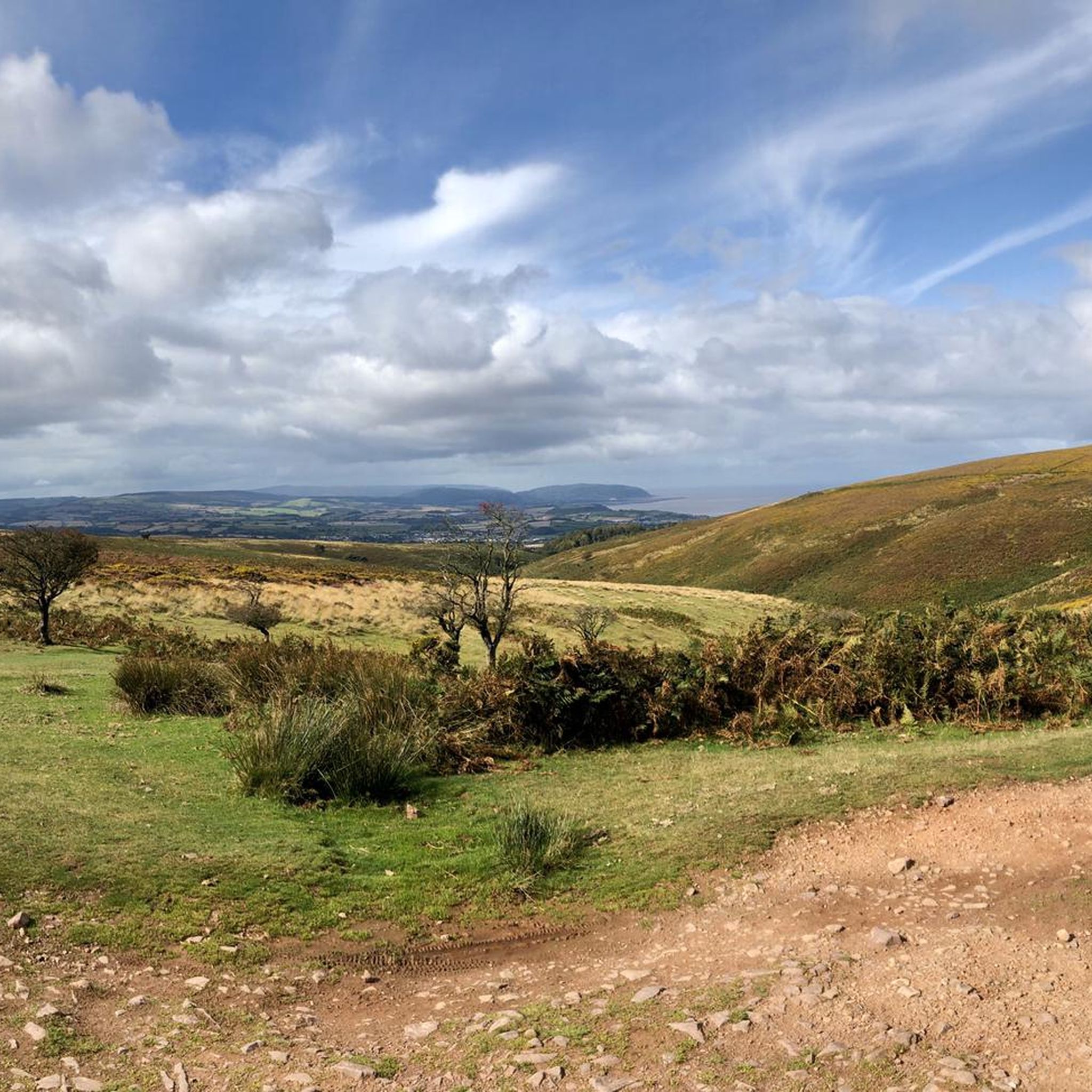
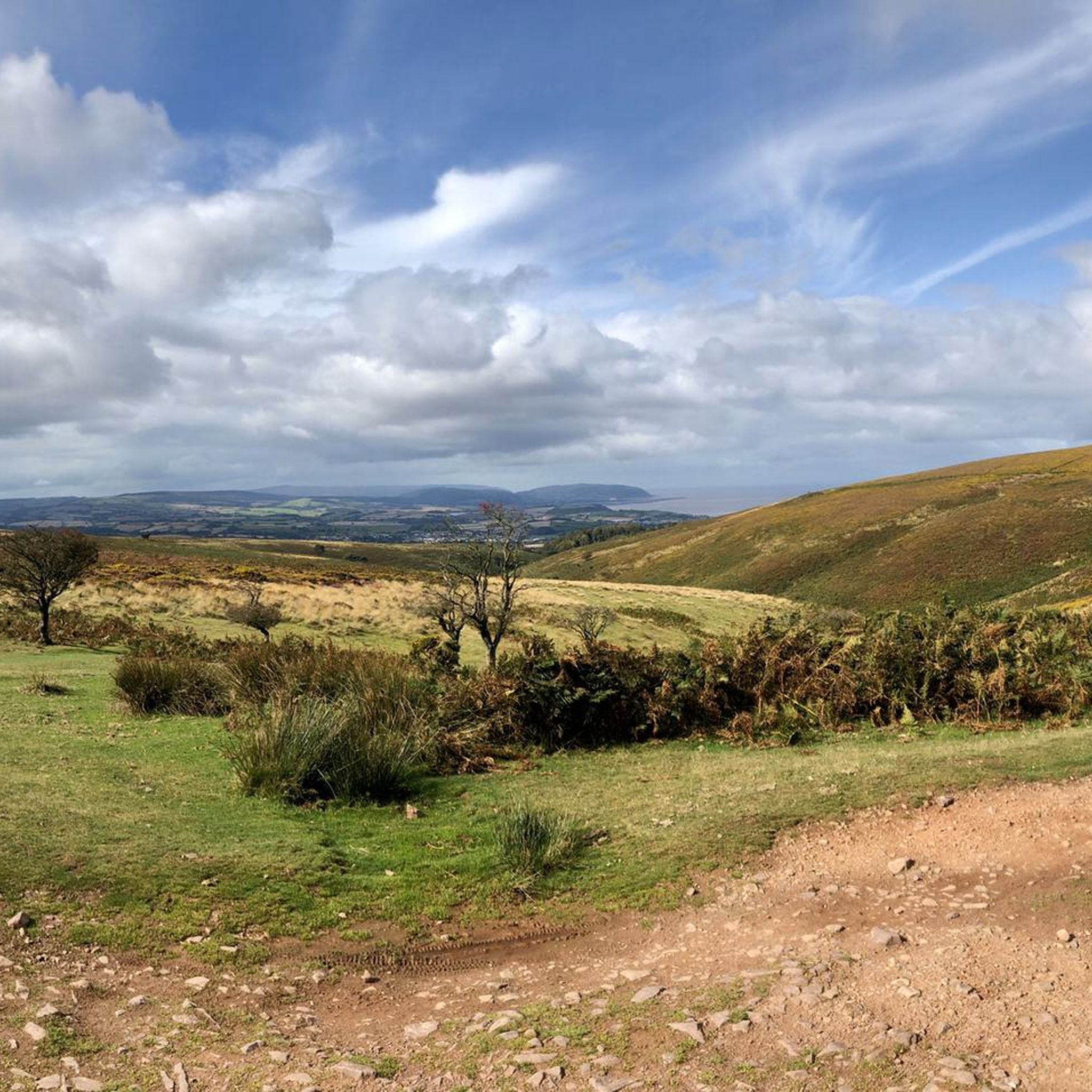
Road cycling routes around West Quantoxhead are situated within the Quantock Hills, England's first Area of Outstanding Natural Beauty. This region features varied terrain, including rugged moorland, tranquil wooded valleys, and undulating hills. Cyclists encounter both challenging climbs and scenic coastal stretches, with views across the Bristol Channel. The landscape is characterized by Devonian Period rocks, contributing to its distinct geological features.
Best road cycling routes around West Quantoxhead
- The most popular road cycling route is Blue Anchor Bay –…
Last updated: July 24, 2026
5.0
(4)
67
riders
102km
05:44
1,700m
1,700m
Hard road ride. Very good fitness required. Mostly well-paved surfaces and easy to ride.
52
riders
70.6km
03:35
1,070m
1,070m
Hard road ride. Very good fitness required. Mostly well-paved surfaces and easy to ride.

Sign up for free
4.7
(3)
32
riders
54.1km
02:45
810m
810m
Moderate road ride. Good fitness required. Mostly well-paved surfaces and easy to ride.
5.0
(1)
32
riders
37.9km
01:47
440m
440m
Moderate road ride. Good fitness required. Mostly well-paved surfaces and easy to ride.
4.7
(3)
19
riders
60.9km
02:56
810m
810m
Moderate road ride. Good fitness required. Mostly well-paved surfaces and easy to ride.
Get access to more routes and recommendations from other explorers.
Sign up for free
Already have an account?
Our route recommendations are based on thousands of hikes, rides, and runs completed by other people on komoot.
Start today with a free account
Your next adventure awaits.
Login or Signup

Other adventures around West Quantoxhead

Tips from the Community

Almost nothing reliable is known about the life of Saint George, to whom this church was dedicated, but veneration of him stretches back to early Christianity. A martyr identified with George is said to have lived in the third century. The legend of Saint George as the dragon slayer, however, is quite well known and widespread; he is often depicted—in paintings or statues—as the conqueror of the monster, often as a knight on horseback. The feast day of the very popular Saint George in the calendar of saints is celebrated on April 23rd in both the Roman Catholic and Anglican churches. Among other things, he is the patron saint of the English kingdom, and some of the orders and decorations awarded there bear his name.
0
0

Views for days on a clear day
0
0

Almost nothing reliable is known about the life of Saint GEORGE, to whom the church of Dunster was dedicated, but the veneration of him goes back a long way to early Christianity. A martyr who is equated with George is said to have lived in the third century. The legend of Saint George as a dragon slayer is well known and widespread, however, and he is usually depicted - in paintings or as a statue - as the conqueror of the monster, often as a knight on horseback. The memorial day of the very popular George in the calendar of saints is celebrated on April 23rd in both the Roman Catholic and Anglican churches. Among other things, he is the patron saint of the English kingdom, and some of the orders and decorations awarded there also bear his name.
4
0
Using the power of moving water to drive a mill wheel is an ancient invention of the human spirit of discovery, the origins of which can be traced back to times long past. Thanks to such a construction, human or animal muscle power could be easily replaced by the power of the natural elements through a watercourse - natural or artificially created - in order to grind grain into corn or press oil from fruit, for example. There are essentially two different ways of driving watermills: * Either the flowing water simply hits the blades of the water wheel from below to set it in motion; or * the water is guided above the wheel - usually through a so-called "mill channel" - and falls onto the blades; this type of construction is more efficient due to natural gravity.
5
0


The Priory Church of St George in Dunster, Somerset, England, is predominantly 15th-century with evidence of 12th- and 13th-century work. It has been designated as a Grade I listed building.
2
0
This late medieval stone bridge - originally 'gallows bridge' - across the River Avill once carried packhorses bringing fleeces from Exmoor to the Somerset market town of Dunster. The town had become a centre of the wool trade by the 13th century, when it was the main source of England's wealth.
1
0
Frequently Asked Questions
What kind of terrain can I expect on road cycling routes around West Quantoxhead?
Road cycling routes in the West Quantoxhead area, situated within the Quantock Hills AONB, feature a diverse landscape. You'll encounter rugged moorland, tranquil wooded valleys, and undulating hills. The terrain offers both challenging climbs and scenic coastal stretches, with expansive views across the Bristol Channel. The geology is characterized by Devonian Period rocks, adding to the distinct natural features.
Are there road cycling routes suitable for beginners in West Quantoxhead?
Yes, there are routes suitable for various ability levels. While the region is known for its challenging climbs, you can find easier options. For instance, the Chives Café loop from Watchet is an easy 32.6 km (20.3 miles) route with less elevation gain, making it a good choice for those new to road cycling in the area.
Where can I find challenging road cycling routes with significant climbs?
The Quantock Hills are well-known for their demanding ascents. Routes like the Blue Anchor Bay – Porlock Toll Road loop from West Quantoxhead, a difficult 102.4 km (63.6 miles) ride, offer significant elevation gain and expansive coastal views. Another challenging option is the Porlock Toll Road – Exford Bridge Tea Rooms loop from Watchet, which features sustained ascents through varied terrain.
What natural features or viewpoints can I see along the road cycling routes?
The routes offer access to stunning natural features and viewpoints. You can experience views across the Bristol Channel and towards Wales. Notable points include the Beacon Hill Trig Point, which is the highest northerly point on the Quantock Hills, offering spectacular coastal views. The Bicknoller Post also provides incredible views over moorland, woodland, and the coastline.
Are there any family-friendly road cycling options in the area?
While many routes in the Quantock Hills feature significant climbs, some sections or shorter loops can be more suitable for families. It's advisable to look for routes designated as 'easy' or 'moderate' and check their elevation profiles. The Chives Café loop from Watchet is an easier option that might be suitable for families looking for a less strenuous ride.
What is the best time of year to go road cycling in West Quantoxhead?
The Quantock Hills offer enjoyable cycling throughout much of the year. Spring and autumn provide pleasant temperatures and beautiful scenery with changing foliage. Summer is also popular, though routes can be busier. Winter cycling is possible, but be prepared for potentially wet and windy conditions, especially on exposed moorland sections. Always check local weather forecasts before heading out.
Are there cafes or pubs along the road cycling routes for refreshments?
Yes, many road cycling routes in the West Quantoxhead area pass through charming villages where you can find opportunities for rest and refreshments. The region's routes are designed to offer a blend of scenic riding and convenient stops. For example, the Porlock Toll Road – Exford Bridge Tea Rooms loop from Watchet specifically mentions tea rooms, and the Chives Café loop from Watchet highlights a café as a destination.
Where can I park my car when starting a road cycling route in West Quantoxhead?
Parking is generally available in and around West Quantoxhead and the surrounding villages within the Quantock Hills AONB. Many routes start from towns like Watchet or Kilve, which offer public parking facilities. It's recommended to check specific starting points for routes on Komoot for detailed parking information, as options can vary.
Are there any circular road cycling routes available?
Yes, many of the road cycling routes around West Quantoxhead are designed as loops, allowing you to start and finish in the same location. Examples include the Blue Anchor Bay – Porlock Toll Road loop from West Quantoxhead and the Hawkridge Reservoir – Scenic Country Road loop from Kilve. These circular routes are convenient for exploring the region without needing return transport.
What do other road cyclists say about the routes in West Quantoxhead?
The road cycling routes in West Quantoxhead are highly regarded by the Komoot community, with an average score of 4.9 stars from over 30 reviews. Cyclists often praise the varied terrain, from challenging climbs to scenic coastal sections, and the stunning views across the Bristol Channel. The well-maintained roads and the natural beauty of the Quantock Hills AONB are frequently highlighted.
Can I reach the road cycling routes using public transport?
West Quantoxhead is well-connected to nearby towns like Taunton, Minehead, and Bridgwater, which may offer public transport links. While direct public transport to specific trailheads within the Quantock Hills might be limited, you can often reach a starting point in a nearby village or town and begin your ride from there. It's advisable to check local bus schedules for routes serving the Quantock Hills area.
Are there any specific attractions or landmarks to look out for near the cycling routes?
Beyond the natural beauty, the area offers several points of interest. While cycling, you might pass near historic sites or natural wonders. For example, St. Audries Beach is known for its picturesque waterfall that cascades onto the beach, accessible at low tide. The 19th-century Church of St. Etheldreda and the historic St. Audries Park are also notable landmarks in the vicinity.
How many road cycling routes are available around West Quantoxhead?
There are over 80 road cycling routes available around West Quantoxhead, offering a wide variety of distances and difficulty levels. This extensive network ensures options for every type of road cyclist, from those seeking a leisurely ride to those looking for a challenging ascent through the Quantock Hills.
Most popular routes around West Quantoxhead
Most popular attractions around West Quantoxhead

Get inspired with the komoot mobile app


Explore more
Browse the best Road cycling routes in other regions.
