The best walks and hikes around Lighthorne Heath
4.6
(408)
3,422
hikers
207
hikes
Hiking around Lighthorne Heath offers a network of trails through a landscape characterized by gentle hills, agricultural fields, and local landmarks such as windmills and lakes. The area provides accessible walks and circular routes, often passing through small villages and alongside water features. Elevation changes are generally modest, making many routes suitable for various fitness levels.
Best hiking trails around Lighthorne Heath
- The most popular hiking route is St. Giles Church, Chesterton – The Peyto Gateway loop from Chesterton Windmill…
Last updated: May 8, 2026
4.8
(4)
35
hikers
Easy hike. Great for any fitness level. Easily-accessible paths. Suitable for all skill levels.
5.0
(2)
10
hikers
Moderate hike. Good fitness required. Easily-accessible paths. Suitable for all skill levels.

Sign up for free
5
hikers
Moderate hike. Good fitness required. Easily-accessible paths. Suitable for all skill levels.
5.0
(1)
2
hikers
12.9km
03:20
80m
70m
Moderate hike. Good fitness required. Easily-accessible paths. Suitable for all skill levels.
6
hikers
4.30km
01:06
20m
20m
Easy hike. Great for any fitness level. Easily-accessible paths. Suitable for all skill levels.
Get access to more routes and recommendations from other explorers.
Sign up for free
Already have an account?
Our route recommendations are based on thousands of hikes, rides, and runs completed by other people on komoot.
Start today with a free account
Your next adventure awaits.
Login or Signup
Tips from the Community

Nearby dog friendly beer garden at The Shakespeare pub
0
0
We had to double back on ourselves slightly to see the lakes, as they were hidden behind a hedge
0
1

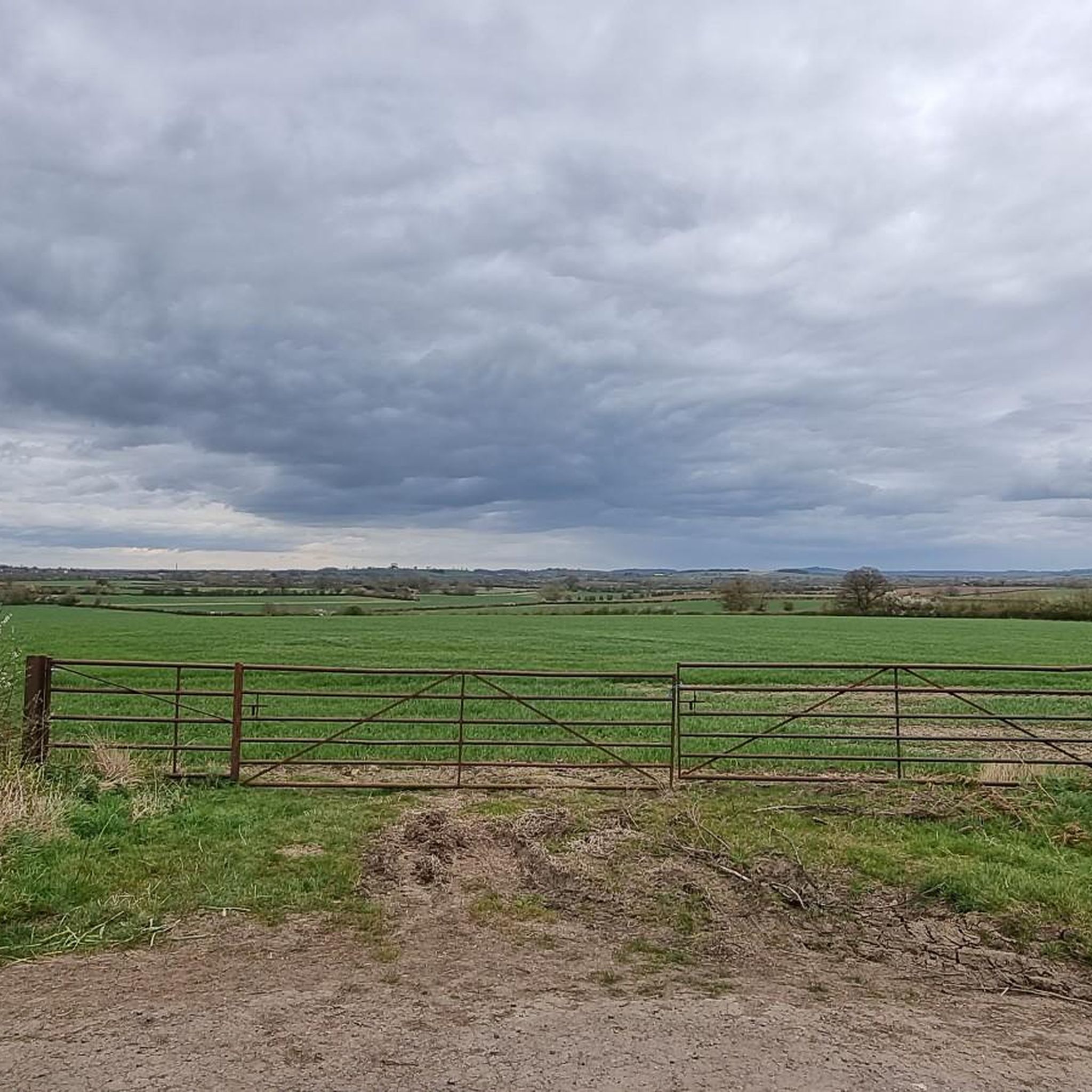
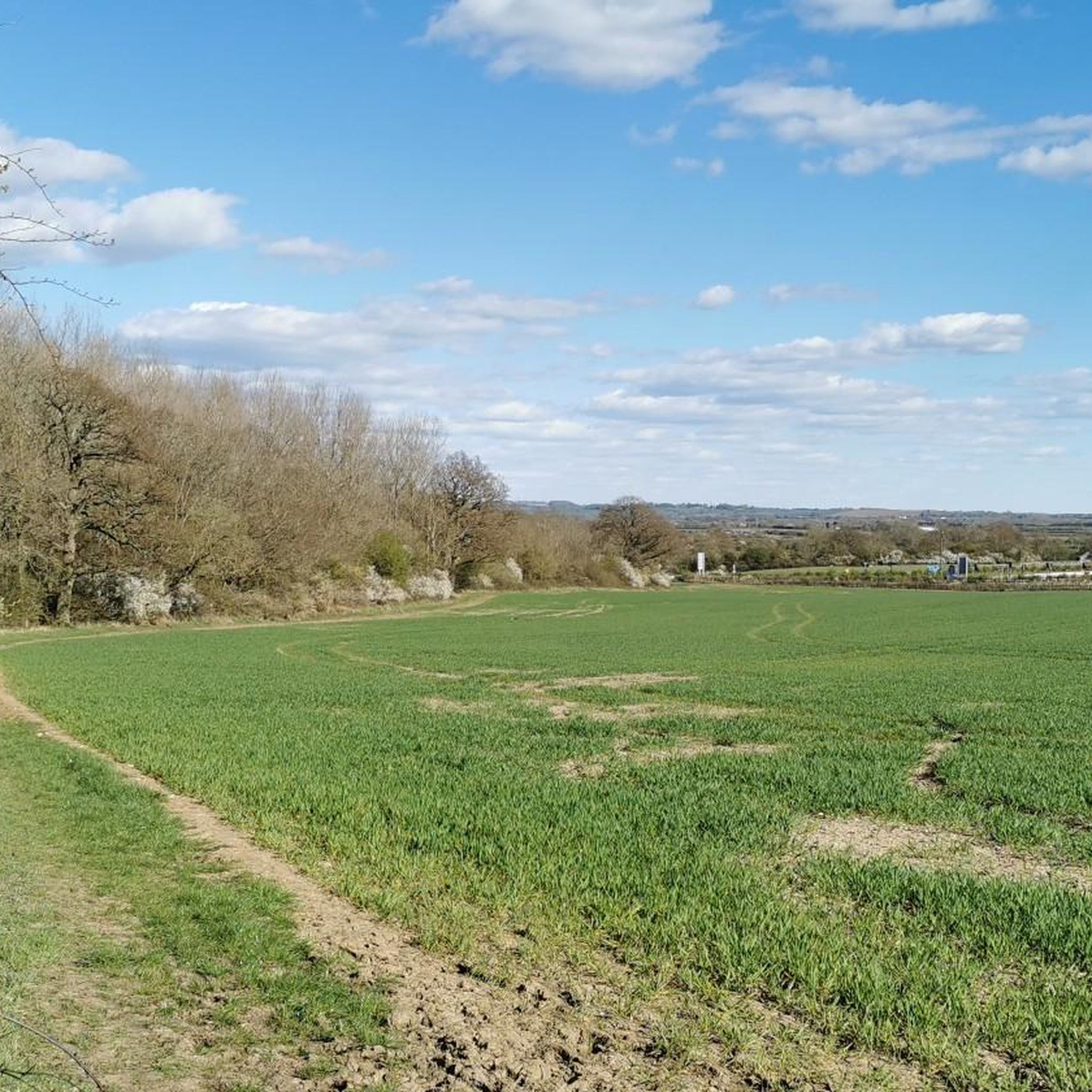
Two wheatfields to cycle through, no problem. The final bit to the M40 crossing more overgrown so a bit of Hike A Bike. one point appeard closed off by barbed wire but overgrown willow on path leading to B'way gate to bridge over the Mway
0
0

The Peyto Gateway on the north side of St Giles Church, Chesterton, Warwickshire, England, used by the Peyto Family when their manor house was there. Gateway. Probably 1630's. For Sir Edward Peyto and copy of a design by Inigo Jones. English bond red brick with moulded, cut and rubbed brick. Classical style. Round arch with keyblock, pilasters, entablature and pediment. Pilasters, wall, and arch have intermittent rustication. It is likely that this gateway was built at about the same time as Chesterton Windmill (q.v.). It is a close copy, at about three-quarters scale, of one of the two churchyard gateways flanking Jones' St Paul, Covent Garden, of 1631, see Vitruvius Britannicus (ii, 1717, pl 21-2).
0
0
Kingston Pools has closed its doors to angling following the sale of the 360-acre arable farm for development. A fishery for more than 40 years, it is planned that the four pools will form part of a green amenity space once housing development has been completed on the site.
0
0
The windmill is a tower type built between 1802 and 1812, using derelict stone from Chesterton Manor. When built, the windmill had a stone lower part, while the upper part was a red brick tower with batter. It had an Iron sheeted boat shaped cap with wheel and lulling gear, windshaft with poll end and brake wheel, four sails with staging, three pairs of stones and machinery. It is a six storey building with a total height of 70 feet. 20th century history The windmill ceased working by sail in 1912 and was powered firstly by a steam engine, then by an oil engine and from the 1930s. Finally, it was powered by electricity until 1952 when it ceased milling. The stocks were removed in 1934. The boat shaped cap was removed in 1982 and replaced with a larger looking pitched roof. It became a Grade II listed building on 7th January 1952, and in 1988 the lower floors became part of a house.
0
0

The Church was founded by Richard the Forester in the 11th Century and presented in Richard II’s time to the Barons of Kenilworth, by William Croc. It later came under the Abbots of Worcester, but by 1693 was under the Cathedral Church of Lichfield. It is built of Limestone and Northampton stone, in the perpendicular style, but has been altered by successive generations. It was generally restored in 1862. The walls are three foot thick and have been buttressed up, externally. The most notable feature is the length of the embattlemented parapet, which runs the whole length of the Chancel. The square tower was built of old material in the 17th Century. The history of Chesterton Church is closely linked to that of the Peyto family who are said to have come over with William the Conqueror. Although they had previously owned land at Chesterton, it was not until the middle of the 14th Century that they came to live in the village. They built their big house to the north west of the church and established the fish ponds, over which they had to cross on their way to worship. Their later and more stylish Manor House built on the hill to the north of the church was pulled down in 1802. The Peyto’s were prominent men of their time. They included lawyers, soldiers and Members of Parliament. In the Civil War, Sir Edward Peyto supported Cromwell’s Parliamentarians, successfully leading the defence of Warwick Castle against the Royalists. The Peyto line ended in 1746 and the Manor and the Estate passed to the Verney family to whom they were linked by an earlier marriage. The Verneys are still the Patrons of Chesterton Church, through Lord Willoughby de Broke, 21st. Baron. In Victorian times heating was from three open fires in the central aisle with an under floor flue leading to a chimney within the Tower. For many years Chesterton was the Mother Church of the district, with coffins being carried from as far away as Bishop’s Itchington for burial. The registers date from 1538 and are now held in the County Archives.
0
0
Frequently Asked Questions
How many hiking trails are available around Lighthorne Heath?
Lighthorne Heath offers a comprehensive network of over 200 hiking trails. These routes traverse gentle hills, agricultural fields, and connect local landmarks, providing diverse options for exploration.
Are there easy hiking trails suitable for beginners or casual walkers in Lighthorne Heath?
Yes, Lighthorne Heath is well-suited for beginners and casual walkers, with over 115 easy routes. An excellent option is the St. Giles Church, Chesterton – The Peyto Gateway loop from Chesterton Windmill, which is 3.3 miles (5.3 km) long and offers pleasant views of the countryside.
What kind of natural attractions can I expect to see along the hiking trails?
The trails around Lighthorne Heath often feature picturesque natural attractions. You might encounter serene water bodies like Bishops Bowl Lakes or Compton Pools. Some routes also pass by the Waterfall and Lake at Charlecote Park, offering varied scenery.
Are there any circular walks available in Lighthorne Heath?
Yes, many of the trails around Lighthorne Heath are circular, allowing you to start and end at the same point. For example, the Kingston Pools loop from Upper Lighthorne is an easy 2.6-mile (4.2 km) circular route that takes you past tranquil pools.
What are some notable landmarks or historical sites to explore while hiking?
Hikers can discover several interesting landmarks. The area is known for its windmills, such as those seen on the St. Giles Church, Chesterton – Harbury Windmill loop from Chesterton Windmill. You can also visit historical sites like Charlecote Park or the Battle of Edgehill Site, which are accessible from various trails.
Are the hiking trails in Lighthorne Heath suitable for families with children?
Many trails in Lighthorne Heath are family-friendly due to the generally gentle terrain and modest elevation changes. The numerous easy routes, often passing through open fields and by lakes, provide enjoyable outings for all ages. Consider routes that are shorter in duration for younger children.
What is the best time of year to go hiking in Lighthorne Heath?
The best time to hike in Lighthorne Heath is typically from spring through autumn, when the weather is mild and the countryside is vibrant. However, the area's gentle terrain also makes it suitable for winter walks, though some paths might be muddy after rain.
Are there any longer, more challenging hikes for experienced walkers?
While the region is known for its gentle terrain, there are moderate options for those seeking a longer walk. The Farm Track to Compton Pools – Stone Bridge at Compton Verney loop from Lighthorne is a moderate 7.1-mile (11.4 km) route that offers a good distance and varied scenery.
What do other hikers say about the trails in Lighthorne Heath?
The komoot community highly rates the trails in Lighthorne Heath, with an average score of 4.5 stars from over 380 reviews. Hikers often praise the peaceful agricultural landscapes, the well-maintained paths, and the charming local landmarks like the windmills and lakes.
Are there any trails that pass by water features or offer opportunities for wild swimming?
While specific wild swimming spots are not widely advertised on the trails, many routes do pass by beautiful water features. The St. Giles Church, Chesterton – Bishops Bowl Lakes loop from Chesterton Windmill, for instance, explores the area around Bishops Bowl Lakes, providing scenic views of the water.
What are the typical trail conditions, especially after rain?
Given the agricultural nature of the landscape, many trails in Lighthorne Heath are on footpaths through fields or along country lanes. After rain, some sections, particularly those through fields, can become muddy. It's advisable to wear appropriate waterproof footwear, especially during wetter seasons.
Most popular attractions around Lighthorne Heath

Get inspired with the komoot mobile app


Explore more
Browse the best Hikes in other regions.
