Attractions and Places To See around Halford - Top 20
Best attractions and places to see around Halford, a village in Warwickshire, England, offer a blend of historical sites and natural features. Situated by the River Stour, Halford provides access to significant landmarks within its boundaries and in the wider Warwickshire area. The region is characterized by its historical connections, including ancient Roman roads and medieval earthworks. Visitors can explore a variety of cultural and natural points of interest.
Best attractions and places to see around Halford
- The most popular…
Last updated: August 12, 2026
Charlecote Park
Highlight • Historical Site
Tip by

Battle of Edgehill Site
Highlight • Historical Site
Tip by
Sign up now to discover places like this
Get recommendations on the best single tracks, peaks, & plenty of other exciting outdoor places.
Sign up for free
Lucy's Mill Bridge
Highlight • Bridge
Tip by

St Lawrence's Church, Mickleton
Highlight • Historical Site
Tip by

St Mary’s Church, Ilmington
Highlight • Religious Site
Tip by
Sign up for free to discover even more attractions around Halford.
Sign up for free
Already have an account?
Start today with a free account
Your next adventure awaits.
Login or Signup
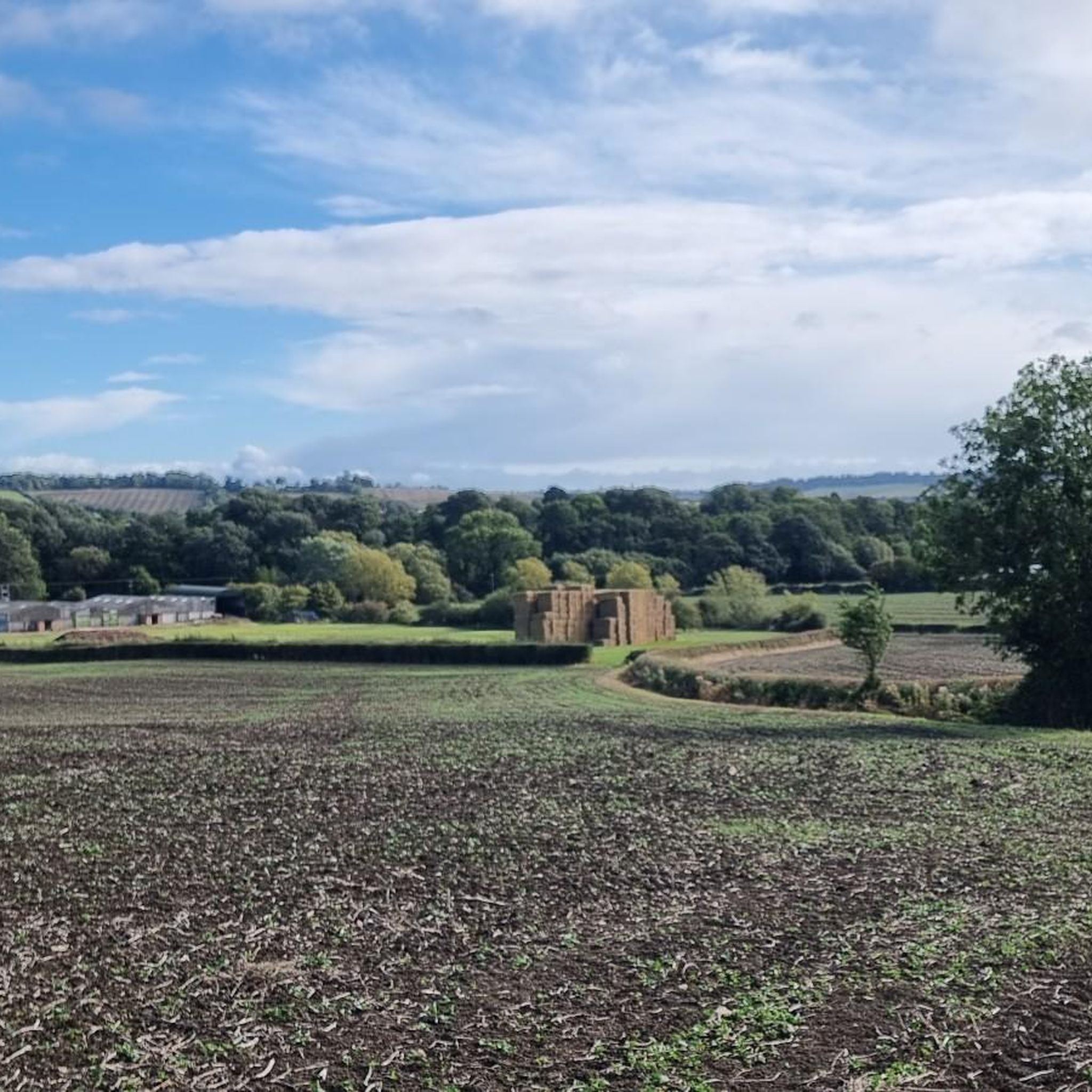
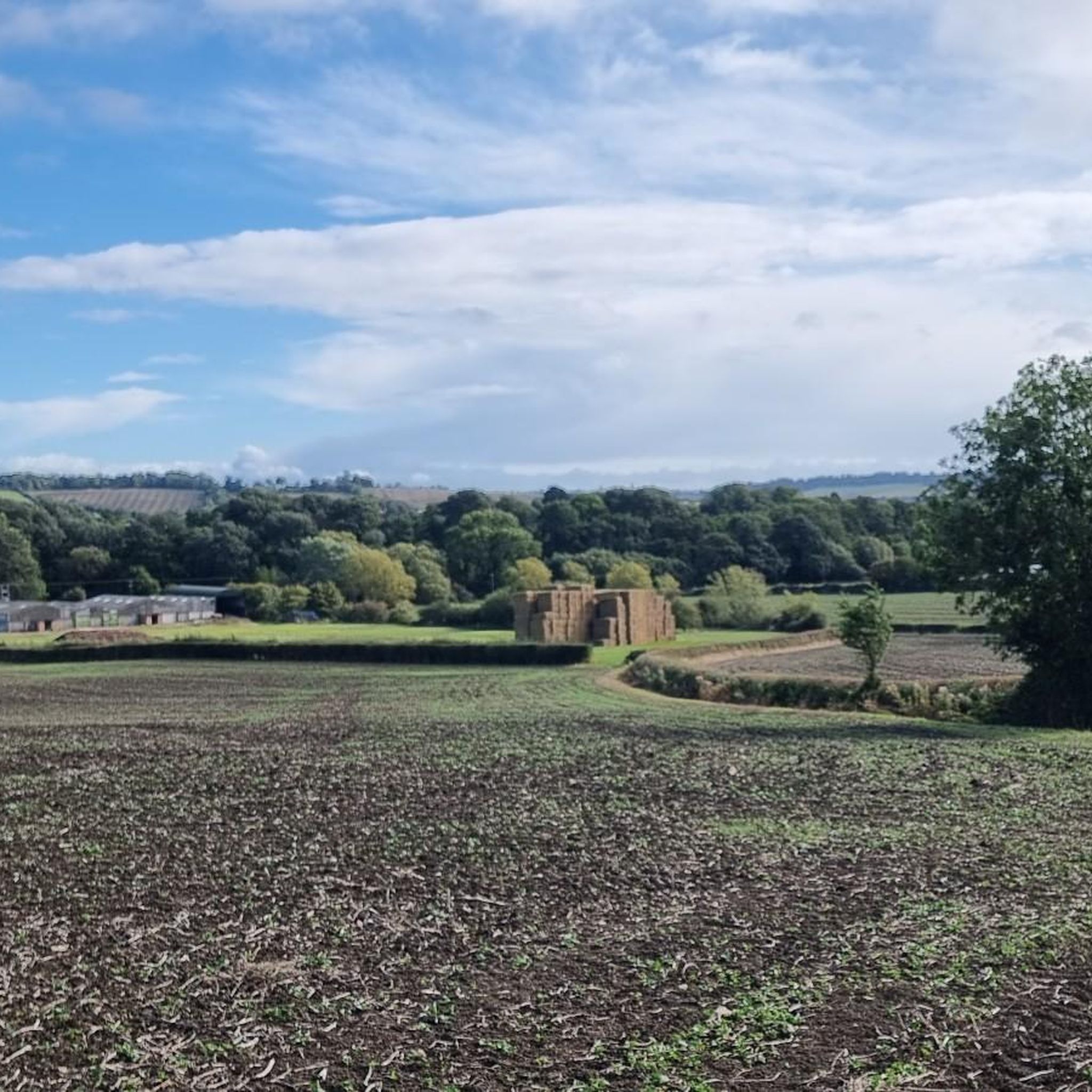
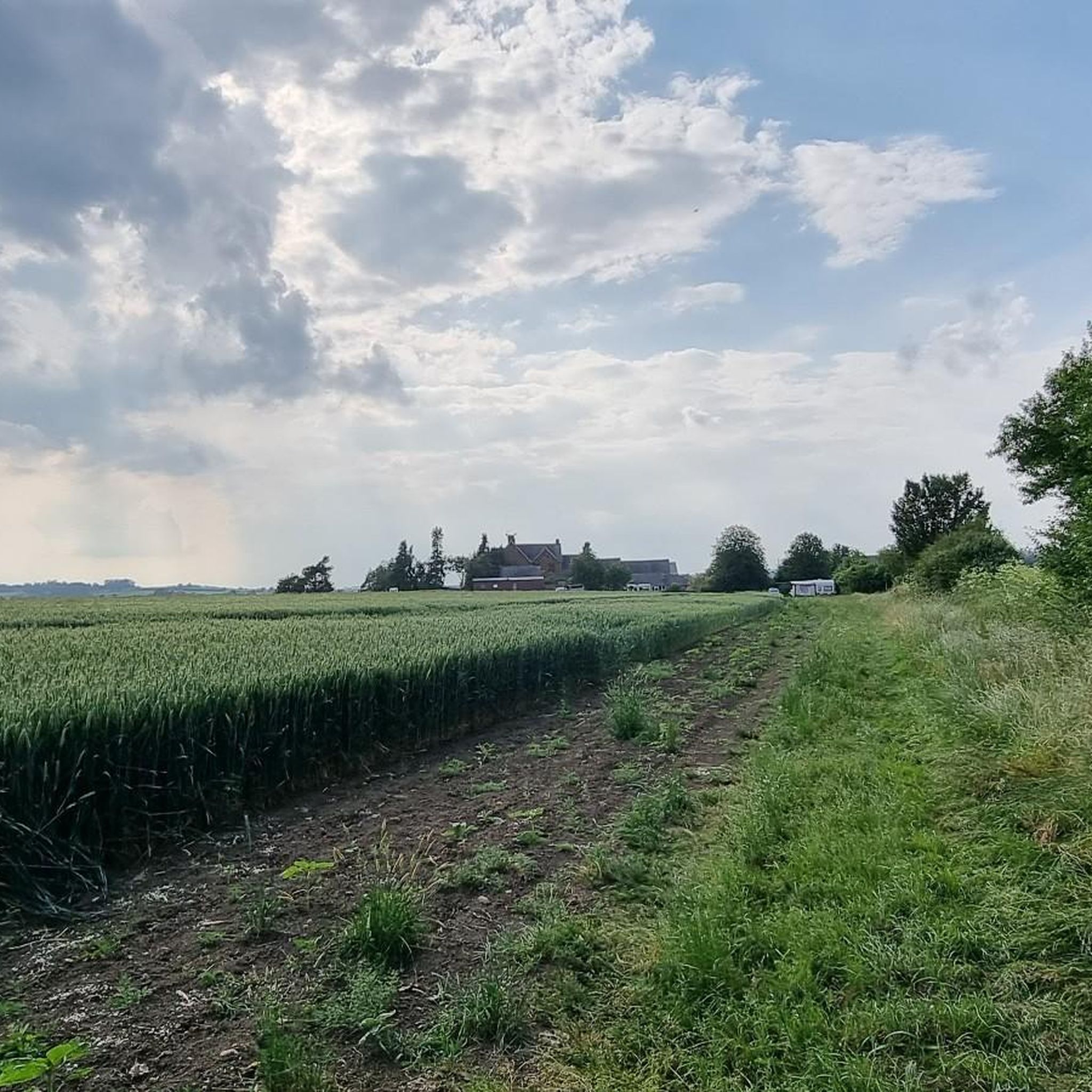

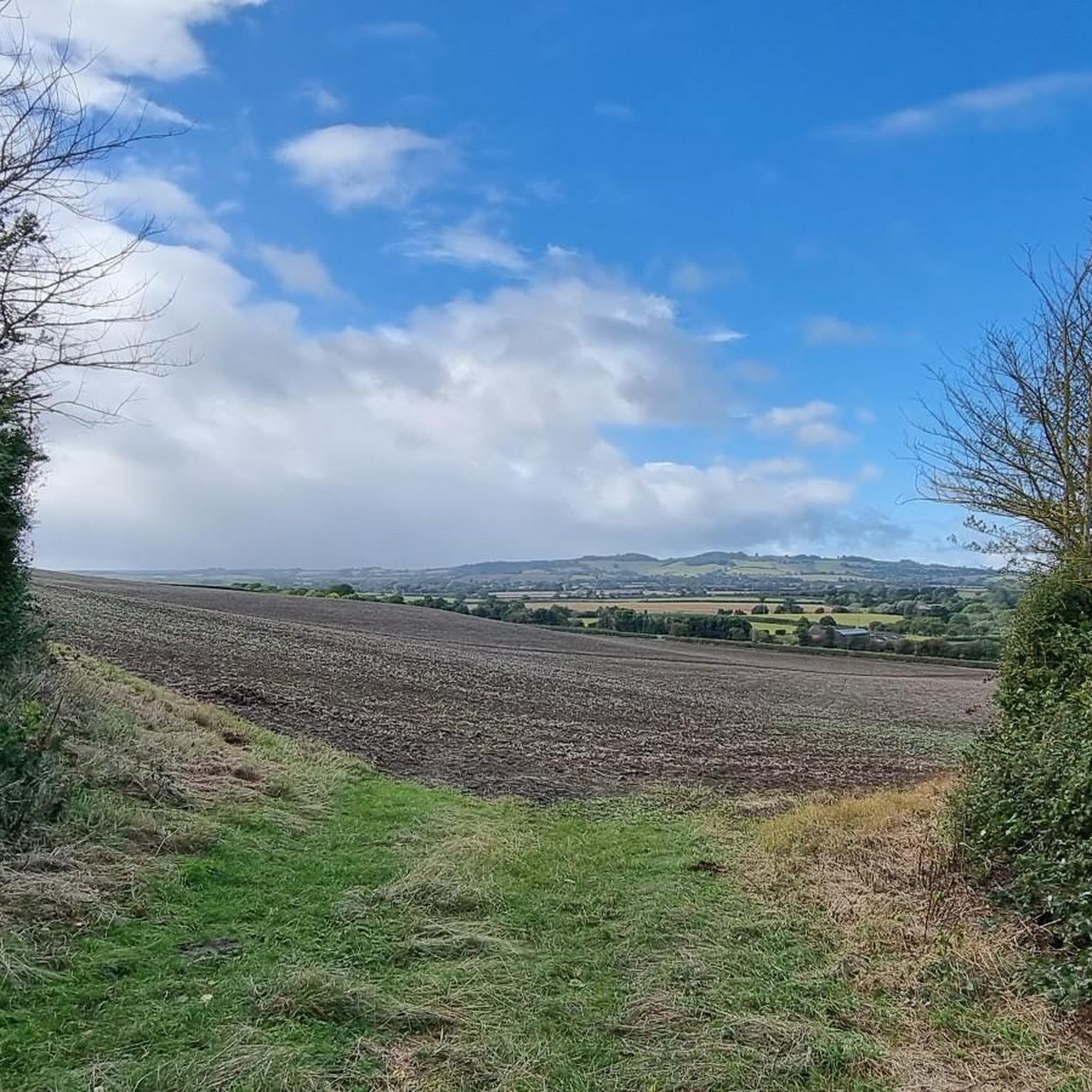
Tips from the Community

This is the location of the Battle of Edgehill, a pitched battle of the First English Civil War occurring on Sunday 23rd October 1642. A detailed information board stands here describing how the event unfolded, offering a fascinating window into the area's past.
1
0

The Battle of Edgehill (or Edge Hill) was a pitched battle of the First English Civil War. It was fought near Edge Hill and Kineton in southern Warwickshire on Sunday, 23 October 1642. All attempts at constitutional compromise between King Charles and Parliament broke down early in 1642. Both the King and Parliament raised large armies to gain their way by force of arms. In October, at his temporary base near Shrewsbury, the King decided to march to London in order to force a decisive confrontation with Parliament's main army, commanded by the Earl of Essex. Late on 22 October, both armies unexpectedly found the enemy to be close by. The next day, the Royalist army descended from Edge Hill to force battle. After the Parliamentarian artillery opened a cannonade, the Royalists attacked. Both armies consisted mostly of inexperienced and sometimes ill-equipped troops. Many men from both sides fled or fell out to loot enemy baggage, and neither army was able to gain a decisive advantage.
1
0


The parish church of ST. MARY consists of a chancel with a small north vestry, nave, north and south transepts, south porch, and west tower. The building dates from about the middle of the 12th century, when it had a chancel and a nave of the present size. The west tower was the first addition, late in the same century. Early in the 13th century the chancel was rebuilt; its width and the thickness of its walls are doubtless those of the 12th century, but its length was increased. The north transept appears to have originated in the 13th century as a short aislechapel with an arcade of two 8 to 9 ft. bays, but the transept was apparently enlarged in the 15th century when the arcade was altered from two bays into one large bay with the re-use of the older material. Most likely the south transept was then added to complete the crossshaped plan, but it has been almost entirely rebuilt in modern times (1846 ?). The clearstory of the nave was a mid-late-14th-century addition but the roof shows no detail earlier than the 16th century. The top stage of the tower is a late-15th-century heightening and the south porch an early-16th-century addition. The church was restored in 1846, apparently rather drastically; further repairs were done in 1911, when the blocked tower archway was reopened and the nave roof opened out. The roof had to be repaired again in 1939 owing to the ravages of the death-watch beetle. The chancel (about 26½ ft. by 14½ ft.) has an east window of four cinquefoiled lights and tracery of 15thcentury character in a two-centred head with a hoodmould. Only the splays and the rear-arch are ancient. In the north wall are three 13th-century lancets, of one chamfer outside and with wide rubble splays with ashlar dressings and segmental rear-arches. The lower part of the middle window has been cut away for the modern doorway to the vestry. The south wall has two windows of c. 1500, each of two elliptical-headed lights under a square head. The external labels have return stops, above which are carved lozenges or squares. The masonry is greyer than that of the walling. Between them is a 13th-century lancet, and below this is a priest's doorway with jambs and pointed head of curiously unconventional mouldings, having quasicaps at the springing-level and a hood-mould with human heads carved above the return stops. There is another similar head carved on the sill of the lancet above it. The doorway has an elliptical rear-arch. Below the south-east window is a small 14th-century piscina with a trefoiled ogee head and remains of a round basin, and west of it are three sedilia with moulded stone seats at one level: the recesses have ogee heads and foiled panels above them under a square main head. The east half is ancient, probably 14th-century, the west half is modern, and the westernmost recess has a cinquefoiled head. In the west half of both side-walls, which are unusually thick for the 13th century, are four stall-recesses with hollow-chamfered jambs and plain pointed heads of the 13th century. The walls are of coursed ashlar in yellow Campden stone and without plinths. There is modern ashlar below the east window; probably the sill was lower than now. At the east angles are 15th-century diagonal buttresses. The east wall is gabled and has late-18th-century copings and modern kneelers. The gabled roof is hidden by a segmental plastered ceiling. It is covered with tiles and has eaves gutters. The chancel arch has a round head of three square orders towards the west and two towards the east. The chamfered innermost order of the responds is mostly modern; the other orders are carried on nook-shafts (restored) with the original 12th-century capitals: the outer northern on the west face is carved with a human mask, at the angle, and interlacing strap ornament. The other capitals are of cushion type, two on the west face having cheveron line-ornament cut in the curves. The chamfered abaci are carried to the side walls as stringcourses and stop the ends of the grooved and chamfered hood-mould. In the north wall of the modern vestry is a re-used window of two trefoiled lights and tracery in a twocentred head, mostly 14th-century work. The nave (57½ ft. by 21½ ft.) has an archway of about 17 ft. span at the east end of the north wall opening into the transept. It has a two-centred order of two chamfered orders with small and medium voussoirs and plain chamfered hood-moulds on both faces, with head-stops under the west ends. The east respond is of two similar orders, the inner with a modern moulded capital. The west respond is an early-13thcentury round pillar set against the south-west angle of the transept and having a moulded base and capital. If the re-used material is indigenous the whole feature seems to have been a 15th-century remodelling of an earlier arcade of two narrow (8 to 9 ft.) bays. West of it—only 8 ft. from the respond—is a 12 in. round-headed window of the 12th century. The 12th century north doorway is a plain feature with a reset segmental head of two square orders, and grooved and chamfered abaci and hood-mould, carried on jambs also of two orders, the inner chamfered, the outer with a roll mould. The bottom of the doorway is walled up, the rest being converted into a window. On the south side is a wide pointed archway into the south transept, all modern; and west of it a 12th-century window like that opposite. In the west half of the wall is a window of c. 1330, of two trefoiled ogee-headed lights and a quatrefoil in a two-centred head. The south doorway, of the 12th century, was altered in the early 16th century, only the original outer order of the head and hood-mould being left in place. Both have zig-zag mouldings of the usual sections, the hood having pellets in the indents. It has been cut into two by an early 16th-century cinquefoiled ogee-headed niche for an image. This has side-pilasters with pinnacles; the head has crockets and a finial, all rather crudely cut. The doorway has jambs and depressed four-centred head of two orders, the outer hollowed. There are four steps down from the porch to the nave floor. The clearstory is lighted in each side by three windows of two trefoiled ogee-headed lights and foiled piercings in a square head without a label. The jambs are of two chamfered orders. The thick nave walls are of 12th-century irregular rubble in Campden stone with ashlar dressings at the west angles. The plinth, if any, is hidden by the higher ground of the churchyard. There are no buttresses. Inside the masonry has been revealed by the removal of the dado wall-lining: the original masonry is of large irregular rubble, but 3½ ft. west of the west angle of the north transept is a vertical break and a change to coursed and squared small rubble, probably of the date of the transept. The upper parts of the walls are plastered. At the base of the comparatively tall clearstory is an external weather-course, the face above setting back a few inches and being of roughly squared rubble. The plain parapets have a moulded coping and stringcourse. The roof was restored in 1939. It is low-pitched and divided into five bays by moulded tie-beams, probably of the 16th century, with wall-posts and curved braces. On the soffits of three are bosses carved from the solid, two with conventional rosettes and one with an ihs centre. The trusses are carried on stone corbels, some with plain shields. On the east face of the tower is the weather-course of the former steeply pitched gabled roof, its apex reaching to the top of the second stage. The north transept (about 20½ ft. square) has modern three-light traceried windows in the east and north walls. In both side walls are two 15th-century clearstory windows, each of two trefoiled pointed lights and tracery in a square head with an external label having square volute stops. The walls are built of coursed rough ashlar with a chamfered plinth. There are 15thcentury diagonal buttresses at the north angles, and at the south end of the east wall is a slight projection, probably the north-east angle of the original nave. The parapets are plain and have old copings and stringcourses differing from those of the nave. The north wall has a low-pitched gable. The roof has been much repaired but retains a 15th-century middle truss with a cambered tie-beam on wall-posts and curved braces. It has stone corbels and there are corbels for two other former trusses. The south transept (about the same size) is more or less a replica of the other. The windows are modern, except for the two clearstory windows in the west wall. The west wall and the south wall, excepting the gablehead, are of ancient yellow rubble, probably re-used material. Reset in the south-east angle inside is an incomplete vertical carved stone with a collared and chained bear squatting on its haunches and below it part of another beast, perhaps a dog. What purpose it served is not evident. The roof of two bays is modern. The south porch (8½ ft. square), of the early 16th century, has a four-centred entrance with a hollow mould outside and chamfer inside, both with broach base-stops. In the side walls are unglazed square-headed windows of two lights. The walls are of largish coursed yellow ashlar and have a moulded plinth and plain parapets. At the angles are diagonal buttresses. The lowpitched south gable has a shield carved on the parapet, charged with four bends. There are stone benches inside. In the east wall is an ogee-headed stoup with a shallow basin. The west tower (about 15 ft. north to south by 13 ft. inside) is of four stages, the three lower diminishing outside and divided by plain weather-courses. The lowest stage is of coursed yellow ashlar in medium-large stones, some of which still show the original diagonal tooling, and has a low moulded and splayed plinth. At its west angles are shallow clasping buttresses and at the east similar buttresses, but the sides are flush with the east wall. Between them in all three walls are narrower buttresses. All are tabled back at the lowest stringcourse level, except the south-west containing the stairvice, which rises to the top of the third stage. The masonry of the second and third stages is of similar but somewhat smaller courses. The 15thcentury top stage is of larger and smoother yellow ashlar and has a moulded base-course and an embattled parapet of greyer stone. The parapet string-course has a middle gargoyle in each face. Above each was originally a pinnacle, of which only the V-shaped pilaster remains in the parapet: there were also angle-pinnacles. The stair-vice in the south-west angle is approached by a right-angled passage from a square-headed doorway at the south end of the west wall inside and is lighted by west loops. The steps are badly worn. The very plain archway from the nave has responds and round head of four continuous chamfered orders towards the nave and three towards the tower: the arch has pressed the responds out of perpendicular. The west and south walls have original round-headed windows, 18 in. wide, piercing the intermediate buttresses: below the western was a 17th-century doorway with a square head, now blocked. The next story has a similar west window and in the east wall is a round-headed doorway, now mostly restored inside with brickwork, with steps up through it on to the nave roof: it opened originally into the earlier gabled roof-space; north of it inside is an old locker rebated for a door. Another window in the south wall is now blocked. This chamber has an ancient floor, open-timbered below. The third stage, the original bell-chamber, had each wall pierced by a wider window, now indicated only by straight joints in the masonry. The fourth stage, the late-15th-century bell-chamber, has a window in each wall of two trefoiled ogee-headed lights and a quatrefoil in a straight-sided four-centred head without a hood-mould. The jambs and head have large external splays. There is no floor between this chamber and the older chamber below. The lowpitched, almost flat, roof is apparently of modern repair. The font has a plain octagonal bowl with a hollowed under edge in a chamfer; it is probably of the early 16th century, but the upper half of the stem is a curious and rather clumsy attempt at quasi-Norman decoration by cutting engrailed, indented, and foiled edges in faces diminishing downwards, the lower half being splayed and the base chamfered. The altar is a small early-18th-century table with shaped cabriole legs. In the tower is a 16th-century iron-bound chest with a half-round coved lid which has been restored: it has three locks. A badly worn stone effigy is that of a priest in mass vestments, probably of the early 15th century: the head rests on a cushion, the feet on a dog. It now stands upright in the tower. On the east wall of the north transept is a plain panelled stone tablet with a pedimental head, set up by John Palmer to his father Richard, died 1582, and to his own wife Frances daughter of Nicholas Overbury of Borton, died 1601, with her only son Richard. There are three shields of arms. On the same wall is a brass plate to members of the Brent family, starting with William, lord of Stoke and Admington, 1595, and Elizabeth his wife, and continuing to 1666. There are also four detached shields charged with a wyvern. On the west wall of the transept is a tablet, like that opposite, to Giles Palmer eighth son of John and Eleanor (Rouse), died 1665, placed by his widow Elizabeth daughter of Henry Jones of Chastleton. Also a small brass to Edmund sixth son of Henry Jones, 1667(8); and another to Dorothy widow of Giles Palmer and daughter of Humphrey Lyttelton, 1763. There are uninscribed floor slabs, two with brass shields with the Brent wyvern. There are grave-slabs in the nave to Joan wife of Richard Canning of Foxcote, 1685, to Apolonia wife of Frances Canning, 1712(13), and to Thomas Canning son of Richard, 1716. There are five bells by Henry Bagley, 1641. The communion-plate includes an Elizabethan chalice with a cover bearing the date 1571; and a flagon given by Michael Sparke in 1640. The registers begin in 1588. In the churchyard is a stone carved with a crucifix on one side—perhaps the base of a 15th-century cross. There are also several 17th-century tombstones, and one to Hutton Corbet, who died in 1706, aged 106 years, 9 months, and 11 days.
0
0
Frequently Asked Questions
What historical sites can I explore directly within Halford?
Within Halford itself, you can discover the earthworks and buried remains of Halford Castle, a motte castle believed to be the predecessor of the current manor house. Additionally, the historic St Mary's Church and the 16th-century Halford Bridge, which crosses the ancient Roman Fosse Way, are notable points of interest.
Are there any significant historical houses or estates near Halford?
Yes, several impressive historical estates are easily accessible. You can visit Charlecote Park, an Elizabethan house built in 1558 with expansive grounds and a deer park, historically connected to the Lucy family. Another option is Upton House and Gardens, a National Trust-owned country mansion with an impressive art collection and stunning gardens, located in the northern tip of the Cotswolds.
What famous Shakespearean attractions are close to Halford?
Halford is conveniently located near Stratford-upon-Avon, the birthplace of William Shakespeare. You can visit Shakespeare's Birthplace, Anne Hathaway's Cottage, and experience performances at the Royal Shakespeare Theatre, all within a short drive.
Where can I learn about significant battles or military history near Halford?
The Battle of Edgehill Site is a must-see for history enthusiasts. It marks a significant English Civil War battle fought in October 1642. An information board at the site details the events, offering a fascinating insight into the area's past.
Are there any notable churches or religious buildings to visit?
Beyond Halford's own St Mary's Church, you can explore St Lawrence's Church, Mickleton. This picturesque parish church, built in the 12th century, features a distinctive tower, a Jacobean pulpit, and a 12th-century stone crucifix. Another historic church is St Mary's Church, Ilmington, a Grade I-listed building dating back to the early 12th century.
What kind of natural features can I find around Halford?
Halford is situated on the River Stour, which is a key natural feature of the area, offering tranquil settings. For walks along the river, Lucy's Mill Bridge provides a historical crossing point. The wider region also features scenic landscapes characteristic of Warwickshire and the Cotswolds.
What outdoor activities, like cycling, are available near Halford?
The area around Halford is excellent for cycling. You can find various road cycling routes, such as the 'Ilmington Village – Admington Lane loop' which is an easy ride, or more moderate options like the 'Milcote Carriage Café – Walton Hall loop'. For mountain biking, there are trails like the 'Brailes Hill loop' or the 'Chipping Campden Town Centre – View from Dover's Hill loop'. You can find more details and routes in the Road Cycling Routes around Halford, Cycling around Halford, and MTB Trails around Halford guides.
Are there any family-friendly attractions or activities near Halford?
Yes, several attractions cater to families. Charlecote Park and Upton House and Gardens are both listed as family-friendly and offer expansive grounds for children to explore. Additionally, the Stratford Butterfly Farm in Stratford-upon-Avon provides an engaging nature and wildlife experience for all ages.
What other notable landmarks are within a reasonable distance from Halford?
Beyond the immediate vicinity, you can visit the historic Warwick Castle, a significant landmark about 19 km away. Another option is Broadway Tower, a unique historic landmark situated about 17 km from Halford. For garden enthusiasts, the National Trust - Hidcote offers beautiful gardens approximately 9 km away.
Is there anything for car enthusiasts near Halford?
Yes, the British Motor Museum is located about 8 miles from Halford. It's a great attraction for those interested in motoring history, showcasing a wide range of vehicles and exhibits.
What do visitors particularly enjoy about the attractions around Halford?
Visitors appreciate the blend of historical depth and natural beauty. For instance, Charlecote Park is often praised as a 'Great day out good for a picnic' with its 'expansive grounds and deer park'. The Battle of Edgehill Site is valued for its 'detailed information board' offering a 'fascinating window into the area's past'. The area's historical connections, from Roman roads to Civil War sites, combined with scenic walks along the River Stour, provide a rich and varied experience.
Most popular attractions around Halford

Get inspired with the komoot mobile app


Explore more
Still not found the Highlight you’re looking for? See guides of the top attractions in other regions:
