Attractions and Places To See around North Luffenham - Top 20
Best attractions and places to see around North Luffenham include a variety of historical landmarks, natural features, and cultural sites. This village in Rutland is situated on a south-facing slope leading to the River Chater, offering a blend of picturesque landscapes and historical depth. Visitors can explore remnants of its past, from ancient archaeological sites to significant architectural structures. The area provides opportunities to discover both man-made marvels and natural beauty.
Best attractions and places to see around North Luffenham
…Last updated: October 9, 2026
Welland Viaduct
Highlight • Structure
Tip by

Normanton Church
Highlight • Monument
Tip by

Sign up now to discover places like this
Get recommendations on the best single tracks, peaks, & plenty of other exciting outdoor places.
Rutland Water
Highlight • Structure
Tip by

Barnsdale Bluebell Woodland
Highlight • Forest
Tip by
Stamford Historic Town Centre
Highlight • Settlement
Tip by

Sign up for free to discover even more attractions around North Luffenham.
Already have an account?
Start today with a free account
Your next adventure awaits.

Tips from the Community

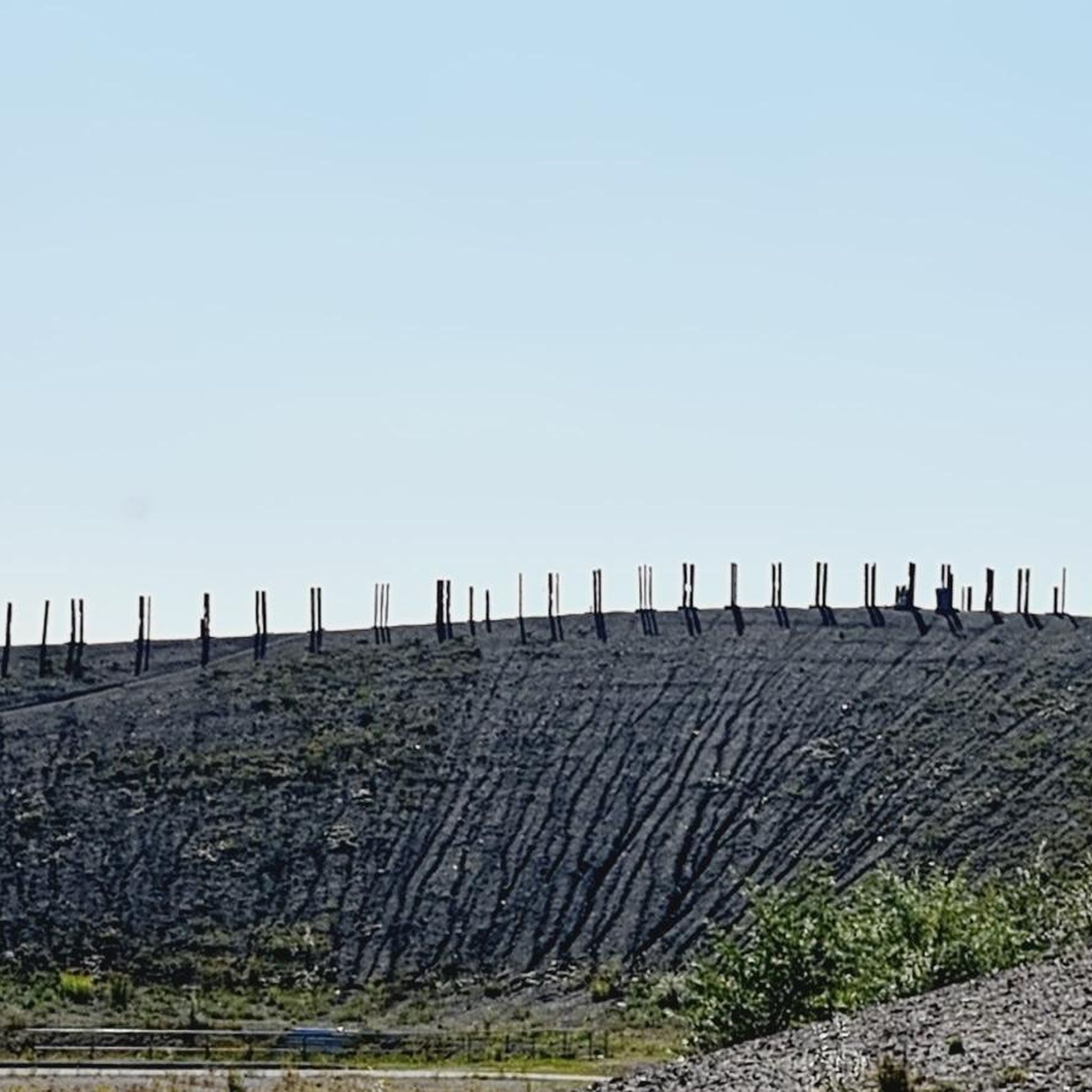
Nice and easy hike on the man path, while some of the smaller ones canbe a bit owegrown an soggy. ood change of scenery to make a walk here more varied.
1
0
Great area for a hike. If you do not want to go the full circle alternatives to walking back on the same track are a bit limited.
4
0


Very impressive viaduct. You arrive there when you pass into Rutland area.
0
0

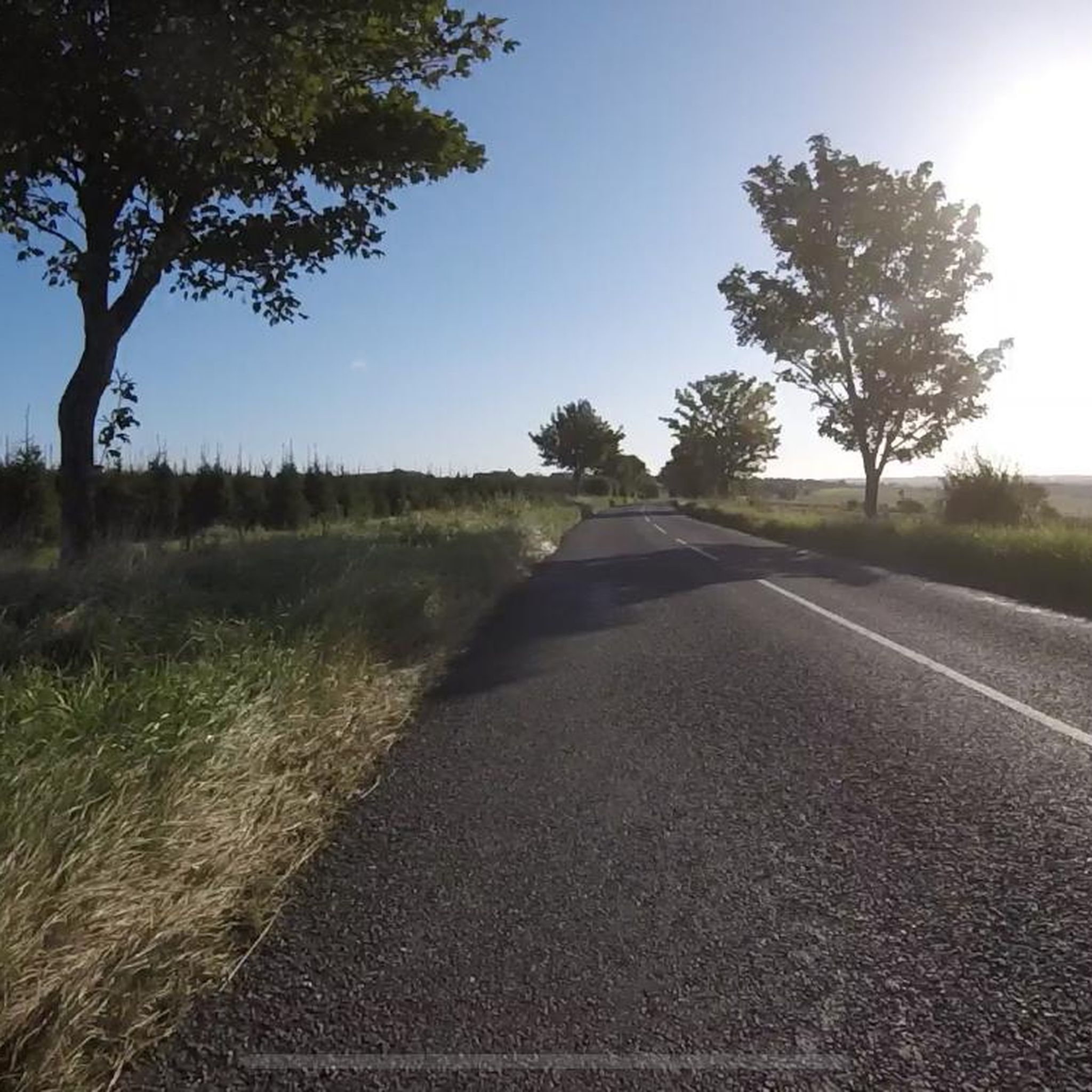
Compact gravel in the drier days and mud in the wet ones.
0
0

This ancient woodland was partly destroyed through construction of the reservoir. It is a neglected coppice of the Peterken Ash-Maple, Ash-Hazel, Pedunculate Oak-Hazel and Invasive Elm types but has been partly planted with conifers.
2
0
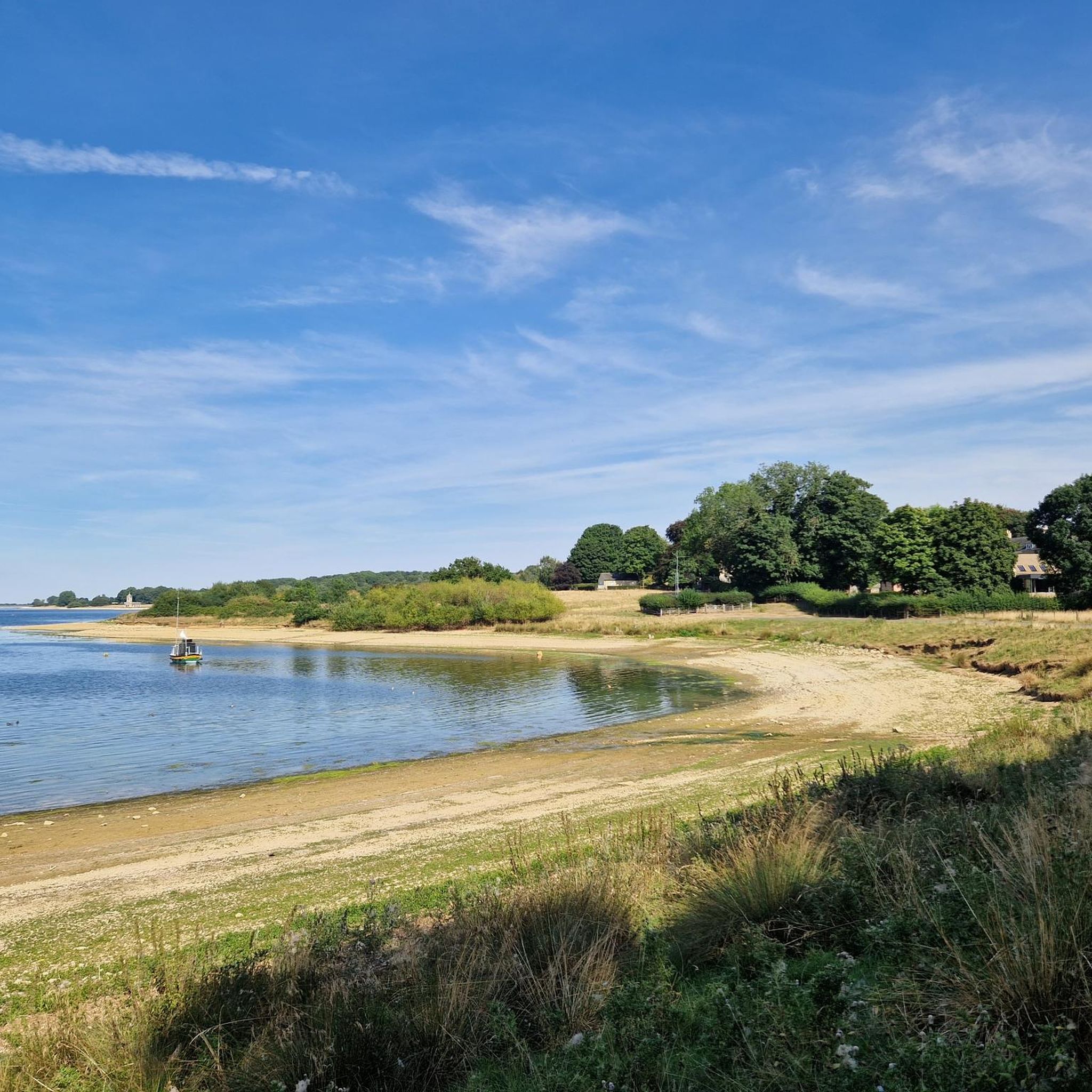
The church was built in classical style for the Normanton Hall estate on the site of a 14th-century building. Except for the tower, the medieval church was rebuilt in 1764 by Sir Gilbert Heathcote, 3rd Baronet. The church was de-consecrated in 1970, and was to have been demolished as part of the reservoir construction, as its floor was below the proposed water level. Following a public outcry, the lower half was filled with stone and rubble, and a concrete cap constructed just below the level of the windows.
1
0

Shes a beaut of a stop off, lovely downhill under neath this into Harringworth
0
0
Frequently Asked Questions
What historical sites can I explore in North Luffenham?
North Luffenham is rich in history. You can visit the parish church of St John the Baptist, which features 14th-century stained glass and a tower west window dedicated to former rector Edward Arthur Irons. Nearby is the current North Luffenham Hall, a Grade I listed building with parts dating back to the mid-16th century. Don't miss the scheduled ancient monument of a moated site with a fishpond, or the historically significant Former RAF North Luffenham, a Cold War Thor missile site.
Are there any natural attractions or scenic viewpoints near North Luffenham?
Absolutely. North Luffenham is situated on a slope leading down to the River Chater, offering picturesque views. A significant natural feature nearby is Rutland Water, the largest man-made lake in England, which provides ample opportunities for enjoying the scenery and spotting wildlife. You can also visit Barnsdale Bluebell Woodland, an ancient woodland offering a change of scenery from open views.
What family-friendly activities are available around North Luffenham?
Many attractions around North Luffenham are suitable for families. Rutland Water is a hub for recreation, including easy walks and cycling paths. Normanton Church, with its unique appearance seemingly floating on the lake, is a fascinating sight for all ages. The historic Stamford Historic Town Centre offers charming streets and buildings to explore, and Welland Viaduct is an impressive engineering marvel that can be viewed from various points.
Where can I find good walking or cycling routes near North Luffenham?
North Luffenham serves as a great starting point for various local walks, including a 4-mile route to South Luffenham, allowing you to explore the village and surrounding countryside. For cycling, the area around Rutland Water offers extensive paths. You can find detailed routes for gravel biking, mountain biking, and running in the area by exploring the Gravel biking around North Luffenham, MTB Trails around North Luffenham, and Running Trails around North Luffenham guides.
Are there any hidden gems or lesser-known historical sites in the area?
Beyond the main attractions, North Luffenham holds several intriguing historical spots. The site of the original North Luffenham Hall, demolished in 1806, still shows remains of its ornamental gardens, including a ha-ha. You can also find Bede House Farm, a late 17th-century dwelling originally built to accommodate visiting bishops, and Manor Farm, built in 1640. Anglo-Saxon artifacts, including human bones and pottery, were discovered in 1855 near the road to Edith Weston, with some finds now in the Rutland County Museum.
What is the best time of year to visit North Luffenham attractions?
The best time to visit North Luffenham largely depends on your interests. Spring and summer are ideal for enjoying outdoor activities around Rutland Water and exploring local walks, especially when Barnsdale Bluebell Woodland is in bloom. The historic sites are accessible year-round, but pleasant weather enhances the experience of walking between them. Autumn offers beautiful foliage, while winter can provide a quieter, more serene atmosphere, particularly around the lake.
What do visitors enjoy most about the attractions near North Luffenham?
Visitors frequently praise the impressive scale of structures like the Welland Viaduct, noting its beautiful location and great views. The iconic Normanton Church is often highlighted as a must-see for its unique appearance on Rutland Water. The historic charm and architecture of Stamford Historic Town Centre are also highly appreciated, with many enjoying its blend of history, shopping, and Georgian buildings.
Are there any wheelchair-accessible attractions in the North Luffenham area?
Yes, Normanton Church at Rutland Water is noted as being wheelchair accessible, offering a chance to see this iconic landmark. While specific accessibility details for all sites vary, the paths around Rutland Water generally offer accessible sections for enjoying the lake views.
Can I find any remnants of old industries or infrastructure in North Luffenham?
Yes, near the level crossing and railway junction, you can find the remains of three mills, including a windmill built in 1832 that operated until 1908. These sites offer a glimpse into the village's industrial past.
What is the significance of the Former RAF North Luffenham site?
The Former RAF North Luffenham site is historically significant due to its role as a Thor missile main base during the Cold War. Constructed in 1959 and operational until 1963, this Grade II* listed site is remarkably intact and played a part in events like the Cuban Missile Crisis, making it a key piece of 20th-century history.
Are there any notable religious buildings to visit in North Luffenham?
The primary religious building of note in the village is the parish church of St John the Baptist. It features significant historical elements, including a sedilia described by Pevsner as 'the finest piece of display in the church,' a brass plaque commemorating Archdeacon Robert Johnson, and 14th-century stained glass. Additionally, Normanton Church, located on Rutland Water, is an iconic religious building known for its unique setting.
Most popular attractions around North Luffenham

Get inspired with the komoot mobile app


Explore more
Still not found the Highlight you’re looking for? See guides of the top attractions in other regions:
