The best cycling routes around Terrington St. Clement
4.4
(141)
1,022
riders
95
rides
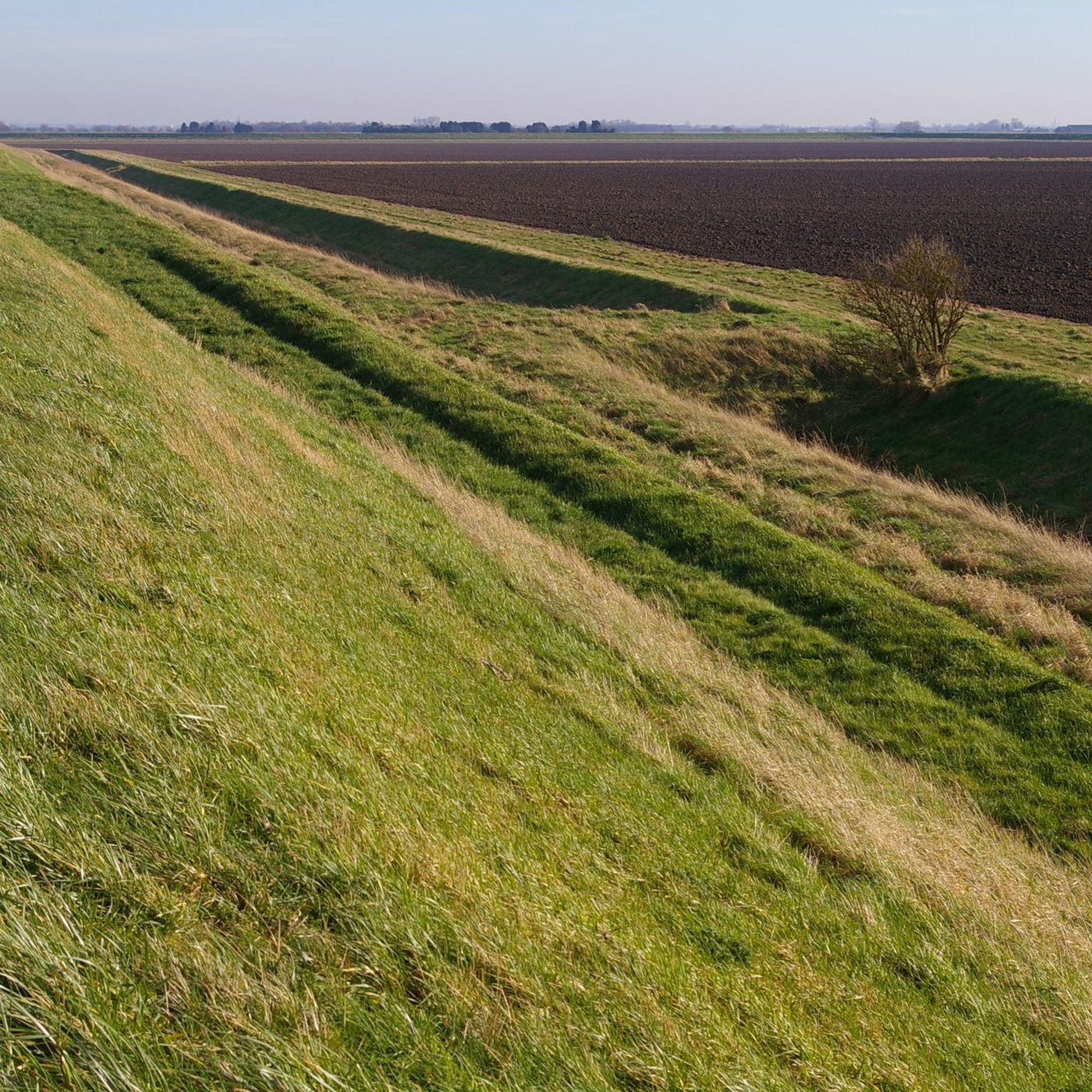
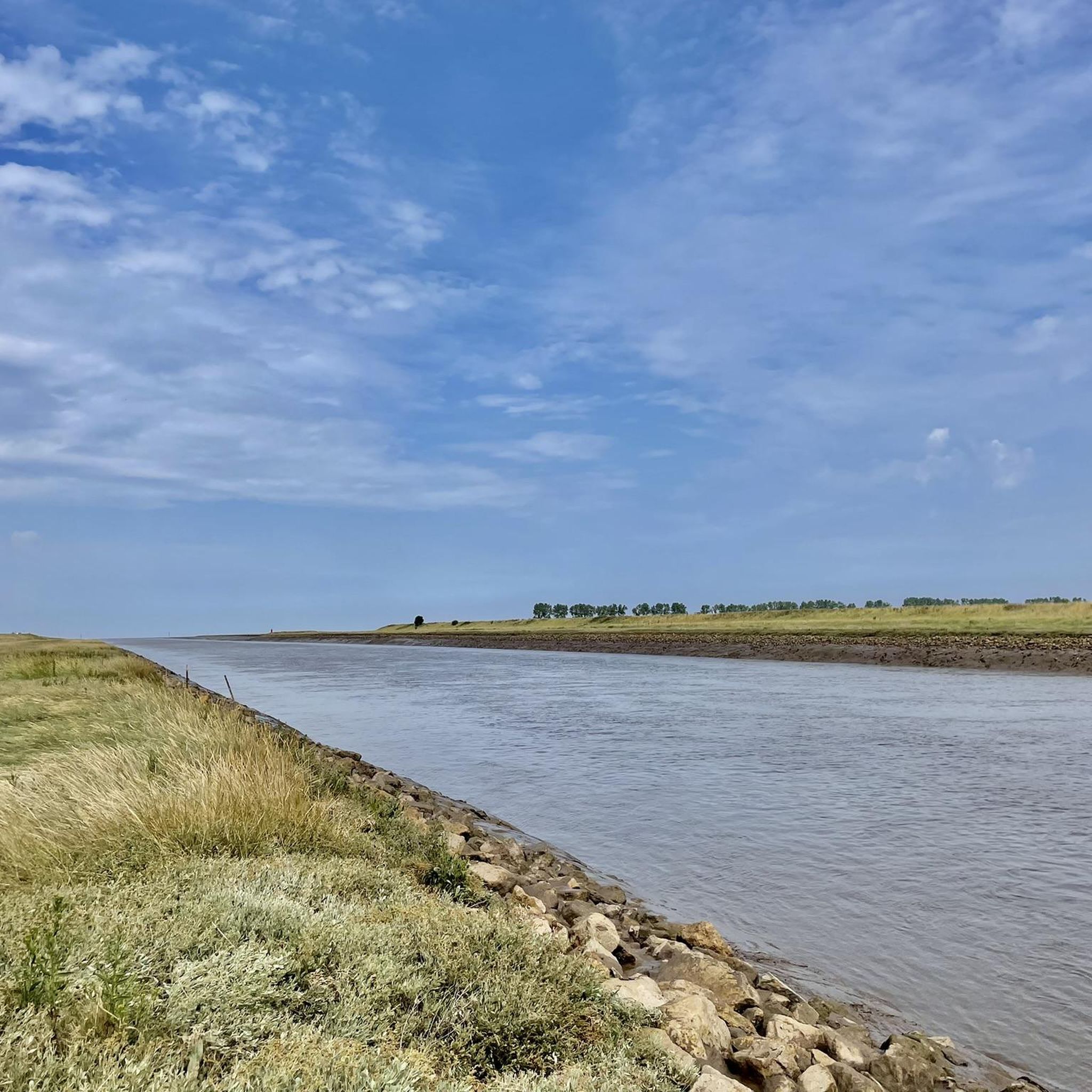
Touring cycling around Terrington St. Clement is characterized by its predominantly flat terrain, situated within the Fens and reclaimed marshlands of Norfolk. The landscape consists of expansive plains of alluvial silt and clay, offering easy riding conditions suitable for various fitness levels. This area, shaped by centuries of land reclamation, provides a distinctive and open environment for covering distances without significant climbs. The proximity to The Wash, a large estuary, also contributes to unique marshland scenery.
Best touring cycling routes…
Last updated: July 24, 2026
2
riders
30.7km
01:51
20m
20m
The Sutton Bridge and Gedney Drove End loop offers an easy touring bicycle ride through the flat Lincolnshire Fens. You will experience expansive "vast skies" and wide-open spaces, with rich…
2
riders
68.6km
04:01
80m
80m
Embark on a tranquil touring bicycle journey through the distinctive Fenland landscape with the North Sea Cycle Route: Wisbech Loop. This moderate route spans 42.6 miles (68.6 km) and involves…

Sign up for free
1
riders
30.3km
01:45
30m
30m
Embark on the Chapelgate and Holbeach Hurn loop from Gedney Drove End, an easy touring bicycle ride that spans 18.8 miles (30.3 km) with a minimal elevation gain of 91…
1
riders
68.9km
03:59
70m
70m
Embark on the Spalding and Holbeach loop from Gedney Drove End, a moderate touring cycling route spanning 42.8 miles (68.9 km) with a gentle 232 feet (71 metres) of elevation…
89.5km
05:07
90m
90m
The Kriton and Spalding loop from Gedney Drove End offers a challenging touring cycling experience across the flat Lincolnshire landscape. You'll cover a significant 55.6 miles (89.5 km) with a…
Get access to more routes and recommendations from other explorers.
Sign up for free
Already have an account?
Our route recommendations are based on thousands of hikes, rides, and runs completed by other people on komoot.
Start today with a free account
Your next adventure awaits.
Login or Signup
Tips from the Community

This historic church, whose history dates back to the 12th century, is dedicated to Saints Peter and Paul, also known as the "Princes of the Apostles." Their feast day is celebrated on June 29th in all major denominations. Simon, nicknamed Peter (Rock), was a fisherman on the Sea of Galilee when he and his brother Andrew were called by Jesus Christ to be "fishers of men." In works of art, Peter is almost always depicted holding two keys, an attribute that refers to the biblical passage in Matthew: "I will give you the keys of the kingdom of heaven; whatever you bind on earth will be bound in heaven, and whatever you loose on earth will be loosed in heaven" (Matthew 16:19). Simon, nicknamed Peter (Rock), was a fisherman on the Sea of Galilee when he and his brother Andrew were called by Jesus Christ to be "fishers of men." Paul was initially an opponent of the Christian movement and, unlike the other apostles, was not called to the apostleship by Jesus Christ during his lifetime, but was converted later through the famous "Damascus Road experience." His attribute is the sword with which he was executed. Such a sentence was a "privilege" under Roman law at the time (a swift death, unlike other forms of execution which involved a long, agonizing death struggle) afforded to the citizens of Rome.
0
0

I went very early spring and it was quite pretty, interesting for the ride, certainly stopped the wind cutting across the fields
0
0

Anglian Water's Chapelgate Water Tower (also know as Gedney Water Tower) is a striking 1980s design which can be seen for miles around in the flat local landscape. It holds 1.4 million litres and also serves as a phone mast.
1
0
St Mary Magdalene Chruch is a large medieval church primarily built in the Perpendicular Gothic style. It's known as 'the Cathedral of the Fen's, and is an impressive Grade I listed building.
1
0
Daffodil Walk is a well-surfaced traffic-free footpath and cycleway that runs along the track bed of the former Spalding to Boston railway line. It is also part of the Vernatts Nature Reserve.
1
0
This is an excellent segregated traffic-free cycle path between Sutton Bridge and Kings Lynn. Look out for the type 22 hexagonal pillbox with integral entrance porch from WW2.
1
0
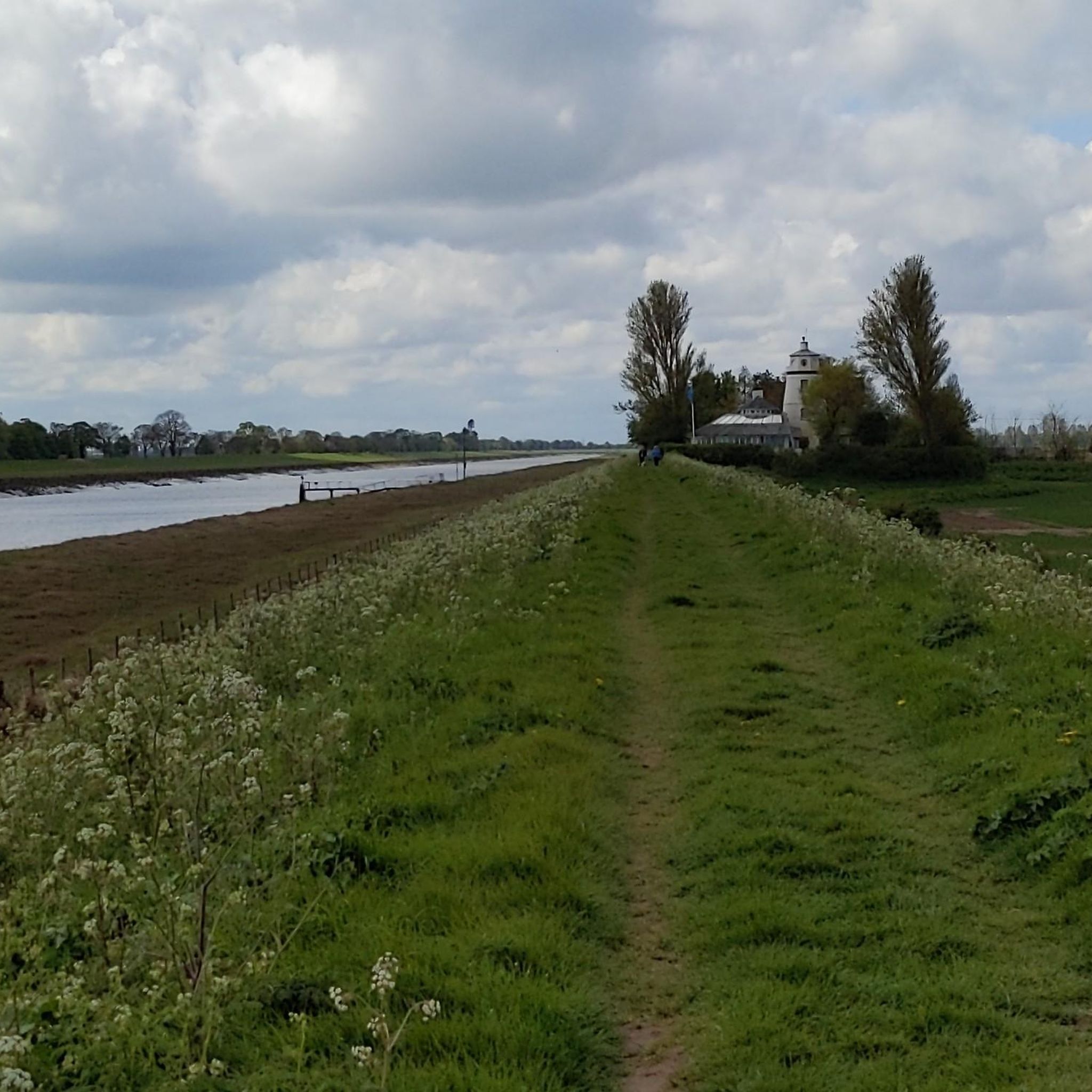
Cross Keys Bridge is a grade II listed swing bridge at Sutton Bridge which spans the tidal River Nene. It's the only crossing point for both traffic, pedestrians and cyclists over the river north of the Wisbech, 9 miles (14.5 km) to the south. For this reason it's a notorious bottleneck for vehicles. On the north side is a separate bridge for cyclists and pedestrians, with expansive views over the tidal Nene.
2
0
St Mark's Church is almost a copy of Christ Church church at Gedney Dawsmere 4 miles to the east. It's constructed of red brick with stone bands, a brick-faced interior, lancet windows, and a combined nave and apse.
0
0
Frequently Asked Questions
How many touring cycling routes are available around Terrington St. Clement?
There are over 100 touring cycling routes around Terrington St. Clement, offering a wide range of options for exploring the flat Fens landscape. These include 51 easy routes, 44 moderate routes, and 10 more challenging options.
What is the typical terrain like for touring cycling in Terrington St. Clement?
The terrain around Terrington St. Clement is predominantly flat, characterized by expansive plains of alluvial silt and clay. This makes for easy riding conditions, suitable for various fitness levels, and ideal for covering distances without significant climbs. The area is part of the Fens and reclaimed marshlands, offering open and distinctive scenery.
Are there any circular touring cycling routes in the area?
Yes, many of the touring cycling routes around Terrington St. Clement are circular. For example, the Sutton Bridge and Gedney Drove End loop from the River Nene mouth is an easy 19.1-mile (30.7 km) circular route offering views across the Fens.
What are some notable landmarks or attractions I can see along the cycling routes?
While cycling, you can encounter various points of interest. The area is rich in history, with the magnificent 14th-century Parish Church of St Clement in the village itself. Further afield, you might consider visiting Castle Rising Castle, a beautiful ruined medieval fortification, or the Sea Wall and Groynes at Sandbanks for coastal views over The Wash.
Are there any family-friendly touring cycling routes in Terrington St. Clement?
The predominantly flat terrain makes many routes suitable for families. Easy routes like the Chapelgate and Holbeach Hurn loop from Gedney Drove End, which is 18.8 miles (30.3 km), are excellent choices for a family outing, offering a gentle ride through open marshland.
What is the best time of year to go touring cycling in Terrington St. Clement?
The area is enjoyable for cycling throughout much of the year. Spring and autumn offer pleasant temperatures and beautiful scenery. While winter cycling is possible, be prepared for potentially colder and wetter conditions, especially given the open nature of the Fens. Always check local weather forecasts before heading out.
Are there options for longer touring cycling routes?
Yes, for those looking for longer rides, there are several moderate and difficult routes. The North Sea Cycle Route: Wisbech Loop is a moderate 42.6-mile (68.6 km) path that follows part of the larger North Sea Cycle Route. For a more challenging long-distance ride, consider the Kriton and Spalding loop from Gedney Drove End, which spans nearly 56 miles (89.5 km).
What do other touring cyclists enjoy most about cycling in Terrington St. Clement?
The area is highly rated by the komoot community, with an average score of 4.4 stars from over 140 reviews. Cyclists often praise the peaceful, flat terrain that allows for easy long-distance riding, the unique open Fens landscape, and the opportunity to explore historical villages and coastal views without significant climbs.
Is there public transport available for cyclists to reach Terrington St. Clement?
While Terrington St. Clement is a rural village, local bus services connect it to larger towns like King's Lynn, which has a train station. It's advisable to check with specific bus and train operators regarding their policies on carrying bicycles, as space can be limited, especially during peak times.
Where can I find parking for my bike when visiting Terrington St. Clement?
Parking is generally available within Terrington St. Clement village. Look for designated public parking areas or consult local signage. Many routes also start from locations with accessible parking, such as those beginning from Gedney Drove End or Sutton Bridge, providing convenient starting points for your ride.
Are there any off-road cycling opportunities in the marshland areas?
While many routes are on paved roads, the region's history of land reclamation and marshlands means there are often quieter lanes and paths that traverse these unique environments. Some disused train lines in the wider Norfolk region have been converted into walking and cycling paths, offering off-road options. Always check the route surface conditions on komoot before you go.
Are there any pubs or cafes along the touring cycling routes?
Terrington St. Clement village itself offers amenities such as pubs and cafes where you can refuel. When planning your route, it's a good idea to check the map for villages or towns along your chosen path that might offer refreshment stops. For example, the Spalding and Holbeach loop from Gedney Drove End passes through several settlements where you might find places to stop.
Most popular routes around Terrington St. Clement
Most popular attractions around Terrington St. Clement

Get inspired with the komoot mobile app


Explore more
Browse the best Cycling routes in other regions.
