Attractions and Places To See around Clayhidon - Top 20
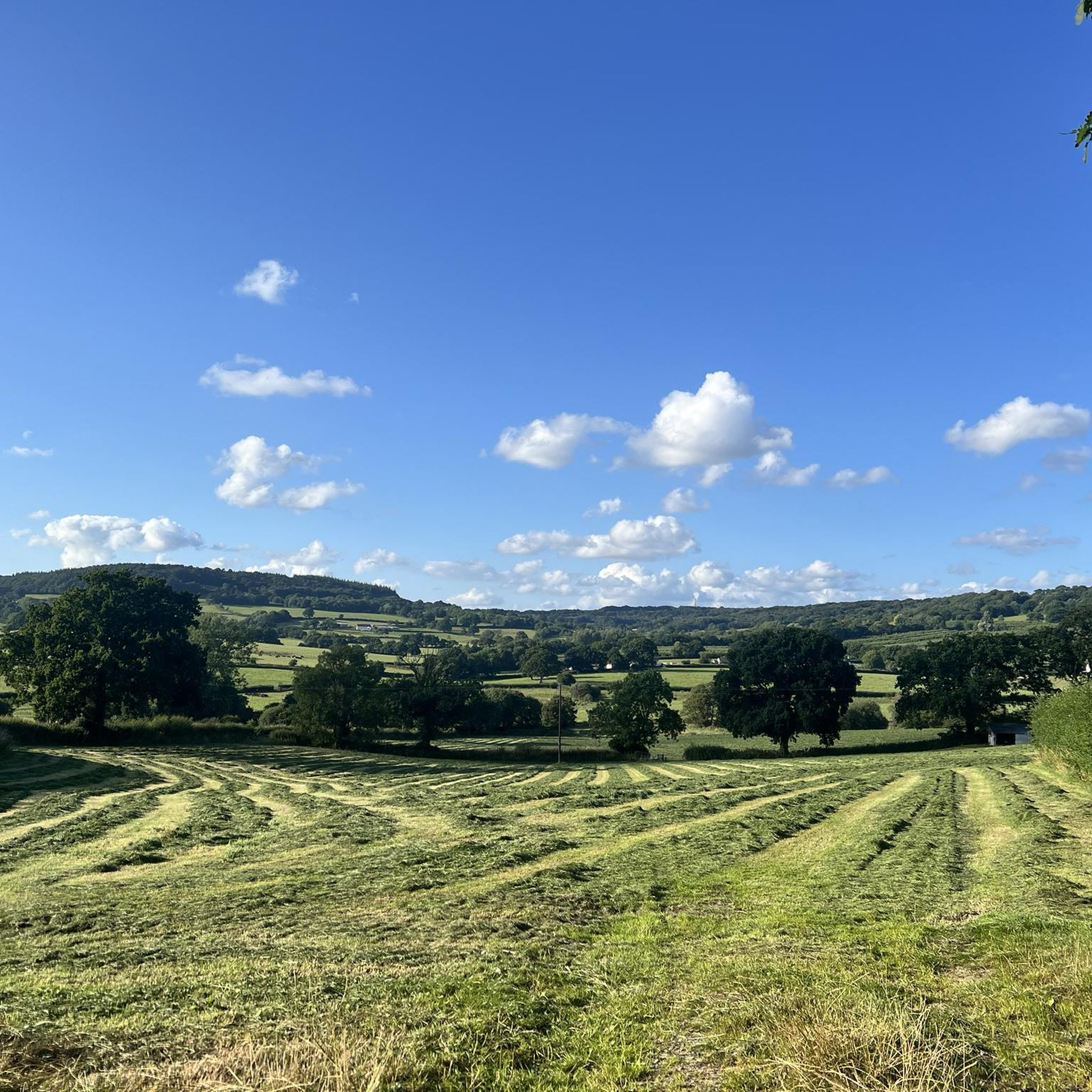
Best attractions and places to see around Clayhidon, a village in Devon, benefit from its location within the Blackdown Hills Area of Outstanding Natural Beauty (AONB). The area offers a blend of natural beauty, historical landmarks, and local charm. Visitors can explore a rural setting known for its picturesque countryside and significant historical sites.
Best attractions and places to see around Clayhidon
- The most popular attractions is Castle Neroche Iron Age Hill Fort, a castle that was originally an…
Last updated: September 26, 2026
Castle Neroche Iron Age Hill Fort
Highlight • Castle
Tip by

Wellington Monument
Highlight • Climb
Tours are available from April to October 10:00 …
Tip by
Sign up now to discover places like this
Get recommendations on the best single tracks, peaks, & plenty of other exciting outdoor places.
St Mary's Church and Hemyock Castle
Highlight • Religious Site
Tip by

Braziers Coffee Roasters
Highlight • Cafe
Tip by
St Peter's Church, Staple Fitzpaine
Highlight • Historical Site
The Chancel ( area around the Altar ) dates back to the 14th …
Tip by

Sign up for free to discover even more attractions around Clayhidon.
Already have an account?
Start today with a free account
Your next adventure awaits.

Tips from the Community

wellington monument sits on the top of the black down hills so be prepared for a big climb from all directions
0
0

The church of st Peter is of norman origin and is listed as a Grade 1 building. The Chancel ( area around the Altar ) dates back to the 14th century. The North aisle was added about a century later, but the south porch and vestry were added much alter on in the 1800's. The Church has 6 bells, the oldest dating to the 1400's The crenellated three stage tower has merlons ( Designed slits for observations or firing ) Note on my pictures what appear to be gargoyles, but in fact are actually hunky punks ( grotesque gothic decorations which serve no purpose, unlike Gargoyles which are used a drainage features for water on the roof ).
3
0
Norman castle The earthworks at the site are larger than would normally be found in a castle from the Norman period, raising speculation that it reused previously developed features. The castle was probably built by Robert, Count of Mortain in the 11th century. Archaeological evidence suggests it was built in several stages. During the first a rampart enclosing 7.5 acres (3.0 ha) was built. Soon after the Norman Conquest a smaller inner ringwork was constructed. The site was later converted into a motte and bailey, with a corner of the 20 feet (6.1 m) high motte serving as a barbican. By the early 12th century the castle was no longer in regular use. However, its use was resumed during The Anarchy, a period of civil war and unsettled government during a succession dispute between the supporters of King Stephen (1135–1154) and those of his cousin, the Empress Matilda. Continued use in the later 12th century may have been by administrators of the surrounding royal forest as a base for operations against poachers.
2
1
Castle Neroche is a Norman motte-and-bailey castle on the site of an earlier hill fort in the parish of Curland, near Staple Fitzpaine, Somerset, England. It is a Scheduled Ancient Monument. The origin of the term Neroche is believed to be a contraction of the Old English words nierra and rechich or rachich for Rache, a type of hunting-dog used in Britain in the Middle Ages, giving a meaning of the camp where hunting dogs were kept. This also gives the site its alternative name of Castle Rache. Iron Age The reason for the construction of Iron Age hill forts has been a subject of debate. It has been argued that they could have been military sites constructed in response to invasion from continental Europe, sites built by invaders, or a military reaction to social tensions caused by an increasing population and consequent pressure on agriculture. The dominant view since the 1960s has been that the increasing use of iron led to social changes in Britain. Deposits of iron ore were separated from the sources of tin and copper necessary to make bronze, and as a result trading patterns shifted and the old elites lost their economic and social status. Archaeologist Barry Cunliffe believes that population increase played a role and has stated "[the forts] provided defensive possibilities for the community at those times when the stress [of an increasing population] burst out into open warfare. But I wouldn't see them as having been built because there was a state of war. They would be functional as defensive strongholds when there were tensions and undoubtedly some of them were attacked and destroyed, but this was not the only, or even the most significant, factor in their construction.
2
0

St Mary’s church Hemyock appeared on the show”Blind Date” in 2008 The church can be traced back to 1120 and Hemyock castle adjacent was a focal point of clashes during the civil war fought between Cromwell and his parliamentarians (Roundheads) and the the royalists under the King Charles 1.
1
0


Hemyock is the largest village within the Blackdown Hills Area of Natural Beauty in Somerset. The village features a number of fascinating historic buildings, including a medieval castle, an Elizabethan chapel, a church that dates back to Norman times, and a pub that's been established since 1740!
4
0

Parts of the church date back to Norman times with the doorway on the south side being the best visible Norman build remaining. The Chancel is 14th century and the tower added in the 1500's. The old sandstone cross in the churchyard is from the 14th century.
2
0
Frequently Asked Questions
What historical landmarks can I explore around Clayhidon?
Clayhidon and its surroundings are rich in history. You can visit the ancient Castle Neroche Iron Age Hill Fort, which was originally an Iron Age settlement before a Norman motte-and-bailey castle was built on it. Other notable sites include St Mary's Church and Hemyock Castle, featuring a Norman church and a 14th-century medieval castle, and St Peter's Church, Staple Fitzpaine, with parts dating back to Norman times. The Wellington Monument, the world's tallest three-sided obelisk, also commemorates a significant historical event.
Are there any family-friendly attractions in the Clayhidon area?
Yes, several attractions around Clayhidon are suitable for families. Castle Neroche Iron Age Hill Fort offers an engaging outdoor experience exploring ancient earthworks within a forest. St Peter's Church, Staple Fitzpaine, is also listed as family-friendly, providing a glimpse into local history. For a treat, Braziers Coffee Roasters is a family-friendly cafe where you can enjoy drinks and snacks.
What natural features and wildlife can I discover near Clayhidon?
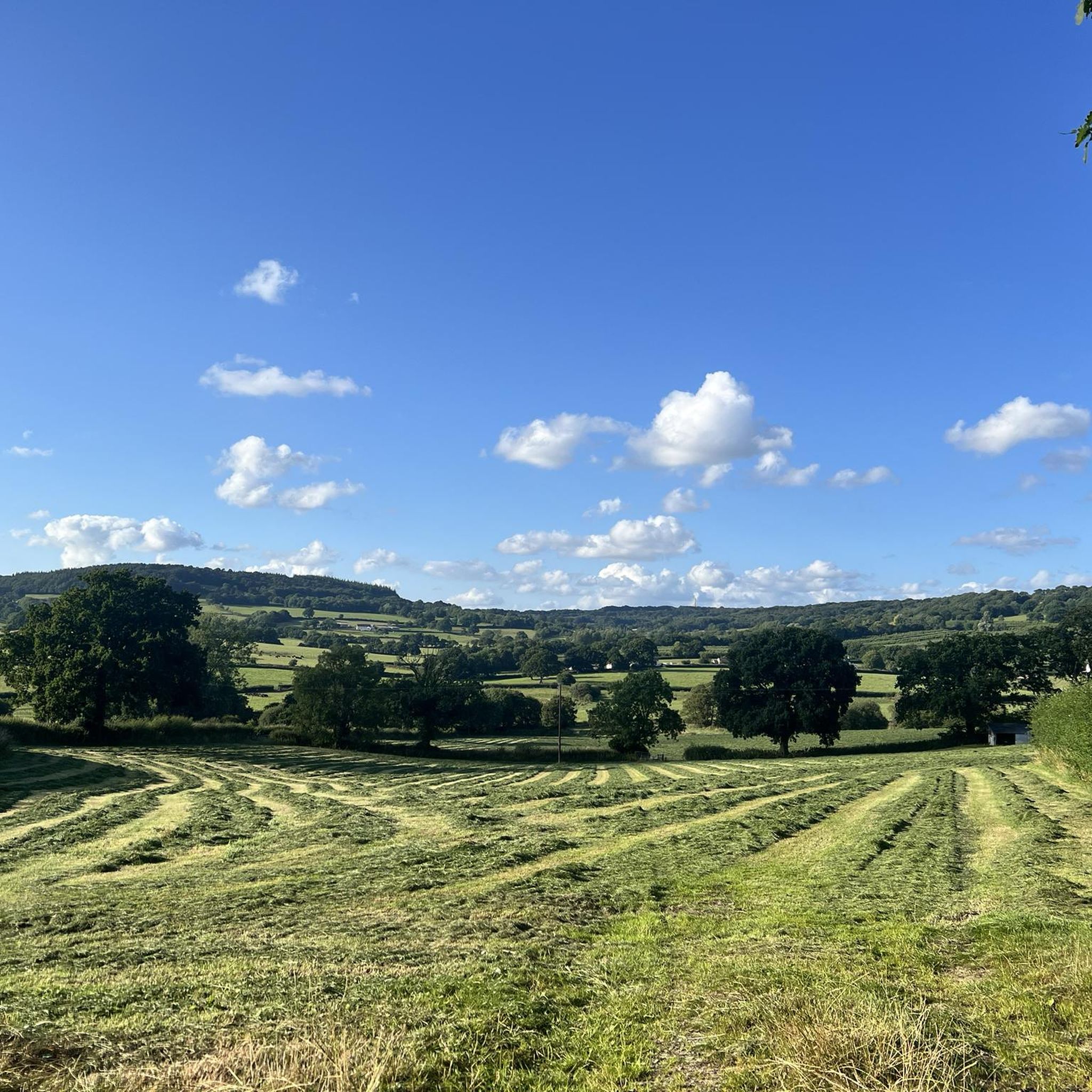
Clayhidon is nestled within the beautiful Blackdown Hills Area of Outstanding Natural Beauty (AONB), offering an unspoiled landscape perfect for nature lovers. A key natural highlight is Clayhidon Turbary, an 18-hectare wildlife haven with heathland, scrub, and young woodland. Here, you might spot tawny owls, adders, or slow worms, and observe native cattle and ponies grazing. The area is known for its unusual flora and fauna, especially in its wet heathland and bog sections.
Where can I go for a walk or hike around Clayhidon?
The Blackdown Hills AONB provides numerous opportunities for walking and hiking. A fairly gentle 7.5 km (4.5 mile) walking route connects Hemyock to Ashculme and Clayhidon, offering a chance to visit a nature reserve. For more structured routes, you can explore the hiking trails around Clayhidon, which include options like the Wellington Monument Circular Walk and routes connecting Hemyock to Culmstock Beacon.
Are there any cycling routes or mountain biking trails near Clayhidon?
Yes, the area around Clayhidon is popular for cycling. You can find a variety of mountain biking trails, including routes like the Staple Hill Trail loop from Corfe or the Hemyock Village Pump – Wellington Monument loop from Otterford. For gravel biking, there are options such as the Forest Dirt Path – Staple Hill Trail loop. Explore more routes in the MTB Trails around Clayhidon guide and the Gravel biking around Clayhidon guide.
What are some unique local experiences or hidden gems in Clayhidon?
Beyond the main attractions, you can visit Palmers Farm Milk, where you can get fresh milk and milkshakes from vending machines, along with other local produce like sausages and brownies. For a traditional experience, The Half Moon Inn offers a welcoming atmosphere with a log fire and locally sourced food, and it's often included in local walking routes.
What kind of views can I expect from attractions in the area?
Many sites offer excellent views of the surrounding countryside. Castle Neroche Iron Age Hill Fort, though covered in trees, provides amazing views between the trunks of the old earthworks. The Wellington Monument is also a great viewpoint, and if you book a tour, you can climb to a lookout point at the top for panoramic vistas.
Where can I find refreshments or a place to eat near Clayhidon's attractions?
For coffee and light bites, Braziers Coffee Roasters is a popular spot offering quality coffee, cakes, and food. If you're looking for a traditional pub experience, The Half Moon Inn in Clayhidon village serves locally sourced food and drinks in a historic setting. Hemyock, the largest village in the Blackdown Hills AONB, also has a pub and a small shop for supplies.
What is the significance of the Blackdown Hills AONB to Clayhidon?
Clayhidon's location within the Blackdown Hills AONB is central to its appeal. The AONB is described as an almost secret area with a precious and unique landscape, largely unspoiled. It provides the backdrop for the village's natural beauty, offering extensive opportunities for outdoor activities like walking and hiking, and contributing to the area's rural charm and tranquil atmosphere.
Are there any churches with historical importance in Clayhidon?
Yes, St. Andrew's Church in Clayhidon is a significant 13th-century parish church, known for its chancel arch, golden roof bosses, and a finely carved pulpit. Additionally, nearby St Mary's Church in Hemyock dates back to Norman times, and St Peter's Church, Staple Fitzpaine, also has Norman origins with parts from the 14th and 15th centuries.
What do visitors enjoy most about the attractions around Clayhidon?
Visitors particularly appreciate the blend of natural beauty and historical significance. The ancient earthworks and views at Castle Neroche Iron Age Hill Fort are highly rated, as is the historical depth of churches like St Peter's Church, Staple Fitzpaine. The community also enjoys the outdoor activities available within the Blackdown Hills AONB, with many sharing photos and upvoting the various points of interest.
Most popular attractions around Clayhidon

Get inspired with the komoot mobile app


Explore more
Still not found the Highlight you’re looking for? See guides of the top attractions in other regions:
