Attractions and Places To See around Copplestone - Top 10
Attractions and places to see around Copplestone, a village in Mid Devon, England, offer a blend of historical significance and natural beauty. The area is characterized by its surrounding hills and proximity to Dartmoor and Exmoor, providing varied natural landscapes. The ancient Copplestone Cross stands as a prominent landmark within the village. Copplestone serves as a base for exploring historical sites, cultural locations, and outdoor activities in the wider Devon area.
Best attractions and places to see around Copplestone
- The most popular attractions is Shobrooke Park Lake and Stone Bridge, a historical site that features a 180-acre park with grand lakes and sweeping vistas. The Devonshire Heartland Way traverses its southern section.
- Another must-see spot is Collegiate Church of the Holy Cross, Crediton, a religious building that dominates Crediton and has a history spanning over 1,000 years. Much of its current structure was added in later centuries.
- Visitors also love St Swithun's Church and Holy Well, a natural monument and medieval church located on the edge of Shobrooke village. It offers views of the pastoral landscape, with a holy well nearby.
- Copplestone is known for its historical sites, natural features, and walking and cycling routes. Visitors can explore a variety of attractions, from ancient crosses to medieval churches and tranquil river settings.
- The attractions around Copplestone are appreciated by the komoot community, with more than 15 upvotes and 7 photos shared by visitors.
Last updated: August 3, 2026
Shobrooke Park Lake and Stone Bridge
Highlight • Historical Site
Now, the park is sometimes open to the public, with its grand lakes and sweeping vistas. The Devonshire Heartland Way traverses the southern section all year round.
Tip by

St Swithun's Church and Holy Well
Highlight • Natural Monument
If you hike up the lane opposite towards the village centre, you'll find the holy well embedded into a grassy bank on the eastern side.
Tip by
Sign up now to discover places like this
Get recommendations on the best single tracks, peaks, & plenty of other exciting outdoor places.
Sign up for free
Collegiate Church of the Holy Cross, Crediton
Highlight • Religious Site
Tip by
Tuckingmill Bridge, spanning the River Yeo
Highlight • Bridge
Tip by
North Tawton Town Square
Highlight • Monument
The poet Ted Hughes once called this village his home after buying a house here in 1961 with Sylvia Plath. Hughes continued to live in the village until his death in 1998.
Tip by
Sign up for free to discover even more attractions around Copplestone.
Sign up for free
Already have an account?
Start today with a free account
Your next adventure awaits.
Login or Signup


Tips from the Community

Great you enjoyed your passage via Tucking Mill
0
0

Scooped some water out, filtered it and a made a coffee.
3
0

This proud, medieval church stands on the edge of Shobrooke village and, like so many churches in the area, has wonderful views over the rolling, pastoral landscape. The church dates back to the 15th century but the interior is considerably younger, mostly Victorian. If you hike up the lane opposite towards the village centre, you'll find the holy well embedded into a grassy bank on the eastern side.
3
0
A 180-acre (73 ha) park, wandering around the grounds is utter bliss. A deer park has been here for hundreds of years and there was also manor house, built in the 18th century. Whilst the house functioned as a school during the Second World War, it sadly burnt down in 1945 and was never rebuilt. Now, the park is sometimes open to the public, with its grand lakes and sweeping vistas. The Devonshire Heartland Way traverses the southern section all year round.
2
0
This immensely impressive church dominates Crediton and is an icon of the town. The church dates back over 1,000 years although much of what you see was added in later centuries. Its official name is the Collegiate Church of the Holy Cross and the Mother of Him Who Hung Thereon.
2
0
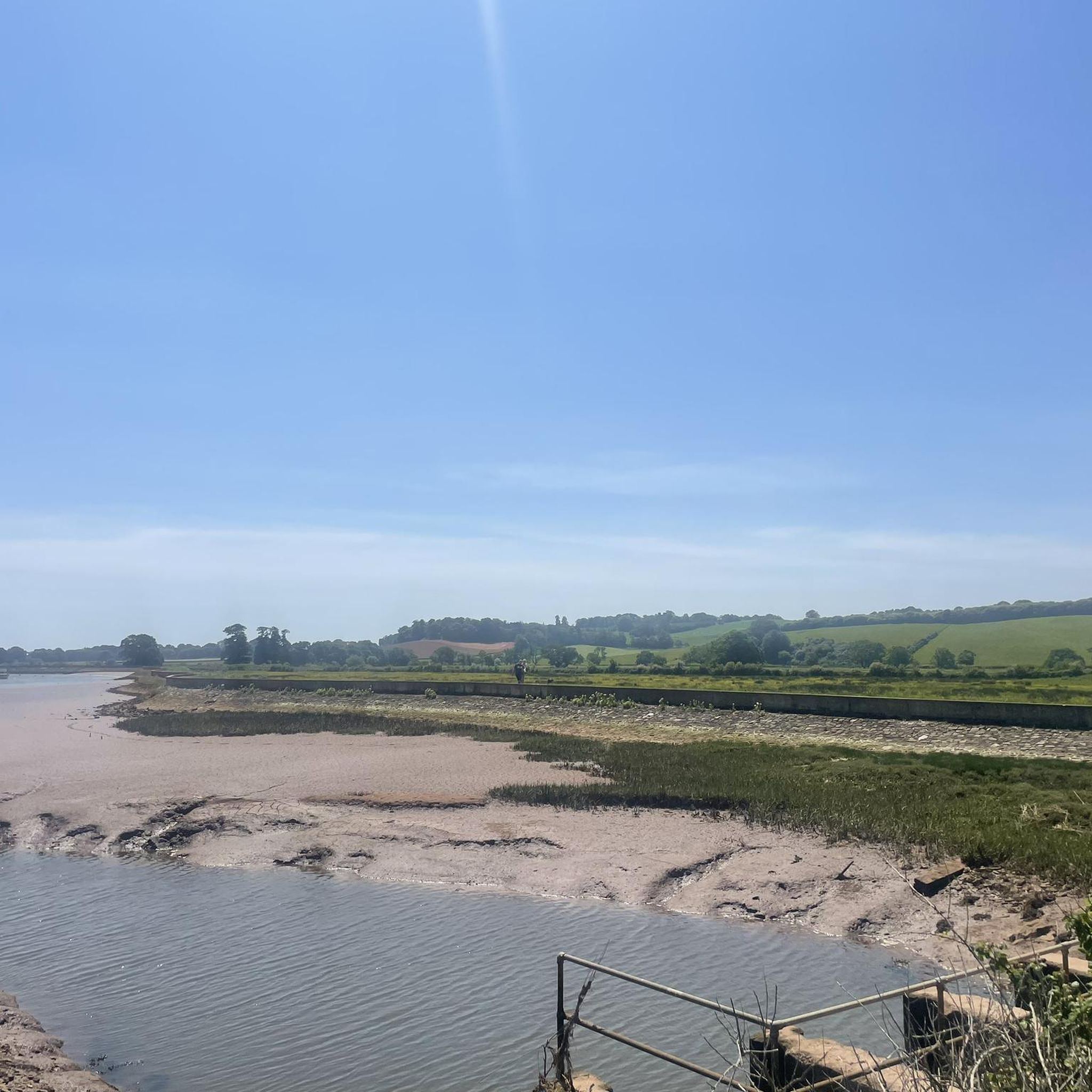
A Grade-II listed stone bridge just outside Zeal Monachorum, Tuckingmill Bridge sits in a tranquil setting. It was likely built in the late 18th or early 19th century and spans the River Yeo (one of several in the area). With moss dappling its stonework, it's a lovely place to pause and admire the water.
2
0
North Tawton is a lovely village with a particularly pretty square. The town hall is a Grade II-listed building dating to the 19th century whilst a mullion windowed house with a gorgeous door dates back to the 16th. A clock tower sits in the middle and was built in 1887. The poet Ted Hughes once called this village his home after buying a house here in 1961 with Sylvia Plath. Hughes continued to live in the village until his death in 1998.
0
0
Frequently Asked Questions
What historical landmarks can I explore in and around Copplestone?
Copplestone is rich in history. The most prominent landmark is the ancient 10th-century Copplestone Cross, located directly in the village. Nearby, you can visit the impressive Collegiate Church of the Holy Cross, Crediton, which boasts over 1,000 years of history. Another significant site is St Swithun's Church and Holy Well, a medieval church with wonderful views and a nearby holy well. Don't miss Tuckingmill Bridge, a Grade-II listed stone bridge spanning the River Yeo, and the picturesque North Tawton Town Square with its historic buildings.
Are there natural attractions or scenic spots near Copplestone?
Yes, the area offers several natural beauties. Shobrooke Park Lake and Stone Bridge features a 180-acre park with grand lakes and sweeping vistas, and the Devonshire Heartland Way traverses its southern section. The River Yeo, spanned by Tuckingmill Bridge, provides a tranquil setting. Copplestone is also nestled among hills and offers proximity to the expansive natural landscapes of Dartmoor and Exmoor National Parks.
What outdoor activities can I do near Copplestone's attractions?
The area around Copplestone is excellent for outdoor activities. You can find numerous hiking trails, including easy loops like the 'Overgrown Countryside Footpath loop from Zeal Monachorum' and moderate options such as the 'St Mary's Church loop from Copplestone'. For more details on hiking, visit the Hiking around Copplestone guide. There are also road cycling routes, including moderate rides like the 'River Taw – Barnstaple Long Bridge loop from Morchard Road', which you can explore in the Road Cycling Routes around Copplestone guide. Running trails are also available, with options like the 'Running loop from Copplestone' detailed in the Running Trails around Copplestone guide.
Are there family-friendly attractions in the Copplestone area?
Absolutely. Many attractions are suitable for families. Shobrooke Park Lake and Stone Bridge offers open spaces for exploration. The Collegiate Church of the Holy Cross, Crediton, is also considered family-friendly, providing an opportunity to learn about local history. The various walking and cycling routes around Copplestone, especially the easier ones, are also great for families looking to enjoy the outdoors together.
What do visitors enjoy most about the attractions around Copplestone?
Visitors particularly appreciate the blend of historical significance and natural beauty. The tranquil settings of places like Tuckingmill Bridge and the sweeping vistas at Shobrooke Park Lake are highly valued. The historical depth of sites like the Copplestone Cross and the Collegiate Church also leaves a lasting impression. The komoot community has shared over 7 photos and given more than 15 upvotes, highlighting the area's appeal for exploration and scenic views.
How can I get to Copplestone and its attractions by public transport?
Copplestone is served by The Tarka Line railway, which connects Barnstaple to Exeter, offering a scenic way to reach the village. This makes it accessible for visitors relying on public transport. From the village, many attractions are reachable via local walking or cycling routes.
Are there any specific walking routes that pass by these attractions?
Yes, the Devonshire Heartland Way traverses the southern section of Shobrooke Park Lake and Stone Bridge, offering a great way to experience this historical park. Many local footpaths and trails also connect the villages and historical sites, allowing for scenic walks between attractions. You can find detailed hiking routes in the Hiking around Copplestone guide.
What is the best time of year to visit Copplestone for sightseeing and outdoor activities?
The area around Copplestone is enjoyable year-round, but spring and summer offer the most pleasant weather for outdoor activities like walking and cycling, with lush green landscapes. Autumn brings beautiful fall colours to the surrounding countryside. Even in winter, historical sites and less strenuous walks can be enjoyed, though some paths might be muddy.
Are there any hidden gems or lesser-known places to visit near Copplestone?
While the Copplestone Cross is well-known, the village of Bow, easily accessible from Copplestone, offers a charming community feel with local amenities. The tranquil setting of Tuckingmill Bridge over the River Yeo, with its moss-dappled stonework, is also a peaceful spot often appreciated by those seeking quiet beauty. Exploring the smaller villages and their local churches, like St Swithun's, can also reveal delightful discoveries.
Can I find places to eat or drink near the attractions?
While Copplestone itself is a small village, nearby villages like Bow offer local shops and amenities. Crediton, home to the Collegiate Church, is a larger town with various cafes, pubs, and restaurants. It's advisable to check specific opening times and locations when planning your visit.
Is Copplestone House open to the public?
Copplestone House is a large, listed building dating from around 1840, incorporating fragments of 16th-century work. However, it is a private residence and not generally open to the public for tours. Its historical architectural style can be appreciated from the exterior.
What is the significance of the Copplestone Cross?
The Copplestone Cross is an extraordinary 10th-century granite pillar, approximately 3.2 meters high, featuring intricate relief sculpted decoration. It is believed to be either a boundary stone or the surviving shaft of a decorated late Saxon cross, possibly erected in commemoration of Bishop Putta. It is a Grade I listed structure and its interlaced decoration is considered unique in Devon, making it a significant historical and cultural landmark.
Most popular routes around Copplestone

Get inspired with the komoot mobile app


Explore more
Still not found the Highlight you’re looking for? See guides of the top attractions in other regions:
