Bramdean And Hinton Ampner
Bramdean And Hinton Ampner
The best cycling routes around Bramdean And Hinton Ampner
4.6
(104)
1,700
riders
152
rides
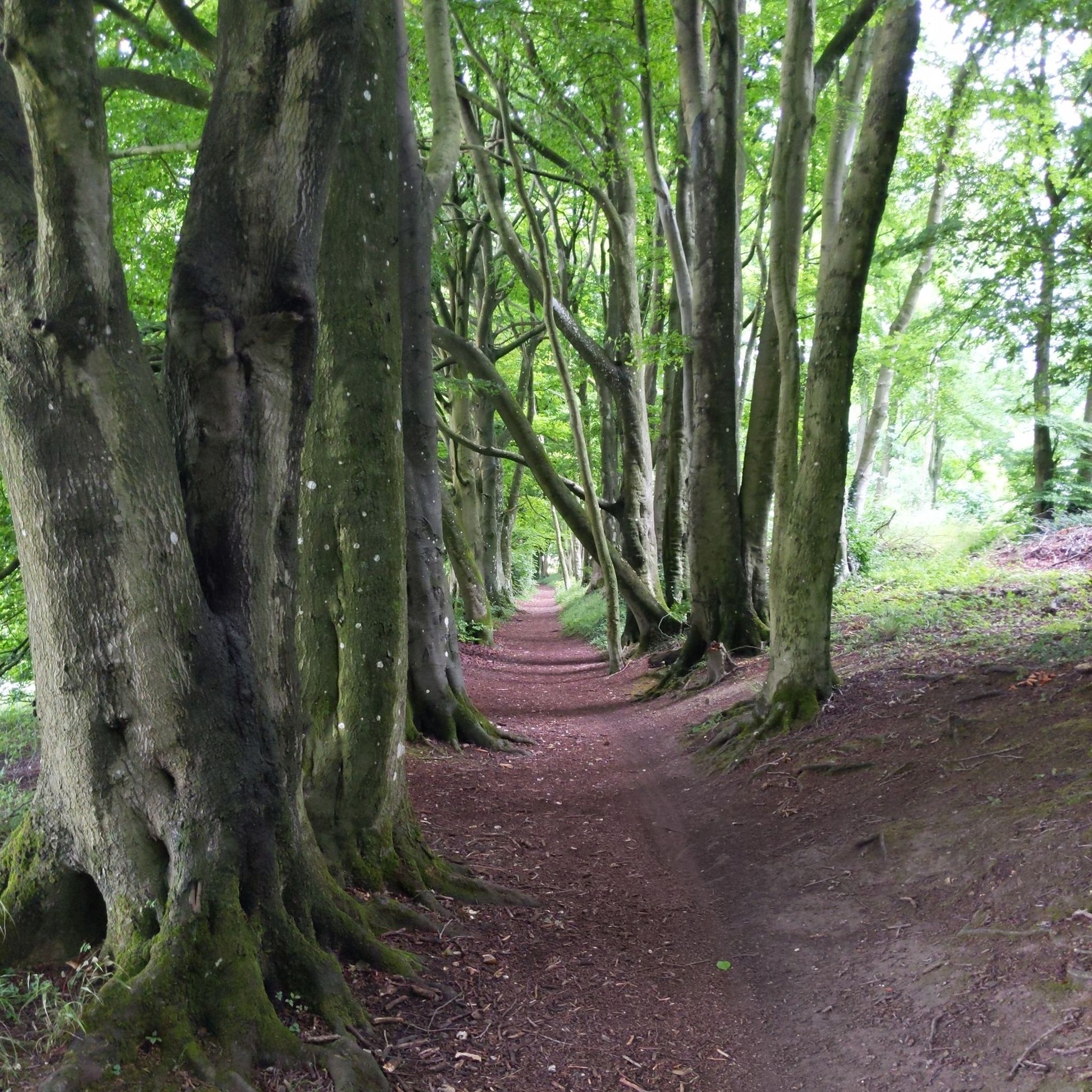
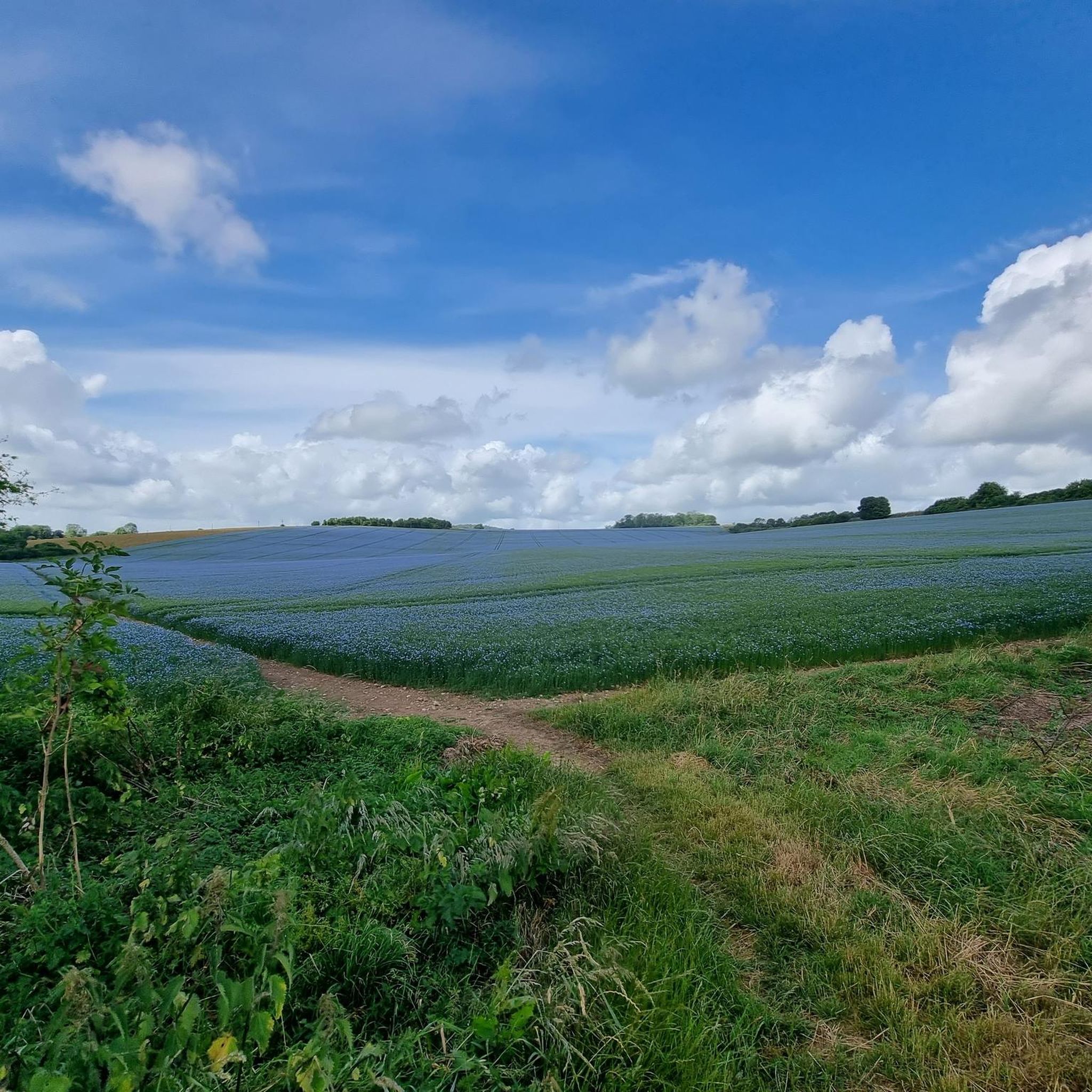
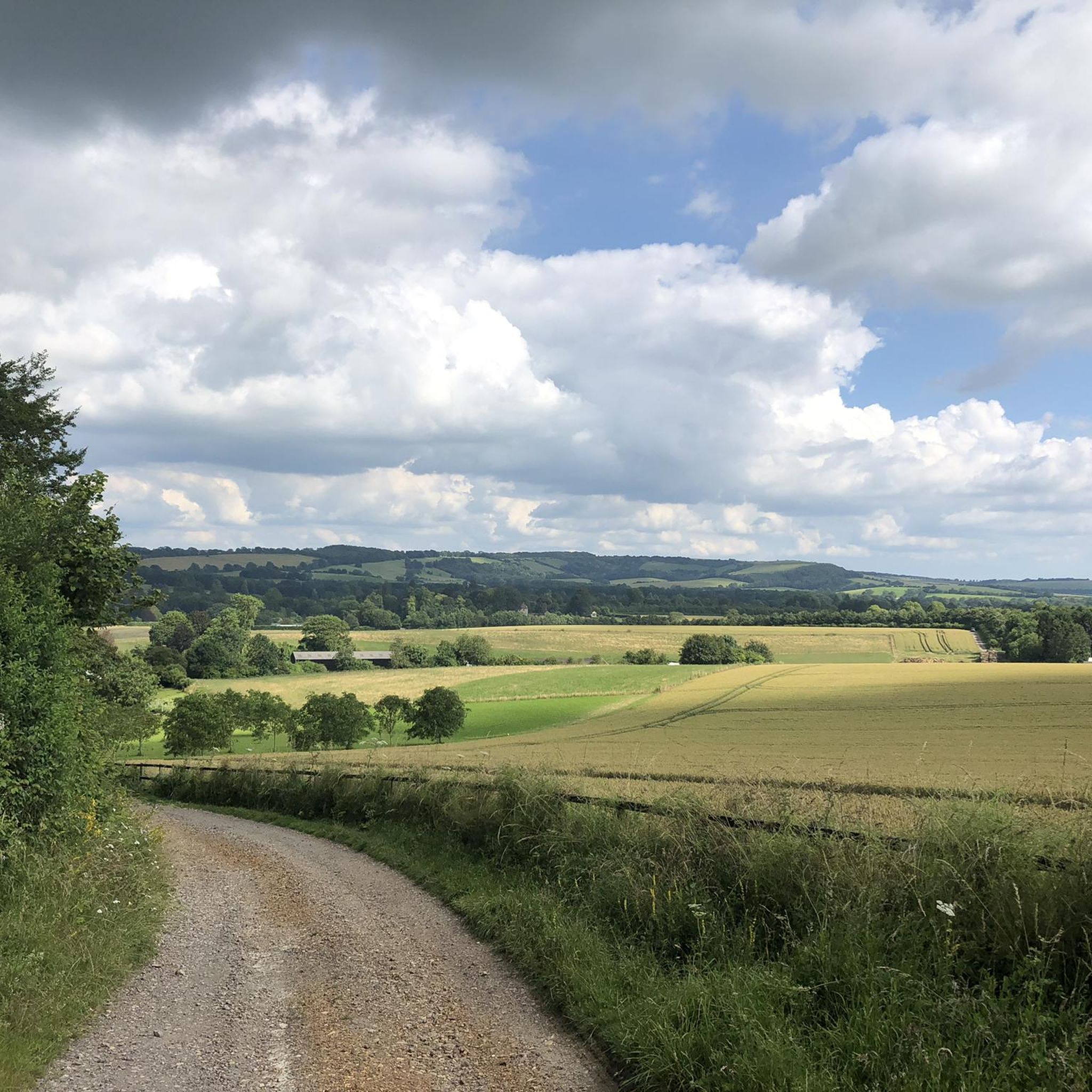
Touring cycling around Bramdean And Hinton Ampner offers routes through the heart of the Hampshire Downs, characterized by expansive chalk downland and rolling hills. The region is situated near the South Downs National Park, providing varied terrain including heathland, river valleys, and ancient woodlands. The Meon Valley Trail, a former railway line, offers a gentle cycling experience through scenic forest areas and alongside the River Meon. Ancient woodlands within the Hinton Ampner Estate contribute to the natural appeal, with the…
Last updated: May 20, 2026
4.7
(3)
8
riders
33.1km
02:06
370m
370m
Moderate bike ride. Good fitness required. Mostly paved surfaces. Suitable for all skill levels.
4.8
(22)
299
riders
32.2km
02:26
220m
220m
Moderate bike ride. Good fitness required. Mostly paved surfaces. Suitable for all skill levels.

Sign up for free
51
riders
24.3km
01:58
290m
290m
Moderate bike ride. Good fitness required. Mostly paved surfaces. Suitable for all skill levels.
3.3
(4)
27
riders
14.3km
01:08
100m
100m
Easy bike ride. Great for any fitness level. Mostly paved surfaces. Suitable for all skill levels.
4.7
(6)
40
riders
52.0km
03:11
510m
510m
Hard bike ride. Very good fitness required. Mostly paved surfaces. Suitable for all skill levels.
Get access to more routes and recommendations from other explorers.
Sign up for free
Already have an account?
Our route recommendations are based on thousands of hikes, rides, and runs completed by other people on komoot.
Start today with a free account
Your next adventure awaits.
Login or Signup
Tips from the Community

Light hills and lovely scenery. Lots of coffee stops in Arlesford.
0
0

St Catherine's Hill is a prominent chalk downland hill on the outskirts of Winchester, notable for its layered historical and ecological importance. Now a biological Site of Special Scientific Interest (SSSI) managed as a nature reserve, its summit is ringed by the impressive earthworks of a univallate Iron Age hillfort dating back over 2,000 years. The top is marked by a distinctive copse of beech trees, known as 'The Clump', which contains the scant ruins of the 12th-century St Catherine's Chapel, while the hillside features a turf-cut labyrinth known as the Miz-Maze; the entire site provides spectacular views over the city, the Itchen Valley, and supports a rich variety of wildflowers and butterflies, including the protected Chalkhill Blue.
1
0
The striking bronze statue of King Alfred the Great is one of Winchester's most recognizable landmarks, dominating The Broadway at the eastern end of the High Street near the River Itchen. Sculpted by Sir Hamo Thornycroft, the colossal, 15-foot-tall figure was erected in 1901 to commemorate the millennium of the king's death—a pivotal figure who made Winchester his capital and is credited with being "The Founder of the Kingdom and Nation," as inscribed on its granite base. Depicting a heroic, bearded Alfred in a regal stance with a downward-pointing sword hilt forming a cross, the statue celebrates his dual role as a military champion against the Vikings and an early Christian leader, all while standing proudly in the city he helped define.
1
0
The Royal Oak is a famously historic pub in Winchester, often claiming to be one of the oldest in England, with its origins reputedly tracing back to 1002 AD when the building served as the residence of the Anglo-Saxon Queen Emma. Tucked away in a narrow passage off the High Street, it exudes a traditional charm with its low ceiling beams and wood-panelled walls, and patrons can even venture into a cellar area said to contain remnants of the ancient structure. The pub's current name, which appeared in the 17th century, is believed to reference the Civil War and the Royalist support shown by its patrons, and today it remains a popular spot for enjoying classic pub food, cask ales, a weekly quiz, and a hearty Sunday roast.
1
0
The Sword: Alfred is shown grasping a large, cross-hilted sword with the point facing downwards. This posture is symbolic, representing not just his prowess as a warrior who defended his kingdom against the Vikings, but also his role as a Christian leader, with the hilt forming the shape of a cross. The Pedestal: The statue rests on a large pedestal of Cornish granite, which is inscribed with just one word: AELFRED. Historical Portrayal: Thornycroft's depiction is a romanticized, heroic one—showing Alfred with a long, flowing beard—even though contemporary coins suggest the King was clean-shaven. The monument represents the Victorian-era idea of Alfred as a perfect warrior, statesman, and philosopher king.
0
0
The statue depicts Alfred the Great (847–899 AD), who was the King of the West Saxons and is traditionally regarded as the first King of the Anglo-Saxons and the founder of the Kingdom of England. Winchester was his capital. Sculptor: Sir Hamo Thornycroft, a highly-regarded Royal Academician. Completion: It was completed in 1901, although it was commissioned to mark the millennium of King Alfred's death (which was in 899 AD). Size: The bronze statue is monumental, standing at 15 feet (4.57 m) high and weighing about five tons. The total height with its granite pedestal is around 40 feet. Location: It stands prominently at the eastern end of The Broadway, near the junction with Bridge Street and Eastgate Street, with the High Street extending behind it toward the city centre.
0
0

More information about King Alfred: https://www.cityofwinchester.co.uk/history/html/king_alfred.html
0
0

Winchester Cathedral in southern England is an impressive building steeped in history. Its Gothic architecture and intricate details make a visit a fascinating experience. Particularly impressive are the high vaults and the historic artworks that adorn the church. The interior exudes a serene and dignified atmosphere, inviting you to linger. The cathedral is a significant cultural and religious center, reflecting both history and spirituality. Overall, it is a worthwhile destination for visitors interested in architecture, history, and art.
2
0
Frequently Asked Questions
How many touring cycling routes are available in Bramdean And Hinton Ampner?
There are over 160 touring cycling routes available around Bramdean And Hinton Ampner, offering a wide variety of options for different preferences and skill levels.
What are the different difficulty levels for touring cycling routes in this area?
The routes in Bramdean And Hinton Ampner cater to various abilities. You'll find approximately 25 easy routes, nearly 100 moderate routes, and around 45 more difficult options for experienced cyclists looking for a challenge.
What do other cyclists say about touring cycling in Bramdean And Hinton Ampner?
The area is highly rated by the komoot community, with an average score of 4.6 stars from over 70 reviews. Cyclists often praise the scenic countryside, the tranquil Meon Valley Trail, and the diverse terrain of the Hampshire Downs.
Are there family-friendly touring cycling routes around Bramdean And Hinton Ampner?
Yes, the region offers several family-friendly options. The Meon Valley Trail loop from West Meon is an easy 8.9-mile route that follows a former railway line, providing a gentle and scenic experience suitable for families. The Meon Valley Trail itself is known for its flat, accessible sections.
Are there any circular touring cycling routes in the Bramdean And Hinton Ampner area?
Many of the touring cycling routes in the area are circular, allowing you to start and end at the same point. For example, the Selbourne and Privett loop from Ropley — South Downs National Park is a popular moderate circular route exploring the northern edge of the South Downs.
What kind of scenery can I expect on touring cycling routes in Bramdean And Hinton Ampner?
You can expect diverse and picturesque scenery, including expansive chalk downland, rolling hills of the Hampshire Downs, ancient woodlands (especially beautiful in spring with bluebells), and tranquil river valleys like the Meon Valley. Many routes offer stunning views over the Hampshire countryside and into the South Downs National Park.
Are there options for longer touring cycling trips in the region?
Yes, for longer trips, consider routes that extend into the South Downs National Park. The St Catherine's Hill – Winchester Cathedral loop from Ropley is a more challenging 32.3-mile route that offers a substantial touring experience, taking you through varied landscapes and towards historic Winchester.
What interesting places can I explore along the touring cycling routes?
Along your rides, you can explore several points of interest. The Meon Valley Trail itself is a highlight, following a former railway line. You might also pass by the historic Avington Park Mansion and Lake, or the significant Old Winchester Hill, which is also a National Nature Reserve.
Are there any historical landmarks or natural reserves to visit while cycling?
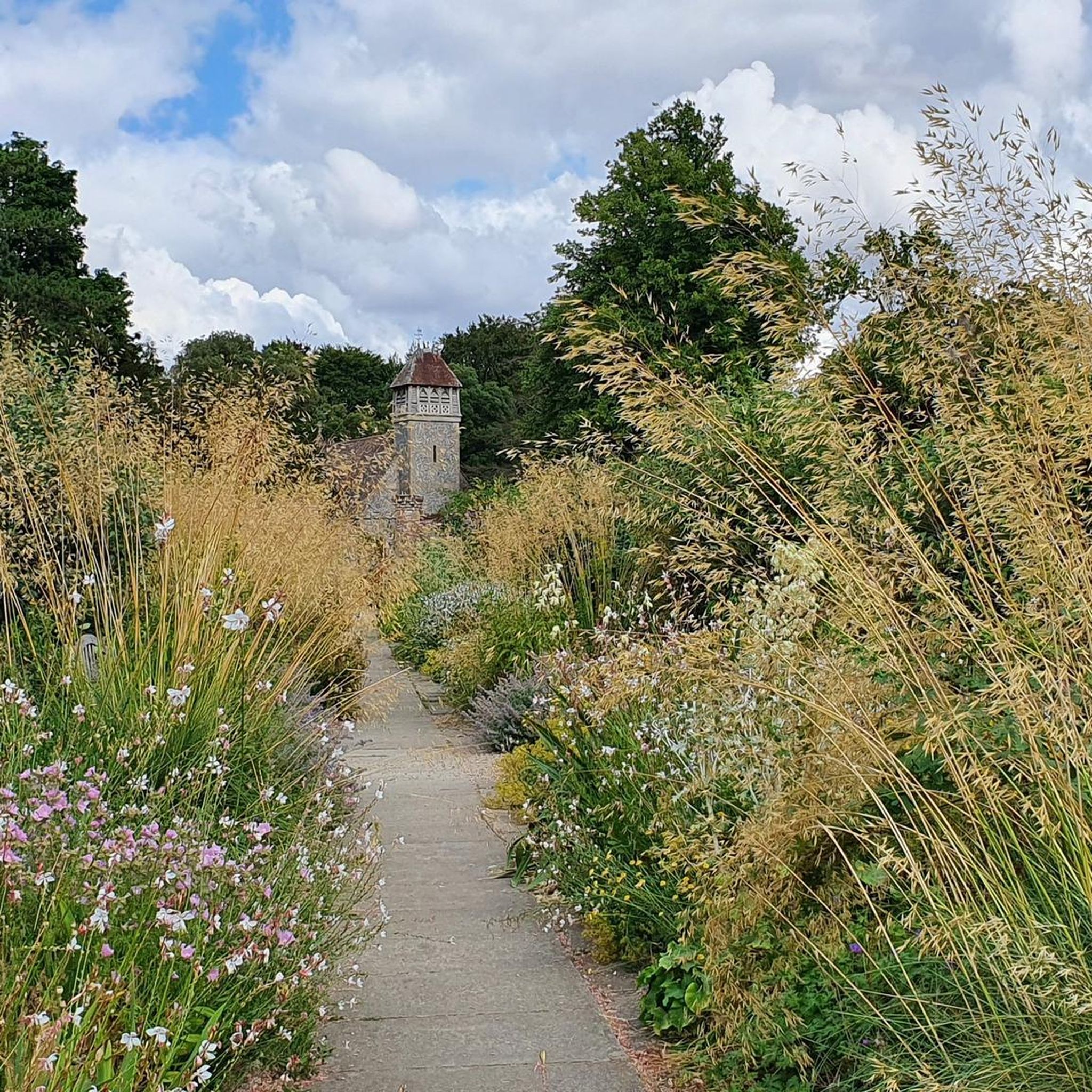
Absolutely. The Old Winchester Hill National Nature Reserve is a notable chalk grassland rich in biodiversity and features an Iron Age Hillfort. The Hinton Ampner Estate itself has ancient woodlands and the historic Hinton Ampner House and Gardens. You might also encounter the Hazeley Down War Memorial on some routes.
When is the best time of year to go touring cycling in Bramdean And Hinton Ampner?
Spring and summer are generally ideal for touring cycling in this region, offering pleasant weather and vibrant landscapes. In spring, the ancient woodlands are carpeted with bluebells and wood anemones. The South Downs National Park, which borders the area, is beautiful year-round, but conditions are most favorable from late spring to early autumn.
Are there places to stop for refreshments or food along the cycling routes?
Yes, many routes pass through picturesque villages such as Cheriton, Exton, and West Meon, which offer opportunities for rest stops and refreshments at local cafes and pubs. The River Meon Picnic Spot – Meon Valley Trail loop from West Meon specifically highlights a picnic spot, perfect for a break.
Is there parking available for cyclists near the touring routes in Bramdean And Hinton Ampner?
While specific parking details vary by route, many trailheads and villages in the area, such as Ropley or West Meon, offer public parking facilities suitable for accessing the cycling routes. It's advisable to check local parking options for your chosen starting point.
Can I access touring cycling routes in Bramdean And Hinton Ampner using public transport?
Public transport options exist to reach the general area. For example, train services connect to nearby towns like Winchester, from which you can cycle to Bramdean and Hinton Ampner. Some bus services may also operate in the villages, but checking specific routes and bike carriage policies is recommended.
Most popular routes around Bramdean And Hinton Ampner
Most popular attractions around Bramdean And Hinton Ampner

Get inspired with the komoot mobile app


Explore more
Browse the best Cycling routes in other regions.
