Attractions and Places To See around Toppesfield - Top 20
Best attractions and places to see around Toppesfield, a village in Essex, include a mix of historical sites, natural features, and local community spots. The area is characterized by picturesque countryside, open farmland, and public footpaths, making it suitable for outdoor exploration. Visitors can discover notable landmarks and cultural sites within the village and its surroundings.
Best attractions and places to see around Toppesfield
- The most popular attractions is Cavendish Village, a historical site and settlement. It features a traditional green, thatched cottages, and pubs, with the Stour Valley Path passing through.
- Another must-see spot is Quiet Lane Between Sturmer and Steeple Bumpstead, a trail suitable for cycling. This lane offers views and is noted for its quiet nature, though some sections may have potholes.
- Visitors also love Hedingham Castle, a 900-year-old Norman keep. It is beautifully maintained and offers historical significance, with views from further away as you approach the village.
- Toppesfield is known for historical sites, natural trails, and local cafes. The area offers a variety of attractions to see and explore, from ancient churches to scenic countryside routes.
- The attractions around Toppesfield are appreciated by the komoot community, with 20 upvotes and 6 photos shared.
Last updated: May 9, 2026
Finchingfield Village Green
Highlight • Settlement
Tip by

Quiet Lane Between Sturmer and Steeple Bumpstead
Highlight (Segment) • Trail
Tip by

Sign up now to discover places like this
Get recommendations on the best single tracks, peaks, & plenty of other exciting outdoor places.
Sign up for free
Hedingham Castle
Highlight • Castle
Tip by

The Blue Egg Café
Highlight • Cafe
Tip by
Cavendish Village
Highlight • Historical Site
Tip by

Sign up for free to discover even more attractions around Toppesfield.
Sign up for free
Already have an account?
Start today with a free account
Your next adventure awaits.
Login or Signup
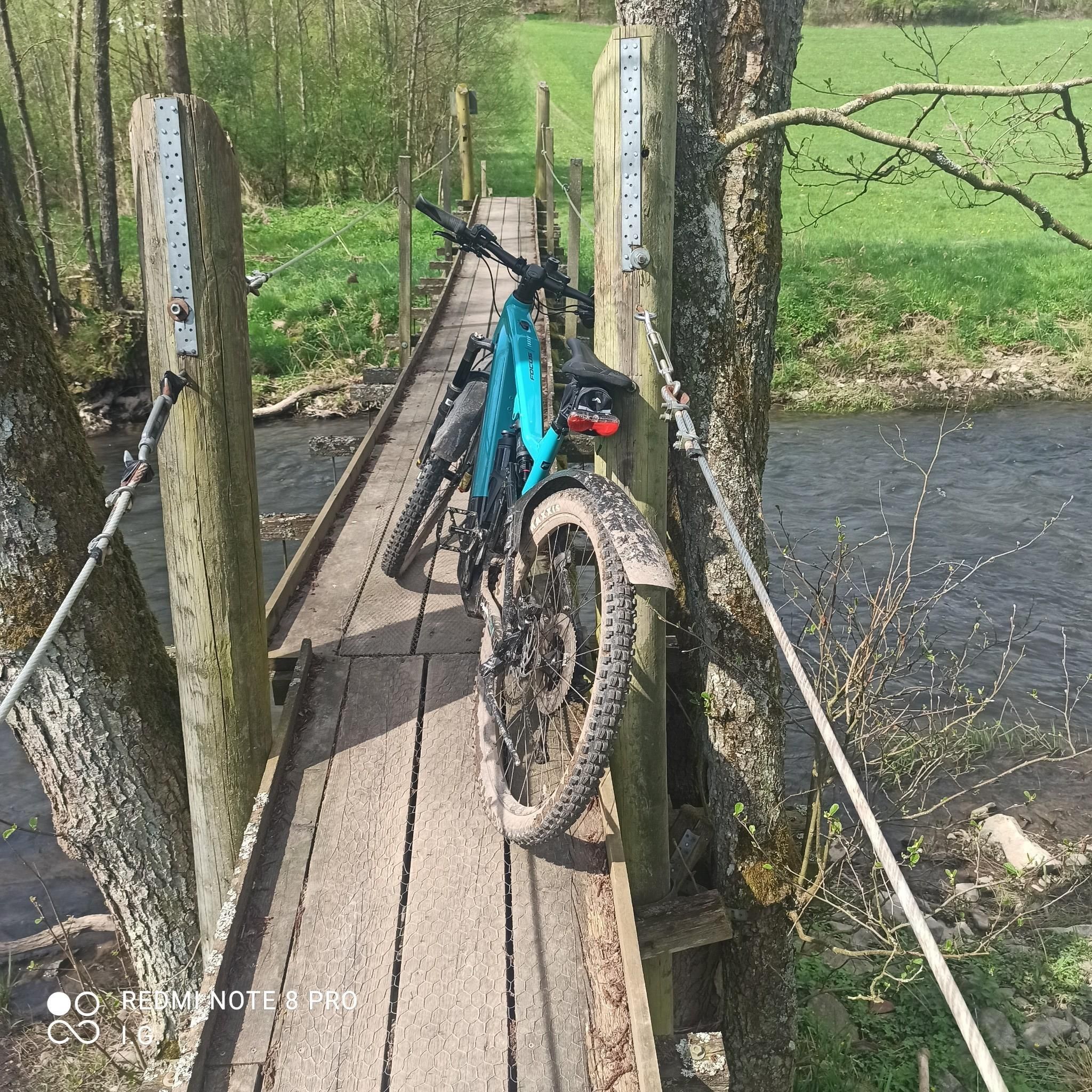

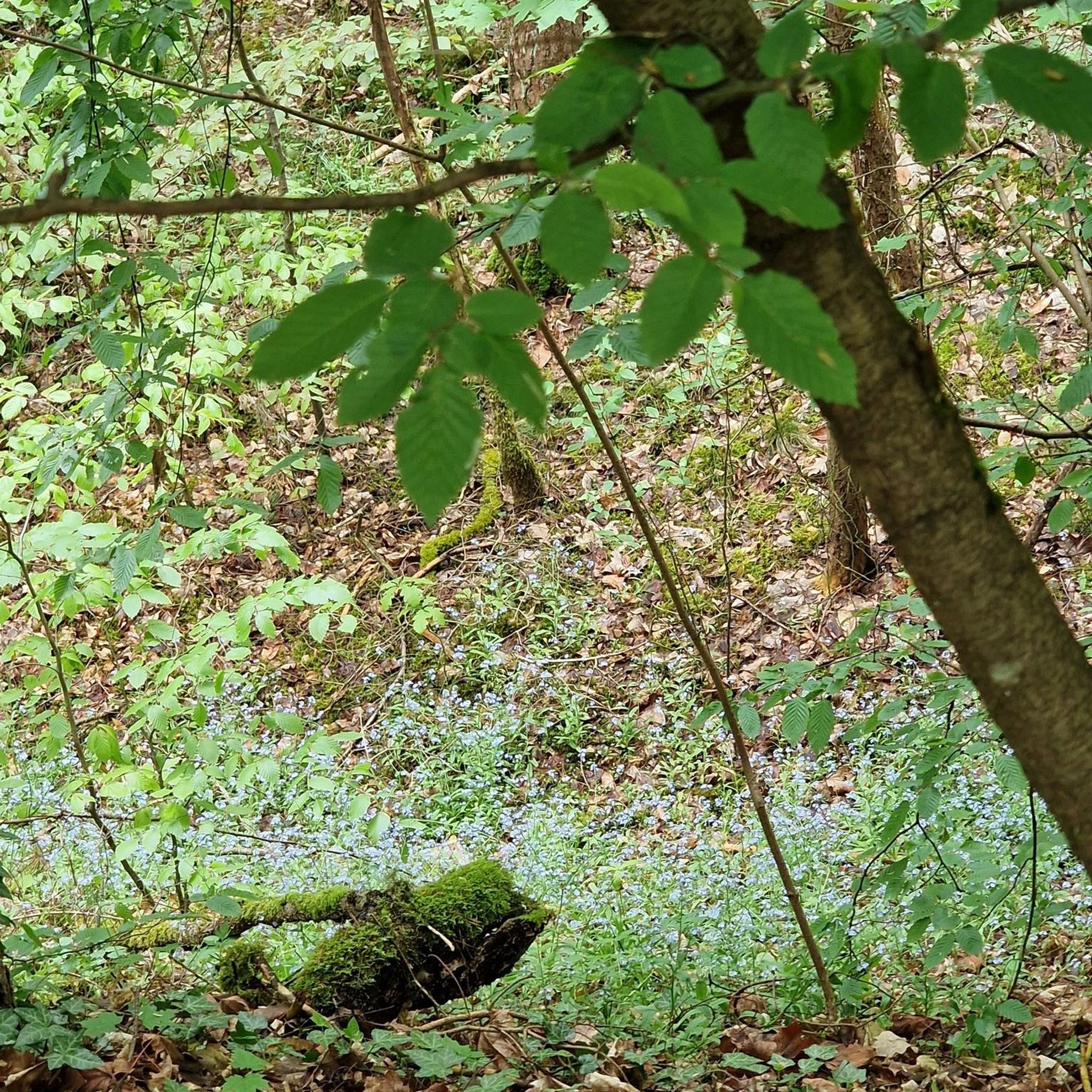
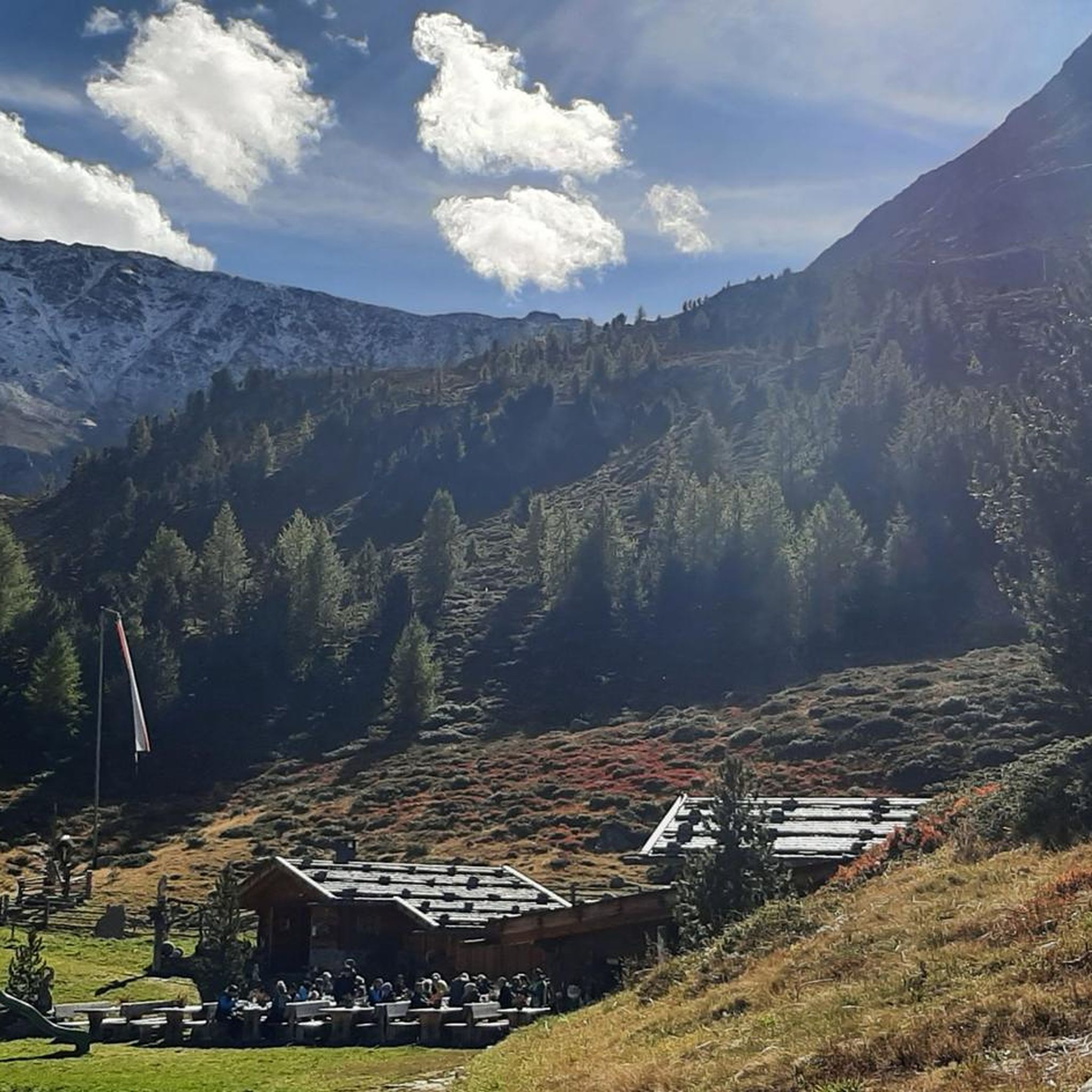
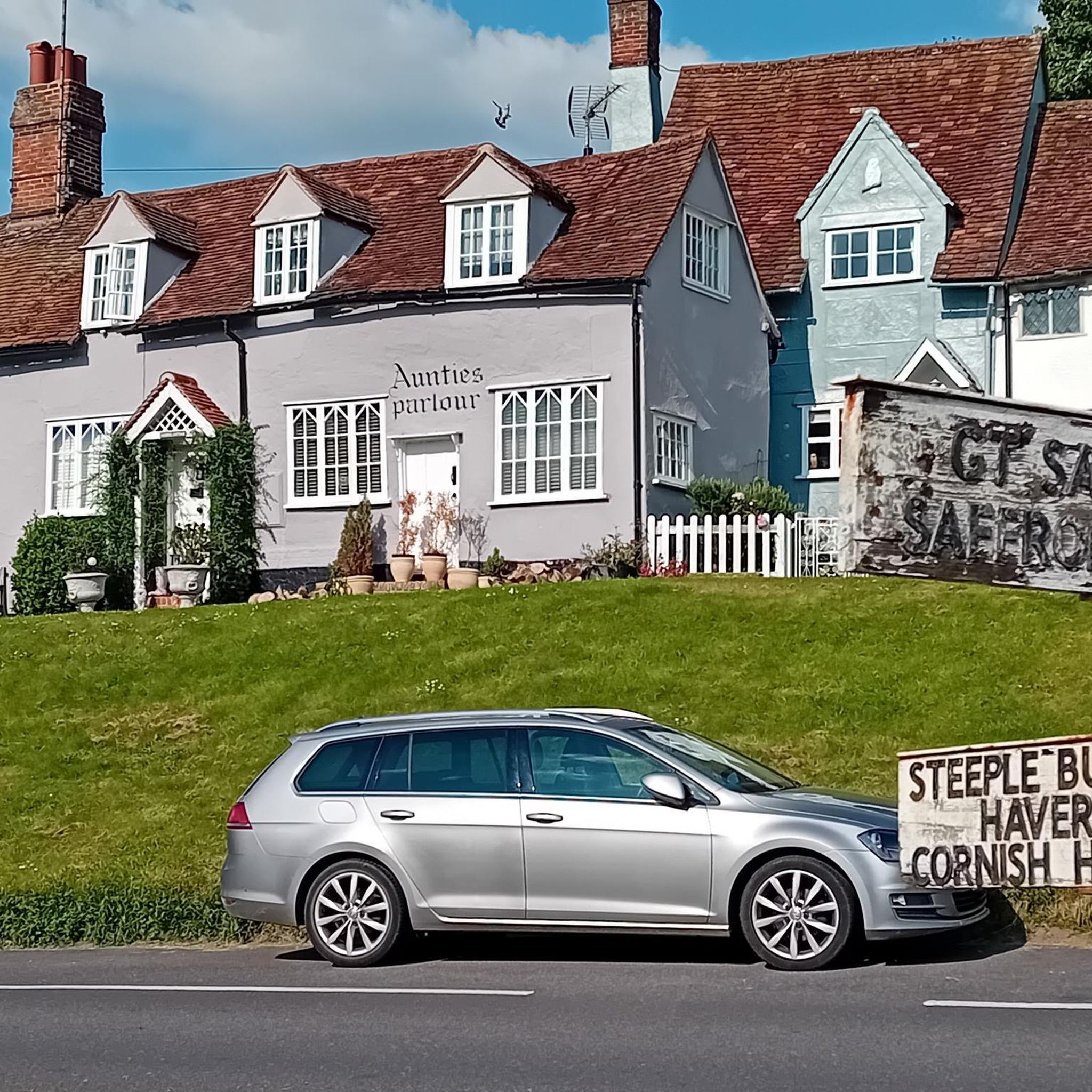
Tips from the Community

Classic cafe stop in the area, always plenty of cyclists and places to put your bike.
0
0

picturesque village with an idyllic pub location!
1
0

Unfortunately you can't see much of the castle from the road. The best views are from further away, as you enter the village, where the top of the keep rises above the trees.
0
0
The northern end near Sturmer is narrow and twisting but the surface is fairly decent, especially as you climb away from the junction with the main road, but the road towards Steeple Bumpstead is in poor condition and covered in piles of loose sand and stones. One that’s better for the tourers than the roadies.
0
0
Go down the lane to the left of the main building to reach the garden and bike parking area behind. The front entrance is for drivers using the car park.
0
0

Cavendish is one of those achingly picturesque English villages, with a traditional green and quaint thatched cottages. There is a trio of pubs in the village centre where you can find a meal and a bed for the night. The Stour Valley Path passes through the village, as it follows the River Stour from source to sea.
2
1


Popular & spacious cyclists cafe with good range of cake. It has outside seating around the back and dedicated cycling racks.
0
0
Frequently Asked Questions
What historical sites can I explore around Toppesfield?
Toppesfield and its surroundings are rich in history. You can visit the historic Hedingham Castle, a 900-year-old Norman keep. Within Toppesfield village, the Parish Church of St Margaret features a distinctive 1699 West Tower, 15th-century elements, and consecration crosses from around 1330. Other historical buildings include Toppesfield Hall, Toppesfield Stores, and Bradfields Farm, which has medieval origins.
Are there good walking or hiking opportunities near Toppesfield?
Yes, Toppesfield is surrounded by picturesque countryside with open farmland, hills, and valleys, making it ideal for walking. There are numerous public footpaths within the village and leading to nearby areas like Great Yeldham and Castle Hedingham. For specific routes, you can explore options like the 'Hedingham Castle – Hulls Mill loop' or the 'Hedingham Castle loop from Sible Hedingham'. Find more hiking routes in the Hiking around Toppesfield guide.
What cycling routes are available around Toppesfield?
The area offers various cycling routes for different skill levels. A notable spot is the Quiet Lane Between Sturmer and Steeple Bumpstead, which is suitable for cycling and offers scenic views. You can find routes such as the 'Finchingfield Village Green – Moot Hall, Steeple Bumpstead loop' or the 'Salt Corner and Village Lanes – Hedingham Castle loop'. Discover more options in the Road Cycling Routes around Toppesfield guide and the Cycling around Toppesfield guide.
Are there any family-friendly attractions in the Toppesfield area?
Yes, several attractions are suitable for families. Hedingham Castle is a historical site that often hosts events and is generally considered family-friendly. The charming Cavendish Village, with its traditional green and thatched cottages, offers a pleasant environment for a family stroll. Additionally, the public footpaths around Toppesfield provide opportunities for family walks in nature.
Where can I find places to eat or get refreshments near Toppesfield attractions?
For refreshments, The Blue Egg Café is a popular spot, especially among cyclists, known for its fresh, locally sourced food and delicious energy bars. In Toppesfield village, The Green Man Pub is a community-owned establishment offering local pub food and a spacious outdoor garden. Nearby Cavendish Village also has a trio of pubs in its center.
What natural features can I explore in Toppesfield?
Toppesfield is known for its beautiful natural surroundings. The village is set amidst picturesque countryside, open farmland, hills, and valleys, offering ample opportunities for enjoying nature. The area boasts numerous public footpaths for exploring the landscape. The village's name itself suggests 'open land on the hill top,' and it features the highest church in Essex, providing elevated views of the natural scenery.
What is the Toppesfield Vineyard and its significance?
Toppesfield Vineyard is a boutique vineyard producing fine English wines, including Bacchus and Pinot Noir Précoce. Its location holds historical significance, as Roman relics, including a wine vase, were discovered in the area, suggesting a long history of viticulture in the region.
Are there any unique or lesser-known spots to discover around Toppesfield?
Beyond the main attractions, you might find interest in the Toppesfield Mill Site. Although the mill burned down in 1954, a sinkhole in 2021 revealed artifacts like a large cog wheel and an old mill wheel, with efforts being considered to establish these ruins as a heritage feature. Additionally, the surrounding public footpaths can lead to quiet, scenic spots off the beaten path.
What do visitors enjoy most about the attractions near Toppesfield?
Visitors particularly appreciate the historical significance and well-maintained state of places like Hedingham Castle. The scenic beauty and quiet nature of routes like the Quiet Lane Between Sturmer and Steeple Bumpstead are also highly valued. The charm of traditional English villages such as Cavendish Village, with its green and thatched cottages, is a recurring highlight for many.
Can I go fishing near Toppesfield?
Yes, opportunities for carp fishing are available just along the road from Toppesfield, offering a relaxing outdoor activity for enthusiasts.
What is the Parish Church of St Margaret known for?
The Parish Church of St Margaret in Toppesfield is known for its historical architecture, including a distinctive red brick West Tower built or rebuilt in 1699, visible for miles. It also features 15th-century elements like a N. porch and glass in the S. aisle, along with consecration crosses dating back to around 1330. The church's walls are made of flint rubble covered with plaster, with limestone and clunch dressings.

Get inspired with the komoot mobile app


Explore more
Still not found the Highlight you’re looking for? See guides of the top attractions in other regions:
