Attractions and Places To See around Feering - Top 20
Best attractions and places to see around Feering offer a blend of historical sites, cultural insights, and natural landscapes. This village in Essex, England, is situated between Colchester and Witham, and is conjoined with the neighboring village of Kelvedon. The area features footpath links that traverse surrounding fields and rural scenery, providing opportunities for walks.
Best attractions and places to see around Feering
- The most popular attractions is Coggeshall Historic Town Centre, a historical site that boasts nearly 200 listed buildings, including many timber-framed Tudor structures. Attractions within Coggeshall include St Peter ad Vincula, Paycocke's House, and the Grange Barn.
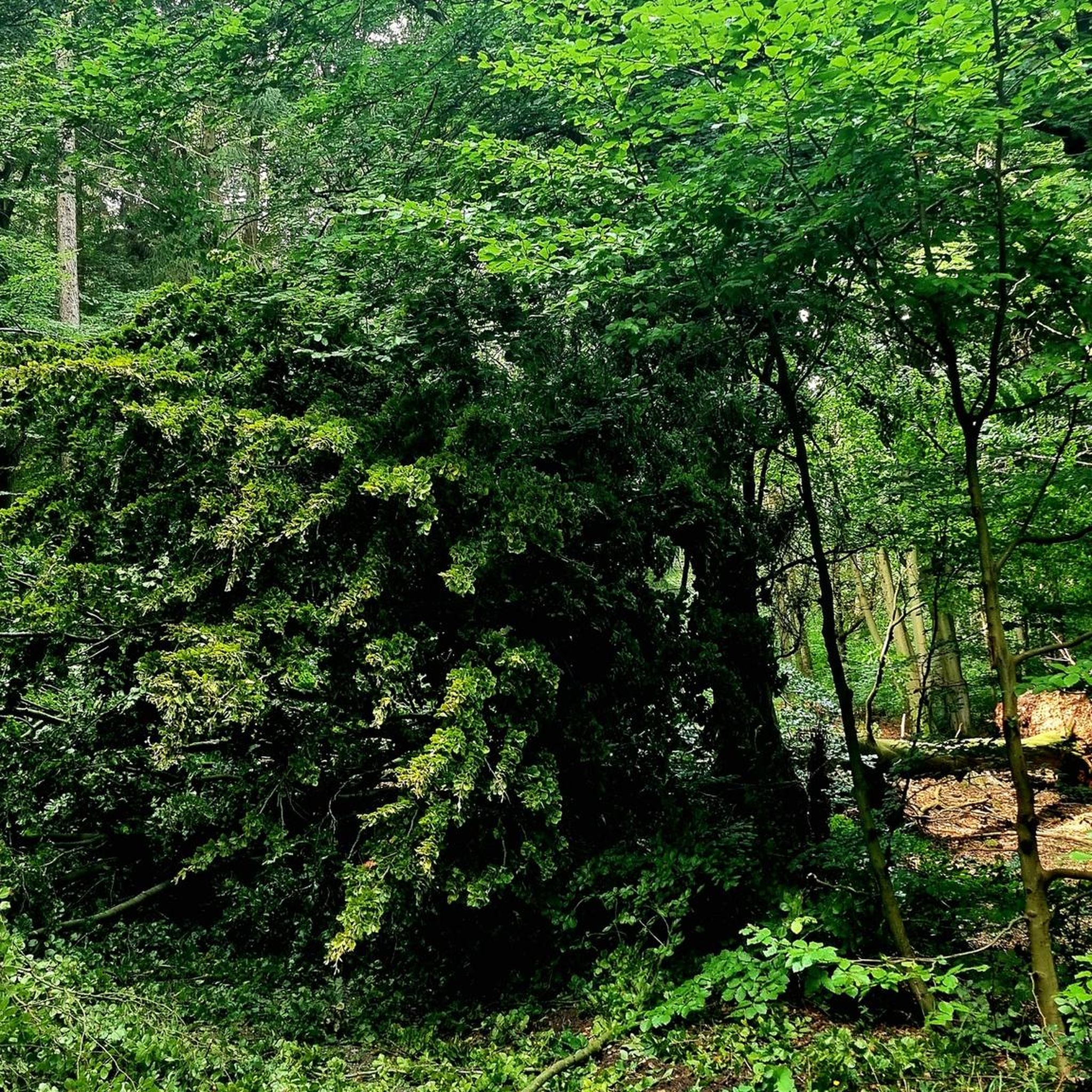
- Another must-see spot is Bluebells in Chalkney Woods, a natural monument. This forest is known for spectacular bluebells and wild garlic during spring.
- Visitors also love Old St Mary's Church, West Bergholt, a Grade I-listed parish church. The oldest part of the church dates to the year 1000, with extensions during the 14th century.
- Feering is known for historical sites, natural features, and cultural insights. The area offers a variety of attractions to see and explore.
- The attractions around Feering are appreciated by the komoot community, with more than 30 upvotes and 5 photos shared.
Last updated: May 21, 2026
Coggeshall Historic Town Centre
Highlight • Historical Site
Tip by

St John the Baptist Church, Layer de la Haye
Highlight • Religious Site
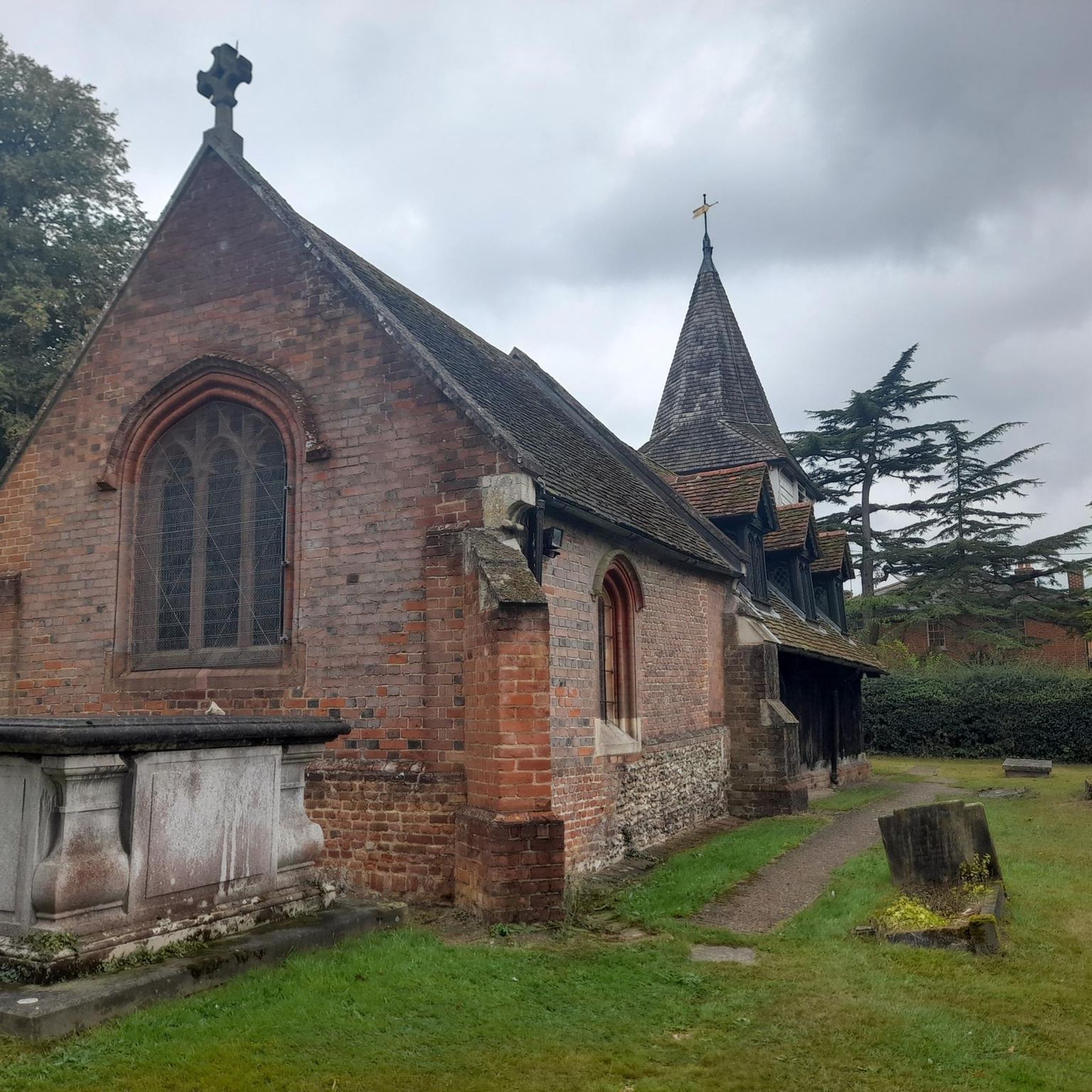
The first record of the church's existence is found in a charter of 1128, although the oldest parts of the present walls were built some time before. At this time the church belonged to the Abbey of St John in Colchester, but within sixty years it had passed to the Priors of St Botolph. It was from these two great religious houses that the priests who ministered to the needs of the parish were drawn for over four hundred years.
The written records of the church are few. We know that after the Black Death the monks of St Botolph set to work to rebuild the nave and tower, both of which date from about 1350. A hundred years later they raised the chancel arch and gave the church its oldest bell (1459).
Layer de la Haye interiorDuring the 17th and 18th centuries the church suffered from neglect while it was held in plurality with Berechurch and other places. It was not until the middle of the 19th century that steps were taken to repair the fabric of the church and make it fully fit for worship. This was during the incumbency of the first resident vicar. The church was also enlarged by the building of the south aisle because the population had more than doubled since the turn of the century.
The registers of the church date only from 1752, fire having destroyed the earlier ones which probably dated from the sixteenth century.
The bells are of particular interest and below is a link to a page giving fuller details. Early in 2001 we completed a major restoration project involving the installation of a new bell frame and ringing chamber in the tower, a new bell, and refurbishment of the other bells, the oldest of which dates back to circa 1459.
Tip by

Sign up now to discover places like this
Get recommendations on the best single tracks, peaks, & plenty of other exciting outdoor places.
Sign up for free
Paycocke's House and Garden
Highlight • Cafe
Tip by
The Jam Factory Tea Room
Highlight • Restaurant
The nice part is that Tiptree is widely available across Europe, so you can easily refresh your holiday feelings at home later thinking back the tea & scones enjoyed here.
Tip by

Bluebells in Chalkney Woods
Highlight • Natural Monument
Bluebells are spectacular at the end of April/early May
Gets very muddy during periods of rain or in the winter, so come prepared
Tip by

Sign up for free to discover even more attractions around Feering.
Sign up for free
Already have an account?
Start today with a free account
Your next adventure awaits.
Login or Signup

Tips from the Community

Spring is a great time to visit with carpets of bluebells and wild garlic, beautiful smells
0
0

Info taken from http://www.layerchurches.org.uk/churches.htm The first record of the church's existence is found in a charter of 1128, although the oldest parts of the present walls were built some time before. At this time the church belonged to the Abbey of St John in Colchester, but within sixty years it had passed to the Priors of St Botolph. It was from these two great religious houses that the priests who ministered to the needs of the parish were drawn for over four hundred years. The written records of the church are few. We know that after the Black Death the monks of St Botolph set to work to rebuild the nave and tower, both of which date from about 1350. A hundred years later they raised the chancel arch and gave the church its oldest bell (1459). Layer de la Haye interiorDuring the 17th and 18th centuries the church suffered from neglect while it was held in plurality with Berechurch and other places. It was not until the middle of the 19th century that steps were taken to repair the fabric of the church and make it fully fit for worship. This was during the incumbency of the first resident vicar. The church was also enlarged by the building of the south aisle because the population had more than doubled since the turn of the century. The registers of the church date only from 1752, fire having destroyed the earlier ones which probably dated from the sixteenth century. The bells are of particular interest and below is a link to a page giving fuller details. Early in 2001 we completed a major restoration project involving the installation of a new bell frame and ringing chamber in the tower, a new bell, and refurbishment of the other bells, the oldest of which dates back to circa 1459.
1
0

Small car park so arrive early at peak times Bluebells are spectacular at the end of April/early May Gets very muddy during periods of rain or in the winter, so come prepared
1
1

Home of the well known Tiptree branded jams the company also runs a couple of tearooms across the country. Check https://www.tiptree.com/tea-rooms/locations for opening times and impressions. The nice part is that Tiptree is widely available across Europe, so you can easily refresh your holiday feelings at home later thinking back the tea & scones enjoyed here.
3
0

Lovely place for a cuppa, good service & fair price.
0
0

Nice little NT house with a small beautiful garden. The café is also recommended.
0
0

Coggeshall is a pretty town that boasts almost 200 listed buildings, including many beautiful timber-framed Tudor buildings. There are lots of attractions in and around the town including the magnificent St Peter ad Vincula (known as the 'wool church'), Paycockes House, the Grange Barn, and the remains of the former abbey. There are a couple of decent pubs, plenty of places for food, shops, and more, making it a good choice for a pit-stop.
3
0
Paycockes House is a Tudor merchant house that boasts stunning woodcarving, elaborate panelling, and beautiful gardens. The house was built around 1500 for Thomas Paycocke and serves as an example of the wealth generated in East Anglia by the 16th-century cloth trade. Entry costs £8.30 for adults and £4.15 for children. For more information, visit: https://www.nationaltrust.org.uk/paycockes-house-and-garden.
1
0
Frequently Asked Questions
What historical sites can I visit in and around Feering?
Feering and its surroundings offer a rich history. You can explore the Coggeshall Historic Town Centre, known for its nearly 200 listed buildings and attractions like St Peter ad Vincula and the Grange Barn. Don't miss Paycocke's House and Garden, a beautifully preserved Tudor merchant house in Coggeshall. Additionally, the Grade I-listed St Mary's Church in Feering and the Old St Mary's Church, West Bergholt, offer glimpses into medieval architecture and history.
Are there any natural attractions or scenic spots near Feering?
Yes, nature lovers will appreciate the area. A must-see natural monument is Bluebells in Chalkney Woods, especially in spring when it's carpeted with bluebells and wild garlic. The village itself is crisscrossed by footpath links that traverse surrounding fields and rural scenery, and the River Blackwater flows nearby, contributing to the natural environment.
Where can I learn about the local history of Feering and Kelvedon?
To delve into the local past, visit the Feering & Kelvedon Local History Museum. Housed in the old British School in Kelvedon, it features curated displays, photographs, and artifacts detailing the history of both villages from Neolithic times onwards. They also maintain extensive local archives for supervised viewing.
Are there family-friendly attractions in the Feering area?
Many attractions cater to families. The Coggeshall Historic Town Centre is listed as family-friendly, offering a chance to explore a historic village. Paycocke's House and Garden also welcomes families, providing an engaging historical experience. For a sweet treat, The Jam Factory Tea Room is a popular spot, known for its connection to the Tiptree brand and offering a pleasant cafe experience.
What outdoor activities can I do near Feering?
The Feering area is excellent for outdoor enthusiasts. You can find numerous hiking trails, including easy routes like the 'Paycocke's House and Garden – River Blackwater loop from Coggeshall' or more moderate options like the 'Carved Wooden Bench – Tree-Lined Avenue loop from Coggeshall'. For cycling, there are road cycling routes such as the 'Cuthedge Lane – Winding Rural Road Descent loop from Coggeshall' and various MTB trails like the 'View Over Colne Valley – Bridlepaths loop from Springs Lane Park'. You can find more details on these activities in the dedicated guides for Hiking around Feering, Road Cycling Routes around Feering, and MTB Trails around Feering.
Are there good walking or hiking trails around Feering?
Yes, Feering is well-suited for walkers. The village has numerous footpath links that lead through surrounding fields and rural landscapes. The Essex Way, a long-distance footpath, is also accessible near the northern boundary of Feering parish, offering more extensive walking opportunities. For specific routes, consider easy hikes like the 'Paycocke's House and Garden – River Blackwater loop from Coggeshall' or the 'The Old Crown Inn, Messing – Coney Field Wood Trail loop from Messing-cum-Inworth'.
What do visitors enjoy most about the attractions around Feering?
Visitors particularly appreciate the historical charm and natural beauty of the area. The Coggeshall Historic Town Centre is praised for its picturesque Tudor buildings and variety of attractions. Bluebells in Chalkney Woods is a favorite for its spectacular spring display. Many also enjoy the quaint atmosphere and delicious treats at places like The Jam Factory Tea Room.
Are there any notable churches or religious buildings to see?
Feering and its vicinity are home to several significant religious buildings. St Mary's Church in Feering is a beautiful Grade I-listed church dating back to the 11th century, featuring 13th-century wall paintings. The ecclesiastical parish Church of All Saints in Feering is also a Grade I listed building. Additionally, the Old St Mary's Church, West Bergholt, is a Grade I-listed parish church with parts dating to the year 1000, offering a unique historical perspective.
Where can I find local food and drink options in Feering?
Feering village offers a few local spots for food and drink. You can visit one of the two public houses, The Sun Inn and The Bell Inn, for a traditional pub experience. There is also The Blue Anchor, which functions as both a restaurant and a hotel. For a delightful cafe experience, The Jam Factory Tea Room is a popular choice, known for its connection to the Tiptree brand.
What is the best time to visit Bluebells in Chalkney Woods?
The best time to visit Bluebells in Chalkney Woods is during spring, specifically at the end of April or early May. This is when the bluebells are spectacular and wild garlic also blooms, creating a beautiful and fragrant environment. It's advisable to arrive early during peak times due to limited parking.
Are there any historic houses or estates to explore?
Yes, the area boasts several historic houses. Paycocke's House and Garden in Coggeshall is a prime example, a Tudor merchant house from around 1500 known for its exquisite woodcarving and gardens. In Feering itself, Prested Hall is a historic house dating back to the 14th century, now operating as a hotel, and Feering Place is a 17th-century timber-framed house with later alterations.

Get inspired with the komoot mobile app


Explore more
Still not found the Highlight you’re looking for? See guides of the top attractions in other regions:
