Attractions and Places To See around Cookhill - Top 20
Best attractions and places to see around Cookhill, a village situated in Worcestershire near the Warwickshire border, offer insights into rural English life and history. The area features historical landmarks and cultural sites, providing a glimpse into its heritage. With 20 hidden gems waiting to be explored, Cookhill presents a range of historical and natural points of interest.
Best attractions and places to see around Cookhill
- The most popular attractions is Tardebigge Locks, a cycle way that features the longest flight of locks in the UK. This site comprises 30 narrow locks on a two-and-a-quarter-mile stretch of the Worcester and Birmingham Canal.
- Another must-see spot is Studley Parish Church, a religious building with origins as a Saxon village around the River Arrow. This Norman stone church, founded around 1105, is listed as Grade 2*.
- Visitors also love Coughton Court, a historical site owned by the Throckmorton family since 1409. The house features a Tudor Gatehouse from 1530 and has played roles in historical events like the Throckmorton Plot and the Gunpowder Plot.
- Cookhill is known for its historical sites, religious buildings, and canal-side cycle routes. The area offers a variety of attractions to see and explore, from ancient churches to significant historical estates.
- The attractions around Cookhill are appreciated by the komoot community, with more than 70 upvotes and 9 photos shared by visitors.
Last updated: November 2, 2026
Tardebigge Locks
Highlight • Cycleway
Tip by

Studley Parish Church
Highlight • Religious Site
From the Middle Ages the village of Studley gradually migrated to its present site around the Icknield Way, now the A435. There is no documentary evidence for why the population shifted. Theories include the Plague or flooding from the River Arrow.
In the 19th Century there was still an inn opposite the church, and a number of scattered cottages, all known as Church End. Now only the church and the manor (on the site of the Norman castle, seat of the Corbucion family) remain. This has given the church an exceptionally tranquil setting.
The church was restored in 1888 and again in 1935, when the 12th century window in the north wall was discovered.
The current Restoration began in 1990. So far the tower and all roofs have been renewed. The church has been completely rewired and redecorated. During the 1997 redecoration the wall paintings were surveyed. Considerable traces were found of medieval paintings, but were too fragile to leave exposed. The windows remain to be restored. The church is listed as Grade 2*. The building is an unusual mixture of styles, with many architectural puzzles.
for walkers there is an opportunity for tea/coffee/cake here while you take in the sights.
Tip by

Sign up now to discover places like this
Get recommendations on the best single tracks, peaks, & plenty of other exciting outdoor places.
Coughton Court
Highlight • Historical Site
The house has a long crenelated façade directly facing the main road, at the centre of which is the Tudor Gatehouse, dating from 1530; this has hexagonal turrets and oriel windows in the English Renaissance style. The gatehouse is the oldest part of the house and is flanked by later wings, in the Strawberry Hill Gothic style, popularised by Horace Walpole.
The Coughton estate has been owned by the Throckmorton family since 1409. The estate was acquired through marriage to the De Spinney family.Coughton was rebuilt by Sir George Throckmorton, the first son of Sir Robert Throckmorton of Coughton Court by Catherine Marrow, daughter of William Marrow of London. The great gatehouse at Coughton was dedicated to King Henry VIII by Throckmorton, a favourite of the King. Throckmorton would become notorious due to his almost fatal involvement in the divorce between King Henry and his first wife Catherine of Aragon.Throckmorton favoured the queen and was against the Reformation. Throckmorton spent most of his life rebuilding Coughton. In 1549, when he was planning the windows in the great hall, he asked his son Nicholas to obtain from the heralds the correct tricking (colour abbreviations) of the arms of his ancestors' wives and his own cousin and niece by marriage Queen Catherine Parr (see gallery drawing). The costly recusancy (refusal to attend Anglican Church services) of Robert Throckmorton and his heirs restricted later rebuilding, so that much of the house still stands largely as he left it.
After Throckmorton's death in 1552, Coughton passed to his eldest son, Robert. Robert Throckmorton and his family were practicing Catholics therefore the house at one time contained a priest hole, a hiding place for priests during the period when Catholics were persecuted by law in England, from the beginning of the reign of Elizabeth I of England. The Hall also holds a place in English history for its roles in both the Throckmorton Plot of 1583 to murder Queen Elizabeth, and the Gunpowder Plot of 1605, although the Throckmorton family were themselves only indirectly implicated in the latter, when some of the Gunpowder conspirators rode directly there after its discovery.
The house has been in the ownership of the National Trust since 1946. The family, however, hold a 300-year lease and previously managed the property on behalf of the Trust. In 2007, however, the house reverted to management by the National Trust. The management of the property is renewed every 10 years. The family tenant until recently was Clare McLaren-Throckmorton, known professionally as Clare Tritton QC, until she died on 31 October 2017.
The house, which is open to the public all year round, is set in extensive grounds including a walled formal garden, a river and a lake.
Tip by
Alcester War Memorial Town Hall
Highlight • Monument
Tip by

St John the Baptist Church, Grafton Flyford
Highlight • Historical Site
The church, with the exception of the 14th-century tower, was entirely rebuilt in 1875, but the old work appears to have been very largely re-used. The modern work is already getting into a very bad state of repair.
The chancel has a 15th-century east window of three lights with a segmental pointed head. In the north wall is a square-headed 14th-century window of two ogee trefoil-headed lights. In the south wall are two square-headed two-light windows and a priest's door, mostly modern. On this side is a single sedile with a cusped head, and near it a pointed piscina with the bowl missing. An internal string-course, largely modern, is carried round the chancel. The chancel arch is of two chamfered orders dying into the wall; the voussoirs are small and regular and are of late 13th or early 14th-century date.
In the north wall of the nave is a pointed 14thcentury arch of two chamfered orders opening into a small chapel with a single-light window on the east and west. Further west is a pointed window of the same date with two lights and a traceried head. In the south wall are two windows, each of two lights and similar to that on the north of the chancel; between them is a plain pointed door. All these features have apparently been restored and reset.
The 14th-century tower is faced with ashlar and three stages high with low diagonal buttresses to the western angles of the ground stage. The tower arch is acutely pointed and of two chamfered orders. This stage rests on a deeply moulded plinth and has a pointed 15th-century west window of three cinquefoiled lights. The second stage is lighted by loops only, but the third stage has a pointed 14th-century window of two trefoiled ogee lights in each face. The parapet is embattled, with carved gargoyles at the angles of the string and panelled and crocketed pinnacles rising above them. From within it rises a low octagonal pyramid of stone capped by a truncated pinnacle set diagonally.
The fittings include a 17th-century communion table with turned legs, a 15th-century semi-octagonal pulpit (on a modern base) having a moulded rail and traceried heads to the panels, and a modern font. In the north chapel is a broken marble monument to Roger Stonehall, who died in 1645. Under the tower are roughly designed paintings on boards of the evangelistic symbols with black letter labels, perhaps of the 16th century; here is also a painted achievement of the royal arms of Charles II inscribed 1687 C.R. In the tracery of the east window are some fragments of 15th-century glass tabernacle work and in the north chancel window are two shields, one with the arms of Mortimer and the other imperfect with those of Beauchamp. In the west window are fragments of white and yellow 15th-century glass in the tracery.
There are five bells, all cast by John Martin in 1676: the tenor is inscribed, 'All men that here my roring sound repent before you ly in ground, M. Robert Baker 1676'; the fourth, 'We wish in heven theer souls may sing that caused us six here for to ring, Amell Doxly, Richard Haynes C.W. 1676'; the third, 'Be it known to all that doth wee see John Martin of Worcester, he made wee 1676'; the second, 'All prayse and glory be to God for ever 1676'; and the treble, 'Jesus be our good speed, God Save the King 1676.'
The plate includes a cup and cover paten, London, 1571, and a plate, London, 1679, inscribed 'Grafton Flyford.'
The registers are in one volume as follows: baptisms 1676 to 1813, burials 1676 to 1812, marriages 1678 to 1777.
Tip by
Sign up for free to discover even more attractions around Cookhill.
Already have an account?
Start today with a free account
Your next adventure awaits.
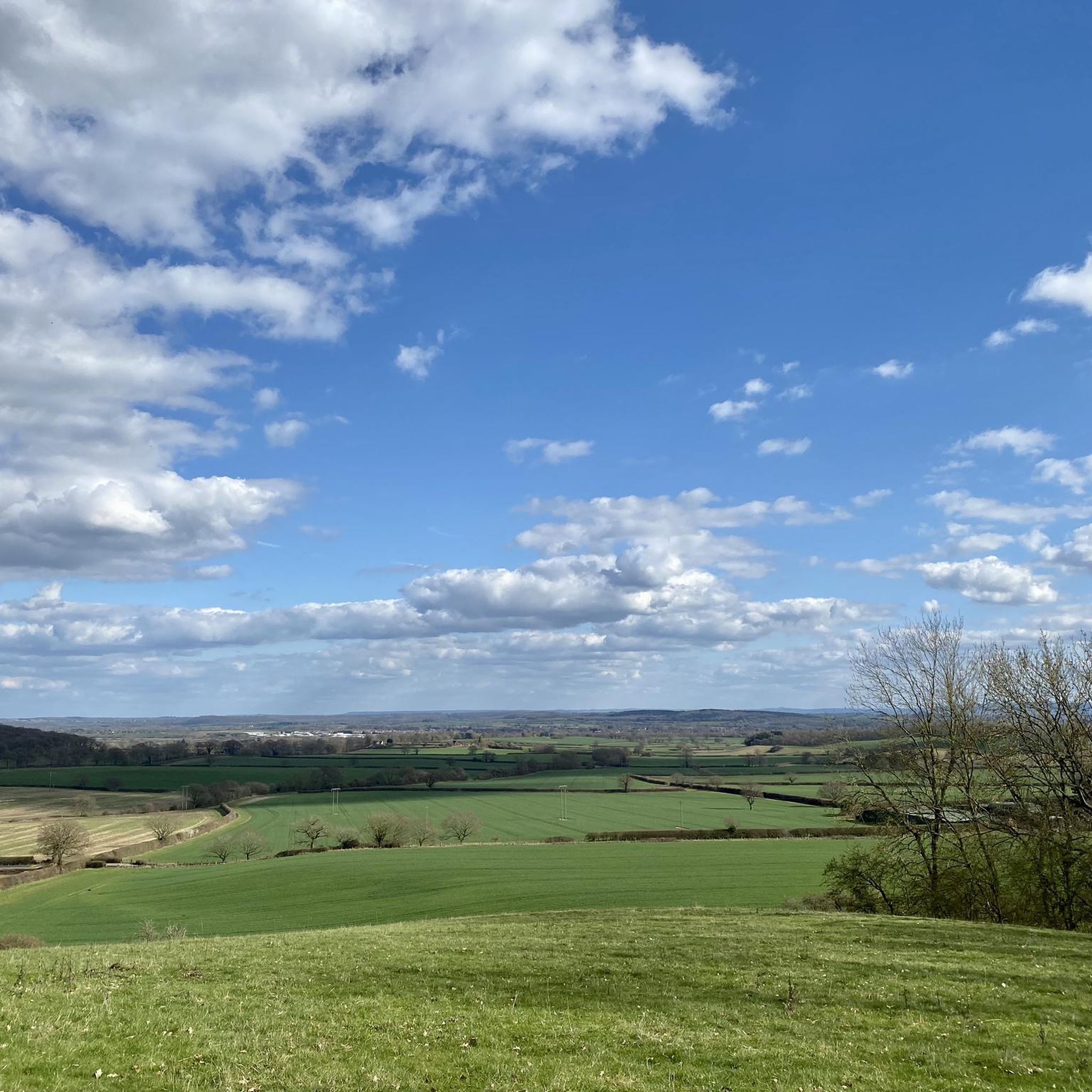
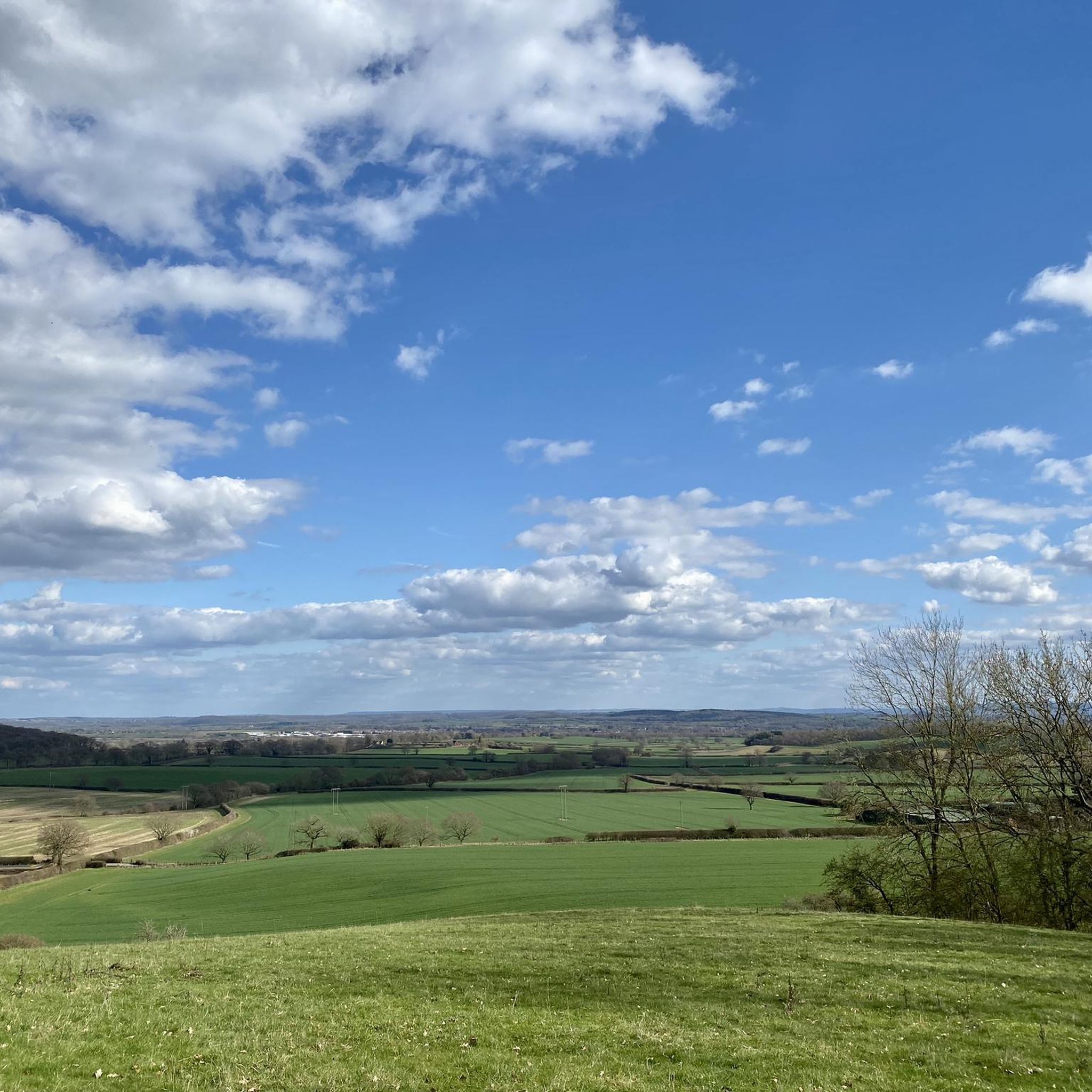
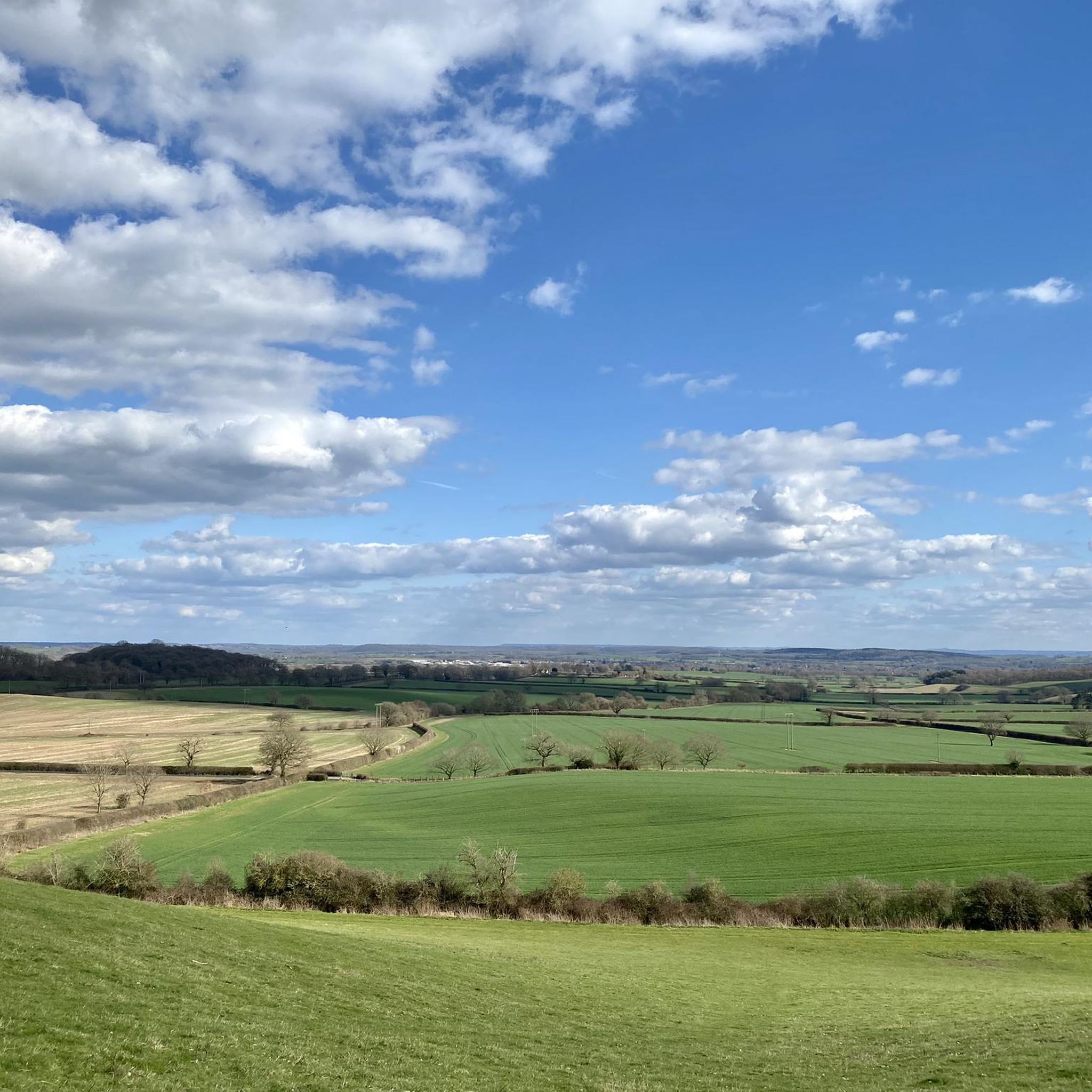
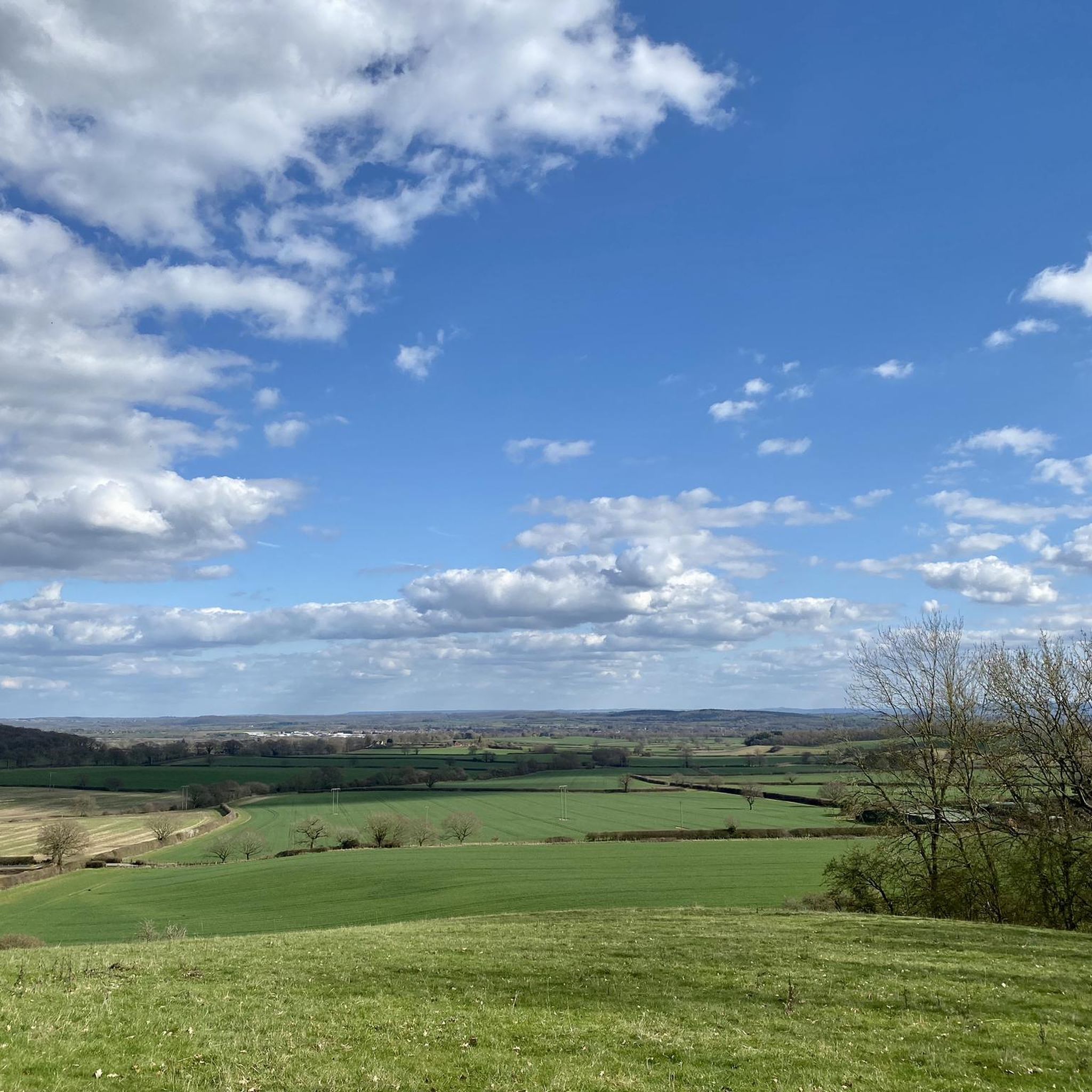

Tips from the Community

Sadly, doors locked, so internal investigations are impossible.
0
0


Watch out for walkers around some of the locks. Few blind corners.
0
0

Quiet Anglican church with some gorgeous mosaics inside. Nice brown signpost on the nearest A-Road, so you won't miss the turn.
0
0

Pretty building hidden behind the church in a pretty square
0
0


Architecture and engineering fans delight - so many rural scenes to discover along the Worcester and Birmingham Canal.
1
0
Tardebigge Locks or the Tardebigge Flight is the longest flight of locks in the UK, comprising 30 narrow locks on a two-and-a-quarter-mile stretch of the Worcester and Birmingham Canal at Tardebigge, Worcestershire. Well worth checking out... and realising that travelling on foot or bike it a lot quicker than travelling by canal boat!
1
0
Frequently Asked Questions
What historical sites can I visit around Cookhill?
Cookhill and its surroundings are rich in history. You can explore the remnants of Cookhill Priory, a former Cistercian nunnery with parts dating back to the 15th century. Other notable historical attractions include Studley Parish Church, a Norman stone church founded around 1105, and Coughton Court, a historical estate with a Tudor Gatehouse from 1530 that played a role in the Gunpowder Plot. Additionally, the Alcester War Memorial Town Hall, built in 1641, offers a glimpse into local heritage.
Are there any family-friendly attractions near Cookhill?
Yes, several attractions around Cookhill are suitable for families. Studley Parish Church, Coughton Court, Alcester War Memorial Town Hall, and St John the Baptist Church, Grafton Flyford are all listed as family-friendly. Coughton Court, in particular, offers extensive grounds for exploration.
What outdoor activities can I do near Cookhill?
The area around Cookhill offers various outdoor activities, especially cycling. You can enjoy a relaxed gravel ride along the Tardebigge Locks, which features the longest flight of locks in the UK. For more cycling options, explore routes like the 'Arrow Valley Lake loop' or the 'Bidford Bridge – Welford-on-Avon Maypole loop'. You can find more details on these and other cycling routes in the Cycling around Cookhill guide.
Are there any cycling routes suitable for beginners around Cookhill?
Yes, there are easy cycling routes available. For road cycling, consider the 'St Peter's Church, Inkberrow – Quiet Lane to Worcester loop' or the 'Ragley Estate Entrance – Hillers Hut Café loop', both starting from Cookhill. These are listed as easy difficulty. More options can be found in the Road Cycling Routes around Cookhill guide.
Where can I find mountain biking trails near Cookhill?
For mountain biking enthusiasts, there are several trails in the vicinity. You can explore routes such as the 'Forest Downhill Trail – Alvechurch Marina loop' or the 'Alvechurch Marina – Forest Downhill Trail loop' from Redditch, both rated as easy. Moderate trails like the 'Heart of England Spernal Forest loop' are also available. Discover more in the MTB Trails around Cookhill guide.
What are some notable religious buildings in the Cookhill area?
Cookhill has a strong religious heritage. You can visit Studley Parish Church, a significant Norman stone church with origins dating back to a Saxon village. The village also features St. Paul's Church and a Baptist Chapel. Further afield, St John the Baptist Church, Grafton Flyford, offers a quiet Anglican church experience with historical elements.
Are there any places to stop for refreshments or a meal near the attractions?
The Nevill Arms is a local village pub in Cookhill, offering a place for refreshment and community gathering. For those visiting Studley Parish Church, there's often an opportunity for tea, coffee, and cake. When exploring the Tardebigge Locks, you'll find various pubs and cafes along the canal towpath.
What do visitors enjoy most about the attractions around Cookhill?
Visitors particularly enjoy the historical depth and tranquil settings of the area. The Tardebigge Locks are appreciated for relaxed gravel rides and the unique experience of the longest lock flight. Historical sites like Coughton Court are praised for their stunning locations and rich history, with many finding the grounds lovely for walks.
Can I find any unique or less-known historical sites in the region?
Beyond the more prominent sites, Cookhill itself holds historical significance, being mentioned in the Domesday Book. The village's Cookhill Priory, though now a farmhouse, incorporates significant historical remnants. For a less-known religious site, St John the Baptist Church, Grafton Flyford, is a quiet Anglican church with gorgeous mosaics and a rich history, offering a peaceful stop.
What kind of natural landscapes can I expect to see around Cookhill?
While Cookhill is known for its historical sites, the surrounding area offers pleasant rural English landscapes. The Tardebigge Locks provide scenic canal-side views, perfect for walks or cycling along the towpath. The region features gentle rolling hills, agricultural land, and river valleys, offering a tranquil natural backdrop to its historical attractions.
Are there any attractions that are particularly good for photography?
Many of the historical sites offer excellent photographic opportunities. The impressive Tudor Gatehouse and extensive grounds of Coughton Court are highly photogenic. The unique engineering and natural beauty of the Tardebigge Locks also make for interesting subjects, especially during a leisurely ride or walk along the canal.
Most popular routes around Cookhill
Most popular attractions around Cookhill

Get inspired with the komoot mobile app


Explore more
Still not found the Highlight you’re looking for? See guides of the top attractions in other regions:
