Top 2 Castles around Chilcompton
Best castles around Chilcompton are found in the surrounding area, as the village itself does not host traditional medieval castles. This region in Somerset, England, features a diverse landscape with ancient defensive structures and historical fortifications. The area offers a mix of Iron Age hill forts, medieval ruins, and 19th-century architectural examples. These sites provide insight into various periods of British history and defensive architecture.
Best castles around Chilcompton
- The most popular castles is Nunney Castle, a castle known…
Last updated: November 12, 2026
Wells Cathedral
Highlight • Religious Site
Tip by

The Bishop's Palace, Wells
Highlight • Historical Site
Tip by

Sign up now to discover places like this
Get recommendations on the best single tracks, peaks, & plenty of other exciting outdoor places.
Nunney Castle
Highlight • Castle
Tip by

Nunney Pump Track
Highlight • MTB Park
Tip by

Castle Moat
Highlight (Segment) • Castle
Fed by fresh …
Tip by

Start today with a free account
Your next adventure awaits.
Tips from the Community

Nestled in the heart of Somerset, The Bishop's Palace is a magnificent 13th-century medieval residence that has served as the official home of the Bishops of Bath and Wells for over 800 years. Surrounded by impressive stone ramparts and a picturesque, swan-inhabited moat fed by natural thermal springs, the estate offers a breathtaking glimpse into ecclesiastical history. Entering via the medieval gatehouse and drawbridge reveals 14 acres of beautifully manicured, tranquil grounds. Visitors can explore the meditative well pools—the very natural springs that gave the historic city of Wells its name—alongside vibrant herbaceous borders and the romantic, ivy-clad ruins of the Great Hall. The palace seamlessly blends centuries of architectural heritage with quiet, natural elegance. The resident mute swans even add a charming touch to the experience, famously trained to ring a bell near the gatehouse when they are hungry. It is a wonderfully peaceful destination that invites guests to slow down and immerse themselves in a quintessential slice of English history.
0
0
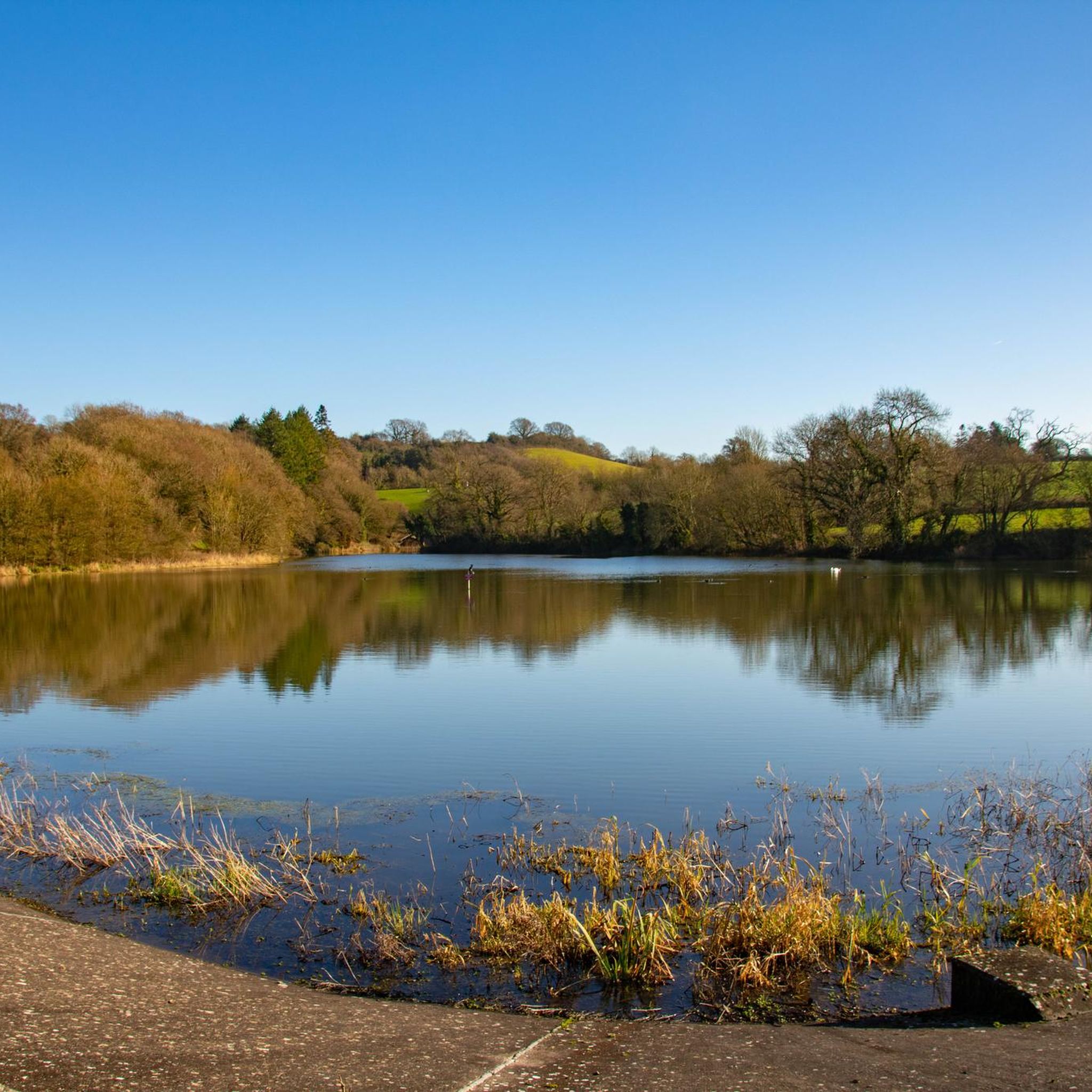
Imagine a scene straight out of a fairytale: calm water reflecting high medieval walls and ancient stone towers. That’s the moat at the Bishop’s Palace in Wells. Fed by fresh natural springs, it’s surrounded by shaded, tree-lined paths—perfect for an easy stroll. The local swans even ring a bell near the drawbridge when they want food! It’s a wonderfully quiet, picturesque spot to slow down, watch the ducks, and soak in history.
0
0


This picturesque moated medieval castle was built in the 1370s by Sir John de la Mare. It's heavily influenced by French design and features a compact layout with four round corner towers and thick defensice walls.
2
0

About the patronage of this church: Saint ANDREW is one of the twelve apostles that Jesus Christ called to follow him. However, in the biblical accounts he is usually somewhat overshadowed by his much more famous brother: Saint Peter. In the Gospels we find the calling of the two siblings presented in different ways. According to the text of the Gospel of John (John 1:40-42), Andrew is called first (together with another disciple whose name is not mentioned). Later he tells his brother that he has found the Messiah. The feast of Saint Andrew in the calendar of saints is on November 30th in all major Christian denominations. The X-shaped white "St. Andrew's Cross" on which he was executed forms the national flag of Scotland against a blue background and has also found its way into the national flag of the United Kingdom of Great Britain.
2
1

A truly magnificent Cathedral and a great place to stop for a break. There are benches and a large green in front of the Cathedral. There are also some very pretty surrounding buildings, especially in Vicar's Close.
1
0

You can enter part of the grounds for free, the other parts are charged. The building is well maintained and still used and much bigger than it initially appears to be.
1
0

As the seat of an ancient cathedral and diocese, Wells is historically regarded as a city. Its city council boundary area, surrounded wholly by countryside makes Wells the smallest free-standing city in the UK (2.11 sq mi). The City of London is smaller but is part of a much larger urban area.
2
0
Frequently Asked Questions
What castles and historical sites can I visit near Chilcompton?
Near Chilcompton, you can explore several historically significant sites. Nunney Castle is a picturesque moated medieval castle known for its well-preserved great tower. Farleigh Hungerford Castle, a 14th-century site, features rare medieval wall paintings and unique lead coffins. While not a traditional castle, The Bishop's Palace, Wells, offers a fortified medieval palace experience, and Wells Cathedral is an intricate example of Gothic architecture. For a much older perspective, Blacker's Hill in Chilcompton is an Iron Age hill fort.
Are there family-friendly attractions among the castles and historical sites?
Yes, several sites are family-friendly. Nunney Castle is great for exploring, and dogs on leads are welcome. The Bishop's Palace, Wells, and Wells Cathedral are also listed as family-friendly. Additionally, the Nunney Pump Track, located near Nunney Castle, is a cool spot for kids and adults alike to enjoy cycling.
Can I bring my dog to the castles and historical sites?
Dogs on leads are welcome at Nunney Castle, making it a good option for visitors with pets. For other sites, it's advisable to check their specific pet policies before visiting.
What are the parking options at these historical sites?
For Nunney Castle, there is a free car park nearby. For other locations like Farleigh Hungerford Castle, The Bishop's Palace, and Wells Cathedral, parking is generally available in nearby town car parks, though fees may apply. Always check local signage for specific parking regulations.
What unique historical features can I find at these castles?
Nunney Castle is notable for its well-preserved great tower and the visible damage from the English Civil War. Farleigh Hungerford Castle stands out with its rare medieval wall paintings in the chapel and a collection of human-shaped lead coffins in its crypt, offering a unique glimpse into medieval life and death. Blacker's Hill provides insight into Iron Age defensive architecture.
Are there walking or cycling routes near the castles?
Yes, the area around Chilcompton offers various outdoor activities. You can find numerous routes for different sports. For cycling, explore traffic-free bike rides or road cycling routes. Mountain biking enthusiasts can check out MTB trails around Chilcompton, including routes that pass by Nunney Castle.
What is the best time to visit the castles and historical sites?
The castles and historical sites can be visited year-round. Spring and summer offer pleasant weather for exploring the grounds and surrounding areas, while autumn provides beautiful foliage. Winter visits can be atmospheric, especially at sites like Nunney Castle, though some facilities or opening hours might be reduced. Always check specific site opening times before your visit.
Are there any accessible options for visitors with mobility needs?
Wells Cathedral is listed as wheelchair accessible. For other sites, accessibility can vary. Nunney Castle involves a moderate hill walk to reach the ruins, which might be challenging for some. It's recommended to contact individual sites directly for detailed accessibility information.
How long should I plan for a visit to these sites?
For sites like Nunney Castle or Farleigh Hungerford Castle, you might spend 1-2 hours exploring the ruins and grounds. A visit to Wells Cathedral and The Bishop's Palace could easily take half a day or more to fully appreciate their architecture and history. Blacker's Hill is more of a landscape experience, suitable for a shorter walk.
What natural features or viewpoints can I find near the castles?
Nunney Castle is surrounded by a picturesque moat, offering excellent photographic opportunities of its striking remains. Blacker's Hill, an Iron Age hill fort, provides natural defenses and elevated views of the surrounding landscape. Compton Castle, while not a medieval fortress, features a picturesque landscape with winding paths, dramatic views, ponds, a cascade, and a grotto.
Where can I find more information about Nunney Castle?
You can find more detailed information about Nunney Castle, including its history and visitor details, on the English Heritage website.
Most popular routes around Chilcompton
Most popular attractions around Chilcompton

Get inspired with the komoot mobile app


Explore more
Looking for the best castles somewhere else? Discover other guides around Chilcompton:
