Attractions and Places To See around Weare - Top 20
Best attractions and places to see around Weare include a variety of natural and historical sites, offering diverse outdoor activities and cultural experiences. The region features prominent natural landmarks such as gorges and hills, alongside historical trails. Visitors can explore areas known for their unique geological formations and significant archaeological findings. This blend provides opportunities for both active exploration and historical appreciation.
Best attractions and places to see around Weare
- The most popular attractions is Cheddar Gorge Climb, a…
Last updated: July 20, 2026
Cheddar Gorge Climb
Highlight (Segment) • Climb
Tip by

Cheddar Gorge
Highlight • Gorge
Tip by

Sign up now to discover places like this
Get recommendations on the best single tracks, peaks, & plenty of other exciting outdoor places.
Sign up for free
The Strawberry Line
Highlight (Segment) • Trail
Sadly, the numerous bike gates along the route are a …
Tip by

Beacon Batch summit trig point
Highlight • Viewpoint
Tip by
Black Down Summit and Wild Ponies
Highlight • Natural
Tip by

Sign up for free to discover even more attractions around Weare.
Sign up for free
Already have an account?
Start today with a free account
Your next adventure awaits.
Login or Signup

Tips from the Community

Stunning views across the plains of Somerset. can see for absolutely miles on a clear day. Don't be fooled in to thinking it's an easy route I have made. It really isn't. Proper footwear and even poles are recommended. Bring waterproofs as back up shelter, as there are not many places out of the gorge to shelter. Download the route to device also, there is no phone coverage the further in to the gorge you go.
0
0

Nice traffic free route with lots of places to stop for refreshments along the way. Recommend the bakery at Winscombe. Sadly, the numerous bike gates along the route are a pain if you're on a mountain/hybrid bike as they are too narrow.
4
0

Black Down Hill or Beacons Batch is the highest hill in the Mendip Hills at 325m, Somerset, in south-western England. Black Down lies just a few miles eastward of the Bristol Channel at Weston-super-Mare, and provides a view over the Chew Valley. It has a trig pointed summit and is a UK designated Marilyn with a prominence of over 150m.
3
1

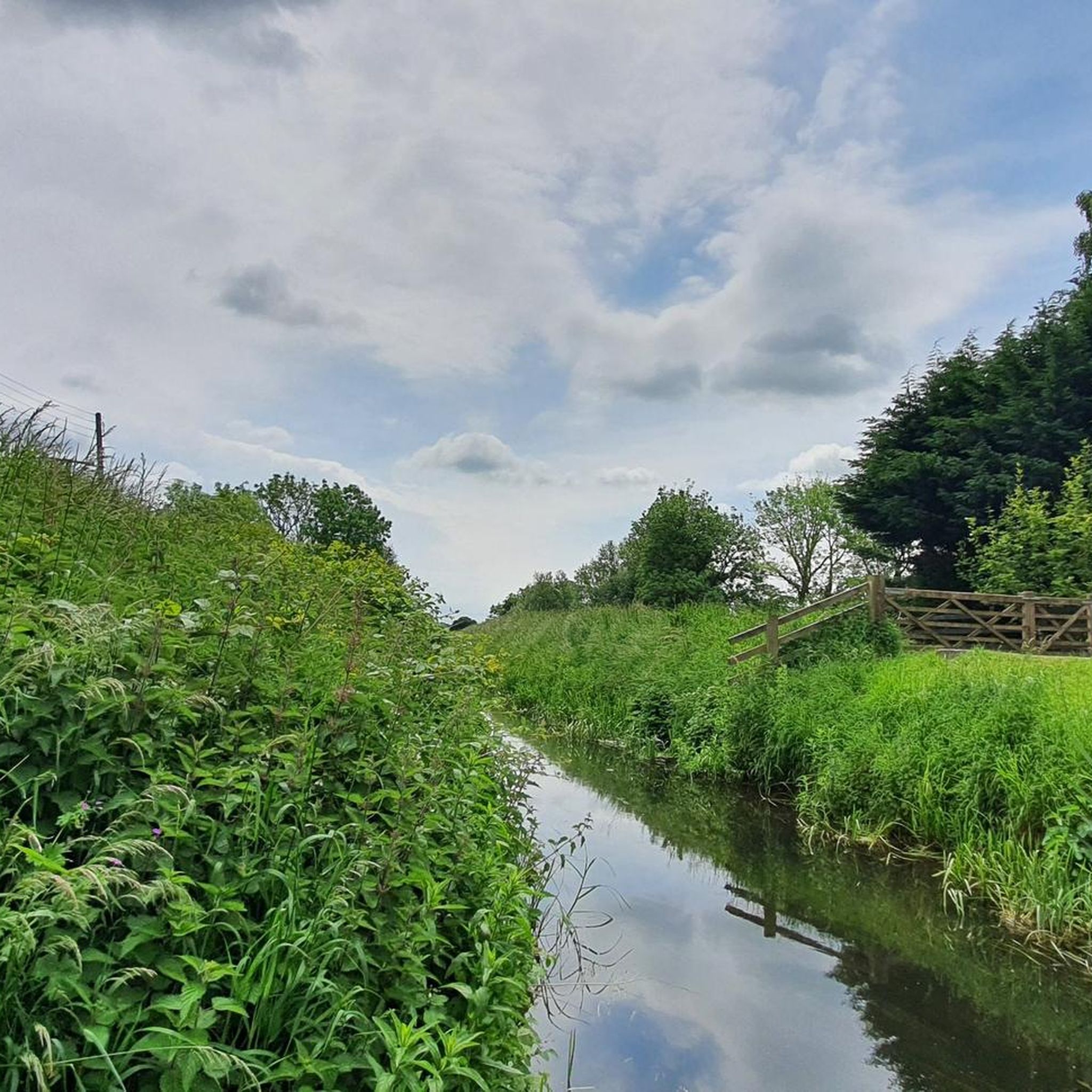
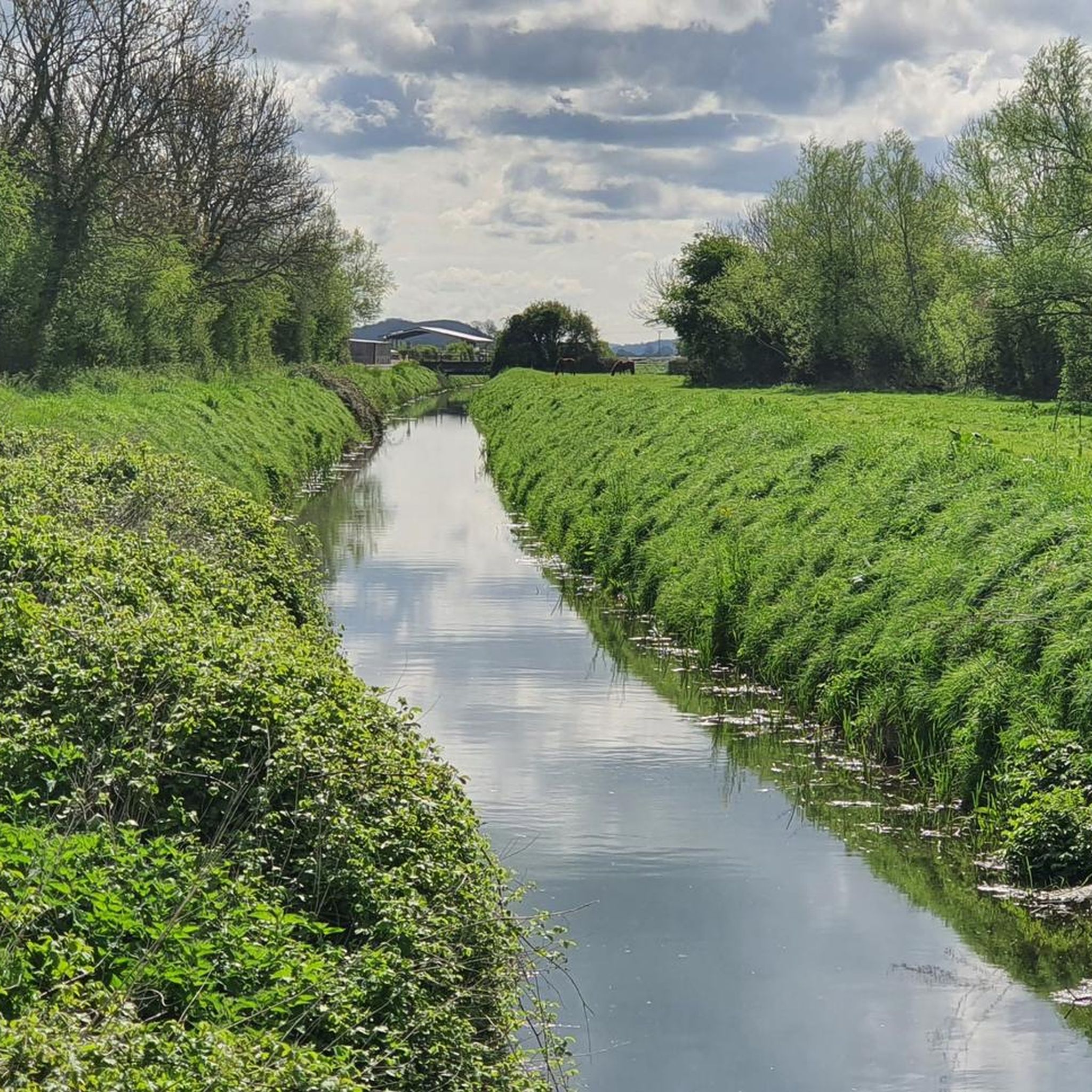
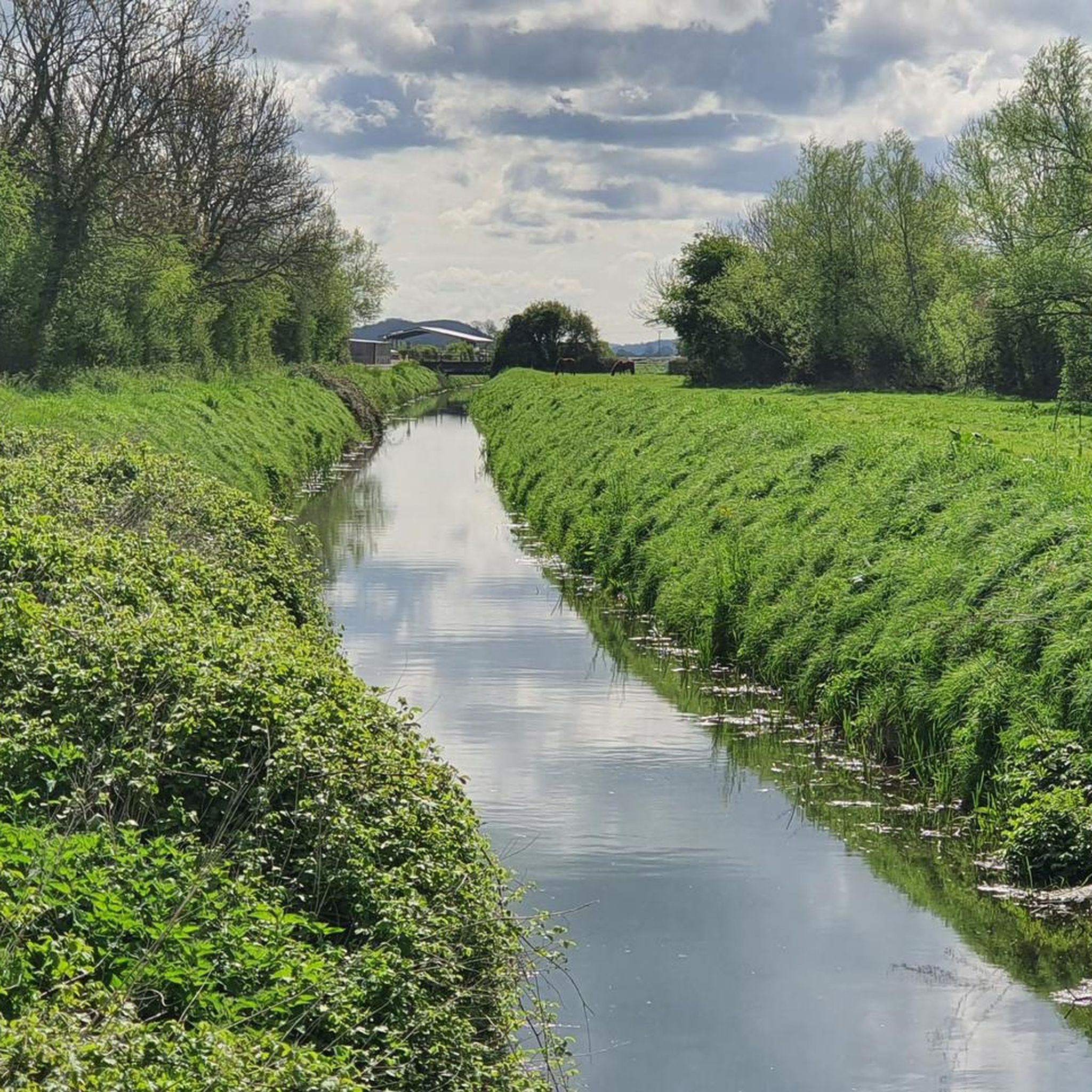
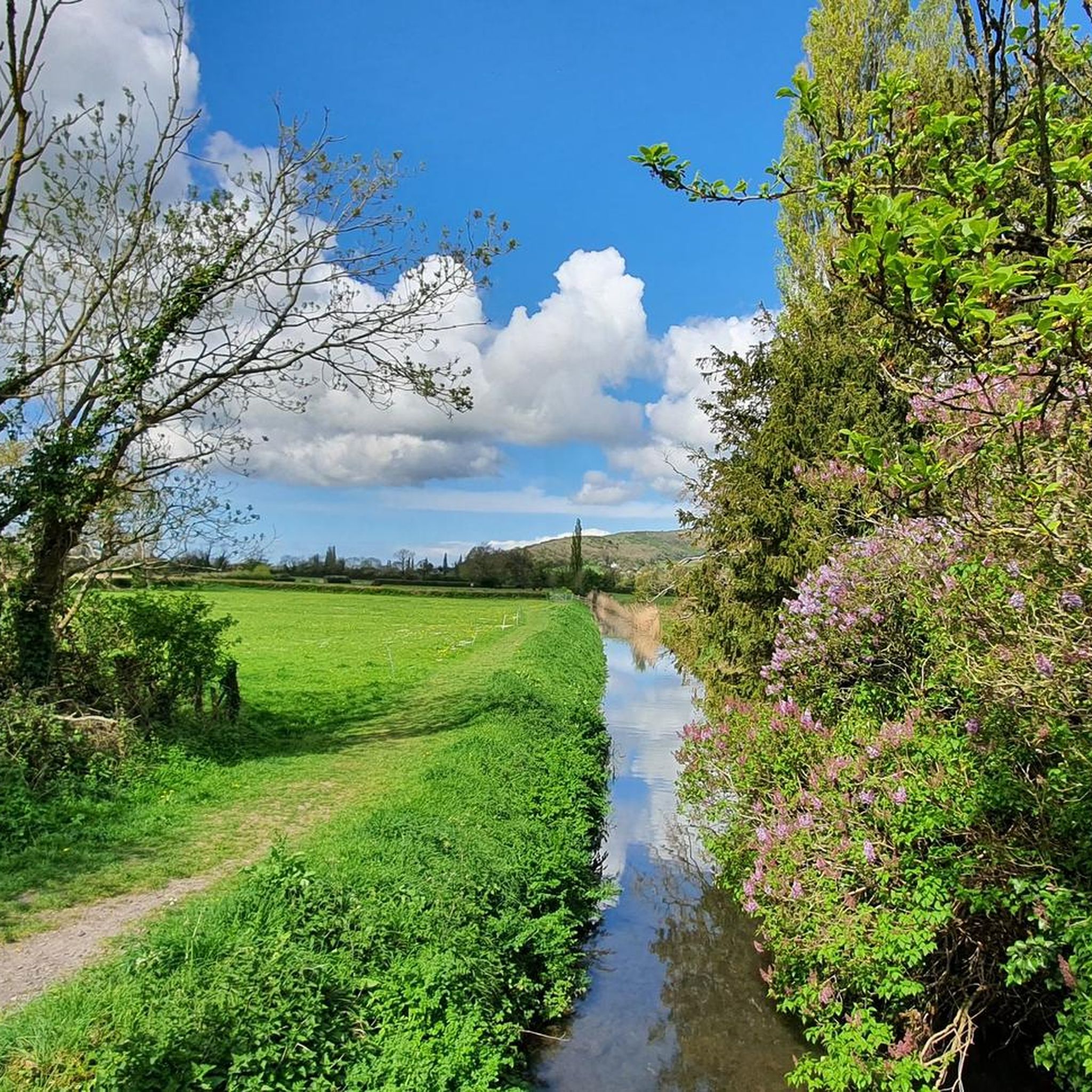
The Strawberry Line is a traffic-free trail between Yatton and Cheddar. The gravel path follows the route of a former railway line that once carried delicious cargos of strawberries from Cheddar. The line was well usd for nearly a century until its closure in 1965. Level and easygoing, the trail is suitable for all ages and abilities. It winds through some very pretty Somerset countryside, too.
3
0

Fabulous gravel track. As long as you're not too precious about getting grit and dirt on your bike, it's possible on any bike... smoother than most roads!
2
0

This is a challenging 5 mile (8km) route along paths. Several stiles and kissing gates, rough walking in sections and some steep climbs. It is not advisable to attempt this walk in foggy or very windy weather. Good footwear and fitness is required. Safety in Cheddar Gorge: Please do not stand under cliffs as small rocks may fall at any time. Use only footpaths signed for the gorge walk at the top and bottom of Cheddar Gorge – it is dangerous to depart from these paths. Find the Mendip Hills AONB walking route here https://www.mendiphillsaonb.org.uk/wp-content/uploads/2020/01/121201-Mendip-Hills-Cheddar-Gorge.pdf
1
0
This special site is designated as a Site of Special Scientific interest for its valuable wildlife habitats and is a nationally important site for its archaeology from the late Stone Age and Bronze Age through to the Second World War. Black Down provides the largest area of open access on the Mendip Hills at over 400 ha. Black Down, like most heathlands, is formed through a combination of factors– soil type, rainfall and human activity. The underlying Old Red Sandstone rock together with high rainfall created a waterlogged and acidic soil. The removal of tree cover by our Bronze Age ancestors 2,000 years ago helped to make sure that the soil stayed damp and acid. Only certain plants can survive in this type of ground. The key species include heather or ling, bell heather, bilberry, purple moor grass and European gorse, along with mosses and lichens. Now the bracken is managed by harvesting and grazing by cattle and wild ponies to allow the heathers and grasses to flourish again. Black Down supports a wide variety of birds, mammals, reptiles and invertebrates.
3
0
This special site is designated as a Site of Special Scientific interest for its valuable wildlife habitats and is a nationally important site for its archaeology from the late Stone Age and Bronze Age through to the Second World War. Black Down provides the largest area of open access on the Mendip Hills at over 400 ha. Black Down, like most heathlands, is formed through a combination of factors– soil type, rainfall and human activity. The underlying Old Red Sandstone rock together with high rainfall created a waterlogged and acidic soil. The removal of tree cover by our Bronze Age ancestors 2,000 years ago helped to make sure that the soil stayed damp and acid. Only certain plants can survive in this type of ground. The key species include heather or ling, bell heather, bilberry, purple moor grass and European gorse, along with mosses and lichens. Now the bracken is managed by harvesting and grazing by cattle and wild ponies to allow the heathers and grasses to flourish again. Black Down supports a wide variety of birds, mammals, reptiles and invertebrates.
3
1
Frequently Asked Questions
What natural attractions can I explore in Weare, New Hampshire?
Weare offers a rich natural landscape. You can visit Horace Lake for water activities, explore the trails at Clough State Park, or discover the wildlife habitats at Ferrin Pond Nature Preserve, which features a family-friendly 2.6-mile trail. The Piscataquog River also flows through Weare, and the town is home to mountains like Mount Dearborn and Mine Hill.
Are there any historical sites to visit in Weare?
Yes, Weare is rich in history. You can explore the Weare Historical Society, housed in the historic Stone Memorial Building. Other notable sites include the Weare Town Hall, the Amos Chase Mill Building (the only surviving 19th-century mill in town), and the Clinton Grove Academy, New Hampshire's first Quaker Seminary.
What kind of outdoor activities are available in Weare?
Weare is ideal for outdoor enthusiasts. You can enjoy hiking and wildlife observation at Ferrin Pond Nature Preserve or Perkins Pond State Wildlife Management Area. The numerous lakes and rivers, such as Horace Lake and the Piscataquog River, offer opportunities for water-based recreation. The town's mountains also provide scenic views and challenging terrain.
Are there family-friendly attractions in Weare, New Hampshire?
Absolutely. The Ferrin Pond Nature Preserve offers a family-friendly 2.6-mile trail perfect for a leisurely walk with children. Clough State Park provides a natural setting for family recreation. Additionally, the town hosts annual events like a July independence celebration and Old Home Day in August, which are great for community engagement and family fun.
Where can I learn about Weare's role in early American history?
Weare played a significant role in early American history. It is notably known as the site of the 1772 Pine Tree Riot, an act of protest against British rule that predated the Boston Tea Party. The town also served as part of the Underground Railroad, providing safe passage for enslaved people seeking freedom. You can learn more about these events at the Weare Historical Society.
What is the best time of year to visit Weare for outdoor activities?
The best time to visit Weare for outdoor activities largely depends on your interests. Spring and fall offer pleasant temperatures for hiking and exploring historical sites, with beautiful foliage in autumn. Summer is ideal for water activities on Horace Lake and enjoying the town's annual celebrations. Winter provides opportunities for snow-related activities in the surrounding areas.
Are there any scenic drives or routes through Weare?
Yes, the General John Stark Scenic Byway passes through Weare. This route offers a picturesque journey through quintessential New England villages, featuring old houses, barns, and maple trees, providing a charming way to experience the region's beauty.
What is the significance of Weare Center?
Weare Center is the heart of the town, serving as the seat of town government. It is also home to many historically significant buildings, including the Weare Town Hall and Simons Store, making it a central point for both civic and historical interest.
Can I find any unique natural features or viewpoints in Weare?
Weare's landscape includes several mountains such as Mount Dearborn, Mine Hill, and Mount Wallingford, all exceeding 1,200 feet, which offer potential viewpoints. The Ferrin Pond Nature Preserve also has scenic lookout spots along its trail, providing opportunities to appreciate the area's natural beauty.
Where can I find information about Weare's community events?
Weare hosts several annual community events. These include a July event celebrating independence, during which the Weare Historical Society museum is often open, and Old Home Day in August, a tradition since 1900. For current event schedules, it's best to check the official town website or local community listings.
Are there opportunities for wildlife observation in Weare?
Weare is an excellent location for wildlife observation. The Ferrin Pond Nature Preserve is rich in wildlife habitats, and the Perkins Pond State Wildlife Management Area is specifically designated for wildlife appreciation. These areas provide chances to see local flora and fauna in their natural settings.
Most popular attractions around Weare

Get inspired with the komoot mobile app


Explore more
Still not found the Highlight you’re looking for? See guides of the top attractions in other regions:
