The best MTB trails around Ulverscroft
4.2
(39)
334
riders
53
rides
Mountain biking around Ulverscroft offers diverse terrain within the ancient Charnwood Forest, featuring woodlands, heathlands, and grasslands. The area's rugged geology provides varied topography with ascents, descents, and undulating paths. Beacon Hill, the second-highest point in Leicestershire, contributes challenging climbs and panoramic views. Extensive woodlands like Swithland Wood and the varied habitats of Ulverscroft Valley create a dynamic environment for off-road cycling.
Best mountain bike trails around Ulverscroft
- The most popular mountain bike trail is Beacon Hill Country Park, Swithland…
Last updated: May 14, 2026
4.7
(11)
41
riders
36.3km
02:41
410m
410m
Hard mountain bike ride. Good fitness required. Advanced riding skills necessary. Some portions of the route may require you to push your bike.
5.0
(7)
49
riders
34.0km
02:19
370m
370m
Moderate mountain bike ride. Good fitness required. Suitable for all skill levels.

Sign up for free
3.0
(1)
12
riders
29.8km
02:03
350m
350m
Moderate mountain bike ride. Good fitness required. Suitable for all skill levels.
4.5
(2)
11
riders
26.1km
01:59
290m
290m
Easy mountain bike ride. Great for any fitness level. Suitable for all skill levels.
4
riders
25.6km
01:35
190m
190m
Easy mountain bike ride. Great for any fitness level. Suitable for all skill levels.
Get access to more routes and recommendations from other explorers.
Sign up for free
Already have an account?
Our route recommendations are based on thousands of hikes, rides, and runs completed by other people on komoot.
Start today with a free account
Your next adventure awaits.
Login or Signup

Tips from the Community


This place offers a beautiful outdoor seating area with delicious meals and beverages, plus safe for cyclists
0
0

Cycling is only permitted on the one route through the park, which gets busy with walkers, take it slow in the park. Cafe and toilets in the middle.
2
0

In September 1867, 180 acres of land was purchased for a cost of £24,000. Most of the land required for the reservoir, dam and waterworks belonged to the Bradgate Estate. Lord Stamford insisted that a stone wall be built around the boundary to separate the deer park from the reservoir, instead of the proposed iron railings. This wall, 1,500 yards long was eventually built at a cost of 8s 10d per yard. Joseph Reeves, Head Gamekeeper, outside his house. Some of the Bradgate Estate land was part of the deer park, but most was farmland let out on very long leases. One farmer, Joseph Allen, lost virtually all his farm. Two members of the Matts family had theirs considerably reduced in size. The Gamekeeper’s house and land, together with a nearby bridge, were also in the area to be flooded. The house, together with its stables and outhouses, were demolished and the bricks sold. Part of the footpath between Anstey and Hallgates was submerged, as was the site of the old rabbit warren (or conery).
3
0
Bradgate Park was first enclosed as a deer park (for hunting) in the 12th Century. Herds of Red and Fallow Deer still roam freely across the Park's 800 acres today.The Park is designated as a Site of Special Scientific Interest for its importance as a wildlife habitat and its geological interest - the 600 million year old Precambrian rocks here are some of the oldest in England. Bradgate House, built around the year 1500, was one of the first unfortified, brick-built country houses in the country and was the childhood home of Lady Jane Grey and played an important role in the English Civil War. Abandoned in the 18th Century, the house is now an evocative ruin set in a landscape that has changed little since the house's heyday.
4
0

This is the Great Pit in Swithland Wood, a site shaped by centuries of slate quarrying, with origins tracing back to Roman times. The quarry was first officially recorded in the 1300s, with activity continuing until the 19th century. Due to the presence of deep water and sheer vertical walls, the quarry is extremely hazardous and completely closed to public access.
2
0

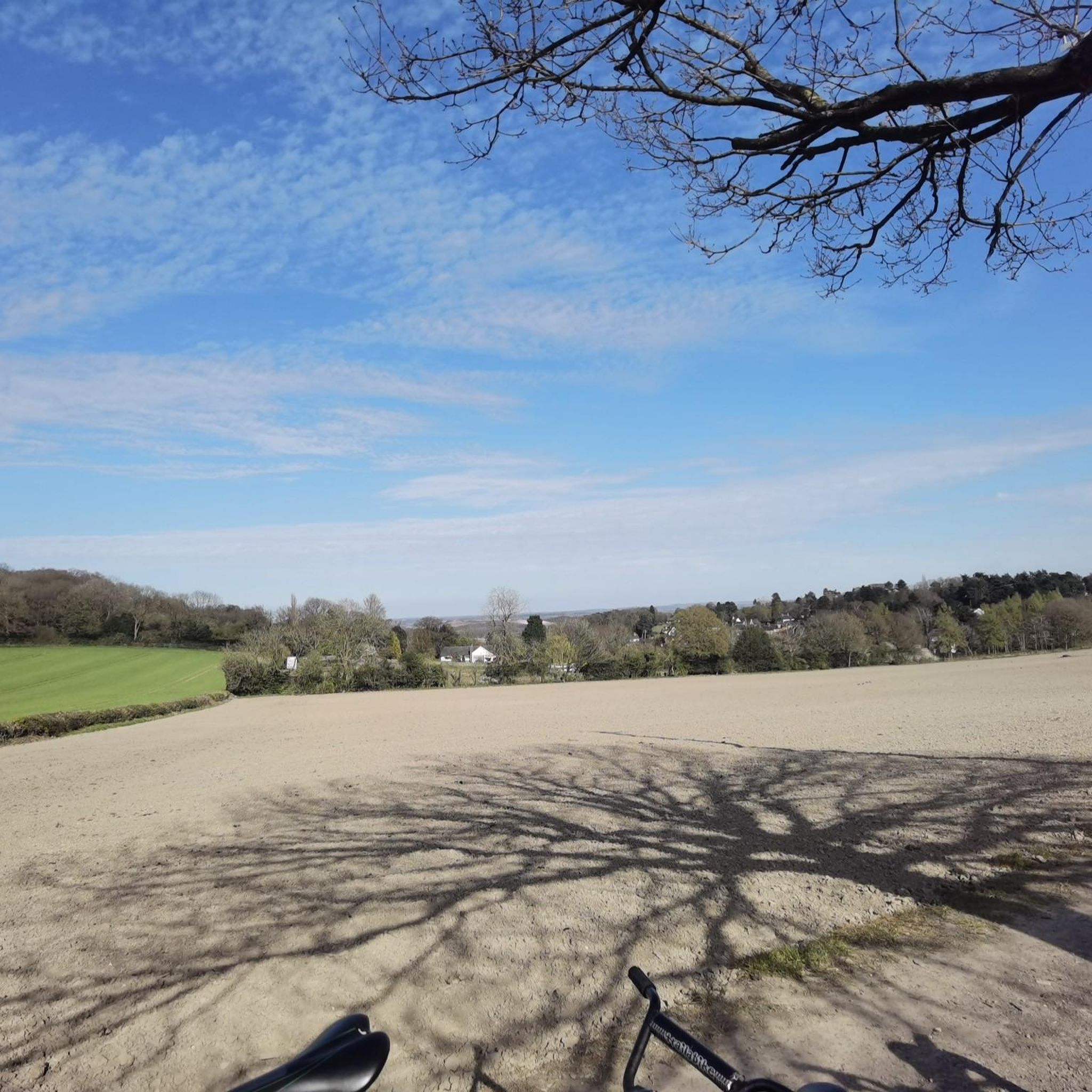
The stretch of road in Kinchley Lane going past Swithland Reservoir is a super nice biking stretch, mainly tree-lined, but you will still get some good reservoir views here and there.
2
0
Swithland Reservoir is a stunning reservoir and is one of the biggest ones in Leicestershire. They say it has over 200 bird species and is a proper little hotspot for birdwatchers.
1
0
Frequently Asked Questions
How many mountain bike trails are there around Ulverscroft?
There are over 50 mountain bike trails around Ulverscroft, offering a range of difficulties from easy to difficult. The komoot community has explored these routes over 300 times.
What kind of terrain can I expect on the mountain bike trails in Ulverscroft?
The terrain around Ulverscroft, nestled within the ancient Charnwood Forest, is diverse. You can expect a mix of woodlands, heathlands, and grasslands. The rugged geology provides varied topography with ascents, descents, and undulating paths, including natural obstacles like roots in wooded sections.
Are there challenging mountain bike routes for experienced riders?
Yes, Ulverscroft offers challenging routes. For experienced riders, the Beacon Hill Country Park, Swithland Woods and Beaumanor Hall loop is a difficult 36.3 km trail with significant elevation changes, exploring prominent natural features.
Are there easy mountain bike routes suitable for beginners or casual riders?
Yes, there are many easy routes. Out of the 53 trails, 35 are classified as easy. An example is the Bradgate Park – The Labyrinth loop from Leicestershire, which is a 26.1 km easy trail.
Can I bring my dog on the mountain bike trails in Ulverscroft?
Many trails in the Ulverscroft area, particularly those in public access woodlands and heathlands, are dog-friendly. However, rules can vary in specific nature reserves or private estates. Always keep dogs under control, especially around livestock or wildlife, and check local signage for any restrictions.
Are there family-friendly mountain bike routes in Ulverscroft?
Yes, with 35 easy routes available, there are plenty of family-friendly options. These routes often feature less challenging terrain and shorter distances, making them suitable for riders of varying ages and abilities. Look for routes that avoid significant elevation gains and technical sections.
What natural landmarks or viewpoints can I see along the mountain bike trails?
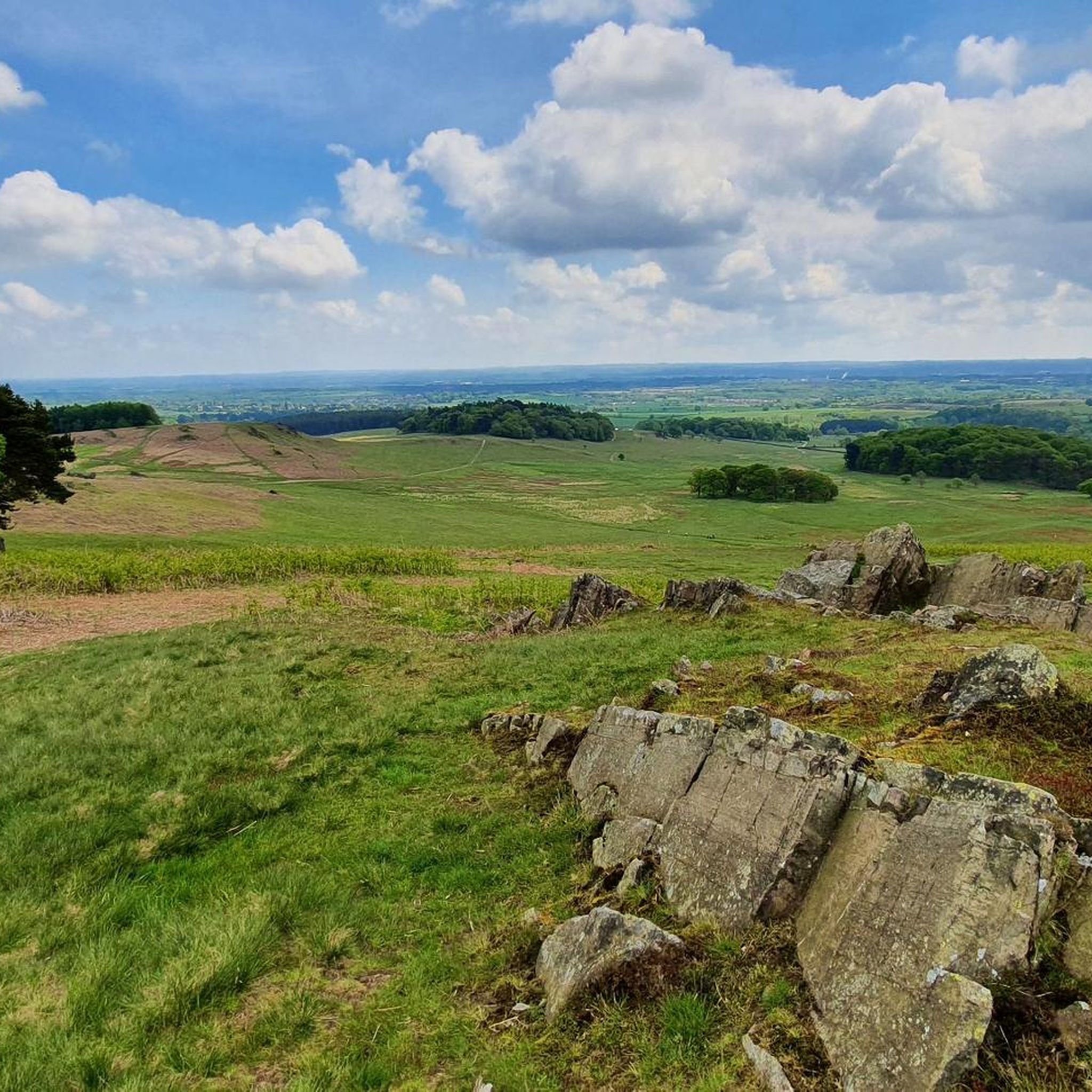
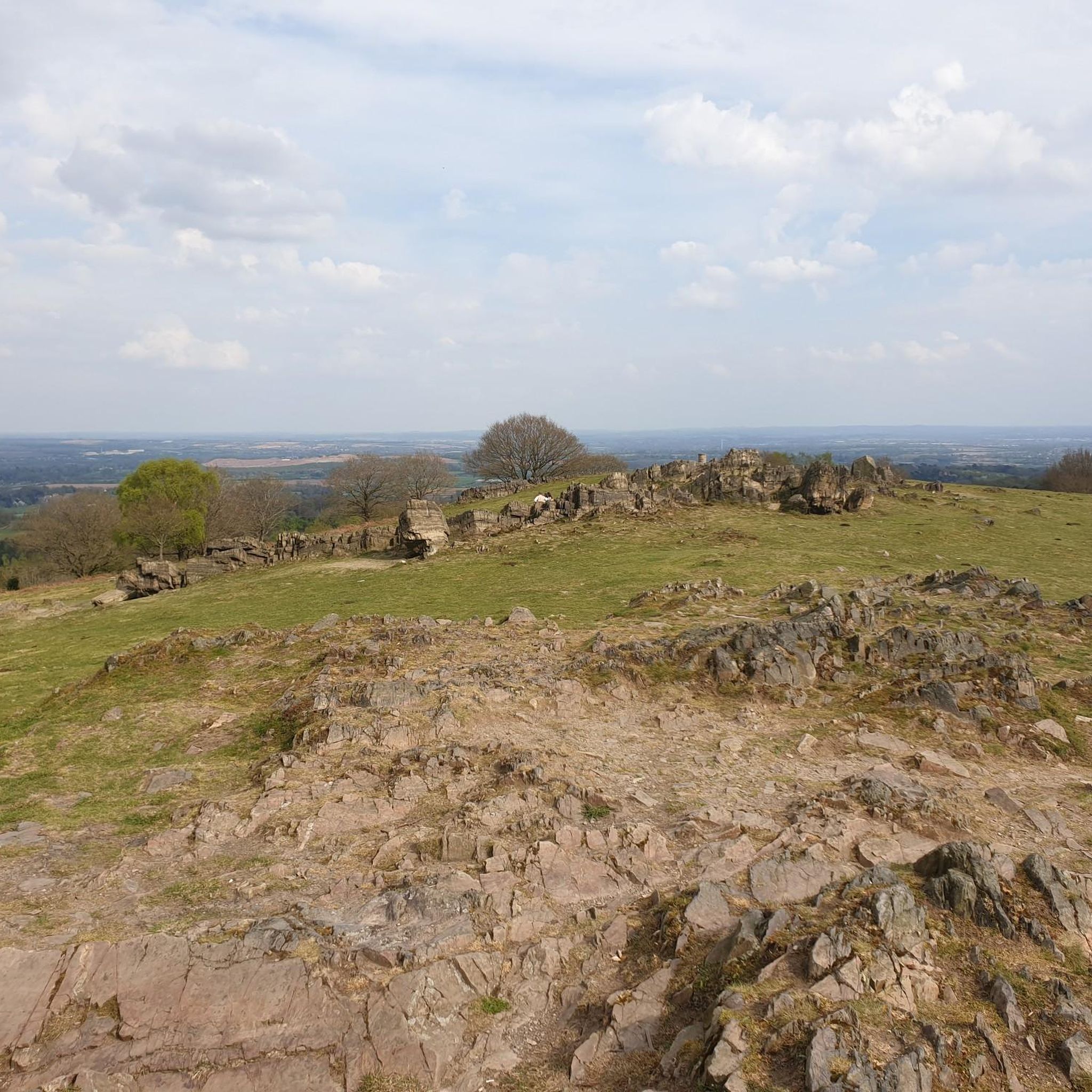
You can encounter several natural landmarks and viewpoints. Beacon Hill Summit, the second-highest point in Leicestershire, offers panoramic views across Charnwood Forest and the Soar Valley. Other notable features include Swithland Reservoir and the extensive Swithland Wood. The Ulverscroft Valley itself is a Site of Special Scientific Interest (SSSI) known for its diverse habitats.
Are there circular mountain bike routes in Ulverscroft?
Yes, many of the mountain bike routes in Ulverscroft are circular, allowing you to start and end at the same point. Examples include the The Labyrinth – Swithland Reservoir loop from Loughborough University and the Swithland Reservoir – Swithland Wood loop from Loughborough University.
Where can I park when visiting the mountain bike trails?
Parking is generally available at popular access points for areas like Beacon Hill Country Park and Swithland Wood. Specific parking information can often be found on individual route descriptions on komoot or local council websites for country parks and nature reserves.
Do I need a permit to mountain bike in Ulverscroft or Charnwood Forest?
Generally, mountain biking on public bridleways and byways in Charnwood Forest does not require a permit. However, specific nature reserves or privately owned woodlands within the Ulverscroft Valley SSSI might have restricted access or require permits for certain areas. Always respect local signage and regulations.
What do other mountain bikers say about the trails in Ulverscroft?
The mountain bike trails around Ulverscroft are highly rated by the komoot community, with an average score of 4.1 stars from over 40 reviews. Riders often praise the varied terrain, the beauty of the Charnwood Forest, and the mix of challenging climbs and scenic descents.
Are there places to eat or drink near the trails?
Yes, there are cafes and pubs in villages surrounding the Ulverscroft area, such as Newtown Linford, Woodhouse Eaves, and Cropston. These often provide convenient stops for refreshments before or after your ride.
When is the best time of year to go mountain biking in Ulverscroft?
Spring and autumn are generally ideal for mountain biking in Ulverscroft. The weather is often milder, and the natural landscapes of Charnwood Forest are particularly beautiful with changing foliage or blooming wildflowers. Summer can also be good, but trails might be busier. Winter rides are possible, but be prepared for potentially muddy conditions, especially in wooded areas.
Most popular attractions around Ulverscroft

Get inspired with the komoot mobile app


Explore more
Browse the best MTB trails in other regions.
