Attractions and Places To See around Caistor - Top 20
Best attractions and places to see around Caistor, a historic market town in the Lincolnshire Wolds, offer a blend of natural landscapes and historical sites. The town is situated on the north-western edge of the Lincolnshire Wolds, an Area of Outstanding Natural Beauty, providing access to rolling hills and countryside views. Caistor's past includes Roman origins, with fragments of 4th-century Roman walls still visible. The area features a variety of historical landmarks and natural points of interest for visitors to explore.
Best attractions and places to see around Caistor
- The most popular attractions is Walesby Church, a historical site that offers great historic views. This religious building is open to hikers and features eerie bells that chime on the hour.
- Another must-see spot is Nettleton Mine Entrance, an other man-made historical site. Visitors can explore this area as part of the Viking Way trail, suitable for hiking and cycling.
- Visitors also love Wold Top (Highest Point in Lincolnshire), a natural monument and summit. This location offers panoramic views of the Wolds from Lincolnshire's highest point at 168 meters.
- Caistor is known for its historical sites, natural viewpoints, and trails. Visitors can explore ancient churches, former mine entrances, and the highest points in the region.
- The attractions around Caistor are appreciated by the komoot community, with 5 highlights featuring 24 photos and receiving 87 upvotes.
Last updated: September 26, 2026
Nettleton Mine Entrance
Highlight • Structure
Tip by

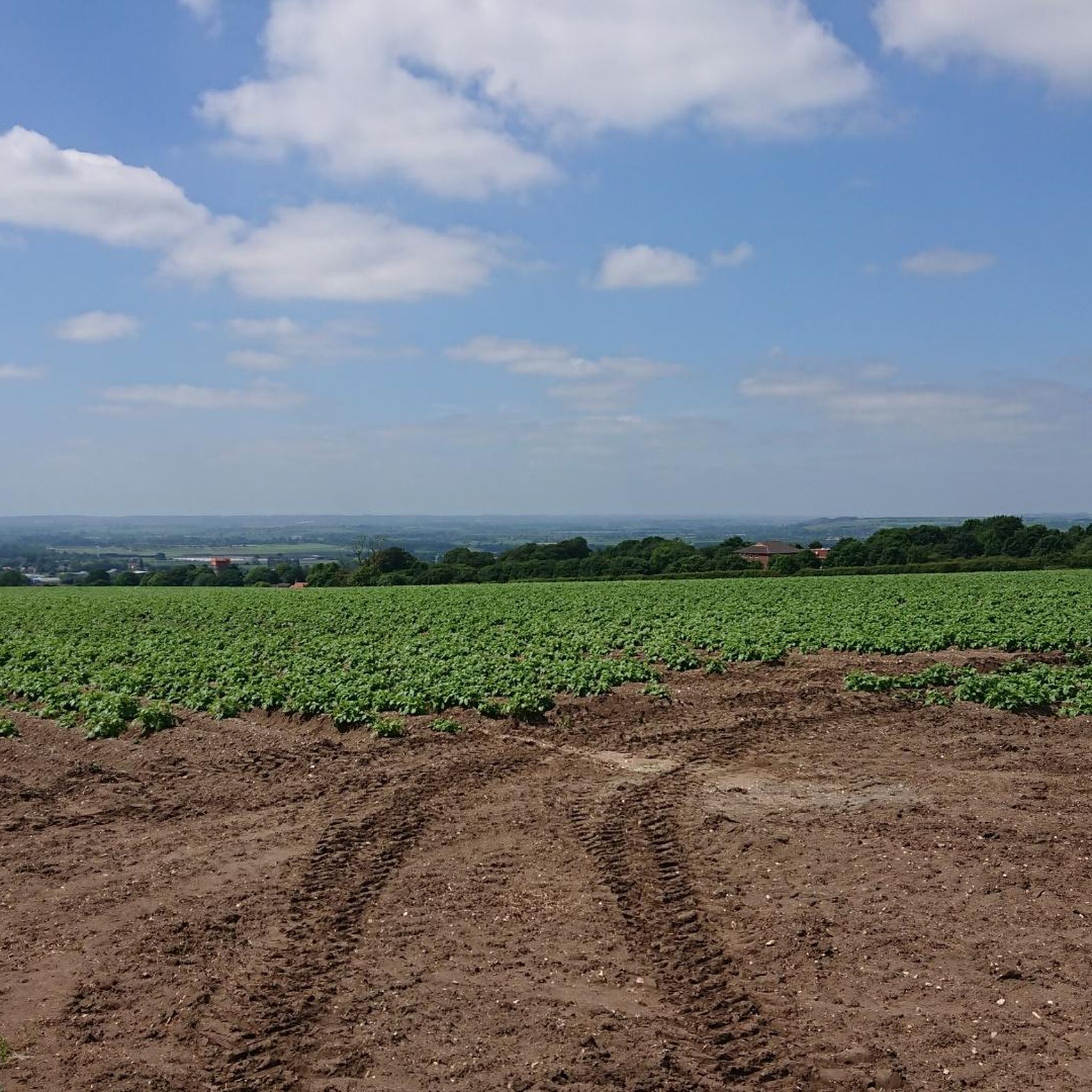
NCN 1 Bridleway Section – Barnetby Wold
Highlight (Segment) • Cycleway
Tip by

Sign up now to discover places like this
Get recommendations on the best single tracks, peaks, & plenty of other exciting outdoor places.
Walesby Church
Highlight • Historical Site
Tip by
Somerby Monument
Highlight • Monument
Tip by

Forest Road in the Lincolnshire Wolds
Highlight (Segment) • Trail
Tip by

Sign up for free to discover even more attractions around Caistor.
Already have an account?
Start today with a free account
Your next adventure awaits.
Tips from the Community

Along the Viking Way trail sadly several have had graffiti added to them.
0
0


But watch out for the giant puddle!
0
0

Bit of a slippery incline to go up but we'll worth the views
0
0

try to get near the church on the hour and listen to the erie bells chime
0
0
this church is open and has a sign saying hikers welcome come in and stay dry
0
0

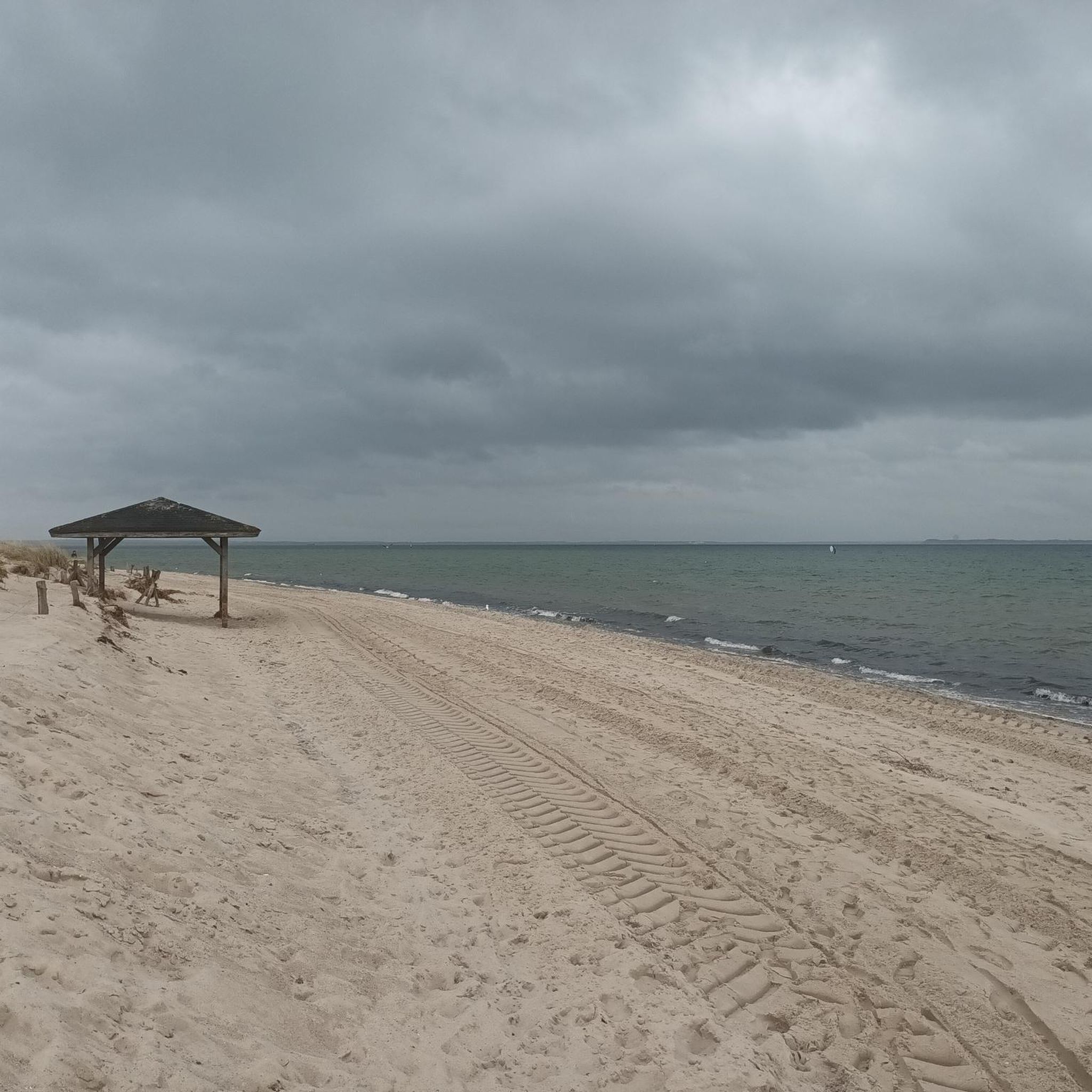
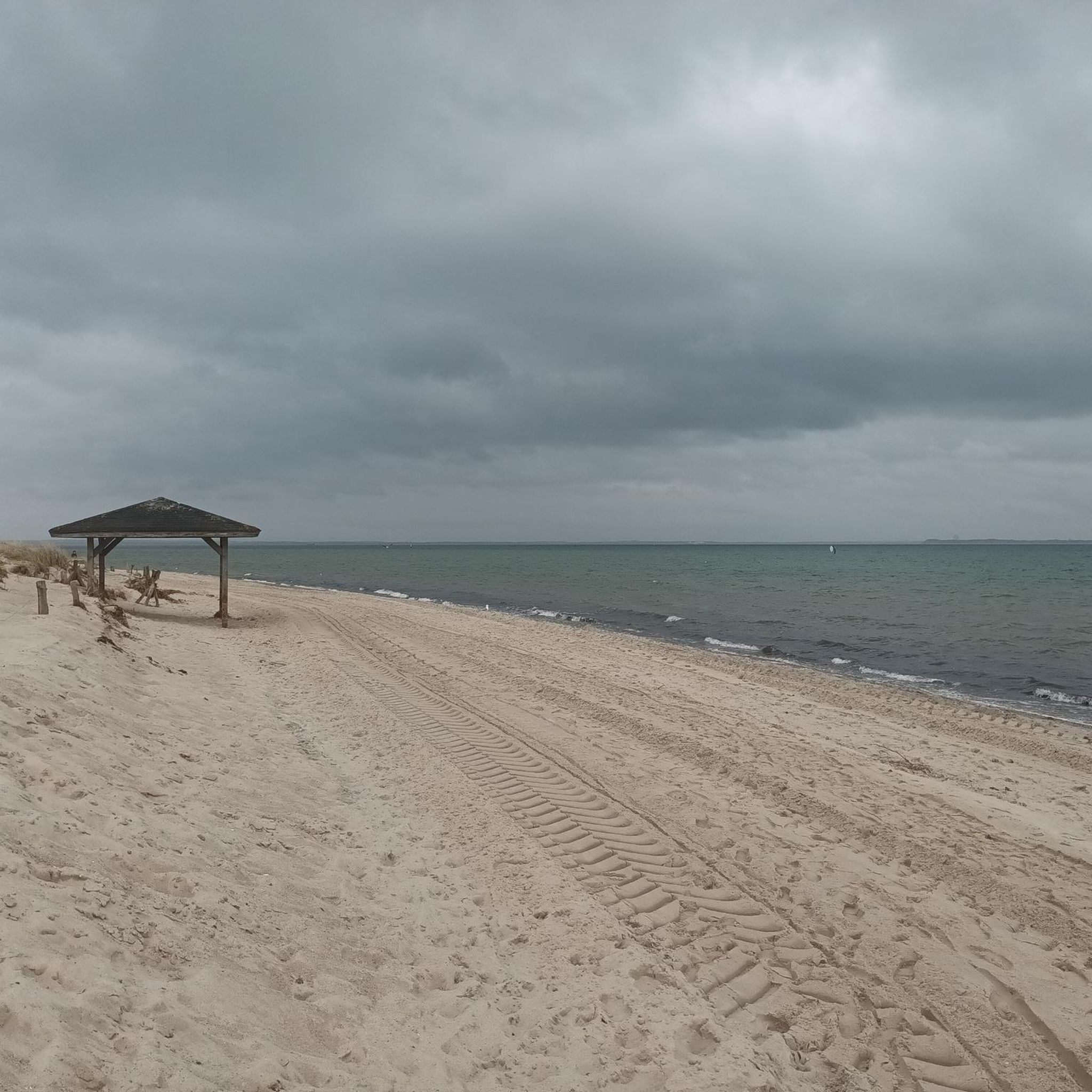
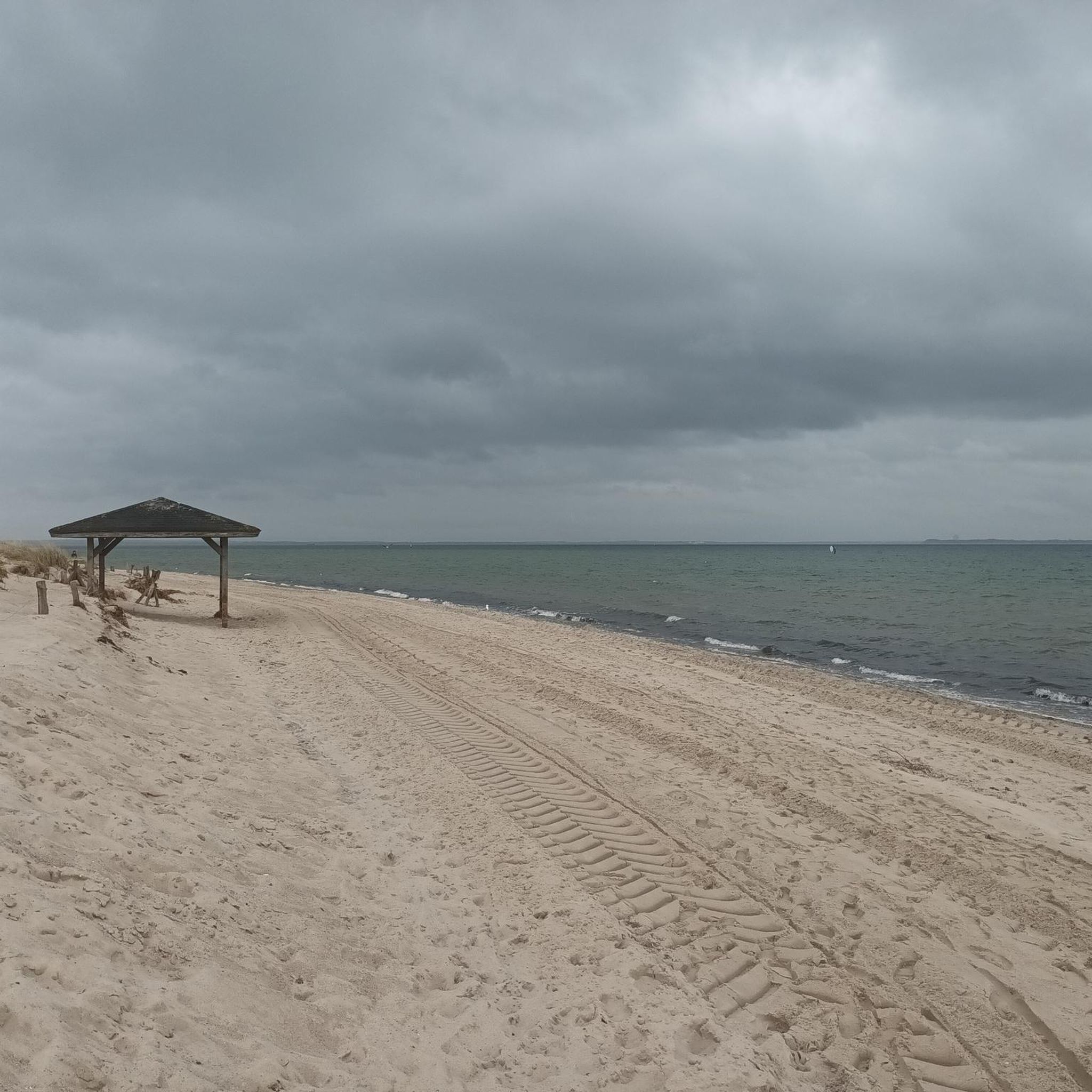
Nettleton Mine, near Holton Le Moor, Lincs. was first opened in around 1928 by the Mid Lincolnshire Ironstone Co. later coming under the ownership of John Lysaghts and eventually the British Steel Corporation. To begin with horses were used for haulage, the output being tipped from the 2ft 6in. gauge tubs into a hopper from where it travelled down to Holton Le Moor by aerial ropeway where standard gauge sidings connected in from the LNER Barnetby to Market Rasen line.
0
0
Frequently Asked Questions
What historical sites can I explore in Caistor?
Caistor boasts a rich history with several notable sites. You can see fragments of 4th-century Roman walls, particularly on the southern boundary of the St Peter and St Paul Churchyard. The town's market square is surrounded by 56 listed Georgian and Victorian buildings, and the street pattern still follows the original Roman military camp layout. Other historic buildings include Caistor Grammar School (founded 1633), the Sessions House (1662), and Caistor House (1682).
Are there any Roman remains to see in Caistor?
Yes, Caistor was originally a Roman *castrum* or fortress. You can still see fragments of its 4th-century Roman walls, most notably on the southern boundary of the St Peter and St Paul Churchyard. The area of the former fortress is a scheduled monument, and a 4th-century Roman cemetery was discovered in 2010.
Where can I find panoramic views of the Lincolnshire Wolds near Caistor?
For breathtaking panoramic views of the Wolds, visit Wold Top (Highest Point in Lincolnshire). Located at 168 meters, it offers fantastic vistas. Another spot with great views is Walesby Church, which also provides a historical backdrop to the scenery.
Are there good walking trails around Caistor?
Absolutely. Caistor is a popular destination for walkers, with the long-distance Viking Way trail passing directly through the town. You can explore various routes in the Lincolnshire Wolds, an Area of Outstanding Natural Beauty. For specific hiking options, consider routes like the 'Ruins in Lincolnshire Wolds – Nettleton Mine Entrance loop' or the 'Caistor Castle Hill – Caistor Market Place loop'. You can find more details on these and other trails in the Hiking around Caistor guide.
What cycling routes are available near Caistor?
Caistor offers several cycling opportunities. The NCN 1 Bridleway Section – Barnetby Wold provides an off-road section of the National Cycle Trail 1. You can also find routes like the 'Caistor Market Place – Caistor Castle Hill loop' or the 'View of the Lincolnshire Wolds – Nev Cole Way, Rothwell loop'. Explore more options in the Cycling around Caistor guide.
Are there family-friendly attractions or activities in the Caistor area?
Yes, the Caistor area offers family-friendly options. Nearby, Hall Farm Park in South Kelsey is a working farm with activities for all ages, including nature walks, pedal go-karts, and animal encounters. Many of the local historical sites and natural viewpoints, such as Somerby Monument and Walesby Church, are also suitable for families to visit.
What is the <a href="https://www.komoot.com/highlight/5981601" target="_blank" rel="noopener">Walesby Church</a> known for?
Walesby Church is a historical site offering great views. It's a religious building with Anglo-Saxon and early Norman elements, known for its eerie bells that chime on the hour. Visitors often appreciate its welcoming atmosphere for hikers.
What is the <a href="https://www.komoot.com/highlight/2831694" target="_blank" rel="noopener">Nettleton Mine Entrance</a>?
The Nettleton Mine Entrance is a historical man-made site near Caistor. It was part of an ironstone mine that operated from around 1928. Today, visitors can explore this area as part of the Viking Way trail, making it suitable for both hiking and cycling.
What do visitors enjoy most about the attractions around Caistor?
Visitors frequently enjoy the blend of historical sites and natural beauty. The fantastic panoramas from Wold Top, the historical significance of Walesby Church, and the opportunity to explore the Nettleton Mine Entrance as part of the Viking Way trail are often highlighted. The area is appreciated for its walking and cycling opportunities amidst the Lincolnshire Wolds.
What is the best time of year to visit Caistor for outdoor activities?
The Lincolnshire Wolds, where Caistor is situated, offers beautiful scenery year-round. Spring and summer provide pleasant weather for walking and cycling, with lush landscapes. Autumn brings vibrant colors to the countryside. While winter can be colder, it offers a different, often quieter, experience for those who enjoy crisp walks.
Are there any cultural centers or local heritage displays in Caistor?
Yes, the Caistor Arts and Heritage Centre is a key cultural hub. Housed in a renovated 1867 Methodist chapel, it features a café, local history displays, changing exhibitions, and a public library. Additionally, the Caistor Heritage Trail offers an opportunity to delve deeper into the town's history, showcasing Roman ruins, medieval churches, and Georgian housing.
Can I find natural springs in Caistor?
Yes, Caistor is built upon several natural springs. Two particularly notable ones are Syfer Spring on Fountain Street and Pigeon Spring in Horsemarket, which are part of the town's natural features.

Get inspired with the komoot mobile app


Explore more
Still not found the Highlight you’re looking for? See guides of the top attractions in other regions:
