The best cycling routes around Zimmern unter der Burg
4.6
(3419)
16,761
riders
418
rides
Touring cycling around Zimmern unter der Burg, situated at the western edge of the Swabian Alb, offers diverse landscapes for cyclists. The region features rolling terrain, dense forests, and a mix of asphalt and gravel paths. This area is part of the broader Donaubergland, known for its extensive network of cycling routes and scenic views. The varied topography provides options for different skill levels, from leisurely rides to more challenging routes with significant elevation changes.
Best touring cycling routes around…
Last updated: May 24, 2026
4.9
(64)
273
riders
84.3km
05:21
750m
750m
Hard bike ride. Very good fitness required. Mostly paved surfaces. Suitable for all skill levels.
4.8
(49)
197
riders
43.1km
02:40
400m
400m
Moderate bike ride. Good fitness required. Mostly paved surfaces. Suitable for all skill levels.

Sign up for free
4.6
(17)
74
riders
43.0km
02:51
500m
500m
Hard bike ride. Very good fitness required. Mostly paved surfaces. Suitable for all skill levels.
3.8
(5)
63
riders
61.9km
04:01
680m
680m
Hard bike ride. Very good fitness required. Mostly paved surfaces. Suitable for all skill levels.
4.1
(8)
49
riders
Moderate bike ride. Good fitness required. Mostly paved surfaces. Suitable for all skill levels.
Get access to more routes and recommendations from other explorers.
Sign up for free
Already have an account?
Our route recommendations are based on thousands of hikes, rides, and runs completed by other people on komoot.
Start today with a free account
Your next adventure awaits.
Login or Signup
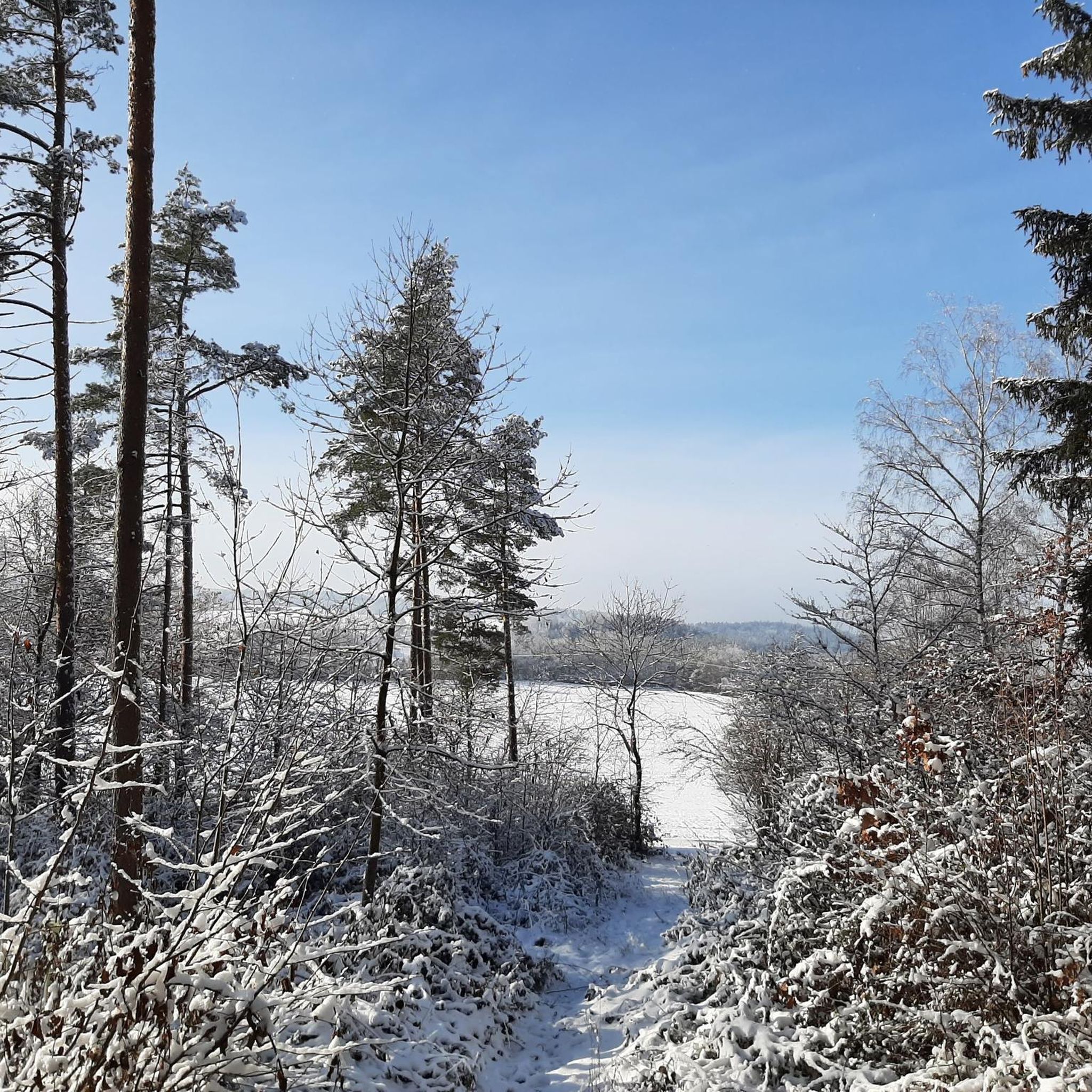
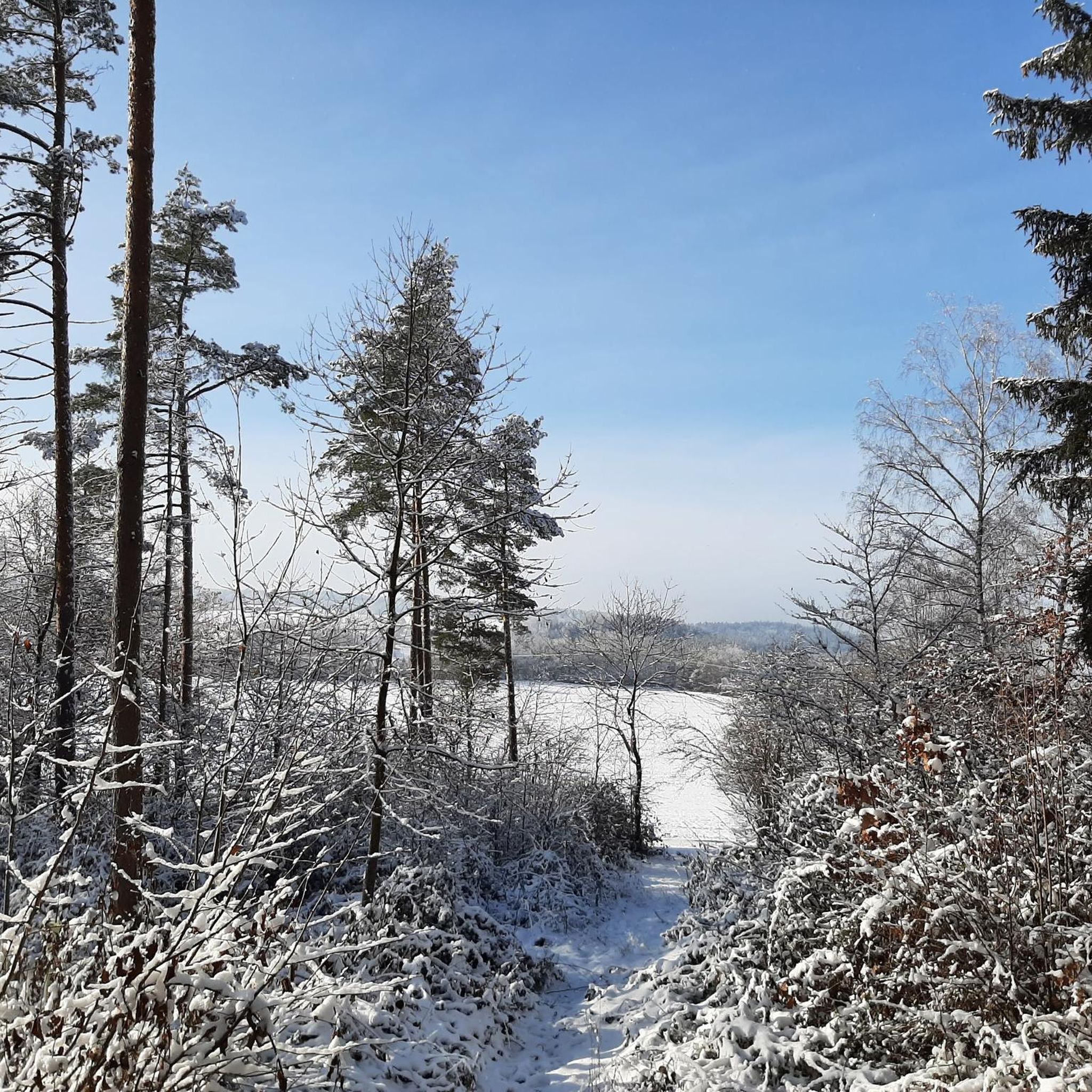
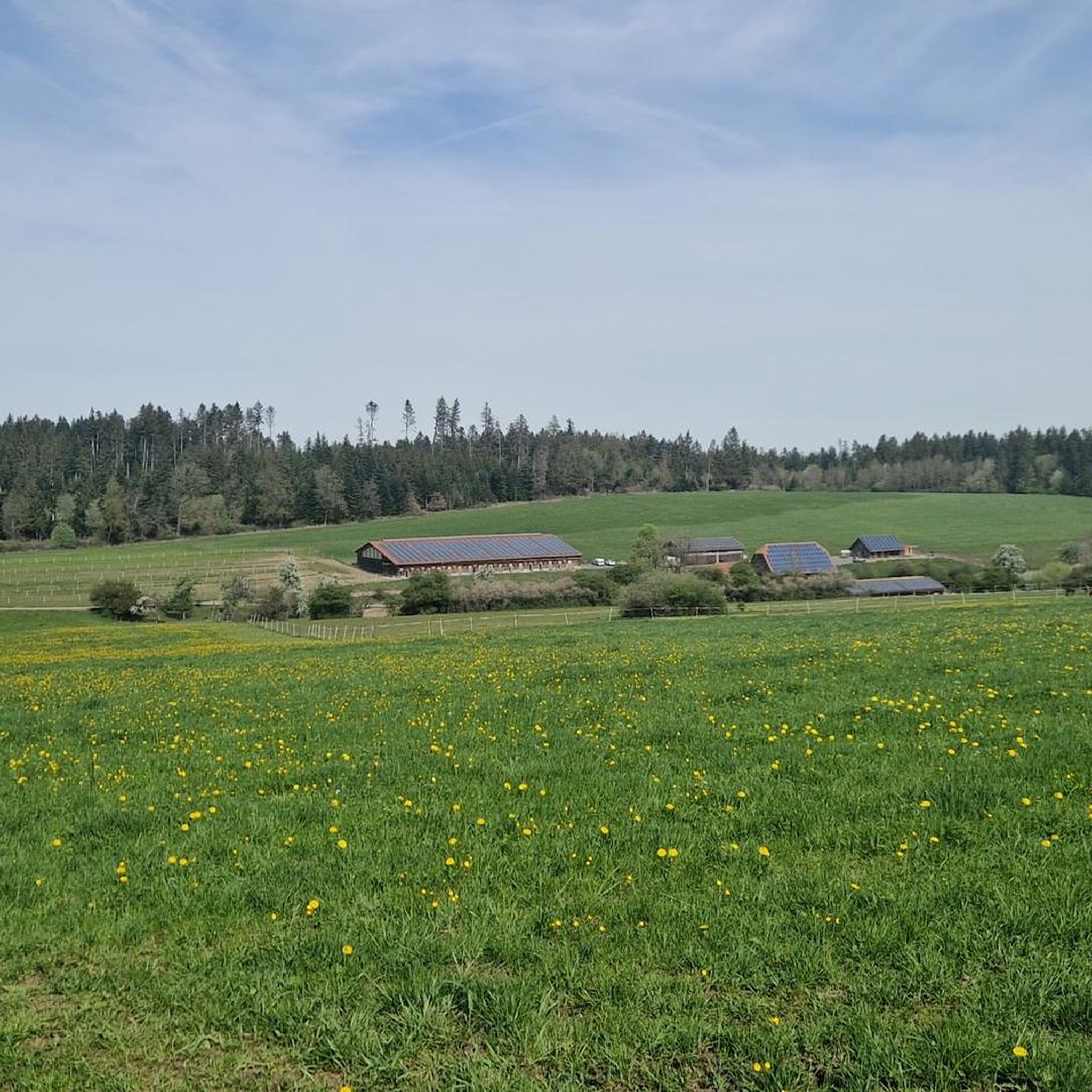
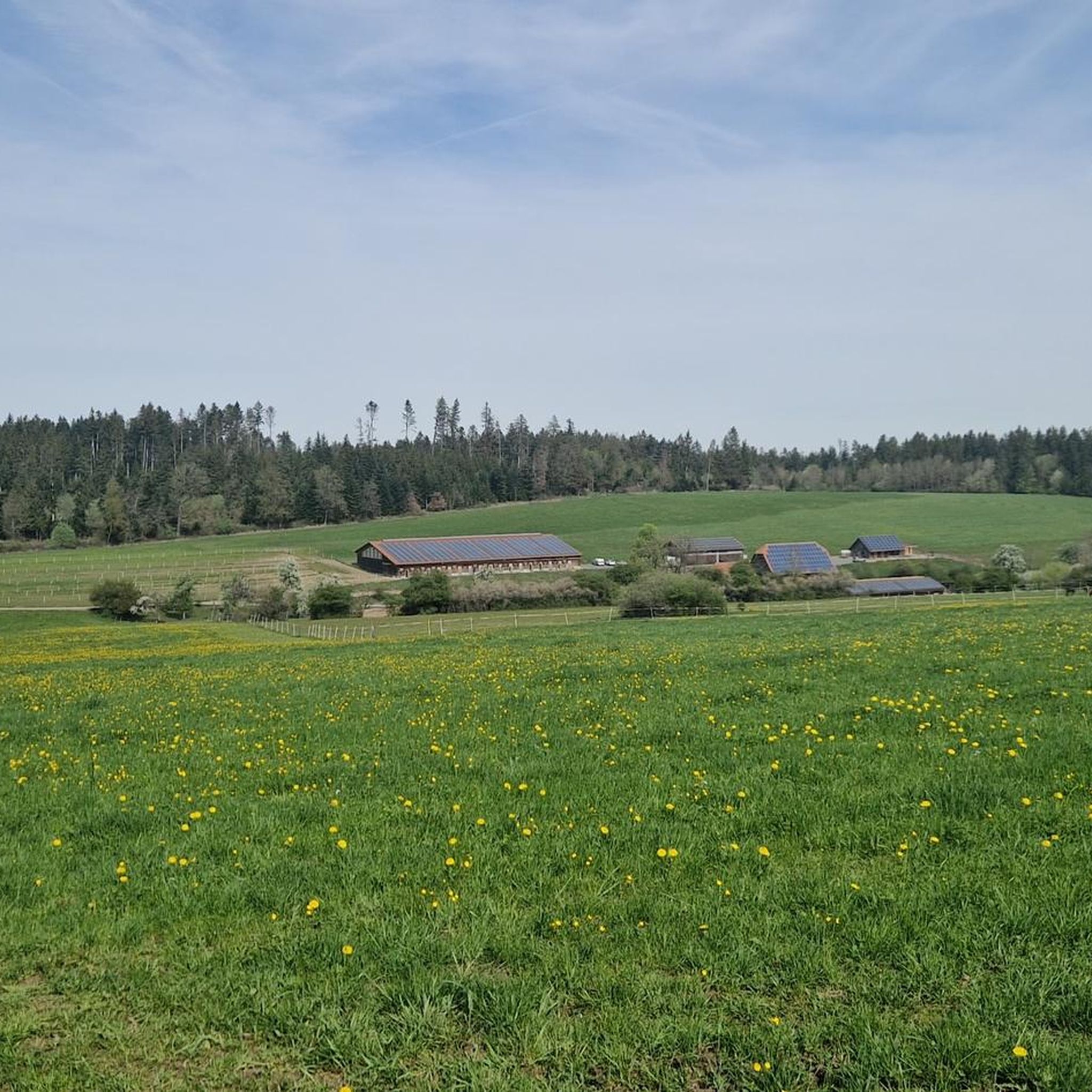

Tips from the Community

History of the Parish Church of St. Martin The church, built in the early Gothic style, was constructed in 1885/86 according to the plans of architect Joseph Cades. After completing his training, Cades joined the construction workshop of Ulm Minster, where he was primarily entrusted with the design of the two choir towers. His first church building as an independent architect was the Catholic Parish Church of St. Martin in Dotternhausen. The Dotternhausen St. Martinus Church is an early Gothic pillar basilica, meaning a three-nave, longitudinally oriented church. Its elevated central nave is illuminated by a window zone in the upper part (a so-called clerestory). A triumphal arch separates the slightly elevated choir area. The central nave is separated from the side naves by arcades on pillars. The ratio of the width of the central nave to the width of the side naves is 2:1, which is typical for the construction methods of that time. In 1986, the St. Martinus parish community in Dotternhausen celebrated the 100th anniversary of the consecration of their parish church. The entire population was invited to the festive service and the subsequent community celebration. Considerations for the interior renovation became concrete after the 100-year celebration. After a year of interior renovation, the reopening of our parish church St. Martinus could be celebrated on Sunday, April 10, 1994. The innovations: In the choir, the altar, ambo, baptismal font, stele, sedilia, and the color-coordinated windows. The two side altars, in the right side aisle the crucifixion group with tabernacle, in the left the veneration of the Mother of God. In the front choir area hangs the restored painting of St. Martin of Tours, which still dates from the old baroque church, i.e., from before 1885. It also shows the Resurrection of Christ and should have an effect on the entire church from its place. The modern art on the walls in a church built in the neo-Gothic style is an example of temporal change and development in our church, which constantly needs change and renewal. This gem should be preserved. Source: http://kirche-dotternhausen.de/foerderverein/pfarrkirche.html
1
0
The Schlichemtalsperre (also known as Schömberger Stausee, mostly just called Stausee locally) east of Schömberg in Baden-Württemberg dams the Schlichem, a tributary of the Neckar coming from the Swabian Jura. The 90.6 ha Schömberger Stausee mit Palmbühl nature reserve surrounds the Schlichemtalsperre. The approximately 1.35 km long and initially narrow reservoir, which widens to about 175 m towards the end and has an area of 10.4 ha at 643.8 m above sea level (NHN), begins at the hamlet of Untere Säge and extends to the old town center of Schömberg. It has a catchment area of about 33.5 km², to which the Schlichem, already over 11 km long at its mouth, contributes almost 90%. The watercourses Hölzlegraben from the forest to the right of the lake and Scheubühlgraben and Räßentälebach from the left, which are up to 1.2 km long, flow into it from the sides. From the Vorsee forebay near the Untere Säge, a fish ladder leads to the reservoir. There is also the only bridge over the lake that can be walked and driven on. The Schlichem Viaduct can only be used by the railway. The Schlichemtalsperre was built between 1940 and 1944. The Portlandzementwerk Rudolf Rohrbach KG (today Holcim (Süddeutschland) GmbH) in neighboring Dotternhausen, which was the builder of the dam, initially used it for cooling water and electricity generation. An outdoor swimming pool built in 1935 was flooded. After the Second World War, the facility was taken over by the state of Württemberg-Hohenzollern in 1948. The reservoir was renovated from 1975 to 1983. The dam structure is an earth dam, and the hydropower plant within it has a capacity of 60 kW. There is a forebay called Vorsee, which was built from 1975 to 1977. Source: https://de.wikipedia.org/wiki/Schlichemtalsperre
1
0
The Schlichemtalsperre (also Schömberger Stausee, usually just called Stausee locally) east of Schömberg in Baden-Württemberg dams the Schlichem, a tributary of the Neckar coming from the Swabian Jura. The 90.6-hectare Schömberger Stausee mit Palmbühl landscape protection area surrounds the Schlichemtalsperre. The approximately 1.35 km long and initially narrow reservoir, which widens to about 175 m towards the end, with an area of 10.4 hectares at 643.8 m above sea level, begins at the hamlet of Untere Säge and extends to the old town center of Schömberg. It has a catchment area of approximately 33.5 km², to which the Schlichem, which is already over 11 km long at the inflow, contributes almost 90%. The Hölzlegraben from the forest to the right of the lake and the Scheubühlgraben and Räßentälebach from the left flow into it. From the Vorsee forebay near the Untere Säge, a fish ladder leads to the reservoir. There is also the only bridge over the lake that can be walked and driven on. The Schlichem Viaduct can only be used by the railway. The Schlichemtalsperre was built between 1940 and 1944. The Portlandzementwerk Rudolf Rohrbach KG (today Holcim (Süddeutschland) GmbH) based in neighboring Dotternhausen, which was the client for the dam, initially used it for cooling water and electricity generation. An outdoor swimming pool built in 1935 was flooded. After the Second World War, the facility was taken over by the state of Württemberg-Hohenzollern in 1948. The reservoir was renovated from 1975 to 1983. The dam is an earth dam, and the hydropower plant within it has a capacity of 60 kW. There is a forebay, the Vorsee, which was built from 1975 to 1977. Source: https://de.wikipedia.org/wiki/Schlichemtalsperre
3
0

Schömberger Reservoir
1
0


Take a break at the "Verschnaufbänkle" next to the self-service machine with chilled drinks and snacks 👍
0
0


A very nice bike path
3
0
Frequently Asked Questions
How many touring cycling routes are available around Zimmern unter der Burg?
There are over 420 touring cycling routes around Zimmern unter der Burg, offering a wide variety of options for different preferences and skill levels. These routes cover diverse landscapes within the Swabian Alb and Donaubergland regions.
What kind of terrain can I expect on touring cycling routes in this region?
The routes around Zimmern unter der Burg feature a mix of terrain, including asphalt, gravel paths, and natural paths. This variety provides engaging experiences for cyclists, from smooth rides to more rugged sections, all set within rolling landscapes and dense forests.
Are there routes suitable for beginners or families?
Yes, the region offers numerous routes suitable for beginners and families. Out of over 420 routes, 69 are classified as easy, providing gentler gradients and shorter distances. For example, while not explicitly family-friendly, the area's general network includes many moderate options like the Schömberg Reservoir – Beeramühle loop from Schömberg, which offers scenic views and a manageable distance.
What is the best time of year for touring cycling in Zimmern unter der Burg?
The Swabian Alb region, including Zimmern unter der Burg, is generally best for touring cycling from spring through autumn. During these seasons, the weather is typically mild, and the natural beauty of the rolling landscapes and forests is at its peak. Winter cycling is possible but may involve colder temperatures and potentially icy conditions on some paths.
Are there any challenging touring cycling routes for experienced riders?
Absolutely. For experienced riders seeking a challenge, there are 149 difficult routes available. An example is the View of Rottweil – Thyssenkrupp Test Tower loop from Schömberg, which covers 48.1 km with over 600 meters of elevation gain, offering demanding climbs and rewarding views.
Are there circular touring cycling routes available?
Yes, many of the touring cycling routes around Zimmern unter der Burg are designed as loops, allowing you to start and end at the same point. This includes routes like the View of the Schömberg Reservoir – Schömberg Reservoir loop from Zepfenhan, which provides a comprehensive tour of the area's scenic highlights.
What interesting sights or landmarks can I see along the touring cycling routes?
The region is rich in natural and historical landmarks. Cyclists can encounter impressive natural features like the Schlichem Gorge or enjoy panoramic views from the Lemberg Tower. The Oberhohenberg Suspension Bridge is another notable point of interest.
Are there any castles or historic sites to explore while cycling?
Yes, the area around Zimmern unter der Burg is dotted with historic sites. You can cycle past or visit ruins such as Neckarburg Castle Ruins, Burg Irslingen Ruins, or Hohenstein Castle Ruins. The Oberhohenberg Observation Platform (Hohenberg Castle) also offers historical context and great views.
Is it possible to access the cycling routes by public transport?
While specific public transport connections directly to all trailheads might vary, the broader Swabian Alb region is generally accessible. Many towns and villages within the Donaubergland network have bus or train connections. It's advisable to check local public transport schedules for the most convenient access points to your chosen route.
Are there parking options available at the trailheads?
Yes, for many popular cycling routes and starting points around Zimmern unter der Burg, you will find designated parking areas. These are often located near villages or key attractions, making it convenient to park your vehicle and begin your ride. Specific parking details can usually be found on individual route descriptions.
Can I bring my dog on the touring cycling routes?
Many touring cycling routes in the natural landscapes around Zimmern unter der Burg are suitable for cycling with dogs, provided they are well-behaved and kept on a leash where necessary. Always be mindful of local regulations, wildlife, and other trail users. Ensure your dog is fit enough for the distance and terrain, and carry enough water for both of you.
What do other touring cyclists enjoy most about cycling in Zimmern unter der Burg?
The touring cycling experience in Zimmern unter der Burg is highly rated by the komoot community, with an average score of 4.6 stars from over 3000 reviews. Cyclists frequently praise the diverse landscapes, the mix of challenging and leisurely routes, and the scenic views, particularly around the Swabian Alb and Donaubergland regions.
Most popular routes around Zimmern unter der Burg
Most popular attractions around Zimmern unter der Burg

Get inspired with the komoot mobile app


Explore more
Browse the best Cycling routes in other regions.
