Attractions and Places To See around Hampton Lovett - Top 20
Best attractions and places to see around Hampton Lovett include a blend of historical sites and natural landscapes. This picturesque village in Worcestershire, England, is watered by the Hampton Brook and features undulating land. The area offers opportunities to explore ancient woodlands, nature reserves, and historical waterways.
Best attractions and places to see around Hampton Lovett
- The most popular attractions is Burlish Top Nature Reserve, an important area of lowland heath. It provides vital habitat for insects, reptiles, and…
Last updated: July 29, 2026
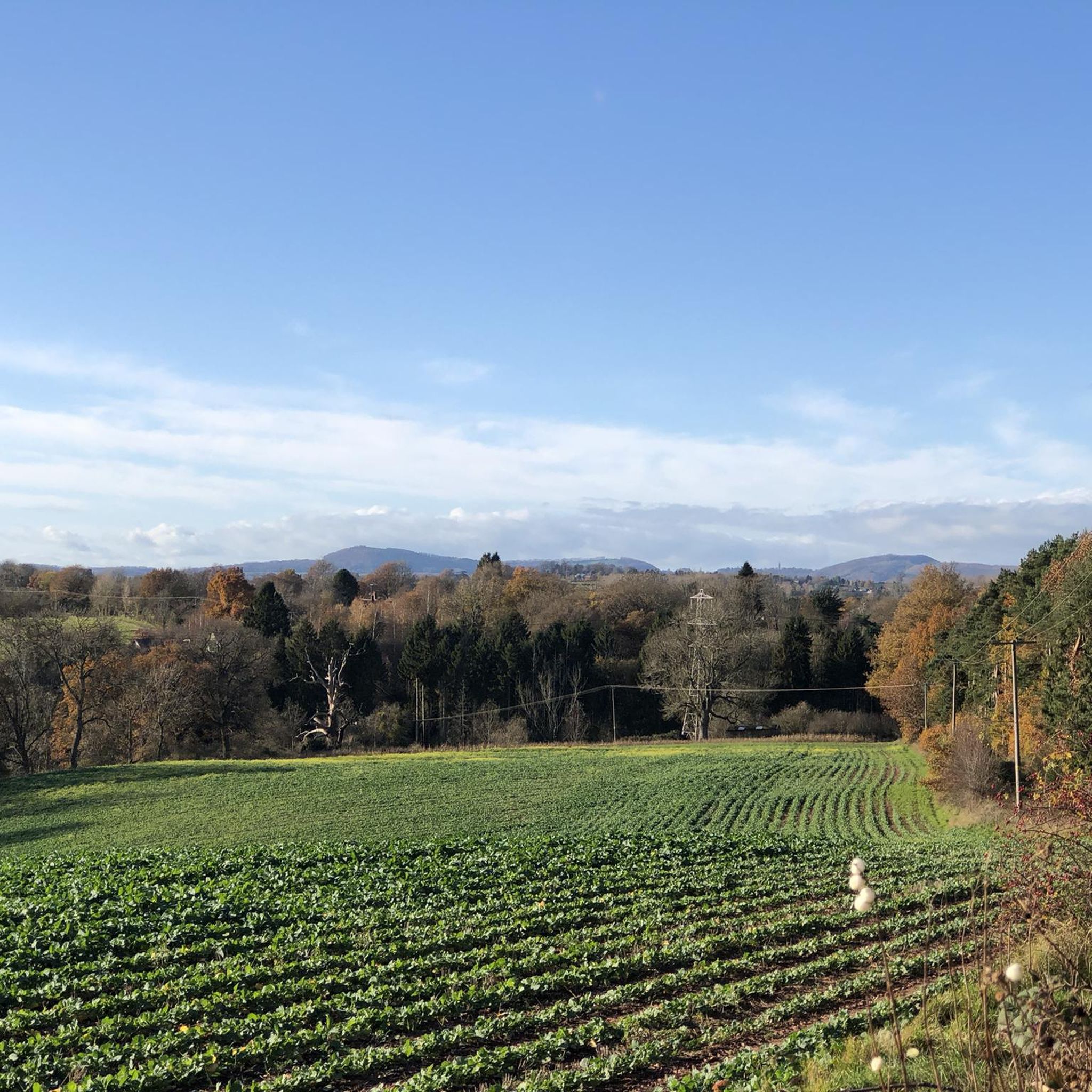
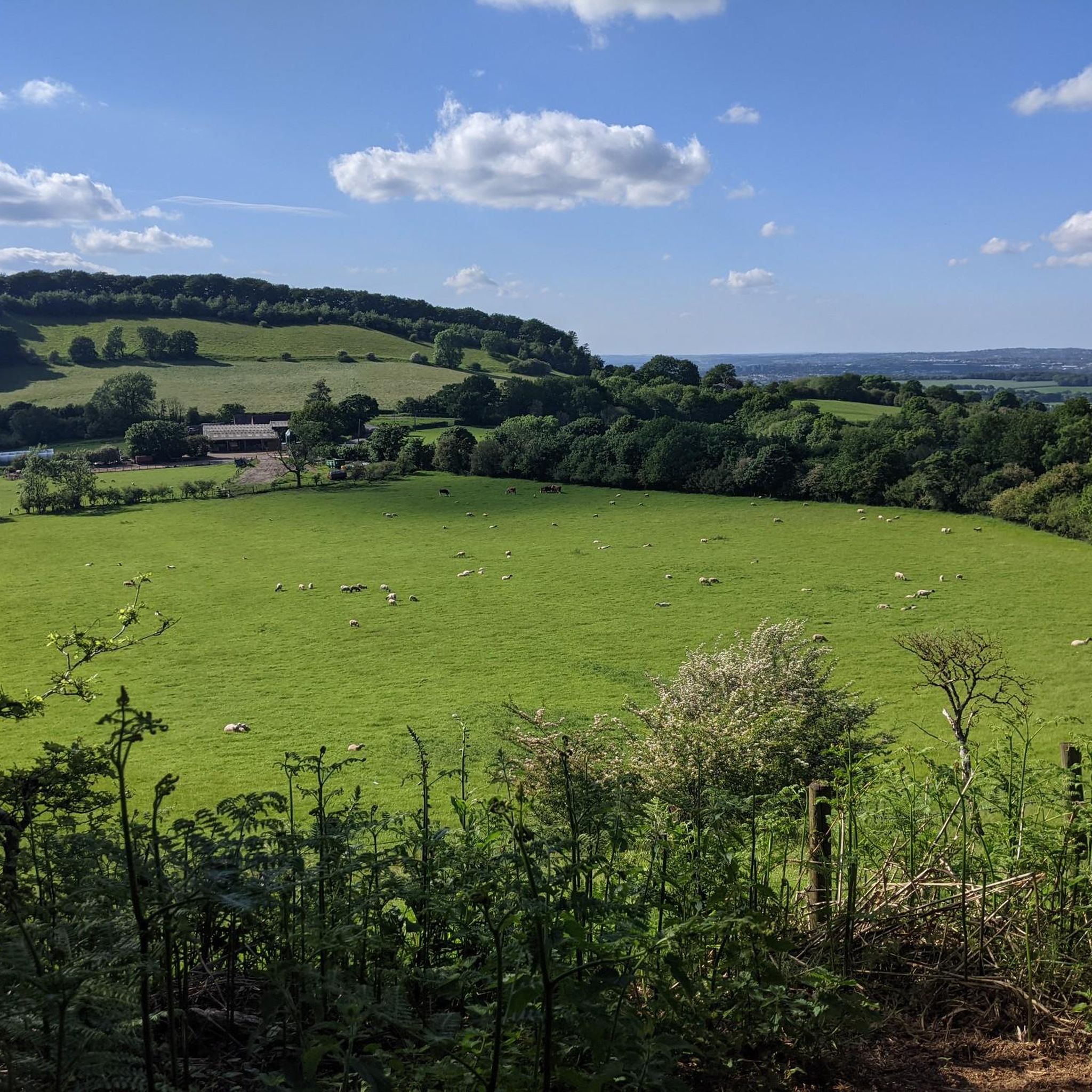
Burlish Top Nature Reserve
Highlight • Natural
Tip by

Tardebigge Locks
Highlight • Cycleway
Tip by

Sign up now to discover places like this
Get recommendations on the best single tracks, peaks, & plenty of other exciting outdoor places.
Sign up for free
Chaddesley Wood National Nature Reserve
Highlight • Natural Monument
Tip by

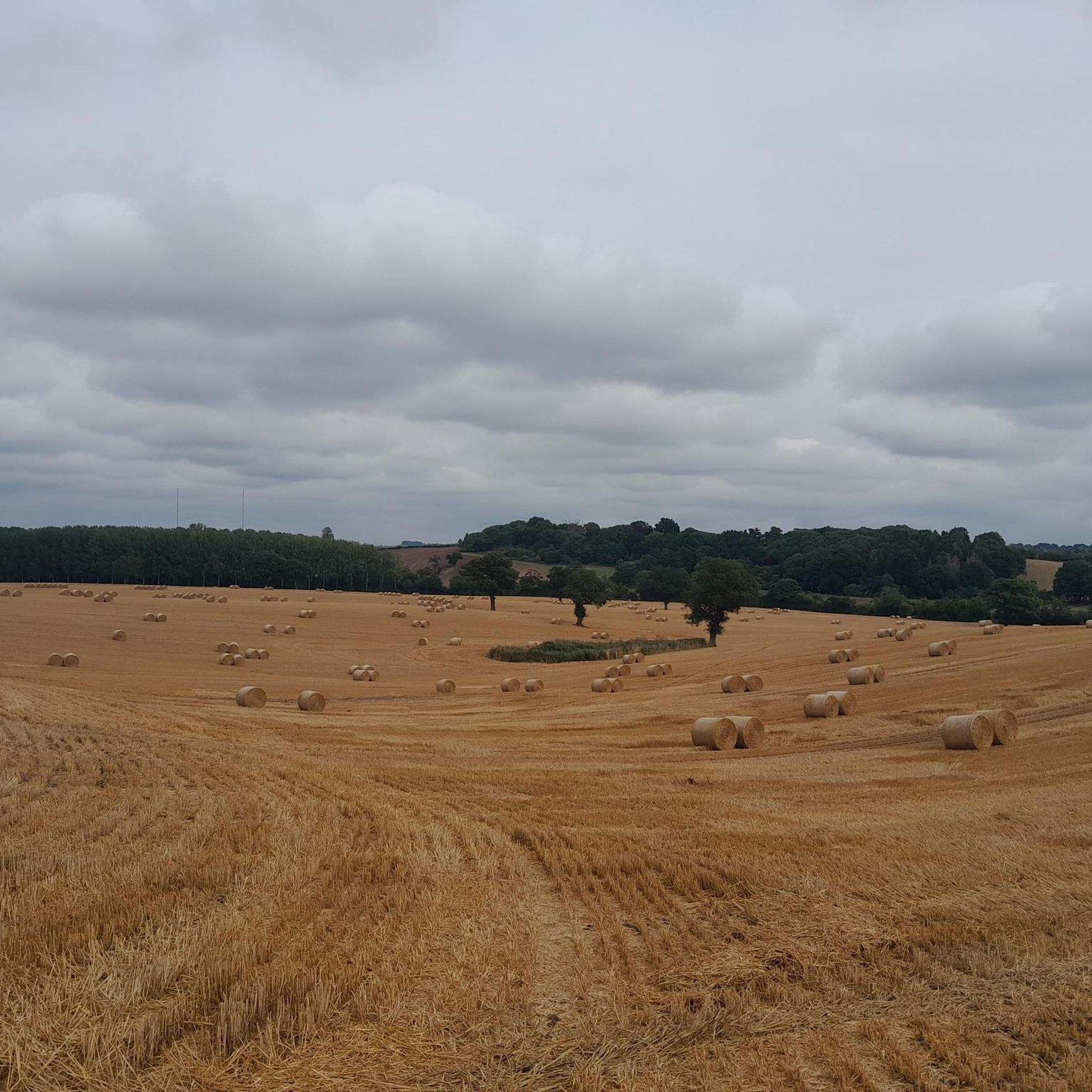
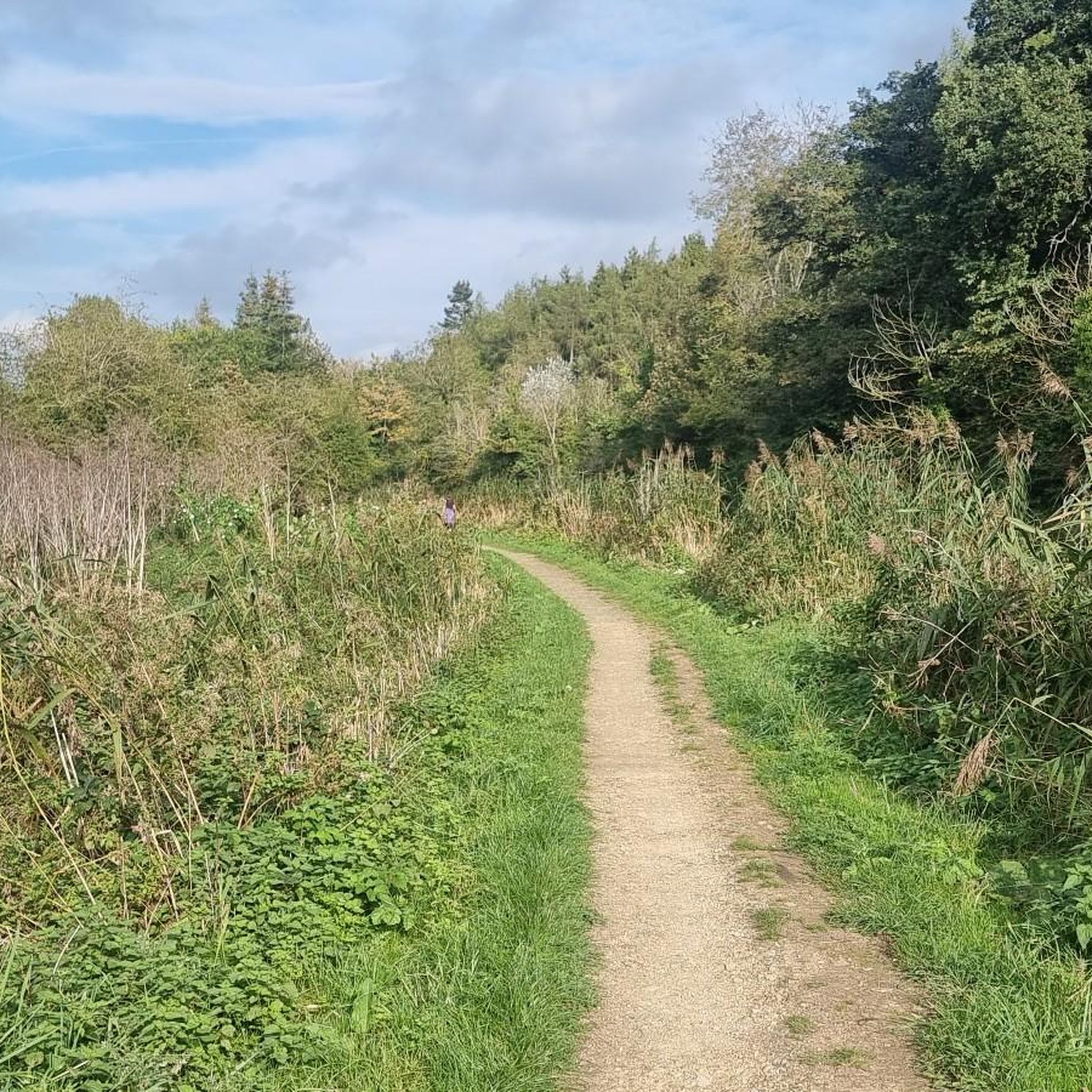
Leapgate Old Railway Line
Highlight • Trail
Tip by

The Mug House
Highlight • Historical Site
Tip by

Sign up for free to discover even more attractions around Hampton Lovett.
Sign up for free
Already have an account?
Start today with a free account
Your next adventure awaits.
Login or Signup


Tips from the Community

One of the highlights of this part of the Geopark Way, rather better than walking through Stourport.
0
0


Watch out for walkers around some of the locks. Few blind corners.
0
0


The nature reserve is approximately 35 hectares (86 acres) in size. The dominant habitat is heath and acid grassland, surrounded by oak and birch scrub. The acid grassland has been surveyed by many professional bodies, and Natural England rated it as the best quality acid grassland in the county. Wildlife on the site is typical for what you would expect on a heathland site, while reptiles are scarce due to the levels of disturbance from the public; however common lizard, grass snake and slow worm have been seen. There are many notable species of solitary bee and wasp which make use of the bare sandy soil, as do unusual heathland specialists, the green tiger beetle. The open areas are also utilised by a variety of ground feeding birds such as green woodpecker and as nesting sites for rarities like woodlark. There are a few small pools on site; one in particular supports a good breeding population of smooth newt, common frog, various dragonflies, damselflies and great diving beetle. Although traditionally a heath, this has given way in the main to gorse and broom scrub. There has been an increase in the density of rare grey hair grass after scrub clearance carried out in previous years. The area has an interesting history, with the site being used as a World War II American Army training and hospital camp. All that remains from those days are concrete paths, and some foundations from the original buildings. Much of this has been highlighted along a way marked ‘History’ trail. The website 'Burlish Camp' has more on the history of the site. In addition to the history trail, there are 3 other trails around the site, including 2 easy going routes, which take advantage of the sites historical concrete tracks, and a heathland circular, which also incorporates much of the Rifle Range SSSI. Source: Wyre Forest District Council
0
0
The ‘Old Railway Line’ cuts through the red sandstone bedrock. These sandstones are Triassic in age, belonging to the ‘Sherwood Sandstone Group’ of rocks. The Sherwood Sandstone Group, the older Permian-aged Bridgnorth Sandstone and the younger Triassic-aged Mercia Mudstone Group have one thing in common; they were deposited in a vast rift basin, called the Worcester Basin. The Worcester Basin was north-south orientated and formed during the Permian period. Its western edge, in the Geopark area, followed the line of a major fault-line, the East Malvern Fault. In the present day this fault line is most clearly marked by the Malvern, Suckley and Abberley Hills. The eastern edge of the Basin followed the line of another major fault-line, the Inkberrow Fault. Into this basin a great variety of different sedimentary rocks were deposited and formed. Some were windblown deposits, others were despotised by streams and rivers, evaporate deposits also formed in lakes and the other significant deposit was alluvial fans that formed along the edge of the basin. Each of the rocks represents the changing environments experienced in the basin through the passage of time. The rocks seen along the ‘Old Railway Line’ belong to the Wildmoor Sandstone Formation, part of the Sherwood Sandstone Group of rocks. They are around 220 million years ago and comprises soft, weakly cemented, pale red-brown, micaceous, sandstones. The well-rounded, evenly sized grains suggest reworking of windblown sands that were deposited the Worcester Basin during the Permian period. Source: geopark.org
0
0

Architecture and engineering fans delight - so many rural scenes to discover along the Worcester and Birmingham Canal.
1
0
Tardebigge Locks or the Tardebigge Flight is the longest flight of locks in the UK, comprising 30 narrow locks on a two-and-a-quarter-mile stretch of the Worcester and Birmingham Canal at Tardebigge, Worcestershire. Well worth checking out... and realising that travelling on foot or bike it a lot quicker than travelling by canal boat!
1
0
Frequently Asked Questions
What natural features can I explore near Hampton Lovett?
The area around Hampton Lovett offers several natural attractions. You can visit Burlish Top Nature Reserve, an 86-acre lowland heath providing vital habitats for insects and reptiles. Another significant site is Chaddesley Wood National Nature Reserve, an ancient woodland with parts potentially wooded since the Ice Age, home to unique flora and fauna. The village itself is watered by the scenic Hampton Brook, and the Leapgate Old Railway Line offers geological interest with its Triassic-aged red sandstone bedrock.
Are there historical sites or landmarks to visit in Hampton Lovett and the surrounding area?
Yes, Hampton Lovett has historical significance. The most notable landmark is the Church of St. Mary and All Saints, known for its Norman architecture and historical burials. Nearby, you can also explore Tardebigge Locks, the longest flight of locks in the UK, a remarkable feat of engineering on the Worcester and Birmingham Canal. Burlish Top Nature Reserve also contains remnants of its past as an American army camp during the Second World War.
What kind of outdoor activities can I do near Hampton Lovett?
Hampton Lovett is a great base for outdoor activities. You can enjoy cycling on routes like the 'Pershore & Croome Court loop' or 'Diglis Basin Marina – Canal Lock loop'. For mountain biking, options include the 'River Severn Footbridge – Diglis Bridge loop'. Hikers can explore easy trails such as the 'Droitwich Canal in Vines Park – Hanbury Wharf Canal Junction loop'. Find more details on these activities and routes in the dedicated guides for cycling, MTB trails, and easy hikes around Hampton Lovett.
Are there family-friendly attractions or activities near Hampton Lovett?
Absolutely. Burlish Top Nature Reserve and Leapgate Old Railway Line are both considered family-friendly, offering pleasant areas for walks and exploration. The historical The Mug House, a pub with a rich history, is also listed as family-friendly, providing a unique cultural experience.
Where can I go for a walk or hike near Hampton Lovett?
There are several excellent options for walking and hiking. Chaddesley Wood National Nature Reserve offers ancient woodland trails, though be prepared for potentially muddy conditions. Burlish Top Nature Reserve has multiple trails, including easy-going routes along historical concrete tracks. The Leapgate Old Railway Line also provides a unique path for a stroll. For more structured routes, check out the easy hikes guide.
What is the best time to visit the nature reserves near Hampton Lovett?
While specific seasonal advice isn't detailed for all attractions, nature reserves like Chaddesley Wood National Nature Reserve are particularly vibrant in spring and early summer with wildflowers and birdsong. Autumn offers beautiful foliage. For Burlish Top Nature Reserve, any time of year can be pleasant for a ramble, but drier months might be preferable for exploring all trails.
Are there any pubs or cafes near the attractions in Hampton Lovett?
Yes, The Mug House is a historical pub with roots dating back to the Plantagenets, offering a unique cultural experience. It's known for its long history and traditional hospitality. While specific cafes are not highlighted, the village itself is picturesque, and you may find local establishments.
What kind of wildlife can I spot in the nature reserves?
In Chaddesley Wood National Nature Reserve, you might spot elusive woodcocks and enjoy abundant birdsong. The reserve is also home to ancient woodland indicator species of plants. Burlish Top Nature Reserve provides vital habitats for insects, reptiles like common lizards, grass snakes, and slow worms, as well as various ground-feeding birds such as green woodpeckers and rare woodlarks. Solitary bees and wasps also thrive in its sandy soil.
Are there any easy or accessible walks near Hampton Lovett?
Yes, Burlish Top Nature Reserve offers easy-going routes that utilize its historical concrete tracks, making them more accessible. The Leapgate Old Railway Line also provides a relatively flat path. For more options, the easy hikes guide around Hampton Lovett lists several routes, such as the 'Droitwich Canal in Vines Park' loop, which are generally suitable for less strenuous activity.
What do visitors enjoy most about the attractions around Hampton Lovett?
Visitors appreciate the blend of historical charm and natural beauty. For instance, Burlish Top Nature Reserve is loved for being a lovely place to ramble, while Tardebigge Locks is well-regarded for its historical significance and scenic towpath for cycling. Chaddesley Wood National Nature Reserve is valued for its ancient woodland and wildlife, though visitors note it can be incredibly muddy, suggesting wellies are a good idea.
Can I bring my dog on trails near Hampton Lovett?
While specific dog-friendly policies for each trail are not detailed, nature reserves like Burlish Top Nature Reserve and Chaddesley Wood National Nature Reserve are generally popular for dog walking. It's always recommended to keep dogs on a lead, especially in nature reserves, to protect wildlife and ensure a pleasant experience for all visitors.
Most popular attractions around Hampton Lovett

Get inspired with the komoot mobile app


Explore more
Still not found the Highlight you’re looking for? See guides of the top attractions in other regions:
