The best cycling routes around Zemendorf-Stöttera
4.5
(2293)
11,512
riders
351
rides
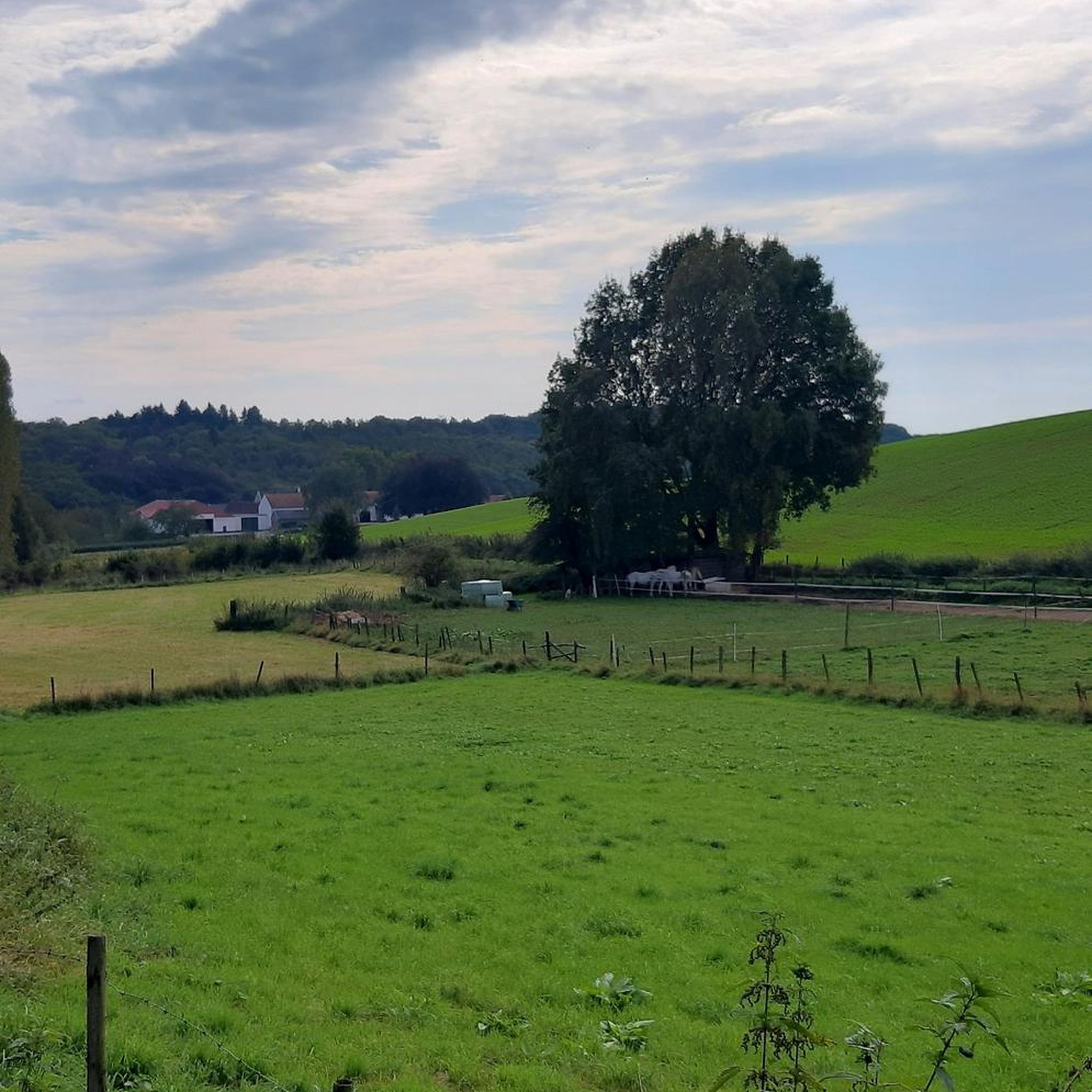
Touring cycling around Zemendorf-Stöttera features a landscape characterized by gentle hills, open meadows, and agricultural areas, with routes often passing by natural ponds and small villages. The region offers a mix of paved and unpaved paths suitable for touring bicycles, with minimal significant elevation changes. These routes provide access to local points of interest and offer a relaxed cycling experience through the Burgenland countryside.
Best touring cycling routes around Zemendorf-Stöttera
- The most popular touring cycling route is Rohrbach Natural Swimming…
Last updated: November 15, 2026
4.6
(5)
29
riders
Easy bike ride. Mostly paved surfaces.
19
riders
15.3km
00:53
60m
60m
Easy bike ride. Mostly paved surfaces.

5.0
(2)
11
riders
32.8km
02:11
410m
410m
Moderate bike ride. Good fitness required. Mostly paved surfaces.
5.0
(1)
8
riders
27.2km
01:46
240m
240m
Moderate bike ride. Good fitness required. Mostly paved surfaces.
5.0
(2)
7
riders
Easy bike ride. Mostly paved surfaces.
Get access to more routes and recommendations from other explorers.
Already have an account?
Our route recommendations are based on thousands of hikes, rides, and runs completed by other people on komoot.
Start today with a free account
Your next adventure awaits.
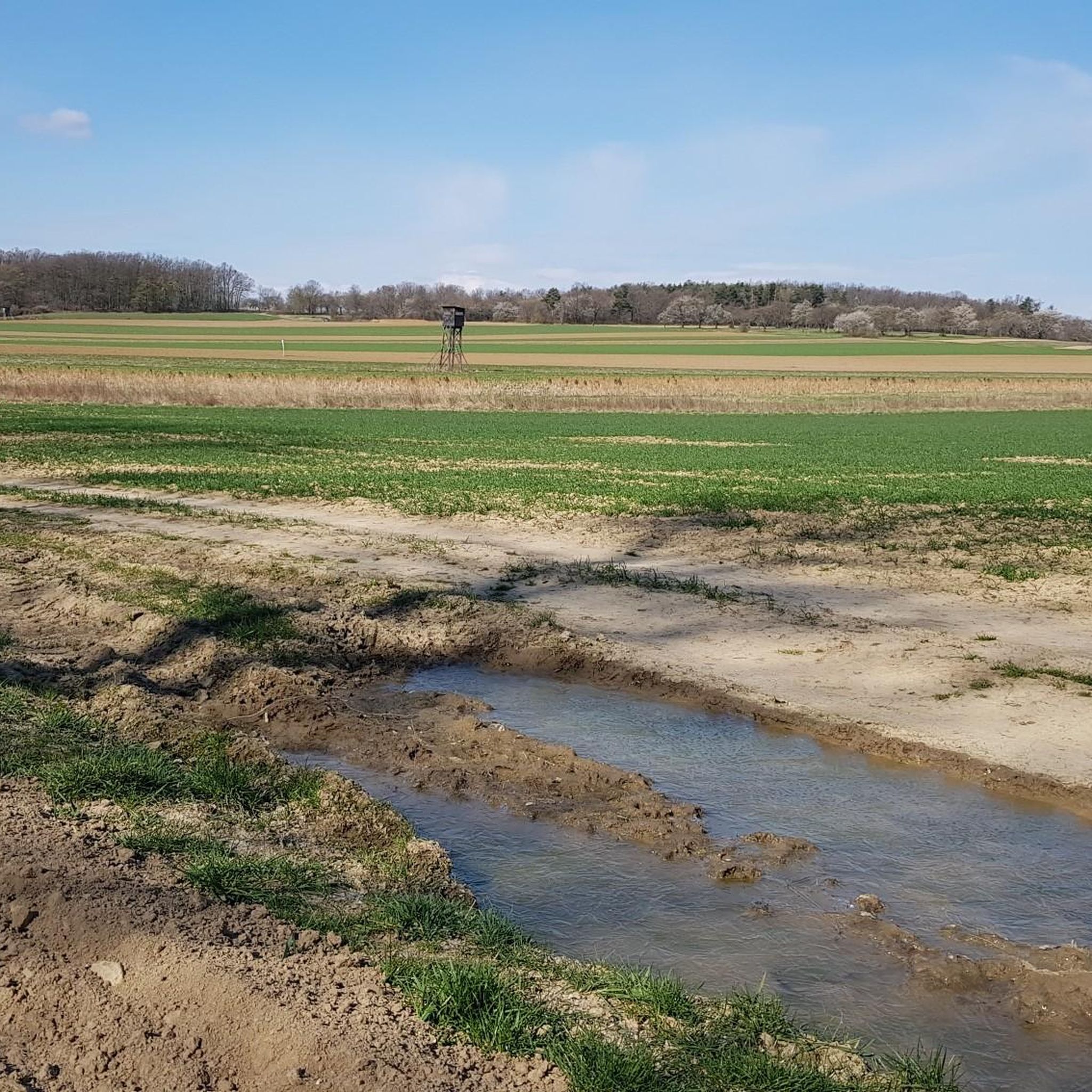
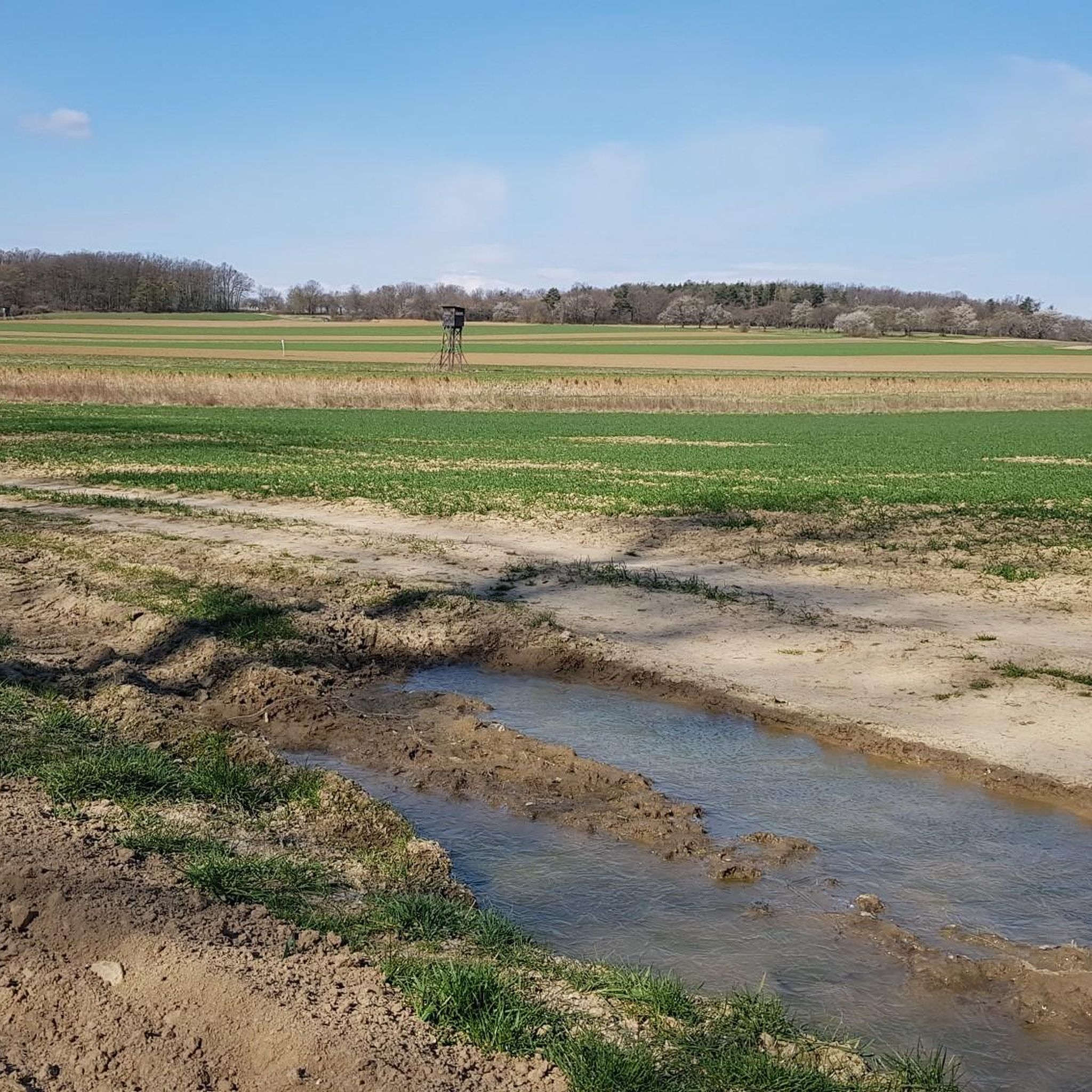
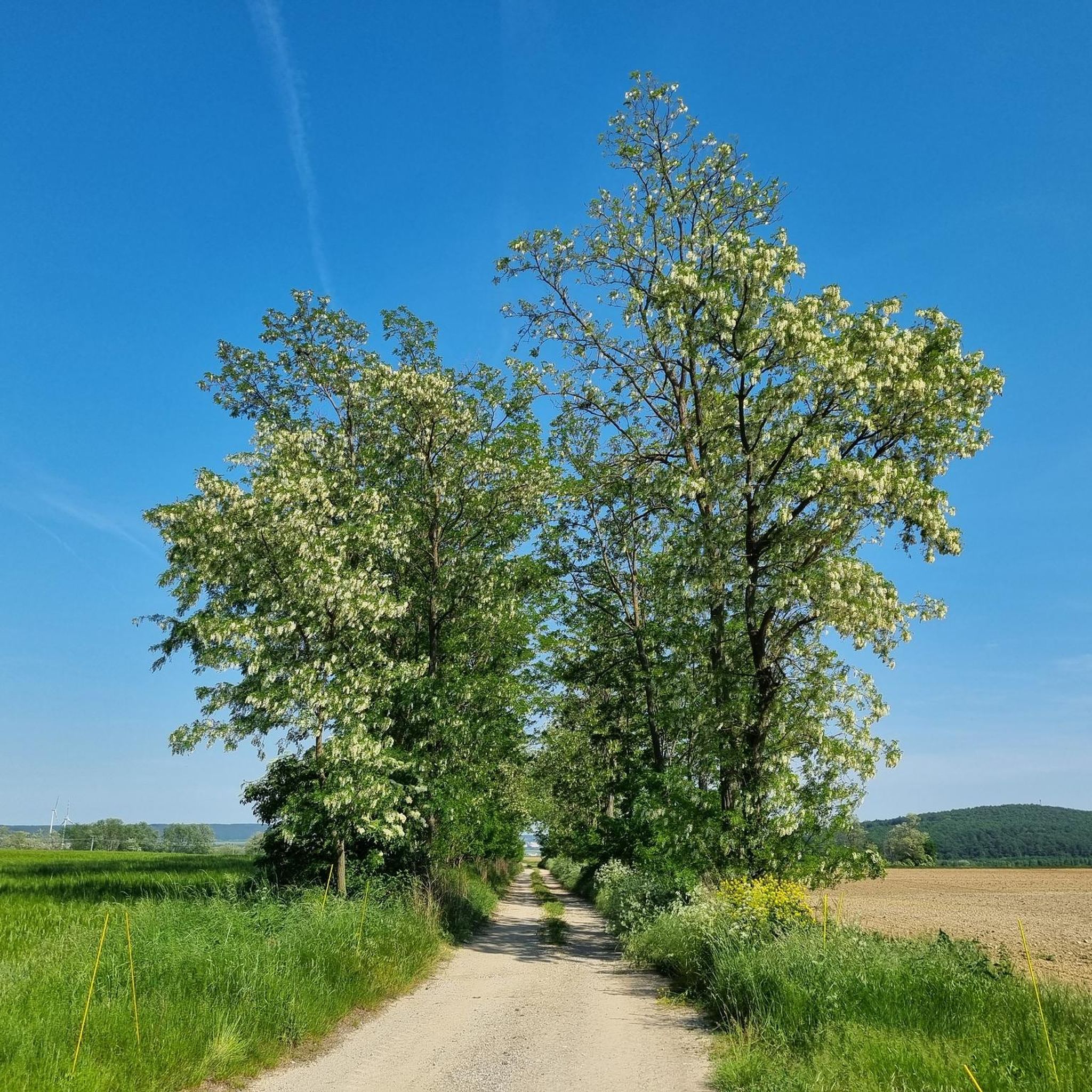
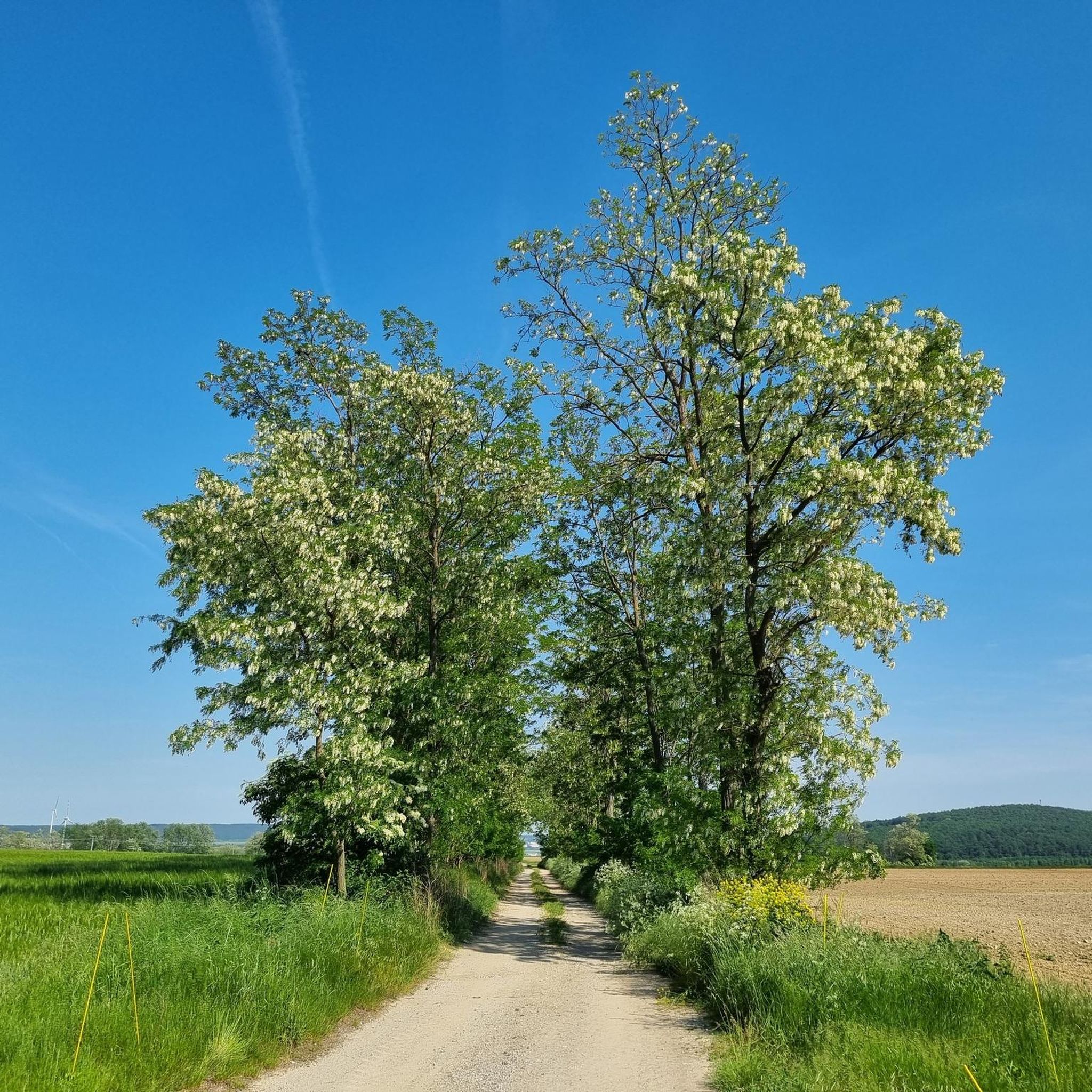
Tips from the Community

The Mattersburg Cemetery, where approximately 1,500 people are buried, has existed since 1694 and is an important testament to Jewish life in the region. During the Nazi era, almost all gravestones were removed, leaving a painful gap in the history of the Jewish community. After 1945, a memorial wall was erected from the surviving gravestone fragments, commemorating the lost graves. Later, symbolic gravestones supplemented this reminder. The Jewish Museum in Eisenstadt has created a register of individuals buried in the cemetery, offering valuable insights into the people interred there. The cemetery is currently locked, but the key can be obtained from the municipality. Guided tours are offered by appointment, gently familiarizing visitors with the history and significance of this sacred site. The Mattersburg Cemetery stands as a silent monument to the region's Jewish history and cultural heritage.
1
0
The figures on the pedestal of the Plague Column in Mattersburg depict the four plague saints, who were venerated in the Middle Ages as patron saints against devastating epidemics. St. Sebastian is traditionally depicted as a martyr pierced by arrows and is considered one of the most important patron saints against epidemics. Beside him stands St. Roch, usually recognizable by his pilgrim's robe and the plague boil on his thigh, accompanied by his faithful dog, who brings him food. St. Barbara can be recognized by her attributes, such as a tower or a chalice; she protects the dying and preserves from sudden death. Finally, St. Mary Magdalene appears as a penitent saint, often with an ointment jar or a skull, indicating transience. These figures symbolize protection and hope in times of plague-related hardship and are a central part of the artistic design of the Mattersburg Plague Column.
1
0

A church in present-day Antau was first mentioned in 1390. It was elevated to a parish church before 1402. In 1641, a wooden belfry with two bells was added. During the Second Turkish Siege of Vienna, the old church burned down in 1683. Using older masonry, the church was rebuilt in 1809 and 1810. After a fire in 1853, the church was rebuilt in 1854. A church tower was added in 1898. It was restored in 1966. The church was extensively renovated again in 1984 and 2009.
0
0

Opposite the Catholic church is the Protestant bell tower. During the Reformation, Walbersdorf was a Protestant stronghold in Burgenland. After the Edict of Toleration in 1781, when Protestant Christians were again allowed to publicly profess their faith, a dispute arose over whether the bells of the Catholic church should be rung at Protestant funerals. It is said that the issue was also about money, as was the possibility of a fee being paid for the ringing. The people of Walbersdorf could not agree. So, in 1800, the Protestants finally built their own bell tower, because no one should embark on their final journey without hearing the sound of the bells. They built it as a small, self-assured symbol directly opposite the local Catholic church. Shortly after its construction, the tower began to lean. Today, it is more crooked than the Tower of Pisa, yet it still doesn't fall over. (https://evang.at/der-schiefe-turm-von-walbersdorf/)
0
0

beautifully landscaped natural swimming pond in quiet surroundings
0
0

Many of the houses were obviously built in the middle of the 19th century and are surprisingly well preserved and maintained.
1
0
The Protestant parish (founded in 1783) encompasses most of the Mattersburg district. The neo-Gothic parish church in Pöttelsdorf is often referred to as the "Cathedral of the Wulka Valley."
0
0

Frequently Asked Questions
How many touring cycling routes are available in Zemendorf-Stöttera?
There are over 370 touring cycling routes in Zemendorf-Stöttera, offering a wide range of options for exploring the region's gentle hills, open meadows, and agricultural areas.
Are there easy touring cycling routes suitable for beginners in Zemendorf-Stöttera?
Yes, Zemendorf-Stöttera offers over 120 easy touring cycling routes. These paths are generally flat or have minimal elevation changes, making them ideal for beginners or those seeking a relaxed ride. An example is the Black Cattle Pasture – Antau Church loop from Zemendorf-Stöttera, which is 9.5 miles (15.3 km) long and traverses pastures.
What kind of terrain can I expect on touring cycling routes in Zemendorf-Stöttera?
The terrain around Zemendorf-Stöttera is characterized by gentle hills, open meadows, and agricultural fields. Routes often pass by natural ponds and small villages, featuring a mix of paved and unpaved paths with minimal significant elevation changes, perfect for touring bicycles.
Are there any circular touring cycling routes in the area?
Many routes in Zemendorf-Stöttera are designed as loops, allowing you to start and end at the same point. For instance, the Rohrbach Natural Swimming Pond – View of the Teichwiesen loop from Zemendorf-Stöttera is an 11.5-mile (18.5 km) circular route passing by natural swimming ponds and open meadows.
What are some scenic highlights or attractions I can see along the touring cycling routes?
Many routes offer scenic views and pass by interesting landmarks. You might encounter views of Forchtenstein Castle, which is featured on routes like the View of Forchtenstein Castle – Forchtenstein Castle loop from Hirm. Other nearby attractions include the Bad Sauerbrunn Observation Tower and the Leopoldine Temple and Pond.
Are there touring cycling routes that pass by cafes or places to stop for refreshments?
Yes, some routes are designed to pass through villages or near amenities. The Antau Church – Village shop, village café 🥐☕️ loop from Zemendorf-Stöttera is an example of a route that specifically highlights a village shop and café, perfect for a break.
What is the best time of year to go touring cycling in Zemendorf-Stöttera?
The region's gentle landscape makes it enjoyable for touring cycling from spring through autumn. Spring offers blooming meadows, while autumn provides pleasant temperatures and colorful foliage. Summers are generally warm and suitable, but it's always advisable to check the weather forecast.
Are there any longer or more challenging touring cycling routes for experienced riders?
While the region is known for its gentle terrain, there are moderate routes available for those seeking a bit more distance or varied landscapes. For example, the Chapel in Wulkaprodersdorf – Antau Church loop from Hirm is a moderate 16.9-mile (27.2 km) route that offers a longer ride through the countryside.
What do other touring cyclists enjoy most about cycling in Zemendorf-Stöttera?
The area is highly rated by the komoot community, with an average score of 4.5 stars from over 1,900 reviews. Reviewers often praise the peaceful rural landscape, the well-maintained paths, and the opportunity to explore the Burgenland countryside at a relaxed pace.
Is public transport accessible for reaching touring cycling routes in Zemendorf-Stöttera?
Zemendorf-Stöttera is a rural area, and while some villages may have bus connections, direct public transport access to specific trailheads might be limited. It's recommended to check local bus schedules or consider driving to a starting point, as parking is generally available in and around the villages.
Are there any specific considerations for parking when planning a touring cycling trip?
Parking is typically available in the villages that serve as starting points for many routes. It's advisable to look for designated parking areas in Zemendorf-Stöttera or nearby towns like Hirm, especially if you plan to embark on a longer loop.
Most popular routes around Zemendorf-Stöttera
Most popular attractions around Zemendorf-Stöttera

Get inspired with the komoot mobile app


Explore more
Browse the best Cycling routes in other regions.
