The best walks and hikes around Inkberrow
4.5
(695)
4,501
hikers
15
hikes
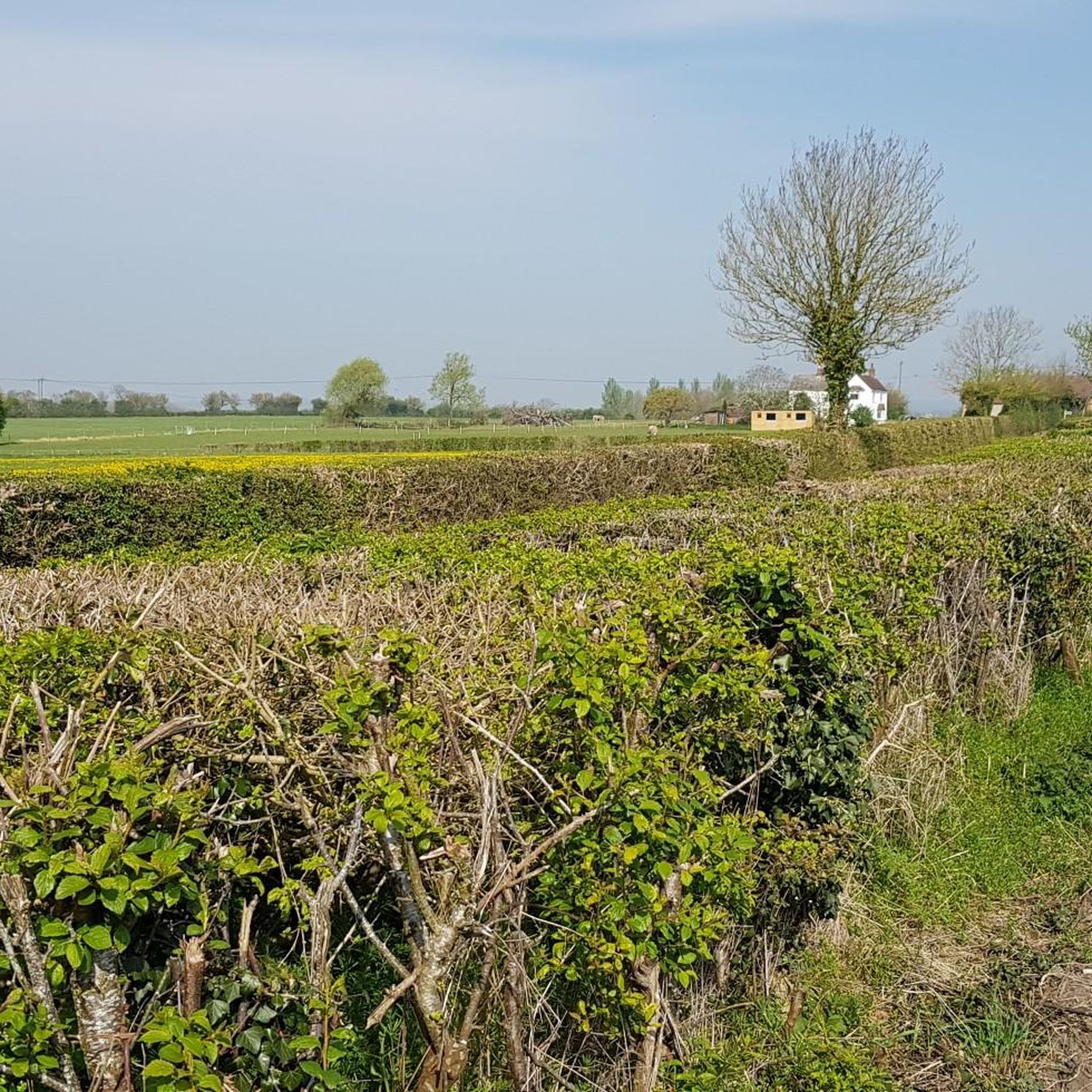
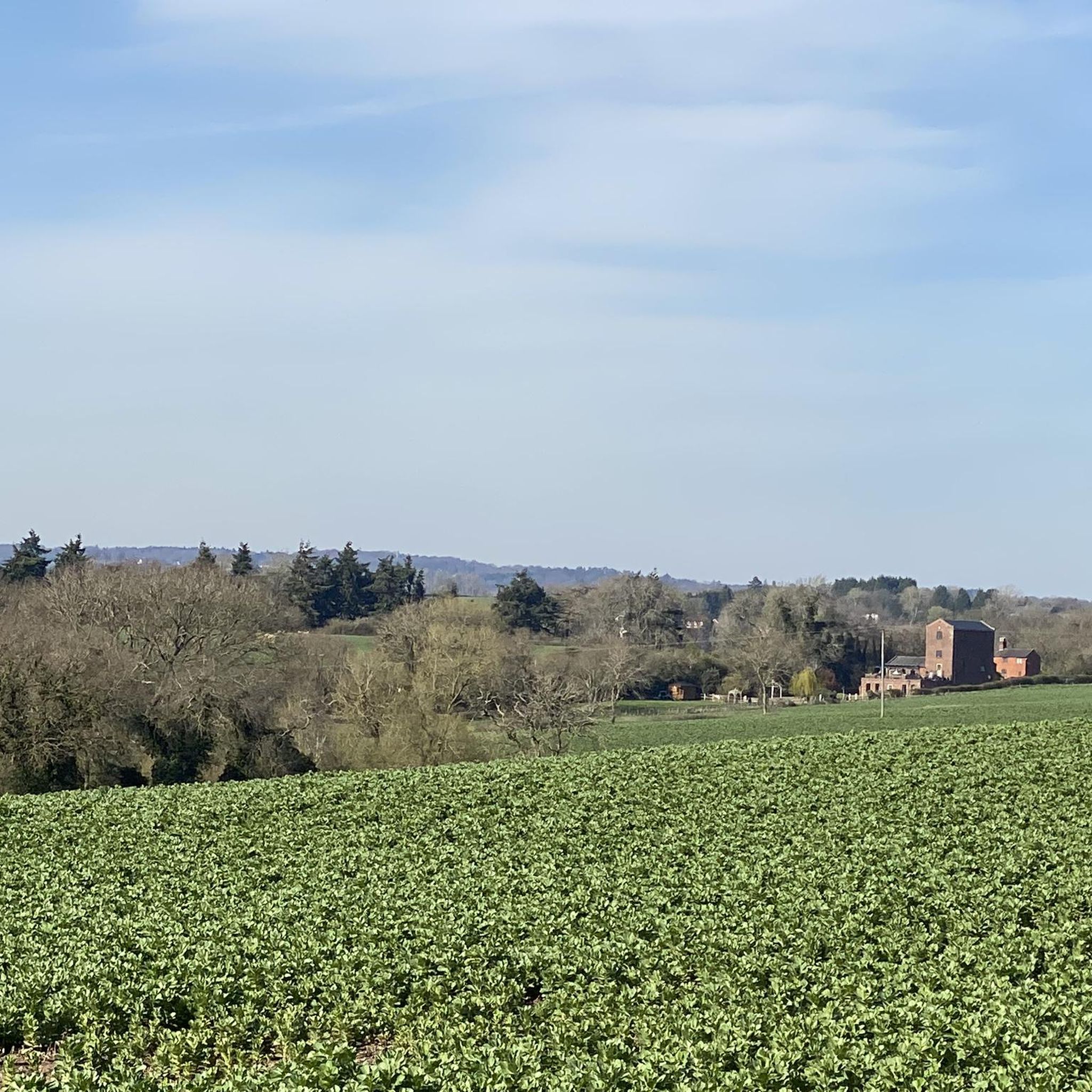
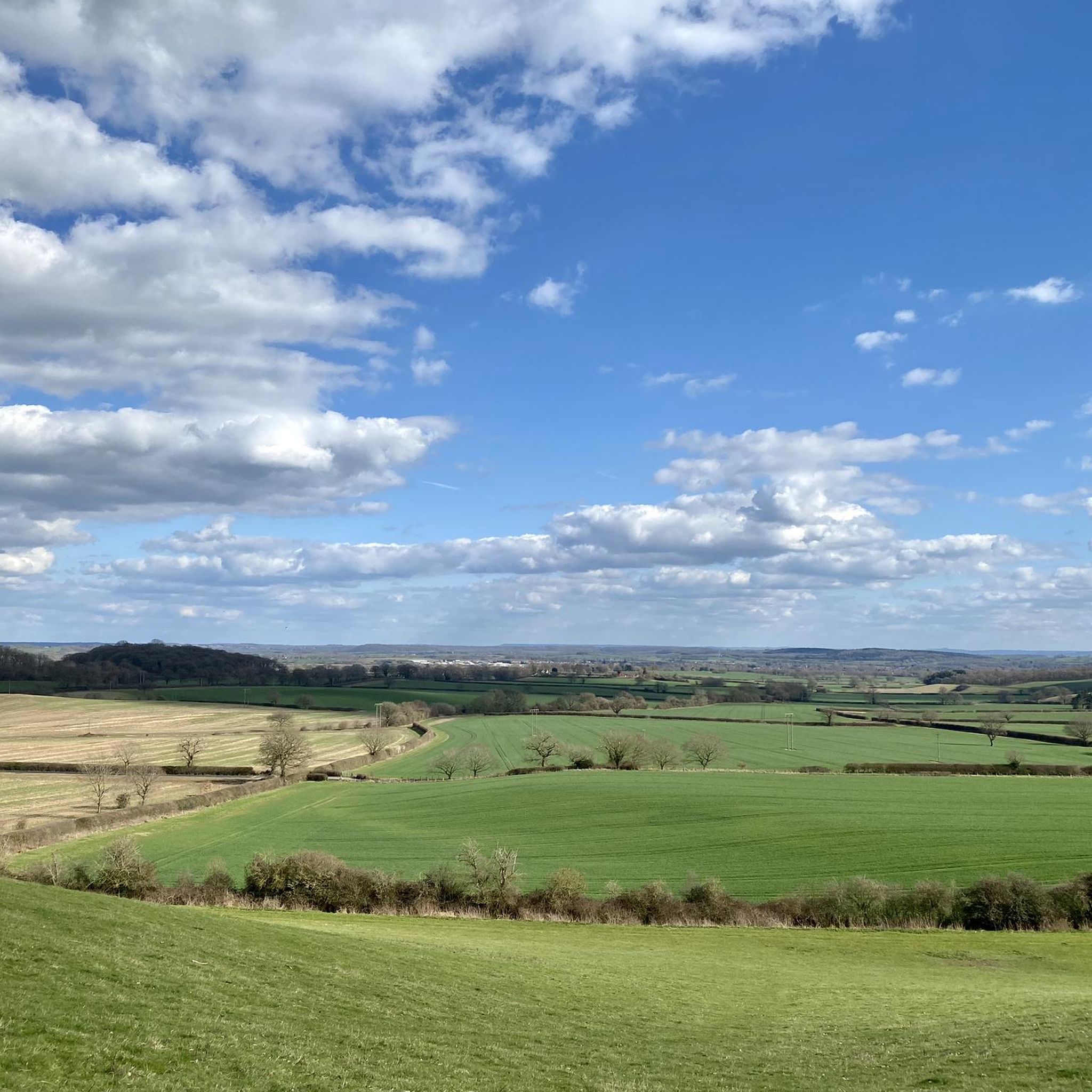
Hiking around Inkberrow features rolling hills, expansive farmland, and diverse natural features. The area includes the Inkberrow Millennium Green, an eight-acre community resource with ponds, grasslands, and historical ridge and furrow systems. Wooded areas like Colletts Wood provide additional scenic environments. The landscape offers a variety of footpaths and bridleways for exploration.
Best hiking trails around Inkberrow
- The most popular hiking route is Inkberrow Millennium Green – St Peter's Church, Inkberrow loop from Inkberrow, a 7.7 miles (12.4 km)…
Last updated: July 22, 2026
4.0
(4)
14
hikers
Moderate hike. Good fitness required. Easily-accessible paths. Suitable for all skill levels.
3.7
(3)
9
hikers
Moderate hike. Good fitness required. Easily-accessible paths. Suitable for all skill levels.

Sign up for free
5
hikers
8.57km
02:16
80m
80m
Moderate hike. Good fitness required. Easily-accessible paths. Suitable for all skill levels.
6
hikers
Moderate hike. Good fitness required. Easily-accessible paths. Suitable for all skill levels.
3
hikers
15.6km
04:10
170m
170m
Moderate hike. Good fitness required. Easily-accessible paths. Suitable for all skill levels.
Get access to more routes and recommendations from other explorers.
Sign up for free
Already have an account?
Our route recommendations are based on thousands of hikes, rides, and runs completed by other people on komoot.
Start today with a free account
Your next adventure awaits.
Login or Signup

Tips from the Community

A rightly famous and beautiful stretch of woodland - but no butterflies on show today...
0
0

Such a beautiful place full of wildflowers and ponds. It is a circular walk. With a slow pace and rest on the bench at the top, it will take you about 30 minutes to walk around. Surrounded by meadows and benches all over the place. Beautiful little village
0
0

Very sloppy and boggy in winter - mostly unrideable (March 2025)
1
0

A scattering of traditional houses, a quaint village shop, a couple of pubs and its pretty St Peter's church makes Flyford Flavell a tremendously picturesque village nestled amongst beautiful Worcestershire countryside. Lodgings and exellent pub food can be found at the Boot Inn, whilst Auntea Rita's is an ideal spot for brunch. Myriad footpaths splay out from the village to explore the surrounding land.
0
0
Grafton Wood is a triumph for the conservation of one of Britain's rarest species of butterfly. The brown hairstreak thrives in this mixed woodland, which is jointly owned by the Butterfly Conservation and the Worcestershire Wildlife Trust. August and September are the best months to see the brown hairstreak but the woodland is beautiful all year round.
0
0

A tiny church in the middle of a quiet village...
0
0

Small collection of historic farm equipment. Fantastic to see the steel wheels and how they function on both hard surfaces and in muddy ground.
0
0
The Saxon Village of Cyngton had a church as early as 1225, with the current building dating from 1285. St James is a small 13th and 15th century church, comprising of a nave and chancel of local sandstone, timber framed north porch and west tower, all beneath a plain tile roof. The church was restored in 1881 to designs by Williams Jeffrey Hopkins, when the barrel shaped roof was installed. The timber framed tower is of note and very picturesque, being one of six within the county of Worcestershire. The charm of St James’ is its plain, unadorned interior. St James' Church is located in the village of Kington, Worcestershire and is signposted off the A422 between Worcester and Stratford upon Avon. There has been a Church at Kington for more than 700 years. There were three major periods of development, its origins in the early 13th century, followed by building alterations in the 15th and 16th centuries. Dr. Brighton's notes (Rector 1873-79) refer to a restoration in 1693, and the 19th century restoration included reconstruction but within the existing shape of the building. The 13th century parts of the church are the north wall of the nave and the corner of the tower on the south side where it joins the nave. In the 15th century, the nave was extended to form the base of the tower. The south wall of the 13th century nave was moved outwards in the 16th century. In 1881 a major restoration was undertaken under the direction of the Worcester architect, W. J. Hopkins. At this time the chancel was rebuilt using much of the original materials, so that the "early" features contained within it may have been faithfully restored, moved around, or even modified. Substantial repairs were carried out in 1962, when the roof was completely overhauled, new tiles hung, and a decayed beam over the chancel replaced by a steel girder. The plaster panels of the Tower and other timbers were renewed. In Dr. Brighton's notes, he records that there was a gallery at the west end of the nave, and that people remembered seeing fresco paintings. There was also mention of a former rood loft and the partially obliterated arms of William and Mary. One enters the church through the north doorway, which is old and may well be original. Turning left towards the chancel one sees the `modern' east window installed in the 1881 restoration. In the chancel on the north wall are two windows, both old, retained within the restoration of the walls. Between these windows is a recess with a two centred drop arch. In an account of 1962, it says that the square window is reputed to have been a leper's window. On each side of the altar is a projecting stone showing the remains of carving. The one on the left shows the fingers of a hand holding a chain or fetters, probably part of a figure of St. Leonard. There are two windows and a recess in the south wall of the chancel. The trefoil lancet window is late 13th century and the round headed one may be Norman. The recess between them is thought to be an aumbry (closed recess.) The nave, which is offset from the chancel because of the 16th century widening alterations, contains `modern' (1881) windows on its south wall and a `modern' window in the north wall to the east side of the door. The windows to the west side of the north door is original. On the wall of the nave, and incorporated in the pulpit are the remains of an elaborate screen with carving in the pattern of a running vine. This may be the rood loft referred to in Dr. Brighton's notes, which may have been removed in the 1693 restorations. The chancel arch of oak and stone was built in the 1881 restoration. At the front of the pews on the north side of the nave is an old muniments chest made from the trunk of a tree. It would be exciting to think that this may date from the time of King Henry II or King John, when royal mandates were issued ordering "chests to be placed in all churches for the use of the faithful who were to deposit their alms towards the prosecution of a crusade." The chest was to be a hollow trunk, fastened with three keys kept by the Bishop, the priest, and a religious layman. It is more likely, however, to date from the mandate of 1538 that every parish should provide "a sure coffer, with two locks" for the keeping of the parish registers. The 15th century tower base, built of ashlar, contains its original side windows. The west door is also contemporary The bell tower is of timber framed construction and is one of six in Worcestershire. The others are to be found at Dormston, Warndon, Pirton, Defford and Cotheridge. The three bells were cast by William Huntsbach of Worcester, who also cast the bells at St. Peter's, Droitwich, and Claines. The inscriptions on two bells say, "November 22nd 1693 W.H.R.D." and, on the third "NO THE 22nd 1693. WILL OCKLEI: THO: FARRR: CHURCHWARDENS." Also in the tower is the Early English font, octagonally shaped, but recut. There is a reredos, not used, which was given in 1890 by the then rural dean, Canon J. R. Eaton. MA. The 1881 restoration plans show a staircase into the bell tower. This has since been removed, and access is via a trap door. Outside, the church is heavily buttressed. A watercolour painting made about 1810, in the Prattinton collection held by the Society of Antiquaries, shows the church with its pre-1881 windows and a `dormer' type window in the roof over the nave. There are records of a post with a pulley slot at the east end of the nave in the roof space. This is most likely to be the only remaining evidence of the sanctus bell which is known to have existed in 1532 but has since disappeared. The large yew tree outside the west door is in evidence in the 1810 painting, but much smaller. The gate into the churchyard was made and fitted by a Dr. Shirley of Droitwich in memory of the Reverend A.C.H.("Clem") Ostrehan (Rector from 1927-59). The church registers date from 1587, and contain records of baptisms and marriages. The churchyard has only been used for burials since 1838, before which all burials took place at Inkberrow.
0
0
Frequently Asked Questions
What types of hiking trails can I find around Inkberrow?
Inkberrow offers a variety of hiking trails, primarily featuring rolling hills, expansive farmland, and picturesque wooded areas. You'll find routes that traverse the unique Inkberrow Millennium Green with its ponds and grasslands, as well as paths through places like Colletts Wood. The trails range from easy strolls to moderate hikes, with options for different fitness levels.
Are there any easy hiking trails suitable for beginners or families?
Yes, Inkberrow has several easy hiking trails perfect for beginners or families. While many routes are moderate, there are 8 easy tours available. These often feature gentle terrain and shorter distances, allowing everyone to enjoy the scenic countryside. Look for routes that explore the Inkberrow Millennium Green for a pleasant, accessible experience.
Can I find circular walking routes in Inkberrow?
Absolutely. Many of the hiking routes around Inkberrow are circular, allowing you to start and end in the same location. For example, the Inkberrow Millennium Green – St Peter's Church, Inkberrow loop from Inkberrow is a popular moderate circular route that takes you through key village landmarks and natural features.
What natural features or landmarks can I expect to see on a hike?
Hikers in Inkberrow can explore several notable natural features and historical landmarks. The Inkberrow Millennium Green is a highlight, with its ponds, grasslands, and ancient ridge and furrow systems. You might also encounter the 12th-century St. Peter's Church with its Norman tower, the 16th-century Old Grammar School, and scenic wooded areas like Colletts Wood and Pond.
Are there any good viewpoints or scenic spots along the trails?
The rolling hills and open farmland surrounding Inkberrow provide numerous scenic vistas. Routes often offer expansive views of the Worcestershire countryside. The Inkberrow Millennium Green itself provides stunning views across its varied landscape, including ant-hills and ponds, making it a particularly picturesque spot.
Are there options for longer, more challenging hikes?
While Inkberrow's trails are generally easy to moderate, some routes offer longer distances and more significant elevation changes for those seeking a greater challenge. For instance, the Inkberrow Millennium Green – St Peter's Church, Inkberrow loop from Arrow with Weethley CP covers over 13 km with moderate elevation, providing a good workout while exploring the area.
Where can I park when hiking in Inkberrow?
Parking is available in Inkberrow village. The Old Bull pub, for example, offers a car park for visitors. Many routes also start from designated car parks in or near the village, making it convenient to access the trails.
Are there any pubs or places to eat after a hike?
Yes, Inkberrow village is well-equipped for post-hike refreshments. You can visit local pubs like The Bulls Head and The Old Bull, which are popular spots for hikers to relax and enjoy a meal or a drink after exploring the trails.
What do other hikers enjoy most about the trails in Inkberrow?
The trails in Inkberrow are highly rated by the komoot community, with an average score of 4.4 stars from over 570 reviews. Hikers often praise the charming rural setting, the well-maintained footpaths, and the diverse scenery that includes rolling hills, farmland, and the unique Inkberrow Millennium Green. The blend of natural beauty and historical points of interest is frequently highlighted.
What is the best time of year to go hiking in Inkberrow?
Inkberrow offers enjoyable hiking experiences throughout the year. Spring brings blooming wildflowers and lush greenery, while autumn showcases beautiful fall foliage across the rolling hills. Summer provides longer daylight hours for extended walks, and even winter can be picturesque, especially on crisp, clear days. The well-maintained footpaths make it accessible in most conditions.
Are there any trails that follow a river or have water features?
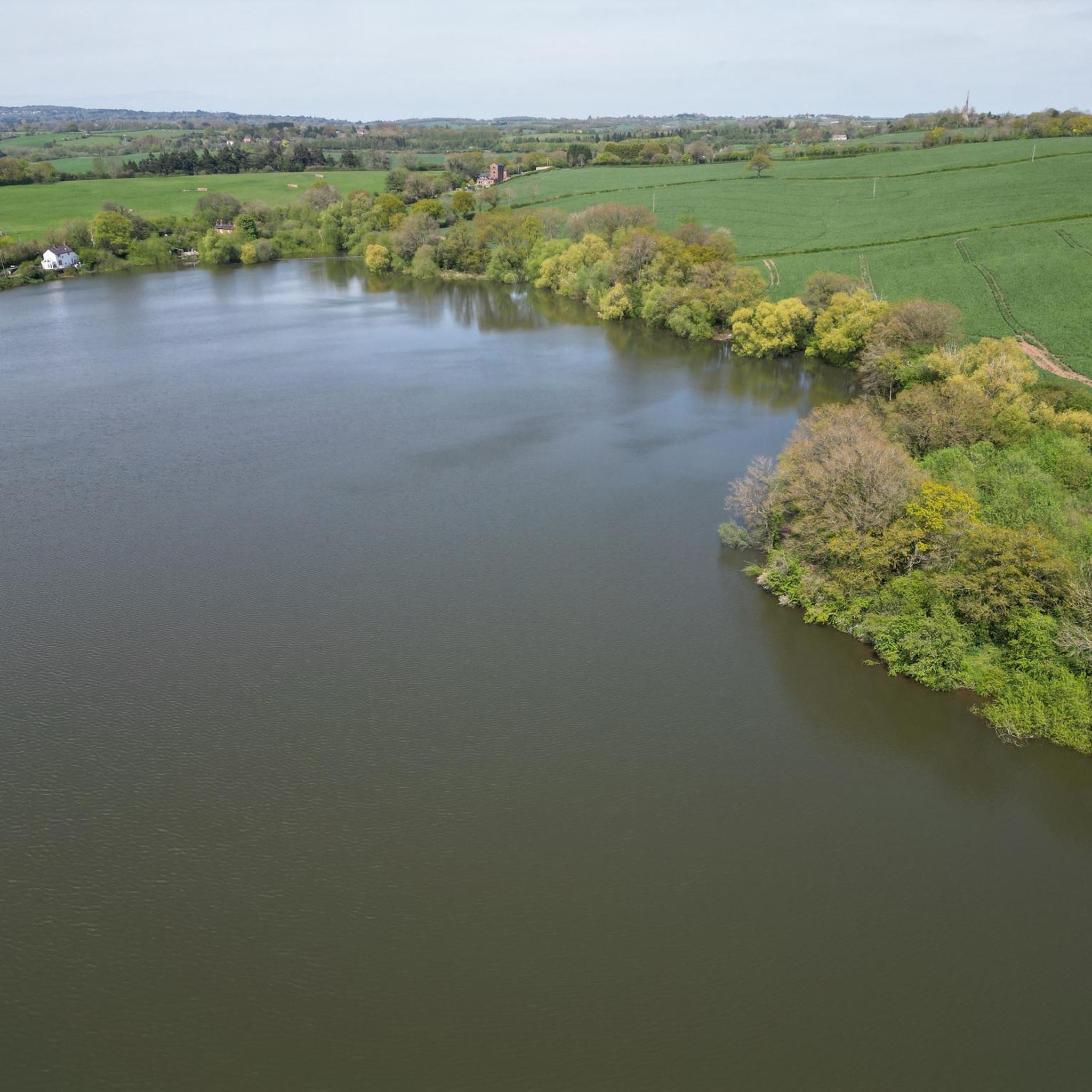
While Inkberrow itself is known for its hills and farmland, the broader area includes water features. The nearby village of Studley developed around the River Arrow, and some routes, such as the Weethley Church – Abandoned Cottage Entrance loop from Arrow with Weethley CP, offer views of the rural landscape near the River Arrow. The Inkberrow Millennium Green also features ponds, adding to the natural diversity.
Can I combine my hike with a visit to other nearby attractions?
Certainly. The Inkberrow area is rich in attractions. Beyond the village, you could visit historical sites like Coughton Court or explore natural areas such as Grafton Wood Nature Reserve. Many hiking routes can be planned to pass by or be near these points of interest, enhancing your overall experience.
Most popular routes around Inkberrow
Most popular attractions around Inkberrow

Get inspired with the komoot mobile app


Explore more
Browse the best Hikes in other regions.
