Attractions and Places To See around St. Lawrence - Top 20
Attractions and places to see around St. Lawrence feature a collection of historical sites, unique coastal features, and natural landscapes. The region is characterized by its tidal causeways connecting islands to the mainland, ancient religious buildings, and scenic marshlands. Visitors can explore centuries-old architecture and experience the distinctive environment shaped by the sea.
Best attractions and places to see around St. Lawrence
- The most popular attractions is The Strood Causeway to Mersea Island, a cycle way that connects Mersea…
Last updated: May 9, 2026
Chapel of St Peter-on-the-Wall
Highlight • Historical Site
Tip by

St Mary the Virgin Church, Maldon
Highlight • Monument
Tip by

Sign up now to discover places like this
Get recommendations on the best single tracks, peaks, & plenty of other exciting outdoor places.
Sign up for free
The Strood Causeway to Mersea Island
Highlight • Cycleway
Tip by

The Stumble Causeway to Osea Island
Highlight • Bridge
Tip by

The Dukes Seafood & Coffee Bar, West Mersea
Highlight • Cafe
Tip by

Sign up for free to discover even more attractions around St. Lawrence.
Sign up for free
Already have an account?
Start today with a free account
Your next adventure awaits.
Login or Signup

Tips from the Community

Ensure you check the local tide table as the Strood often floods at high tide.
0
0

Osea Island is a relatively unknown Essex retreat in the Blackwater Estuary with private beaches, no shops or restaurants and mainly self catering accommodation.
1
0

The Chapel of St Peter-on-the-Wall is one of the oldest churches and oldest buildings still in regular use in the country. Built in 653 by Bishop Cedd it's been a small church for almost 2,000 years.
0
0

Opening times aren't fully reliable so might be a bit hit and miss but fortunately there are a number of other seafood places nearby if you're unlucky here.
0
0
The only road access to Mersea so make sure you don't spend too long on the island if the tide has started to turn or you could have a long wait to leave again.
0
0
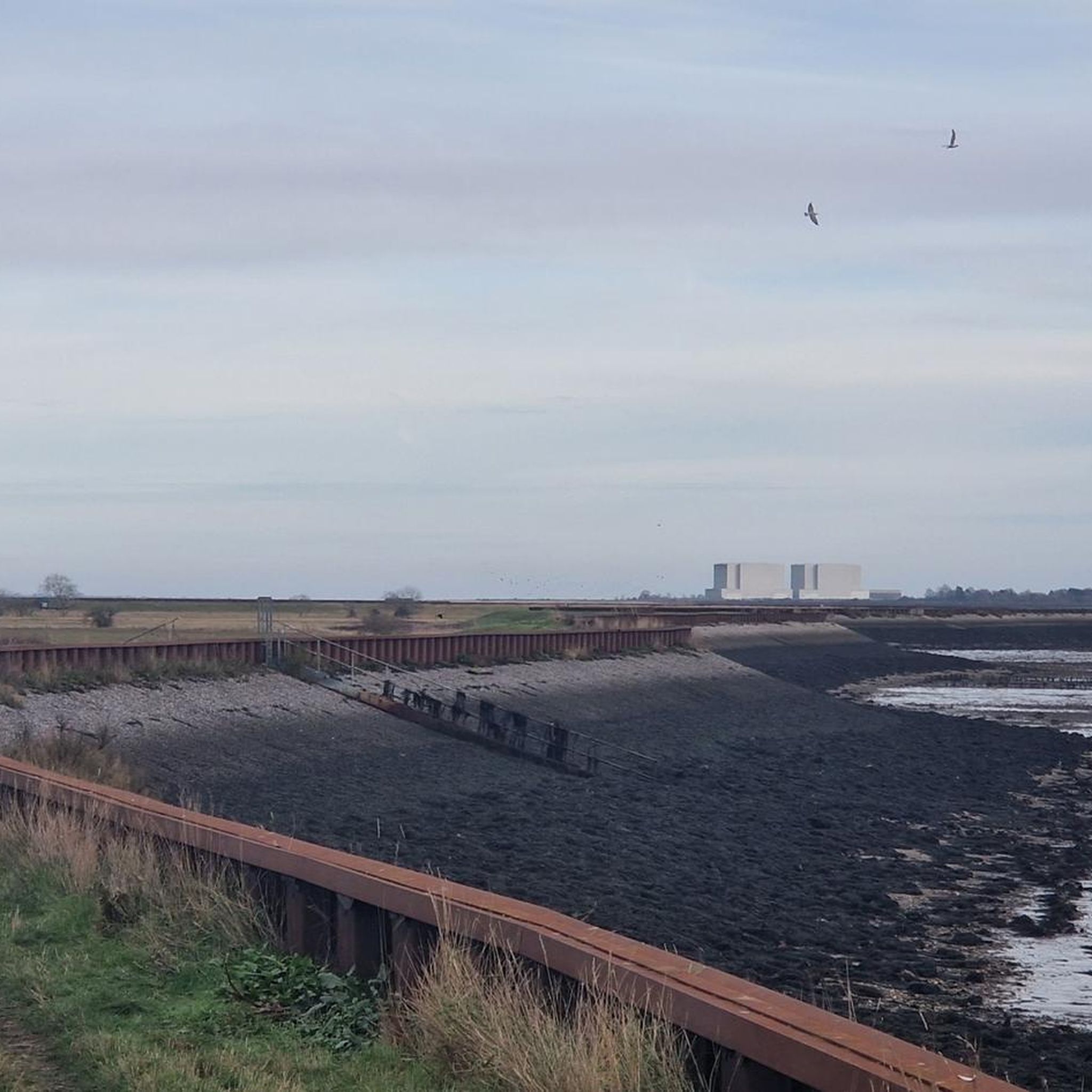
One of the oldest functioning buildings in the country, and built on the gateway of an even older Roman shore fort. The chapel is kept open for visitors. Be aware it's reached by a 0.7km unmade stone path after the tarmac ends at the car park - fine with a gravel bike or if you go carefully on a road bike in decent weather.
0
0

A tidal causeway known as The Stumble connects Osea Island with the mainland. Sadly the island isn't open to the public but you can visit by staying in the island's hotel. It was used in the 2012 film 'The Woman in Black' as the 'Nine Lives Causeway'. It is popular with musicians looking for a remote recording venue. Rhianna is said to have recorded an album there in 2019.
2
0

Built in 649 AD by St Cedd who sailed here from Lindasfarne, using the stones from an old Roman building. Open every day to look around.
0
0
Frequently Asked Questions
What historical sites can I visit around St. Lawrence?
The region offers several historical sites, most notably the Chapel of St Peter-on-the-Wall. This 7th-century chapel, built from the stones of an earlier Roman fortification, is considered one of the oldest buildings in the UK still in regular use. Another significant historical religious building is St Mary the Virgin Church, Maldon, which has roots dating back to Saxon times and features a tower rebuilt in the 17th century.
Are there any unique natural or geographical features to explore in the St. Lawrence area?
Yes, the St. Lawrence area is known for its unique tidal causeways. The Strood Causeway to Mersea Island connects Mersea Island to the mainland and is subject to tidal crossings, meaning the island can be cut off for several hours. Similarly, The Stumble Causeway to Osea Island is another tidal causeway, notable for its remote setting and appearances in film.
What outdoor activities are available near St. Lawrence attractions?
The area around St. Lawrence is excellent for outdoor enthusiasts. You can find various routes for both hiking and cycling. For hiking, explore easy trails like the West Mersea Oyster Farm loop or the Blackwater Bakery loop. Cyclists can enjoy moderate routes such as the View of Blackwater Estuary loop or the River Chelmer loop. You can find more details on these activities in the easy hikes around St. Lawrence guide and the cycling around St. Lawrence guide.
Are there family-friendly attractions in St. Lawrence?
Yes, several attractions are suitable for families. Both the Chapel of St Peter-on-the-Wall and St Mary the Virgin Church, Maldon are marked as family-friendly historical sites. Additionally, The Dukes Seafood & Coffee Bar, West Mersea is a family-friendly cafe where you can enjoy a meal with a view.
What should I know about visiting the tidal causeways around St. Lawrence?
When planning to visit the tidal causeways, such as The Strood Causeway to Mersea Island or The Stumble Causeway to Osea Island, it is crucial to check tide times. These causeways can become submerged for several hours during high tide, cutting off access to the islands. Always consult local tide schedules before crossing to avoid being stranded.
Where can I find a good place to eat or drink near the attractions?
For a delightful stop, consider The Dukes Seafood & Coffee Bar in West Mersea. It's an oyster and coffee bar offering a great selection of shellfish and a relaxing view over the boats. It also provides ample outdoor seating, making it convenient for cyclists.
What do visitors particularly enjoy about the attractions around St. Lawrence?
Visitors frequently appreciate the unique experience of the tidal causeways, which add an exciting element to any journey. The historical significance and atmospheric setting of sites like the Chapel of St Peter-on-the-Wall are also highly valued. The community has shared over 30 photos and given more than 40 upvotes for the attractions, highlighting their appeal.
Are there specific trails for hiking near St. Lawrence attractions?
Yes, there are several easy hiking trails available. Options include the 'West Mersea Oyster Farm – Duck Decoy Hut loop' (7.7 km), 'View of Steeple Bay – Steeple's Steeple loop' (7 km), and 'Blackwater Bakery loop' (4.2 km). These routes offer a chance to explore the scenic marshlands and coastal areas. For more options, refer to the easy hikes around St. Lawrence guide.
Can I go cycling around St. Lawrence, and what kind of routes are available?
Absolutely! The St. Lawrence area offers diverse cycling routes. You can find moderate touring bicycle routes like the 'View of Blackwater Estuary – Tesco Express loop' (35.5 km) or the 'River Chelmer – Heybridge Basin Marina loop' (47.7 km). For road cycling, there are easy routes such as the 'St Lawrence Hill Climb – View of Blackwater Estuary loop' (17.8 km). Explore more options in the cycling around St. Lawrence guide and the road cycling routes around St. Lawrence guide.
What is the history behind the Chapel of St Peter-on-the-Wall?
The Chapel of St Peter-on-the-Wall has a rich history, dating back to the 7th century. It was built by the Anglo-Saxon monk Cedd using bricks from an earlier Roman fortification. Few records exist from its early days, but it was later used as a semaphore station during the Napoleonic Wars. Today, it is a Grade-I listed building and continues to serve as a church, known for its atmospheric and lonely location on the fringes of Bradwell Marsh.
Are there any specific tips for visiting the Strood Causeway to Mersea Island?
When visiting The Strood Causeway to Mersea Island, the most important tip is to check the tide times before you go. The causeway is the only road access to Mersea Island, and it becomes impassable for about four hours during high tide. Planning your visit around the tides will ensure you can cross safely and avoid long waits.
Most popular routes around St. Lawrence

Get inspired with the komoot mobile app


Explore more
Still not found the Highlight you’re looking for? See guides of the top attractions in other regions:
