Top 19 Caves around Gratton
Caves around Gratton are situated within the Peak District, an area known for its distinctive limestone geology. This landscape features deep dales, river valleys, and dramatic rock formations, shaped by ancient glacial activity and water erosion. The region offers a variety of natural caves and historical sites, providing opportunities for exploration and insight into the area's geological past. These features contribute to Gratton's appeal as a destination for outdoor enthusiasts interested in natural landmarks and geological features.
Best caves around…
Last updated: May 19, 2026
High Tor and Giddy Edge
Highlight (Segment) • Viewpoint
Tip by

Dove Holes Caves
Highlight • Historical Site
Tip by

Sign up now to discover places like this
Get recommendations on the best single tracks, peaks, & plenty of other exciting outdoor places.
Sign up for free
Rowtor Rocks
Highlight • Structure
Tip by
Wolfscote Dale
Highlight • Viewpoint
Tip by
Reynard’s Cave and Natural Arch
Highlight • Cave
Tip by
Sign up for free to discover even more caves around Gratton.
Sign up for free
Already have an account?
Start today with a free account
Your next adventure awaits.
Login or Signup
Tips from the Community

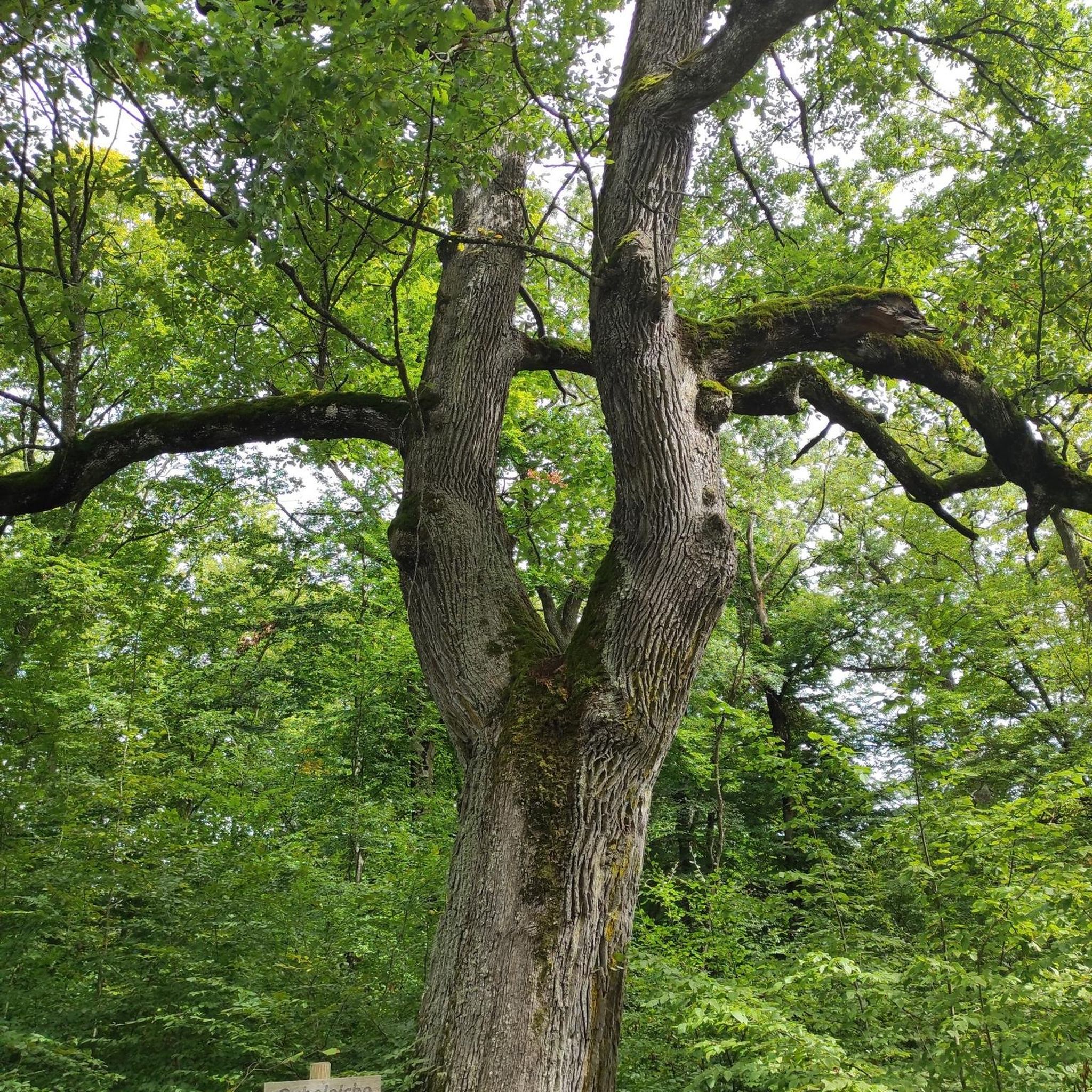
Impressive little archway, I didn't but I believe you can walk all the way up and come down a different way
0
0


19th century pleasure ground which exploited the dramatic qualities of the Derwent valley. Peter Arkwright of Willersley Castle enclosed the grounds c 1860 and constructed pedestrian paths from a new entrance on the south side approached from the bridge to Matlock Bath railway station. The entrance from Starkholmes Road was retained and could be used by carriages. A pathway was formed through Fern Cave (scheduled ancient monument) and another on a narrow ledge along part of the cliff face. In 1879 the grounds were leased to the Matlock and High Tor Recreation Grounds Company Ltd and Milner of London was retained to supervise landscaping. Arkwright's Grand Walk, also used by carriages, was created, leading south to the summit from a gateway in Pig Tree Lane, now Pic Tor Lane. A refreshment room was erected near the summit, tennis and quoit or skittle grounds were constructed close to a modified southern entrance and additional paths put in with a broad flight of steps.
0
0

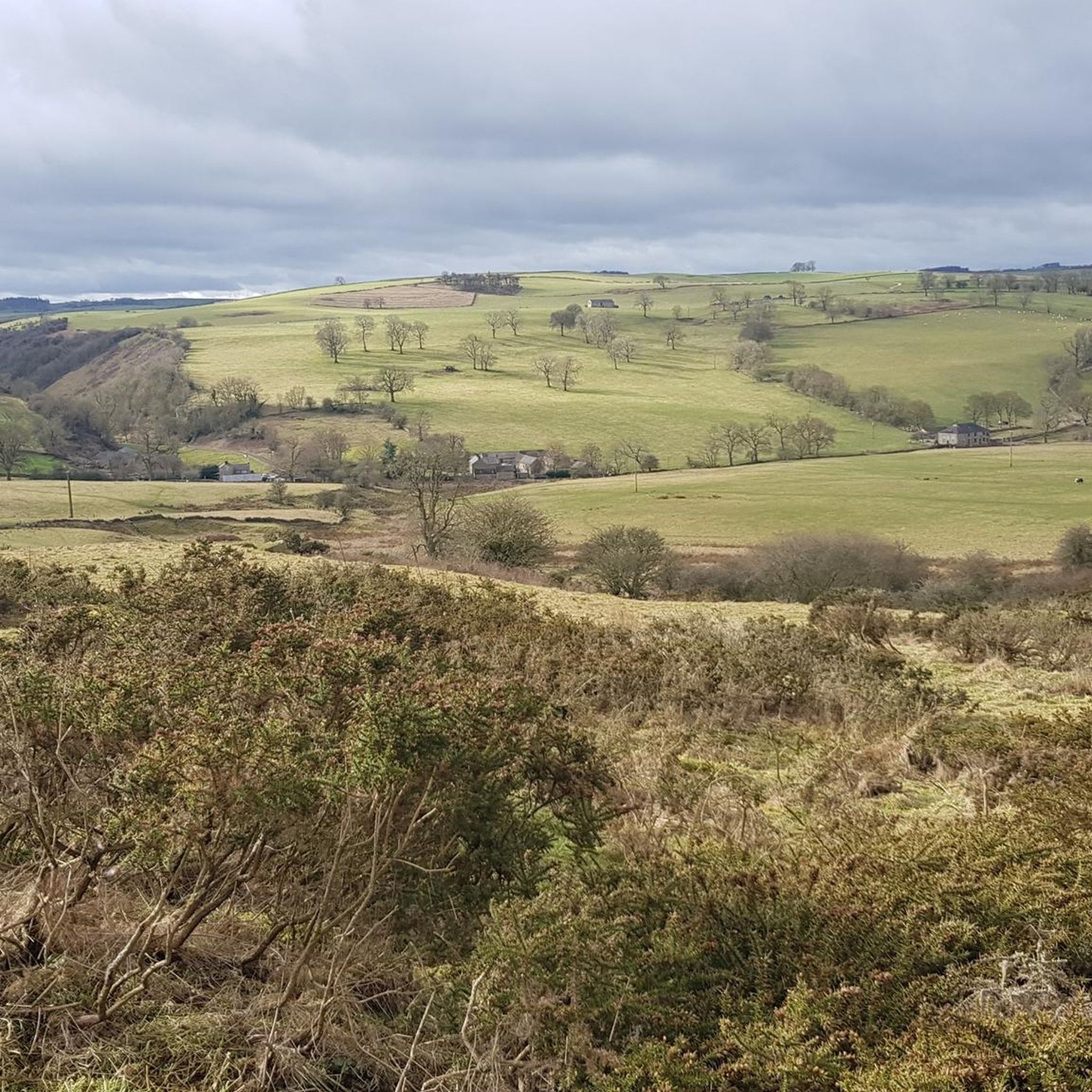
Wolfscote Dale is apparently the area in which the last wild wolf in England was killed in the 15th Century
1
0
The footpath along the summit is commonly known as Giddy Edge, unfenced and not recommended for small children . There is a small metal handrail afixed to the inside edge (of the cliff) totally spectacular.
4
0

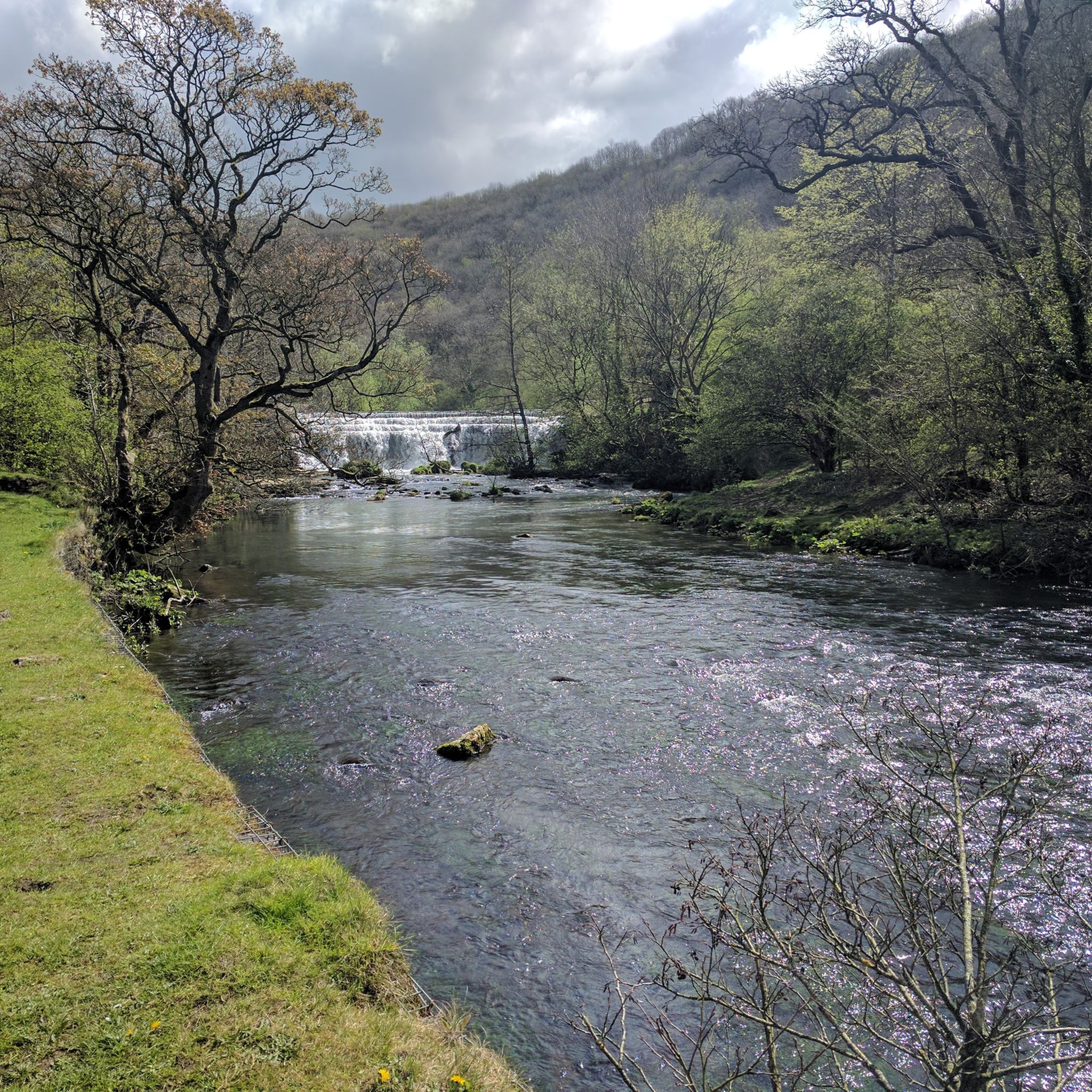
Whether you love hiking, fancy a peaceful picnic in picturesque surroundings, are visiting by yourself or with your family, there really is something for everyone at Dovedal
0
0

High Tor is the last place in England where eagles nested and is a stunning limestone escarpment which is the site of former lead mines.
0
0

Frequently Asked Questions
What types of caves can I explore around Gratton?
The Gratton area, situated within the Peak District, offers a variety of natural caves, historical sites, and unique rock formations. You can find caves shaped by ancient glacial meltwater, those with evidence of early human activity, and even man-made rock carvings. Examples include the natural formations of Dove Holes Caves and Reynard’s Cave and Natural Arch, as well as the sculpted Rowtor Rocks.
Are there any historical caves to visit near Gratton?
Yes, the region is rich in historical cave sites. Dove Holes Caves are a significant historical site, formed by glacial meltwater and showing evidence of human inhabitation since 13,000 BCE. Similarly, Reynard’s Cave and Natural Arch also served as shelter for hunters around 13,000 BCE. For a more recent historical perspective, Rowtor Rocks features impressive carvings from three centuries ago by local parson Thomas Eyre.
What are the best caves for families with children around Gratton?
For families, Dove Holes Caves are shallow and easy to access and explore from the path, making them suitable for children. Rowtor Rocks is also described as a 'proper playground' with various alcoves and steps, offering an engaging experience for all ages. When exploring any cave, especially with children, always ensure proper footwear and supervision.
What natural features can I expect to see when visiting caves in the Gratton area?
The caves around Gratton are set within the distinctive limestone geology of the Peak District. You can expect to see dramatic rock formations, deep dales, and river valleys. Caves like Dove Holes Caves and Reynard’s Cave and Natural Arch showcase formations created by glacial meltwater and limestone erosion. Nearby, Wolfscote Dale features an idyllic limestone dale with dramatic screes, cliffs, and caves towering above the crystalline River Dove.
Are there any challenging cave explorations or viewpoints near Gratton?
For those seeking a challenge, Reynard’s Cave and Natural Arch is located high on the bank of Dovedale and can be challenging to reach, especially when wet. Additionally, High Tor and Giddy Edge offers very impressive views over Matlock Bath, though its unfenced path is not recommended for small children due to significant drops.
What outdoor activities can I combine with a visit to the caves around Gratton?
The Gratton area is excellent for combining cave exploration with other outdoor activities. You can find numerous hiking and cycling routes nearby. For hiking, consider trails like the 'Lathkill Dale via Bradford Dale loop' or the 'Gratton Dale Gate – Hermit's Cave loop'. Cyclists can explore routes such as the 'High Peak Trail – Tissington Trail Summit loop'. You can find more details on these activities in the Hiking around Gratton and Cycling around Gratton guides.
What should I bring when visiting the caves near Gratton?
When visiting caves, especially natural ones, it's advisable to wear appropriate footwear as rocks can be slippery, particularly in places like Dove Holes Caves and Reynard’s Cave. For wilder cave experiences, like those found in Illinois Caverns (if exploring similar unimproved caves in the region), be prepared to get wet and muddy, and carry multiple light sources. Always check specific requirements for each cave you plan to visit.
Are there any dog-friendly caving experiences near Gratton?
While specific dog-friendly policies for each cave are not detailed, many outdoor areas in the Peak District are dog-friendly. For natural, open-access caves like Dove Holes Caves or Reynard’s Cave, dogs on leads are generally permitted in the surrounding areas. However, access into the caves themselves might be challenging or unsuitable for dogs due to slippery surfaces or narrow passages. Always ensure your dog is under control and respect any signage.
What is the best time of year to visit the caves around Gratton?
Many caves and outdoor attractions in the Peak District are accessible year-round. However, for a more comfortable experience, especially for natural caves where surfaces can be slippery, visiting during drier months (late spring to early autumn) is often preferred. Some specific activities, like 'The Grafton Cave Quest' in Vermont (if considering similar guided experiences), are typically available from May to October. Always check local conditions and weather forecasts before your visit.
What do visitors enjoy most about the caves and surrounding area of Gratton?
Visitors appreciate the unique blend of natural beauty and historical significance. The opportunity to explore ancient glacial formations and sites of early human habitation is a major draw. Many enjoy the fun of climbing into caves like Dove Holes Caves and the 'playground' feel of Rowtor Rocks. The dramatic landscapes of dales like Wolfscote Dale, with its cliffs and river, also contribute to the overall appeal for outdoor enthusiasts.
Are there any amenities like cafes or accommodation near the caves in Gratton?
While Gratton itself is a smaller area, the wider Peak District region offers various amenities. Towns like Matlock Bath, Buxton, and Castleton, which are within reasonable distance, provide options for cafes, pubs, and accommodation. It's advisable to plan your route and check for specific amenities in the villages closest to the caves you intend to visit.
Is there parking available for visitors to the caves near Gratton?
Parking availability varies by specific cave location. For popular sites within the Peak District, designated car parks are often available, sometimes requiring a fee. For more remote natural caves, roadside parking might be an option, but always ensure you are parking legally and safely. It's recommended to research parking options for each specific cave or trail access point before your visit.
Most popular attractions around Gratton

Get inspired with the komoot mobile app


Explore more
Extend your search for the best caves by checking out these guides of the top ones around Gratton:
