Attractions and Places To See around Hale - Top 20
Best attractions and places to see around Hale include a mix of historical sites, natural waterways, and recreational trails in North West England. The area is characterized by its industrial heritage, with canals and rivers playing a significant role in its development. Visitors can explore various parks, monuments, and long-distance paths that offer diverse outdoor experiences. This region provides opportunities for walking, cycling, and appreciating local history and landscapes.
Best attractions and places to see around Hale
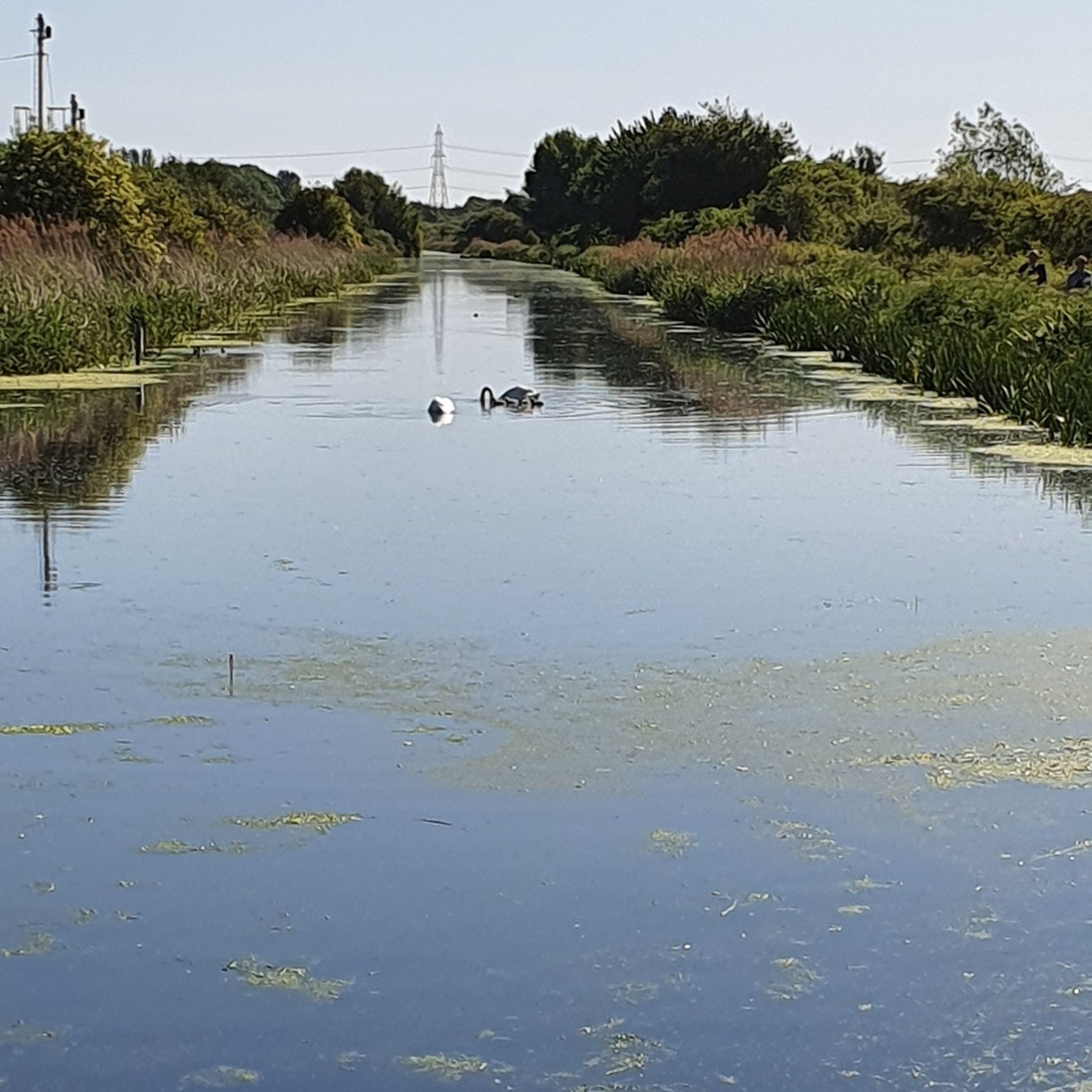
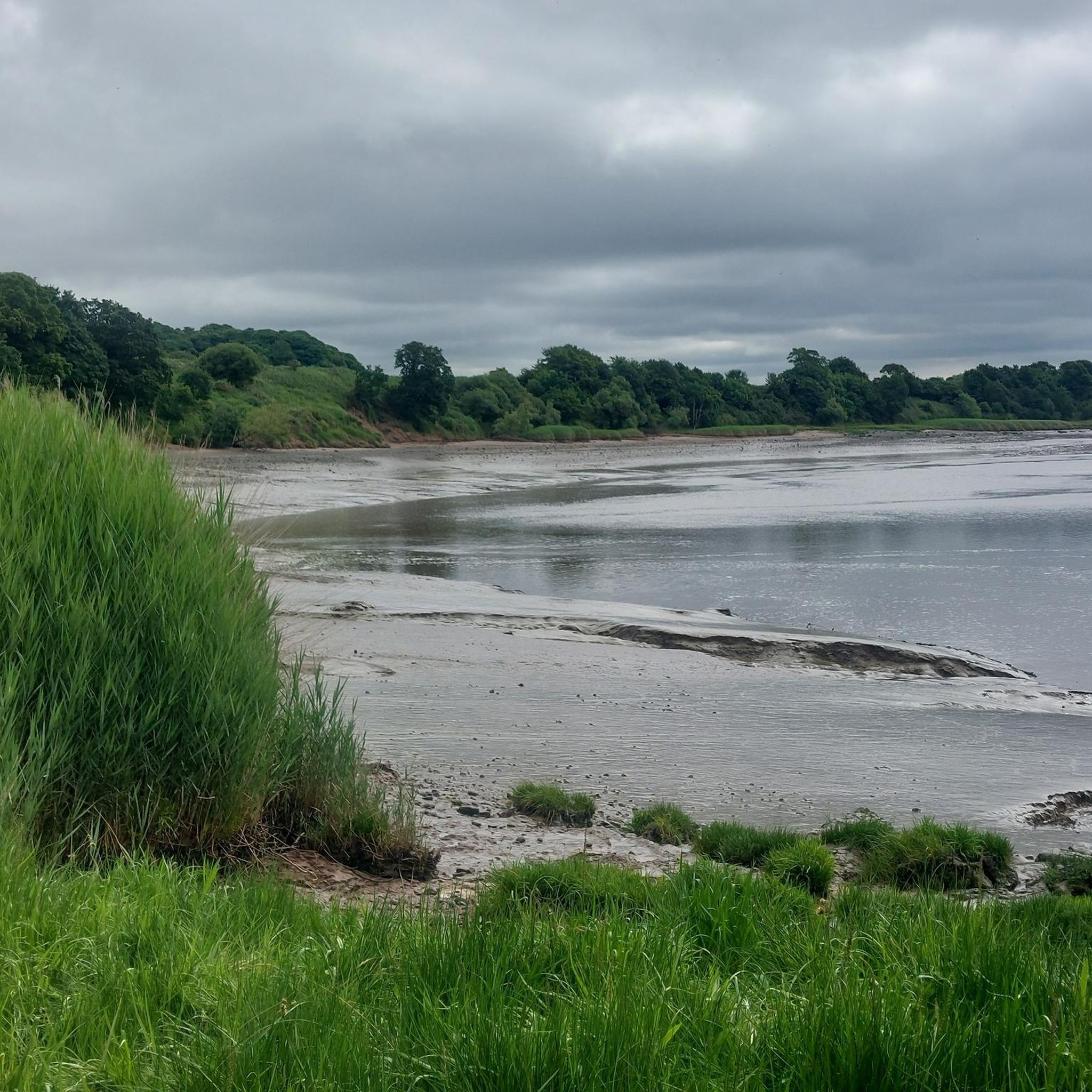
- The most popular attractions is Spike Island Park, a settlement and parkland between the Sankey Canal and the River Mersey estuary. It features parkland, woodland, wetlands, and footpaths, regenerated for public recreation.
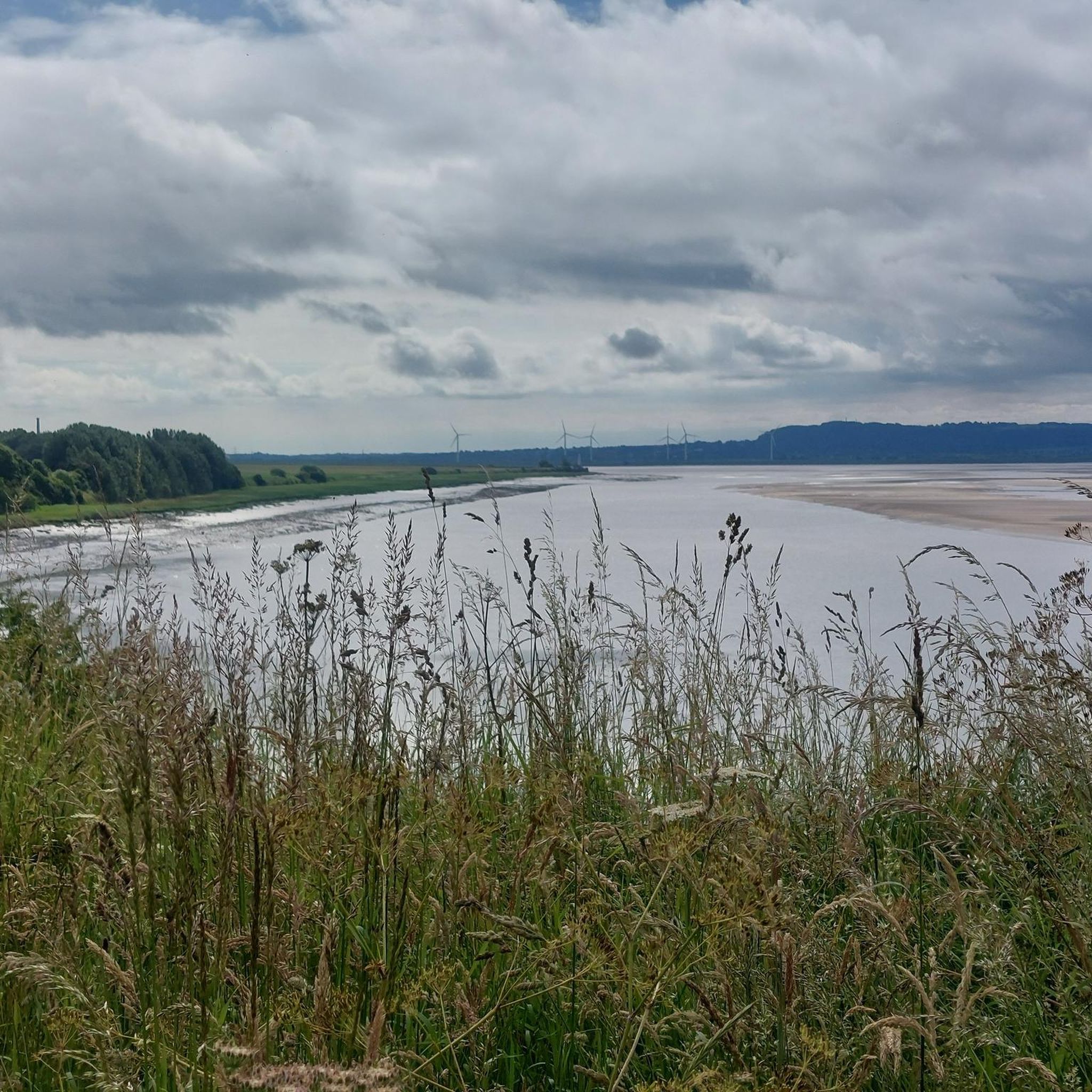
- Another must-see spot is Frodsham Hill War Memorial, a man-made monument with historical significance. This memorial offers views of the coast and commemorates victims of war.
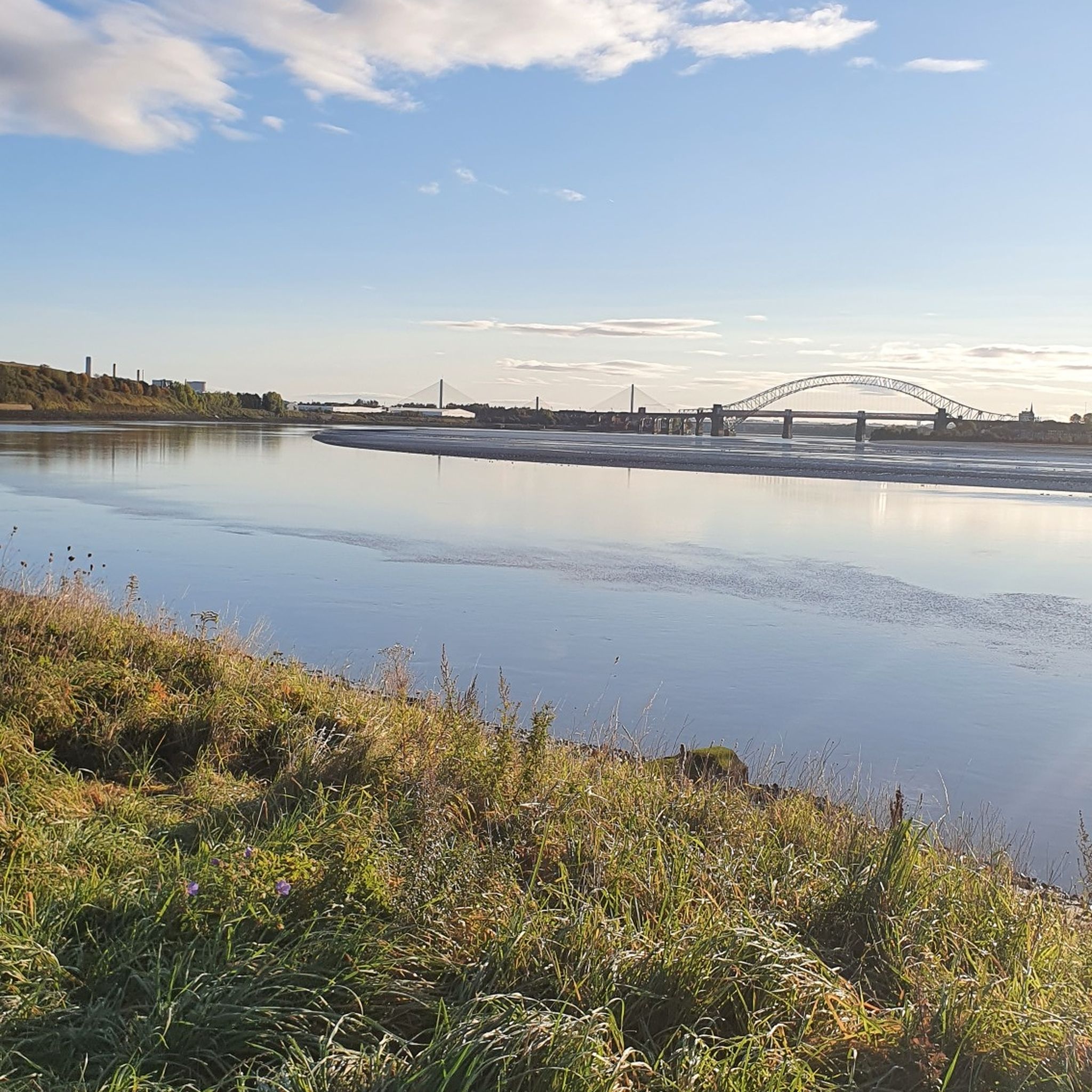
- Visitors also love Trans Pennine Trail – Mersey Gateway Bridge Crossing, a long-distance trail. This section follows historic transport links like disused railways and canals, suitable for walking and cycling.
- Hale is known for its historical sites, natural waterways, and extensive trail networks. The area offers a variety of attractions to see and explore, from industrial heritage to natural parklands.
- The attractions around Hale are appreciated by the komoot community, with 7 highlights and 11 photos contributing to 238 upvotes.
Last updated: August 16, 2026
Trans Pennine Trail – Mersey Gateway Bridge Crossing
Highlight • Bridge
Although it is now disused, the St Helens Canal used to be known as the Sankey Canal and was the first canal of the industrial revolution. It was built to transport coal to the chemical industries in Liverpool. These industries subsequently expanded and spread back along the canal to St Helens itself.
Tip by

Spike Island Park
Highlight • Settlement
Tip by
Sign up now to discover places like this
Get recommendations on the best single tracks, peaks, & plenty of other exciting outdoor places.
Sign up for free
Frodsham Hill War Memorial
Highlight • Monument
Tip by

Fountain in Sefton Park
Highlight • Natural Monument
There is a cafe.
Tip by

Ellesmere Port Lighthouse
Highlight • Historical Site
William Jessop built a canal from the River Mersey at Netherpool to Ellesmere and Chester which opened in 1795. Originally the Ellesmere Canal, the plan was to carry boats between the River Mersey and River Severn, creating a link with the Port of Liverpool. However the Ellesmere Canal was never fully completed, but parts of it formed the Shropshire Union Canal.
In 1796 Thomas Telford was responsible for the construction of Whitby Docks at the junction with the River Mersey. This formed the terminus of the canal from Ellesmere in Shropshire. From here, goods were transferred from trains and canal boats onto seagoing vessels. The docks at Whitby contained docks, warehouses, a blacksmiths forge, stables and workers’ houses. It remained in operation until the 1950s.
Tip by
Sign up for free to discover even more attractions around Hale.
Sign up for free
Already have an account?
Start today with a free account
Your next adventure awaits.
Login or Signup

Tips from the Community

What a great View! Well worth the slog up the hill!
0
0

This memorial, erected in a prominent location, towers high above the landscape of Frodsham Hill, about two kilometers from the banks of the Mersey, which flows past Liverpool before reaching its estuary. Despite its beautiful location and fantastic views (weather permitting), it has a serious significance: it commemorates the many victims of war and tyranny claimed by the two terrible world wars in the first half of the last century. Thus, each of these WAR MEMORIALS, which hikers encounter time and again in so many places, has a message that remains relevant today: to remember the need to preserve peace!
1
0

A very nicely designed long-distance cycle path
2
0
Beautiful view of the Gateway Bridge
2
0

"Also known as Whitby Lighthouse, Ellesmere Port Lighthouse was built at Whitby Docks in 1880. William Jessop built a canal from the River Mersey at Netherpool to Ellesmere and Chester which opened in 1795. Originally the Ellesmere Canal, the plan was to carry boats between the River Mersey and River Severn, creating a link with the Port of Liverpool. However the Ellesmere Canal was never fully completed, but parts of it formed the Shropshire Union Canal. In 1796 Thomas Telford was responsible for the construction of Whitby Docks at the junction with the River Mersey. This formed the terminus of the canal from Ellesmere in Shropshire. From here, goods were transferred from trains and canal boats onto seagoing vessels. The docks at Whitby contained docks, warehouses, a blacksmiths forge, stables and workers’ houses. It remained in operation until the 1950s. Ellesmere Port grew up around Dock Street, which now forms part of the National Waterways Museum. The village of Whitby merged with other local villages to form what is now Ellesmere Port. Ellesmere Port Lighthouse was built at the entrance to Whitby Docks and was completed in 1880." Source: https://lighthouseaccommodation.co.uk/listings/ellesmere-port-lighthouse/
0
0
"The site of the park was once within the boundaries of the 2,300-acre Royal Deer Park of Toxteth which became "disparked" in 1591. The land eventually came under the Earl of Sefton's control. In 1867 the Council purchased 375 acres of land of the park's development for £250,000 from the Earl of Sefton. Sefton Park is one of the largest in the "ribbon of Parks" originally envisaged in 1850s by the Liverpool Improvement Committee and which came eventually to include Newsham and Stanley Parks. A European competition was launched to design a grand park. 29 entries were received and the competition was won by a French landscape architect Édouard André with work on the design also undertaken by Liverpool architect Lewis Hornblower. The park was opened on 20 May 1872 by Prince Arthur who dedicated it "for the health and enjoyment of the townspeople". Source: https://en.m.wikipedia.org/wiki/Sefton_Park
2
0

great cafe at Boat Museum but also Port and Anchor
0
0

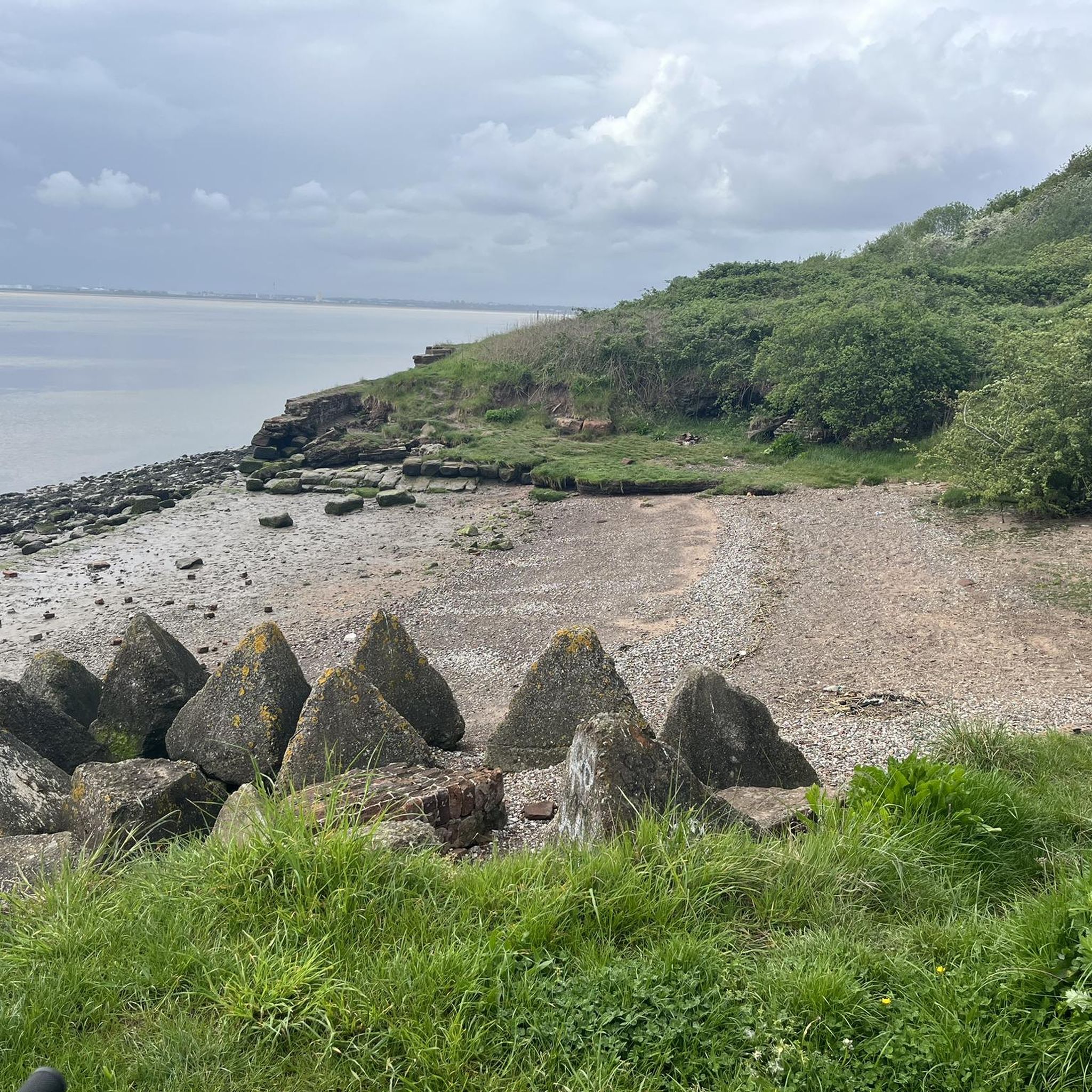
Also known as Whitby Lighthouse, Ellesmere Port Lighthouse was built at Whitby Docks in 1880. William Jessop built a canal from the River Mersey at Netherpool to Ellesmere and Chester which opened in 1795. Originally the Ellesmere Canal, the plan was to carry boats between the River Mersey and River Severn, creating a link with the Port of Liverpool. However the Ellesmere Canal was never fully completed, but parts of it formed the Shropshire Union Canal. In 1796 Thomas Telford was responsible for the construction of Whitby Docks at the junction with the River Mersey. This formed the terminus of the canal from Ellesmere in Shropshire. From here, goods were transferred from trains and canal boats onto seagoing vessels. The docks at Whitby contained docks, warehouses, a blacksmiths forge, stables and workers’ houses. It remained in operation until the 1950s.
4
0
Frequently Asked Questions
What kind of attractions can I expect to find around Hale?
Around Hale, you'll discover a blend of historical sites, natural waterways, and recreational trails. The area is known for its industrial heritage, with canals and rivers playing a significant role. You can explore parks, monuments, and extensive trail networks suitable for walking and cycling.
Are there any family-friendly attractions in the Hale area?
Yes, several attractions around Hale are suitable for families. Spike Island Park offers parkland, woodland, wetlands, and footpaths for exploration. The Trans Pennine Trail – Mersey Gateway Bridge Crossing is also family-friendly for walking and cycling. Additionally, Fountain in Sefton Park provides a lovely setting with a boating lake and cafe.
What historical sites or monuments are worth visiting near Hale?
The Frodsham Hill War Memorial is a significant man-made monument offering historical context and views of the coast. Spike Island Park itself has a rich industrial history, once home to the world's first rail-to-ship dock and chemical factory during the Industrial Revolution.
Where can I find scenic viewpoints or natural features around Hale?
For scenic views, the Frodsham Hill War Memorial provides lovely vistas of the coast and even Wales on clear days. Spike Island Park features parkland, woodland, and wetlands, situated between the Sankey Canal and the River Mersey estuary. The Ferry Tavern also offers beautiful views of the River Mersey and the Sankey Canal.
Are there opportunities for hiking or walking near Hale attractions?
Absolutely. The Trans Pennine Trail – Mersey Gateway Bridge Crossing is a long-distance trail perfect for walking, following historic transport links. Spike Island Park has numerous footpaths through its parkland and woodland. For more dedicated hiking, you can explore routes like the easy 'Hale Lighthouse loop' or 'View of the River Mersey – Hale Head Lighthouse loop from Liverpool John Lennon Airport'. Find more options on the Hiking around Hale guide.
What cycling routes are available near Hale?
Hale is well-suited for cycling. The Trans Pennine Trail offers a mainly traffic-free route for cyclists. You can also find various road cycling and touring bicycle routes, including easy options like the 'Liverpool Loop Line – Liverpool Loop Line loop from Halewood' or moderate rides such as 'Eastgate Clock – Chester Cathedral loop from Runcorn'. Discover more routes on the Road Cycling Routes around Hale and Cycling around Hale guides.
Are there any pubs or cafes near the attractions in Hale?
Yes, the Ferry Tavern is a historic pub with a superb setting on its own island between the River Mersey and the Sankey Canal, offering food and drinks with beautiful views. Spike Island Park also has a cafe, as does Fountain in Sefton Park.
What do visitors particularly enjoy about the attractions around Hale?
Visitors frequently praise the beautiful views, especially from spots like Frodsham Hill War Memorial. The regenerated parklands and footpaths at Spike Island Park are also highly appreciated for recreation. The unique setting and historical significance of places like The Ferry Tavern, nestled between waterways, also receive positive feedback.
Is there parking available at the main attractions?
Yes, Spike Island Park is noted to have parking facilities, making it convenient for visitors arriving by car.
Can I explore the industrial heritage of Hale?
Yes, Hale's industrial heritage is a key characteristic of the area. Spike Island Park was a central hub during the Industrial Revolution, featuring the world's first rail-to-ship dock and chemical factory. The Trans Pennine Trail section near Hale also follows historic transport links like disused railways and canals, including the St Helens Canal (formerly Sankey Canal), which was the first canal of the industrial revolution.
Are there any parks with natural landscaping in the area?
Yes, Fountain in Sefton Park is a Grade 1 listed parkland designed to look natural, with well-designed landscaping, curving paths, and features like a boating lake and a glass palm house. It's known for carpets of daffodils and bluebells in spring.
Most popular attractions around Hale

Get inspired with the komoot mobile app


Explore more
Still not found the Highlight you’re looking for? See guides of the top attractions in other regions:
