Top 3 Castles around Raynham
Best castles around Raynham offer a glimpse into historical architecture and significant sites. This area features well-preserved examples of Norman earthworks and monastic ruins, providing opportunities to engage with England's past. The region's landscape is rich in historical significance, with structures dating back centuries. Visitors can explore ancient fortifications and religious buildings within this historical setting.
Best castles around Raynham
- The most popular castles is Castle Acre Castle and Bailey Gate, a castle that was built shortly after the…
Last updated: July 28, 2026
Castle Acre Castle and Bailey Gate
Highlight • Castle
Tip by

Castle Acre Priory
Highlight • Religious Site
Tip by
Sign up now to discover places like this
Get recommendations on the best single tracks, peaks, & plenty of other exciting outdoor places.
Sign up for free
River Nar Ford at South Acre Road
Highlight • River
Tip by

Mileham Castle Ruins
Highlight • Historical Site
Tip by

Start today with a free account
Your next adventure awaits.
Login or Signup



Tips from the Community

One of the most impressive set of priory ruins in the east of England. Only visit if you're not wearing road cleats though.
0
0

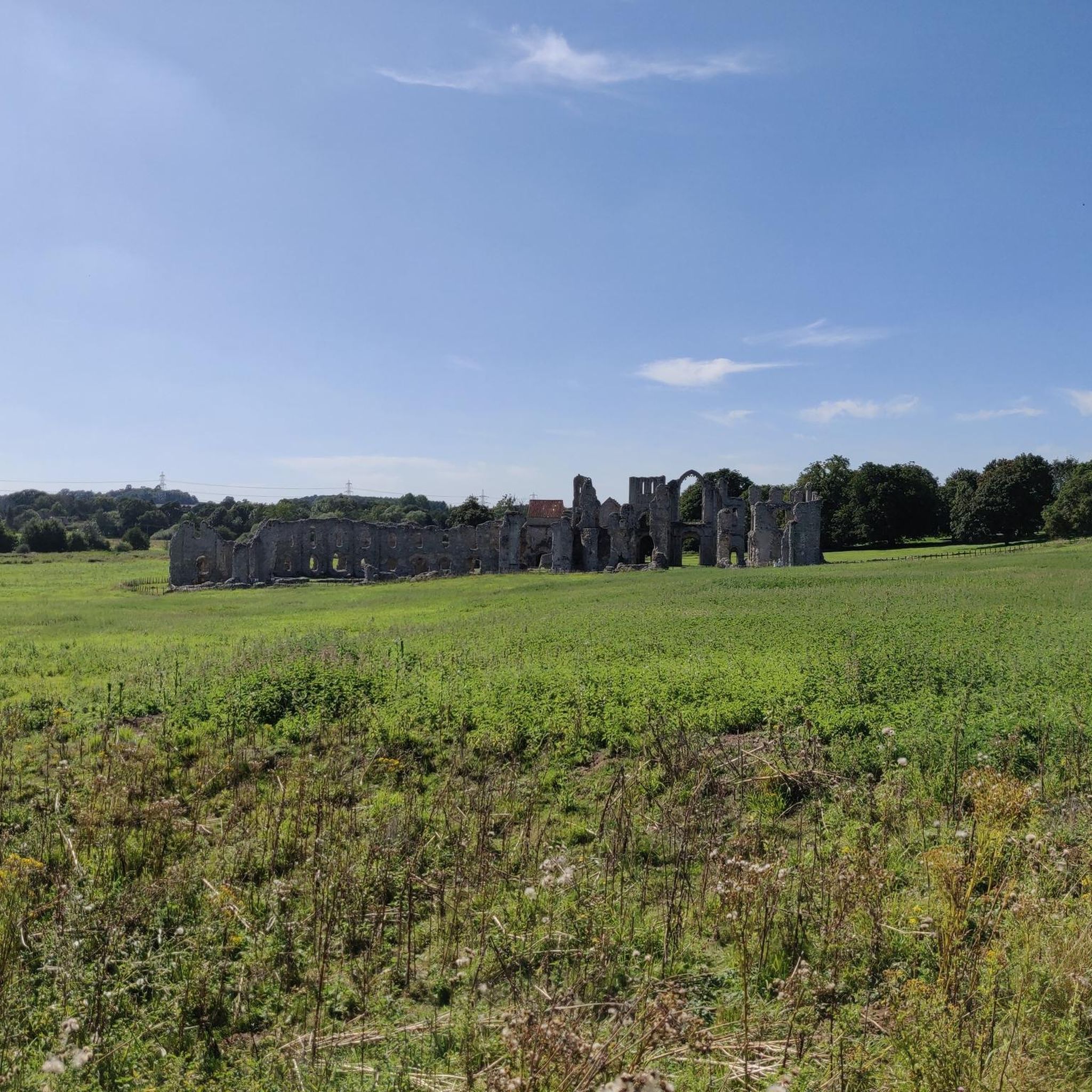
Castle Acre Priory is one of the largest and best-preserved monastic sites in England, dating back to 1090. It was the home of the first Cluniac order of monks in England and the Cluniac love of decoration is everywhere reflected in the extensive ruins. There is much to see at the priory, including the beautiful west end church gable, prior’s lodging and substantial remains of many of the buildings round the cloister. Herbs are grown in the recreated herb garden, which the monks would have used for medicinal, culinary and decorative purposes. Such an amazing place and very atmospheric around sunset, it does cost to get in and closes early but is worth, you can walk around the outskirts for free and this is best down at sunset or sunrise, a truly beautiful spot full of history. https://www.english-heritage.org.uk/visit/places/castle-acre-castle-acre-priory/
0
0
Lovely crossing to the south of Castle Acre if you come in following the Peddars way, there is a view out to the old Monastery.
0
0
Impressive remains but only viewable from a distance unless you're an English Heritage member or pay the entrance fee.
0
0
The lane south of the ford is narrow with a very poor surface. It, and the ford, are passable on a road bike but better suited to a gravel bike.
0
0


This fantastically well preserved motte and bailey castle is free to enter and explore. It was built shortly after the Norman Conquest in the 11th century by the first William de Warenne, a close associate of William the Conqueror.
0
0
Until recently, Mileham Castle was covered in undergrowth and forgotten. However, it is the largest motte and bailey castle in Norfolk. Dating from the 12th century, the ruins are open to the public. You can clearly see the layout of the castle from the top of the mound and the moat around its edge.
1
0
Frequently Asked Questions
What types of historical sites can I explore around Raynham?
The area around Raynham, Norfolk, England, is rich in historical sites. You can explore well-preserved examples of Norman earthworks, such as Castle Acre Castle and Bailey Gate, which is one of the country's most impressive motte-and-bailey castles. Additionally, there are significant monastic ruins like Castle Acre Priory, one of England's most extensive and best-preserved monastic sites, dating back to 1090.
Are there any family-friendly castles or historical sites near Raynham?
Yes, several sites are suitable for families. Castle Acre Castle and Bailey Gate and Castle Acre Priory are both listed as family-friendly. The nearby Castle Acre Village and Castle Ruins also offers a pleasant experience for families, with amenities like a shop, cafe, and pub.
What are the entry fees for these historical sites?
Castle Acre Castle and Bailey Gate, owned by English Heritage, is free to enter. However, Castle Acre Priory, also an English Heritage site, typically requires an entrance fee unless you are an English Heritage member.
Can I find any hidden gems among the castles near Raynham?
While not exactly 'hidden,' Mileham Castle Ruins offers a unique experience. It was once covered in undergrowth but is now open to the public. It's known as the largest motte and bailey castle in Norfolk, and you can clearly see the layout of the castle from the top of its mound and the surrounding moat.
What outdoor activities can I do near these castles?
The area around Raynham offers various outdoor activities. You can find numerous hiking trails, including easy hikes and more moderate routes. There are also options for gravel biking. For detailed routes and guides, you can explore easy hikes around Raynham, general hiking around Raynham, and gravel biking routes around Raynham.
Are there places to eat or stay near the castles?
Yes, the Castle Acre Village and Castle Ruins offers amenities such as a village shop, cafe, and pub, which are convenient for visitors. Additionally, some tips mention 'Great tea rooms in Castle Acre' and pubs with accommodation in the wider area.
What is the best way to get to these castles, and is there parking available?
For Castle Acre Castle and Bailey Gate, there is a small car park, though it's advised to arrive early to secure a space. Public transport options may be limited, so driving is often the most convenient way to reach these sites in rural Norfolk.
What natural features can I see near the castles?
While the focus is on historical structures, you can find natural elements like the River Nar. The River Nar Ford at South Acre Road is a notable spot, and the area is also part of the Peddars Way, a long-distance footpath offering scenic views.
What do visitors enjoy most about the castles around Raynham?
Visitors frequently appreciate the well-preserved nature of the sites, particularly the impressive Norman earthworks at Castle Acre Castle and the extensive monastic ruins of Castle Acre Priory. The historical significance and the opportunity to explore England's past are highly valued, as evidenced by over 60 upvotes and 17 photos shared by the komoot community.
How long should I plan for a visit to these historical sites?
To fully explore Castle Acre Castle and Bailey Gate and Castle Acre Priory, you would likely need a few hours for each, especially if you wish to delve into the history and enjoy the surroundings. If you also plan to visit Castle Acre Village and perhaps take a short walk, a full day could be easily spent in the area.
Are there any specific historical periods these castles represent?
The castles and historical sites around Raynham primarily represent the Norman period and medieval monastic life. Castle Acre Castle was built shortly after the Battle of Hastings by William de Warenne, showcasing 11th-century Norman architecture. Castle Acre Priory dates to 1090, reflecting the early Cluniac monastic order in England.
Most popular attractions around Raynham

Get inspired with the komoot mobile app


