The best road cycling routes around Weiler
4.5
(575)
13,412
riders
137
rides
Road cycling routes around Weiler are characterized by the alpine landscape of Vorarlberg, Austria, featuring green meadows and challenging mountain passes. The region offers diverse terrain, from routes along the Rhine River to ascents over passes like Faschinajoch and Furkajoch. Cyclists can explore a well-maintained cultural landscape with varied distances and elevation profiles.
Best road cycling routes around Weiler
- The most popular road cycling route is Black Lake – Church of Thüringerberg loop from Sulz-Röthis, a difficult 41.3 miles (66.4 km) trail that takes 3 hours 31 minutes to complete, featuring significant elevation gain.
- Another top favourite among local road cyclists is View of the Mountain Valley – Furkajoch Pass loop from Klaus in Vorarlberg, a difficult 32.2 miles (51.9 km) path with substantial climbing over the Furkajoch Pass.
- Local road cyclists also love the Galinasee – Nachbauersee loop from Sulz-Röthis, a 40.9 miles (65.8 km) trail leading through varied terrain with moderate elevation, often completed in about 2 hours 40 minutes.
- Road cycling around Weiler is defined by alpine passes, river valleys, and green meadows. The network offers options for different ability levels, from challenging climbs to more moderate routes.
- The routes in Weiler are highly rated by the komoot community with an average score of 4.5 stars from over 600 reviews. More than 15,000 road cyclists have used komoot to explore Weiler's varied terrain.
Last updated: June 3, 2026
4.9
(13)
383
riders
66.4km
03:31
1,230m
1,230m
Hard road ride. Very good fitness required. Mostly well-paved surfaces and easy to ride.
4.7
(19)
345
riders
52.6km
03:14
1,390m
1,390m
Hard road ride. Very good fitness required. Mostly well-paved surfaces and easy to ride.

Sign up for free
5.0
(4)
179
riders
Moderate road ride. Good fitness required. Some segments of this route may be unpaved and difficult to ride.
4.9
(54)
1,433
riders
98.8km
06:01
2,610m
2,610m
Hard road ride. Very good fitness required. Some segments of this route may be unpaved and difficult to ride.
4.5
(8)
84
riders
31.2km
01:22
270m
270m
Easy road ride. Great for any fitness level. Mostly well-paved surfaces and easy to ride.
Get access to more routes and recommendations from other explorers.
Sign up for free
Already have an account?
Our route recommendations are based on thousands of hikes, rides, and runs completed by other people on komoot.
Start today with a free account
Your next adventure awaits.
Login or Signup
Tips from the Community

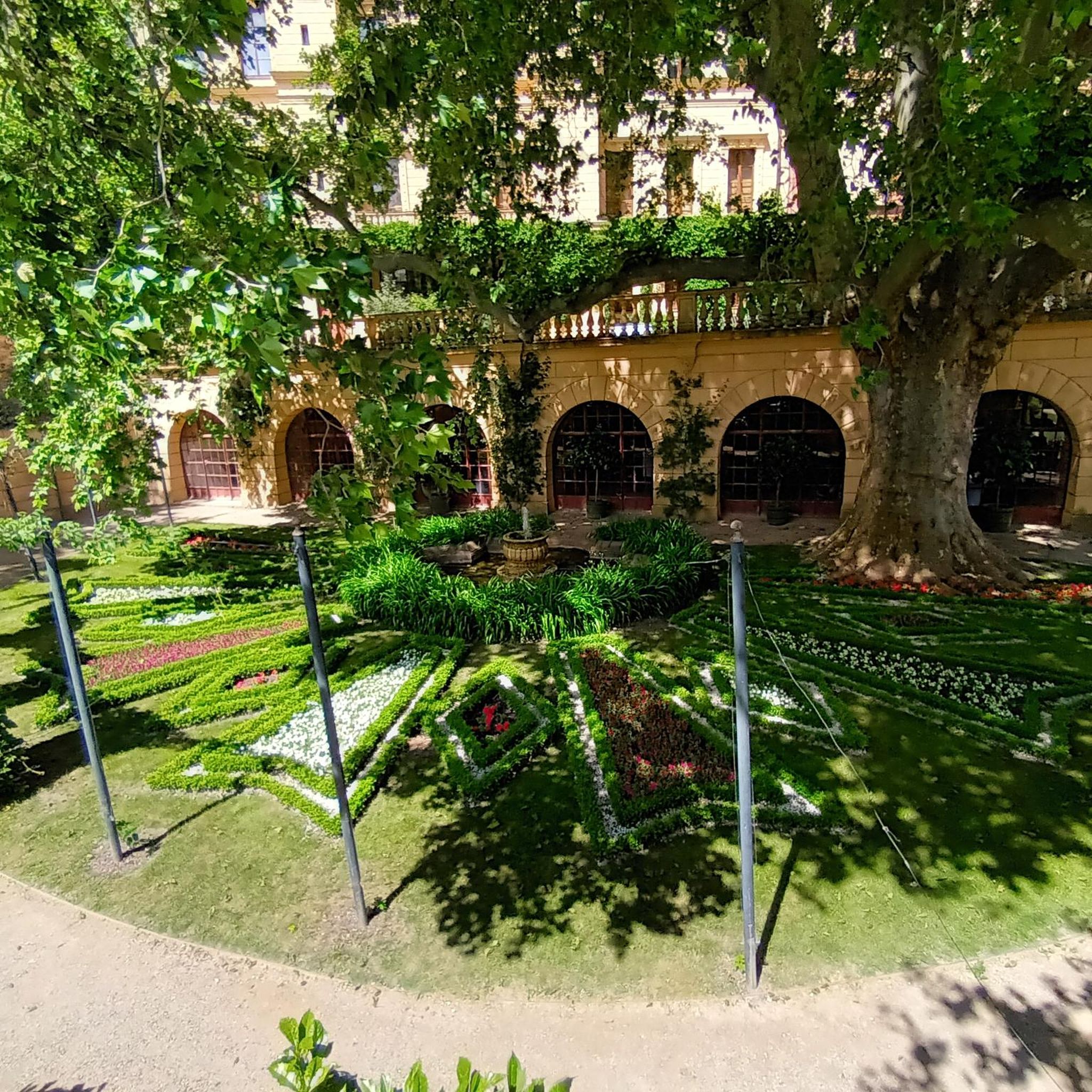
Church, St. Apostle Andrew, Thüringerberg The church was built in the years 1782 and 1783 due to lack of space, but the consecration did not take place until 1790. In 1786, Thüringerberg finally got its own pastor and the curacy was elevated to an independent parish in 1835. In 1864, the church received three new altars, which were replaced by a people's altar in 1960. The current altar has been in the church since 1990. The first organ was in 1805 and a new one was bought in 1860. Since 1994, the parish church has had a new organ again, which was largely financed by six organ godmothers. As the church was too small from the very beginning, it was enlarged in 1894. In 1959/60, the church was extended again and also modernized. The last renovation took place in 1989/90. Text / Source: Großes Walsertal Tourismus, Rathausgasse 5, Bludenz https://www.vorarlberg-alpenregion.at/walsertal/de/pfarrkirche-hl-apostel-andreas_vc3870
14
0

Meeting point for road cyclists
1
0

The water of the Bregenzerwald originates in the mountains and flows through the heart of Dornbirn in gentle steps.
3
0

The Dornbirner Ach (also known as Dornbirnerach or Dornbirner Ache), along with the more northerly Bregenzer Ach, is one of the most important outflows for the smaller streams of the western Bregenzerwald Mountains and the lower Rhine Valley in the Austrian state of Vorarlberg. Until the Rhine was regulated, the Dornbirner Ach flowed into Lake Constance near Fußach. Today, the approximately 30-kilometer-long river flows east of and parallel to the Rhine near Hard into Lake Constance, crossing the municipal area of the city of Dornbirn. This large bridge is also accessible by car, and the cycle path and pedestrian path are separated from it.
1
0

Very pleasant cycling on smooth asphalt, slightly elevated with views parallel to the Dornbirner Ache.
1
0
A magnificent, modern bridge between Hard and Fussach (completed in 2023) that provides a very comfortable, wide pedestrian and bicycle path to the Rhine crossing. Protected from car and bus traffic, several people can pass each other comfortably, whether by bike or on foot. Truly a wonderful thing!
4
0

Directly after the bridge there is a drinking water dispenser, ideal for quickly filling your bottle.
1
0

Definitely a fantastic route, but it will cost you something. For the experienced cyclist, we'll say.
0
0
Frequently Asked Questions
How many road cycling routes are available around Weiler?
The Weiler region offers a wide variety of road cycling routes, with over 140 tours available on komoot. This includes options for all skill levels, from leisurely rides through valleys to challenging alpine ascents.
What kind of terrain can I expect on road cycling routes in Weiler?
Road cycling in Weiler, located in Vorarlberg, Austria, features diverse terrain. You'll find routes along the New Rhine bridge near Fussach and the Bregenzer Ach, offering mostly well-paved, flatter sections. For more challenging rides, the region boasts significant elevation gains over legendary passes like Faschinajoch and Furkajoch, set amidst alpine landscapes and green meadows.
What are the difficulty levels of road cycling routes in Weiler?
The routes around Weiler cater to various fitness levels. Approximately 28 routes are classified as easy, 82 as moderate, and 33 as difficult. This means you can find everything from gentle rides to demanding climbs over mountain passes.
When is the best time of year for road cycling in Weiler?
The best time for road cycling in Weiler is generally from late spring to early autumn (May to October). During these months, the weather is most favorable, and mountain passes are typically clear of snow, offering optimal conditions for exploring the diverse terrain.
Are there any circular road cycling routes in Weiler?
Yes, many road cycling routes in Weiler are designed as scenic loops. Examples include the Black Lake – Church of Thüringerberg loop from Sulz-Röthis, the View of the Mountain Valley – Furkajoch Pass loop from Klaus in Vorarlberg, and the Galinasee – Nachbauersee loop from Sulz-Röthis, providing varied distances and difficulty levels.
What natural features can I see along the road cycling routes in Weiler?
The region offers stunning natural beauty. You can encounter impressive waterfalls such as the Waterfall in the Üble Schlucht, Feientobel Waterfalls, and Fallbach Waterfall. Additionally, routes often traverse green meadows, river valleys, and offer panoramic views from mountain passes like Faschinajoch and Furkajoch.
Are there historical landmarks or castles to explore near the road cycling routes?
Yes, the Weiler area is rich in history. Cyclists can pass by or make detours to explore historical sites such as the Alt-Ems Castle Ruins, Schattenburg Castle, and Tosters Castle Ruins, adding a cultural dimension to your ride.
Are there options for combining road cycling with public transport in the Weiler region?
While specific public transport options for cyclists in Weiler are not detailed, the broader Vorarlberg region, like other parts of Austria, often provides good public transport networks. It's advisable to check local train and bus schedules for bike transport availability, especially for longer distances or to return from a one-way route.
Where can cyclists find places to rest or refuel in Weiler?
The well-maintained cultural landscape of Vorarlberg, including the Weiler area, is known for its warm hospitality. You'll find various cafes, pubs, and accommodation options in the villages and towns along the routes, perfect for a break or an overnight stay. Specific recommendations would depend on your chosen route.
Is parking available near the road cycling routes in Weiler?
Yes, parking is generally available in the starting points of many routes, particularly in larger towns like Sulz-Röthis or Klaus, which serve as popular hubs for cyclists. Look for designated parking areas in these communities before embarking on your ride.
What do other road cyclists enjoy the most about road cycling in Weiler?
The road cycling experience in Weiler is highly rated by the komoot community, with an average score of 4.5 stars from over 600 reviews. Cyclists frequently praise the diverse terrain, from challenging alpine passes to scenic river routes, and the stunning panoramic views of the Vorarlberg landscape.
Are there any longer, challenging road cycling routes for experienced riders?
Experienced riders seeking a challenge will find several demanding routes. For instance, the Faschinajoch Pass (1,486 m) – Furkajoch Pass loop from Sulz-Röthis is a difficult 99 km route with over 2,600 meters of elevation gain, offering significant climbing and exhilarating descents over two major passes.
Can I find routes that offer views of the Rhine River?
Yes, you can explore routes that feature the Rhine River. The New Rhine bridge near Fussach – Bridge over the Bregenzer Ach loop from Sulz-Röthis is a moderate 67 km route that takes you along the river, offering scenic views and a relatively flatter profile compared to the alpine climbs.
Most popular attractions around Weiler

Get inspired with the komoot mobile app


Explore more
Browse the best Road cycling routes in other regions.
