Attractions and Places To See around Grindale - Top 20
Best attractions and places to see around Grindale include a variety of natural and historical sites within the East Riding of Yorkshire. The area features a rural landscape with traditional village life, offering diverse points of interest for visitors. From significant nature reserves to historic manor houses, the region provides numerous exploration opportunities.
Best attractions and places to see around Grindale
- The most popular attractions is Flamborough Lighthouse, a man-made monument that serves as a waypoint for deep sea…
Last updated: October 9, 2026
Flamborough Lighthouse
Highlight • Monument
Tip by

RSPB Bempton Cliffs Nature Reserve
Highlight (Segment) • Viewpoint
Tip by

Sign up now to discover places like this
Get recommendations on the best single tracks, peaks, & plenty of other exciting outdoor places.
Filey Bay Beach
Highlight • Settlement
Tip by

Flamborough Cliffs
Highlight • Natural Monument
Tip by
Rudston Monolith
Highlight • Natural
Tip by

Sign up for free to discover even more attractions around Grindale.
Already have an account?
Start today with a free account
Your next adventure awaits.
Tips from the Community


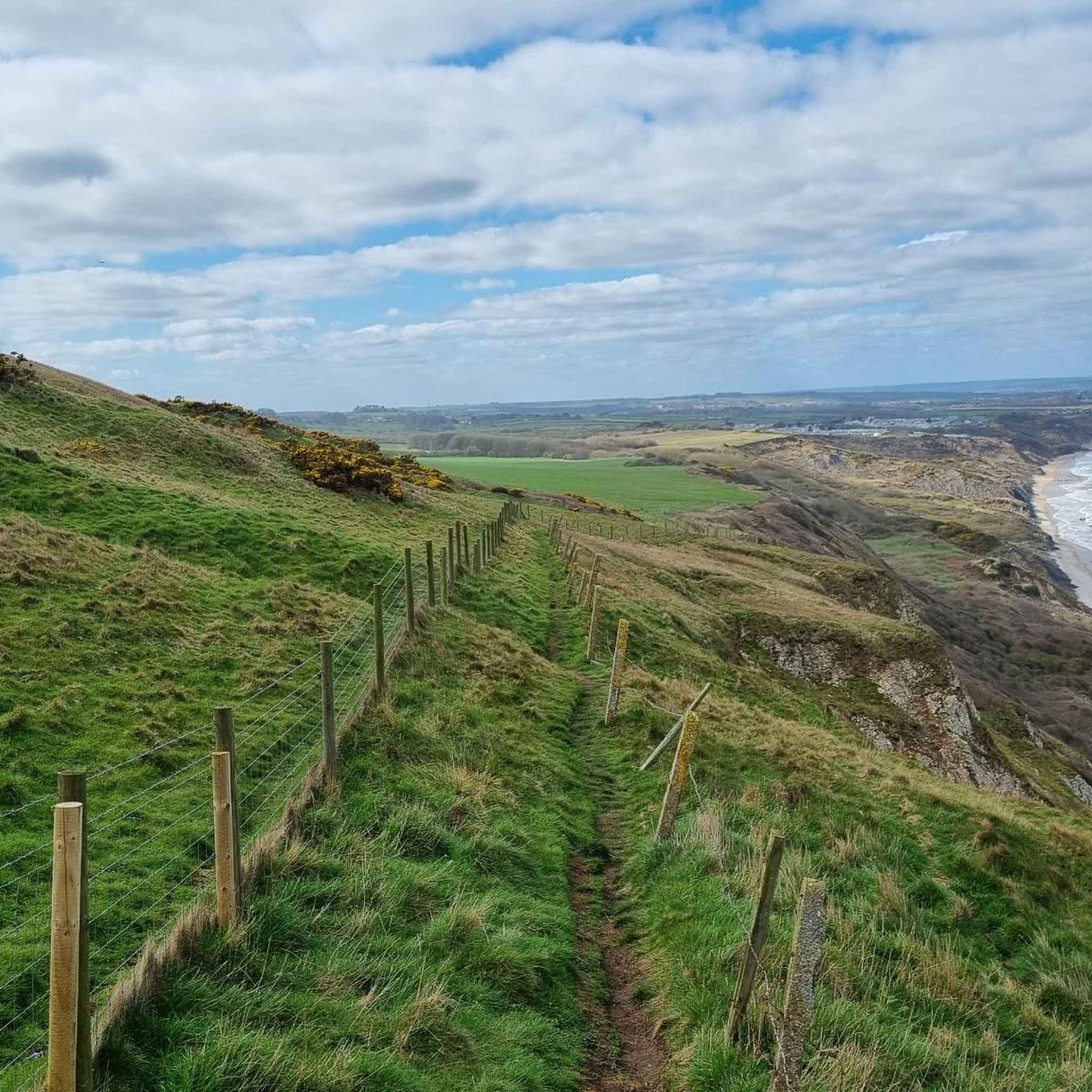
Takes about 2 hours from cayton bay along the the Cleveland way to Filey couple of uneven parts on the way but relatively an easy walk
0
0

Happened to be here on a lovely sunny day, but with 40mph winds - It was a great walk out on the Brigg but 'blowing away the cobwebs' a bit of an understatement!
0
0

Lots of viewing platforms along the clifftop public footpath, but early morning in December is definitely not the best time to view the birds, I didn't see many species or individual birds at all. Maybe I scared them off :). Summer probably much better when they are nesting.
3
0
Lots of parking, very quiet in winter, and cracking routes along the south and north of Flamborough Head. Take the north route past North Landing and Thornwick Bay, much more scenic than the southerly route.
2
0
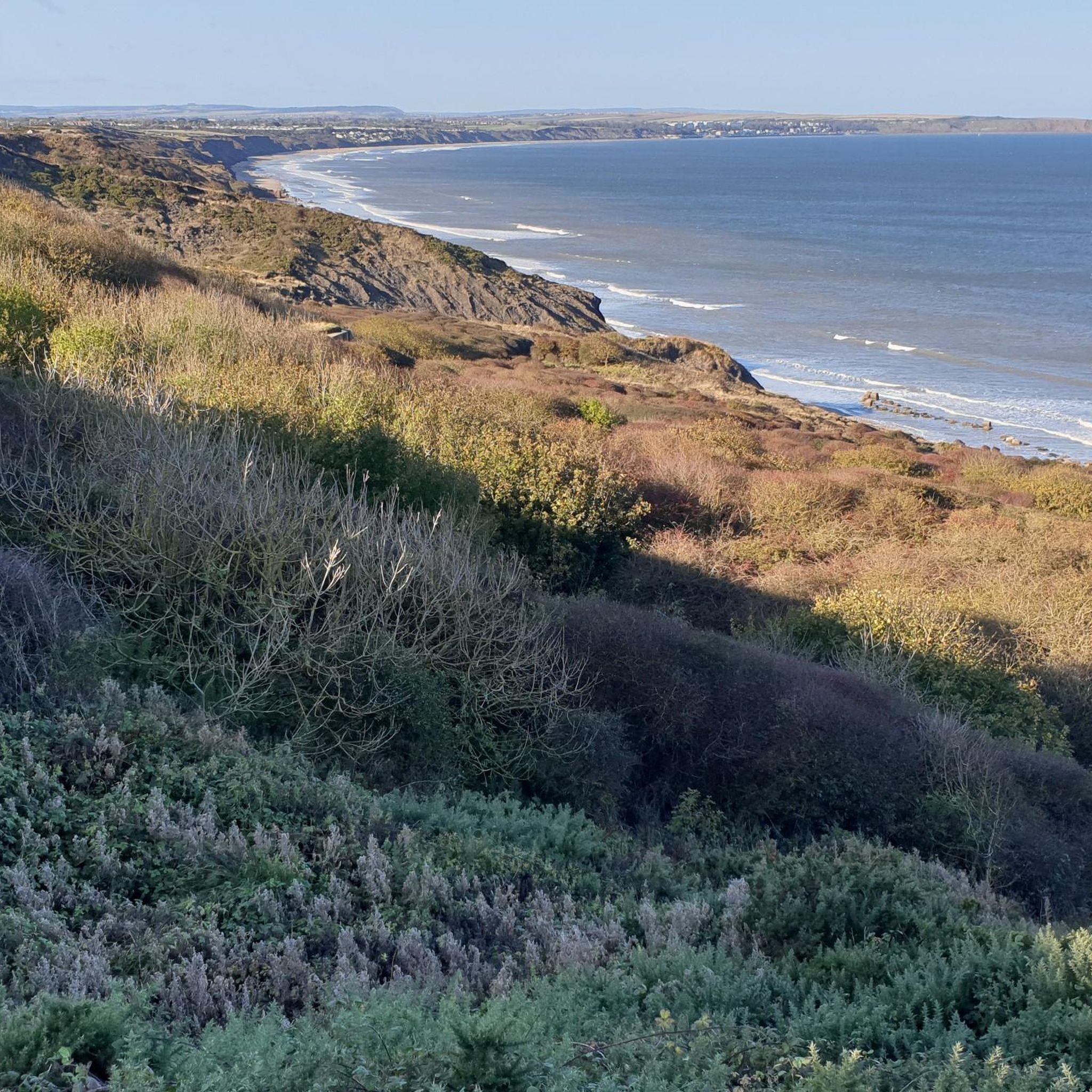
If you can, walk the entire section between the lighthouse and Bempton Cliffs, there are many and varied little bays and rock formations. Footpath muddy in winter, but not terribly boggy. Cracking views and photo opportunities.
3
0

The Rudston monolith is the tallest prehistoric standing stone in Britain, measuring almost 8 metres high, nearly 2 metres wide, a metre thick and estimated to weigh somewhere in the region of a massive 26 tons. This giant block of grey sandstone or gritstone was errected here either in the late Neolithic or early Bronze Age and is thought to have been quarried more than 10 miles away in the Cayton Bay area south of Scarborough, although the glacial transportation of a large block of stone that was then shaped and utilised by the prehistoric residents of the area cannot be ruled out. The top of the stone has been weathered and eroded into a fluted peak similar to the stones of the Devil's Arrows and a lead cap was first added to try to preserve it in the 18th century. The churchyard of All Saints that it stands in is of course much younger and although the christianisation of the site took place around 1100AD the stone had already stood here for at least 3000 years. The monolith stands close to the Gypsey Race, an occasional stream that flows along the floor of the Great Wold Valley from close to the barrow of Duggleby Howe in the east, past another pair of barrows at Wold Newton and Willie Howe before turning south past the Argham Henge and Cursus down to Rudston itself where it bends sharply and heads eastwards to the sea at Bridlington. The whole of the Gypsey Race landscape was obviously important in prehistoric times and holds a rich selection of sites, most of which have been destroyed or badly damaged by ploughing, including many round barrows, several long barrows, four cursuses and at least one henge. It continued to retain its importance into the historic period - a major Roman villa was discovered to the southwest of Rudston village. In the corner of the churchyard is a much smaller stone presumably brought here from a local barrow and also the remains of a double cist that was removed from a nearby barrow on Rudston Beacon by the antiquarian Canon Greenwell in the late 19th century.
0
0

The monument is the former Flamborough Head lighthouse and includes an octagonal tower constructed of coursed chalk rubble with stone dressings. It was built in 1674 as a business venture by Sir John Clayton, but never used.
1
0
Frequently Asked Questions
What natural attractions can I explore near Grindale?
The region boasts several stunning natural features. You can visit RSPB Bempton Cliffs Nature Reserve, renowned for its seabird colonies including gannets and puffins. Other notable natural landmarks include the dramatic cliffs of Filey Brigg, the quiet cove of Smugglers' Caves at Thornwick Bay with its sea arch, and the serene Nafferton Mere, perfect for wildlife spotting.
Are there any historical sites or cultural landmarks to visit around Grindale?
Yes, Grindale and its surroundings are rich in history. You can explore the medieval Flamborough Lighthouse, which has guided ships since 1806. The village itself features the historic St. Nicholas Church, rebuilt in 1873-74 but with origins dating back to 1115, and the Old School House from 1858. Further afield, consider visiting Burton Agnes Manor House, a medieval structure with a well-preserved Norman undercroft.
What kind of outdoor activities can I do near Grindale?
The area around Grindale is ideal for outdoor enthusiasts. You can find numerous hiking opportunities, from easy strolls to more challenging routes. For example, explore the coastal paths with routes like the 'Bempton cliffs & Flamborough Head loop'. Cyclists can enjoy road cycling routes such as the 'Rudston Monolith – Burton Agnes Hall and Gardens loop'. You can find more details and routes in the hiking guide for Grindale or the road cycling guide.
Are there family-friendly attractions around Grindale?
Absolutely! Many attractions cater to families. Filey Bay Beach offers golden sands and clean waters for swimming and play. North Landing Beach and Cliffs is another great spot with a small cove, beach, and rock pools for children to explore. Sewerby Hall and Gardens provides beautiful grounds and historic buildings, often with family-oriented events.
Where can I find scenic views near Grindale?
For breathtaking vistas, head to Staxton Hill, which offers panoramic views over the valley towards Scarborough. The cliff walks around Flamborough Lighthouse and RSPB Bempton Cliffs Nature Reserve also provide spectacular coastal scenery, especially at sunrise or sunset.
Are there any beaches suitable for swimming or relaxing near Grindale?
Yes, several beautiful beaches are within easy reach. Filey Bay Beach is known for its inviting golden sands and clean waters. Bridlington South Beach is another popular choice for family activities and refreshing swims. Cayton Bay, near Scarborough, also offers a scenic coastal environment perfect for walks and relaxation.
What do visitors enjoy most about the attractions around Grindale?
Visitors frequently praise the stunning natural beauty and the peaceful atmosphere. Many enjoy the spectacular views from places like Flamborough Lighthouse and the impressive seabird colonies at RSPB Bempton Cliffs Nature Reserve. The quiet coves and historical insights, such as those found at Smugglers' Caves at Thornwick Bay, are also highly appreciated.
Are there any unique or lesser-known spots to discover near Grindale?
Beyond the main attractions, you can explore the quaint Grindale Village itself, offering a glimpse into traditional Yorkshire Wolds life. The 158 Squadron Memorial in Gransmoor provides a poignant tribute to wartime history. For a unique experience, Grindale also has an airstrip used by a skydiving company, offering a different perspective of the landscape.
Can I find cafes or refreshment spots near the attractions?
Yes, several attractions offer refreshment options. Flamborough Lighthouse has a cafe and shop. At North Landing Beach and Cliffs, you'll find a pub and a cafe at the top of the cliffs. The visitor centre at RSPB Bempton Cliffs Nature Reserve also includes a cafe and shop.
What archaeological sites are located near Grindale?
The area surrounding Grindale is rich in archaeological history, with over 1121 known sites within a 10 km radius. These include numerous Roman sites where artifacts such as bow brooches, coarse pottery, and amphorae have been discovered, offering a fascinating look into ancient times.
Are there any easy walking routes suitable for beginners or families near Grindale?
Yes, there are several easy walking routes. For example, the 'Cayton Bay Beach Cafe loop from Reighton' is an easy 4.2 km hike. Another accessible option is the 'Bempton Cliffs – Bempton Cliffs loop from RSPB Bempton Cliffs', which is around 5.7 km. You can find more easy routes in the easy hikes guide for Grindale.
Most popular attractions around Grindale

Get inspired with the komoot mobile app


Explore more
Still not found the Highlight you’re looking for? See guides of the top attractions in other regions:
