Attractions and Places To See around Goxhill - Top 20
Best attractions and places to see around Goxhill, a village in North Lincolnshire, England, blend historical significance with natural beauty. Situated near the River Humber, the area offers a mix of cultural experiences and outdoor exploration. Visitors can discover well-preserved medieval sites, former industrial landmarks, and expansive nature reserves. The region provides diverse opportunities for those interested in local history and wildlife.
Best attractions and places to see around Goxhill
- The most popular attractions is Humber Bridge, a man-made…
Last updated: May 9, 2026
Waters' Edge Visitor Centre
Highlight • Rest Area
For a free family day out packed with wildlife and nature don’t miss Waters’ Edge Country Park and Visitor Centre. Explore 110 acres of country park and nature reserve, …
Tip by

Humber Bridge
Highlight • Monument
Tip by

Sign up now to discover places like this
Get recommendations on the best single tracks, peaks, & plenty of other exciting outdoor places.
Sign up for free
Barton Old Cement Works Ruins
Highlight • Historical Site
The Site Layout
As you enter the site today (the main western …
Tip by
Bullnose, St Andrew's Dock
Highlight • Historical Site
This was the western end of those two pipes which can be seen on the opposite side of the dock entrance. In my …
Tip by

The Ropewalk Arts Centre
Highlight • Monument
Tip by
Sign up for free to discover even more attractions around Goxhill.
Sign up for free
Already have an account?
Start today with a free account
Your next adventure awaits.
Login or Signup

Tips from the Community

Great walks around the Humber bridge area and a great cafe on the South side of the bridge! However, this is not a landmark of HULL!!! It is a landmark of the Humber estuary and the surrounding area.
2
0


Impressive suspension bridge and though it’s a bit outside of the city the landmark of Hull.
4
1

lovely little cafe with the Humber Bridge wiewing area not far away
0
0

Bullnose, St Andrew's Dock, entrance, Hull, 1982 This was the western end of those two pipes which can be seen on the opposite side of the dock entrance. In my picture they appear to descent from the heavens, but in reality they came from the first floor of the building to my left, out of site as I took the picture, then identified as 'Industrial & Maritime Riggers Limited' but formerly the former Boston Deep Sea Fisheries Ltd office and the Sea Fish Industry Authority. The Bullnose was named for its shape, jutting out in to the river at the mouth of the St Andrew's Dock entrance channel, and apparently men who had not found a place on a crew would wait there in the hope of jumping down into a trawler that was leaving shorthanded if the skipper gave them a signal they were wanted.
1
0

Old rope factory that is now a museum, it has a cafe as well. Worth a visit if you have time.
0
0

The Ropewalk was once a rope making factory, Hall’s Barton Ropery, dating back to between 1800 and 1803. The Grade II listed building, which stretches a quarter of a mile along the length of Barton Haven, now houses the The Ropewalk arts centre and Museum containing displays, artifacts and other memorabilia associated with the history of the factory and its workforce. It also has a great little cafe and is well worth a visit.
0
0

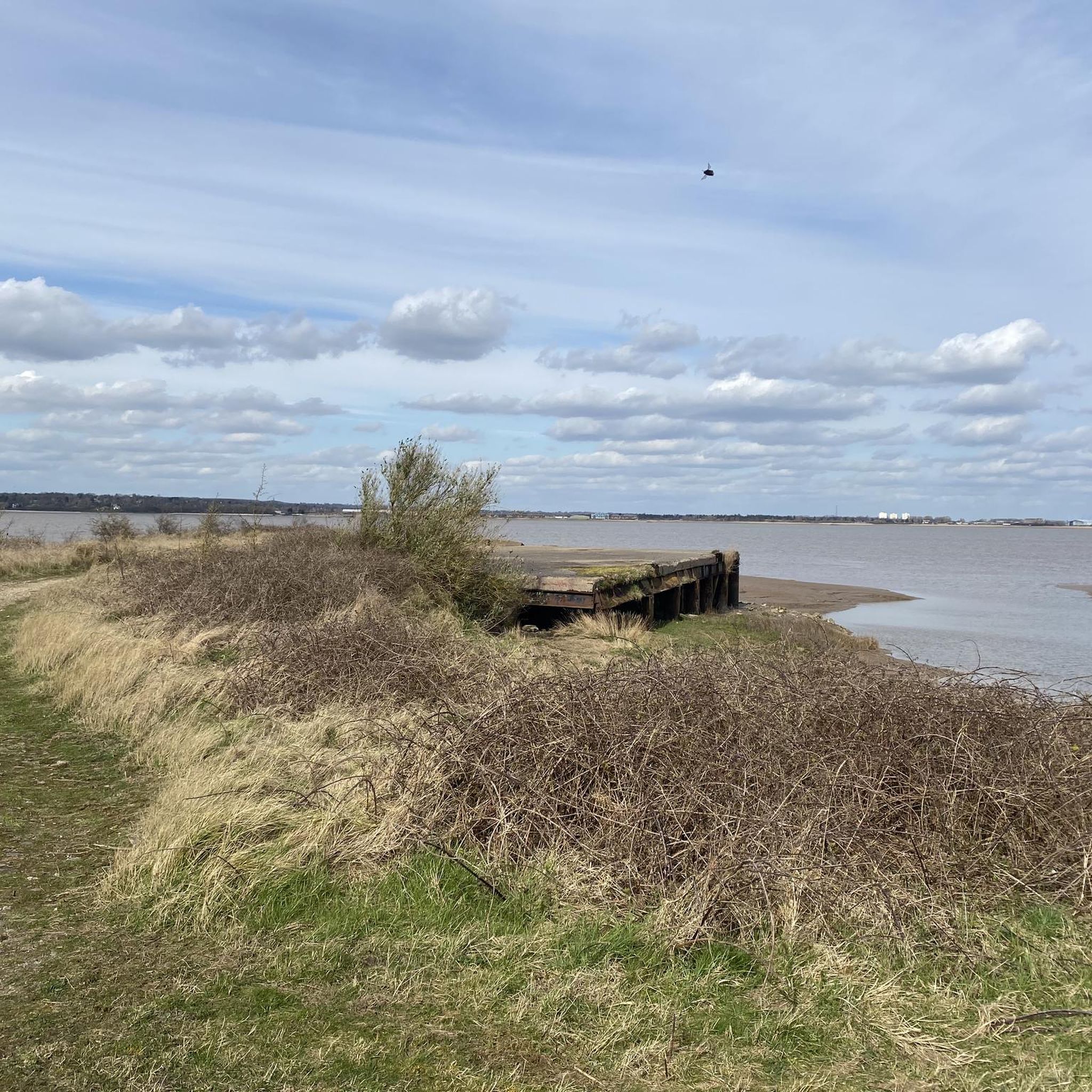
Known locally as "Old Cements" - this is the ruined site of a very early English cement works: The Site Layout As you enter the site today (the main western entrance) you are walking down what was the original railway line through the site to the jetty (which has all-but washed away now). This line linked the cement plant with the New Cliff chalk quarry just to the south-west of the site and the clay pits which were behind the site. This railway line was a three-foot gauge and the first locomotive used was named Adamant, after the cement brand (it was originally called Isabella). To the west of this path are the remains of what was probably the cement storage area, passing from the main kiln structure to the east. To the north of the site is the remains of the wharf, where the sloops would have been loaded to deliver the cement. Behind this are the remains of the cement bins. Behind the cement bins well hidden in the undergrowth lie more ruins which may well have been to do with slurry preparation. Halfway along the path you came in on is the entrance to the main body of the site. You will immediately notice four large brick structures with a fifth smaller one just to the north. The four large brick structures (the furthest two looking like a brick Stonehenge structure) are the piers which would have supported the rotary kiln, and somewhere round here should be the remains of chimney stack. The largest one in the centre would have accommodated both a support tyre and the kiln's drive gear. The smaller pier to the north carried the main drive-shaft of the kiln which would have connected with the motor which is probably the ruins to the east of this structure. Following the path to the south east you will come across a little well, where the water for the cement manufacturing process came from. Next you will find another brick structure. Just behind this brick structure is another rather long brick structure, probably over 180 foot long, and mostly hidden. This would have been a row of kilns, with arches underneath acting as "draw-holes", spaced around 18 foot apart. There would have been about ten of these. These would have linked to the four pier structures you have just passed and the chimney base were you first entered. There are more ruins dotted around the site which are still a mystery. https://www.cementkilns.co.uk/cement_kiln_barton.html
0
0
Frequently Asked Questions
What historical landmarks can I explore in Goxhill?
Goxhill and its surroundings are rich in history. You can visit the impressive Goxhill Hall and Moated Site, which features an 18th-century Grade II* listed house and a Grade I listed medieval hall. All Saints Church, a Grade I listed building, boasts 13th-century architecture and a rare 15th-century crucifixion wall painting. Additionally, the former RAF Goxhill airfield retains much of its wartime appearance, having served as an important base during WWII.
Where can I go for wildlife spotting or to enjoy nature near Goxhill?
For nature enthusiasts, Waters' Edge Visitor Centre offers 110 acres of country park and nature reserve with diverse plant and wildlife, interactive displays, and ponds. The Clay Pits Nature Reserve, also known as Dawson City Clay Pits, is an excellent spot for birdwatching, with over 108 recorded species, and attractive walks along the Humber bank.
Are there any unique cultural sites or points of interest in the area?
Yes, The Ropewalk Arts Centre in Barton-upon-Humber is a vibrant cultural hub housed in a former rope factory. It features galleries, a sculpture garden, a cafe, and hosts various events. The Immingham Museum and Art Gallery also offers insights into local history, including the Pilgrim Fathers and the Great Central Railway.
What family-friendly activities are available in Goxhill?
Families can enjoy Waters' Edge Visitor Centre, which has outdoor children’s play areas and interactive displays. The Goxhill Playing Fields Playground, voted best-kept in Northern Lincolnshire, features a skate park, football pitch, multi-use games area, and a large playground. The Ropewalk Arts Centre also offers workshops and events suitable for families.
Where can I find good walking trails around Goxhill?
The Clay Pits Nature Reserve offers attractive walks along the Humber bank, perfect for enjoying the natural scenery and birdlife. For more structured routes, you can explore various easy hikes around Goxhill, including loops from Hull and Paull. You can find detailed routes and guides on the Easy hikes around Goxhill guide page.
Are there cycling or mountain biking routes available near Goxhill attractions?
Yes, the area offers several cycling opportunities. You can find various routes for touring bicycles, including loops around Hornsea and Beverley. For mountain biking, there are trails like the Hornsea Rail Trail and routes around the Humber Bridge. Detailed guides for these activities are available on the Cycling around Goxhill and MTB Trails around Goxhill guide pages.
What is the Humber Bridge and can I visit it?
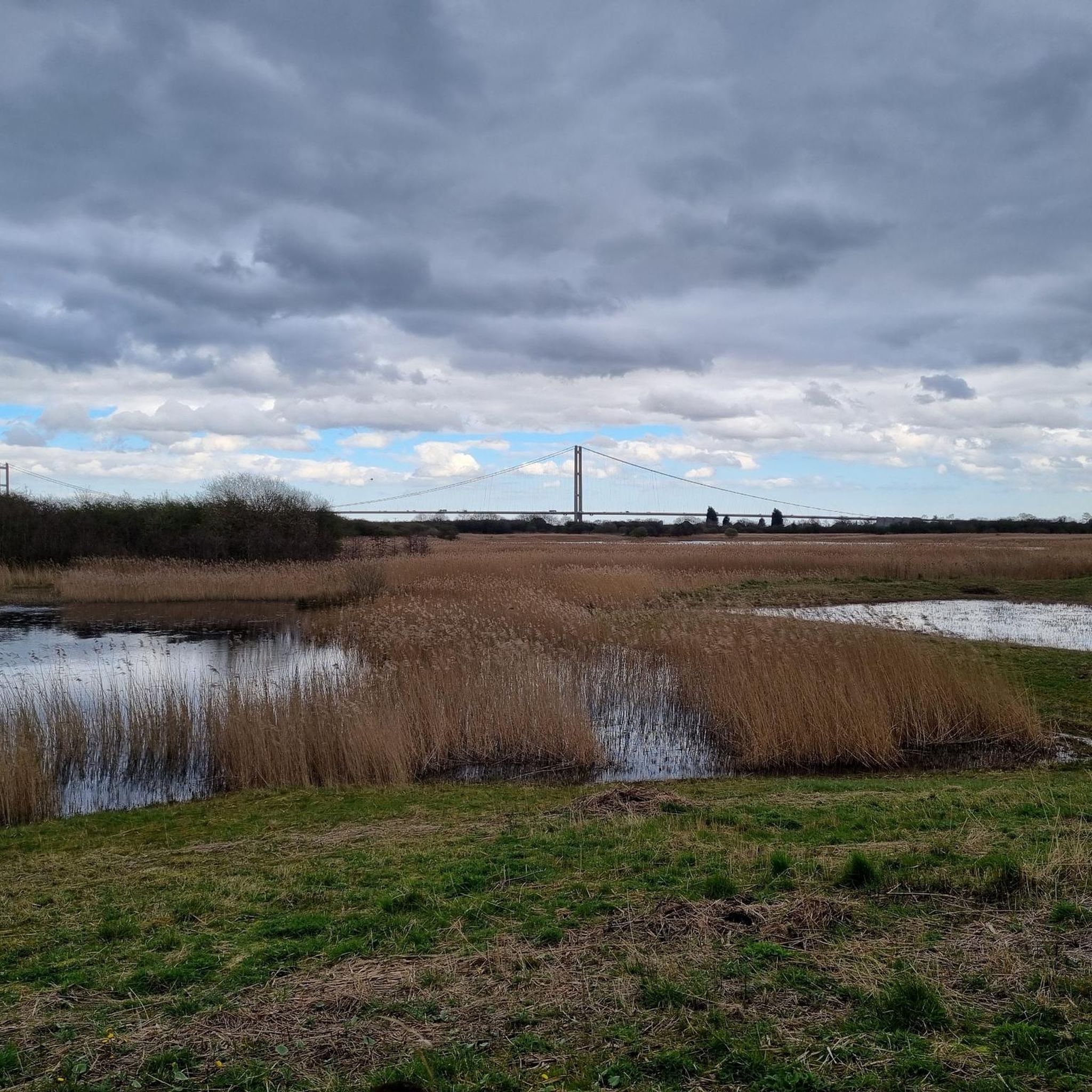
The Humber Bridge is an awe-inspiring suspension bridge that was once the longest of its kind in the world. It's a Grade I-listed structure and offers great walks around its area. There's also a cafe on the south side, making it a popular spot for visitors to admire the views.
Are there any historical industrial sites to visit?
Yes, you can explore the Barton Old Cement Works Ruins in Barton-upon-Humber. This site offers a glimpse into the remnants of an early English cement plant, including old railway lines, storage areas, and a wharf. It's a fascinating spot for those interested in industrial heritage.
What is the Bullnose at St Andrew's Dock?
The Bullnose, St Andrew's Dock is a historical site at the entrance of St Andrew's Dock in Hull. Named for its distinctive shape, it was a significant point for the fishing industry, where men would wait for a chance to join a trawler crew. It offers a unique historical perspective on the region's maritime past.
When is the best time to visit Goxhill?
Goxhill can be enjoyed year-round, but the best time often depends on your interests. Spring and summer offer pleasant weather for outdoor activities like walking and cycling, and nature reserves like Waters' Edge and Clay Pits are vibrant with wildlife. Autumn provides beautiful scenery, while winter walks can be peaceful, especially along the Humber. Check local weather forecasts for the best experience.
Are there any wheelchair-accessible attractions in the Goxhill area?
Yes, The Ropewalk Arts Centre is noted as being wheelchair accessible, offering galleries, a sculpture garden, and a cafe. Waters' Edge Visitor Centre also provides accessible paths within its country park and visitor centre facilities, making it a good option for visitors with mobility needs.
Most popular attractions around Goxhill

Get inspired with the komoot mobile app


Explore more
Still not found the Highlight you’re looking for? See guides of the top attractions in other regions:
