The best running trails around Purbeck
4.6
(150)
8,464
runners
391
runs
Jogging around Purbeck offers a diverse range of environments, from dramatic coastlines to tranquil heathlands and ancient woodlands. The region, a peninsula in South Dorset, is characterized by undulating hills, providing varied elevation changes, and extensive networks of trails across its varied terrain. Runners can experience the iconic Jurassic Coast with its cliffs and beaches, as well as inland areas featuring lowland wet and dry heath, valley mires, and acid grassland. This blend of coastal and inland features makes Purbeck a notable destination for running.
Best jogging routes around Purbeck
- The most popular jogging route is Old Harry Rocks loop from Corfe Castle — Dorset, a 14.6 miles (23.5 km) trail that takes 2 hours 48 minutes to complete. This difficult route offers panoramic views of the coast and passes by the historic Corfe Castle.
- Another top favourite among local runners is Chaldon Down, Ringstead Bay & Durdle Door loop — Jurassic Coast, a difficult 10.0 miles (16.1 km) path. This route features stunning coastal scenery along the Jurassic Coast, including Durdle Door.
- Local runners also love the Corfe Castle & Knowle Hill loop — Isle of Purbeck, a 5.4 miles (8.7 km) trail leading through rolling countryside and past Corfe Castle, often completed in about 1 hour 5 minutes.
- Jogging around Purbeck is defined by dramatic coastlines, extensive heathlands, and undulating hills. The network of running routes offers options for various ability levels, from moderate paths to more challenging trails with significant elevation.
- The routes in Purbeck are highly rated by the komoot community with an average score of 4.6 stars from over 120 reviews. More than 10,000 runners have used komoot to explore Purbeck's varied terrain.
Last updated: September 26, 2026
5.0
(2)
202
runners
23.5km
02:48
450m
450m
Hard run. Very good fitness required. Mostly accessible paths. Some sure footedness required.
4.3
(4)
84
runners
16.1km
01:55
340m
350m
Hard run. Very good fitness required. Mostly accessible paths. Some sure footedness required.

4.0
(2)
93
runners
8.75km
01:05
160m
160m
Moderate run. Good fitness required. Mostly accessible paths. Some sure footedness required.
5.0
(5)
66
runners
Moderate run. Good fitness required. Mostly accessible paths. Some sure footedness required.
39
runners
11.1km
01:12
90m
90m
Moderate run. Good fitness required. Mostly paved surfaces. Suitable for all skill levels.
3.0
(1)
16
runners
5.69km
00:41
140m
140m
Moderate run. Good fitness required. Mostly accessible paths. Some sure footedness required.
4
runners
8.44km
00:56
130m
130m
Moderate run. Good fitness required. Mostly paved surfaces. Suitable for all skill levels.
5.0
(3)
328
runners
Hard run. Very good fitness required. Mostly accessible paths. Some sure footedness required.
5.0
(1)
176
runners
29.3km
03:40
560m
560m
Hard run. Very good fitness required. Mostly accessible paths. Some sure footedness required.
122
runners
Moderate run. Good fitness required. Mostly paved surfaces. Suitable for all skill levels.
Get access to more routes and recommendations from other explorers.
Already have an account?
Our route recommendations are based on thousands of hikes, rides, and runs completed by other people on komoot.
Start today with a free account
Your next adventure awaits.
Popular around Purbeck
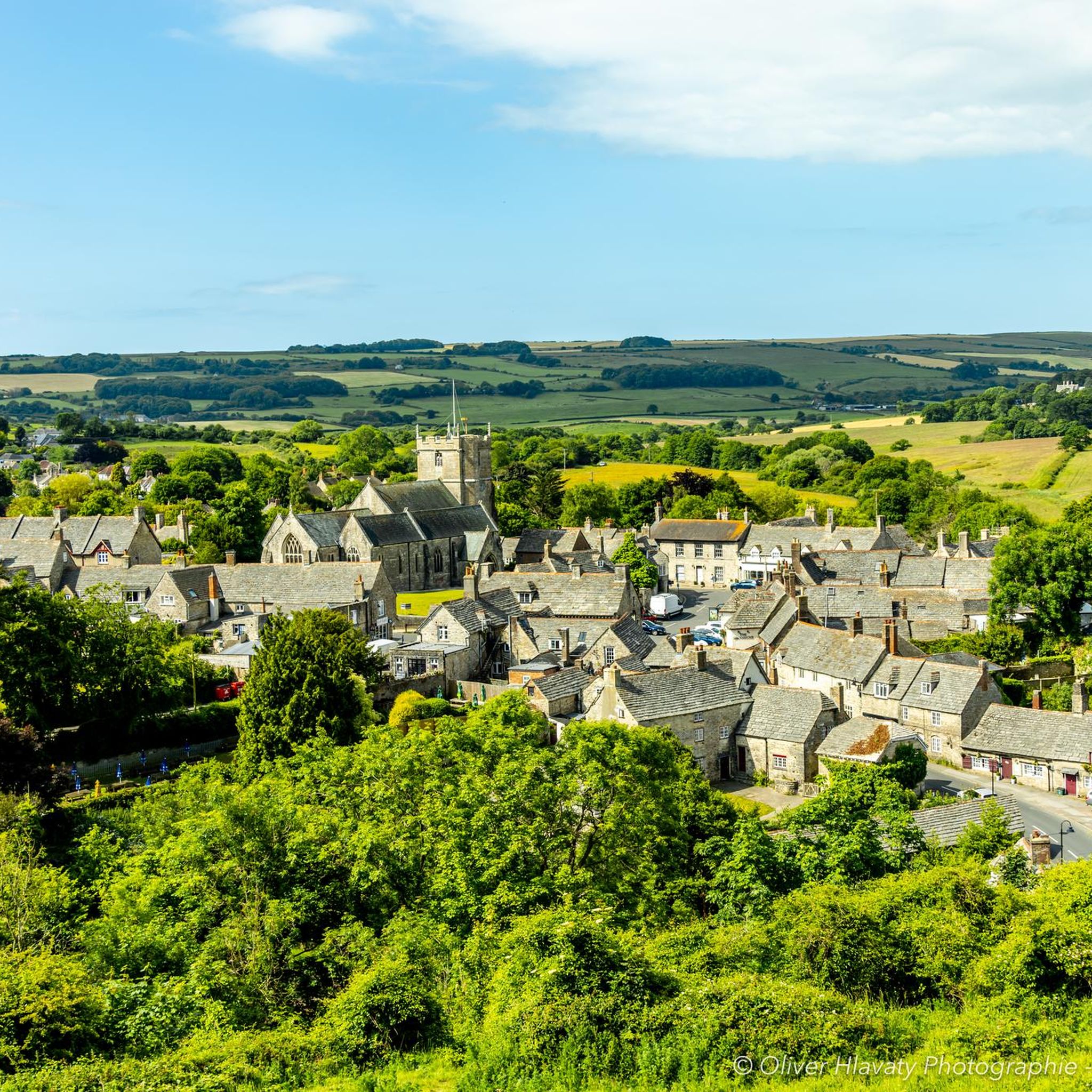
Running Trails around Corfe Castle
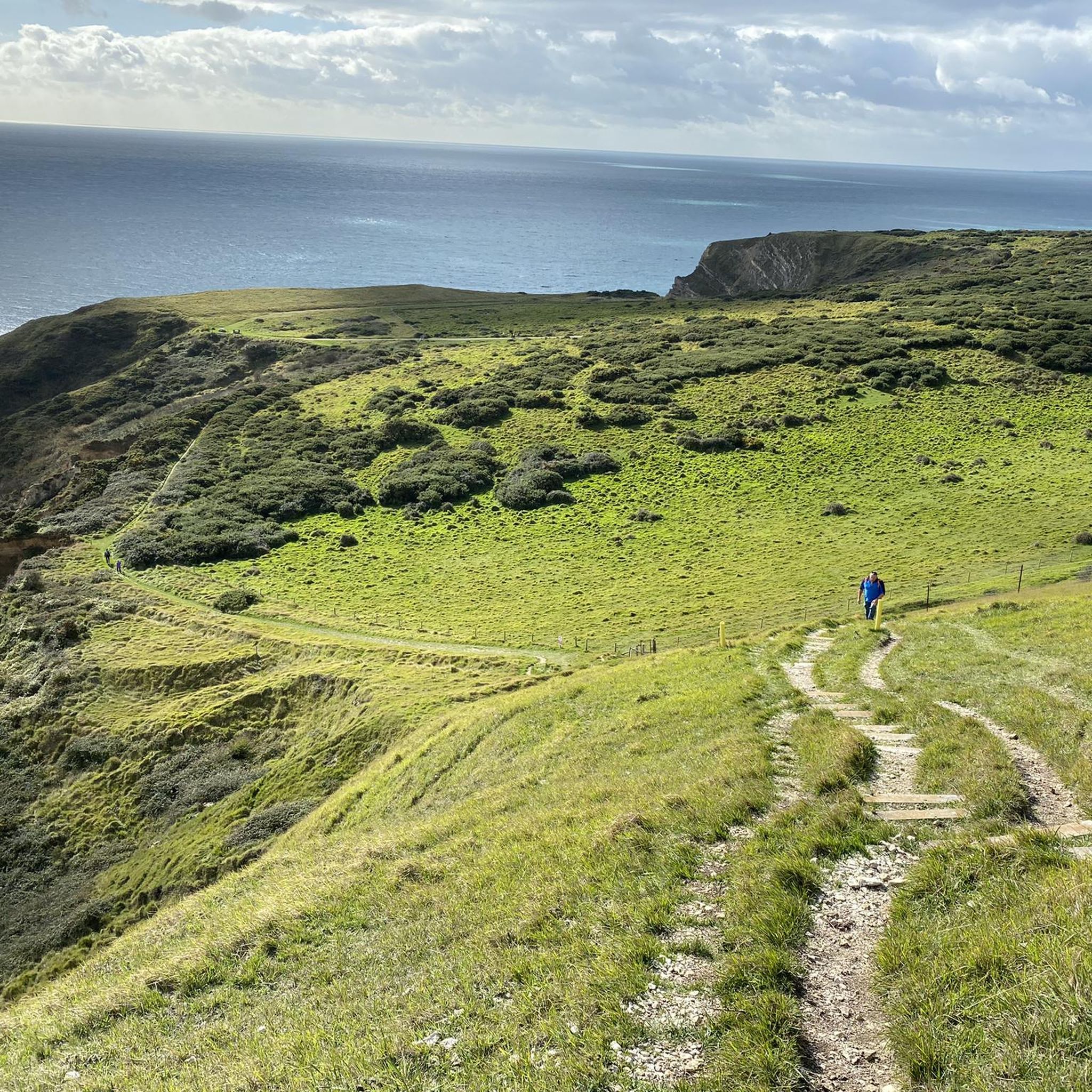
Running Trails around West Lulworth
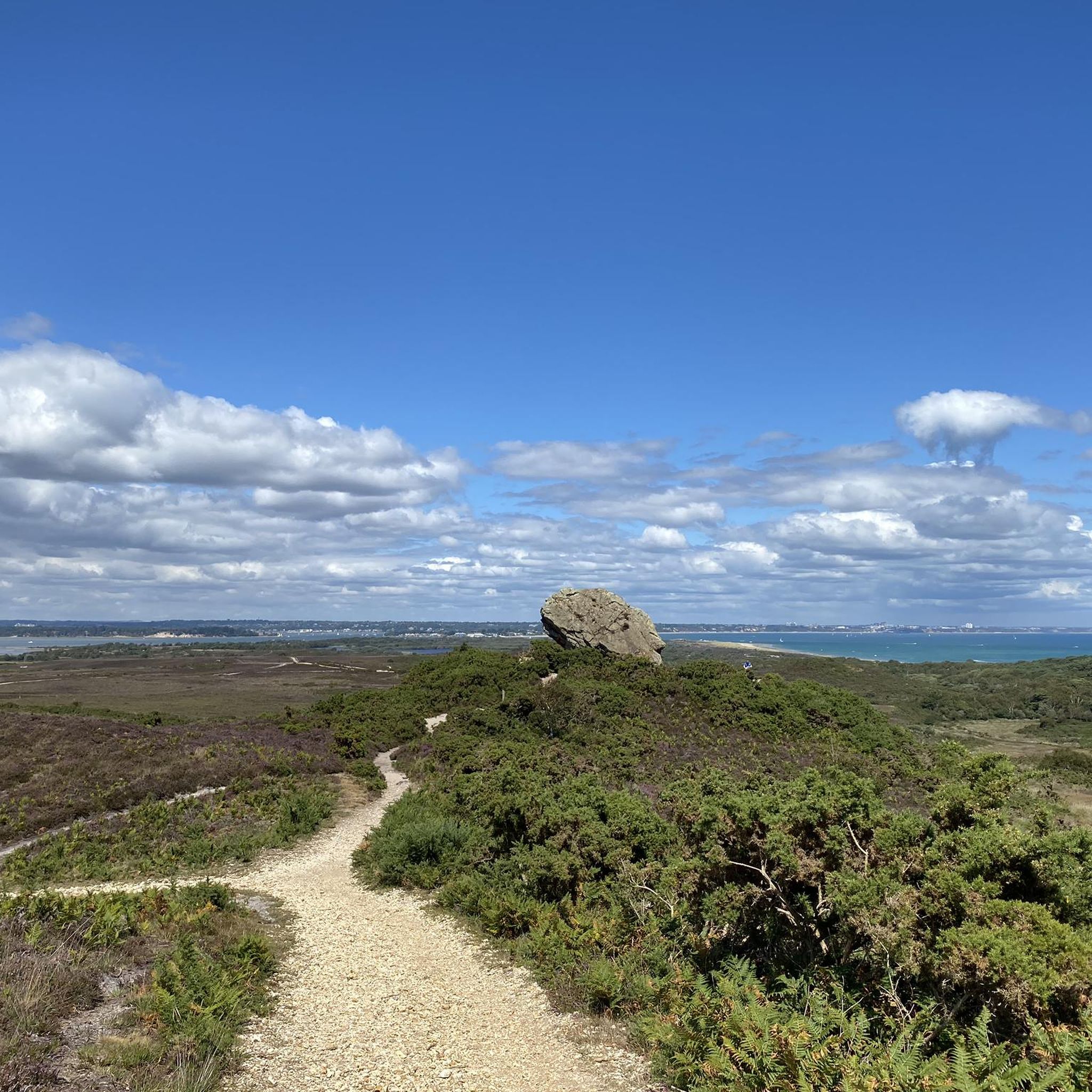
Running Trails in Studland And Godlingston Heath National Nature Reserve
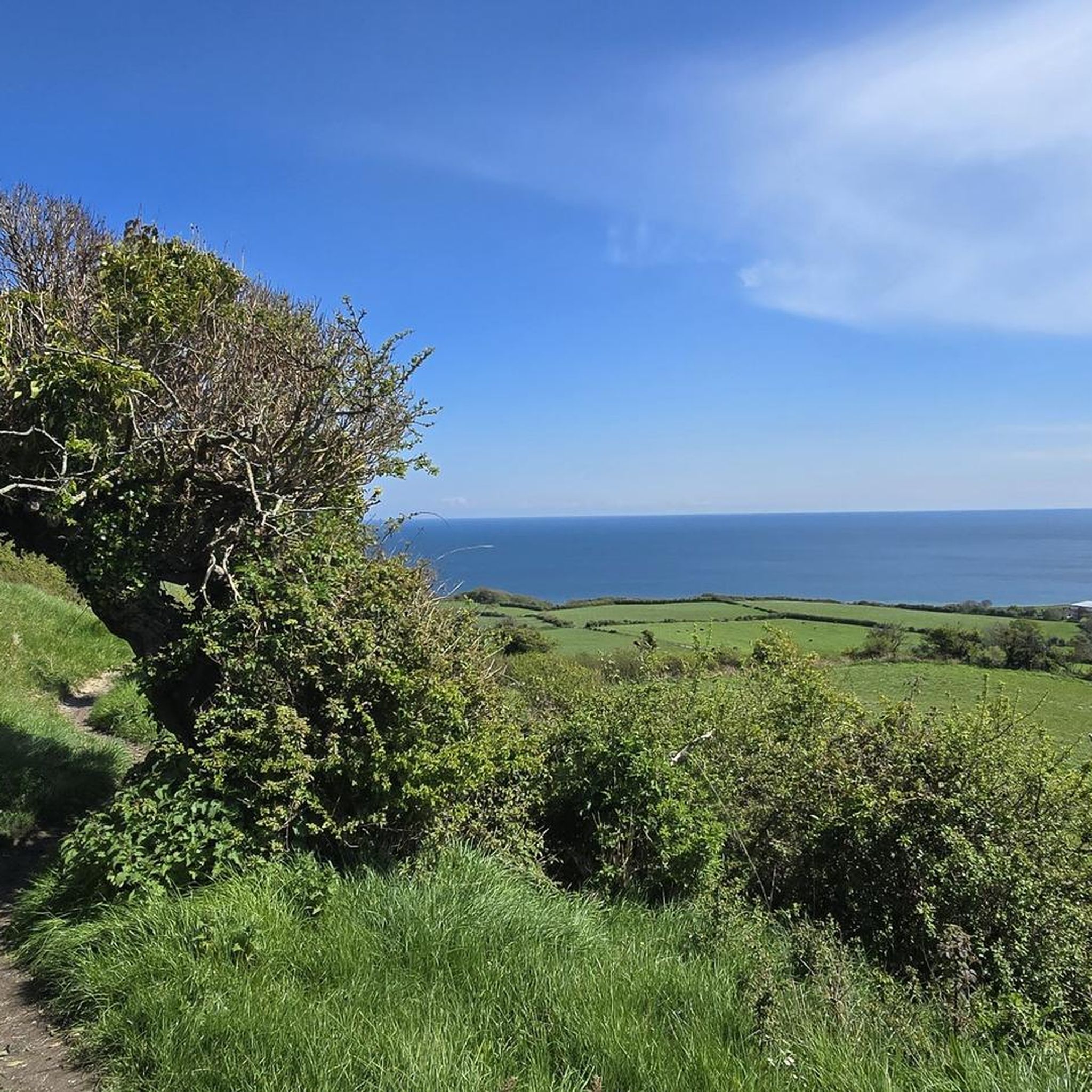
Running Trails around Swanage
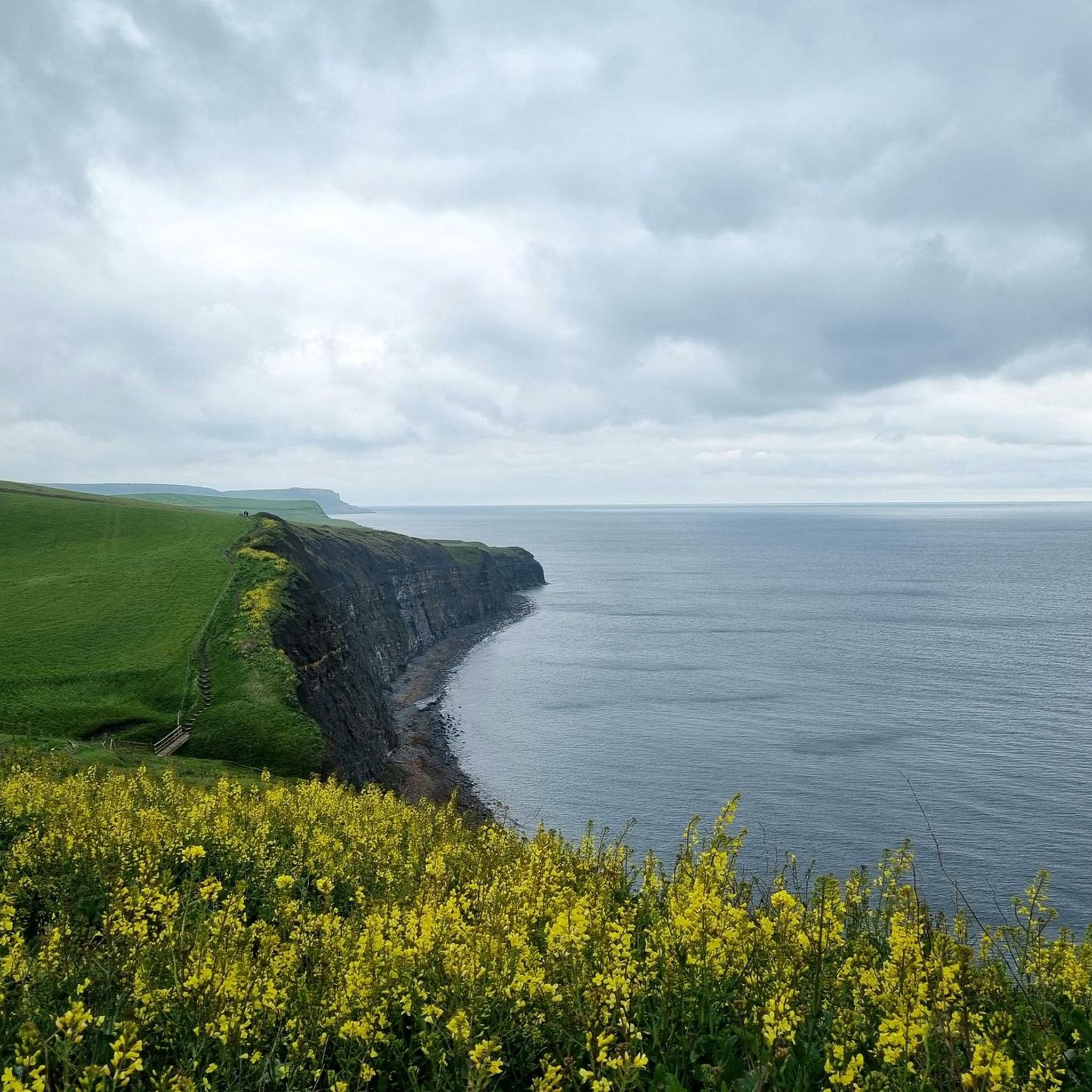
Running Trails around Kimmeridge
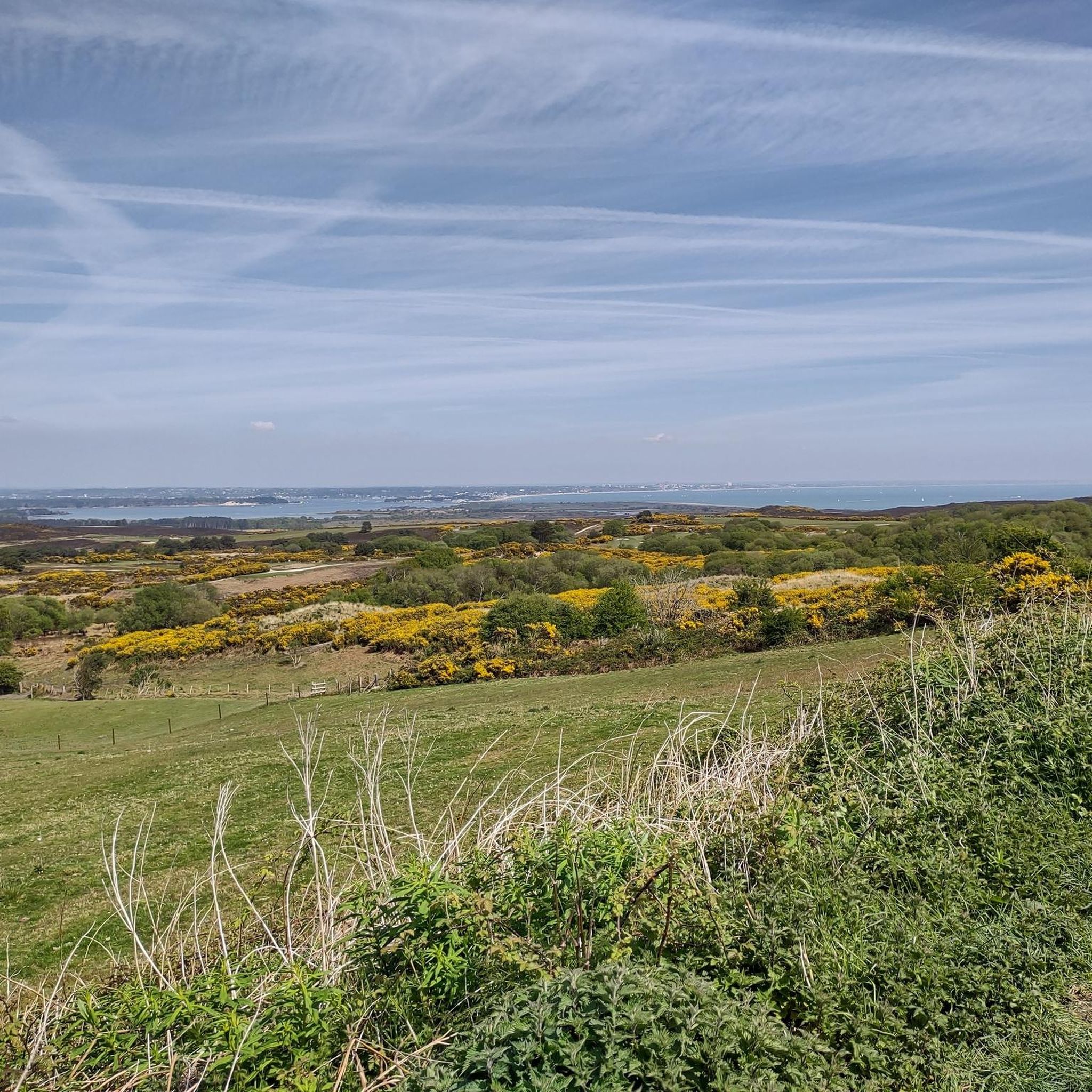
Running Trails around Studland
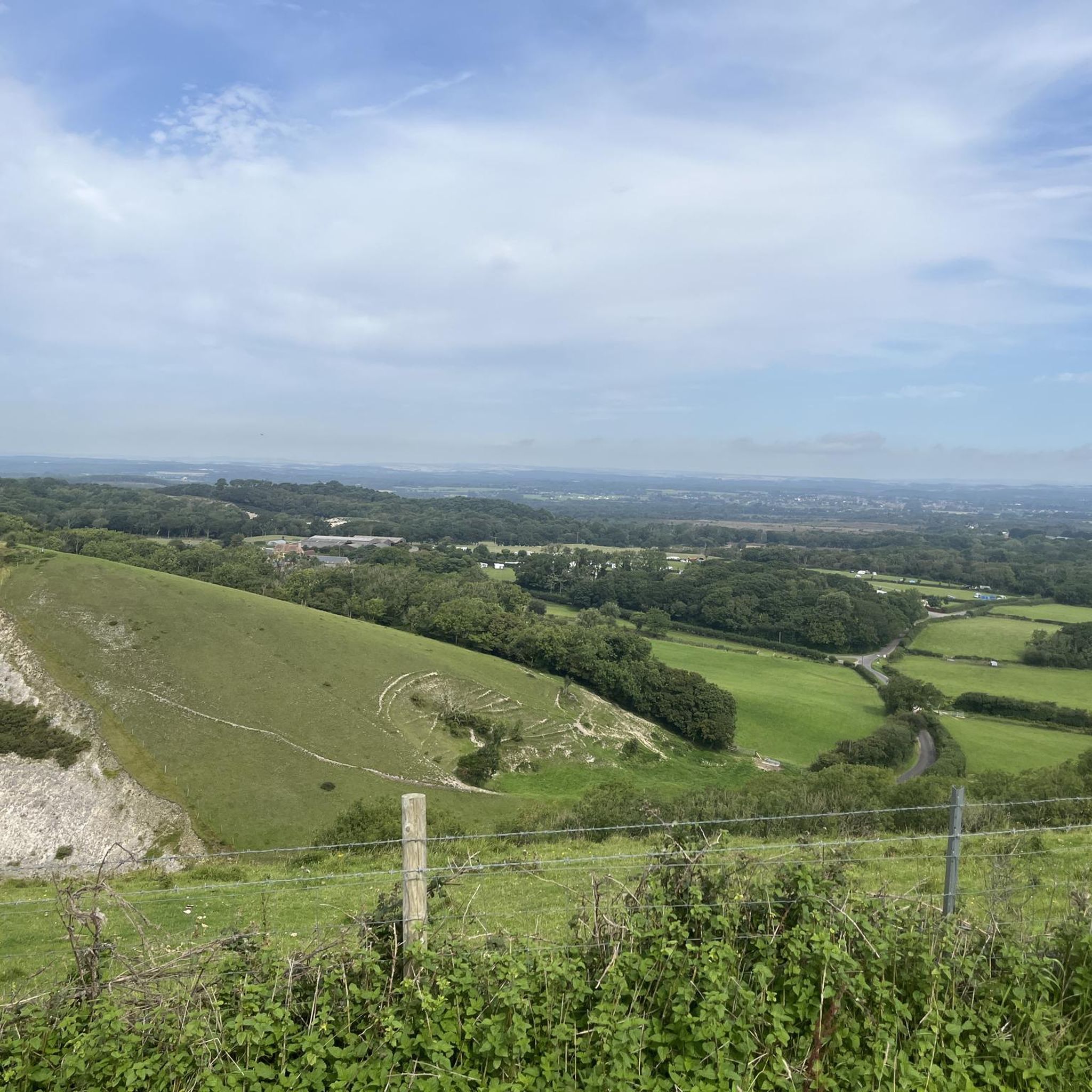
Running Trails around Church Knowle
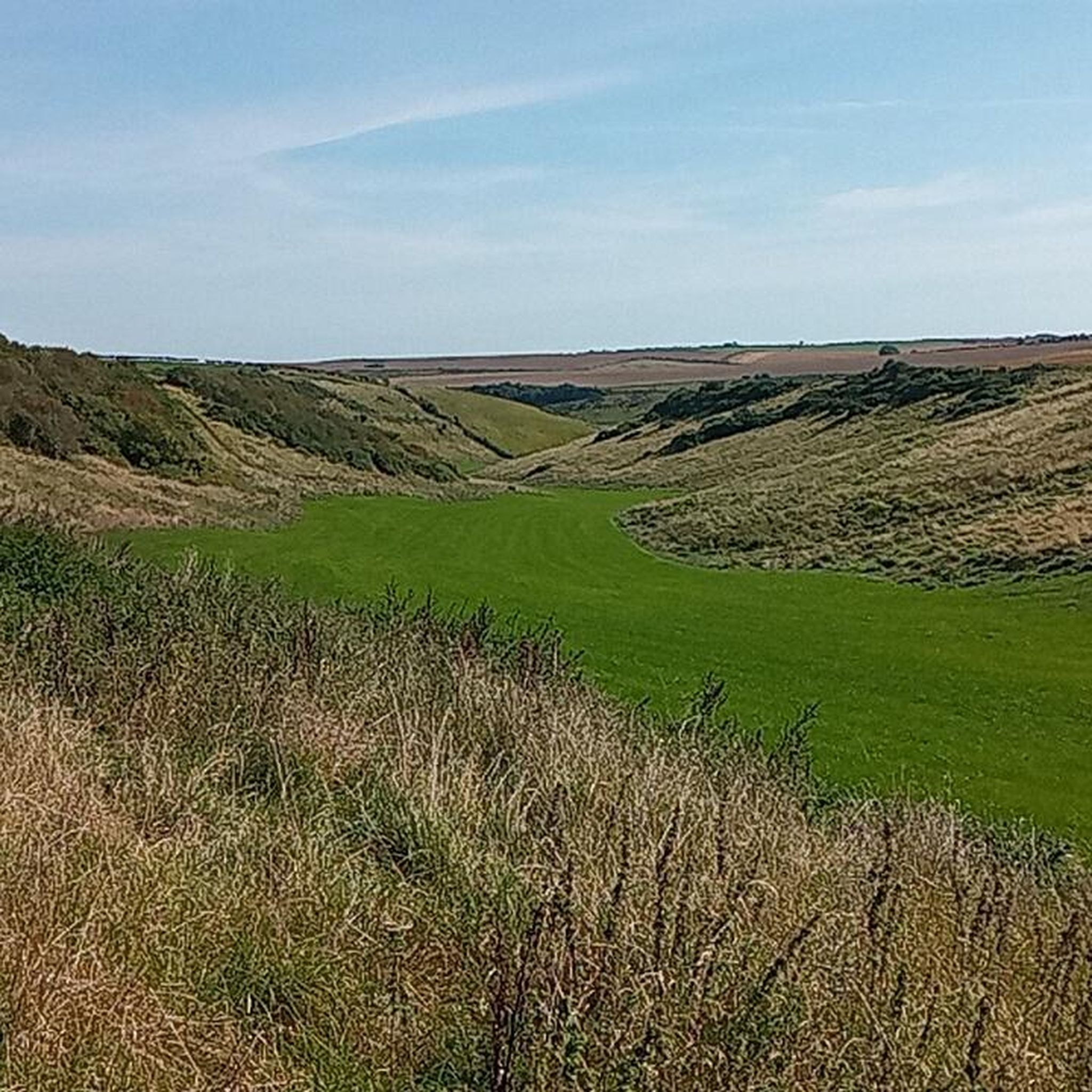
Running Trails around Winfrith Newburgh
Running Trails around Wool
Running Trails in Durlston National Nature Reserve
Other adventures around Purbeck


Tips from the Community

The Parish Church of St Edward the Martyr sits prominently in the square at the heart of Corfe Castle village, Dorset. Granted Grade II* listed status, this historic Anglican church is named after the teenage Saxon King, Edward the Martyr, who was murdered nearby in 978 AD on the orders of his stepmother, Queen Alfthryth. Local folklore asserts that the church stands directly on the site of a blind woman's hovel where the king's body was initially concealed, miraculously restoring her sight upon its discovery. While the first stone church on the site was constructed during the 12th century and later expanded in the 13th century, the building has survived immense turmoil. During the English Civil War (1642–1646), Parliamentary troops besieged the nearby royal fortress and used the church to billet men and stable horses. The soldiers caused severe damage, using the masonry for target practice, burning parish records, and stripping lead from the roof to melt into musket balls. Musket shot marks are still visible on the stone walls today. Between 1859 and 1860, architect T.H. Wyatt oversaw a major Victorian reconstruction because the medieval walls were bulging severely. Apart from the majestic 15th-century West Tower built by the Beaufort family, the entire church was pulled down and rebuilt. Notable surviving interior treasures include a 15th-century font carved from local Purbeck Marble and ten intricately carved medieval roof bosses preserved over the sanctuary.
0
0
From the rolling hillside of the Purbeck Hills, Corfe Castle emerges like a shattered crown against the Dorset skyline. The elevated vantage point reveals the dramatic scale of the 11th-century fortress, its fractured stone keeps and crumbling ramparts clinging to a steep mound. Below, the historic village wraps neatly around the castle base, its gray limestone roofs smoking gently. Depending on the hour, the view shifts dramatically: morning mist often isolates the ruins above a sea of white, while the setting sun casts long, haunting shadows across the surrounding vibrant green valley.
0
0
Corfe Castle offers breathtaking, panoramic views of the Purbeck Hills and rolling Dorset countryside. From its hilltop ruins, you can see the historic Swanage Railway steam trains passing below. On clear days, the vistas stretch across the vibrant heathlands all the way to Poole Harbour and the distant sea.
0
0
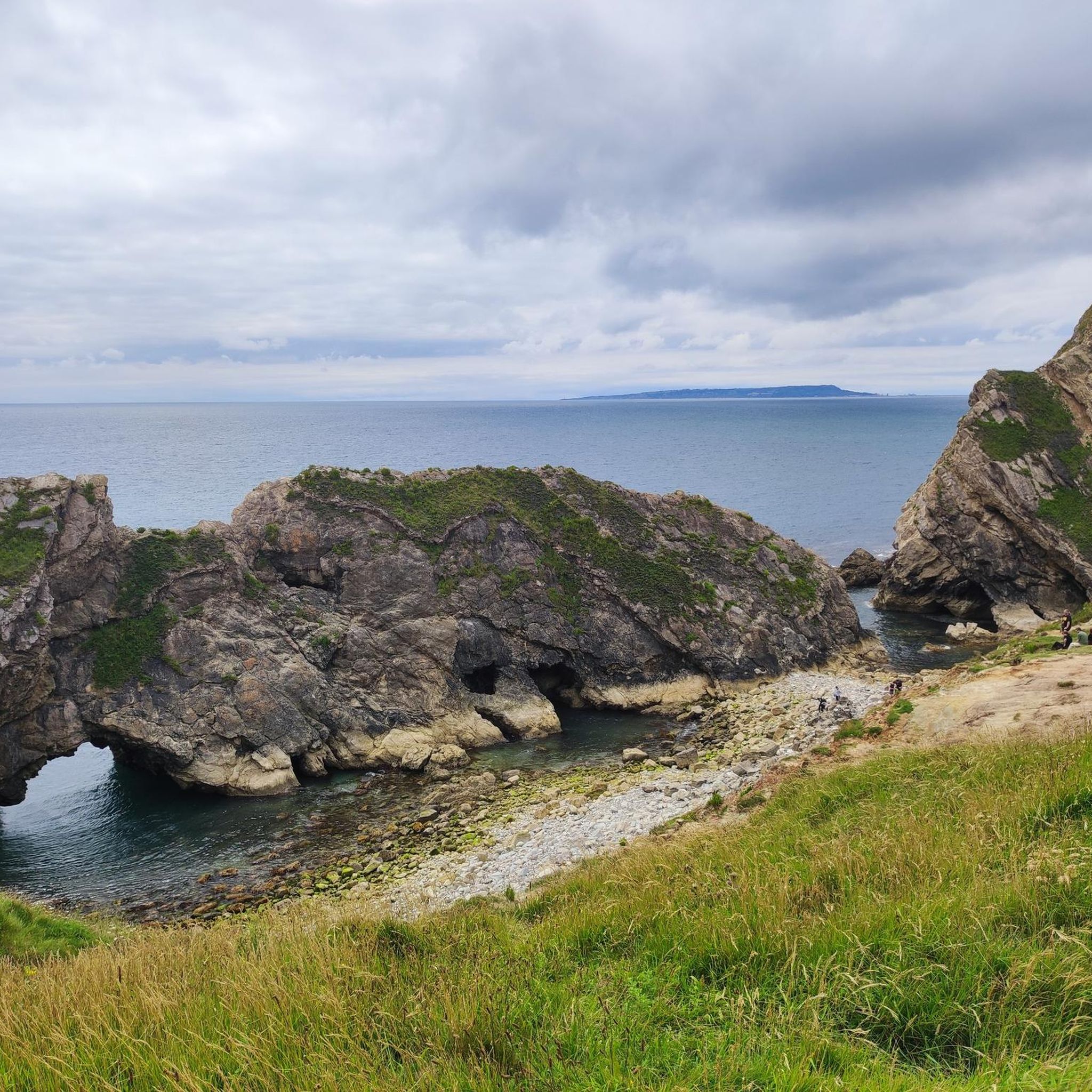
Durdle Door was formed roughly 140 million years ago when powerful tectonic collisions pushed vertical layers of hard Portland limestone against softer rock. Over millennia, relentless waves punched through the softer stone, carving out the iconic archway seen today. Its name comes from the Old English word thirl, meaning "to pierce." Eventually, coastal erosion will cause the arch to collapse, leaving behind a isolated sea stack.
0
0


A great space for lunch and to explore for heading back up onto the coast path
0
0
Frequently Asked Questions
How many running routes are available in Purbeck?
Purbeck offers a wide selection of over 430 running routes, catering to various preferences and fitness levels. These include everything from easy paths to challenging trails with significant elevation changes.
What kind of terrain can I expect on Purbeck's running trails?
Purbeck's running trails feature a diverse range of terrains. You'll find dramatic coastlines with cliffs and beaches, tranquil heathlands, ancient woodlands, and undulating hills. This variety ensures options for all types of runners, from soft sand runs to challenging ascents on hilly paths.
Are there any easy or beginner-friendly jogging routes in Purbeck?
Yes, Purbeck has routes suitable for beginners. While many trails feature undulating hills, there are easier paths through woodlands and along flatter coastal sections. For example, the The Smugglers' Ways loop — Dorset is a moderate 3.5-mile (5.7 km) route that offers a less strenuous experience.
What are some notable landmarks or attractions I can see while running in Purbeck?
Many running routes in Purbeck pass by iconic landmarks and offer stunning views. You can run past the majestic Corfe Castle Ruins, the distinctive chalk stacks of Old Harry Rocks, or the natural arch of Durdle Door. Other highlights include the scenic View from the summit of Swyre Head and various viewpoints offering panoramic vistas of the coastline and countryside.
Are there any circular running routes in Purbeck?
Yes, Purbeck offers numerous circular running routes. A popular option is the Old Harry Rocks & the Purbeck Way loop from Knoll Beach, Studland — Isle of Purbeck, which is a moderate 6-mile (9.6 km) trail. Another is The Commoners' Ways loop — Dorset, a moderate 5.2-mile (8.4 km) route.
What do other runners enjoy most about jogging in Purbeck?
The running routes in Purbeck are highly rated by the komoot community, with an average score of 4.6 stars from over 120 reviews. Runners frequently praise the dramatic coastal scenery, the diverse natural landscapes including heathlands and woodlands, and the rewarding panoramic views. The variety of terrain also makes it appealing for different fitness levels.
Are there running routes in Purbeck that are accessible by public transport?
While specific public transport details for each route vary, Purbeck is generally accessible. Many routes start or pass near towns like Corfe Castle or Studland, which have public transport links. It's advisable to check local bus schedules for specific trailheads before planning your run.
Can I find running routes with parking facilities in Purbeck?
Yes, many running routes in Purbeck have nearby parking facilities. Popular starting points for trails, especially those near attractions like Corfe Castle, Studland Bay, or Durdle Door, typically offer designated parking areas. However, these can fill up quickly during peak seasons, so early arrival is recommended.
Are there any long-distance running routes for experienced runners in Purbeck?
Absolutely. For experienced runners seeking a challenge, Purbeck offers several longer and more difficult routes. The Old Harry Rocks loop from Corfe Castle — Dorset is a difficult 14.6-mile (23.5 km) trail with significant elevation. Another challenging option is the Durdle Door – Bat's Head and Butter Rock loop from West Lulworth, which spans over 17 miles (27.6 km).
What is the best time of year to go jogging in Purbeck?
Purbeck is beautiful year-round, but the best time for jogging often depends on personal preference. Spring and autumn offer milder temperatures and fewer crowds, with vibrant flora or rich autumnal colours. Summer provides longer daylight hours but can be warmer and busier. Winter runs can be invigorating, though trails might be muddy and weather more unpredictable.
Are there any running routes that pass through woodlands or heathlands?
Yes, Purbeck is known for its extensive heathlands and ancient woodlands. The Purbeck Heaths National Nature Reserve, for instance, offers diverse running surfaces through lowland wet and dry heath, valley mires, and woodlands. Routes like The Lawrence of Arabia Trail — loop from Bovington provide a good mix of woodland and open terrain.
Are there any cafes or pubs near the running routes in Purbeck?
Yes, you'll find various cafes and pubs in the villages and towns scattered throughout Purbeck, often conveniently located near popular running routes. Places like Corfe Castle village, Studland, and Swanage offer options for refreshments and meals after your run. It's a great way to refuel and enjoy the local atmosphere.
Most popular routes around Purbeck
Most popular attractions around Purbeck

Get inspired with the komoot mobile app


Didn’t find what you were looking for?
Check out more Running Trails & Routes throughout Purbeck below and find the perfect route in your destination.
Explore more
Browse the best Running Trails & Routes in other regions.
