The best walks and hikes around West Somerset District
4.6
(2144)
13,302
hikers
722
hikes
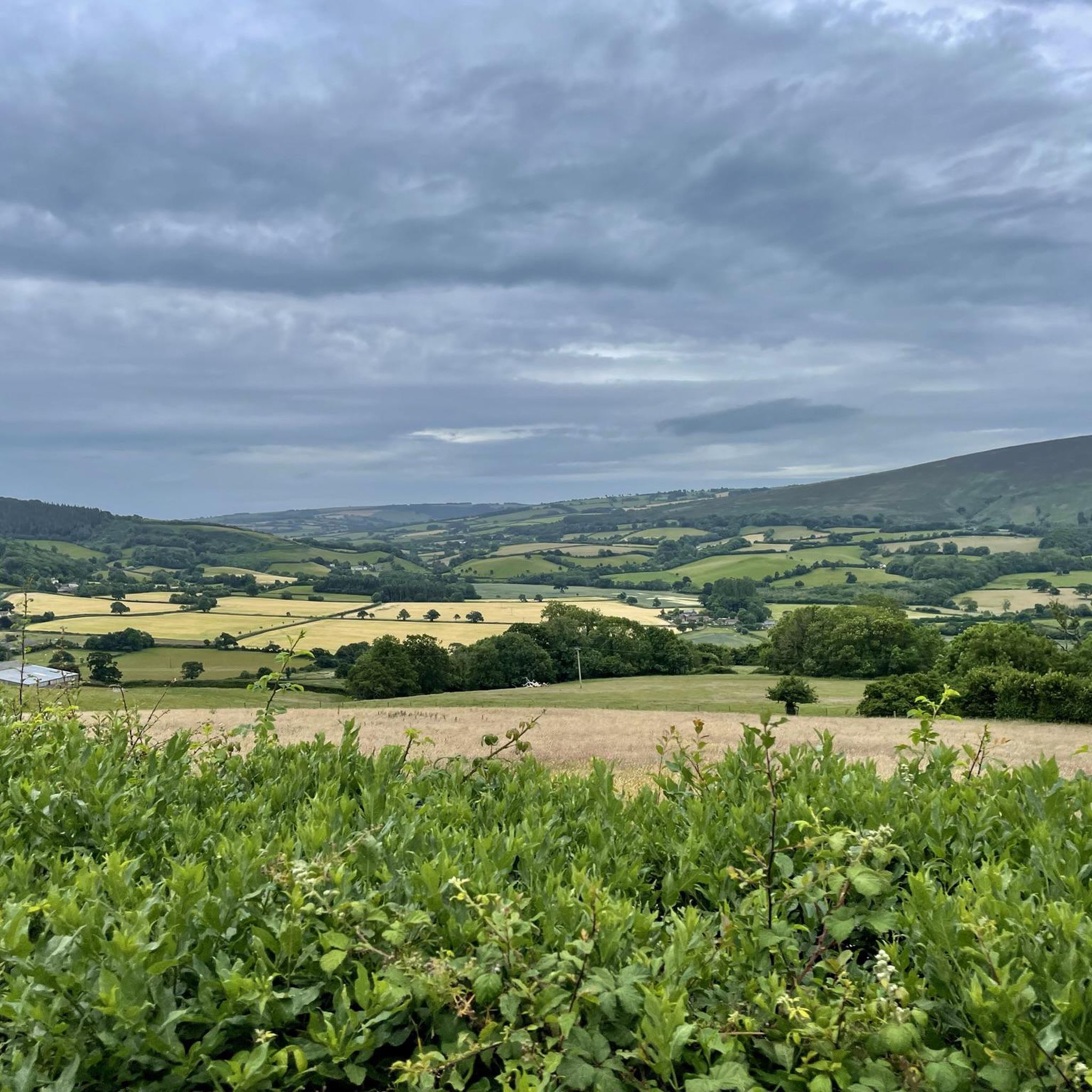
Hikes around West Somerset District cover a varied landscape of wild moorland, rolling hills, and a dramatic coastline. The region contains large parts of Exmoor National Park and the Quantock Hills Area of Outstanding Natural Beauty. The terrain ranges from coastal paths along the Bristol Channel to inland routes through woodland and across open moorland, including ascents to high points like Dunkery Beacon.
Best hiking trails around West Somerset District
- The most popular hiking route is Tarr Steps & Withypool loop — Exmoor National Park, a 7.4 mile (11.9 km) trail that takes around 3 hours 20 minutes to complete. The route follows the River Barle and crosses the ancient Tarr Steps clapper bridge.
- Another top favourite among local hiking enthusiasts is Dunkery Beacon & Great Rowbarrow loop from Dunkery Gate — Exmoor National Park, an easy 3.1 mile (5.0 km) path. This hike leads to Dunkery Beacon, the highest point in Exmoor, offering expansive views.
- Local hiking enthusiasts also love the Triscombe, Great Hill & The Drove loop — Quantock Hills, a 5.3 mile (8.5 km) trail leading through the Quantock Hills, often completed in about 2 hours 30 minutes.
- Hiking around West Somerset District is defined by its coastal paths, open moorland, and wooded valleys. The network of trails in Exmoor and the Quantock Hills offers routes for different ability levels.
- The routes in West Somerset District are highly rated by the komoot community with an average score of 4.6 stars from over 1,700 reviews. More than 12,000 hikers have used komoot to explore West Somerset District's varied terrain.
Last updated: October 10, 2026
4.7
(92)
432
hikers
11.9km
03:21
240m
230m
The Tarr Steps & Withypool loop in Exmoor National Park offers a moderate hiking experience, covering 7.4 miles (11.9 km) with an elevation gain of 778 feet (237 metres), typically taking 3 hours and 20 minutes to complete. You will follow the tranquil River Barle through ancient woodlands, where bluebells carpet the ground in spring, before ascending to open moorland for panoramic views of the Exmoor countryside. The path varies from smooth tracks to rocky, uneven, and potentially boggy sections, especially after rain, requiring sure-footedness as you navigate over tree roots and through fields.
This circular route is generally accessible, though parking areas like Tarr Steps and Withypool can become busy on sunny days. While the trail primarily uses paths and tracks, be prepared for some sections on quiet roads. The varied terrain, including potentially boggy riverside areas and a notable challenging uphill section, means good fitness is recommended. Consider starting early to avoid crowds and allow ample time to enjoy the diverse landscapes.
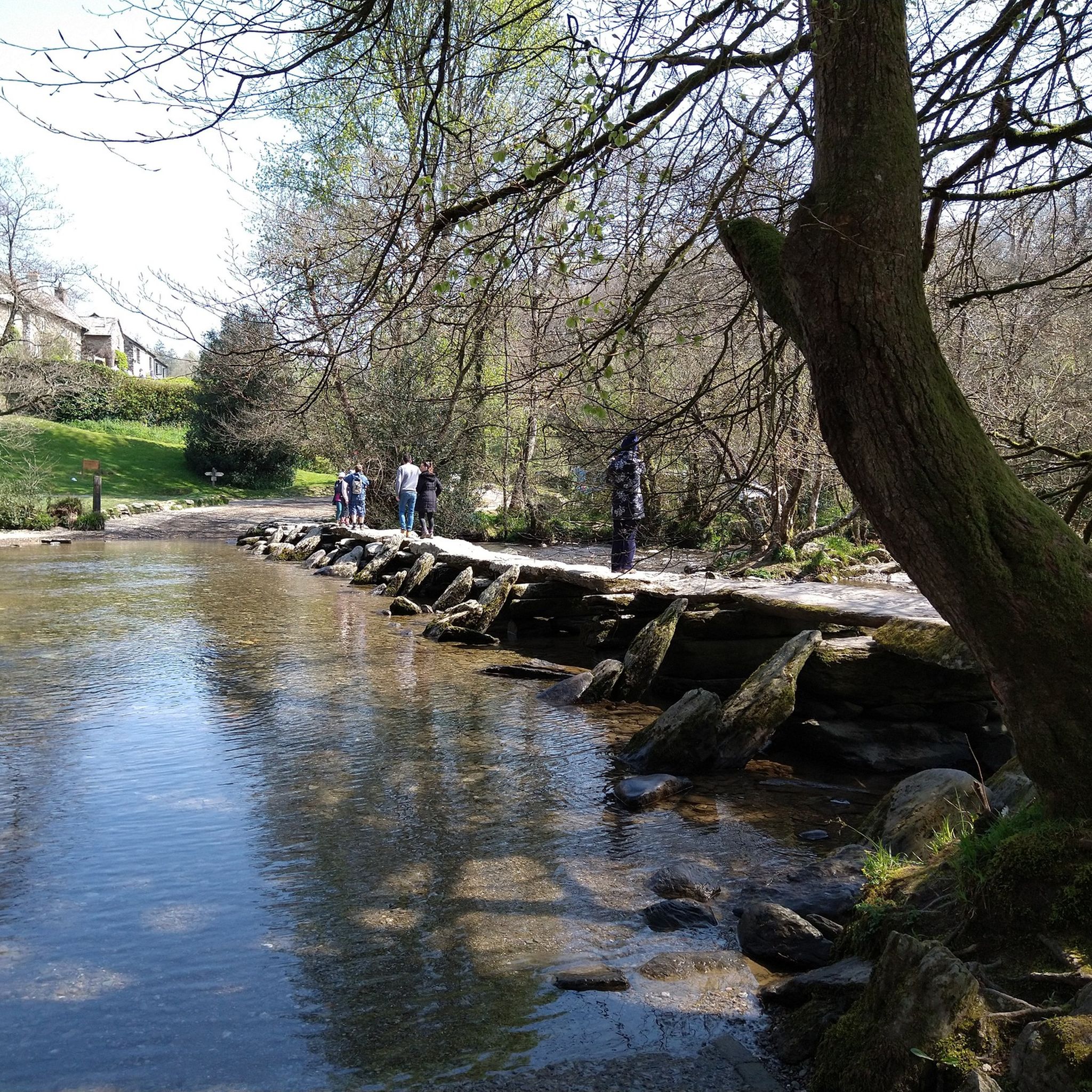
A highlight of the loop is Tarr Steps, Britain's longest ancient clapper bridge, made of unmortared stone slabs and dating back to medieval times. Local legend even claims the Devil placed its five-tonne slabs. You will also pass through Withypool village, a charming spot offering refreshments at The Royal Oak Inn and a seasonal tea room, along with its characteristic six-arch stone bridge. The River Barle, a designated nature reserve, is home to wildlife such as salmon, otters, and elusive dormice, providing opportunities for quiet observation. This route can also connect you to longer trails like the Exe Valley Way and the Two Moors Way.
4.6
(56)
278
hikers
11.0km
03:04
190m
190m
Embark on the Barle Valley & Cow Castle loop from Simonsbath, a moderate hike spanning 6.8 miles (11.0 km) with an elevation gain of 640 feet (195 metres), typically completed in about 3 hours and 3 minutes. You will follow paths alongside the River Barle through wooded areas like Birchcleave Wood, enjoying the soothing sounds of the stream and abundant nature. The route then ascends to open moorland, which can be wet in places, offering grandstand views down to the ancient Cow Castle.
This trail is known for its varied terrain, including smooth stone paths, fields, and occasional short stretches on roads. While generally manageable, a good level of fitness and sure-footedness is recommended for some sections. The research does not provide specific details on trailhead access, parking, public transport, permits, fees, or seasonal closures, so it is advisable to check local resources before you go.
The loop is particularly notable for its historical and natural highlights. You will encounter the atmospheric ruins of the 19th-century Wheal Eliza mine, adding a touch of dark history to your journey. A significant portion of the hike follows the Two Moors Way, a long-distance path stretching across Devon and Exmoor. The Iron Age hillfort of Cow Castle, a Scheduled Ancient Monument, sits prominently on an isolated knoll, and the entire Barle Valley is celebrated as one of Exmoor's most beautiful and ecologically rich places.

4.6
(26)
231
hikers
14.7km
04:02
230m
230m
Embark on the Wimbleball Lake loop from Haddon Hill, a moderate 9.1-mile (14.7 km) hike through Exmoor National Park. This route, which takes around 4 hours and 1 minute to complete, features about 765 feet (233 metres) of elevation gain. You will experience diverse terrain, from unpaved paths and gravel tracks to wooded sections and open moorlands, all while enjoying panoramic views of Wimbleball Lake, Exmoor, and the distant Brendon Hills from Haddon Hill.
When planning your visit, be prepared for varied surfaces, including some uneven ground and a short 16% slope. While parts of the Haddon Hill route are wide and level, suitable for sturdy pushchairs, other sections can become muddy after wet weather, so sturdy shoes are advised. You will find visitor facilities, including a cafe, available at Wimbleball Lake, making it a convenient stop during your hike.
This trail offers more than just scenic beauty; it is a chance to spot free-roaming Exmoor Ponies and other wildlife like deer and buzzards from Haddon Hill. The area is also a designated Dark Sky Site, providing exceptional stargazing opportunities. You will pass by the impressive Wimbleball Lake dam and the charming village of Bury with its arched stone bridge, adding historical and natural context to your adventure.
4.9
(24)
115
hikers
16.8km
04:56
460m
460m
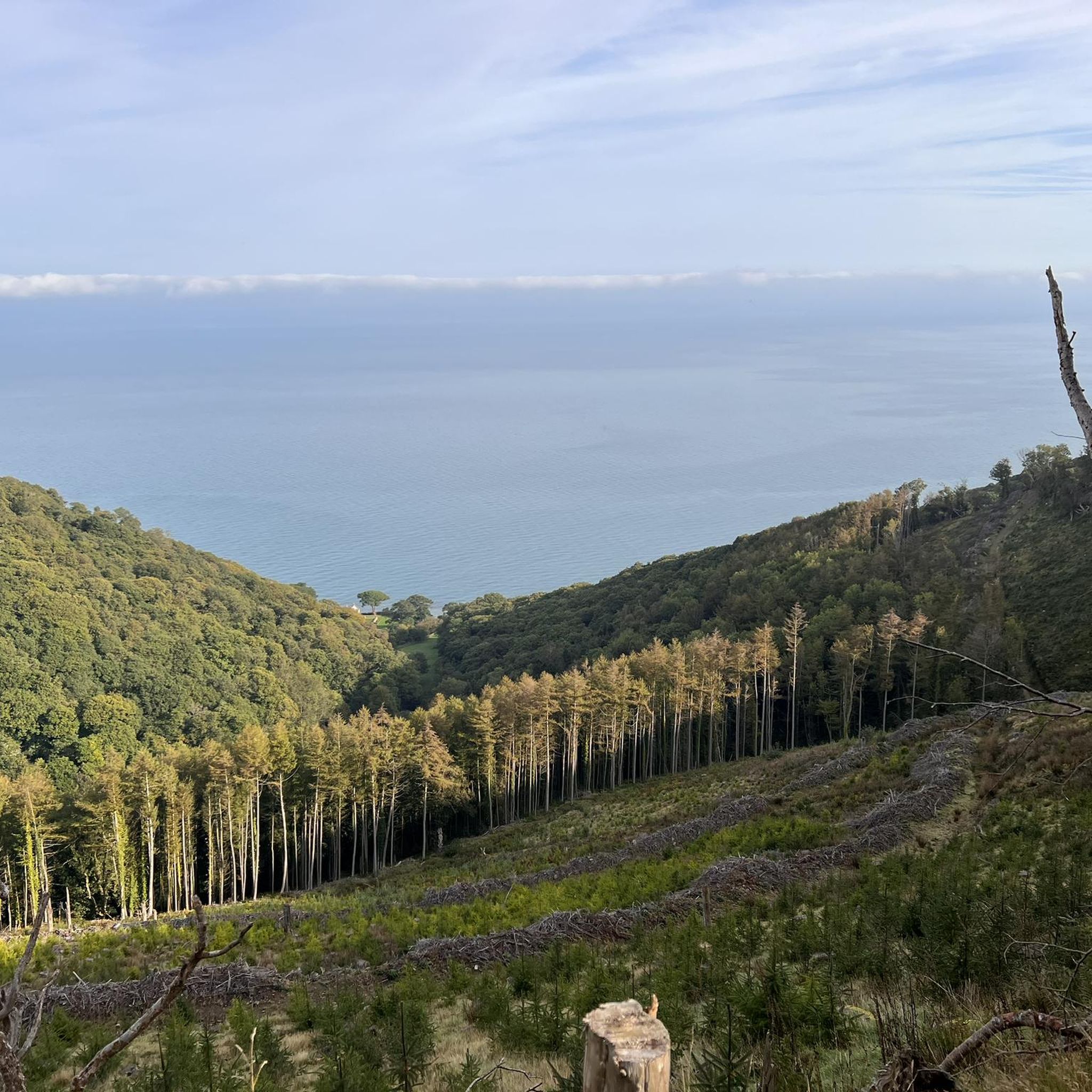
Embark on the Countisbury and Brendon loop, a moderate hiking adventure spanning 10.4 miles (16.8 km) with an elevation gain of 1525 feet (465 metres). This route offers a dynamic landscape, transitioning from the exposed, rugged coastal paths overlooking the Bristol Channel to the serene, deep wooded combes that feel ancient and untouched. You'll experience the fresh sea air giving way to the quiet calm of river valleys, all while enjoying diverse scenery that keeps the nearly five-hour journey engaging.
Planning your visit for this 4-hour and 55-minute hike means preparing for varied terrain. While specific parking details aren't provided, the trail is known for its accessibility within Exmoor National Park. Be aware that the path includes undulating sections, some of which are steep and uneven, so a good level of fitness is recommended to comfortably navigate these parts. It's a popular choice, so consider starting early to enjoy the tranquility.
This loop truly showcases the diverse natural beauty of Exmoor, moving from dramatic clifftop vistas along the Glenthorne Cliffs Coastal Path to the peaceful banks of the East Lyn River. You'll traverse expansive moorland offering broad views, contrasting with the enclosed, prehistoric feel of the wooded combes. The route culminates in open vistas from spots like Butter Hill Summit, providing a comprehensive experience of the park's unique geology and ecosystems.
4.8
(18)
84
hikers
Embark on the Dunster Castle, Bat's Castle & Gallox Bridge loop from Dunster, an easy 4.1-mile (6.6 km) hike that takes around 1 hour and 59 minutes to complete. You will gain about 680 feet (207 metres) in elevation, traversing varied terrain from well-worn tracks and forest paths to village streets. Enjoy panoramic views across the Bristol Channel and inland over Exmoor National Park, with the imposing Dunster Castle often in sight.
While Komoot rates this route as easy, some sections feature steep climbs, numerous steps, and uneven surfaces, so stout footwear and a reasonable level of fitness are recommended. The trail starts and ends in the charming medieval village of Dunster, making it easy to access. Consider starting your hike earlier in the day to fully explore the historical landmarks and enjoy the scenery at a relaxed pace.
This loop is rich in history and natural beauty, showcasing the 11th-century Dunster Castle and the well-preserved Iron Age hillfort of Bat's Castle. You will also cross the delightful medieval Gallox Bridge, a Grade I listed packhorse bridge first mentioned in 1475. Keep an eye out for native Exmoor ponies as you pass through woodlands and open areas.
4.8
(35)
108
hikers
5.01km
01:29
140m
140m
Embark on an easy 3.1 miles (5.0 km) hiking loop from Dunkery Gate, leading you to the iconic Dunkery Beacon and past ancient sites like Great Rowbarrow Cairn. This route involves a gentle ascent of 464 feet (141 metres) and typically takes about 1 hour and 28 minutes to complete. You will experience rolling heather moorland, offering a sense of open space and tranquility as you make your way around the circuit.
When planning your visit, you will find parking conveniently available at Dunkery Gate, which serves as the trailhead for this accessible route. While the path is generally easy, be prepared for some sections that can be rough, uneven, muddy, or stony, so wearing sturdy shoes is a good idea. There are no specific warnings about road closures, permits, or fees for this area, making it straightforward to access.
This trail takes you to Dunkery Beacon, the highest point in Exmoor and Somerset, offering expansive panoramic views on clear days across the Bristol Channel to the Welsh coast, Dartmoor, and the Quantock Hills. The moorland transforms with vibrant purple hues in warmer months, and you might spot Exmoor ponies and red deer roaming freely. It is a prime example of the natural beauty found within Exmoor National Park.
4.6
(17)
118
hikers
5.22km
01:24
60m
60m
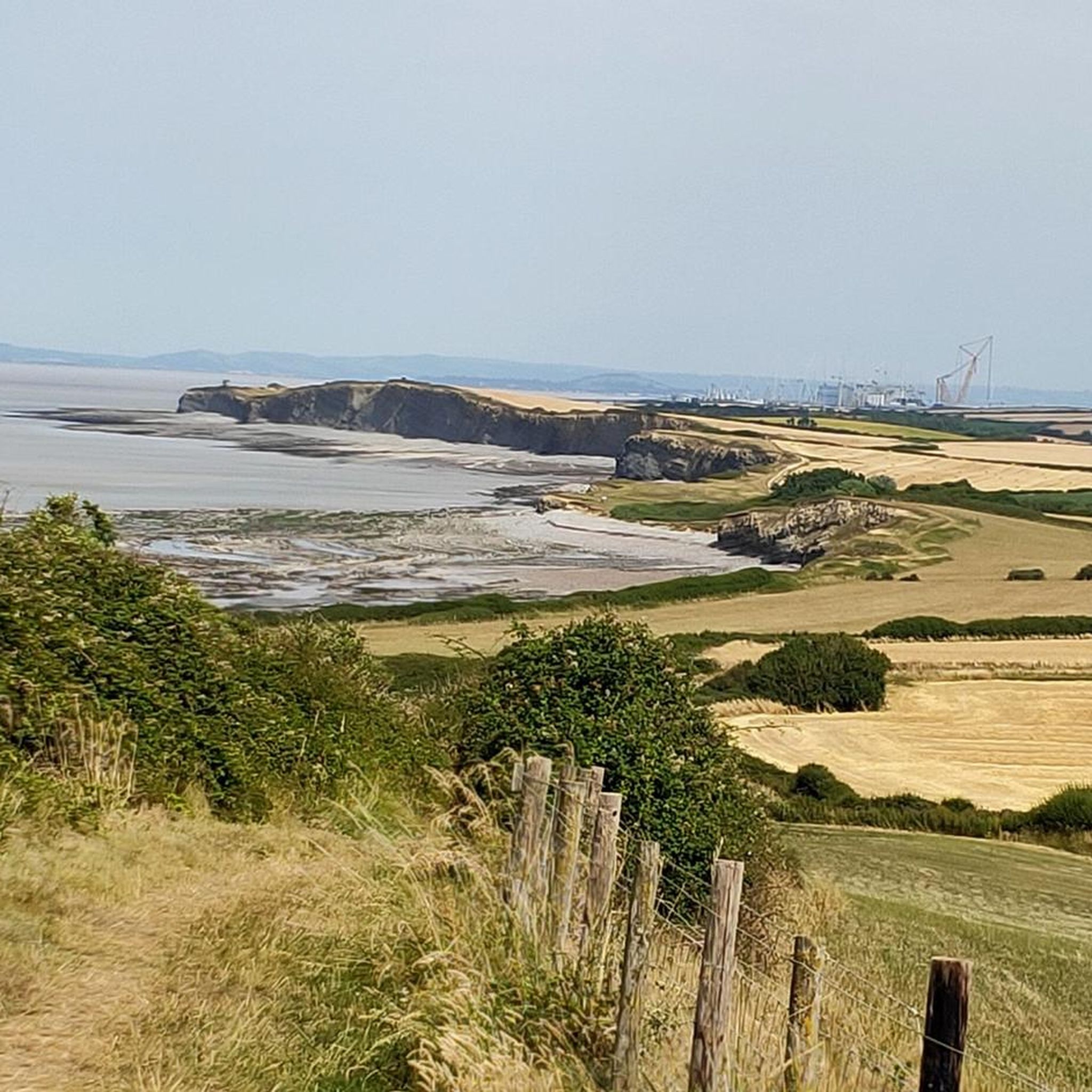
Embark on an easy hike along the Kilve Oil Works, Kilve Beach & East Quantoxhead loop, a coastal and countryside journey spanning 3.2 miles (5.2 km). You will experience dramatic views of the Bristol Channel, with rugged cliffs giving way to peaceful, verdant hills. The route includes a visit to the charming village of East Quantoxhead, known for its thatched cottages and St. Mary's Church, all while gaining a gentle 206 feet (63 metres) in elevation over approximately 1 hours and 24 minutes.
When planning your visit, be aware that this route is not suitable for pushchairs, wheelchairs, or bikes due to varied terrain and potentially muddy sections. Hikers should prepare for high winds along the exposed coastal path, especially on blustery days. Parking is generally available near Kilve Beach and the historic Oil Works, providing convenient access to the trailhead.
This trail offers a unique glimpse into geological history at Kilve Beach, a designated Site of Special Scientific Interest. Here, you can explore 200-million-year-old Jurassic fossil beds, particularly visible at low tide. The route also passes the remnants of the Kilve Oil Works, adding a layer of industrial heritage to your outdoor adventure and setting it apart from other local trails.
4.8
(24)
92
hikers
8.48km
02:31
260m
250m
Embark on the Triscombe, Great Hill & The Drove loop, a moderate 5.3-mile (8.5 km) hike in the Quantock Hills that typically takes around 2 hours and 31 minutes to complete, featuring an elevation gain of 845 feet (258 metres). You will experience diverse terrain, from packed earth to rocky sections, and navigate moderately steep ascents and descents through wooded combes. A highlight is walking along The Drove, a medieval track lined with ancient beech trees, which offers majestic views across the lower Somerset landscape and rolling hills, especially from Great Hill.
While the Drove Road is generally dry, be aware that some sections can become muddy in wet conditions, so sure-footedness is required. The path is mostly accessible, but uneven in places, and a good level of fitness will help you enjoy the varied inclines. This trail is suitable for most skill levels, offering a rewarding experience without requiring advanced hiking expertise. Always check local weather conditions before you set out to ensure a pleasant and safe journey.
This loop is steeped in history, following The Drove, an ancient trackway used for centuries by travellers and for moving livestock. It is also part of King Alfred's Way, a historic Saxon Army route. You can also visit the Triscombe Stone, a small Bronze Age marker near the car park, which was a key gathering point on the droving route and is said to grant wishes. The Quantock Hills, England's first designated Area of Outstanding Natural Beauty, provide a stunning backdrop for this journey through time and nature.
4.7
(22)
122
hikers
10.7km
03:03
240m
240m
Embark on the Haddon Hill and Bury loop, a moderate 6.7-mile (10.7 km) hike through Exmoor National Park. This route features a total elevation gain of 793 feet (242 metres) and typically takes around 3 hours and 2 minutes to complete. You will find well-kept paths and tracks, but be ready for two short, steep ascents, including a steady climb from Bury to Haddon Hill. From the trig point at Haddon Hill's summit, you can enjoy 360-degree views of the Somerset and Devon hills, including Wimbleball Lake, and on clear days, even distant Dartmoor.
As you plan your visit, be aware that some sections can be muddy, especially between Hartford and Bury, and in Haddon Lane. The bridleway road from the reservoir dam down to Hartford can also be slippery, with bedrock and tree roots posing a hazard. Consider bringing poles for the stony track ascent to Bury to help with stability. If you are hiking in winter, the sunsets from Haddon Hill's summit are particularly spectacular.
This trail offers a rich experience of Exmoor's varied landscape, from moors and woodlands to rivers and a lake. Keep an eye out for Exmoor ponies, as Haddon Hill is home to one of the National Park's two herds. You will also pass Wimbleball Lake, a designated Dark Sky Site, and the picturesque village of Bury, with its ancient medieval stone packhorse bridge and ford over the River Haddeo. The Haddon Hill trig point itself holds a piece of history, having been the site of a U.S. Army military camp during WWII.
4.5
(23)
122
hikers
8.25km
02:24
190m
200m
Embark on a moderate hike through the scenic Exe Valley, where you'll discover the unspoiled natural beauty of the Devon countryside. This 5.1-mile (8.2 km) route, known as the Room Hill and Exe Valley Trail, guides you along footpaths and quiet country lanes, offering picturesque views of the River Exe and open farmland. You'll gain 639 feet (195 metres) in elevation over approximately 2 hours and 23 minutes, making it a rewarding experience without being overly strenuous. Keep an eye out for charming features like the Lyncombe Packhorse Bridge as you explore.
Planning your visit to the Room Hill and Exe Valley Trail is straightforward, ensuring a smooth hiking experience. The route is generally well-signed, so you can focus on the scenery rather than navigation. You will typically find parking available in nearby villages or at designated trailheads, providing convenient access to the start of your adventure. Consider an early start to enjoy the tranquility of the valley.
This trail offers a wonderful opportunity to immerse yourself in the characteristic landscape of the wider Exe Valley region within Exmoor National Park. You will experience the gentle flow of the River Exe and the expansive feel of open farmland, showcasing the area's natural charm. It is an ideal choice if you are looking for a hike that combines accessible terrain with classic English countryside vistas.
Get access to more routes and recommendations from other explorers.
Already have an account?
Our route recommendations are based on thousands of hikes, rides, and runs completed by other people on komoot.
Start today with a free account
Your next adventure awaits.


Other adventures around West Somerset District


Tips from the Community

Great Rowbarrow 511.0m P22.9 (1673ft) [List Objective: English sub Dodds] (DoBIH Hill ID: 7793) [JNSA 6632] Exmoor National Park Definitive List summit.
0
0

Really nice highlight not to miss
0
0

A beautiful spot for a break by the River Exe, the river that gives Exmoor its name.
0
0

very nice hike with a view of the sea
1
0

Almost nothing reliable is known about the life of Saint George, to whom this church was dedicated, but veneration of him stretches back to early Christianity. A martyr identified with George is said to have lived in the third century. The legend of Saint George as the dragon slayer, however, is quite well known and widespread; he is often depicted—in paintings or statues—as the conqueror of the monster, often as a knight on horseback. The feast day of the very popular Saint George in the calendar of saints is celebrated on April 23rd in both the Roman Catholic and Anglican churches. Among other things, he is the patron saint of the English kingdom, and some of the orders and decorations awarded there bear his name.
0
0

If walking the route I've suggested I would wear good waterproof boots and if your unsteady on your feet take poles to help balance great walk to suit all abilities
1
0


Frequently Asked Questions
Are there many hiking trails in West Somerset?
Yes, there are over 750 hiking routes to explore in West Somerset. These range from easy strolls to challenging multi-day treks, covering the diverse landscapes of Exmoor National Park, the Quantock Hills, and the coastline.
What do other hikers enjoy most about West Somerset?
The region is highly rated by the komoot community, with an average score of 4.6 stars. Hikers often praise the stunning panoramic views from the high moorland, the well-maintained coastal paths, and the unique combination of wild landscapes and charming, historic villages.
Are there any good family-friendly walks in the area?
Absolutely. For a relatively easy and historic walk, consider the Dunster Castle, Bat's Castle & Gallox Bridge loop. It's about 4 miles (6.6 km) and offers a great mix of history and nature that can be enjoyed by the whole family.
Can I bring my dog on hikes in West Somerset?
West Somerset is very dog-friendly, but it's important to be mindful of the local wildlife and livestock. Keep your dog on a lead, especially on moorland where Exmoor ponies and red deer roam. For a walk that takes you through varied scenery, the Room Hill loop from Exford is a great option, and the village of Exford has dog-friendly pubs for after your hike.
What are the best sections of the coastal path?
The South West Coast Path starts in Minehead and offers some of its most dramatic sections here. For a shorter coastal walk with interesting features, the Kilve Oil Works, Kilve Beach & East Quantoxhead loop is a fantastic choice. This easy 3.2-mile (5.2 km) walk explores a fossil-rich beach and the unique coastline of the Quantock Hills.
How does hiking in the Quantock Hills compare to Exmoor?
Both offer superb hiking, but with different characteristics. Exmoor National Park is larger and wilder, known for its expansive open moorlands, deep valleys, and dramatic sea cliffs. The Quantock Hills AONB is more compact, offering a gentler landscape of rolling hills, ancient oak woodlands, and heathland ridges with extensive views. The Quantocks are crisscrossed with paths, making them ideal for shorter circular walks.
Are there any challenging, multi-day hikes available?
Yes, for a serious challenge, you could tackle a section of a long-distance path like the Coleridge Way (51 miles) or the Two Moors Way, which connects Exmoor and Dartmoor. For a demanding single-day hike, the Countisbury and Brendon loop is a 10.4-mile (16.8 km) route with significant elevation gain, rewarding you with spectacular coastal and valley views.
Where can I find the best views in the Quantock Hills?
For some of the most expansive views in the Quantocks, head to Wills Neck. As the highest point in the hills, it's a popular spot for walkers and offers wonderful panoramic views across the Vale of West Somerset and beyond. There are many paths leading to the summit, with parking often available at Triscombe Stone.
Can I get to the main hiking areas by public transport?
While many trailheads are best reached by car, it is possible to access parts of the region via public transport. The West Somerset Railway, a heritage steam line, runs between Bishops Lydeard and Minehead, stopping at several villages that serve as gateways to Exmoor. From Minehead, local bus services can take you closer to popular walking areas.
Are there any good circular walks around lakes or reservoirs?
Yes, the Wimbleball Lake loop from Haddon Hill is a popular choice. This moderate 9.1-mile (14.7 km) trail circumnavigates the scenic Wimbleball Lake, offering a peaceful walk with plenty of opportunities for birdwatching.
What is a good hike for exploring the river valleys in Exmoor?
The River Barle is one of Exmoor's most beautiful features. The Barle Valley & Cow Castle loop from Simonsbath is a wonderful 6.8-mile (11 km) moderate hike that follows the river and passes the ancient hillfort of Cow Castle, showcasing the classic Exmoor landscape.
Most popular routes around West Somerset District
Most popular attractions around West Somerset District

Get inspired with the komoot mobile app


Didn’t find what you were looking for?
Check out more Hikes throughout West Somerset District below and find the perfect route in your destination.
Explore more
Browse the best Hikes in other regions.
