The best walks and hikes around Rother
4.4
(1124)
7,330
hikers
508
hikes
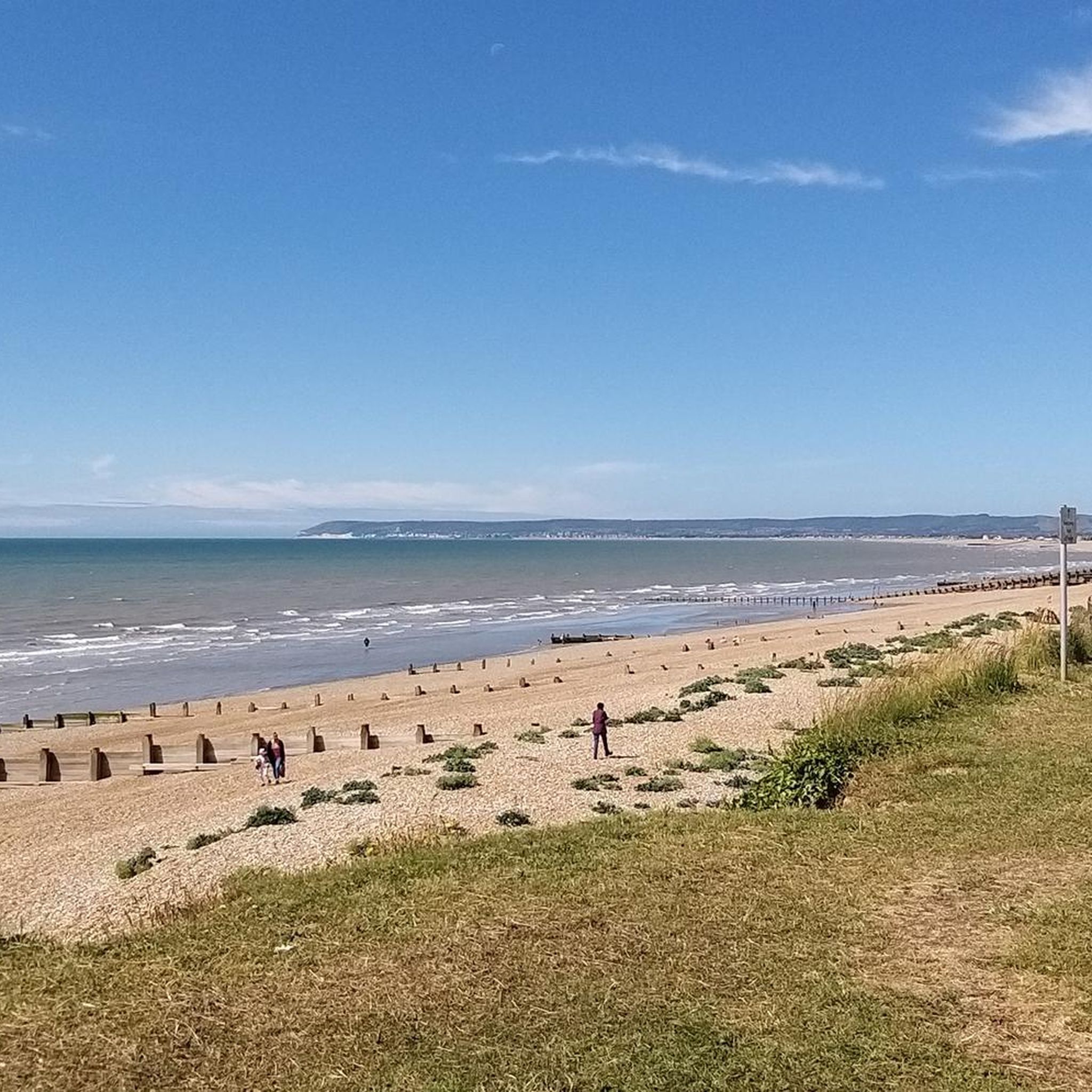
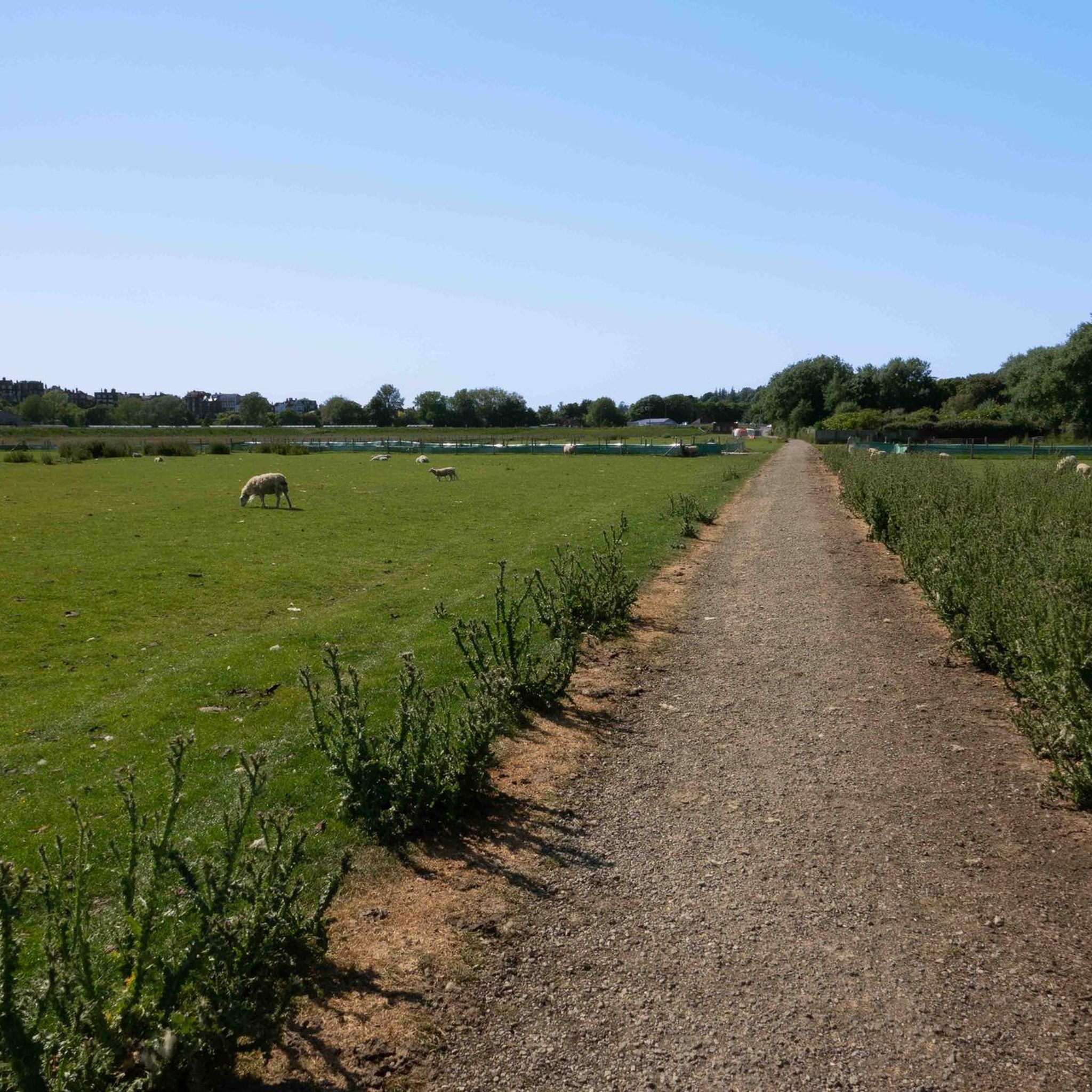
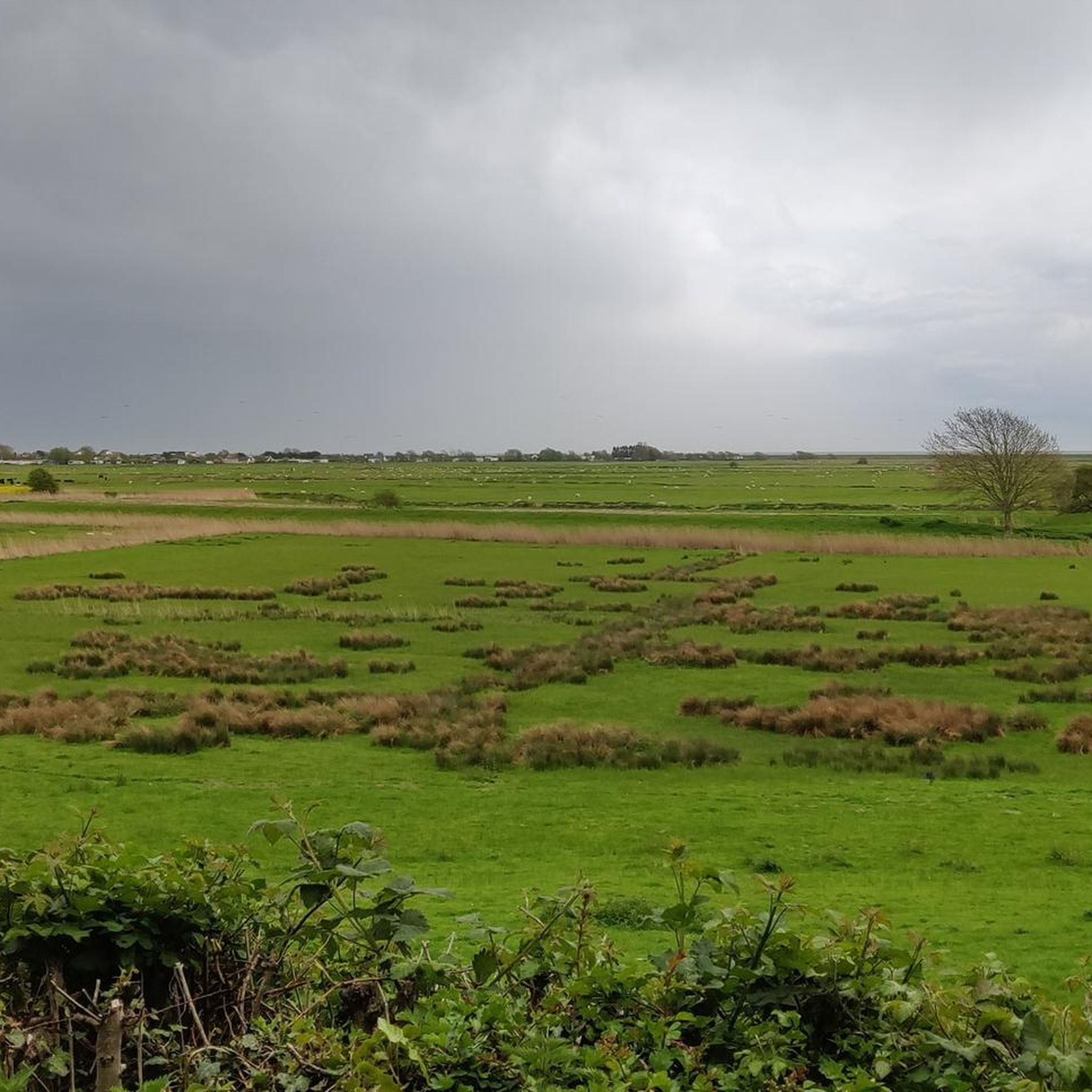
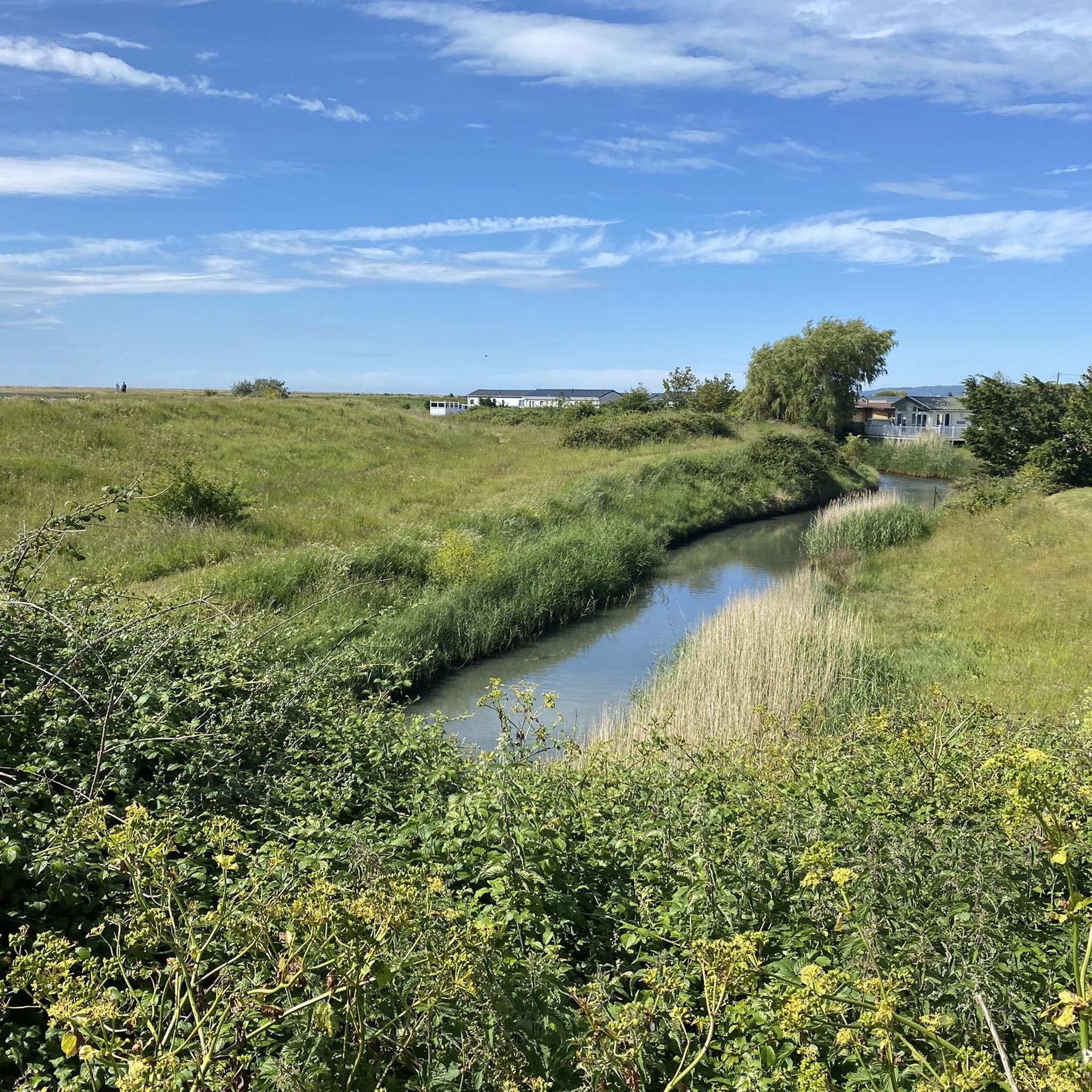
Hikes around Rother explore a landscape in East Sussex that combines rural countryside with coastal paths. The region is characterized by extensive woodlands within the High Weald, peaceful river valleys like the River Rother, and a shoreline dotted with beaches. The terrain is generally composed of rolling hills and flat coastal areas, with historical sites such as Bodiam Castle frequently appearing along the trails.
Best hiking trails around Rother
- The most popular hiking route is Rye Harbour Nature Reserve loop to Camber Castle, a 6.0 mile (9.7 km) trail that takes about 2 hours 25 minutes to complete. This route follows paths through the nature reserve with views of the 16th-century Camber Castle.
- Another top favourite among local hiking enthusiasts is Bodiam Castle loop from Robertsbridge — High Weald, a moderate 8.3 mile (13.4 km) path. The trail leads through the High Weald landscape toward the 14th-century moated castle.
- Local hiking enthusiasts also love the Burwash loop to Bateman's — High Weald, a 5.1 mile (8.2 km) trail leading through fields and woodland, often completed in about 2 hours 15 minutes.
- Hiking around Rother is defined by riverside rambles, woodland paths in the High Weald, and coastal walks. The network of over 500 routes offers options for different ability levels, from easy strolls to more moderate treks.
- The routes in Rother are highly rated by the komoot community with an average score of 4.4 stars from over 1,000 reviews. More than 7,000 hikers have used komoot to explore Rother's varied terrain.
Last updated: May 10, 2026
4.4
(36)
110
hikers
9.70km
02:27
10m
10m
Embark on a moderate 6.0-mile (9.7 km) hike through the Rye Harbour Nature Reserve, a journey that takes about 2 hours and 26 minutes with only 41 feet (13 metres) of elevation gain. You will explore a rich mix of coastal and wetland landscapes, from shingle beaches and expansive saltmarshes to lagoons and reedbeds. The trail features mostly flat and accessible footpaths, including gravel, tarmac, and grass paths, but be prepared for some shingle sections and potentially muddy areas. As you hike, the striking 16th-century Camber Castle will emerge from the fields, offering a dramatic visual landmark.
This route is generally accessible, making it suitable for many abilities. The paths are mostly flat and well-maintained, though some sections can be wet and muddy, so wear appropriate footwear. A visitor center is available, offering maps, information, and facilities to help you plan your visit. While much of the trail is accessible, a narrow, overgrown section near Camber Castle might require a slight diversion.
The Rye Harbour Nature Reserve is one of England's most important wildlife sites, boasting over 4,300 species of plants and animals. You can spot a wide array of birdlife from dedicated hides as you traverse diverse habitats like shingle, saltmarsh, and grazing marshes. Beyond the natural wonders, the trail also offers a glimpse into history with Camber Castle, built by Henry VIII, and remnants like WWII pillboxes and Martello Towers along the coast.
3.9
(15)
98
hikers
11.1km
02:50
30m
30m
Embark on the Rye Town loop from Camber Sands — Rye Harbour Nature Reserve, a moderate hiking route that blends coastal beauty with historical charm. This trail covers 6.9 miles (11.1 km) with a minimal elevation gain of 101 feet (31 metres), typically taking around 2 hours and 49 minutes to complete. You will experience varied terrain, from the shingle beaches and sand dunes of Camber Sands to the flat footpaths of Rye Harbour Nature Reserve, and finally the cobbled streets and gentle slopes of historic Rye town, offering views of ancient rooftops and the surrounding landscape.
Planning your visit, you can expect generally accessible paths, with many sections within the Rye Harbour Nature Reserve being well-marked and suitable for most abilities. The route seamlessly transitions between expansive saltmarshes, saline lagoons, and reedbeds, providing a constantly changing visual experience. Be prepared for walking along shingle beaches and past saltmarshes, especially on the stretch from Camber Sands to Rye Harbour. The trail is suitable for a wide range of hikers, though its length and varied surfaces classify it as moderate.
This loop is particularly notable for its exceptional biodiversity, as Rye Harbour Nature Reserve is home to over 4,355 species of plants and animals, making it a haven for birdwatchers. You will also encounter significant historical landmarks, including Martello Towers, World War II pillboxes, and the 16th-century Camber Castle, offering a fascinating glimpse into the area's defensive past. Rye itself is a charming medieval town, formerly one of the Cinque Ports, adding a rich cultural layer to your outdoor adventure.

Sign up for free
4.7
(12)
62
hikers
17.2km
04:25
70m
70m
Embark on the Winchelsea Town & Beach loop from Rye, a moderate hiking route that spans 10.7 miles (17.2 km) with a gentle elevation gain of 237 feet (72 metres). This journey, typically completed in about 4 hours and 25 minutes, takes you through a captivating mix of historic towns and coastal landscapes. You will wander through the ancient streets of Rye and Winchelsea, enjoying views of Rye Bay, before traversing scenic marshland and the Rye Harbour Nature Reserve, where you might spot the intriguing "The Watcher" sculpture along the 1066 Country Walk section.
When planning your visit, be prepared for varied terrain that includes hiking paths, roads, and footpaths. Surfaces range from asphalt to natural, unpaved sections, and some areas can become quite muddy, especially after rain, so sturdy, waterproof footwear is highly recommended. While generally accessible, you should expect to encounter some stiles and gentle hills throughout the route, adding to the adventure without being overly strenuous.
This trail offers a unique blend of history and natural beauty, set within the medieval High Weald Area of Outstanding Natural Beauty. As you hike, you will pass through charming towns with ancient buildings and cobbled streets, and discover historical landmarks like the Strand Gate in Winchelsea, providing glimpses into the area's rich past. The diverse ecosystem of the Rye Harbour Nature Reserve also makes this route a notable experience for those interested in coastal wildlife and conservation.
4.5
(23)
73
hikers
13.4km
03:28
90m
90m
Embark on the Bodiam Castle loop from Robertsbridge, a moderate hike spanning 8.3 miles (13.4 km) with an elevation gain of 280 feet (85 metres), typically taking around 3 hours and 28 minutes to complete. This route guides you through the picturesque East Sussex countryside, offering varied terrain that includes walking across farmland, through ancient woodlands, and along the scenic River Rother. You will experience rolling hills and diverse scenery, from orchards and meadows to wheat fields, all within the High Weald National Landscape. The highlight is undoubtedly the iconic 14th-century Bodiam Castle, a well-preserved moated castle that provides a glimpse into medieval history, nestled beautifully in the Rother Valley. You might also spot oast houses, ancient trees, and various wildlife along the way.
Starting and ending in the historic Robertsbridge village, this loop is a rewarding choice for those seeking a blend of natural beauty and historical intrigue. Be prepared for paths that can be unpaved, natural, or gravel, with some sections on asphalt. The trail features numerous stiles, which add to the challenge, and paths can be muddy, especially after rain. While the route is generally considered moderate, good fitness is recommended. The area is also known for the Kent & East Sussex Railway, so you might hear or even see steam trains during your hike.
This trail is part of the High Weald network, an Area of Outstanding Natural Beauty, known for its rich history and diverse landscape. The design of Bodiam Castle, with its artificial watery landscape, highlights its importance for display as well as defense. Beyond the castle, the wider High Weald area offers opportunities to explore other historic sites like Battle Abbey. This loop provides a great way to immerse yourself in the English countryside and explore a significant historical landmark, making it a notable experience in the region.
4.5
(20)
74
hikers
8.05km
02:09
80m
90m
Embark on a moderate 5.0-mile (8.1 km) hike through the East Sussex countryside, a journey that typically takes around 2 hours and 8 minutes. This loop offers varied terrain, guiding you through fields, woodlands, and along the River Rother. You'll encounter a mix of paved and unpaved surfaces, with some gentle elevation changes totaling 277 feet (84 metres). The highlight is undoubtedly the picturesque 14th-century moated Bodiam Castle, which looks like it's straight out of a fairy tale. Expect farm tracks, gravel paths, and natural sections, but be prepared for potential mud and overgrown areas depending on the season.
This circular route is generally suitable for most skill levels, though good fitness is recommended due to its moderate difficulty. The trail involves crossing stiles and some road sections, so wear appropriate footwear, especially if recent weather has been wet. While the research doesn't specify parking or public transport details, it's wise to check local access points before you go. Be aware that some paths can be muddy and potentially overgrown with nettles and brambles, particularly in certain seasons. Planning your visit during drier periods might enhance your experience.
Beyond the iconic Bodiam Castle, this hike immerses you in the beautiful High Weald Area of Outstanding Natural Beauty. You'll traverse rolling hills, open farmland, and ancient woodlands, experiencing the diverse landscape. Keep an eye out for the historic Hollow Wall Oast House, a traditional twin-round kiln used for drying hops, offering a glimpse into the region's agricultural past. The trail also passes Bodiam Bridge and Bodiam Station of the Kent & East Sussex Railway, adding further historical and cultural interest to your journey.
4.8
(17)
55
hikers
8.20km
02:16
140m
140m
Embark on the Burwash loop to Bateman's, a moderate hike spanning 5.1 miles (8.2 km) with an elevation gain of 471 feet (144 metres). You can expect to complete this route in about 2 hours and 16 minutes. As you hike, you will traverse rolling hills and ancient woodlands, following paths that wind along the Rivers Dudwell and Rother, offering expansive views of the Sussex countryside. The trail provides a rewarding experience through varied terrain, including field paths and bridleways, leading you past the historic Bateman's House and Gardens. You will find yourself immersed in the natural beauty of the High Weald Area of Outstanding Natural Beauty.
When planning your visit, be aware that the trail conditions can vary, and muddy sections are possible, especially after rain. It is wise to wear appropriate footwear to ensure a comfortable hike. This route is generally accessible, but it does require good fitness due to its moderate difficulty and varied surfaces. Consider starting your hike earlier in the day to fully enjoy the scenery and avoid any potential crowds, particularly around popular landmarks.
This route is notable for its connection to Rudyard Kipling, as it takes you past his former home, Bateman's House. Beyond the literary link, you will also encounter charming Georgian houses in Burwash Village and a reed-filled lake, adding to the historical and natural appeal of the area. The trail offers a unique blend of cultural heritage and picturesque landscapes, making it a distinctive option within the region for those seeking a moderate outdoor adventure.
4.0
(7)
34
hikers
11.4km
03:08
190m
190m
Embark on a historically rich hiking experience with The Battle of Hastings loop from Battle — High Weald. This moderate trail covers 7.1 miles (11.4 km) with an elevation gain of 622 feet (189 metres), typically taking around 3 hours and 8 minutes to complete. You will traverse ancient woodlands like Battle Great Wood and open rolling pastures, immersing yourself in the varied landscape of the High Weald Area of Outstanding Natural Beauty, where the pivotal 1066 Battle of Hastings took place. The terrain is diverse, featuring paved paths, roads, and unpaved sections, including a well-maintained path on the battlefield itself with a steep incline and uneven ground.
To best enjoy this route, be prepared for hilly sections and potentially very muddy conditions, depending on the weather. While some parts are relatively easy, the trail requires good fitness due to its moderate difficulty. The varied scenery includes orchards, vineyards, sandstone crags, and medieval farmsteads, offering a sense of solitude amidst its natural beauty and historical significance. Ensure you wear appropriate footwear and clothing for the conditions.
This loop is deeply connected to the 1066 Battle of Hastings, with Battle Abbey marking the spot of William the Conqueror's victory. Interpretive signage along the battlefield trail explains troop movements, and you can see the Harold Stone and the strategic view from Senlac Hill. The route is also part of the broader 31-mile 1066 Country Walk, featuring unique sculptures like "Bound Division." You might also pass historical landmarks such as St Mary the Virgin Church and Farthing Pond in Powdermill Wood, which played a role in the 17th and 18th-century gunpowder industry.
4.1
(10)
36
hikers
7.21km
01:57
90m
90m
Embark on the Mad Jack's Sugarloaf loop, a moderate hike that takes you through the classic High Weald landscape. This route covers 4.5 miles (7.2 km) and involves a gentle climb of 308 feet (94 metres), typically completed in 1 hour and 56 minutes. As you hike, you'll pass through ancient woodlands and open countryside, enjoying views of rolling hills. A highlight is the distinctive conical stone monument known as Mad Jack Fuller's Sugarloaf. You will also discover other unique follies built by John "Mad Jack" Fuller, adding a historical touch to your outdoor adventure.
Before you set out, be aware that some parts of the trail can become muddy, especially after rainfall. It's a good idea to wear sturdy, waterproof footwear to stay comfortable. While specific parking details aren't provided, you can usually find parking options close to the starting point in Brightling. Always check current local conditions before you begin your hike to ensure a smooth trip.
This trail offers a fantastic way to explore the High Weald Area of Outstanding Natural Beauty. Beyond the Sugarloaf, you'll encounter other eccentric structures like Fuller's Pyramid Mausoleum and the Rotunda Temple. These historical landmarks provide a unique glimpse into the area's past, making your hike more than just a walk through nature.
4.7
(10)
32
hikers
5.36km
01:28
80m
80m
Embark on an easy 3.3-mile (5.4 km) hike through the Crowhurst & Fore Wood Nature Reserve, gaining 274 feet (84 metres) in elevation over approximately 1 hour and 27 minutes. You will wander through ancient woodlands filled with Hornbeam, oak, and Sweet Chestnut trees, experiencing the unique ghylls, which are steep-sided ravines supporting rare ferns. In spring, the woods burst with bluebells, wood anemones, and early purple orchids, while the Powdermill Stream bubbles over sand, lined with wild garlic.
While officially rated easy, some sections of the trail can be uneven, soft, and potentially muddy, especially during winter, due to the High Weald's clay and sandstone landscape. The route includes both stone-surfaced woodland paths and rural field footpaths, with several long slopes to navigate. Plan your visit to enjoy the varied terrain and historical elements, keeping in mind that conditions can change with the seasons.
This loop offers a deep dive into the High Weald Area of Outstanding Natural Beauty, known for its medieval landscape and highest woodland cover among England's AONBs. You will discover Fore Wood Nature Reserve, managed by the RSPB, where traditional coppicing supports diverse wildlife like butterflies and woodpeckers. The trail also passes through Crowhurst village, home to St George's Church and its massive ancient yew tree, believed to be over 1,000 years old with a circumference exceeding 32 feet.
4.3
(12)
26
hikers
13.5km
03:32
100m
100m
Embark on the Ticehurst to Bewl Water circular walk, a moderate hike that guides you through a delightful mix of ancient woodlands, open countryside, and scenic reservoir paths. You will cover 8.4 miles (13.5 km) and gain 334 feet (102 metres) in elevation, with the highlight being the expansive views across Bewl Water itself. Expect to spend around 3 hours and 32 minutes enjoying the varied terrain and tranquil atmosphere.
When planning your visit, be aware that the trail includes natural valleys and hills, so you will encounter both ascents and descents. While the clay soils of the Weald generally prevent very deep mud, sections can become squelchy after rain, so sturdy boots are a good idea. There are also notable stretches along minor roads, which can offer a drier alternative to muddier areas.
This route offers a chance to experience the High Weald National Landscape, known for its unique geology and rich history. Bewl Water stands out as the largest body of water in the southeast of England, providing a significant natural landmark and a habitat for various wildlife. The combination of woodland, fields, and waterside paths makes this trail a distinctive exploration of the region's natural beauty.
Get access to more routes and recommendations from other explorers.
Sign up for free
Already have an account?
Our route recommendations are based on thousands of hikes, rides, and runs completed by other people on komoot.
Start today with a free account
Your next adventure awaits.
Login or Signup
Other adventures around Rother


Tips from the Community

Virtually nothing reliable is known about the life of Saint George, to whom this church is dedicated, but veneration of him dates back to early Christianity. A martyr identified with George is said to have lived in the third century. The legend of Saint George as the dragon slayer, however, is very well-known and widespread. He is usually depicted—in paintings or as a statue—as the vanquisher of the beast, often as a knight on horseback. The feast day of this very popular saint is celebrated on April 23 in both the Roman Catholic and Anglican churches. He is, among other things, the patron saint of the Kingdom of England, and several of the orders and decorations awarded there bear his name.
0
0

Who hasn't heard or read about the Battle of Hastings in English class at school? It's all the more impressive when you're there yourself and can see everything; this is how history comes alive.
2
0
The castle is still a small attraction that almost transports the visitor to times gone by - it still has charm
2
0

Rye Harbour Nature Reserve is a wonderful and diverse area: a coastline with a pebble beach, a sea wall, lakes from former gravel pits, sheep pastures, canals, inland former pebble beaches, the Rother estuary, bunker sites, various beach plants, and a diverse range of birds. The Discovery Centre offers information and a café with friendly service.
0
0

Old city gate in what must have been the former city wall.
0
0
A beautiful old church with space for children, seniors, and anyone who wants to peek inside. Regular music performances are organized there.
0
0
One of the oldest streets in Rye.
0
0
Remains of what must have been an impressive castle.
0
0
Frequently Asked Questions
Are there many circular walks available in the Rother area?
Yes, many of the trails in Rother are designed as loops, so you can easily return to your starting point. These circular routes are perfect for exploring the region's diverse landscapes, from the woodlands of the High Weald to coastal nature reserves. A great example is the Crowhurst & Fore Wood Nature Reserve loop, which offers a pleasant walk through woodland scenery.
Can I take my dog on the hiking trails around Rother?
Many trails in the Rother region are suitable for walking with a dog, especially through the open countryside and woodlands. However, always be mindful of local signage, particularly in nature reserves like Rye Harbour or areas with livestock. It's recommended to keep your dog on a lead in sensitive areas to protect wildlife.
What are some good family-friendly hikes in Rother?
Rother offers numerous easy trails that are perfect for a family day out. Look for shorter, flatter routes, especially along the coast or through nature reserves where there's plenty to see. The West Promenade loop in Bexhill-on-Sea is a good option, offering a gentle walk with coastal views.
Are there any hikes that feature historical sites?
Absolutely. The Rother region is rich in history, and many trails lead to significant landmarks. You can explore routes that take you past medieval castles, ancient battlefields, and historic homes. For a walk that combines scenery with a unique piece of local history, consider the Mad Jack's Sugarloaf loop.
How many hiking trails are there to choose from in Rother?
There is a vast network of over 500 hiking routes around Rother. The collection includes everything from short, easy strolls to more challenging full-day treks, ensuring there's a trail for every fitness level and interest.
What do other hikers think of the trails in Rother?
The trails in Rother are highly regarded by the komoot community, with an average rating of 4.4 out of 5 stars from over a thousand reviews. Hikers often praise the beautiful mix of coastal scenery, peaceful river valleys, and the enchanting woodlands of the High Weald.
Are there any good coastal walks in the Rother region?
Yes, Rother's coastline provides excellent opportunities for hiking. You can find trails that follow promenades, cross sandy beaches, and traverse nature reserves. A scenic option is the Rye Town loop from Camber Sands, which combines coastal paths with views of the historic town of Rye.
What is the terrain like for hiking in Rother?
The terrain is quite varied. You'll find generally flat paths along the coast and in the river valleys, making for easy walking. As you move inland into the High Weald National Landscape, the trails feature more rolling hills and woodland paths, offering more moderate and sometimes challenging climbs.
Can I find a hike that goes past a traditional pub?
Yes, many routes in the countryside pass through charming villages where you can find a traditional pub for a meal or a drink. Planning a route that starts or ends near a town like Battle, Burwash, or Robertsbridge is a great way to incorporate a pub stop into your hike. For example, The Battle of Hastings loop starts and ends in the historic town of Battle, which has several pubs.
Are there any long-distance walking options in the area?
Yes, for those seeking a longer challenge, there are several substantial routes. These trails often connect different towns and points of interest. A good example of a longer trek is the Winchelsea Town & Beach loop from Rye, which covers over 17 km and explores the coast and historic towns.
What kind of scenery can I expect in the High Weald?
The High Weald National Landscape is characterized by a mosaic of small, irregular fields, ancient woodlands, and scattered farmsteads. Hikes here, such as the Bodiam Castle and Hollow Wall Oast loop, take you through this classic English countryside, known for its rolling hills and scenic, secluded paths.
Most popular routes around Rother
Most popular attractions around Rother

Get inspired with the komoot mobile app


Didn’t find what you were looking for?
Check out more Hikes throughout Rother below and find the perfect route in your destination.
Explore more
Browse the best Hikes in other regions.
