The best cycling routes around Inderøy
4.5
(10)
171
riders
44
rides
Touring cycling routes around Inderøy traverse a diverse landscape characterized by cultural farmlands, green hills, and extensive fjord coastlines. The region offers routes that wind through picturesque settings, connecting the Inderøy peninsula with the Mosvik peninsula. Cyclists can expect varied terrain, from gentle coastal paths to routes with moderate elevation changes, showcasing the area's natural and historical features.
Best touring cycling routes around Inderøy
- The most popular touring cycling route is Marens Bakeri – Field view near the lake loop from Trøakorsen, a 20.3 miles (32.7 km) trail that takes 2 hours 5 minutes to complete. This moderate route offers scenic views of the surrounding fields and a nearby lake.
- Another top favourite among local touring cyclists is Marens Bakeri – Field view near the lake loop from Vikaleiret fuglefredningsområde, a moderate 20.8 miles (33.4 km) path. It features similar field views and lake scenery, with a total elevation gain of 1,331 feet (406 meters).
- Local touring cyclists also love the View of Tautra Monastery – Marens Bakeri loop from Vikaleiret fuglefredningsområde, a 22.3 miles (35.9 km) trail leading through cultural landscapes and offering views towards Tautra Monastery, often completed in about 2 hours 17 minutes.
- Touring cycling around Inderøy is defined by cultural landscapes, fjord views, and traditional farmlands. The network offers options for different ability levels, from moderate loops to more challenging routes with significant elevation.
- The routes in Inderøy are highly rated by the komoot community with an average score of 4.2 stars from over 6 reviews. More than 170 touring cyclists have used komoot to explore Inderøy's varied terrain.
Last updated: August 20, 2026
20
riders
32.7km
02:05
400m
400m
Moderate bike ride. Good fitness required. Mostly paved surfaces. Suitable for all skill levels.
4.0
(1)
20
riders
Moderate bike ride. Good fitness required. Mostly paved surfaces. Suitable for all skill levels.

Sign up for free
12
riders
Moderate bike ride. Good fitness required. Mostly paved surfaces. Suitable for all skill levels.
2
riders
54.8km
03:36
740m
740m
Hard bike ride. Very good fitness required. Mostly paved surfaces. Suitable for all skill levels.
4.0
(1)
3
riders
20.9km
01:24
160m
160m
Moderate bike ride. Good fitness required. Mostly paved surfaces. Suitable for all skill levels.
Get access to more routes and recommendations from other explorers.
Sign up for free
Already have an account?
Our route recommendations are based on thousands of hikes, rides, and runs completed by other people on komoot.
Start today with a free account
Your next adventure awaits.
Login or Signup
Tips from the Community

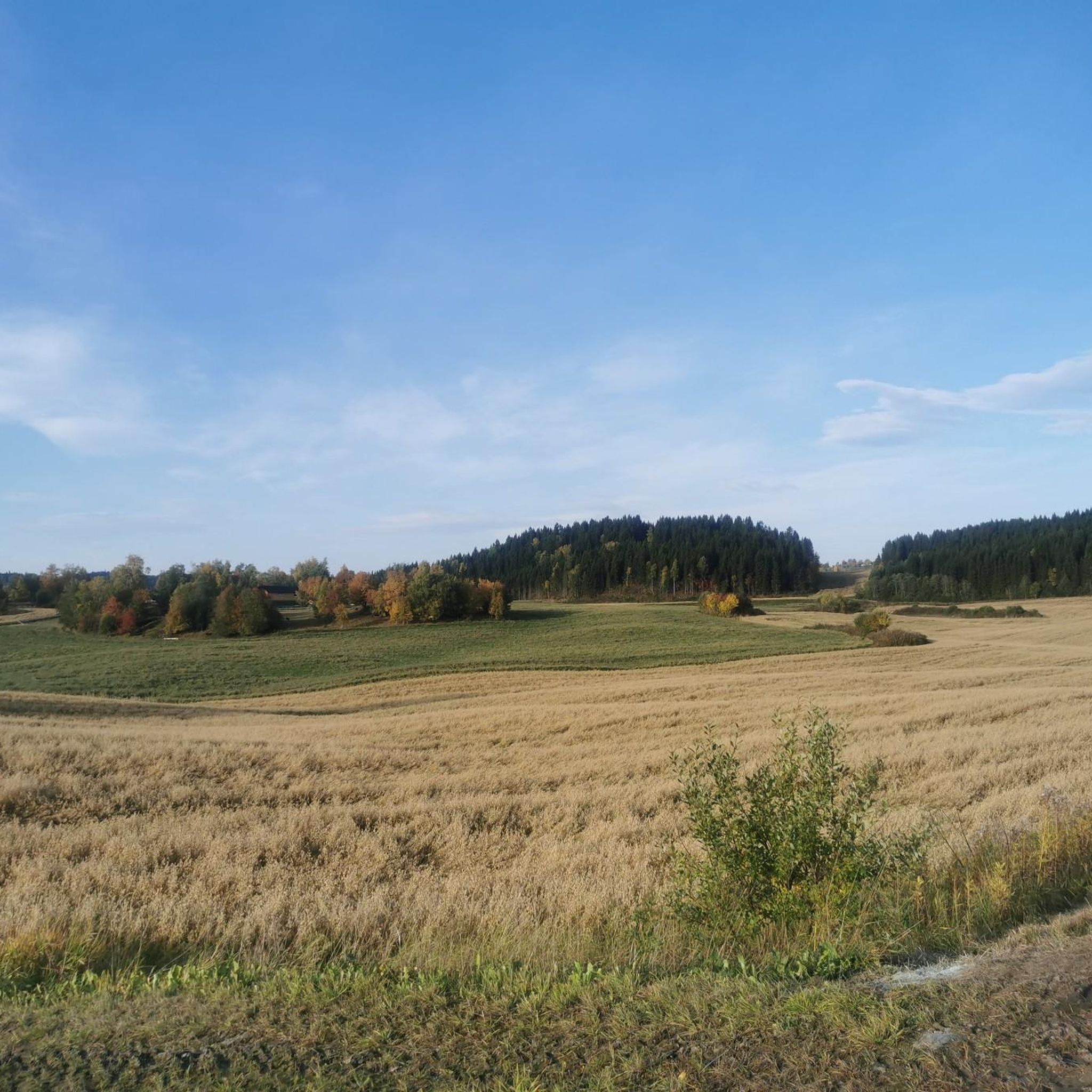
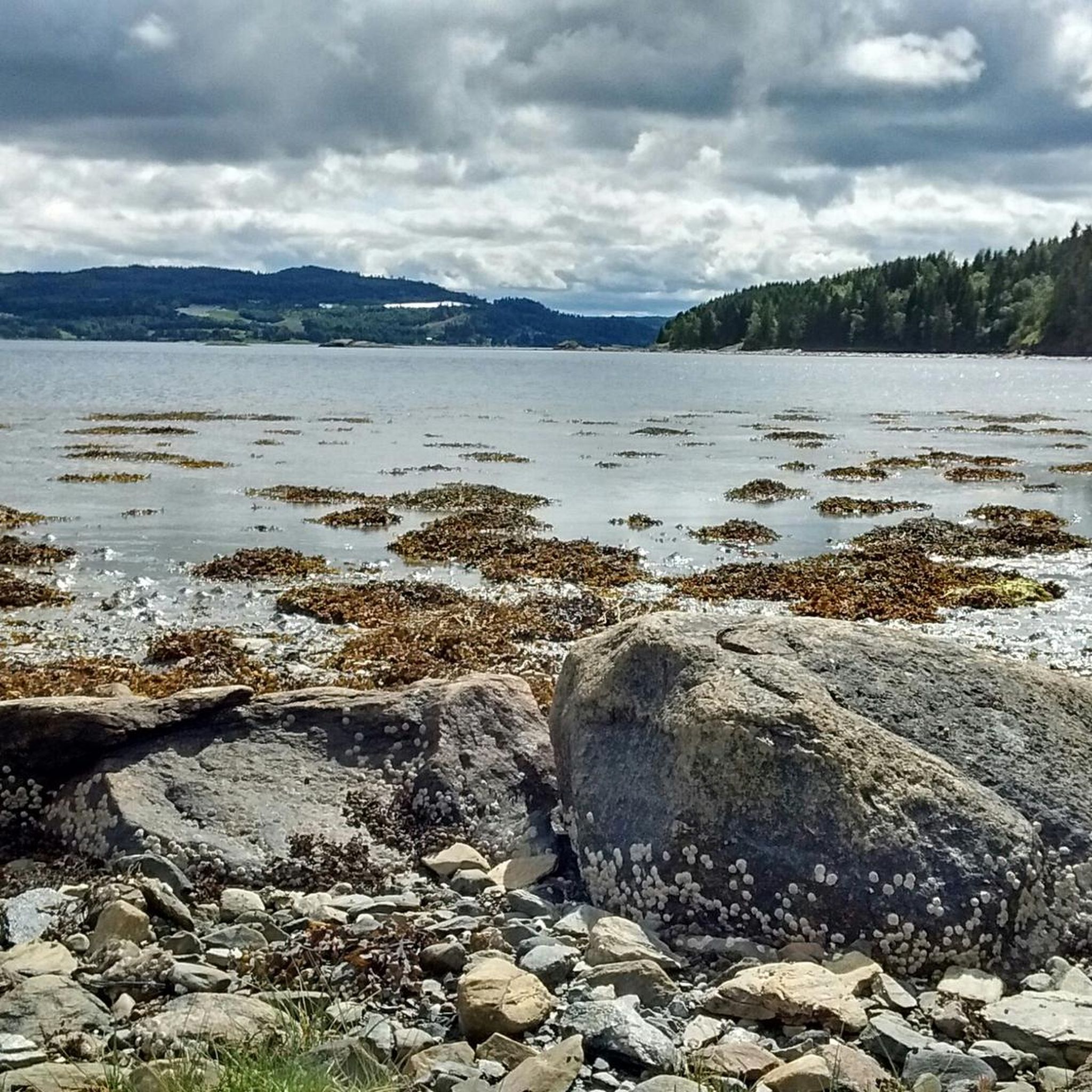
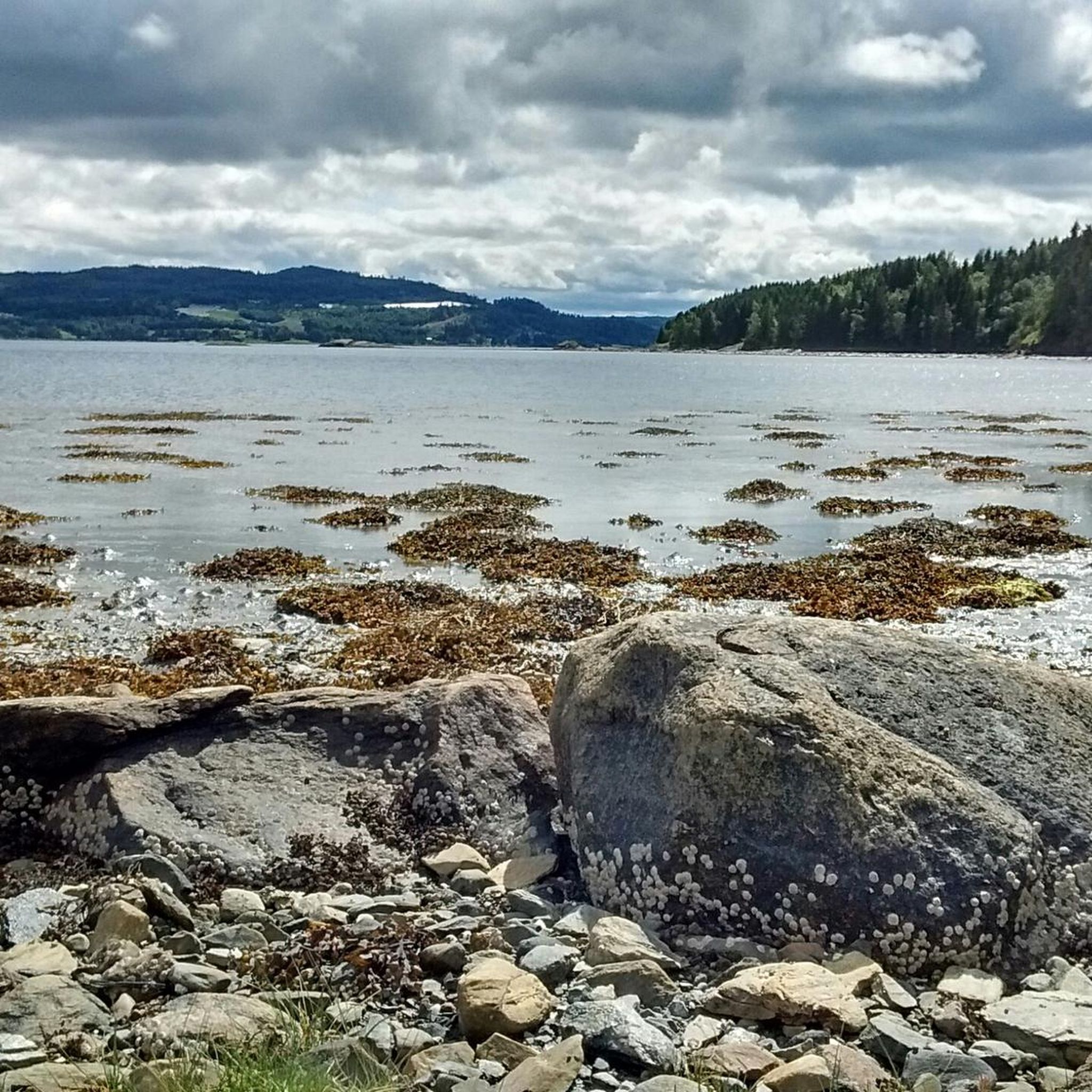
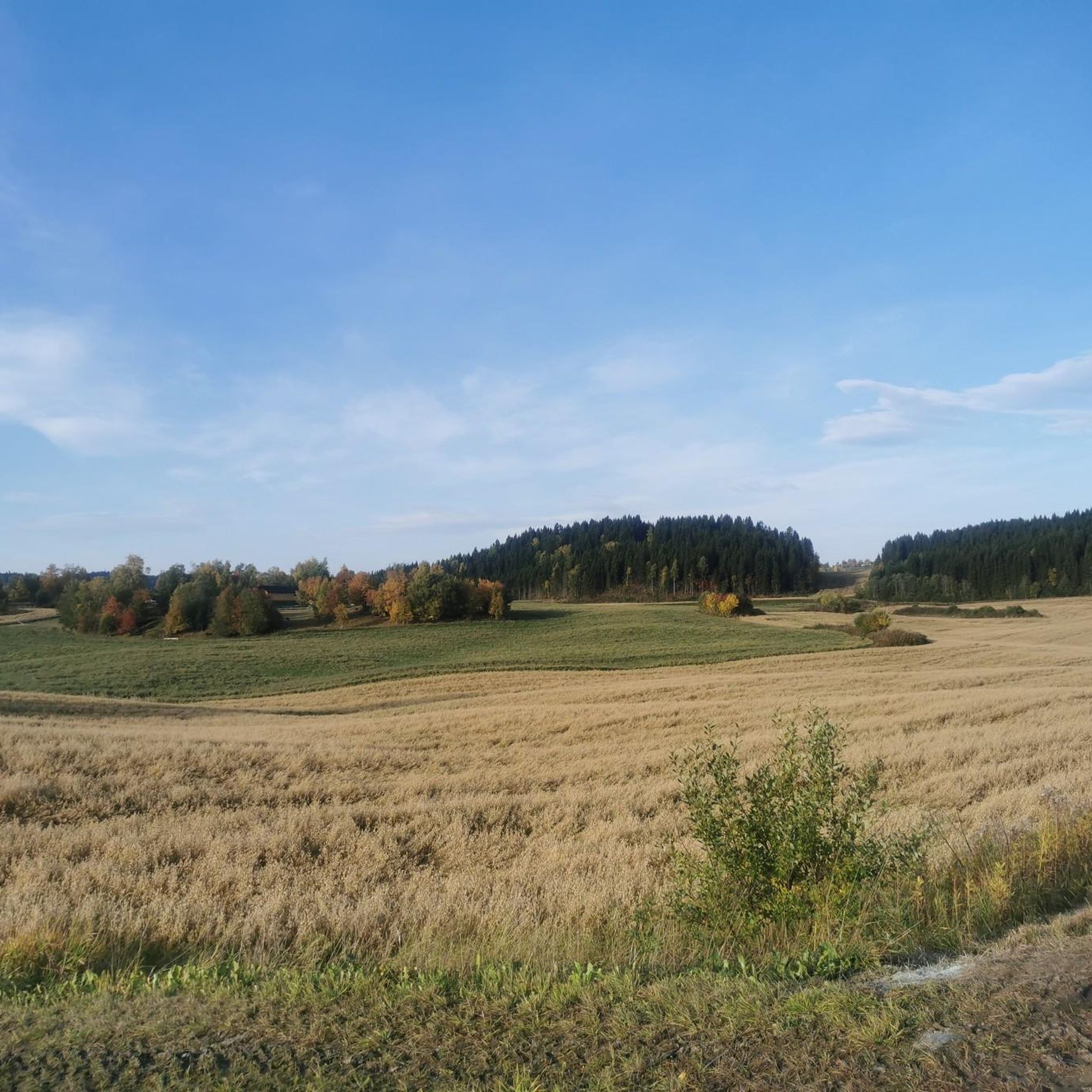
This peaceful viewpoint overlooks the traditional fishermen's cabins (rorbuer) lining the shoreline of Straumen. A bench provides a perfect place to pause and watch the tidal waters between Borgenfjorden and the Trondheimsfjord, while enjoying one of the most characteristic coastal views in Inderøy.
0
0

Stiklestad Church is a stone church from around 1150 – 1200. According to tradition, the church was built over the altar which is believed to be the place where Olav Haraldsson fell during the battle on 29 July in 1030. In the years 1927 – 1930, the church was heavily restored to appear as beautiful as possible for Olav's jubilee in 1930. The external plaster was removed so that the church went from being white to the expression it has today. A new armory was built on the west side and the tower was changed. Inside, the choir was decorated with the fresco "The Sword and the Lily" by the artist Alf Rolfsen. During the restoration, a number of frescoes from the 14th-1500th centuries were uncovered on the nave's long walls. On the south wall are two painted coats of arms, one of which is the national coat of arms. The other contains several Nordic national coats of arms and thus points to one of the union kings.
0
0
During the 19th century, nationalism surged across Europe, including Norway and Sweden. In this context, the legend of St Olav the Holy was revived (the 16th century reformation prohibited the veneration of saints and pilgrimages). In 1807, the Olav Monument (Olavsstøtta) was unveiled at Stiklestad. The truncated column symbolizes a life cut short, as King Olav Haraldsson lived only to be about 35 years old. It's believed to be the site where Olav's body was laid the night after the battle. In July 29, 1944, the Norwegian Nazi Party National Unity (NS) unveiled a new NS monument featuring a relief depicting St Olav and a 9m-high stele adorned with the sun cross. Vidkun Quisling delivered a speech. Following liberation in May 1945, Norwegians restored the original monument.
0
0


The historical events are reenacted in Norway's oldest and largest open-air theater "The St. Olav Drama" The play is performed annually during the "St. Olav Days in Stiklestad" at the end of July. During the festival days, there is a lot of activity here
2
0
Inside, the choir is decorated with the fresco “The Sword and the Lily” (Battle of Stiklestad). In the church, behind the altar, there is a stone that, according to tradition, is the stone on which Olav lay or leaned at the moment of his death, and thus became a place of pilgrimage.
2
0
It is likely that a wooden church stood in Stiklestad before the stone church was built. According to tradition, the church was built over the altar, which is believed to have been the place where Olav Haraldsson fell during the battle on July 29, 1030.
3
0

Unfortunately, there was no wood. The meadows around are muddy and hardly suitable for camping. Without a free-standing tent it will be difficult, but you can hammer tent pegs between the planks of the wooden platform.
2
0
Frequently Asked Questions
What kind of terrain can I expect on touring cycling routes in Inderøy?
Inderøy's touring cycling routes offer a diverse landscape, ranging from cultural farmlands and green hills to extensive fjord coastlines. You'll encounter varied terrain, including gentle coastal paths and routes with moderate elevation changes. For example, the Marens Bakeri – Field view near the lake loop from Trøakorsen features moderate elevation, while more challenging routes like the Wild Camping Spot by the Road – Mosvik Shelter and Picnic Area loop from Vestre Gåsvatnet hyttefelt involve significant climbs.
Are there any circular touring cycling routes in Inderøy?
Yes, Inderøy is well-suited for circular touring cycling routes. Many routes are designed as loops, allowing you to start and end at the same point. A notable example is the View of Tautra Monastery – Marens Bakeri loop from Vikaleiret fuglefredningsområde, which takes you through cultural landscapes and offers views towards Tautra Monastery. The region also features the popular 'Inderøy Round,' a 50 km cycling tour that circles the peninsula.
What are some interesting landmarks or attractions I can see along the cycling routes?
Inderøy's routes are rich with cultural and natural attractions. You can cycle past historic burial mounds and standing stones, traditional Trønder farms, and enjoy views of the fjords. Specific points of interest include the medieval Mære Church, Gangstad Farm Dairy (known for its award-winning cheeses), and the impressive Skarnsund Bridge. You might also encounter highlights such as Stiklestad Church, Saint Olav's Chapel, or the Munkeby Monastery Ruins.
Are there family-friendly touring cycling routes in Inderøy?
While the guide primarily lists moderate to difficult routes, the region offers options suitable for various skill levels. The 'Borgenfjorden Round Trip' is an easier 32 km route that can be completed in 1-2 days, passing through traditional farms and cultural landscapes. When planning with family, look for routes with less elevation gain and consider the shorter versions of the 'Inderøy Round' (30 km or 45 km).
Where can I find food or cafes along the cycling routes in Inderøy?
Inderøy, particularly along 'Den Gyldne Omvei' (The Golden Road), is renowned for its culinary delights. Cyclists can visit local food producers, farm shops, and cafes. Notable stops include Gangstad Gårdsysteri for cheese, Inderøy Farm Brewery, and Øyna Cultural Landscape Hotel. Many routes, like the Marens Bakeri – Field view near the lake loop from Vikaleiret fuglefredningsområde, pass by areas with amenities.
What is the best time of year to go touring cycling in Inderøy?
The best time for touring cycling in Inderøy is generally during the warmer months, from late spring to early autumn (May to September). During this period, the weather is milder, and the cultural landscapes are vibrant. This also aligns with the opening hours of many local farms and attractions along routes like 'Den Gyldne Omvei'.
How many touring cycling routes are available in Inderøy?
There are over 10 touring cycling routes available in Inderøy, ranging from moderate to difficult. The komoot community has mapped 14 routes in total, providing a good selection for different preferences and fitness levels.
What do other touring cyclists enjoy most about cycling in Inderøy?
The area is highly rated by the komoot community, with an average score of 4.2 stars from over 6 reviews. Reviewers often praise the stunning cultural landscapes, fjord views, and traditional farmlands that define the cycling experience. The blend of natural beauty with local culture and gastronomy, especially along 'Den Gyldne Omvei', is a significant draw.
Are there any challenging touring cycling routes in Inderøy?
Yes, Inderøy offers challenging routes for experienced touring cyclists. For instance, the Wild Camping Spot by the Road loop from Utøy industriområde is classified as difficult, featuring significant elevation gain of almost 900 meters over its 60 km distance. These routes provide a good test of endurance and reward with expansive views.
Can I combine cycling with other outdoor activities in Inderøy?
Absolutely. Inderøy's diverse geography allows for combining cycling with other activities. The region offers numerous cultural and nature hiking trails, such as the Cultural Trail from Verdalsgrenda to Straumen. The long and scenic shoreline provides opportunities for swimming, fishing, and boating. In winter, the Petter Northug Ski Stadium offers cross-country skiing.
What is 'Den Gyldne Omvei' and how does it relate to touring cycling in Inderøy?
'Den Gyldne Omvei' (The Golden Road) is central to Inderøy's cycling appeal. It's a scenic route along County Roads 761 and 755, known for blending food, art, and cultural experiences. Cycling this route allows you to explore local food producers, craft artisans, galleries, and historic landmarks, making it a unique cultural cycling experience. It's often incorporated into longer tours like the 'Inderøy Round'.
Are there options for parking or public transport to access the cycling routes?
While specific parking details for each route are not provided in the guide, Inderøy is accessible by car, and parking is generally available in towns and near popular attractions. For public transport, you can check local bus services that connect to key areas within Inderøy. For more detailed travel information, you might find resources on the official regional tourism websites like Visit Innherred.
Most popular attractions around Inderøy

Get inspired with the komoot mobile app


Explore more
Browse the best Cycling routes in other regions.
