The best road cycling routes around Vorbach
4.6
(200)
1,684
riders
18
rides
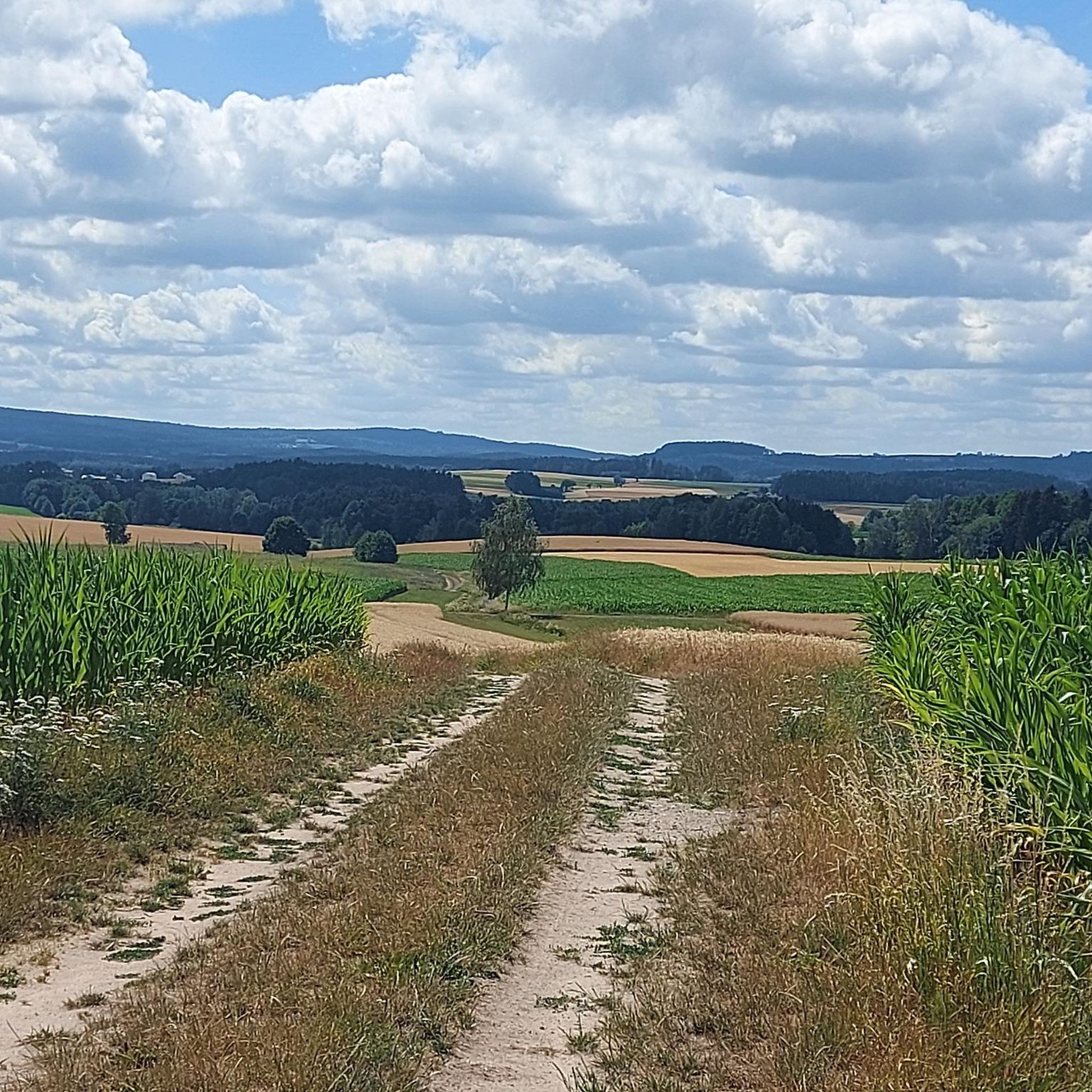
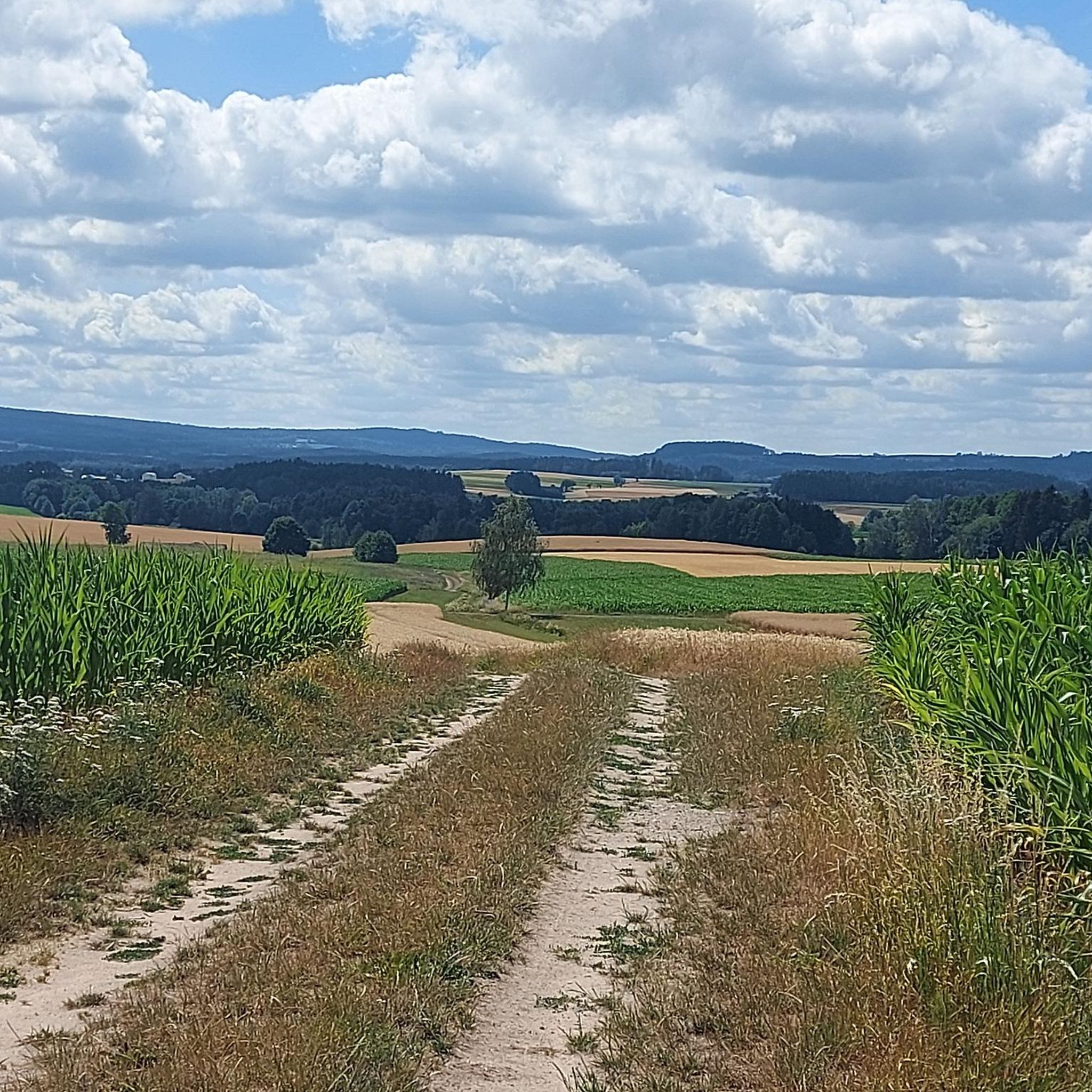
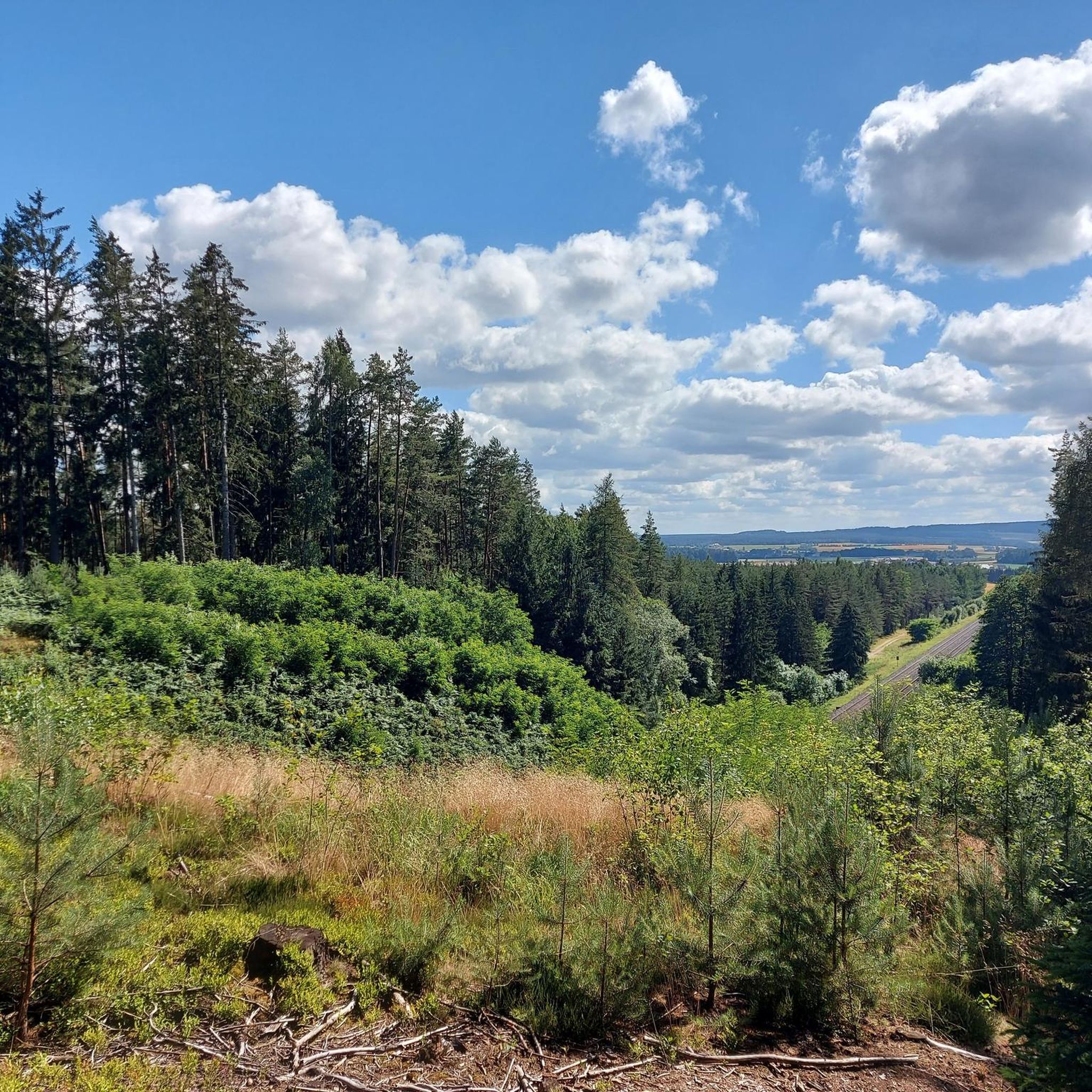
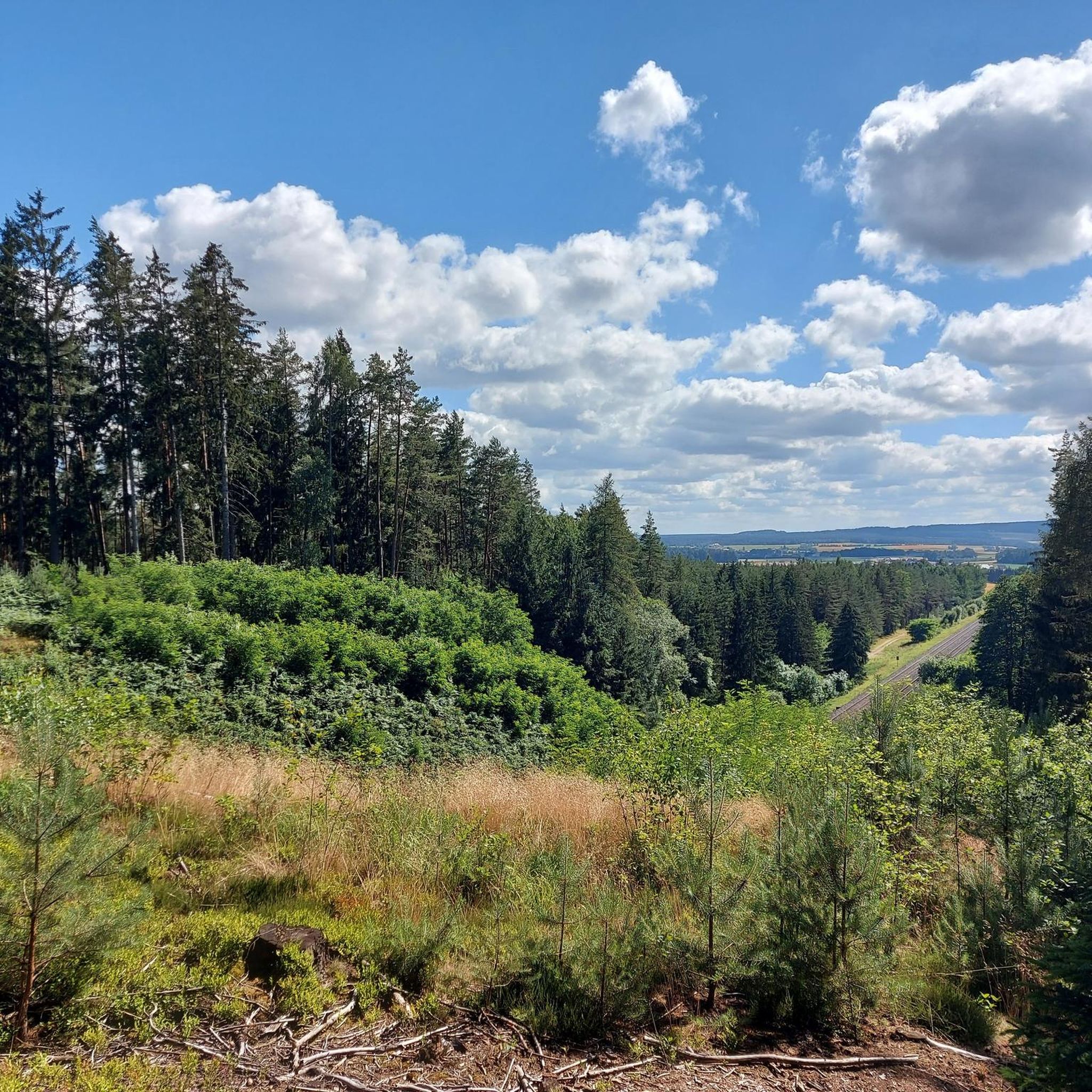
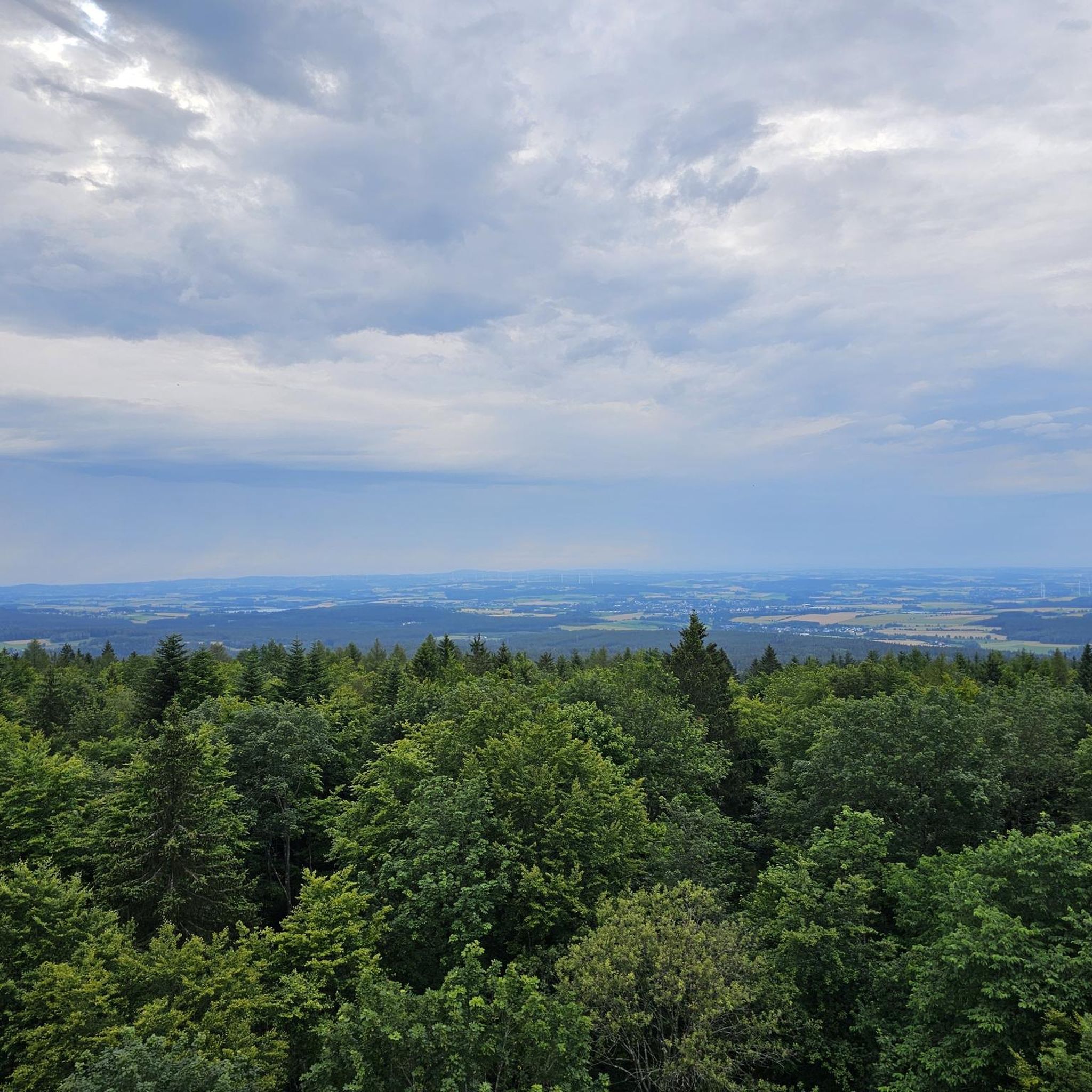
Road cycling routes around Vorbach traverse the scenic Bavarian region, characterized by rolling hills and lush forests at the foot of the Fichtelgebirge mountains. The terrain offers varied elevation gains, with many routes utilizing mostly paved surfaces suitable for road bikes. This area of the Upper Palatinate provides diverse landscapes for cyclists of varying fitness levels.
Best road cycling routes around Vorbach
- The most popular road cycling route is Speinshart Abbey – Gravel Pond near Diessfurt loop from Vorbach,…
Last updated: November 23, 2026
4.3
(7)
50
riders
55.2km
02:19
420m
420m
Moderate road ride. Good fitness required. Mostly well-paved surfaces and easy to ride.
4.5
(2)
25
riders
65.3km
02:37
340m
340m
Moderate road ride. Good fitness required. Mostly well-paved surfaces and easy to ride.

4.5
(2)
13
riders
68.9km
03:01
660m
660m
Moderate road ride. Good fitness required. Mostly well-paved surfaces and easy to ride.
7
riders
29.6km
01:18
270m
270m
Easy road ride. Mostly well-paved surfaces and easy to ride.
10
riders
44.3km
01:54
370m
370m
Moderate road ride. Good fitness required. Mostly well-paved surfaces and easy to ride.
Get access to more routes and recommendations from other explorers.
Already have an account?
Our route recommendations are based on thousands of hikes, rides, and runs completed by other people on komoot.
Start today with a free account
Your next adventure awaits.
Tips from the Community

beautiful natural swimming pool in Eschenbach
0
1

Here you can look out onto the US Army airfield and watch helicopters taking off.
0
0
Going downhill is of course cooler. It has something of a roller coaster ride.
0
0

Klosterkirche „Zur unbefleckten Empfängnis“ Im späten 12. Jahrhundert wurden die Grundmauern für eine dreischiffige romanische Basilika gelegt, Teile dieser Grundmauern, nämlich die der Chorapsiden, konnten bei Grabungen im Klostergarten gefunden werden. Am Mauerwerk sind Spolien der romanischen Basilika zu erkennen. Als die alte romanische Klosterkirche 1691 abgebrochen war, begann der Neubau nach den Plänen von Wolfgang und Georg Dientzenhofer, der Rohbau wurde 1696 vollendet. Bei der Prämonstratenser-Klosterkirche zur Unbefleckten Empfängnis Mariä handelt es sich um eine Emporen-Wandpfeilerhalle mit eingezogenem Chor. Sowohl Kapellen wie Emporen sind mit Quertonnen gewölbt. Den Saalraum deckt eine abgeflachte Stichkappentonne. An den Stirnen der Wandpfeiler stehen Doppelpilaster. Diese tragen ein kräftiges Gebälk. Typisch für die Klosterkirche ist, daß die Kapellen deutlich höher sind als die darüber liegenden Emporen. Die Oberkante der Emporenbrüstung liegt oberhalb der Oberkante der Gebälkzone. Ein aus Doppelpilastern und einem gedrückten Bogen gebildeter Triumphbogen leitet als Würdeformel vom Saalraum zum Chor. Charakteristisch sind insbesondere die gedrückten, wuchtigen Raumproportionen. Für die Gestaltung und Ausstattung des Innenraums beauftragte Abt Gottfried Blum die italienischen Brüder Carlo Domenico (Stuckateur) und Bartolomeo (Maler) Lucchese. Sie gaben dem Raum mit der schweren barocken Ausgestaltung eine italienische Prägung. Die durch Pilaster und stark hervortretende Gesimse gegliederten Wände gehen scheinbar fließend in die mit schweren Frucht- und Blütengirlanden dekorierte Decke über. Kunstvoll umrahmt heben sich im Langhaus drei großformatige Deckenfresken hervor, die von kleinen, ebenfalls freskierten Medaillons umgeben sind. Im Chorraum ist die Deckendekoration noch dichter und enger zusammengefügt. Carlo Domenico Lucchese fertigte auch den Hochaltar aus Stuck, dieser wurde erst 1714 farbig gefaßt. Das Bild der Immaculata im Hochaltar stammt vermutlich von Antonio Triva, also ebenfalls von einem italienischen Künstler. Nach der Weihe des neuen Gotteshauses 1706 nahm der Innenraum erst nach einigen Jahren seine heutige Gestalt an. In der repräsentativen Vorhalle des eigentlichen Kirchenraums ist das Gründungsereignis des Klosters an der Decke in Szene gesetzt. Flankiert wird die Vorhalle links von der Nepomuk-Kapelle und rechts von der Tauf- oder Silvesterkapelle. Quelle: Auszüge aus www.wikipedia.de
2
0
Kloster Speinshart In the year 1145, the childless couple Adelvolk and Richenza von Reifenberg founded Speinshart Monastery. A confirmation document for the monastery was issued by Emperor Frederick Barbarossa in 1163. The first Premonstratensians came to Speinshart from the Premonstratensian monastery of Wilten near Innsbruck in Tyrol. In a protection letter from Pope Alexander II in 1181, the Premonstratensians in Speinshart were officially mentioned for the first time. Twice the monastery was severely damaged: in 1310, a royal army heavily damaged it, and in 1429, the Hussites plundered the monastery. The monastery experienced its first flourishing period in the 15th century under Provost Georg Ochs von Gunzendorf. At that time, Pope Pius II elevated the monastery to an abbey. For a time, Speinshart was the mother abbey for the Tepl Monastery in Bohemia. The Reformation period marked the first turning point in its history. Under Elector Ottheinrich, the Catholic doctrine was replaced by the new Lutheran doctrine throughout the Upper Palatinate in 1556; all Catholic rites and practices were forbidden. With the transfer of the Upper Palatinate to the Calvinist Elector Frederick III, the Speinshart Abbey collapsed, was eventually secularized, and became state property. In 1661, during the reign of Elector Ferdinand Maria of Bavaria, Premonstratensians returned to Speinshart from Steingaden Monastery. In the following decades, the new convent strove for the structural renewal of the collegiate church and the aging convent tract. In 1691, the monastery regained the status of an abbey. Around 1684, the canons of Speinshart responded to the general Baroque popular piety by reviving the medieval pilgrimage to Barbaraberg. In Speinshart, the veneration of the Flagellated Savior also began in the 18th century, as in the Wieskirche near Steingaden. Through secularization in 1803, the monastery and its possessions fell to secular power for the second time. In the following period, the monastery housed, among other things, the rectory, a school, and the forestry office. On September 30, 1921, the Premonstratensian Order bought the monastery complex back from the Bavarian state. On October 2, 1921, Premonstratensians from the Tepl Abbey in Egerland moved in. In 1923, the Apostolic See confirmed the monastery again as an abbey with all rights. Excerpts from www.wikipedia.de
2
0

Magnificent landscape with many beautiful impressions
0
0
an impressive experience to explore the wonderful area here by bike, time and again
0
0
Kloster Speinshart, good monastery beer, delicious schnitzel and a charging station for e-bikes.
0
0
Frequently Asked Questions
How many road cycling routes are available around Vorbach?
There are nearly 20 road cycling routes around Vorbach, offering a diverse range of options for cyclists. These include 8 easy routes and 11 moderate routes, ensuring there's something for various fitness levels.
What kind of terrain can I expect on road cycling routes near Vorbach?
The terrain around Vorbach is characterized by rolling hills and lush forests, with views of the Fichtelgebirge mountains. Most routes feature mostly paved surfaces, making them ideal for road bikes. You'll find a mix of easy rides and more challenging routes with varied elevation gains.
Are there any scenic viewpoints or natural features along the road cycling routes?
Yes, many routes offer scenic views and pass by notable natural features. You can enjoy views of the Rauher Kulm, a natural monument known for its basalt slopes and forests. The region is also surrounded by picturesque forests and rivers, providing a tranquil environment for your ride.
What historical or cultural attractions can I visit while cycling in Vorbach?
Several routes pass by significant historical and cultural sites. You can cycle past the historic Speinshart Monastery and Monastic Village, founded in 1145. Other points of interest include the Circular rampart at Rauher Kulm and the nearby Creußen Old Town.
Are there any family-friendly road cycling routes in the Vorbach area?
Yes, Vorbach offers several easy road cycling routes that are suitable for families. These routes typically have less elevation gain and are on well-maintained paved surfaces, allowing for a pleasant experience for all ages. The scenic meadows and forests provide a beautiful backdrop for a family outing.
Where can I find a good place to stop for refreshments during my ride?
The region has options for refreshment stops. The Tauritzmühle Beer Garden and Inn is a popular spot conveniently located near many cycling trails, making it an ideal place to pause and refuel.
What do other road cyclists enjoy most about cycling in Vorbach?
The road cycling routes around Vorbach are highly rated by the komoot community, with an average score of 4.7 stars from over 80 reviews. Cyclists often praise the varied terrain, the beautiful views of the Fichtelgebirge mountains, and the well-maintained paved surfaces that make for an enjoyable ride through the Upper Palatinate.
Can you recommend a moderate loop route that includes historical sites?
A popular moderate option is the Speinshart Abbey – Gravel Pond near Diessfurt loop from Vorbach. This 55.2 km route takes approximately 2 hours and 19 minutes to complete and passes by historical sites and natural features, offering a balanced experience.
Are there any longer, more challenging road cycling routes for experienced riders?
For those seeking a longer ride, the Pichlberger Cross – Speinshart Abbey loop from Vorbach is a great choice. This 68.9 km route features significant elevation gain and typically takes around 3 hours and 1 minute to complete, traversing the varied terrain of the Upper Palatinate.
What is the best time of year for road cycling around Vorbach?
The best time for road cycling around Vorbach is generally from spring through autumn. During these seasons, the weather is most favorable, and the natural landscapes, including the forests and meadows, are at their most vibrant, providing ideal conditions for exploring the region.
Are there any routes that offer views of the Rauher Kulm?
Yes, you can enjoy views of the Rauher Kulm on routes such as the Speinshart Abbey – View of Rauher Kulm loop from Vorbach. This moderate 44.3 km route allows you to appreciate this distinctive natural monument.
Are there any easy, shorter road cycling routes for a quick ride?
For an easier and shorter ride, consider the Speinshart Abbey – Kleiner Rußweiher loop from Vorbach. This route is 30.3 km long and is classified as easy, making it perfect for a relaxed outing.
Most popular attractions around Vorbach

Get inspired with the komoot mobile app


Explore more
Browse the best Road cycling routes in other regions.
