The best cycling routes in Vitebsk Region
4.7
(4)
19
riders
6
rides
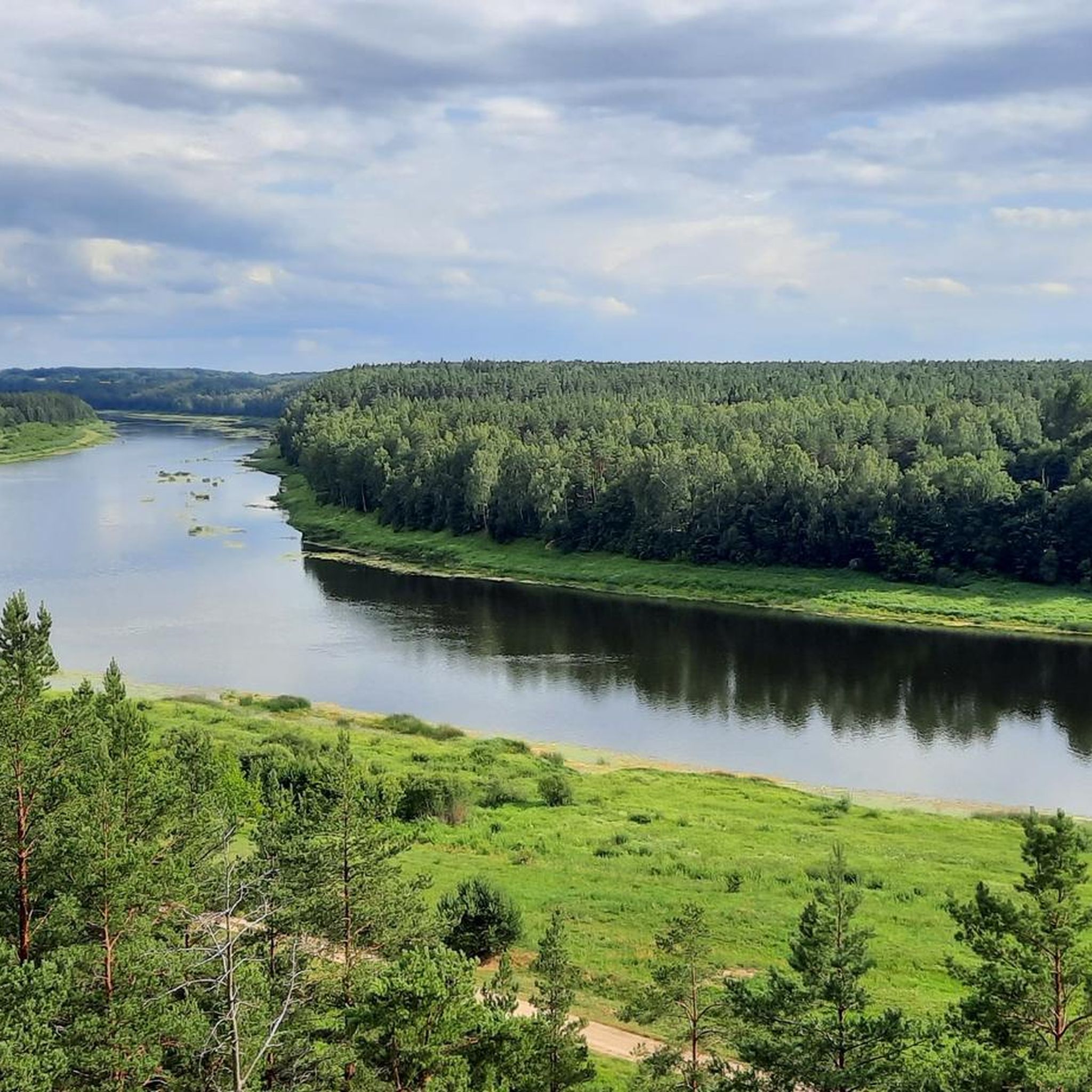
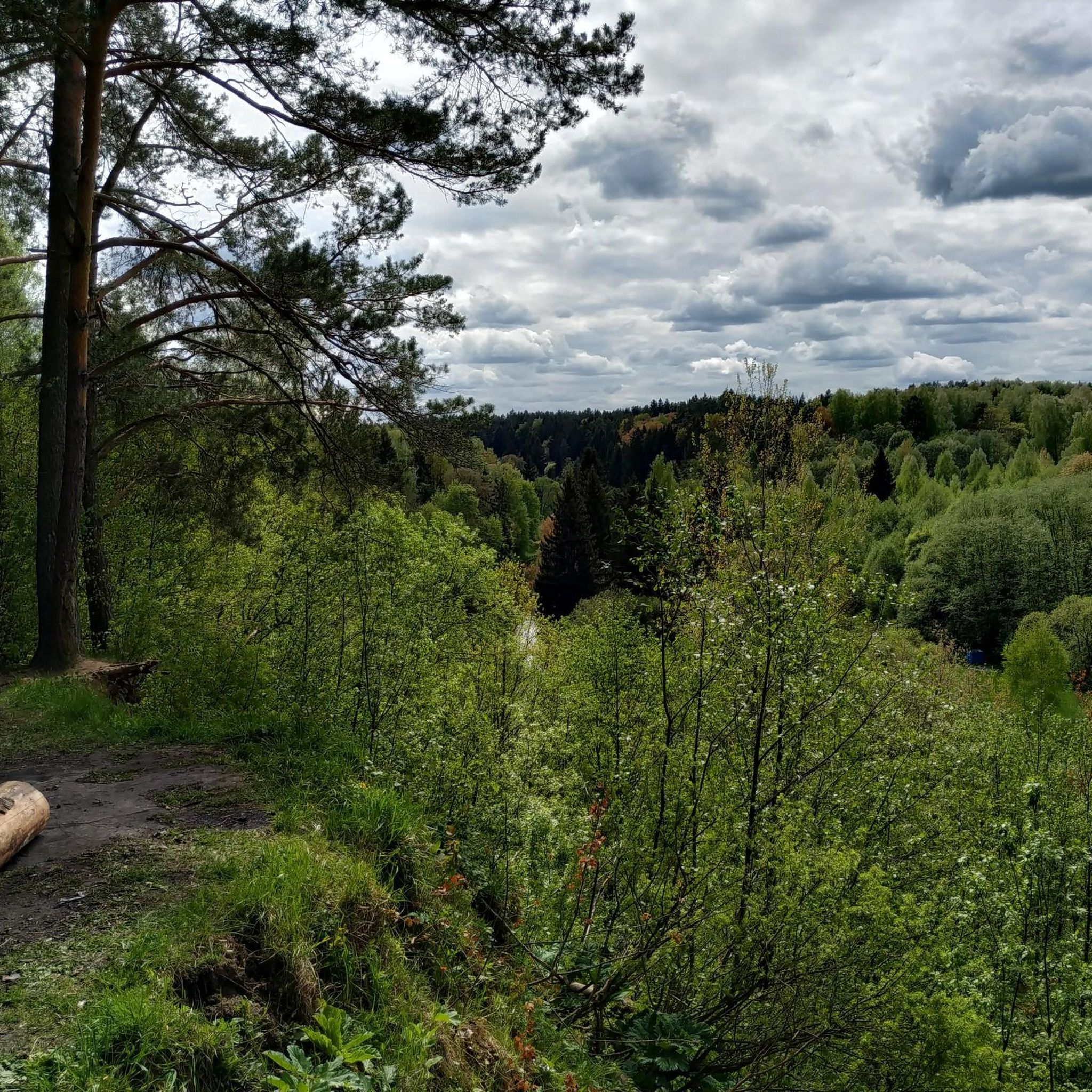
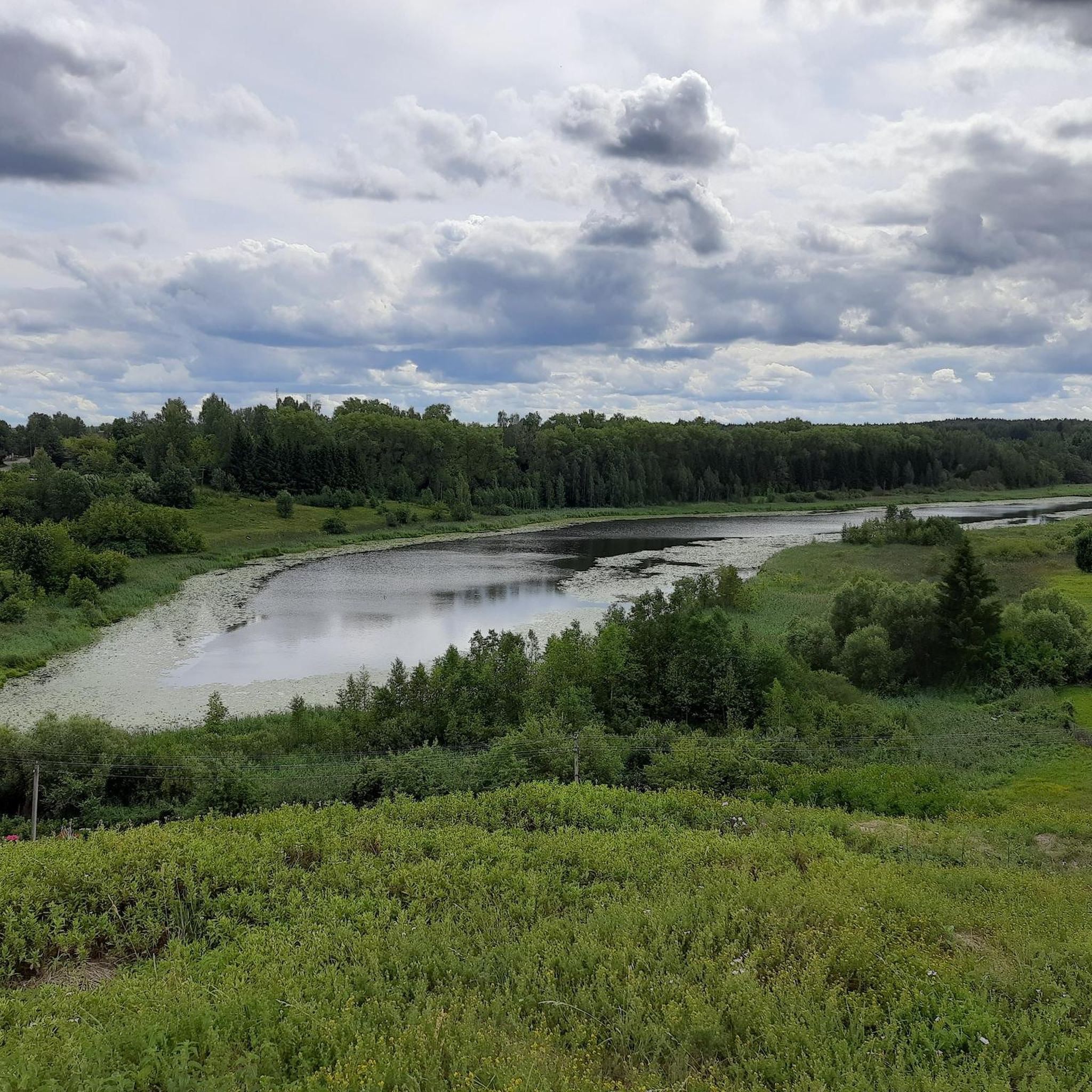
Touring cycling in Vitebsk Region is characterized by its diverse natural landscapes, shaped by glacial heritage. The region features over 2,800 lakes and more than 500 rivers, providing numerous routes that wind alongside serene waters. Extensive forests cover approximately a third of the area, offering shaded paths and fresh air. The varied relief includes picturesque hills and moraine ridges, presenting diverse terrain for cyclists.
Best touring cycling routes in Vitebsk Region
- The most popular touring cycling route is Bike loop…
Last updated: July 22, 2026
5.0
(2)
5
riders
54.0km
03:19
240m
240m
Moderate bike ride. Good fitness required. Mostly paved surfaces. Suitable for all skill levels.
4.3
(3)
6
riders
57.1km
03:26
320m
320m
Moderate bike ride. Good fitness required. Mostly paved surfaces. Suitable for all skill levels.

Sign up for free
4
riders
63.9km
04:20
300m
300m
Hard bike ride. Good fitness required. You may need to push your bike for some segments of this route.
67.3km
04:03
450m
440m
Moderate bike ride. Good fitness required. Mostly paved surfaces. Suitable for all skill levels.
2
riders
36.6km
02:24
210m
210m
Hard bike ride. Good fitness required. You may need to push your bike for some segments of this route.
2
riders
66.0km
05:30
600m
600m
Hard bike ride. Very good fitness required. You may need to push your bike for some segments of this route.
Our route recommendations are based on thousands of hikes, rides, and runs completed by other people on komoot.
Start today with a free account
Your next adventure awaits.
Login or Signup
Tips from the Community

And anyone traveling in Lithuania can collect stamps at all other visitor centers in the regional and national parks. The stamp pass is available at every visitor center.
0
0
Beautifully designed exhibition: Behind each panel lies a new theme. Texts are also available in English! The friendly staff are happy to provide advice.
0
0

The brick building of the synagogue was built at the beginning of the 20th century. At that time, it was one of more than fifty synagogues in the city: according to the 1897 census, Jews made up 52.4% of the population of Vitebsk. There is evidence that it was visited by the father of Marc Chagall, who lived on the neighboring street.
1
0

The Nalšia Museum is a treasure trove of more than 62,000 archaeological, natural, historical and ethnographic objects that tell unexpected stories and reveal deep secrets of the past.
4
0
Švento Manor – a former manor in the village of Švento (Švenčionys District Municipality), Dvaro St. 21. The surviving manor house, barn (after its restoration, the Sirvėta Regional Administration Directorate operates here), chapel, barnyard, three barns, and a linden arbor.
3
0
The ghetto operated in 1941–43. On 22 June 1941, with the outbreak of the Soviet–German war, the German army occupied Švenčionis, which was one of the main centers of the Lithuanian Jewish community. Initially, the city was mainly occupied by Jews who participated in communist activities. According to local residents, in the first weeks of the war, Jews from the Švenčionis region were persecuted and killed, and in their residential centers – Švenčionis, Švenčionėliai, Kaltanėnai, Pabradė, Linkmenys – actions were carried out not only against those who participated in communist activities, but also against wealthier, educated people of Jewish origin. Establishment of the Švenčionis ghetto The Švenčionis ghetto was established in 1941 by order of the German military commandant of the Švenčionis-Švenčionėliai district. In the towns and larger settlements of the county (Švenčionėliai, Pabradė, Kaltanėnai), Jews gathered in one place, in the county center of Švenčionys - in the northwestern part of the city with the highest Jewish population (there were three synagogues, several Jewish factories). In a letter dated 16 August 1941, the governors of Vilnius, Švenčionys-Švenčionėliai, Trakai and Alytus counties were instructed that Jewish citizens of the German-occupied territories must wear a special badge and comply with the regulations of the Jewish district (ghetto); the regulations also apply to the so-called half-Jews, i.e. persons with one parent who is Jewish; in a mixed family, a person of Jewish origin is transferred to the Jewish district, while the Jewish regulations do not apply to the Aryan half. This was also stated in the decree of the Provisional Government of Lithuania (in force from 23 June 1941 to 5 August 1941) On the Status of Jews, in which all Jews living in Lithuania were divided into 2 categories: members of communist organizations and other persons who participated in Bolshevik activities, and all persons of Jewish nationality who did not belong to the first category, to be accommodated in specially designated places.
3
0

in 1775 the so-called Jukiškė palivarkas with all the property goes to Stanislaus Chaleckiis. Among the lands of the Jukiškės manor, the manor and mercenary buildings are mentioned, with vegetable and hop gardens, with plowed and unplowed lands, with sown crops. Thus, the Jukiškiau estate, later named Stanislavavas, passed to the Chalecki family at the end of the 18th century and belonged to them until the beginning of the 20th century. This land was not a backwater, as the roads leading to Livonia and the depths of Russia crossed nearby. The manor estate comprised an area of 376.55 tithes (about 411 ha). There was a large orchard around the homestead itself. Chalecki bought Cirkliškis manor and moved there to live. It is not known exactly when this happened. In 1908, the manor was sold to Eduard Gajevski, where he settled with his second wife Marija Civinska (From Šventos dvarvietas). At present, the main road with an avenue of trees that went towards the manor palace, a former dairy, a barn, and a pond have survived. Other buildings, among which the chapel is mentioned, have fallen into disrepair...
0
0
The visitor center of the Sirvėta Regional Park is located in the village of Šventa, where visitors can learn more about the protected area, find information about natural and cultural heritage values, and view the indoor exposition, the theme of which is "Mythology". At the end of 2014, an educational mythological trail was installed, the beginning of which is located near the visitor center of the Sirvėta Regional Park. So this trail is like an outdoor continuation of the indoor exposition. A person traveling along this section sees 17 sculptures that embody the old Lithuanian deities and mythological creatures. On this trail, people can not only learn about aspects of mythology, cultural heritage, but also learn about other interesting natural facts. The walk usually takes one to two hours. Of course, it can take longer - it depends on everyone's wishes. It is possible to walk the trail with a guide. Educational programs are often held in this environment of the educational trail, because the Nature School of the Sirvėta Regional Park is located right here. There are a number of places and objects in the protected area, the origin of which is revealed by mythological and historical legends. Both nature and man have created a legacy in this part of the Śvenčioni Highlands, and everyone can discover something interesting. The mythological trail was installed by VSTT together with the Directorate of Sirvėta Regional Park. Architect Aurimas Vengris, following Libert Klimka's interpretation "Systematics of Ancient Baltic Mythology", prepared the project of the trail. The path is full of sculptures of mythological characters, they are placed in a certain order: each one has its own place, just like the path itself, which starts near the visitor center, leads to the Šventa forest, where it returns to the beginning after making a circle around the hills and hornbills of the Švenčioni highlands. The trail is equipped with information stands, benches, and directional arrows.
0
0
Frequently Asked Questions
How many touring cycling routes are available in Vitebsk Region?
There are 6 touring cycling routes available in Vitebsk Region on komoot. These routes cater to various preferences, with 3 moderate and 3 difficult options, ensuring a diverse experience for cyclists.
What kind of terrain can I expect on touring cycling routes in Vitebsk Region?
The Vitebsk Region's terrain was shaped by glacial retreat, offering a varied landscape. You can expect picturesque hills, moraine ridges, and numerous swamps, especially in the Braslav Lake District. Routes often wind alongside serene waters and through extensive forests. Some paths are paved and suitable for all skill levels, while others include unpaved segments requiring good to very good fitness.
Are there any family-friendly touring cycling routes in Vitebsk Region?
While specific 'easy' routes are not listed, the region offers diverse options. For a moderate ride that could be suitable for families with some cycling experience, consider the Bike loop from Braslaw, which offers views of the region's numerous lakes and forests over 33.6 miles (54.0 km).
Can I bring my dog on touring cycling routes in Vitebsk Region?
The Vitebsk Region is rich in natural areas, including extensive forests and lakeside paths. While many outdoor areas are generally dog-friendly, it's always advisable to check specific regulations for national parks or reserves like Braslav Lakes National Park or Berezinsky Biosphere Reserve, as rules for pets can vary.
What natural features can I expect to see while cycling in Vitebsk Region?
Vitebsk Region is known as the 'Belarusian Land of Lakes,' boasting over 2,800 lakes and more than 500 rivers. You'll cycle alongside serene waters, through extensive forests covering a third of the area, and past picturesque hills and moraine ridges. Protected areas like Braslav Lakes National Park and Berezinsky Biosphere Reserve offer pristine natural beauty.
Are there any historical or cultural landmarks along the cycling routes?
Yes, the region offers a rich historical and cultural heritage. You might encounter sites like the Ruins of the Trinity Church (Cheryeya) or the Kopys Castle Mound. The Dvina Brewery Beer Shop – Great Lubavitch Synagogue loop from Журжава specifically incorporates cultural and historical points of interest.
Are there any routes that feature waterfalls?
Yes, the Vitebsk Region is home to the Vyata River Waterfall (Miory Waterfall). While not directly on a listed route, it's a notable natural attraction in the region that could be visited as part of a cycling tour.
What is the best time of year for touring cycling in Vitebsk Region?
The region's extensive forests and numerous lakes make it particularly appealing during spring, summer, and early autumn. These seasons offer pleasant temperatures, lush greenery, and the best conditions for enjoying the natural landscapes and lakeside paths. Autumn also provides opportunities for bird-watching, especially for grey cranes and geese in areas like Yelnya National Landscape Reserve.
Are there circular touring cycling routes available?
Yes, several routes in the Vitebsk Region are designed as loops. Examples include the popular Bike loop from Braslaw, the Dvina Brewery Beer Shop – Great Lubavitch Synagogue loop from Журжава, and the Mayak Hill – Peratsyah Camping loop from Рубеж, allowing you to start and end at the same point.
What do other cyclists say about touring cycling in Vitebsk Region?
The touring cycling routes in Vitebsk Region are highly rated by the komoot community, with an average score of 4.5 stars from 3 reviews. Cyclists often praise the diverse natural landscapes, the abundance of lakes and forests, and the varied terrain that offers options for different ability levels.
Are there options for different skill levels, from easy to difficult?
Yes, the Vitebsk Region offers a range of touring cycling routes. While there are no routes explicitly categorized as 'easy' in the current selection, you can find 3 moderate routes and 3 difficult routes. This variety ensures that both experienced cyclists and those looking for a challenge can find suitable options.
Do I need any permits to cycle in protected areas like Braslav Lakes National Park or Berezinsky Biosphere Reserve?
Yes, when cycling within protected natural areas such as Braslav Lakes National Park or Berezinsky Biosphere Reserve, it is often necessary to obtain permits or pay an entrance fee. It's recommended to check the official websites of these reserves or local authorities for the most current information on regulations and permit requirements before your visit.
Where can I find parking near the cycling routes?
For routes that start in or near towns, parking facilities are generally available. For example, routes like the Kaltanėnai Church loop from Švenčionys or the Nalšia Museum – Kačėniškės Hillfort loop from Švenčionys would likely have parking options in Švenčionys. For routes starting in more remote areas, look for designated parking at trailheads or nearby attractions.
Are there places to eat or stay near the cycling routes?
The Vitebsk Region, especially around popular areas like Braslav Lakes National Park and Berezinsky Biosphere Reserve, offers various accommodation options, including campsites and guesthouses. Towns and villages along the routes may also have cafes or small shops. For example, the Campsite at Lake Chornaye is a specific facility available.
Most popular attractions in Vitebsk Region

Get inspired with the komoot mobile app


Didn’t find what you were looking for?
Check out more Cycling routes throughout Vitebsk Region below and find the perfect route in your destination.
Explore more
Browse the best Cycling routes in other regions.
