The best cycling routes around Maaseik
4.4
(4657)
45,458
riders
1,494
rides
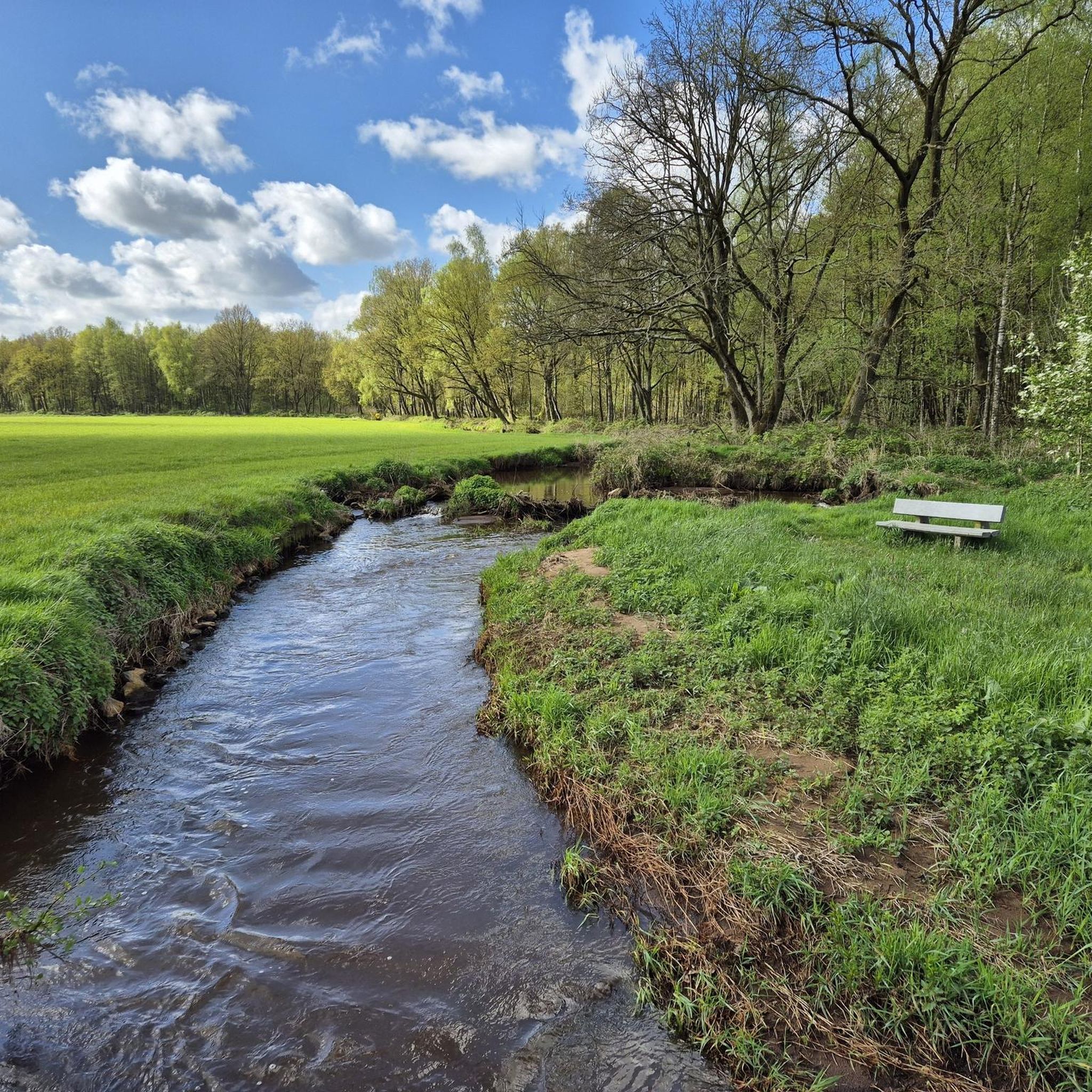
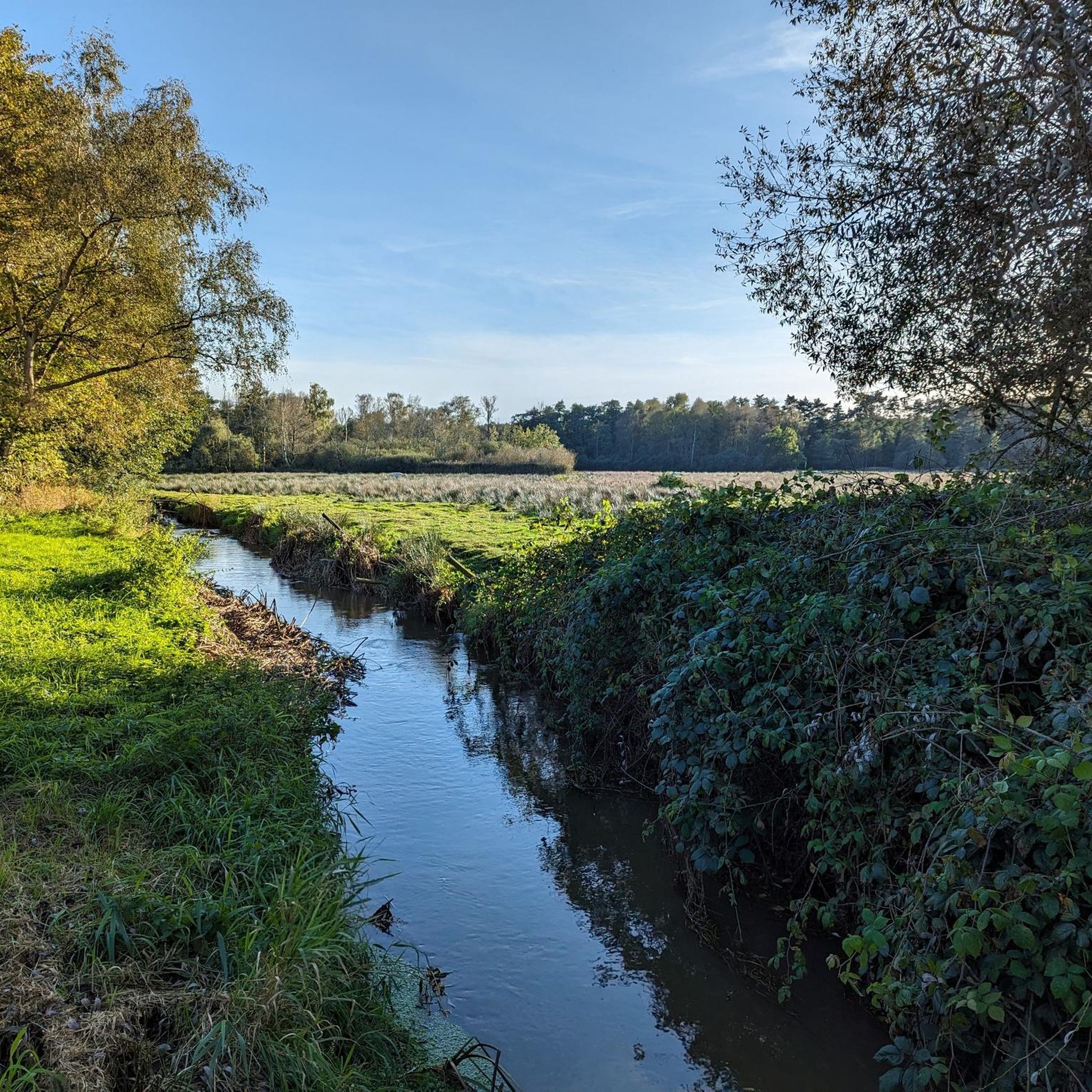
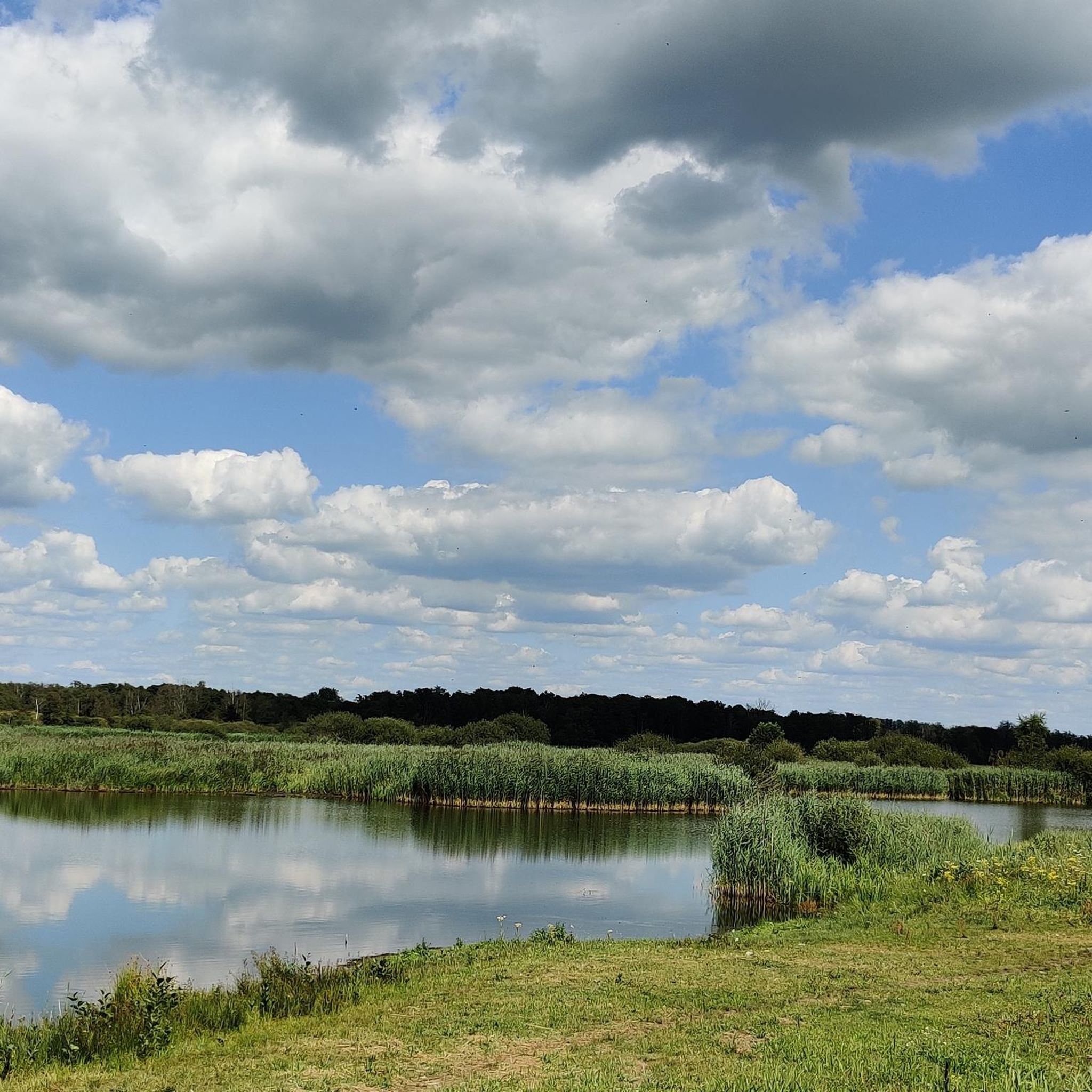
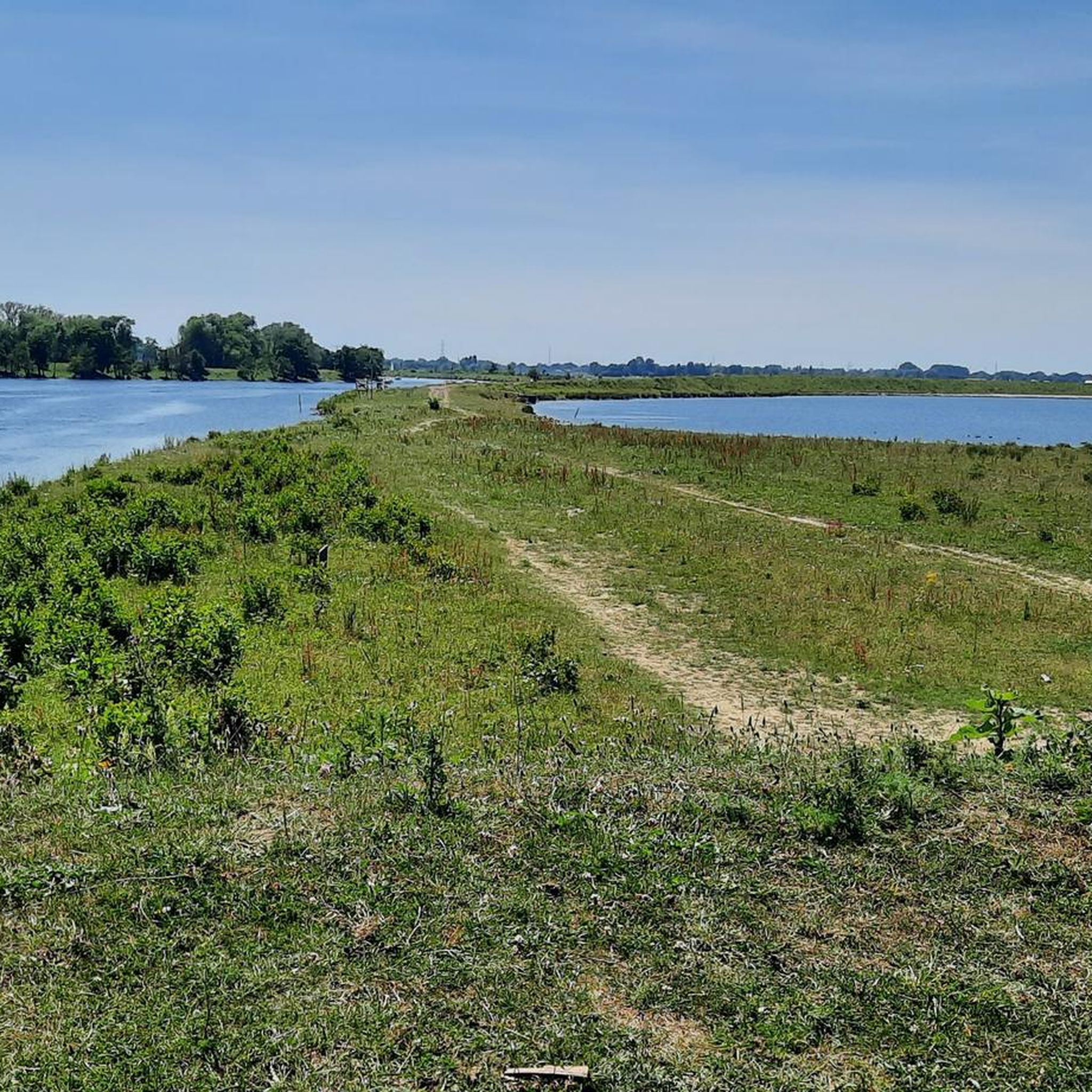
Touring cycling around Maaseik offers diverse landscapes in the Belgian province of Limburg. The region features rural green areas, woodlands, and idyllic brooklets. A significant natural feature is the Meuse river, with many routes laid out along its banks, winding through historical villages. The area also includes landscapes shaped by its mining heritage and provides access to nature parks like Rivierpark Maasvallei and Hoge Kempen National Park.
Best touring cycling routes around Maaseik
- The most popular touring cycling route is Cycling through the trees in Bosland, a 22.6 miles (36.3 km) trail that takes 2 hours 14 minutes to complete. This moderate route explores the forested landscapes of Bosland.
- Another top favourite among local touring cyclists is Cycling between Meuse and mine - Limburg, a moderate 30.1 miles (48.4 km) path. This route showcases the Meuse river and the region's mining heritage.
- Local touring cyclists also love the Meuse Valley Cycle Loop from Maaseik, a 31.9 miles (51.4 km) trail leading through the Meuse river valley, often completed in about 3 hours.
- Touring cycling around Maaseik is defined by the Meuse river, extensive woodlands, and landscapes shaped by mining heritage. The network offers options for easy, moderate, and difficult routes.
- The routes in Maaseik are highly rated by the komoot community with an average score of 4.4 stars from over 4300 reviews. More than 44000 touring cyclists have used komoot to explore Maaseik's varied terrain.
Last updated: May 29, 2026
4.7
(255)
1,565
riders
38.8km
02:19
80m
80m
Moderate bike ride. Good fitness required. Mostly paved surfaces. Suitable for all skill levels.
4.7
(56)
350
riders
48.4km
02:47
150m
150m
Moderate bike ride. Good fitness required. Mostly paved surfaces. Suitable for all skill levels.

Sign up for free
4.6
(408)
2,208
riders
Moderate bike ride. Good fitness required. Mostly paved surfaces. Suitable for all skill levels.
4.4
(32)
134
riders
51.4km
03:00
80m
80m
Cycle 31.9 miles (51.4 km) from Maaseik to Eisden, exploring Limburg's mining heritage and unique landscapes on mostly paved paths.
4.8
(21)
115
riders
41.2km
02:23
80m
80m
Moderate bike ride. Good fitness required. Mostly paved surfaces. Suitable for all skill levels.
4.5
(138)
822
riders
Moderate bike ride. Good fitness required. Mostly paved surfaces. Suitable for all skill levels.
4.6
(117)
746
riders
41.6km
02:23
70m
70m
Moderate bike ride. Good fitness required. Mostly paved surfaces. Suitable for all skill levels.
4.6
(116)
676
riders
Easy bike ride. Great for any fitness level. Mostly paved surfaces. Suitable for all skill levels.
4.7
(113)
660
riders
Easy bike ride. Great for any fitness level. Mostly paved surfaces. Suitable for all skill levels.
4.6
(109)
585
riders
Moderate bike ride. Good fitness required. Mostly paved surfaces. Suitable for all skill levels.
Get access to more routes and recommendations from other explorers.
Sign up for free
Already have an account?
Our route recommendations are based on thousands of hikes, rides, and runs completed by other people on komoot.
Start today with a free account
Your next adventure awaits.
Login or Signup
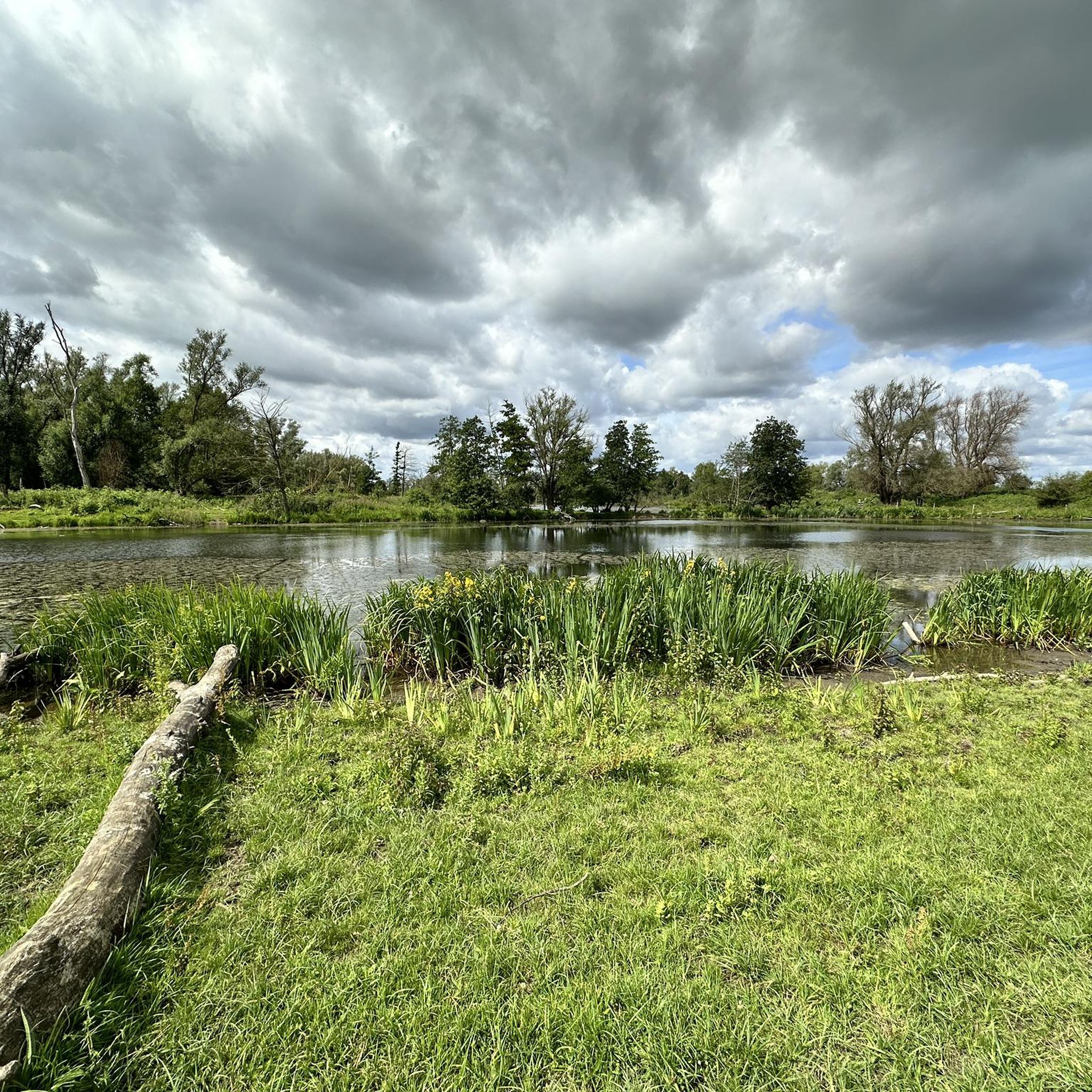
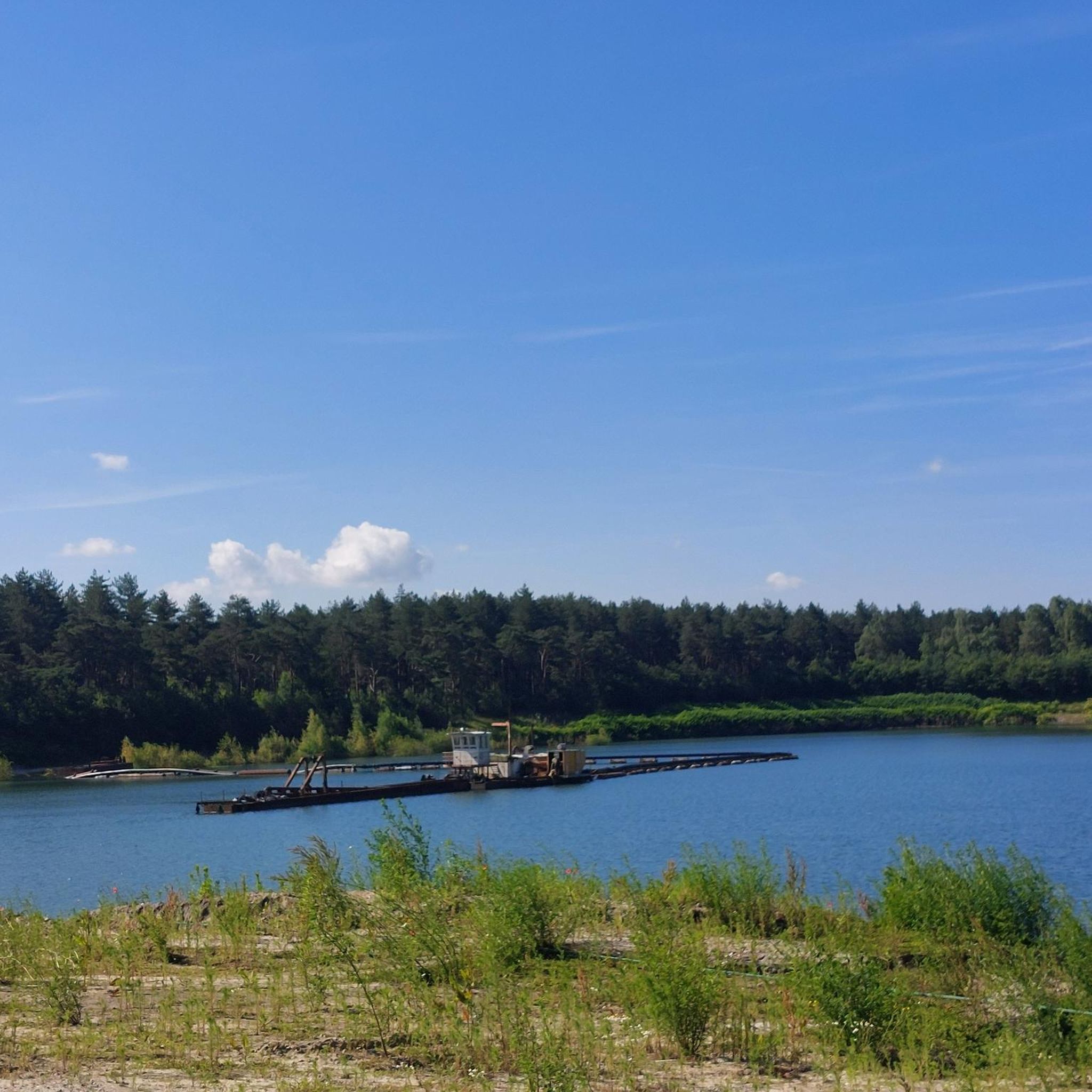
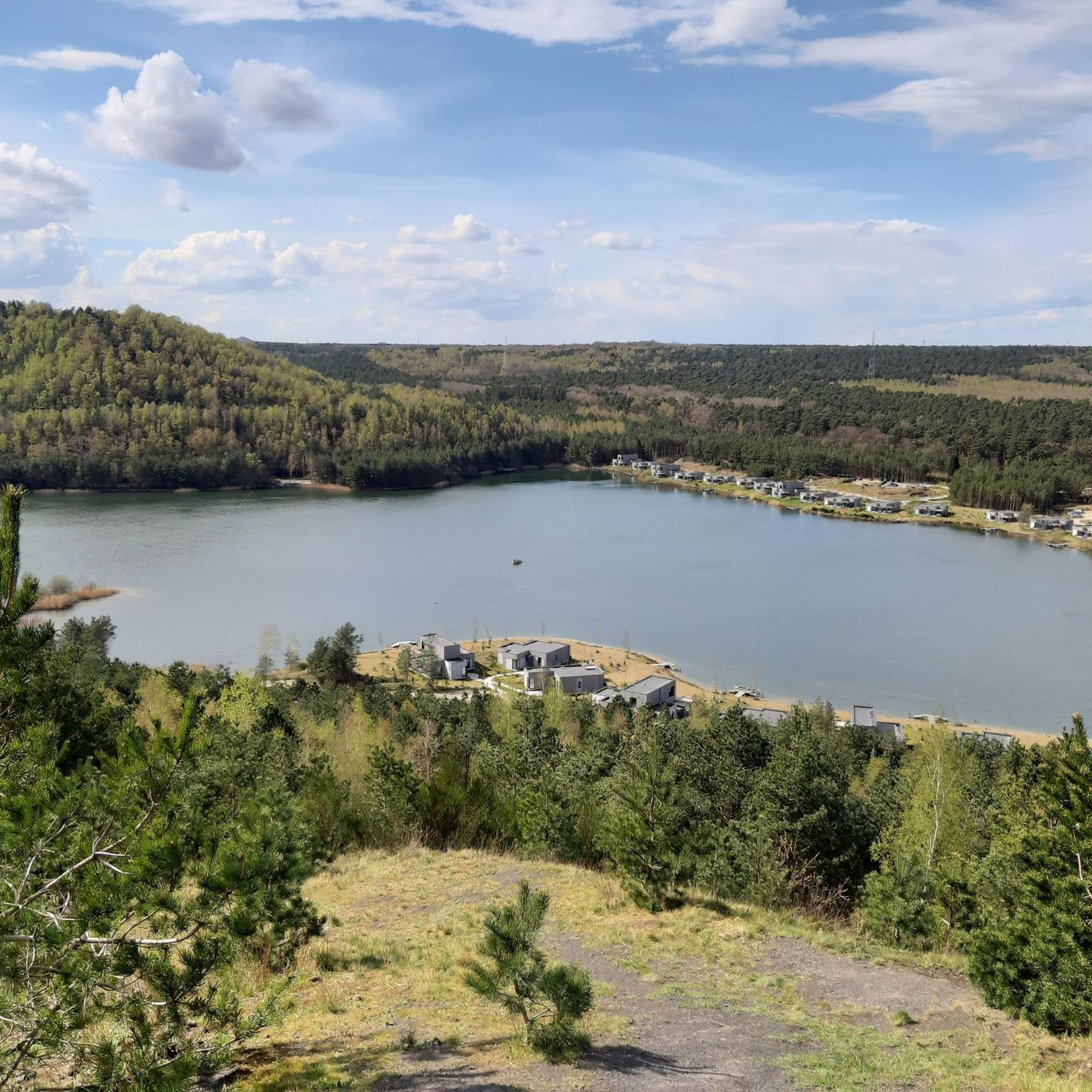
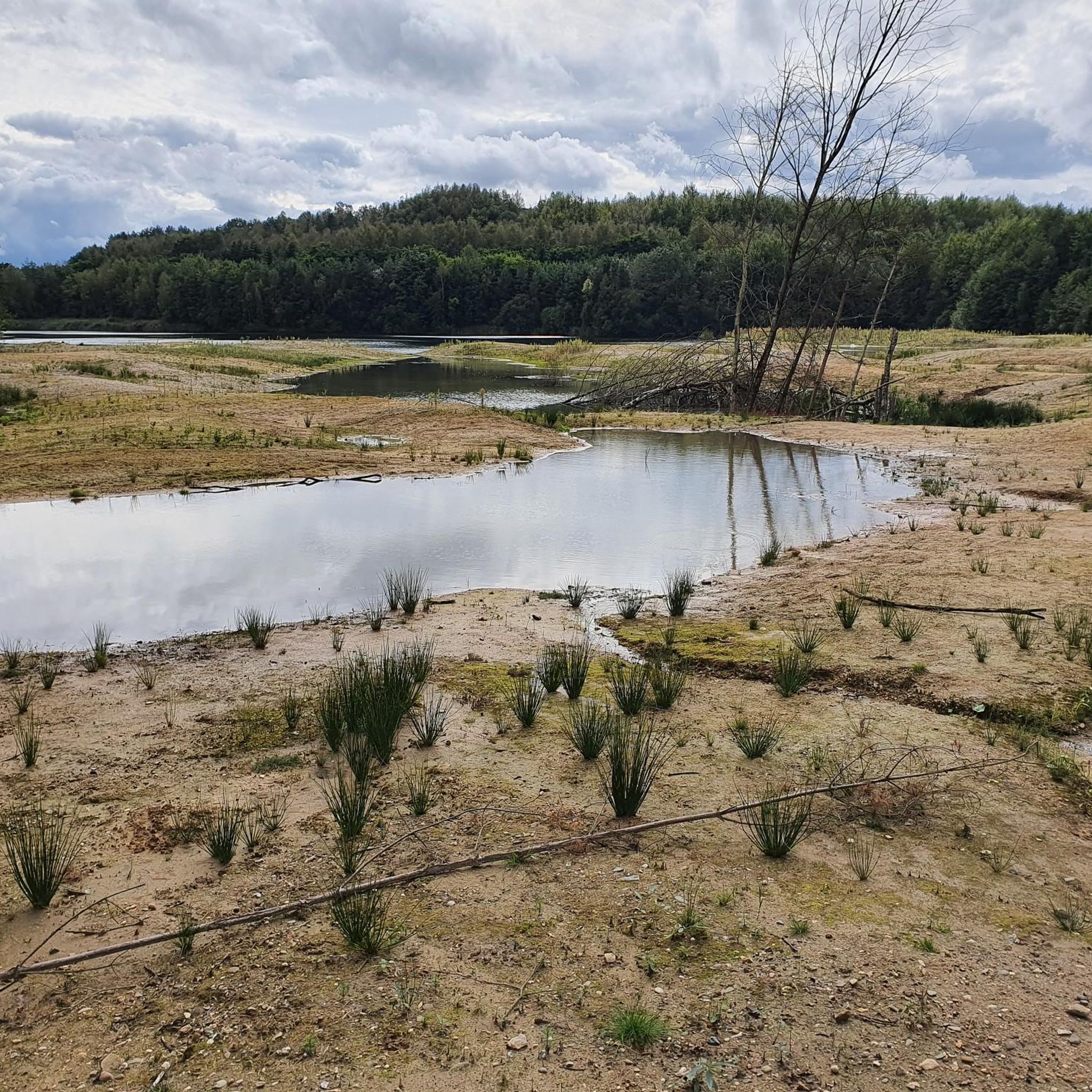
Other adventures around Maaseik


Tips from the Community

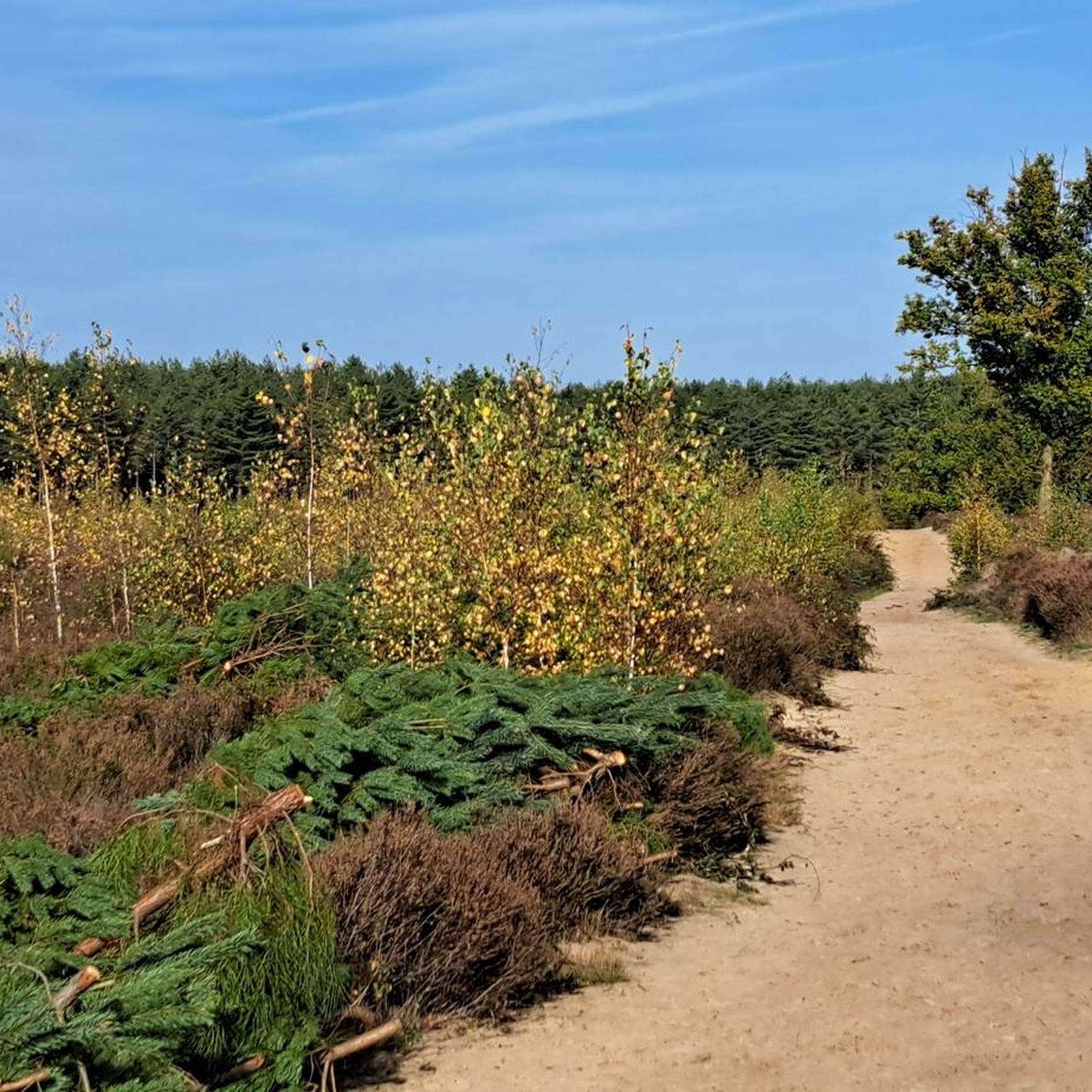
Cycling through the heath takes you right through the Hoge Kempen National Park. In this park, vast pine forests alternate with endless heathlands. Thanks to the new connection between cycle nodes 550 and 551, nature is presented to you on a silver platter. You cycle across the Mechelse Heide, one of the largest heath areas in Flanders with 700 hectares. The highlight of this route is undoubtedly the almost 300-meter-long wooden bridge, a recognizable element in the landscape. From the bridge, you have a panoramic view of the natural surroundings.
0
0
Station As is a former railway station on lines 21A (Hasselt-As) and 21B (As-Eisden). The station building now houses a restaurant and the Kolenspoorvereniging (Coal Railway Association) uses it for the operation of the tourist railway line Waterschei-As-Eisden. Station As is also one of the gateways to Hoge Kempen National Park and has an observation tower.
0
0

Nice cycling on a weekday, watch out for Drossaard Clercx and his scapegoat…
0
0

Terhills Hotel, located in Maasmechelen, with its 4 stars and 59 luxury rooms, is the sum of class and comfort.
0
0

The city of Bree had the Gewanthuis as its town hall, which was located on the Vrijthof. Here the municipal council and the aldermen's bench convened, the city guard was stationed there, and markets were held under this building. On the same spot as the Gewanthuis, this building was erected from 1587-1591, with a slate roof, a small tower, and partly brick walls. It housed the magistracy, the court, the aldermen, the rifle guilds, the fire brigade, the city guard, and a modest arsenal with rifles, fuses, and bullets. In 1647 the facade was renewed, but in 1755 a new main facade was completed in the Louis XIV style, with a rococo-style pediment. On this is a relief depicting the battle of Saint Michael with the dragon, as well as three coats of arms: that of Bree, that of the Austrian emperor, and that of Johan Theodoor of Bavaria, the then prince-bishop of Liège. The old town hall served as such until 1969, after which, among other things, the tourist service found accommodation there, and since 1975, the Bree Local History Museum. The town hall moved to a modern building on Grauwe Torenwal, to occupy the former Sint-Michielscollege in 2004.
2
0

A great experience to observe the free-roaming horses up close on the banks of the Meuse.
0
0

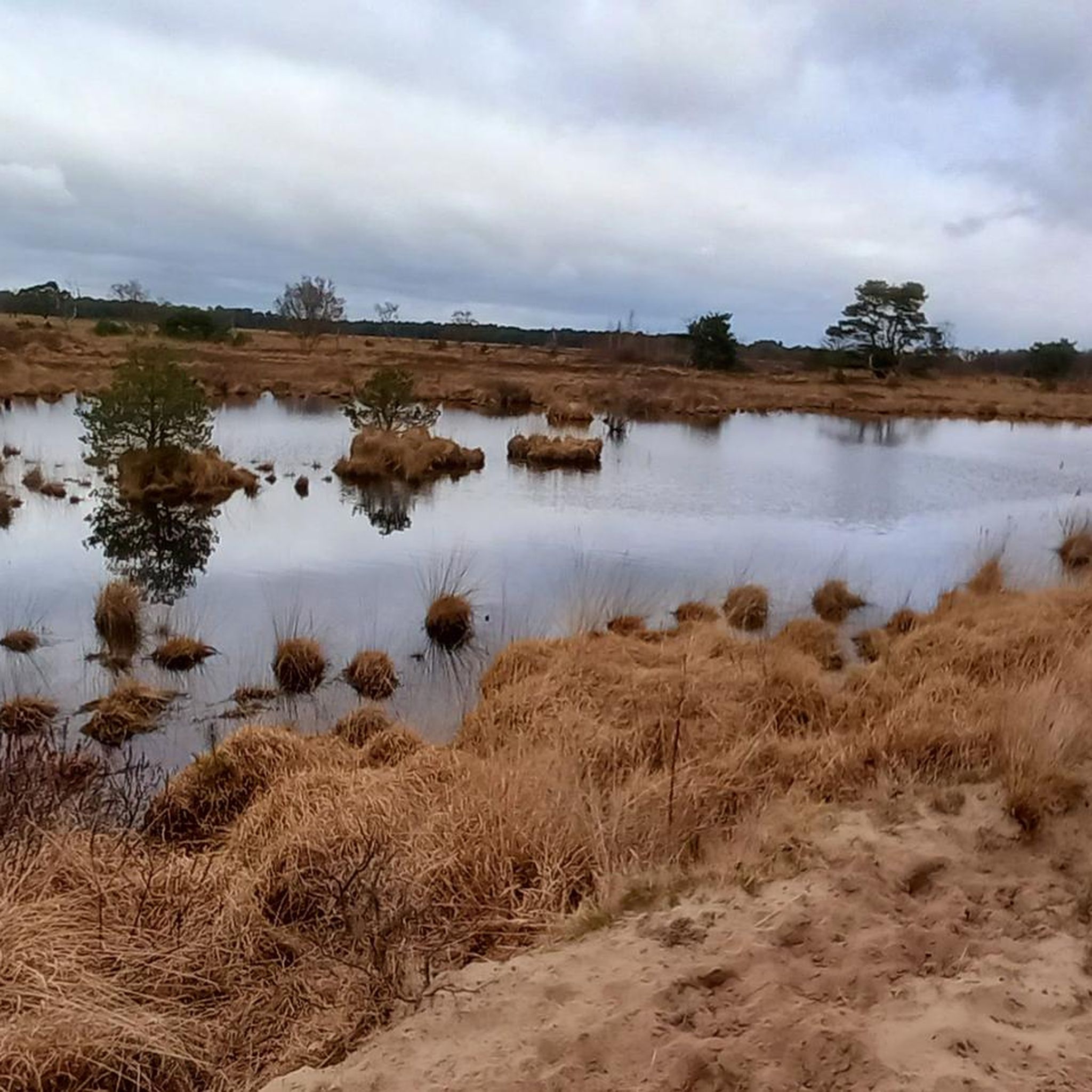
The Kikbeek Source Valley is a unique nature reserve of approximately 120 hectares in the municipality of Maasmechelen. It is part of the Hoge Kempen National Park and situated in and around the former sand and gravel quarry from which the meandering Kikbeek stream originates. This landscape is characterized by alternating open heathlands, forests and marshlands, small ponds, and the source itself, which together form a rich ecological fabric where walking routes lead visitors past water, heathland, reed beds, and forests in an atmosphere of tranquility and natural diversity. The valley is situated on both sides of paths normally included in the network of walks, such as the green and blue loops of the Mechelse Heide, which start from the parking lot at Camping Kikmolen, for example, and loop through the area with views of ponds, heathland, and woodlands. This valley is ecologically valuable, and the combination of a former quarry, seepage zones, and wetlands creates habitats for numerous insects, birds, and plants typical of wet and semi-open nature. The area provides a window into the ancient geology and landscape history of this region, where nature has gradually recovered since the time of human use. However, the situation around the valley and its hiking trails has been in flux for years and is not always accessible as it once was. Due to a landslide in the Kikbeekbron valley, the area is officially closed to recreation, and the blue and green hiking trails that run through it have remained inaccessible to visitors for some time. Research by the Agency for Nature and Forests, in collaboration with geotechnical experts, has revealed that there are risks of further landslides and slope instability, making the valley unsafe to access for the time being, and recreational use has been temporarily suspended. Clear signs on site inform visitors that access is prohibited and that alternative routes outside the valley must be followed. This situation serves as a precautionary measure as long as the stability of the former quarry and surrounding areas is maintained. At the same time, larger nature restoration and water management projects are planned or underway in this area. The Agency for Nature and Forests is carrying out the Blue Deal project at the Kikbeek spring, one of the largest of its kind in Flanders. The goal is to restore the ecosystem of the original valley, strengthen wetlands, and retain more water in the area. This extensive intervention is linked to sustainable water management, biodiversity, and the long-term health of the area. Parts of the valley are temporarily closed to enable methodical implementation. Due to these circumstances, the hiking trails through the former quarry and along the Kikbeek spring are currently not open as you know them from previous hiking maps, and the green and blue loops, which were equally enjoyable for a walk around the pond and through the heathland, are not accessible to recreational users. Yet, for many nature lovers, including myself, the allure of this area is hard to resist. Despite the official closures and clearly indicated restrictions, I have walked past the signs and barriers precisely because the paths are still partially visible and because the sensory experience of the landscape remains very inviting. The story of my walk through the valley, even though it was technically prohibited by the managers, reveals the appeal of this landscape. The tranquil water features, the transition from open heathland to woodland, and the atmosphere of a hidden stream valley invite exploration even when restricted zones indicate it's not officially permitted. This personal touch contrasts the formal, protective management of vulnerable natural areas with the human tendency to seek out the peace and beauty of such places, even if that means straying slightly off the beaten track.
0
0

A huge marker with rounded curves on which is engraved Geodetic Station.
3
0
Frequently Asked Questions
How many touring cycling routes are available around Maaseik, and what are their difficulty levels?
Maaseik offers a wide array of touring cycling routes, with over 1300 options available. These routes cater to various fitness levels, including more than 750 easy routes, nearly 470 moderate routes, and over 130 more challenging trails.
What kind of landscapes can I expect to see while touring cycling around Maaseik?
The region around Maaseik is characterized by diverse landscapes. You'll cycle through rural green areas, extensive woodlands, and along idyllic brooklets. A significant feature is the Meuse river, with many routes winding along its banks through historical villages. The area also showcases unique landscapes shaped by its mining heritage and provides access to nature parks like Rivierpark Maasvallei and Hoge Kempen National Park.
Are there any unique cycling experiences or attractions in the Maaseik region?
Yes, Maaseik is known for its innovative cycling attractions. You can experience 'Cycling through Water' in Bokrijk, a path that crosses a pond below water level, offering a unique perspective. Another notable attraction is 'Cycling between the Slag Heaps' in Hoge Kempen National Park, featuring a floating pontoon bridge that provides 360° views of the water and green mine hills.
What are some notable landmarks or viewpoints I can discover along the touring cycling routes?
Along the routes, you can find several interesting landmarks and viewpoints. For birdwatching enthusiasts, there are spots like the Birdwatching spot on the Maas and the Birdwatching Hide Koningssteen-Kollegreend. You might also encounter the Lommelse Sahara Observation Tower, offering panoramic views, or the unique Fietsen Tussen de Mijnterrils Bridge. The town of Maaseik itself is considered an open-air museum with its Maasland Renaissance buildings, the Maasland Museum, and the St-Catharina Church.
Are there any family-friendly touring cycling routes suitable for children?
Yes, Maaseik offers many family-friendly routes. The region's generally flat terrain along the Meuse river and through woodlands makes it suitable for cyclists of all ages. Many of the over 750 easy routes are perfect for families. For example, the route De Boom In by Will Beckers – Cycling through the Trees loop from Overpelt Hoeveneinde is an easy 25.7 km path that can be enjoyed by families.
Can I bring my dog on the touring cycling routes around Maaseik?
While many outdoor areas in Belgium are dog-friendly, it's always best to check specific park regulations if you plan to enter nature reserves like Rivierpark Maasvallei or Hoge Kempen National Park. Generally, dogs on a leash are welcome on public cycling paths. Ensure your dog is comfortable with cycling and that you carry water for them.
What is the best time of year for touring cycling in Maaseik?
The spring and autumn months are generally ideal for touring cycling in Maaseik. During these seasons, the weather is typically mild, and the natural landscapes are particularly beautiful, with blooming flowers in spring and vibrant foliage in autumn. Summer can also be pleasant, but it's advisable to start early to avoid the midday heat.
Are there circular touring cycling routes available from Maaseik?
Yes, many touring cycling routes around Maaseik are designed as loops, allowing you to start and end in the same location. An excellent example is the Meuse Valley Cycle Loop from Maaseik, which is a moderate 51.4 km trail that brings you back to your starting point.
What do other touring cyclists enjoy the most about cycling in Maaseik?
The area is highly rated by the komoot community, with an average score of 4.4 stars from over 4300 reviews. Reviewers often praise the region's diverse landscapes, from the tranquil Meuse riverbanks to the unique mining heritage sites and lush woodlands. The well-maintained paths and the variety of routes catering to different skill levels are also frequently highlighted.
Are there options for cross-border cycling from Maaseik?
Yes, Maaseik's location near the border allows for exciting cross-border cycling experiences. Many routes enable you to explore the border region, even offering the possibility of cycling through three countries in a single route, connecting Belgium, the Netherlands, and Germany. This adds a unique international dimension to your touring cycling adventure.
Where can I find parking for cycling routes in Maaseik?
Maaseik and its surrounding villages offer various parking options, often near the starting points of popular cycling routes or in town centers. Look for designated public parking areas. For specific routes, it's advisable to check the route details on komoot, as many tours provide information on nearby parking facilities.
Are there any routes that highlight the region's mining heritage?
Absolutely. The region around Maaseik has a rich mining history, and several routes are designed to showcase this heritage. A prime example is Cycling between Meuse and mine - Limburg, a moderate 48.4 km path that takes you through landscapes shaped by the mining industry, offering a glimpse into the past.
Can I find cafes or pubs along the cycling routes for a break?
Yes, the Maaseik region is well-equipped with places to stop for refreshments. Many routes pass through charming historical villages and towns where you'll find cafes, pubs, and restaurants. Especially along the Meuse river and in popular cycling hubs, there are ample opportunities to take a break, enjoy local delicacies, and refuel.
Most popular routes around Maaseik
Most popular attractions around Maaseik

Get inspired with the komoot mobile app


Didn’t find what you were looking for?
Check out more Cycling routes throughout Maaseik below and find the perfect route in your destination.
