Top 14 Castles around Waremme
Best castles around Waremme offer a glimpse into the region's rich history and architectural heritage. Waremme, a municipality in the Belgian province of Liège, is situated in a landscape featuring historical sites and natural areas. The area provides opportunities to explore various historical structures, from medieval fortresses to 19th-century châteaux. These sites are often set within parks or elevated positions, offering distinct perspectives on local history.
Best castles around Waremme
- The most popular castles is Château de Fallais, a…
Last updated: July 28, 2026
Château de Fallais
Highlight • Castle
Translated by Google •
Tip by

Château de Fumal
Highlight • Castle
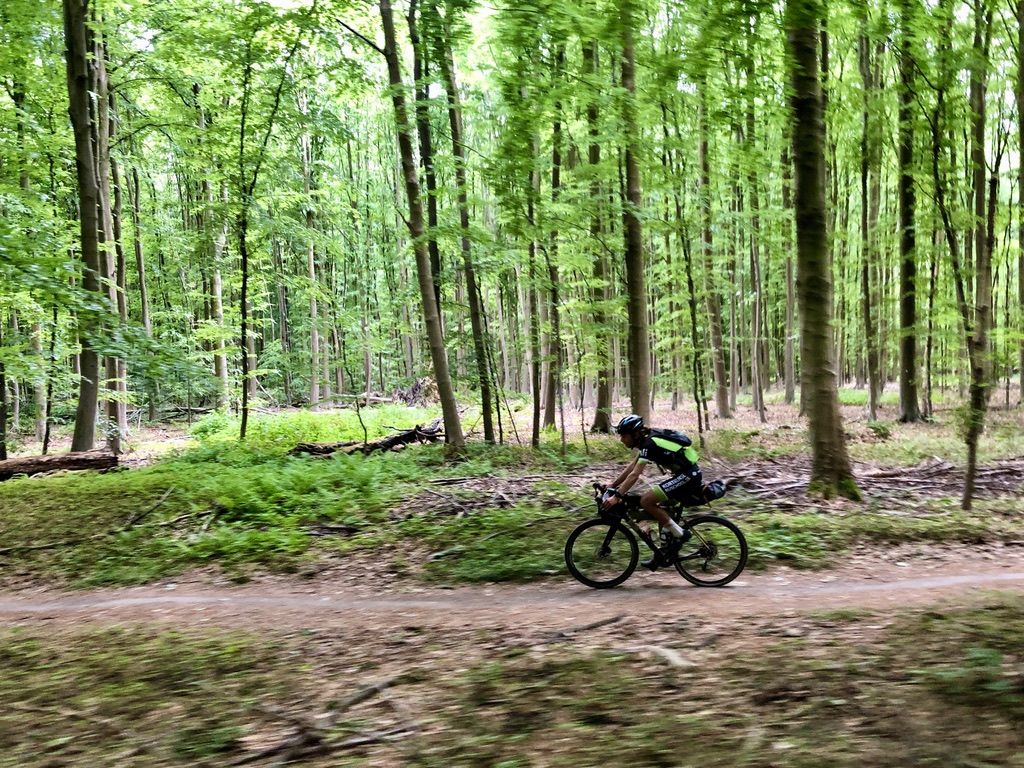
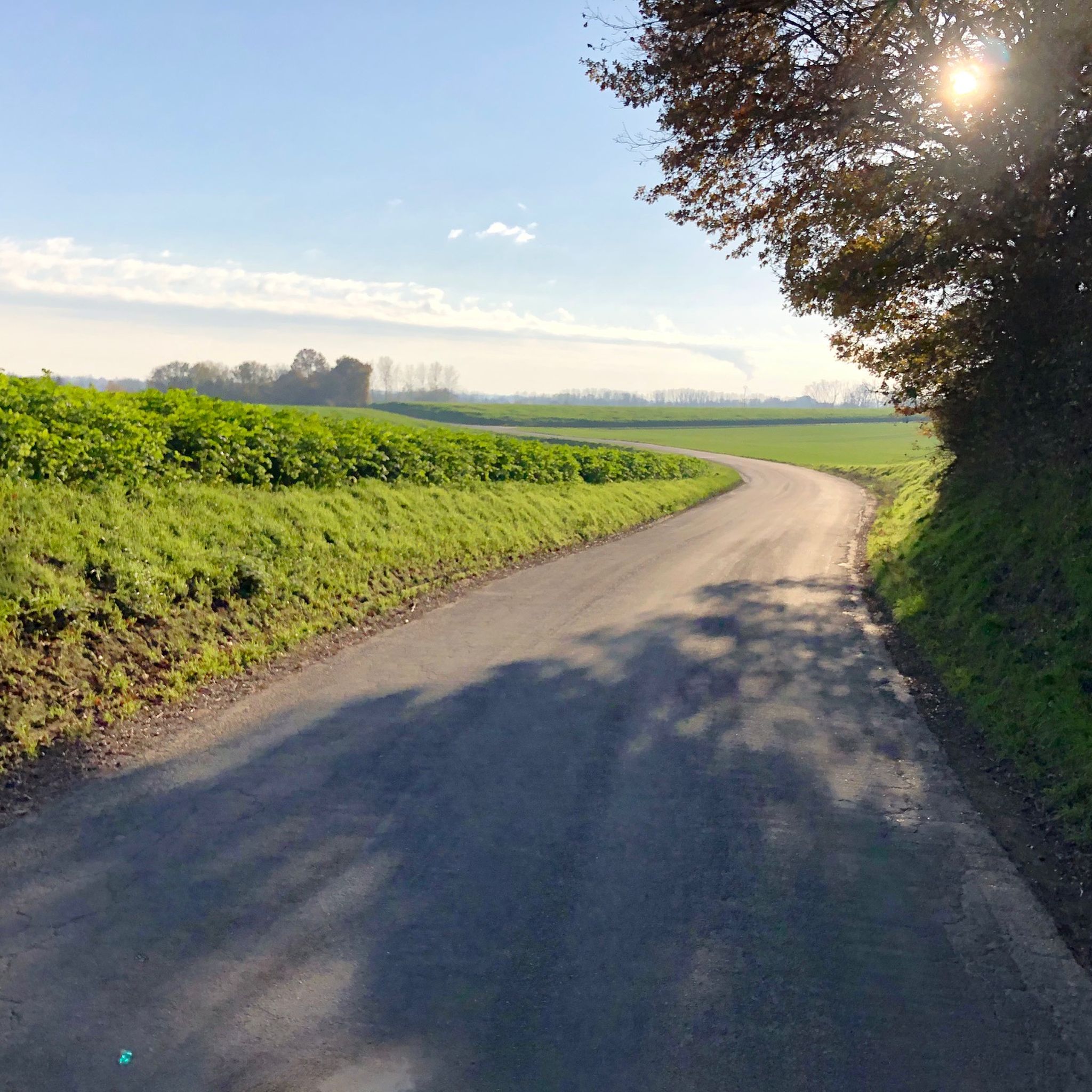
To get there, you have to go up a little (quite steep but short slope), on the cycle path which leads …
Translated by Google •
Tip by

Sign up now to discover places like this
Get recommendations on the best single tracks, peaks, & plenty of other exciting outdoor places.
Sign up for free
Château de Waleffe Saint-Pierre
Highlight • Castle
Translated by Google •
Tip by

Sélys-Longchamps Castle
Highlight • Castle
Translated by Google •
Tip by

Notre-Dame de Saives Chapel
Highlight • Religious Site
Translated by Google •
Tip by

Château de Rosoux
Highlight • Castle
Translated by Google •
Tip by
Ruins of Château de Hollogne-sur-Geer
Highlight • Castle
Translated by Google •
Tip by

Ferme Schalenbourg Filles and Fortified House of Haneffe
Highlight • Historical Site
Translated by Google •
Tip by

Château de Limont
Highlight • Castle
Translated by Google •
Tip by
Snyers Castle
Highlight • Castle
Translated by Google •
Tip by

Sign up for free to discover even more castles around Waremme.
Sign up for free
Already have an account?
Start today with a free account
Your next adventure awaits.
Login or Signup



Tips from the Community

The castle dates back to the 18th century and was extensively renovated in the 19th century. It was long inhabited by the Brabant de Limont family. In 1993, it became a hotel and a venue for parties and meetings.
3
0
The eighteenth-century church is a typical example of Hesbaye architecture. It contains a stained-glass window depicting the family coat of arms (1938) by Louis Struys.
3
0

Beautiful castle with moat in the limestone of the region from the 13th century. It was long the property of Charles the Bold.
0
0
In the 12th century there was already a castle here. An old keep with walls one meter thick is still a witness, but what it looked like is unknown. Later, various renovations and adjustments to its time took place
0
0

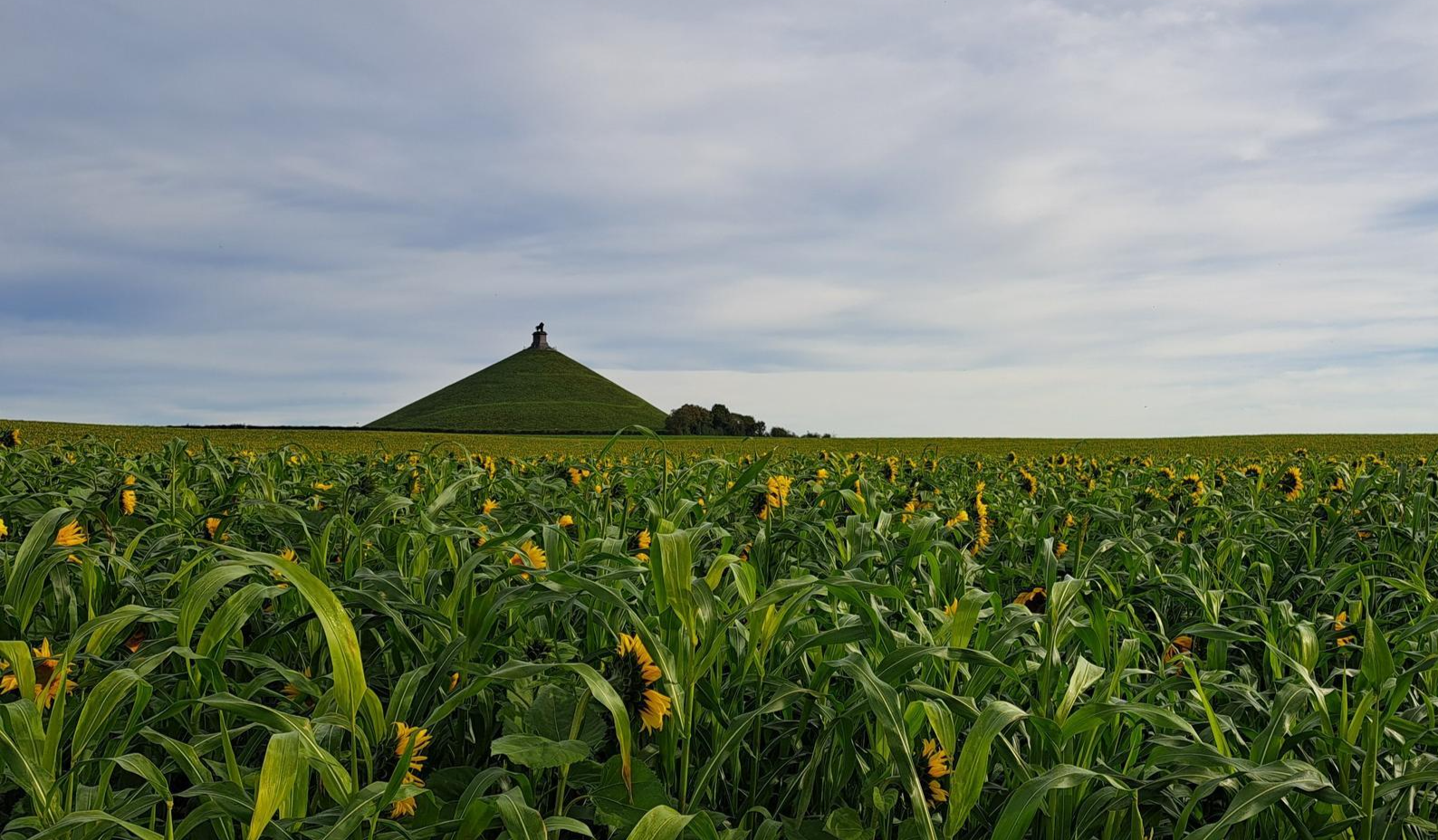
The domain is closed and the castle is partially covered in scaffolding. It is currently only visible from a distance.
4
0

Today, the castle houses a 4-room gîte for 11 people. More info: https://www.letulipierdelempereur.be/
2
0
This estate was owned by the Fastré de la Neuville family, better known as Longchamps, in the mid-15th century. A first castle, the date of construction of which is unknown but of which some remains remain, remained in the Longchamps family until 1710 when Marie-Françoise de Longchamps, wife of Charles Jean-Baptiste de Fabritius, then bequeathed the property to her daughter Marie-Catherine Françoise de Fabritius. After she married Waltère de Sélys, the estate passed to the barons of Sélys-Longchamps 1 . The castle was built for Michel-Laurent de Sélys ( 1759 - 1837 ), who in 1795 , the year of the reunification of the principality of Liège with France , was president of the new municipal council of Liège and in 1800 mayor under the consulate . Michel Laurent de Sélys Longchamps was married to Marie Denise Gandolphe, born in Paris on 19 March 1777 and died at the Château de Longchamps under the Second Empire, on 28 October 1857. Marie Denise was the daughter of Mathieu Joseph Gandolphe and Denise Jacqueline d'Aran des Castans. Michel-Laurent de Sélys-Longchamps asked the Parisian architect Aimé Dubois for plans for a new castle. The project was entrusted to the Liège entrepreneur Duckers and the Parisian sculptor Mongin. The construction of the castle was completed in 1810. During the emperor's reign, magnificent parties were held there. Source: Wikipedia
3
0
Frequently Asked Questions
What historical castles can I explore directly within Waremme?
Within Waremme itself, the most notable is the Château de Sélys-Longchamps, also known as the Château de Longchamps. This impressive Empire-style château, built between 1805 and 1815, is a classified heritage site. While not a public museum with regular hours, parts of the property operate as guest accommodation, and visits can sometimes be arranged. You can learn more about its history and features, including the unique 'Tente Napoléon', on its Wikipedia page.
Are there any medieval fortresses or ruins near Waremme worth visiting?
Yes, the Château Féodal de Moha, located about 10 kilometers from Waremme in Wanze, is a significant medieval fortress. Built between the 10th and 14th centuries, it now consists of impressive ruins, including high walls and vaulted cellars. It offers various activities, such as didactic game books and storytelling events, making it engaging for families and history enthusiasts.
Which castles around Waremme are particularly family-friendly?
For a family-friendly experience, consider the Château Féodal de Moha, which offers didactic game books and activities like catapult testing. Additionally, highlights like Château de Fallais and Warfusée Castle are listed as family-friendly in the komoot community, often featuring expansive parks suitable for walks.
What is the best time of year to visit the castles around Waremme?
The best time to explore the castles and surrounding areas is generally during the spring (April-June) and autumn (September-October). During these seasons, the weather is pleasant for walking and outdoor activities, and the natural landscapes around the castles are particularly scenic. Some castles may have limited winter opening hours or accessibility, so it's always good to check in advance.
Are there hiking or cycling routes that pass by or near these castles?
Yes, the region around Waremme offers several routes that incorporate castles and natural areas. For hiking, you can find easy trails in the Burdinale-Mehaigne Nature Park, such as 'The Marsh Tree Frog' loop, or explore the Haut-Geer Nature Reserve. Cycling enthusiasts can enjoy MTB trails like 'Narrow Country Path' or 'Steep Descent with Obstacle' which pass through the scenic countryside. You can find more details on these routes in the easy hikes, MTB trails, and running trails guides for Waremme.
Can I visit the interior of all castles, or are some only viewable from the outside?
Many castles in the Waremme region are private residences, meaning their interiors are not regularly open to the public. For example, Château de Waleffe Saint-Pierre is a beautiful castle to admire from the outside. However, some, like the Château de Fallais, may offer occasional visits or operate as event venues. The Château Féodal de Moha, being ruins, offers an extensive outdoor exploration experience. It's advisable to check specific castle websites for current visitor information.
Are there any castles with significant historical events associated with them?
Absolutely. The Château de Fallais has a rich history, including being occupied by Louis XIV in the 17th century. Legend says its destruction was averted by village women offering Liège waffles. It also hosted historical meetings and Reformed preaching in the 16th century. The Château Féodal de Moha was a strategic medieval fortress, once home to the Counts of Moha and Dasbourg, and was heavily damaged in 1376.
What kind of natural features can I expect to see around the castles?
Many castles are set within remarkable parks or elevated positions. For instance, Château de Sélys-Longchamps boasts a park with hundred-year-old trees and a magnificent avenue. Warfusée Castle is set in a vast park arranged around a pond. The Château Féodal de Moha occupies a rocky spur at the confluence of the Mehaigne and Fosseroule rivers, offering scenic views and a connection to nature.
Are there good viewpoints to see the castles from a distance?
Yes, some castles offer excellent distant views. For example, the View of Fumal Castle is a specific highlight known for offering picturesque perspectives of Fumal Castle and Church, which still dominates the village skyline. Many castles are situated on elevated ground, providing natural viewpoints.
How long should I plan for a visit to the castles around Waremme?
The duration of your visit depends on the castle and your interest. For ruins like the Château Féodal de Moha, you might spend 2-3 hours exploring the site and participating in activities. For castles viewable only from the exterior, a shorter stop of 30-60 minutes might suffice to appreciate the architecture and surroundings. If you plan to combine castle visits with hiking or cycling, a full day trip is recommended to fully immerse yourself in the region's history and nature.
Are there any lesser-known or 'hidden' historical castles in the Waremme region?
Beyond the more prominent sites, the region holds several other historical castles that offer a glimpse into its past. These include the Ruins of Château de Hollogne-sur-Geer, Château de Rosoux, and Waleffe Castle. While some may be private or in ruins, they contribute to the rich historical tapestry of the area and can be interesting to discover during a scenic drive or walk.
What are the parking options when visiting castles near Waremme?
Parking availability varies by castle. For more rural or ruined sites, you might find informal parking areas nearby. For castles that are private residences or event venues, dedicated parking might be available on-site or in nearby villages. When visiting areas like the Burdinale-Mehaigne Nature Park or Haut-Geer Nature Reserve, which often encompass castles, designated parking facilities are usually provided for visitors accessing trails and attractions.
Most popular routes around Waremme
Most popular attractions around Waremme

Get inspired with the komoot mobile app


Didn’t find what you were looking for?
Explore Waremme’s best castles region by region:
Explore more
Looking for the best castles somewhere else? Discover other guides around Waremme:
