Attractions and Places To See around Halle-Vilvoorde - Top 20
Best attractions and places to see around Halle-Vilvoorde, a district in Flemish Brabant, Belgium, include a mix of historical landmarks, natural landscapes, and cultural sites. The region features extensive forests like the Hallerbos and Sonian Forest, alongside significant architectural heritage in towns such as Halle and Vilvoorde. It offers diverse opportunities for outdoor activities and cultural exploration.
Best attractions and places to see around Halle-Vilvoorde
- The most popular attractions is Hallerbos — The Bluebell Forest, a forest known for…
Last updated: August 2, 2026
Sonian Forest
Highlight • Forest
Translated by Google •
Tip by

Hallerbos — The Bluebell Forest
Highlight • Forest
Translated by Google •
Tip by

Sign up now to discover places like this
Get recommendations on the best single tracks, peaks, & plenty of other exciting outdoor places.
Sign up for free
Kapucijnendreef
Highlight (Segment) • Trail
Tip by

Lake Genval
Highlight • Lake
Translated by Google •
Tip by

The Enchanted Forest Mural (Het Betoverde Bos), Pacapime, Halle
Highlight • Monument
Translated by Google •
Tip by
Royal Museum for Central Africa
Highlight • Monument
Translated by Google •
Tip by

Bosberg climb via Kapellestraat
Highlight (Segment) • Climb
Translated by Google •
Tip by
Royal Lodge of Groenendaal
Highlight • Monument
Translated by Google •
Tip by

Grippensdelle MTB Singletrack
Highlight (Segment) • MTB Park
Translated by Google •
Tip by

Royal Lodge of the Former Hippodrome of Groenendael
Highlight • Monument
Showing Translation
Tip by

Sign up for free to discover even more attractions around Halle-Vilvoorde.
Sign up for free
Already have an account?
Start today with a free account
Your next adventure awaits.
Login or Signup
Popular around Halle-Vilvoorde
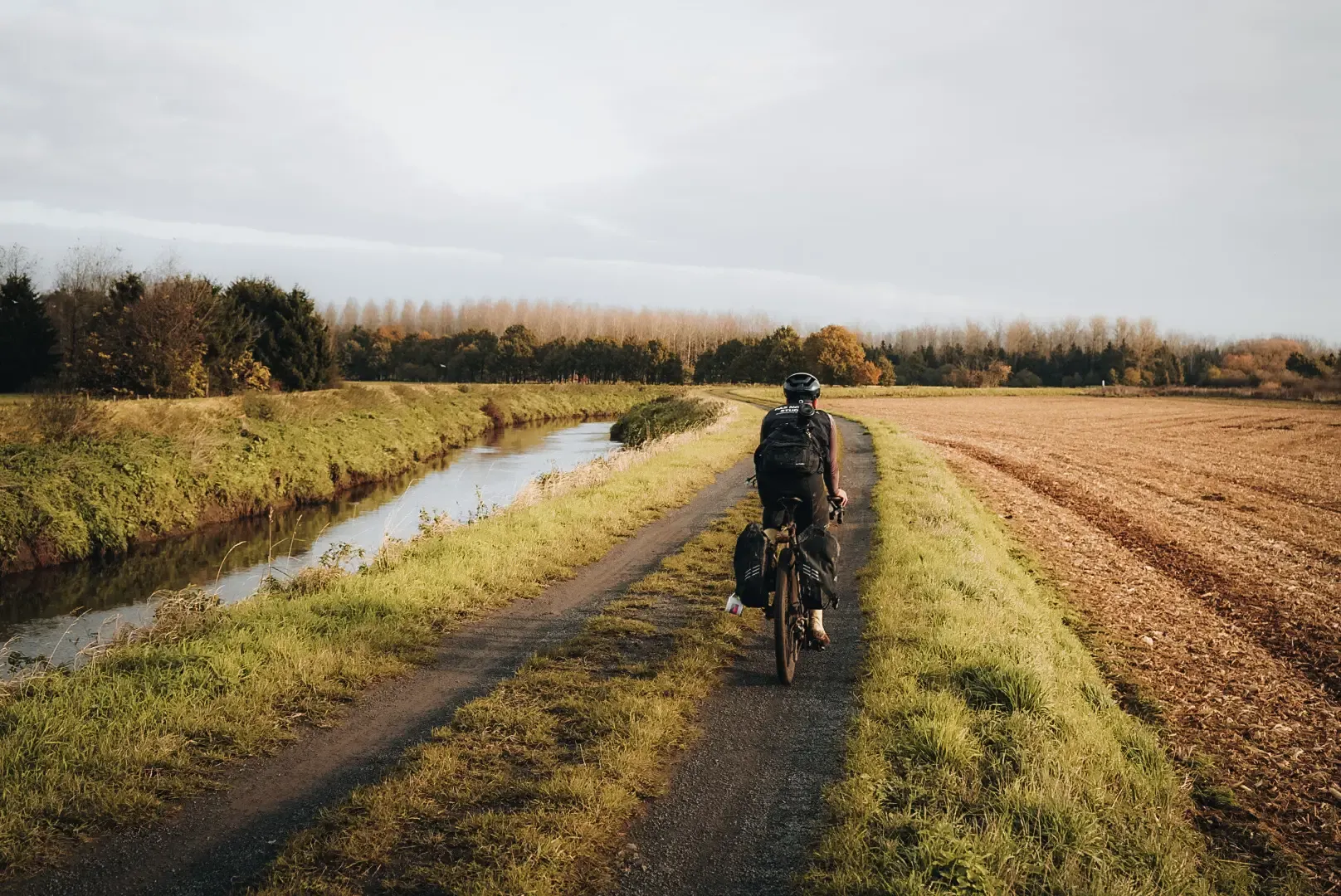
Flanders Divide - Across Flanders
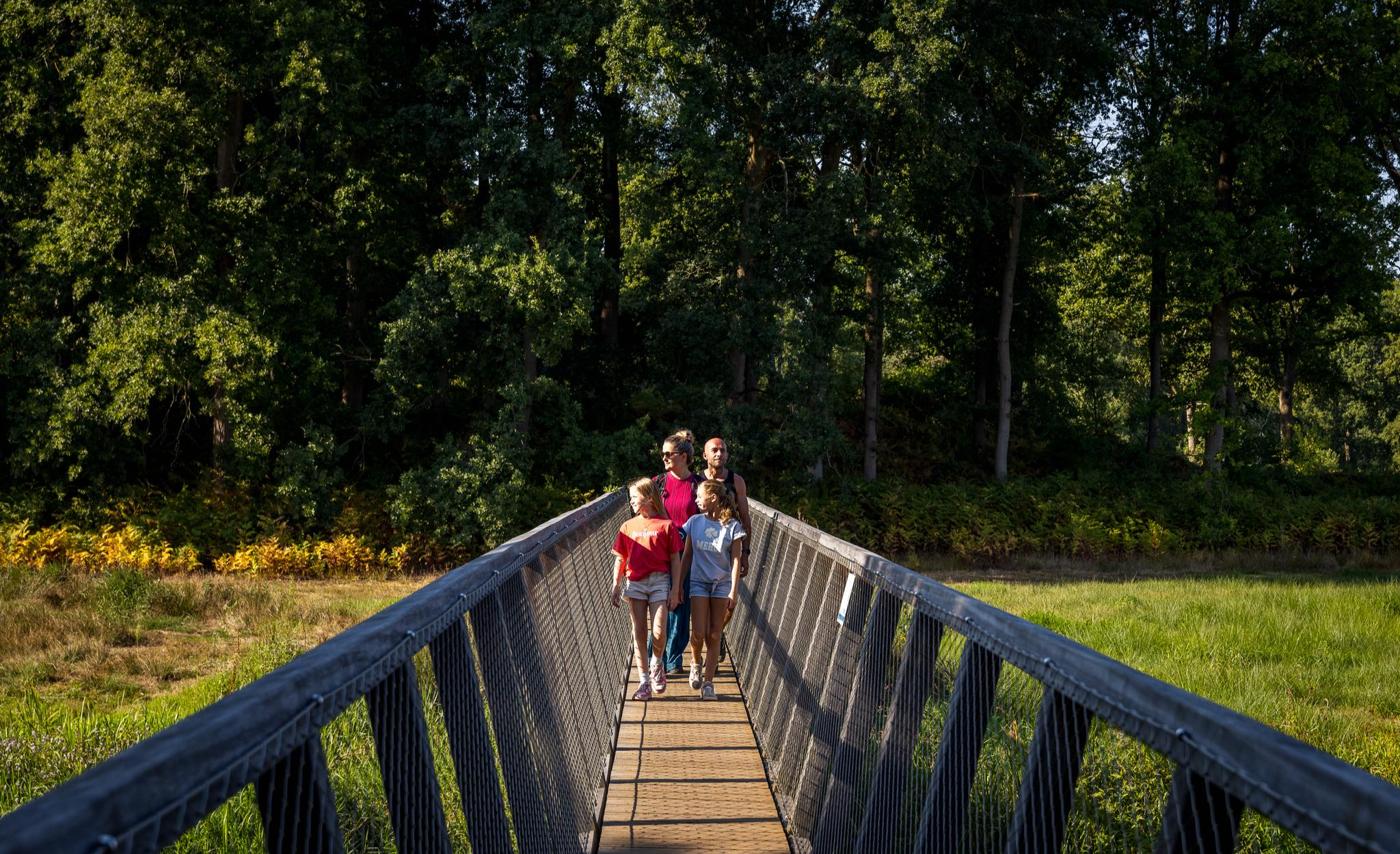
Flanders’ Finest Hiking Routes
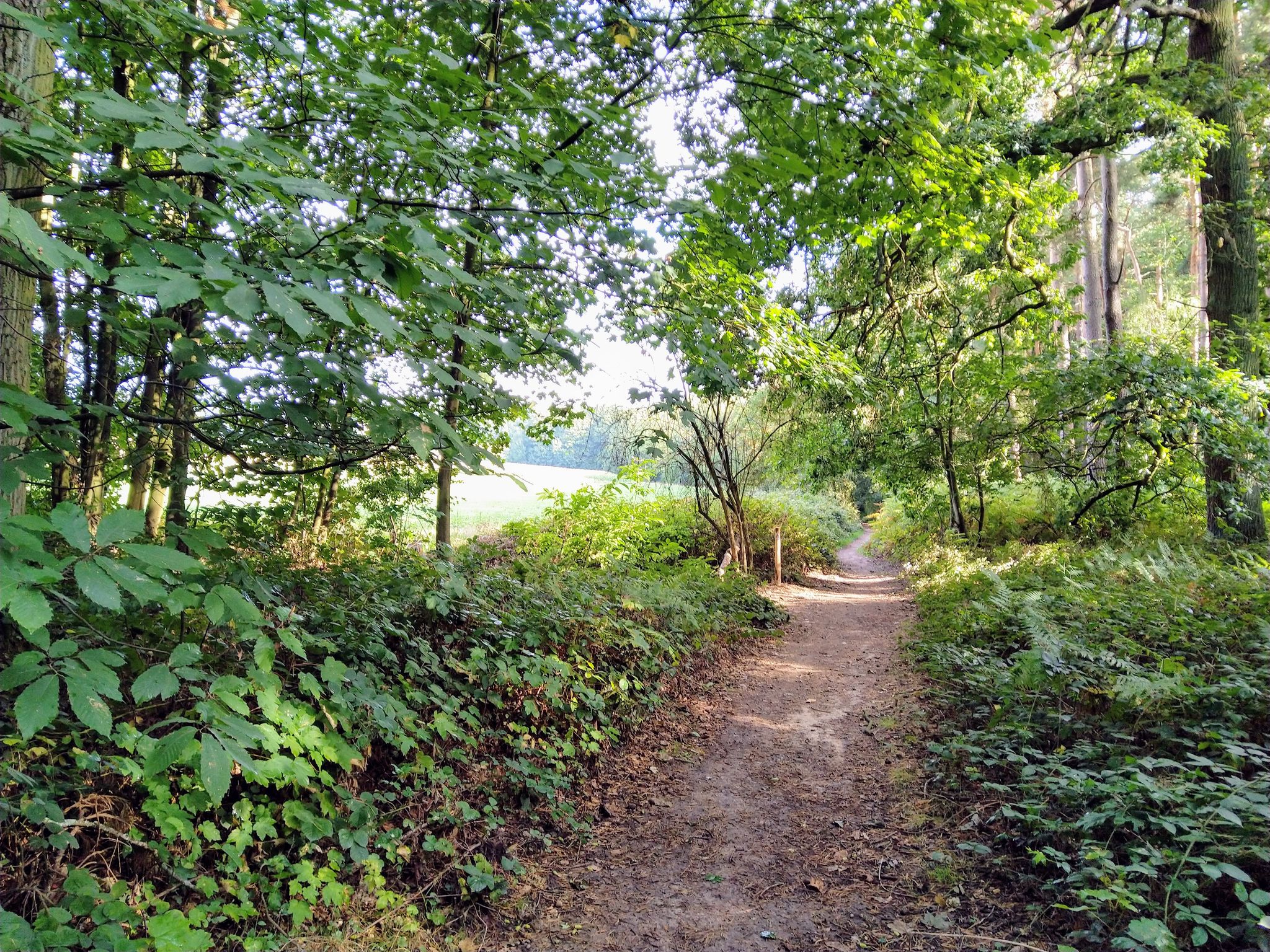
MTB Challenge – the Frans Claes route
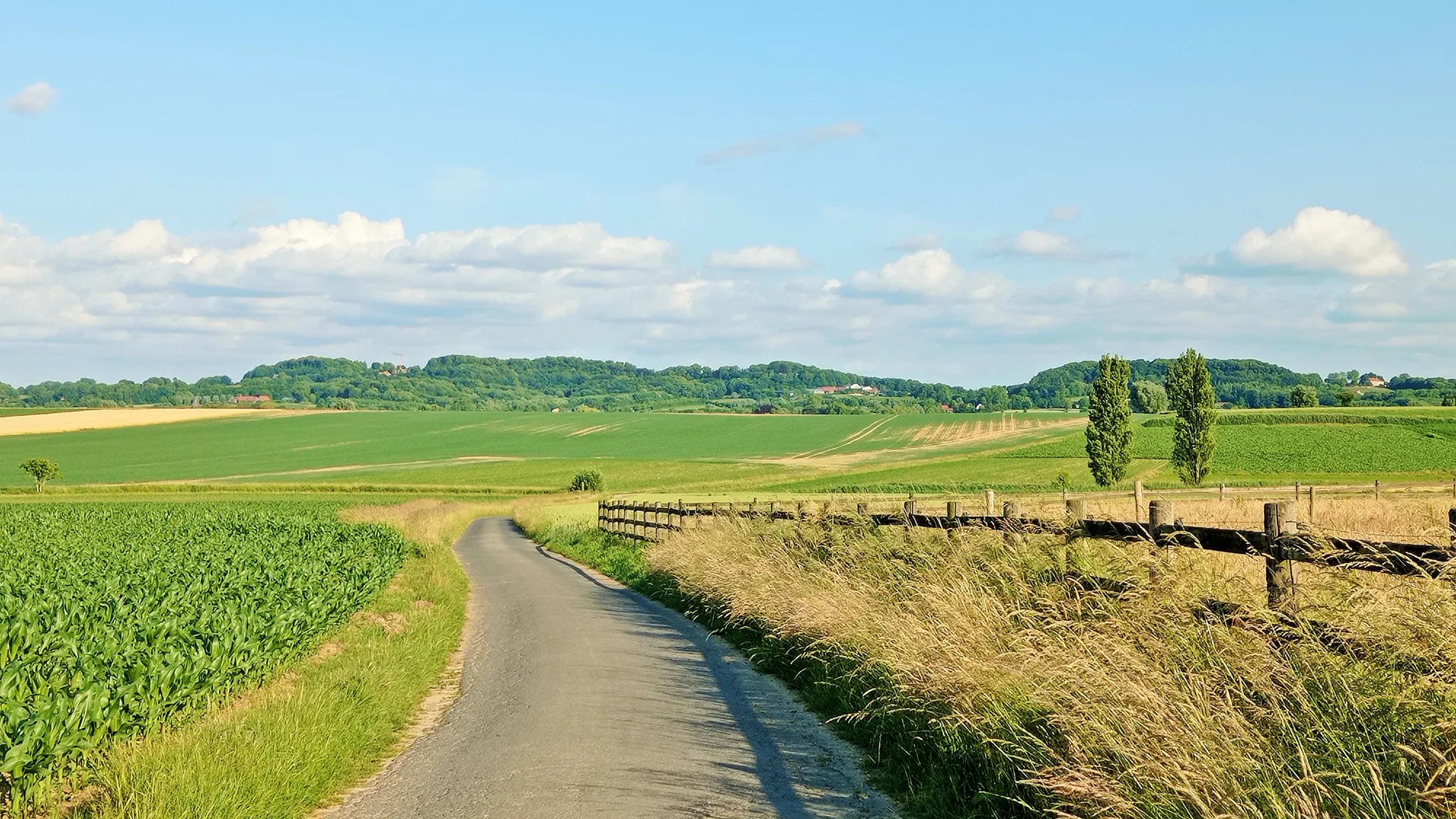
Seven-day Cycling tour through the South-Flemish hills – Hilly Route
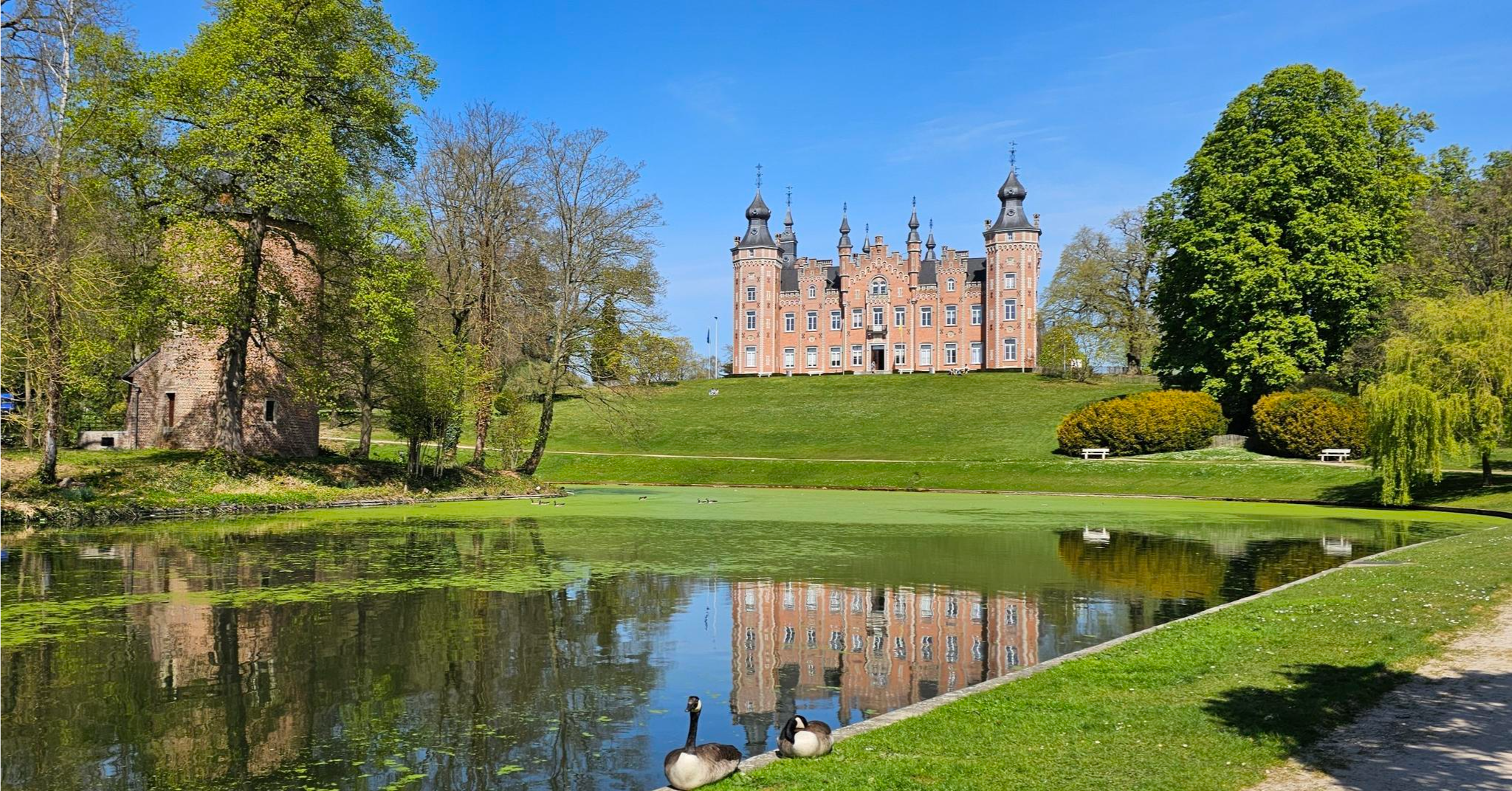
Tour around Brussels – Streek-GR Groene Gordel
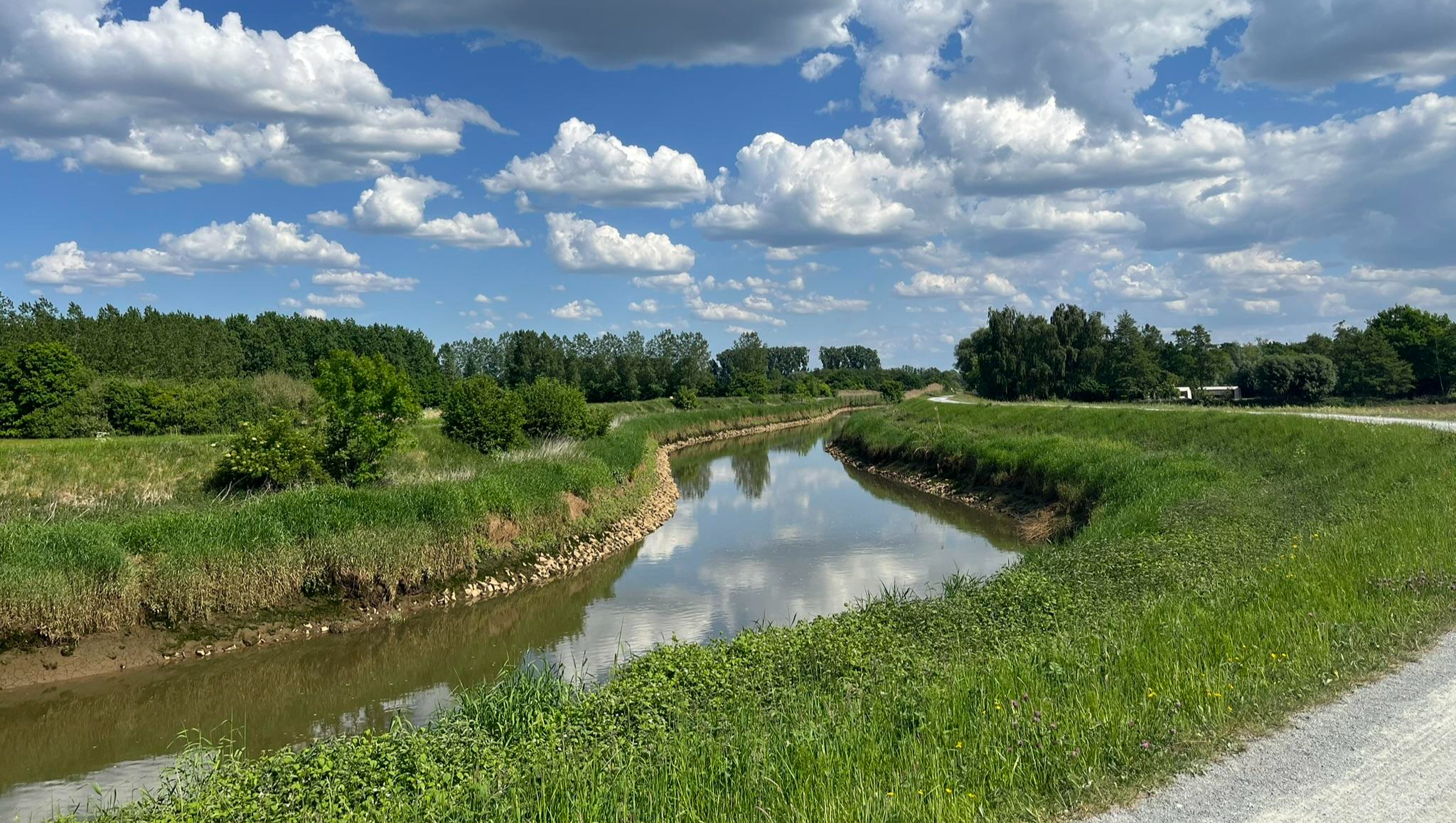
Through the valley of the Dijle – Streek-GR Dijleland
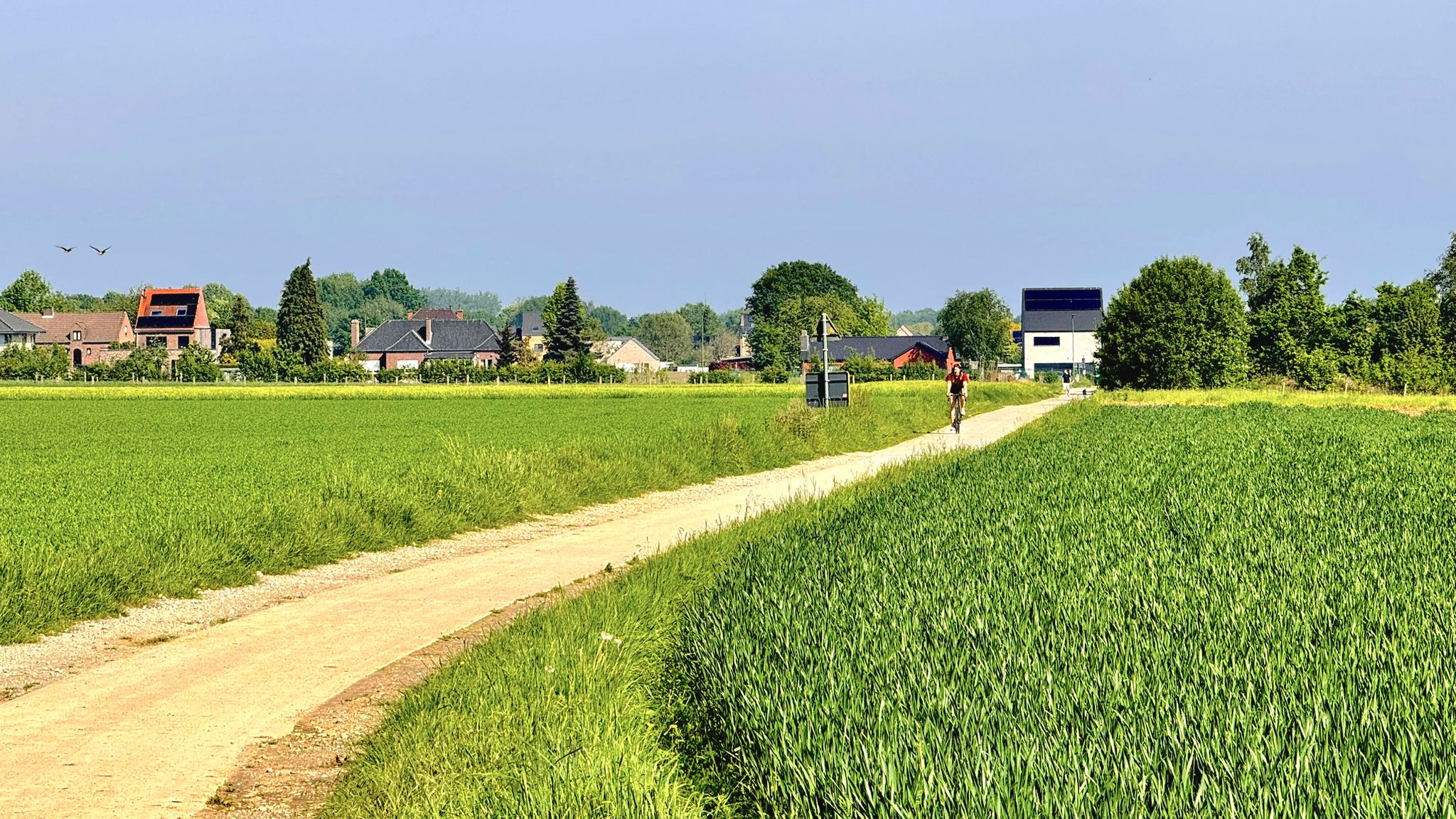
Cycling around Brussels – Green Belt Route
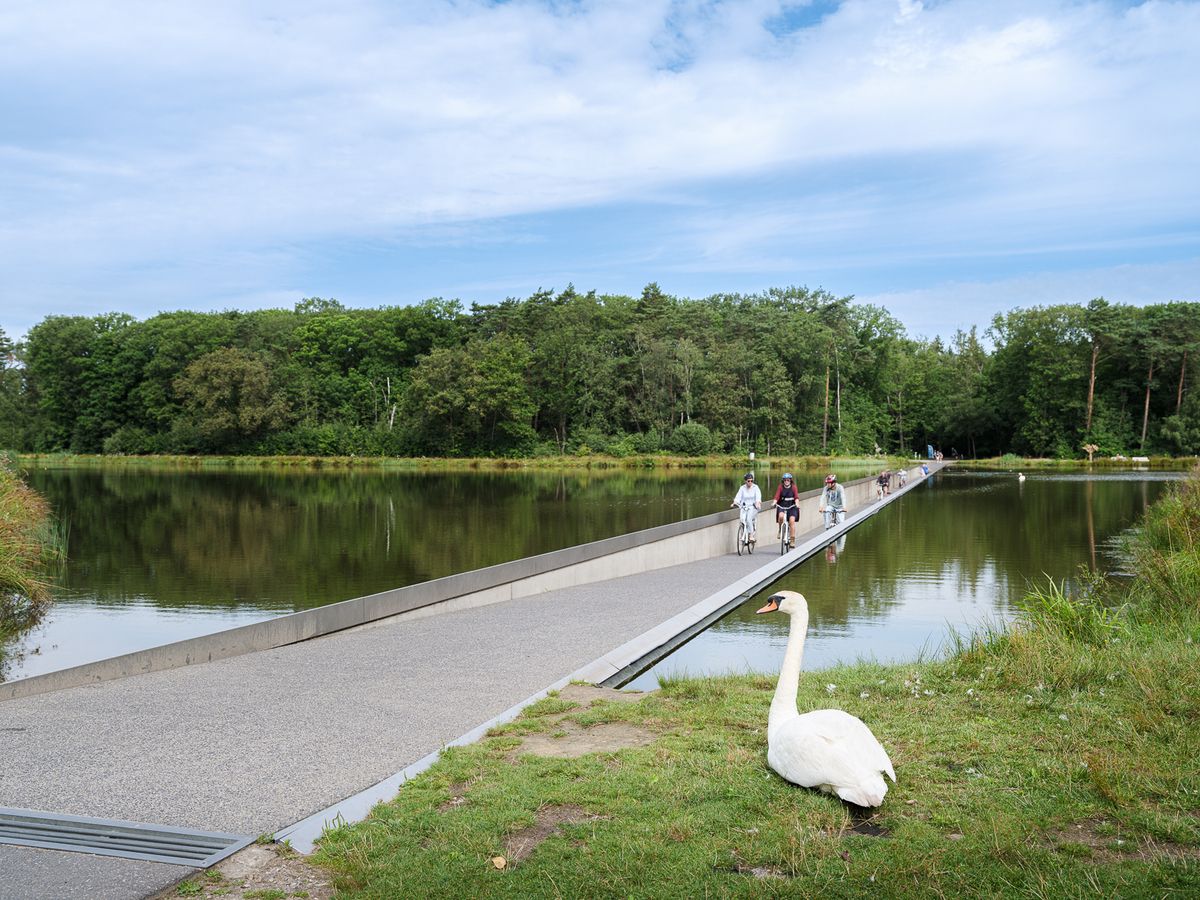
Flanders' Finest Cycle Routes: routes to discover Flemish nature and heritage
Hiking in Flanders – between dunes, forest and the scenic Meuse
Treinstappers – from station to station in Flanders
Other adventures around Halle-Vilvoorde


Tips from the Community

This tour goes for kilometers through the forest. In spring it is beautiful with the hyacinths and wood anemones. In summer nice and cool.
0
0

The Groenendaal racecourse was built in 1888-1889 on the initiative of Leopold II in the middle of the Sonian Forest, next to the road to Waterloo, and in 1892, as part of easy access, it received its own railway connection to Groenendaal station. To realize this racecourse, approximately 100 hectares of forest were cleared at the end of the 19th century. King Leopold II had his own box there, located between two metal grandstands for the public. After the First World War, this area was used for the dismantling of weapons and ammunition left behind in the Westhoek. German prisoners of war had to clear mines under the supervision of the Belgian army. During a fire and the subsequent explosions of ammunition on May 6, 1919, the hippodrome's grandstands and buildings were heavily damaged. After another explosion in November, the ammunition depot was completely dismantled in 1920. Two years later, the racecourse was restored and the grandstands were rebuilt. The royal box for Albert I was not rebuilt until 1924. Its appearance was completely different from the pre-war grandstand. When the current appearance came about is not entirely clear, although the current box is attributed to Albert I in the literature, see also monogram. Inventory of Immovable Heritage: Royal Box and remains of bookmaker's room, https://id.erfgoed.net/erfgoedobjecten/302991
4
0
The Groenendaal racecourse was built in 1888-1889 on the initiative of Leopold II in the middle of the Sonian Forest, next to the road to Waterloo. In 1892, it was given its own rail connection to Groenendaal station as part of a smooth development. To realize this racecourse, about 100 hectares of forest were cleared at the end of the 19th century. King Leopold II had his own box, located between two metal grandstands for the public. After the First World War, this area was used for the dismantling of weapons and ammunition left behind in the Westhoek. German prisoners of war had to clear mines under the supervision of the Belgian army. A fire and subsequent explosions of ammunition on May 6, 1919, heavily damaged the grandstands and buildings of the hippodrome. After another explosion in November, the ammunition depot was completely dismantled in 1920. Two years later, the racecourse was restored and the grandstands were rebuilt. The royal box for Albert I was only rebuilt in 1924. Its appearance was completely different from the pre-war grandstand. When the current appearance came about is not entirely clear, although the current box is attributed to Albert I in the literature, see also monogram. Inventory of Immovable Heritage: Royal Box and remains of bookmaker's office, https://id.erfgoed.net/erfgoedobjecten/302991
4
0

The official climb begins on a concrete and rather flat surface. Suddenly, the forest appears, interspersed with cobblestones; that's where the real climb begins.
5
0
Once an icon in the Tour of Flanders, today an icon in the Omloop het Nieuwsblad.
7
0

Nice sighting when out riding, there is a gravel track passing through and a bit later you'll meet a pasture with beautiful Highland Cows!
1
0

Beautifully restored. A must-see.
1
0

Frequently Asked Questions
What natural attractions can I explore in Halle-Vilvoorde?
The region is rich in natural beauty. Don't miss the famous Hallerbos — The Bluebell Forest, known for its stunning bluebell display in spring. Another significant natural area is Zonienwald (Sonian Forest), a large forest with ancient beech trees. You can also visit Lake Genval, the Province Domain Huizingen with its castle and trails, or the historic Domein Drie Fonteinen in Vilvoorde.
When is the best time to visit the Hallerbos?
The Hallerbos is most spectacular around mid-April when the wild hyacinths (bluebells) and white wood anemones bloom, transforming the forest floor into a vibrant purple carpet. This creates an enchanting and magical atmosphere, attracting nature lovers and photographers from far and wide.
Are there historical sites to visit in the Halle-Vilvoorde region?
Yes, the region boasts several historical landmarks. In Halle, the St-Martinusbasiliek (St. Martin's Basilica) is a prominent 14th-century basilica housing the revered Black Virgin statue. Nearby, Gaasbeek Castle is an important landmark and museum. In Vilvoorde, you can explore the Gothic church Onze-Lieve-Vrouw van Goede Hoop and the ruins of Grimbergen Castle (Prinsenkasteel), dating back to the early 15th century.
What family-friendly activities are available in Halle-Vilvoorde?
Many attractions are suitable for families. The Hallerbos and Zonienwald (Sonian Forest) offer extensive walking trails. The Province Domain Huizingen features playgrounds, a rowing pond, and an animal park. The Enchanted Forest Mural (Het Betoverde Bos) in Halle is also a unique and family-friendly viewpoint.
Where can I find cycling routes in Halle-Vilvoorde?
Halle-Vilvoorde offers a variety of cycling routes for different skill levels. You can find routes like the 'Sonian route,' 'Lambic and Geuze route,' and 'Castles Route.' For more options, explore the dedicated guide to Cycling around Halle-Vilvoorde, or specific guides for Road Cycling and MTB Trails.
Are there good hiking trails near these attractions?
Yes, the region is excellent for hiking. Both the Hallerbos and Zonienwald (Sonian Forest) offer numerous routes for walkers. The Province Domain Huizingen also has walking trails. The Brussels-Charleroi Canal provides a picturesque setting for promenades. You can find many trails, including the Kapucijnendreef, which is a popular trail.
What are some unique cultural sites beyond the main towns?
Beyond Halle and Vilvoorde, you can visit Grimbergen Abbey, a notable attraction with a rich history. The Royal Museum for Central Africa in Tervuren is a significant scientific institution housed in a neoclassical building, set within the beautiful Park of Tervuren.
What can I do on a rainy day in Halle-Vilvoorde?
On a rainy day, consider visiting indoor attractions like the Royal Museum for Central Africa in Tervuren, which offers a fascinating cultural experience. The South-West Brabant Museum in Halle is another option for exploring local history and heritage.
Are there attractions accessible for people with mobility challenges?
The Enchanted Forest Mural (Het Betoverde Bos) in Halle is noted as wheelchair accessible. While many natural areas may have varied terrain, some paths in parks and forests might be suitable. It's advisable to check specific location details for accessibility information.
Can I bring my dog to attractions in Halle-Vilvoorde?
Many natural areas in Halle-Vilvoorde are dog-friendly. The Zonienwald (Sonian Forest) is explicitly listed as dog-friendly. Always ensure your dog is on a leash and follow local regulations when visiting parks and natural reserves.
What kind of wildlife can I expect to see in the natural areas?
The extensive forests like the Zonienwald (Sonian Forest) and Hallerbos are vital parts of the Forests of Brabant National Park and are home to many animals. While specific sightings vary, you might encounter various bird species, small mammals, and insects. The Province Domain Huizingen also features an animal park.
Are there any lakes or water features for recreation?
Yes, Lake Genval is a popular spot for recreation, offering activities like angling, sailing, and canoeing. The Province Domain Huizingen has a rowing pond, and the Brussels-Charleroi Canal, which flows through Halle, provides a picturesque setting for promenades along the water.
Most popular routes around Halle-Vilvoorde
Most popular attractions around Halle-Vilvoorde

Get inspired with the komoot mobile app


Didn’t find what you were looking for?
Are you keen on exploring more awesome places nearby? Browse our guides:
Explore more
Still not found the Highlight you’re looking for? See guides of the top attractions in other regions:
