Top 20 Castles around Gent
Best castles around Gent are found in a region rich with historical significance and varied landscapes. The area is characterized by its historic city center, surrounded by rivers and expansive parklands. East Flanders offers a blend of cultural heritage and natural environments, providing strategic locations for numerous fortifications. This makes the region a notable destination for exploring historic architecture and estates.
Best castles around Gent
- The most popular castles is Poeke Castle, a castle completely surrounded by water. This…
Last updated: August 11, 2026
Gravensteen Castle
Highlight • Castle
Translated by Google •
Tip by

The Blue Gate
Highlight • Monument
Translated by Google •
Tip by
Sign up now to discover places like this
Get recommendations on the best single tracks, peaks, & plenty of other exciting outdoor places.
Sign up for free
Ooidonk Castle
Highlight • Castle
Translated by Google •
Tip by
Poeke Castle
Highlight • Castle
Translated by Google •
Tip by

Geeraard the Devil's Castle
Highlight • Castle
Translated by Google •
Tip by
Schouwbroek Castle
Highlight • Castle
Translated by Google •
Tip by

Puyenbrug Castle
Highlight • Castle
Translated by Google •
Tip by
Wippelgem Castle
Highlight • Castle
Translated by Google •
Tip by

Rabot
Highlight • Monument
Translated by Google •
Tip by
Borluut Castle
Highlight • Castle
Translated by Google •
Tip by
Sign up for free to discover even more castles around Gent.
Sign up for free
Already have an account?
Start today with a free account
Your next adventure awaits.
Login or Signup
Popular around Gent
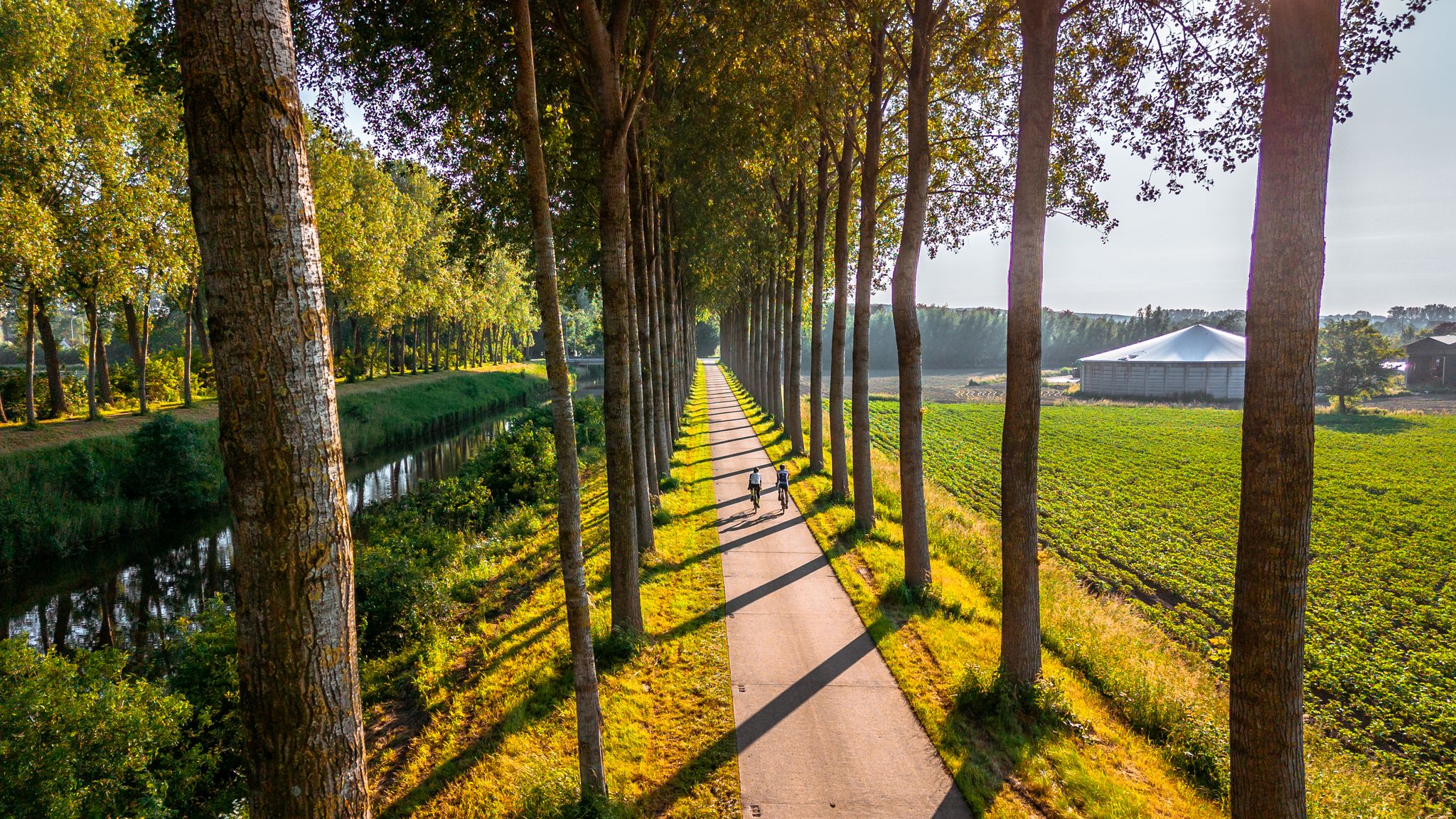
The six most beautiful cycling routes in East Flanders
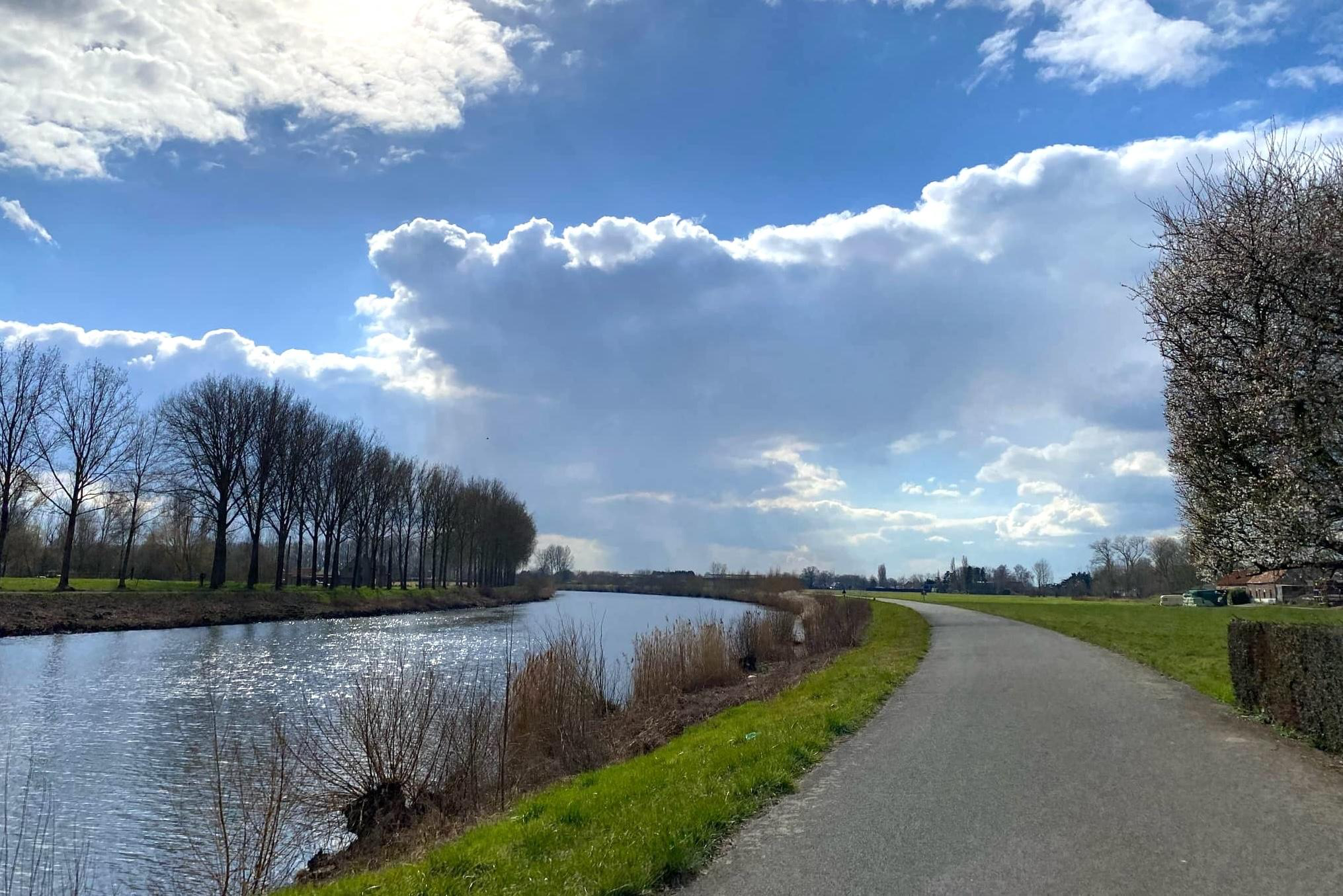
Three days of pure cycling pleasure from Spiere to Zandvliet – Schelderoute
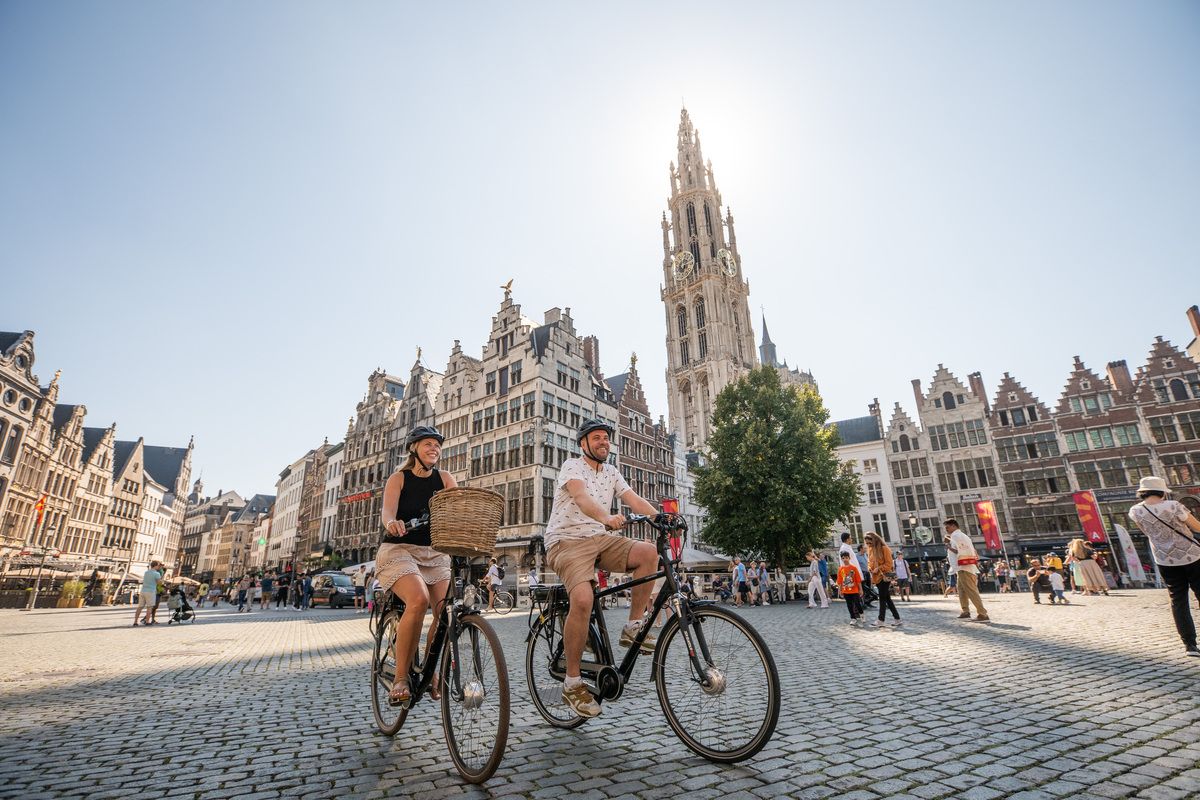
Flanders' Finest Cycle Routes: routes around the Flemish art cities
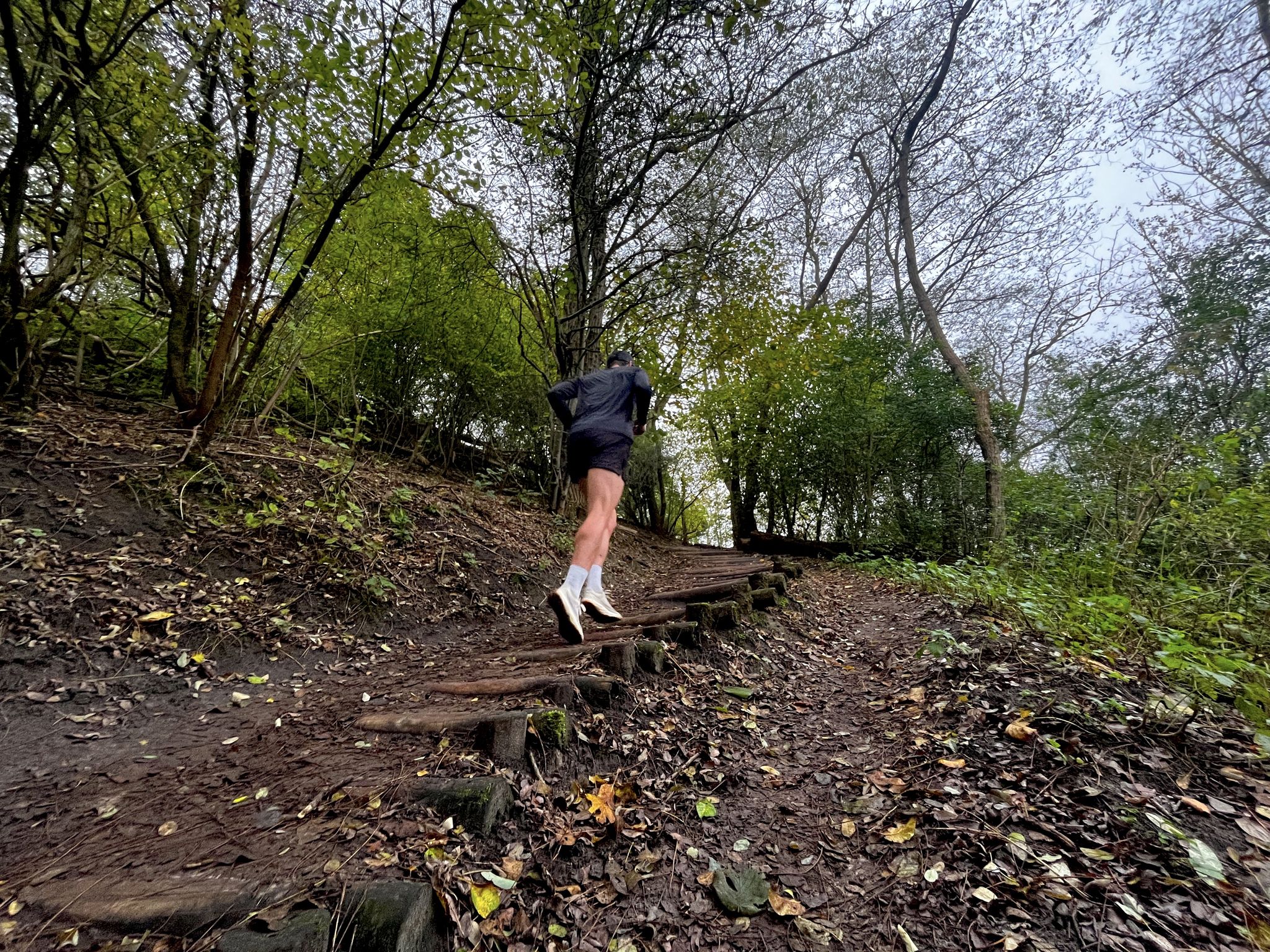
Between city and nature – running on the outskirts of Ghent
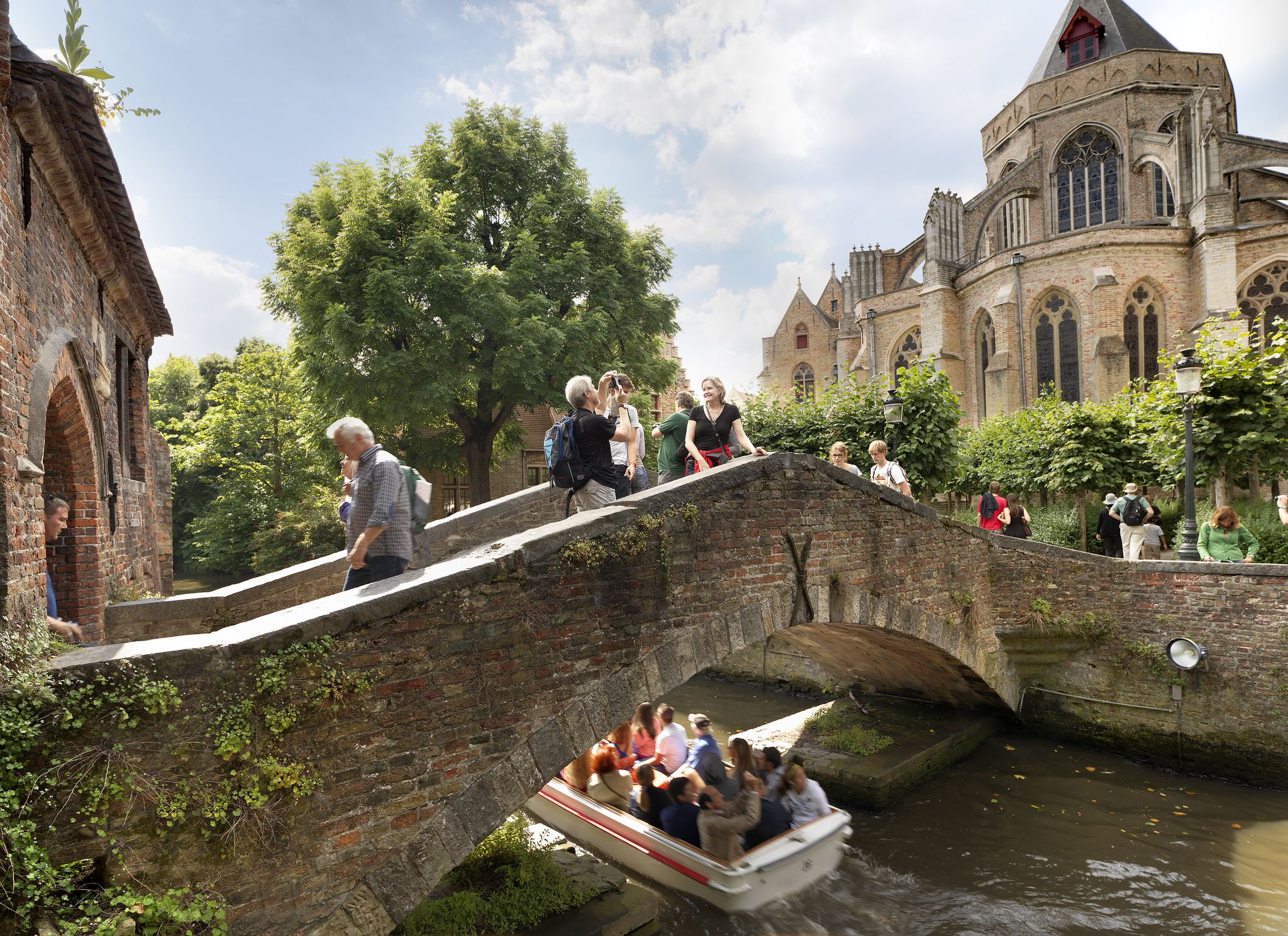
10,000 steps through Flanders' Art Cities
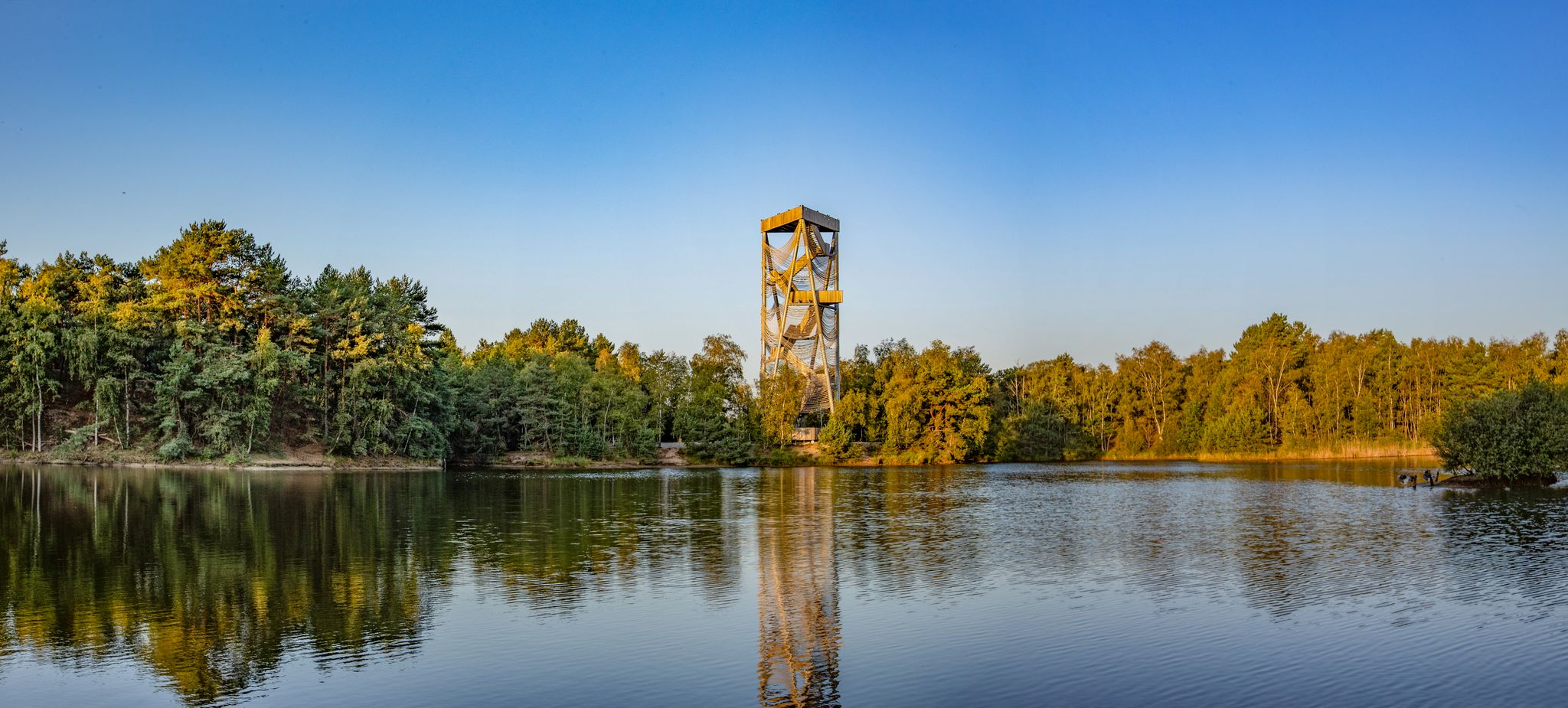
Art, culture and more – hiking in Belgium’s Flanders
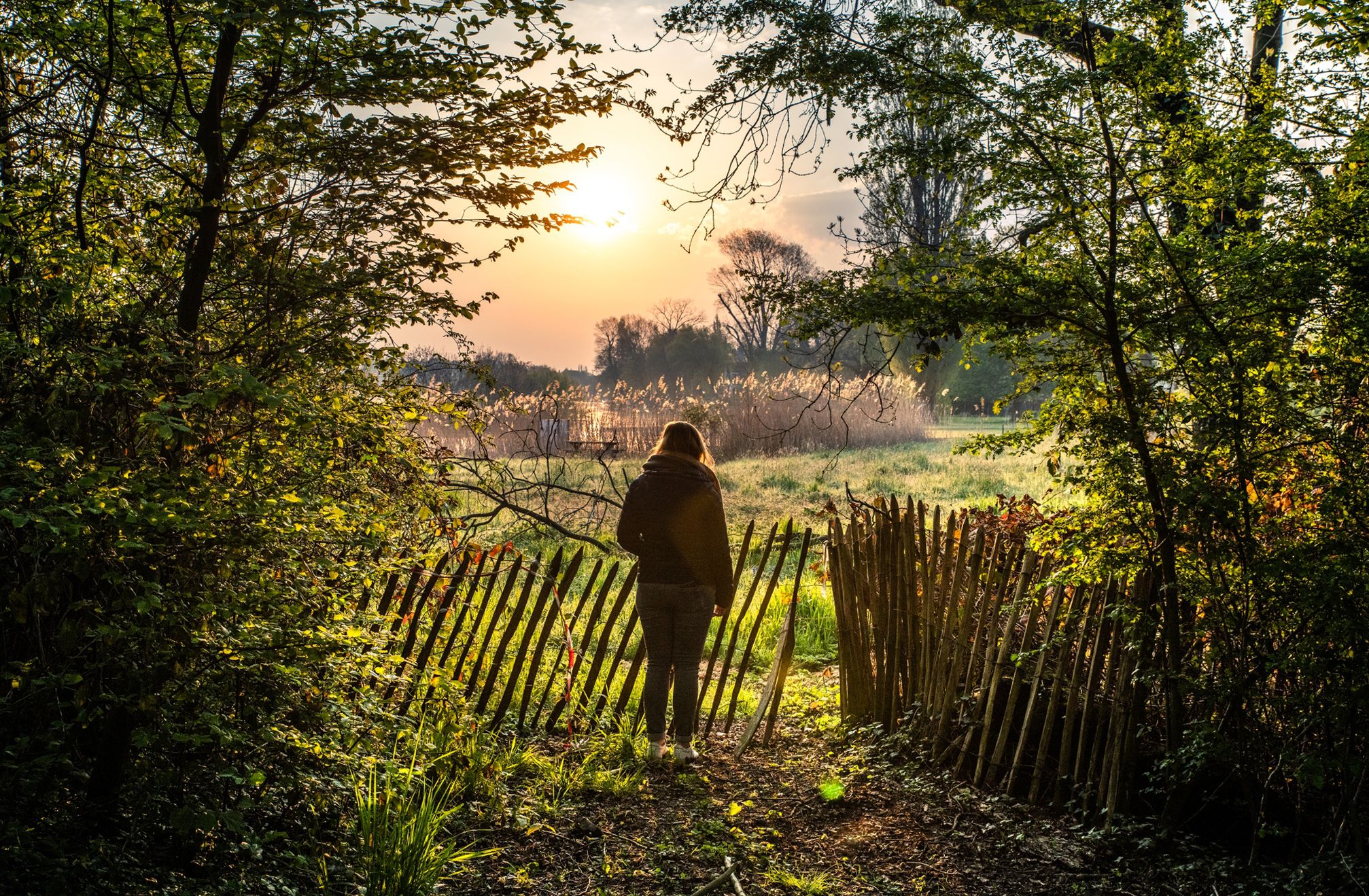
Waterside walks in Flanders
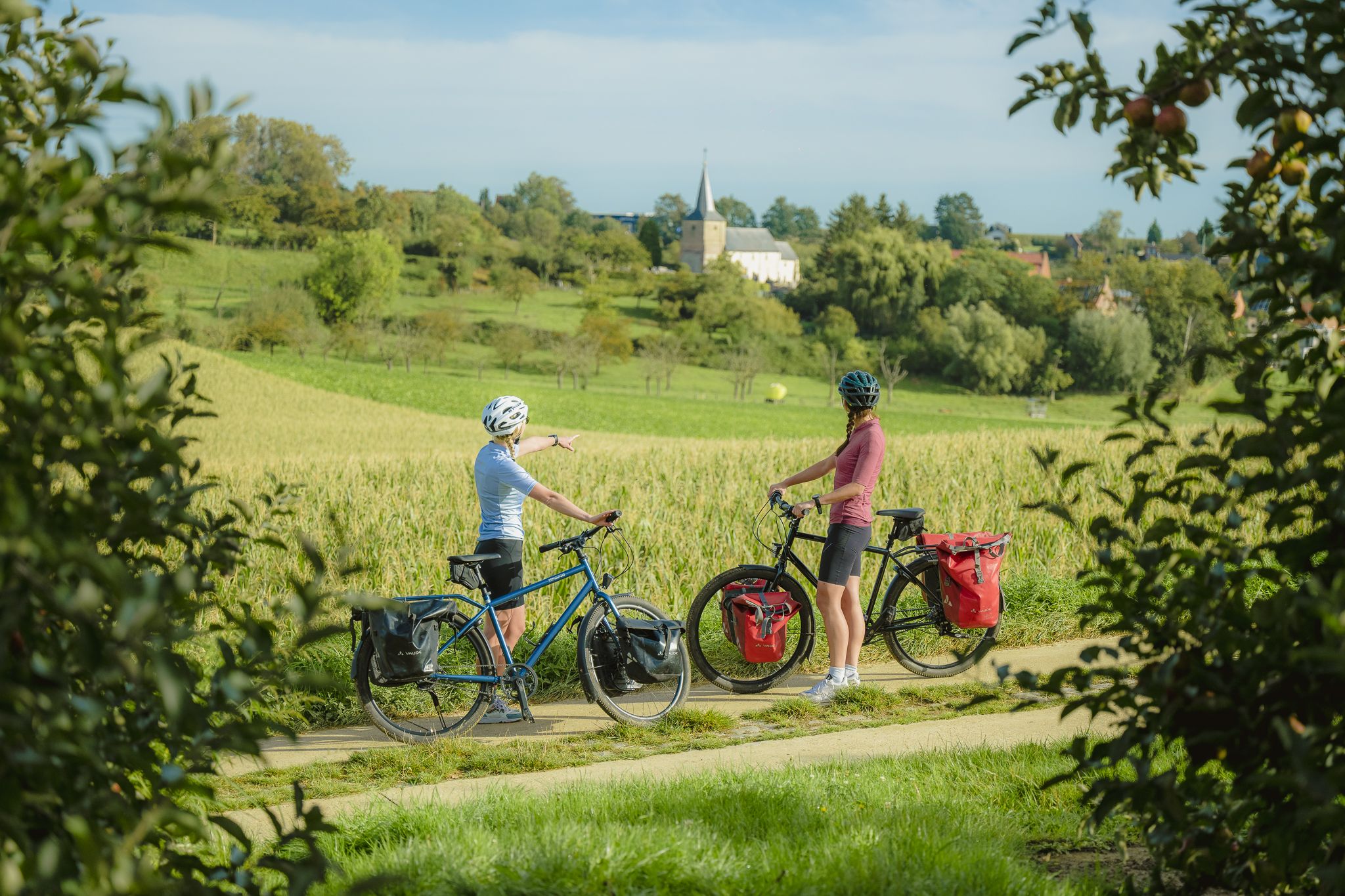
The best of Flanders — the Flanders Route
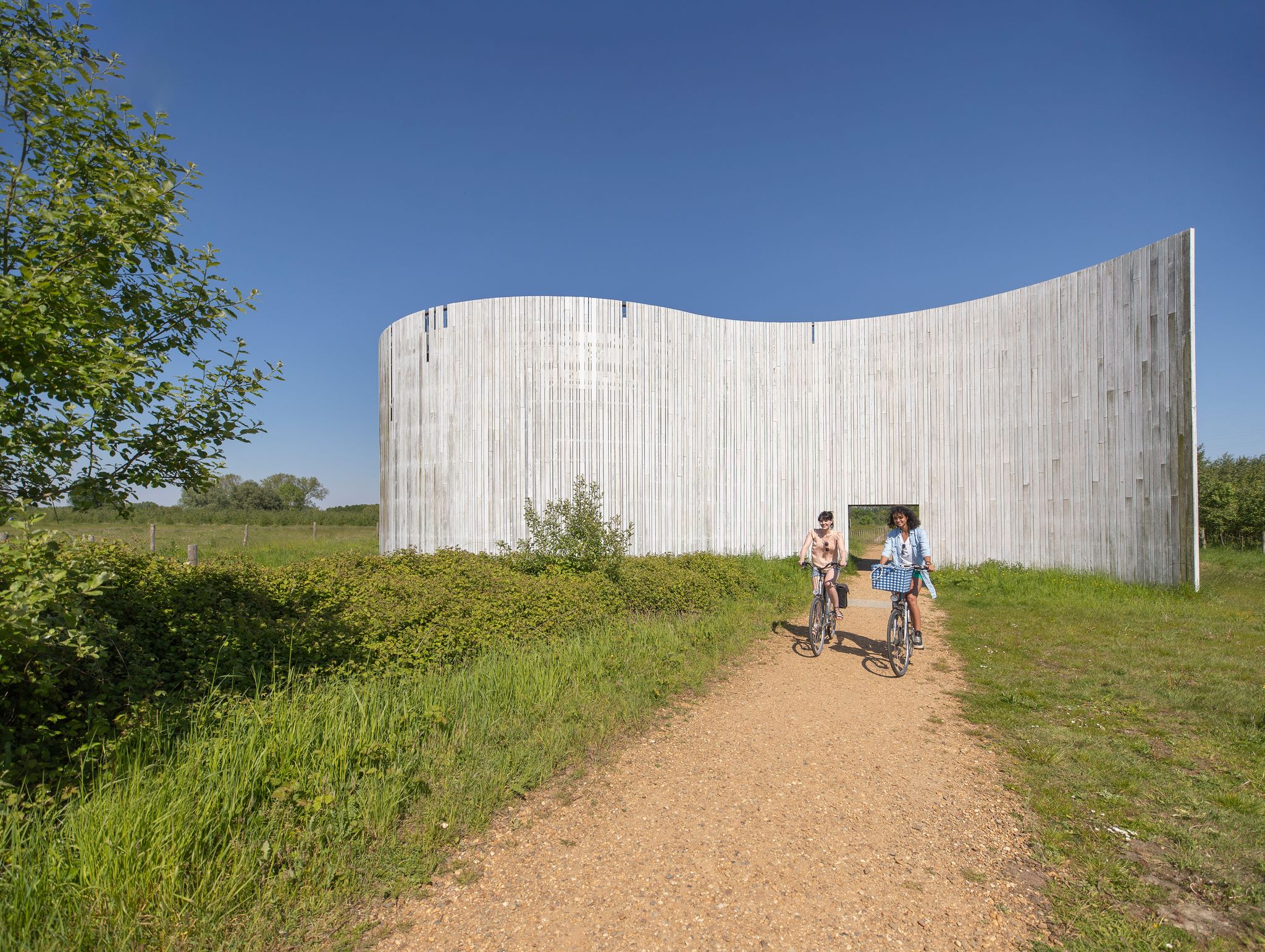
Flanders by bike – the Iconic Cultural Cycle Routes
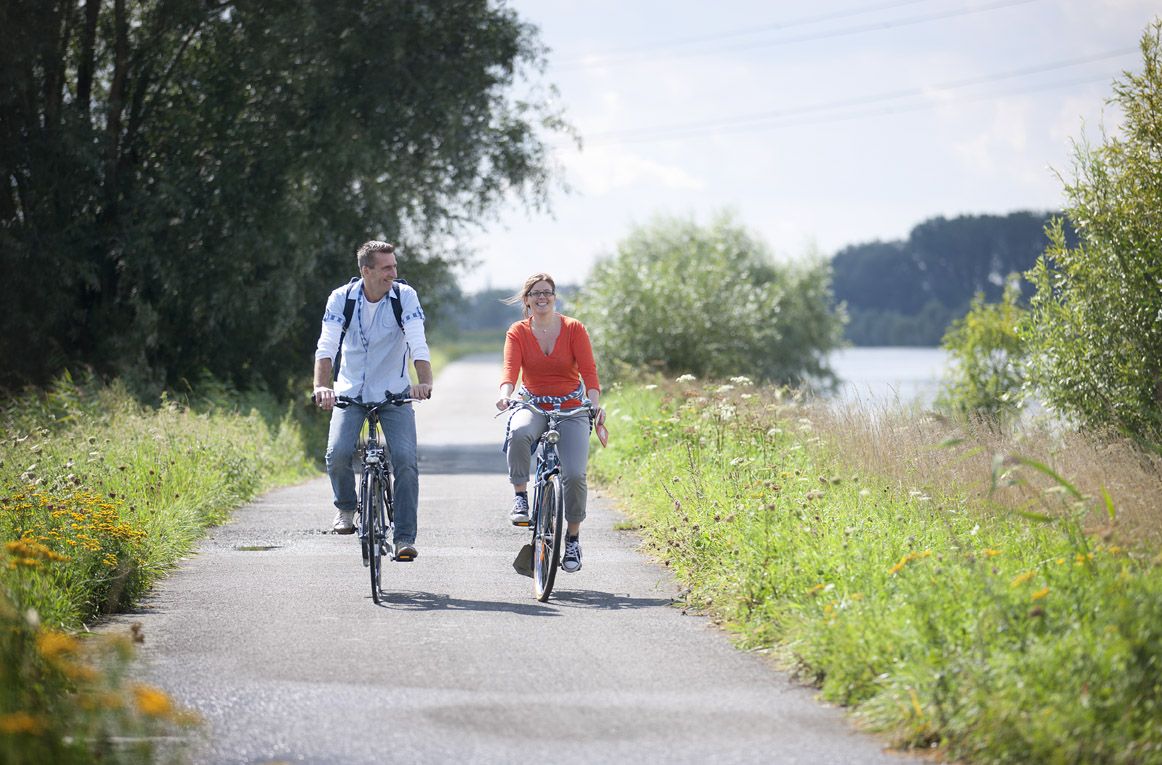
Flanders by bike: cycling along the water
Other adventures around Gent


Tips from the Community

Porta Arboreti; monumental entrance gate and former dovecote belonging to and once forming access to the Ooidonk castle domain, which originates in the 14th century.
0
0

In 1491, the construction of the Rabot was completed. The reinforced lock lay at the intersection of the Lieve with the city moat. The Lieve, on its side, provided the connection with the Zwin, which had not yet silted up, and further with the sea. In 1860, the brick wing facing the city was demolished. In 1872, the street level was raised and the Lieve was closed off. In the meantime, Ghent had long since had other access routes to the sea.
3
0

The Rabot is a fortified lock dating from 1491 with two imposing towers, built after the siege of Ghent. It gave its name to the Rabot district and is one of the city's most striking heritage sites.
2
0

Reminds me of times long past. Maybe something like Harry Potter🤔
0
1
Tucked away in Sint-Denijs-Westrem, near the Parkbos, lies the charming Borluut Castle. This neoclassical castle, surrounded by a stately park and a lime tree avenue, exudes history and tranquility. Once a summer residence for the noble Borluut d'Hoogstraete family, it is now a protected monument with a cultural function. The surrounding area invites a short detour: stroll along the old avenues, admire the architecture, and enjoy the tranquility that reigns here, despite its proximity to the city of Ghent. The castle is regularly used for artistic and social activities, but even without events, it offers a charming place to pause for a moment.
3
0
Tucked away in Sint-Denijs-Westrem, near the Parkbos, lies the charming Borluut Castle. This neoclassical castle, surrounded by a stately park and a lime tree avenue, exudes history and tranquility. Once a summer residence for the noble Borluut d'Hoogstraete family, it is now a protected monument with a cultural function. The surrounding area invites a short detour: stroll along the old avenues, admire the architecture, and enjoy the tranquility that reigns here, despite its proximity to the city of Ghent. The castle is regularly used for artistic and social activities, but even without events, it offers a charming place to pause for a moment.
1
0

The gate also serves as a bridge over the Kalebeek stream. The north facade of the gate (facing the church) features, in addition to the date 1864, the coat of arms of the t'Kint de Roodenbeke family, who acquired the castle that year (and still own it).
3
0

Frequently Asked Questions
What are some of the most historically significant castles around Ghent?
The region boasts several castles with rich histories. The Gravensteen Castle in Ghent, dating back to the 10th century, served as a residence for the Counts of Flanders, a court, and a prison. Ooidonk Castle has a turbulent past, having been destroyed twice before its 16th-century reconstruction. Kasteel van Laarne, with origins in the 11th and 12th centuries, evolved from a formidable fortress into a stylish chateau.
Are there castles with unique architectural styles near Ghent?
Yes, the castles showcase diverse architectural styles. Ooidonk Castle is renowned for its elegant Hispanic-Flemish Renaissance style, featuring steep gabled facades and elaborately decorated towers. Kasteel van Laarne, originally a medieval fortress, was renovated in the 17th century into a comfortable chateau while retaining its square donjon and pointed round towers.
What kind of museums or collections can I find within these castles?
Gravensteen Castle functions as a museum, housing an armory and a collection of judicial objects, including medieval torture instruments. Kasteel van Laarne offers guided tours to explore interiors with 17th-century furniture, intricate tapestries, and a renowned antique silver collection.
Are there family-friendly castles to visit around Ghent?
Many castles in the region are considered family-friendly. Gravensteen Castle offers an engaging audio guide that brings history to life, and its ramparts provide panoramic views. The expansive parks and moats surrounding castles like Ooidonk Castle and Poeke Castle offer space for children to explore.
What natural features or parks can I explore around the castles?
The castles are often set within beautiful natural surroundings. Ooidonk Castle is situated in a bend of the River Leie, surrounded by a moat, manicured gardens, and 45 hectares of peaceful parkland. Poeke Castle is completely surrounded by water and set within a 56-hectare wooded park. Kasteel van Laarne also features lush manicured gardens and sweeping lawns.
What is the best time of year to visit the castles around Ghent?
The spring and summer months (April to September) are generally ideal for visiting, as many castles, like Kasteel Ooidonk and Kasteel van Laarne, are fully open to the public during this period. The gardens and parks are also at their most vibrant. However, Gravensteen Castle is open daily year-round, offering a historical experience regardless of the season.
Are there hiking or cycling routes near these castles?
Yes, the region offers various outdoor activities. You can find numerous hiking routes, such as the 'Ooidonk hiking trail' which passes near Ooidonk Castle, and cycling routes like the 'Leurebroek route'. For more details on routes, explore the Hiking around Gent or Road Cycling Routes around Gent guides.
How can I get to Ooidonk Castle from Ghent?
Ooidonk Castle is located a short distance from Ghent, near the city of Deinze. While public transport options might require transfers, driving or cycling are popular ways to reach it. The castle is accessible via the Ooidonkdreef, a scenic avenue that passes under the historic The Blue Gate.
Are there any lesser-known or 'hidden gem' castles worth visiting?
Beyond the most prominent ones, you might consider Schouwbroek Castle or Wippelgem Castle. Wippelgem Castle, for instance, is set within the largest castle park in Evergem, offering extensive grounds for walking and exploring, and its domain has been owned by the municipality since 2008, ensuring its preservation.
Can I find viewpoints or panoramic views from any of the castles?
Yes, Gravensteen Castle offers stunning 360-degree panoramic views of the city of Ghent from its ramparts and keep. Poeke Castle, set within a large wooded park, also provides picturesque views of its moated surroundings.
Are there dining options or cafes near the castles?
Some castles offer dining facilities. Kasteel van Laarne, for example, has a renowned restaurant located in its outbuildings that serves traditional meals. Additionally, many towns and villages surrounding the castles will have local cafes and restaurants where you can enjoy a meal or a drink.
What is the significance of <a href="https://www.komoot.com/highlight/5377157" target="_blank" rel="noopener">Poeke Castle</a>?
Poeke Castle is a neoclassical castle completely surrounded by water, located near Aalter. Its history dates back to the 12th century, and it played an important role in conflicts like the one between Louis of Male and the people of Ghent in 1382. The castle and its 56-hectare wooded park are now owned by Tourism Flanders, ensuring its preservation and public access.
Most popular routes around Gent
Most popular attractions around Gent

Get inspired with the komoot mobile app


Didn’t find what you were looking for?
Explore Gent’s best castles region by region:
Explore more
Looking for the best castles somewhere else? Discover other guides around Gent:
