The best walks and hikes around Thuin
4.4
(5465)
27,977
hikers
1,241
hikes
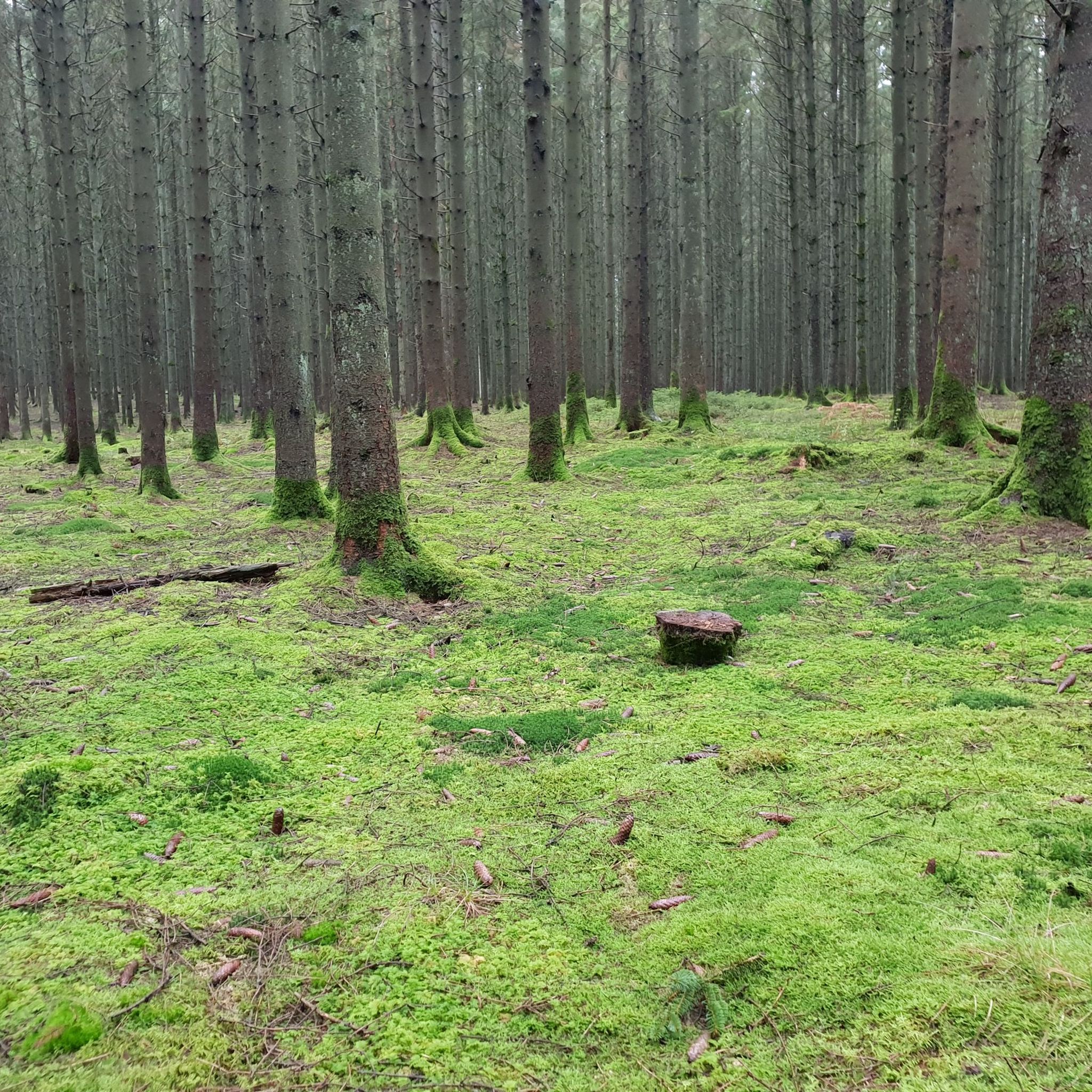
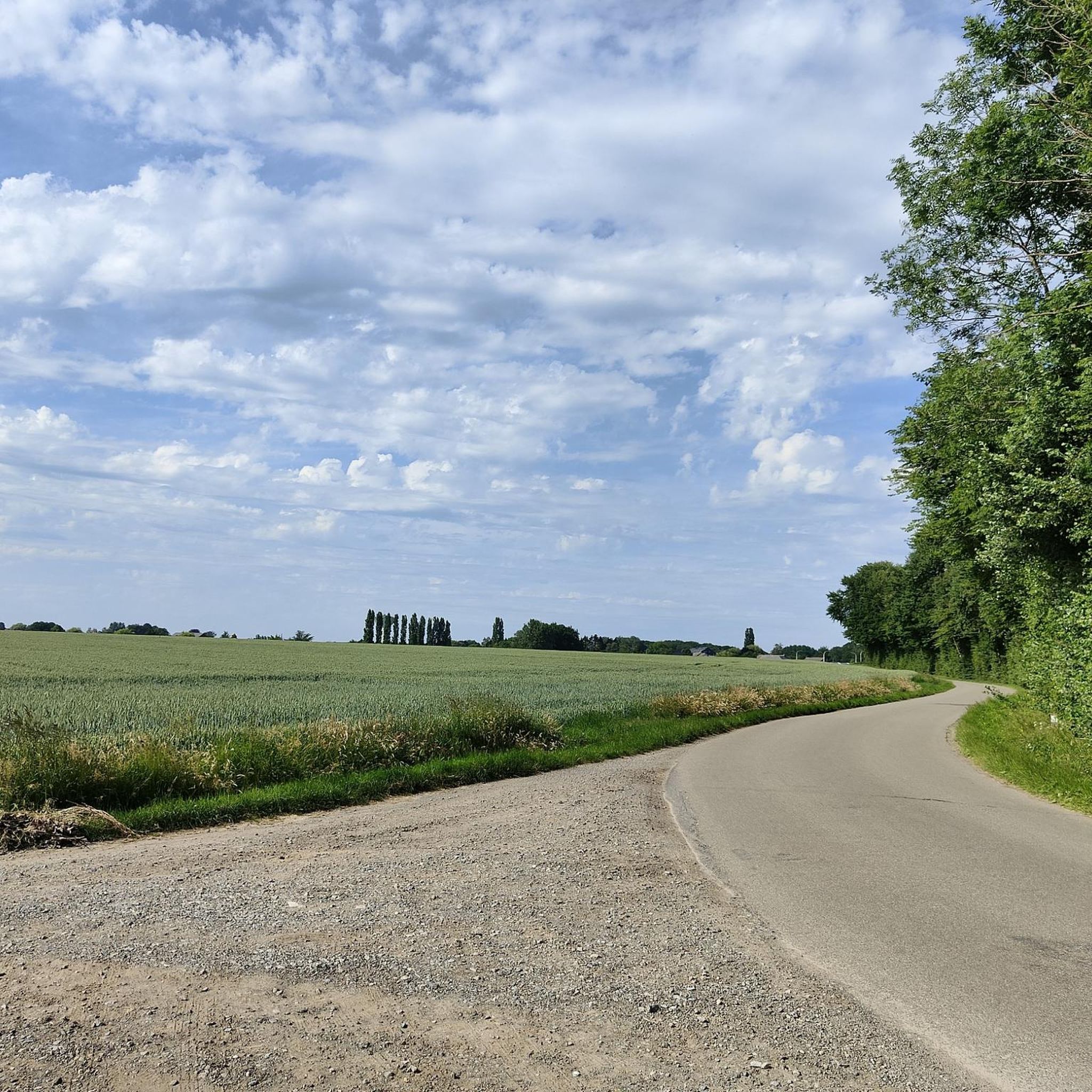
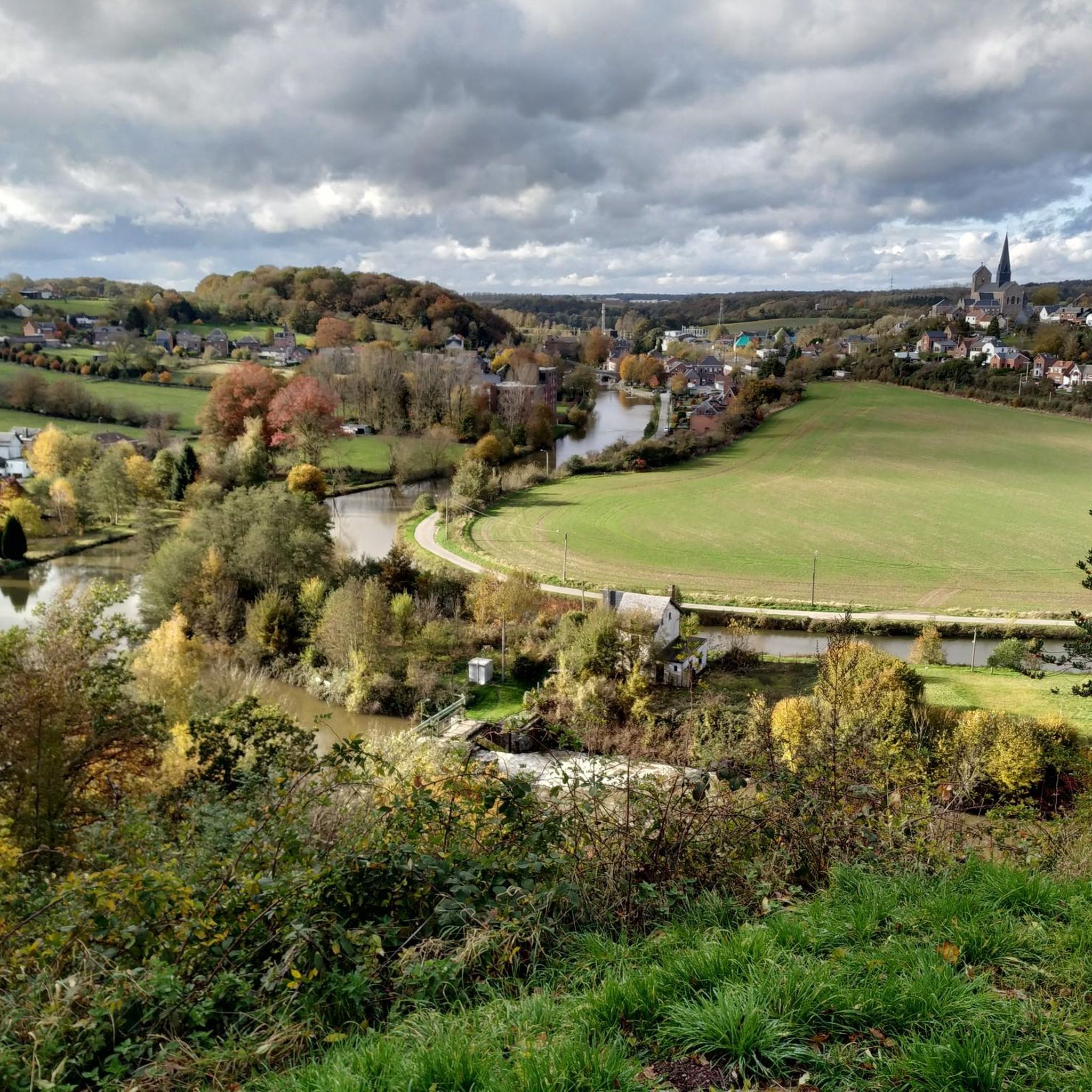
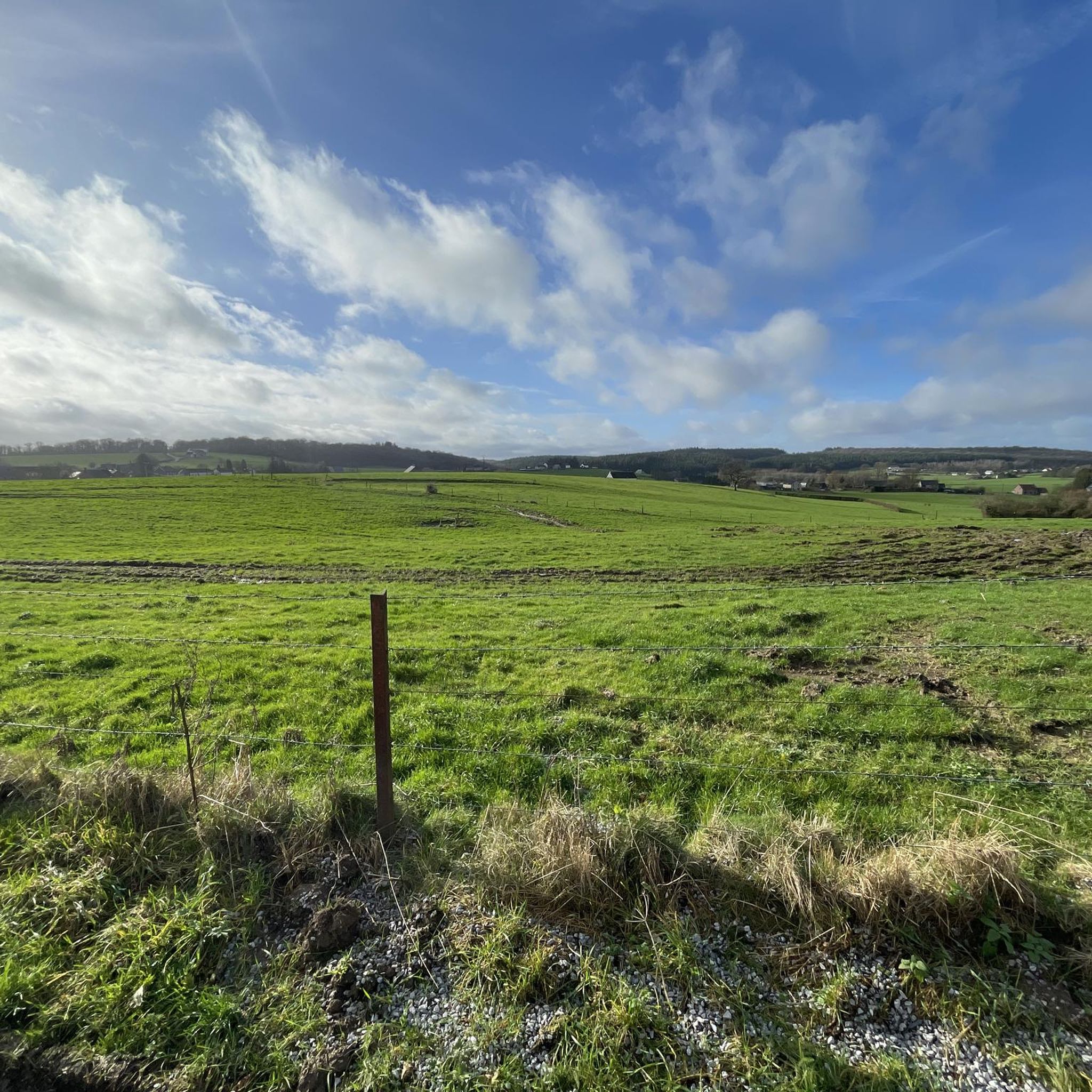
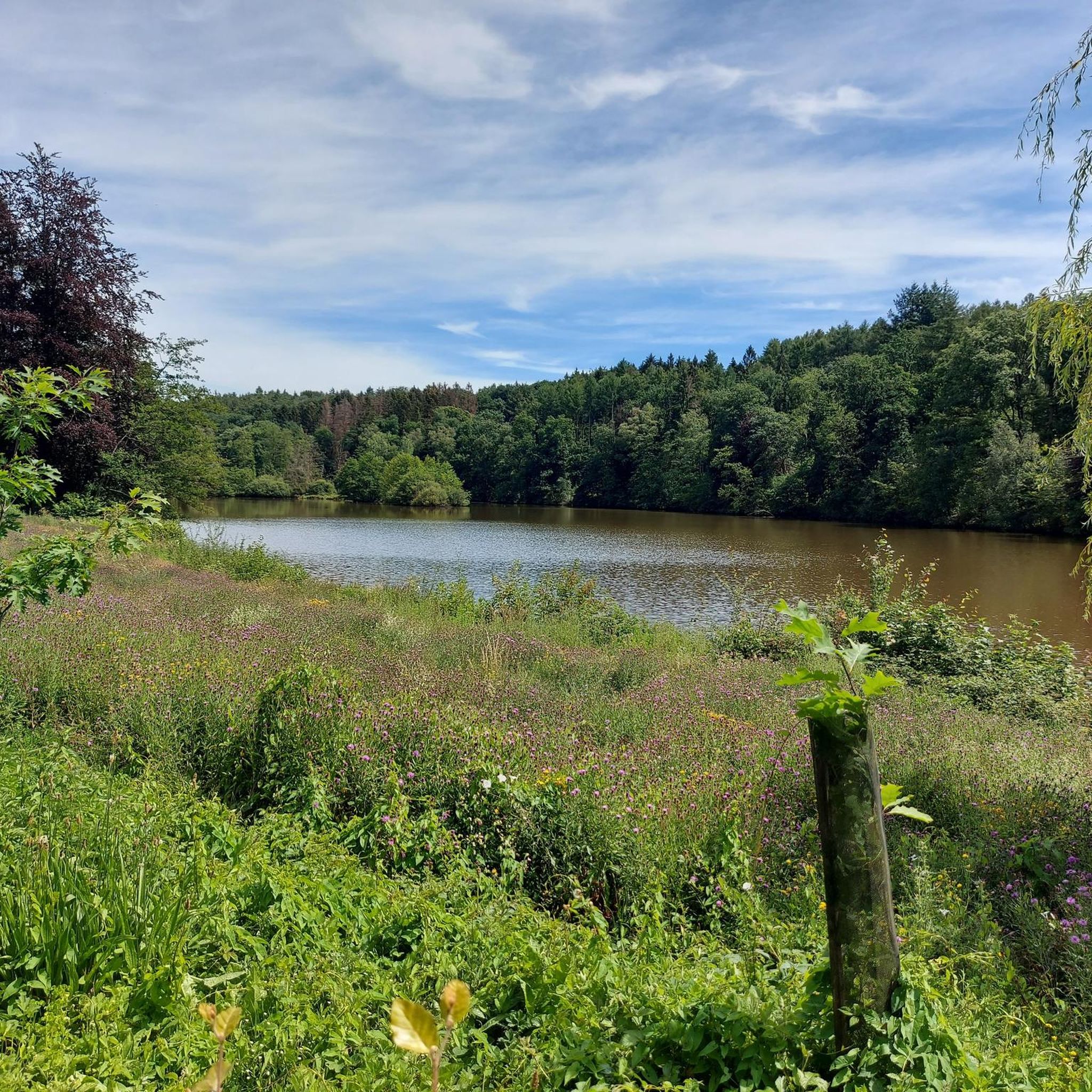
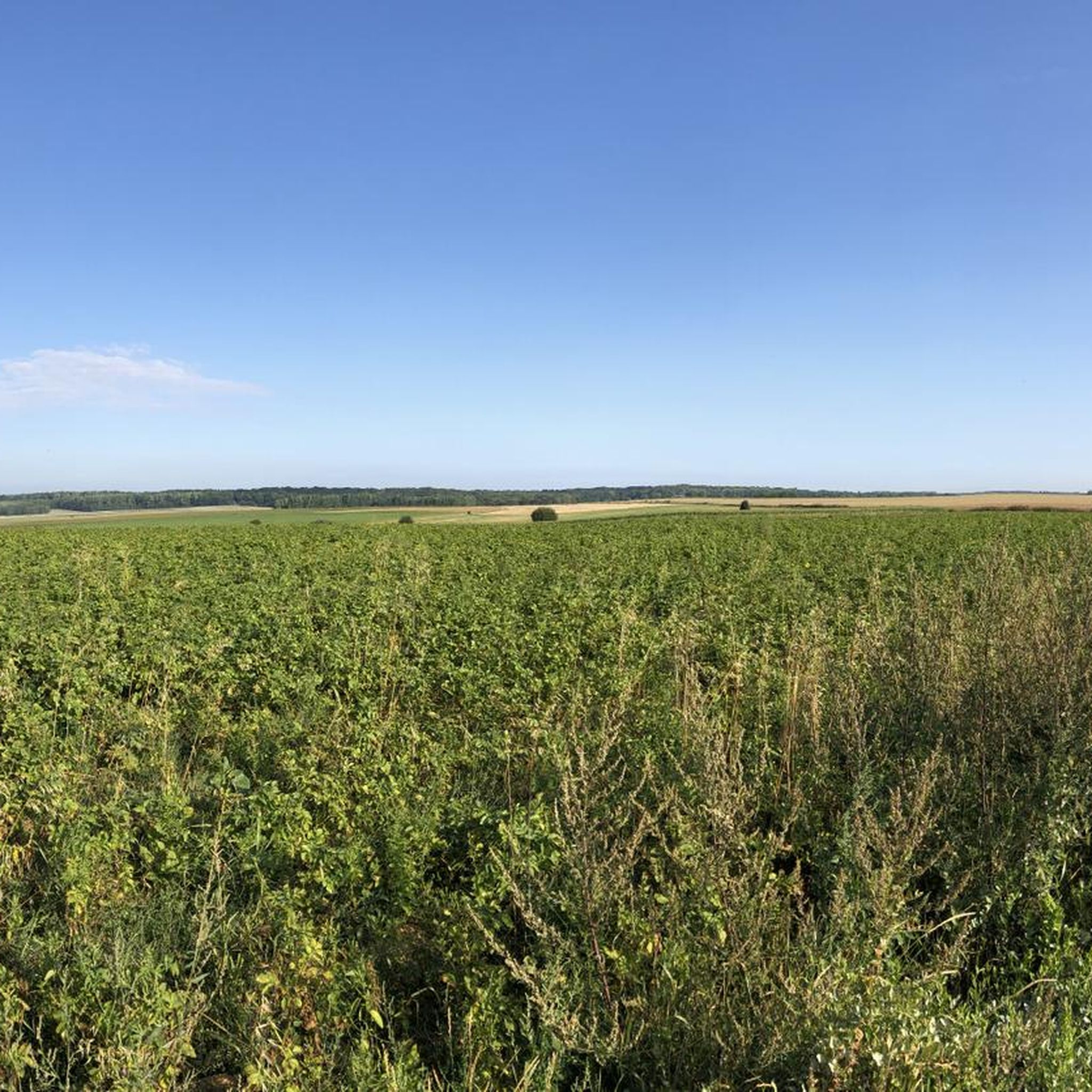
Hiking around Thuin offers a diverse landscape characterized by the tranquil Sambre River, extensive forests, and open meadows. The region features rolling hills and is close to the Lacs de l'Eau d'Heure, providing varied terrain for outdoor activities. Trails often follow river valleys and traverse natural areas like the Grand Bon Dieu wood, offering a mix of accessible paths and more challenging treks.
Best hiking trails in Thuin
- The most popular hiking route is Ronde des Lacs — Entre-Sambre-et-Meuse National…
Last updated: July 20, 2026
4.0
(79)
326
hikers
10.1km
02:40
80m
80m
Moderate hike. Good fitness required. Easily-accessible paths. Suitable for all skill levels.
4.5
(89)
304
hikers
6.43km
01:43
70m
70m
Easy hike. Great for any fitness level. Easily-accessible paths. Suitable for all skill levels.

Sign up for free
4.5
(89)
302
hikers
6.28km
01:41
80m
80m
Easy hike. Great for any fitness level. Easily-accessible paths. Suitable for all skill levels.
3.9
(26)
203
hikers
23.0km
06:01
180m
180m
Hard hike. Very good fitness required. Easily-accessible paths. Suitable for all skill levels.
4.6
(196)
1,121
hikers
16.3km
04:20
140m
140m
Moderate hike. Good fitness required. Easily-accessible paths. Suitable for all skill levels.
4.7
(162)
625
hikers
Moderate hike. Good fitness required. Easily-accessible paths. Suitable for all skill levels.
4.7
(143)
556
hikers
7.62km
02:06
120m
120m
Moderate hike. Good fitness required. Easily-accessible paths. Suitable for all skill levels.
4.5
(153)
625
hikers
Moderate hike. Good fitness required. Easily-accessible paths. Suitable for all skill levels.
4.3
(94)
460
hikers
7.93km
02:09
90m
90m
Moderate hike. Good fitness required. Easily-accessible paths. Suitable for all skill levels.
4.3
(92)
465
hikers
Moderate hike. Good fitness required. Easily-accessible paths. Suitable for all skill levels.
Get access to more routes and recommendations from other explorers.
Sign up for free
Already have an account?
Our route recommendations are based on thousands of hikes, rides, and runs completed by other people on komoot.
Start today with a free account
Your next adventure awaits.
Login or Signup
Other adventures around Thuin


Tips from the Community

Super route, along the shoreline of the lake. Almost all the time asphalt, so well suited for cyclists or people with children.
0
0

The origin of water ski clubs in Belgium lies in the growth of recreational water sports in the second half of the 20th century. The construction of larger bodies of water and reservoirs, such as the Lacs de l’Eau d’Heure, created suitable locations for activities like water skiing, wakeboarding, and other towed water sports. This made it possible to establish organized clubs that offered training, competition, and recreation. Water ski clubs typically function as sports associations where members can practice under the guidance of experienced instructors. Activities include basic skills such as balance, starting technique, and safety on the water, as well as advanced techniques for speed and jumps. Safety rules play a central role, as water skiing is a sport that combines high speeds and direct interaction with water surfaces. The infrastructure of a water ski club usually consists of a demarcated water area, a starting dock, and boat facilities or cable systems that pull the athletes. In some modern facilities, cable parks are used instead of boats, making the sport more accessible and environmentally friendly. Additionally, there are often changing rooms and meeting places for members and visitors. Ecologically, water ski clubs depend on good water quality and a stable water level. Therefore, they are often located in artificial lakes or controlled water zones, such as those at Lacs de l’Eau d’Heure. This ensures a balance between recreational use and nature management, where rules are applied to limit disturbance to fauna and flora. Socially, water ski clubs play an important role in the community. They bring people together around sport, encourage youth activities, and contribute to tourism in the region. In areas like Viroinval, they can also have an economic impact by attracting visitors and supporting local hospitality and services.
0
0
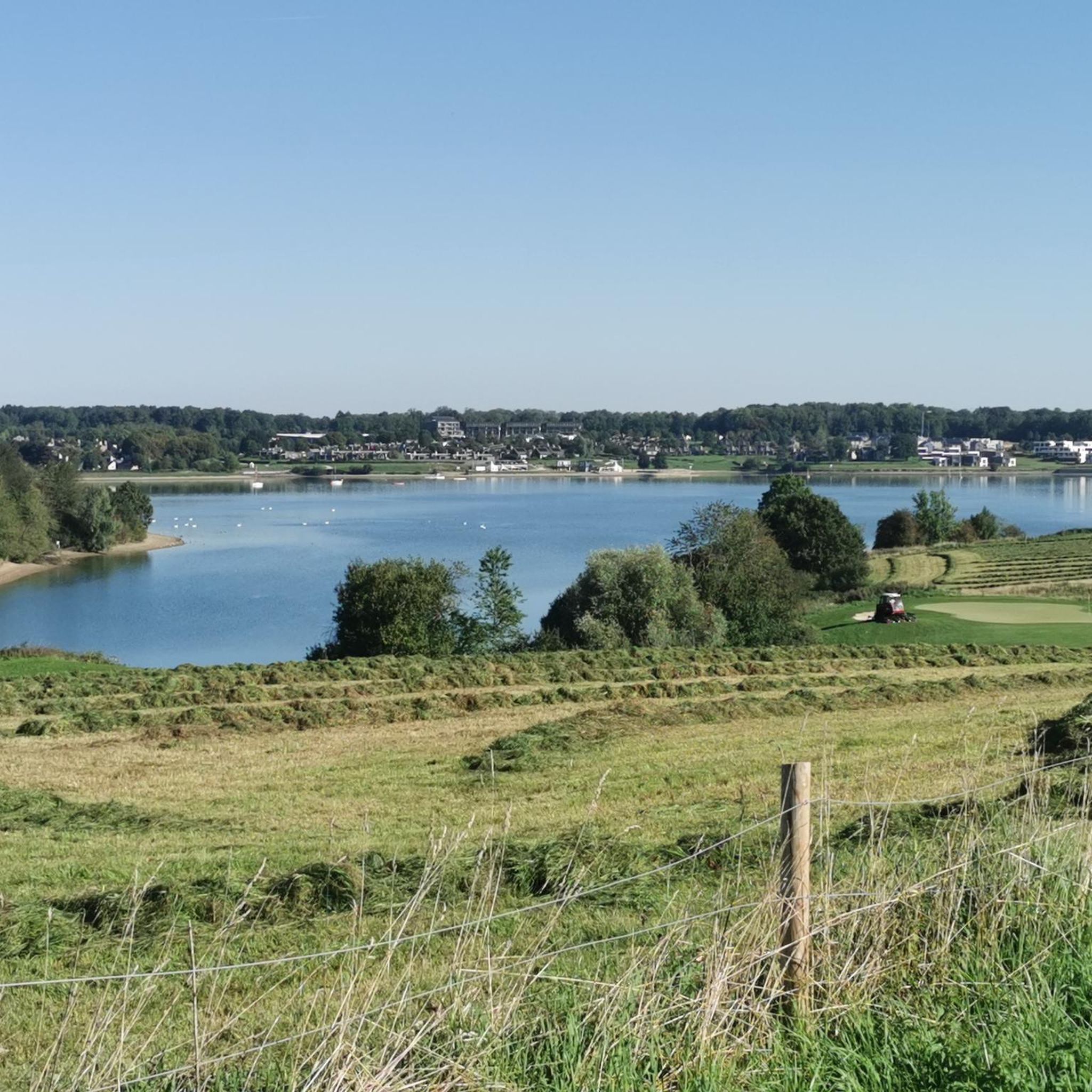
The Plate-Taille Dam is located in southern Belgium in Wallonia, on the border of the provinces of Namur and Hainaut. The dam is situated near the villages of Froidchapelle and Cerfontaine and forms the central element of the Lacs de l’Eau d’Heure lake district, the largest artificial lake complex in the country. This area covers approximately 1800 hectares and consists of several interconnected lakes that together form a unique landscape of open water, wooded hills, and extensive recreational zones. Due to its location between the Ardennes and the Fagne, the area has a varied and gently rolling terrain. The origin of the dam dates back to the 1970s when Belgium faced water management problems. The Sambre River, an important waterway for industry and shipping, experienced highly fluctuating water levels. During dry periods, the water level dropped too low, which had economic consequences. To solve this problem, an ambitious project was launched, including the construction of a series of dams on the Eau d’Heure River and its tributaries. The construction of the Plate-Taille dam began around 1974 and was completed in 1981. As a result of its construction, five lakes were created: * Plate Taille (the largest and deepest) * Eau d’Heure * Falemprise * Ry Jaune * Féronval The construction brought about a major change for the region. Certain areas were submerged, and residents had to relocate. At the same time, this project laid the foundation for a new economic model based on tourism and recreation. The Plate-Taille dam is the largest dam in Belgium and an impressive example of modern hydraulic engineering. The Plate Taille lake itself has a surface area of approximately 350 hectares and is the largest and deepest lake in Belgium. The dam holds back an enormous mass of water and literally forms the heart of the entire lake district. One of the dam's main functions is energy generation through a pumped-storage power plant. * Capacity: ± 140 megawatts * Number of turbines: 4 (reversible) * Type: pumped-storage power plant System Operation The system operates on a clever principle: * During low energy demand, water is pumped to a higher reservoir. * During high energy demand, the water flows back down through turbines, generating electricity. This makes the plant particularly valuable for stabilizing the electricity grid, especially in combination with renewable energy sources such as wind and solar power. Around the dam lies a surprisingly rich nature reserve. The combination of water, forests, and open plains ensures great biodiversity. The landscape is characterized by: * Dense deciduous and coniferous forests * Open grasslands * Reed beds along the banks * Quiet bays and small islands Animals found here include: * Roe deer * Foxes * Waterfowl such as grebes and cormorants * Birds of prey The creation of the lakes has led to new ecosystems where flora and fauna have adapted to the water-rich environment. For someone who enjoys long and challenging hikes, like myself, this area is ideal, and you can easily create routes of several hours here without much crowds. 🚴♂️ Cycling and Recreation Besides hiking, the area is also popular with: * Road cyclists (hilly terrain) * Mountain bikers * Families (flat cycling paths around the lakes) There are well-maintained cycling routes that connect the entire lake district. 🚤 Water Sports and Activities The Lacs de l’Eau d’Heure are the center for water sports in Belgium. Possibilities: * Sailing * Kayaking * Windsurfing * Diving (in certain zones) * Swimming Motorized water sports are permitted to a limited extent, which contributes to a relatively calm and natural atmosphere. 🧭 Tourist Facilities The area is highly developed for visitors without losing its natural charm. Key attractions: * Skywalk Plate-Taille – a panoramic tower with views over the entire area * Natura Parc L’Eau d’Heure – adventure park with climbing routes and zipline * Marinas and beach areas * Holiday parks and campsites This makes the area suitable for both day trips and longer stays.
0
0

beautiful walk to do with the family
1
0

Beautiful hike, I was just expecting to see the lake but that is not the case, we go around it but not close!
1
1

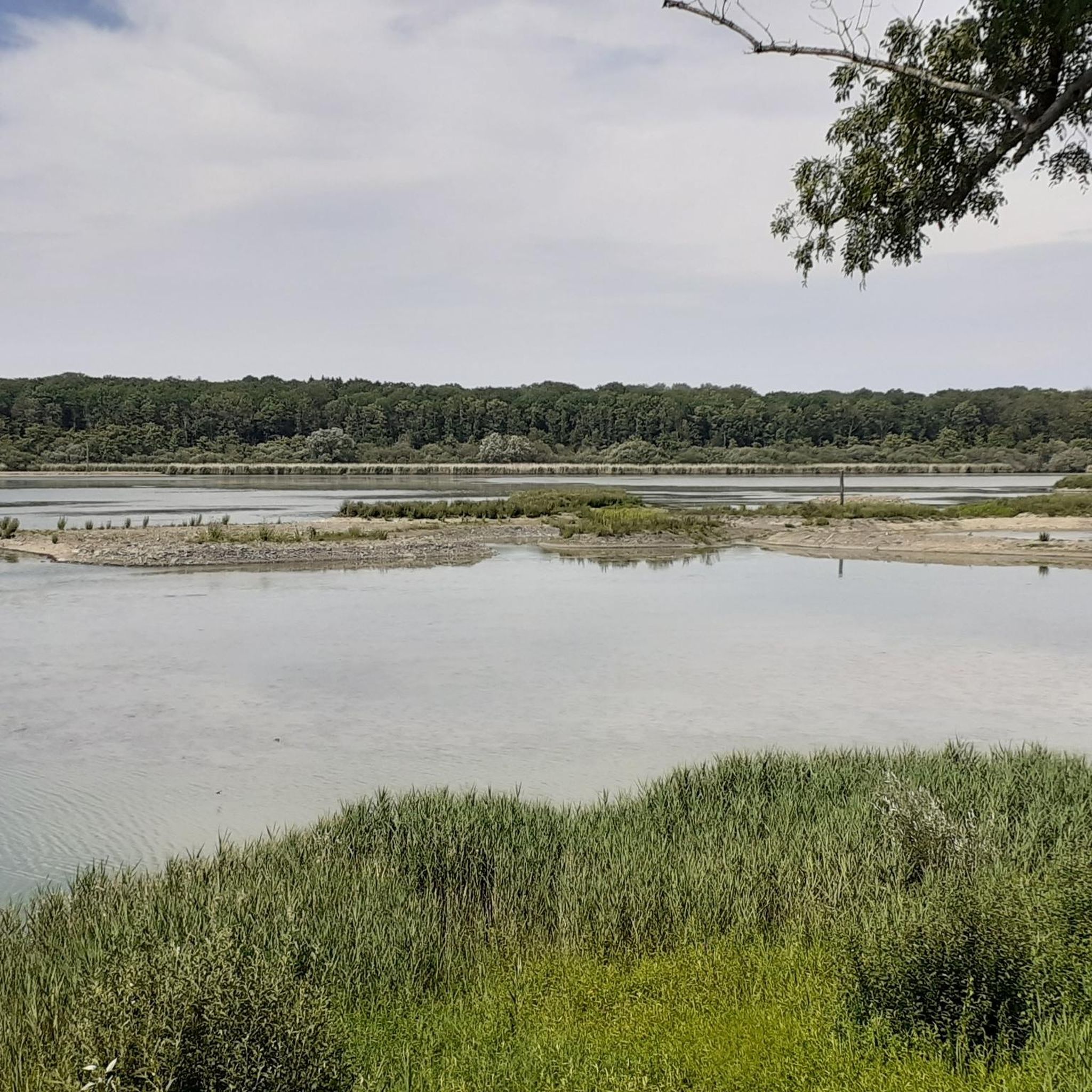
quietness of the pond where we observe birds
1
1
beautiful typical village
4
0

Nice place for barbecue, not very respected unfortunately.
0
0
Frequently Asked Questions
What kind of landscapes can I expect to see while hiking in Thuin?
Thuin offers a diverse landscape for hikers. You'll find tranquil paths along the Sambre River, extensive forests like the Grand Bon Dieu wood, and open meadows. The region also features rolling hills and is close to the Lacs de l'Eau d'Heure, providing varied terrain from river valleys to lake districts.
How many hiking trails are available in Thuin?
There are over 1,100 hiking routes available in Thuin, catering to various skill levels and preferences. The komoot community has explored these trails extensively, with over 24,000 hikers using komoot to discover the area.
Are there easy hiking trails suitable for beginners or families in Thuin?
Yes, Thuin has many easy trails perfect for beginners or families. For instance, the Promenade de l'Eau Blanche — Entre-Sambre-et-Meuse National Park is an easy 4.0-mile (6.4 km) path offering accessible walking. Another gentle option is Lompret and the wild waters of the Eau Blanche, which is 3.9 miles (6.3 km) long.
Can I find circular hiking routes in Thuin?
Yes, many trails in Thuin are designed as circular routes, allowing you to start and end at the same point. For example, the Ronde des Lacs — Entre-Sambre-et-Meuse National Park is a popular circular route exploring the scenic lake district. Another option is the Lake Plate Taille – Eau d'Heure Lakes loop.
Are there any hikes that feature rivers or waterfalls in Thuin?
Absolutely. The region is known for its waterways. Many trails follow the Sambre River, offering tranquil riverside views. You can also explore routes along the Eau Blanche, such as the Promenade de l'Eau Blanche. For a specific natural feature, look for the Eau Blanche Stepping Stones and Small Waterfalls highlight.
What historical or natural attractions can I discover along the trails in Thuin?
Thuin's trails often lead to interesting sights. You can find highlights like the impressive Plate-Taille Dam and Eau d'Heure Dam in the lake district. The historic Abbey of Aulne also has picturesque trails nearby. For unique natural features, explore the Hanging gardens or enjoy a View over the Étang de Virelles.
Are dogs allowed on the hiking trails in Thuin?
Generally, dogs are welcome on many hiking trails in Thuin, especially in natural areas like forests and along rivers. However, it's always recommended to keep them on a leash and check for specific local regulations, particularly in nature reserves or protected areas, to ensure a pleasant experience for everyone.
What do other hikers enjoy the most about hiking in Thuin?
The komoot community highly rates hiking in Thuin, with an average score of 4.4 stars from over 4,500 reviews. Hikers frequently praise the region's varied terrain, from tranquil river paths to expansive forests and the scenic lake districts, as well as the well-marked routes that cater to different ability levels.
Are there any longer, more challenging hikes in the Thuin area?
Yes, for those seeking a greater challenge, Thuin offers longer routes. The Eau d'Heure Loop Trail is a difficult 14.3-mile (23.0 km) hike that takes about 6 hours to complete, leading through the Lacs de l'Eau d'Heure region. Another moderate option is the Plate Taille Dam – Eau d'Heure Dam loop, which is 10.1 miles (16.3 km).
What is the best time of year to go hiking in Thuin?
Thuin is enjoyable for hiking throughout much of the year. Spring and autumn offer pleasant temperatures and beautiful scenery with blooming flowers or vibrant fall foliage. Summer is also popular, especially around the lakes. Even in winter, some trails are suitable for a crisp walk, though conditions can vary, so checking local weather is always advised.
Are there hiking routes with good parking options in Thuin?
Many popular hiking areas and trailheads in Thuin, especially those around the Lacs de l'Eau d'Heure and other key attractions, typically offer designated parking facilities. While specific parking details for each route aren't always listed, it's common for well-known starting points to have convenient access for vehicles.
Can I combine hiking with other activities in the Thuin region?
Absolutely. The Thuin region, particularly around the Lacs de l'Eau d'Heure, is a hub for outdoor activities. Besides hiking, you can find opportunities for cycling, water sports on the lakes, and exploring charming towns. The AquaScope Virelles is an example of a nearby attraction that combines nature with educational experiences.
Most popular routes around Thuin
Most popular attractions around Thuin

Get inspired with the komoot mobile app


Didn’t find what you were looking for?
Check out more Hikes throughout Thuin below and find the perfect route in your destination.
